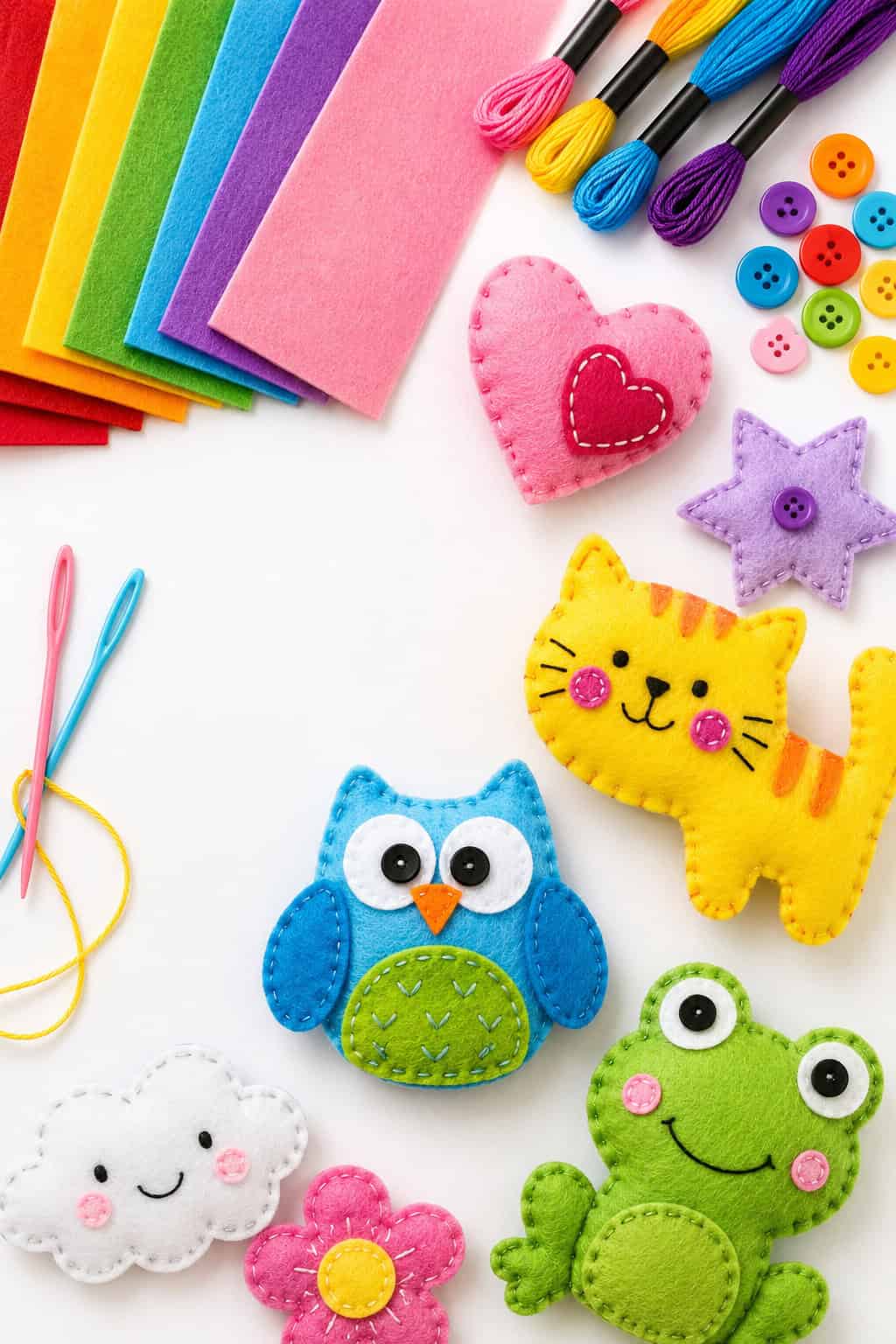
If you have little ones who like to be right in the middle of whatever you’re doing, sewing is a lovely thing to share with them. Mine pull their stools up to the table the moment they see the scrap basket come out, and some of our calmest afternoons have started exactly that way.
Sewing gives small hands something steady to do. It builds patience and focus, and it gives children the quiet pride of holding up something they made themselves. None of these projects need to be perfect. Crooked stitches and uneven edges are part of the charm.
Here are thirteen simple projects to try, sorted loosely from the youngest beginners to children ready for a little more. Pick whatever fits your child today, and don’t worry about the rest.
13 fun sewing projects for kids
These move from no-sew threading for toddlers up to small machine projects for older children, so there’s something here no matter where your little one is starting.
1. felt lacing cards

Cut a simple shape from a stiff piece of felt, punch holes around the edge, and let your little one weave yarn through with a blunt needle. It isn’t real stitching yet, but it builds the hand control that everything else depends on. This is a wonderful first project for toddlers.
2. button snake
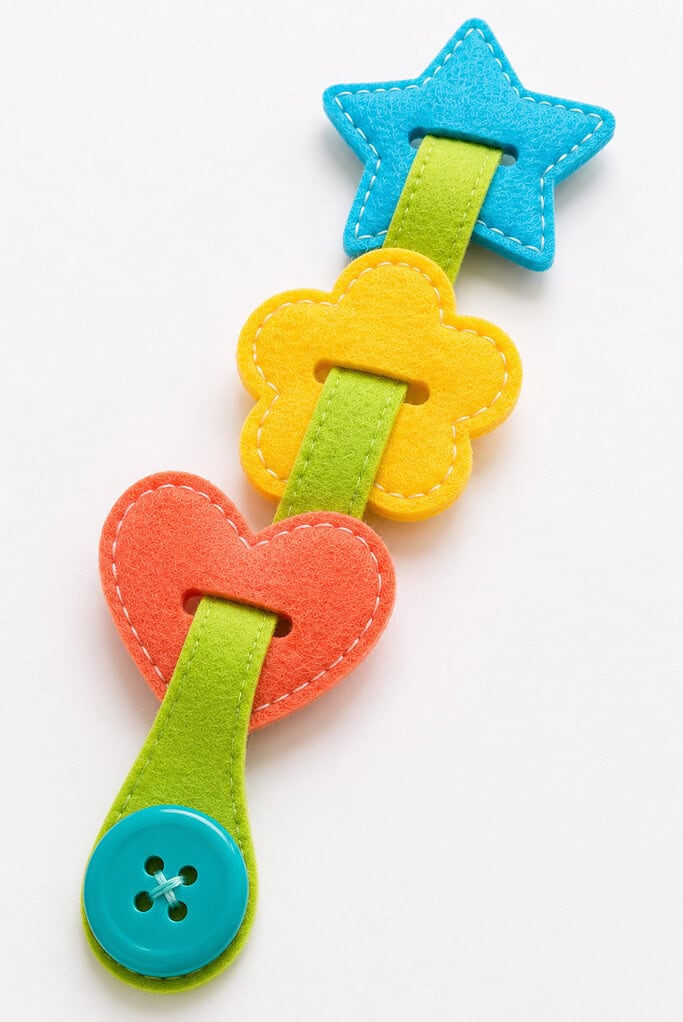
Sew a button onto one end of a long felt strip or ribbon, then cut a handful of felt shapes with a slit in the middle so they can be threaded on. Children slide the shapes down the snake and start over again and again. It’s quiet, it’s tidy, and it teaches buttoning along the way.
3. felt finger puppets
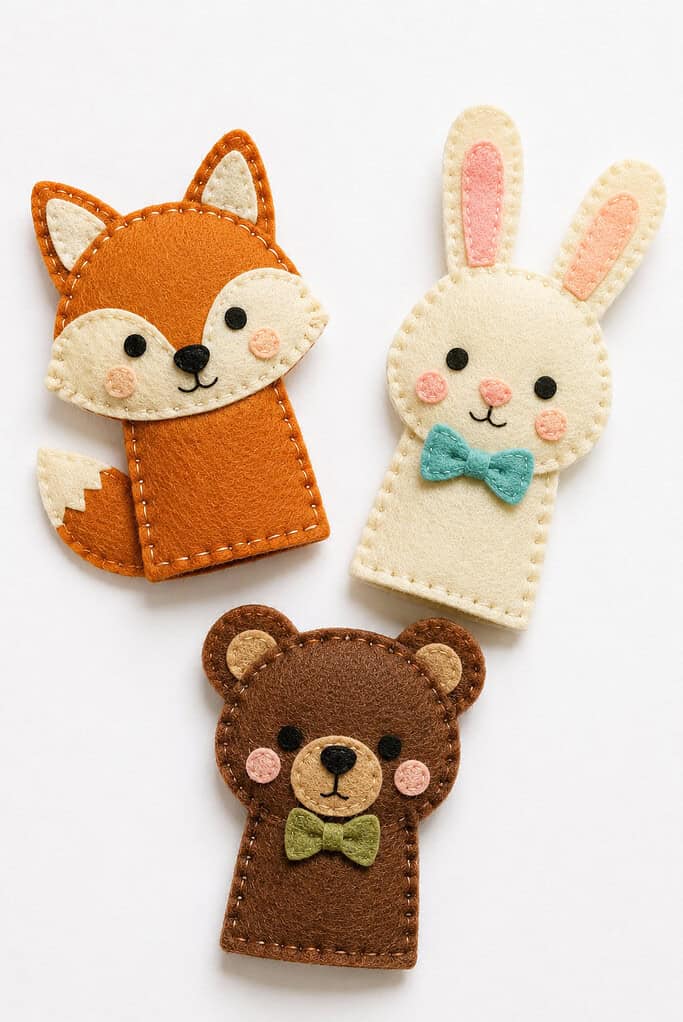
Cut two small felt shapes sized to fit a child’s finger and stitch around the edge with a simple whip stitch. A few scraps make eyes and ears. These come together quickly, and the pretend play afterward usually lasts far longer than the sewing did.
4. a simple stuffed shape
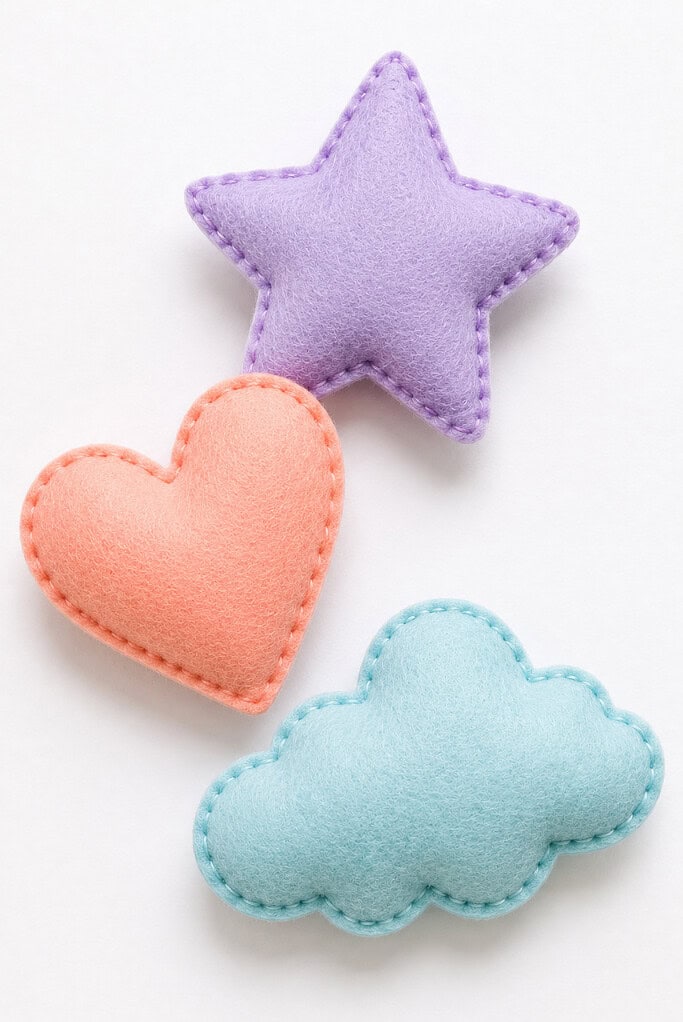
A felt heart or star is one of the most satisfying things a child can make. Sew two matching shapes most of the way around, tuck in a little wool or cotton stuffing, then close up the gap. They end up holding a small toy they made themselves, which feels like a big deal at that age.
5. lavender sachet
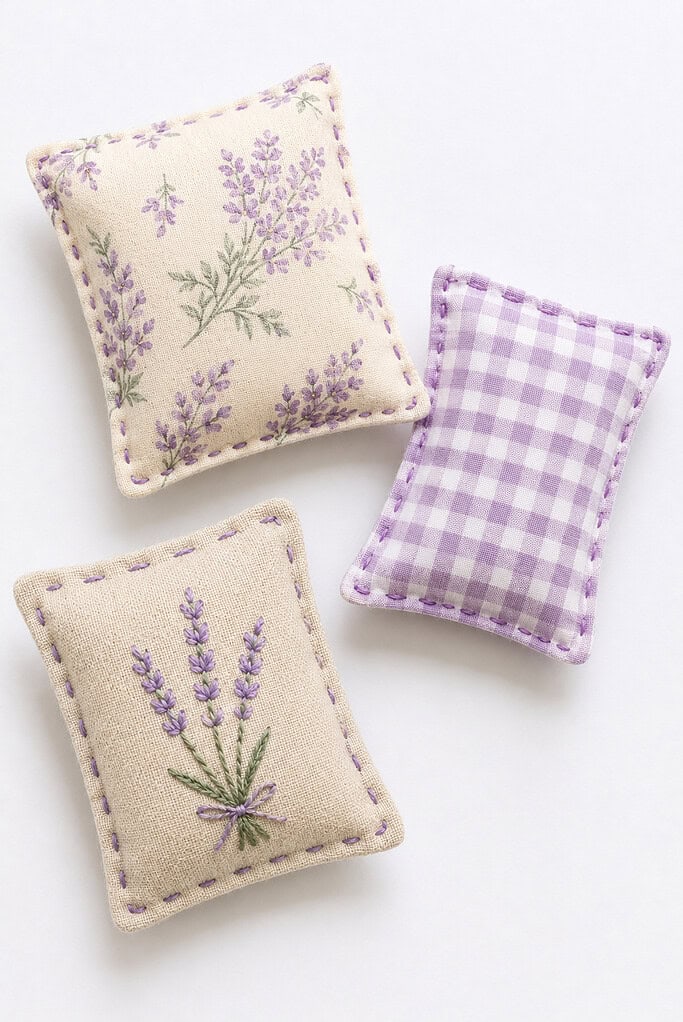
Fold a small fabric square in half, stitch up two sides, fill it with dried lavender, then close the last seam. It teaches a steady running stitch and smells lovely tucked into a drawer. Sachets also make sweet little handmade gifts they can sew for grandparents.
6. bean bags
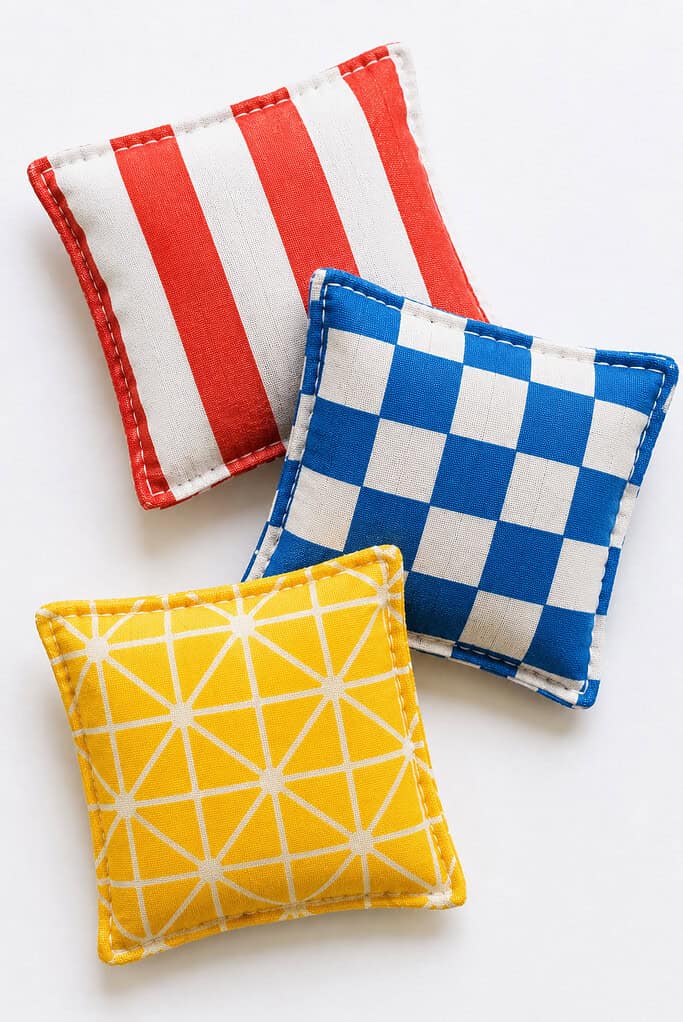
Two squares of sturdy cotton sewn together and filled with dried beans or rice make a simple bean bag. This one suits older children who are comfortable on a machine, and it doubles as a toss game out on the front porch when the sewing is done.
7. felt bookmark
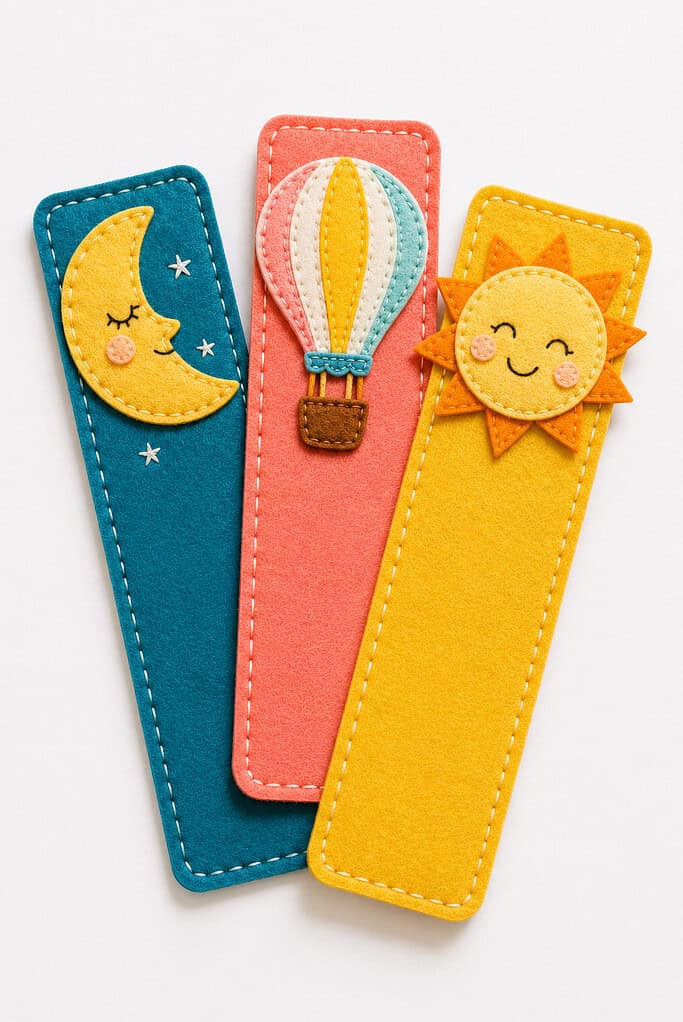
A strip of felt with a stitched edge and a little shape sewn on top makes a bookmark a child will actually use. It’s a quick win for early readers and easy to finish in a single afternoon, which keeps the excitement going.
8. pin cushion
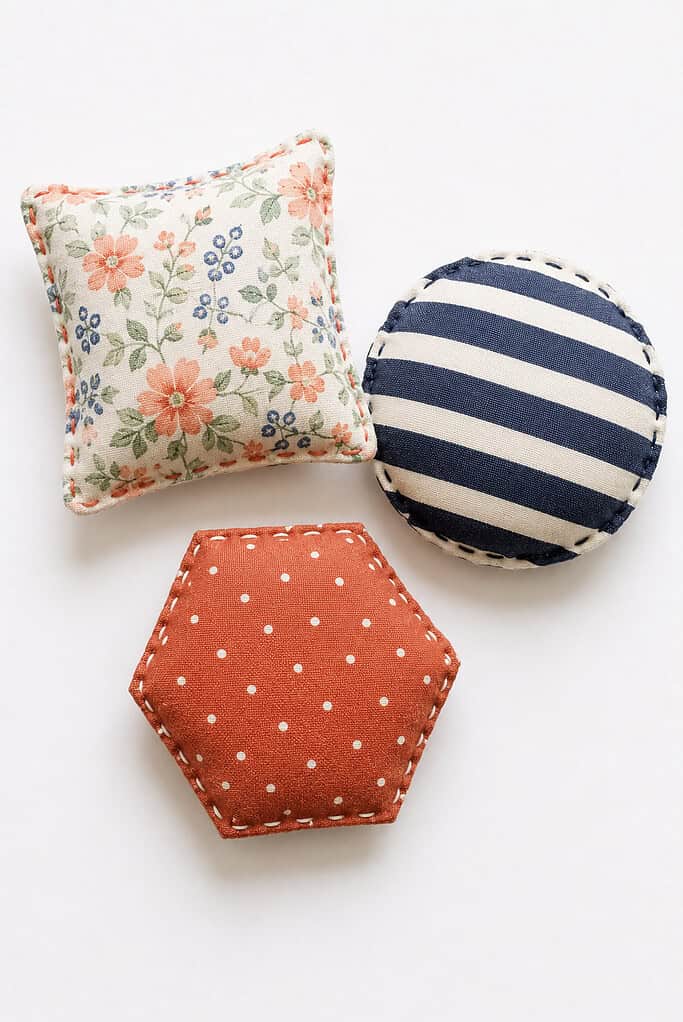
A small stuffed square or circle becomes a useful little pin cushion. For a child who has started to sew regularly, making their own tool feels like a real step forward. Keep it simple and let them choose the fabric.
9. doll blanket or quilt
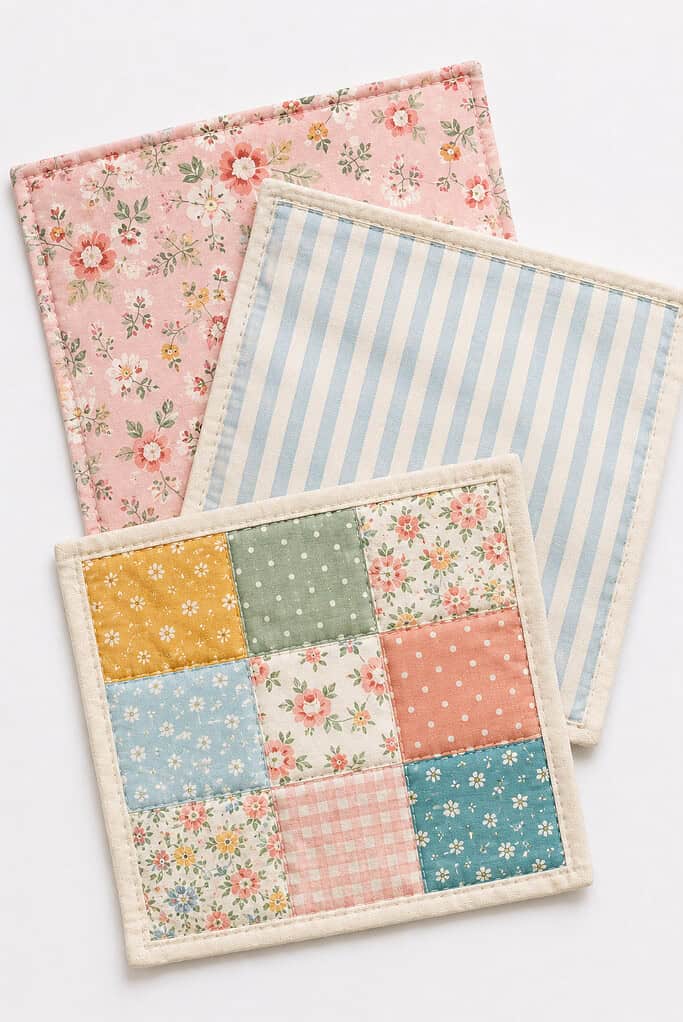
A soft rectangle of cotton, hemmed around the edges, becomes a blanket for a favorite doll or stuffed animal. Older children can piece a few squares together for a small patchwork quilt. It’s a gentle introduction to working with seams.
10. hair scrunchie

A strip of fabric sewn into a tube, turned right side out, with a length of elastic threaded through, makes a scrunchie in no time. Children love this one because they can wear what they made or hand it to a friend.
11. drawstring treasure bag
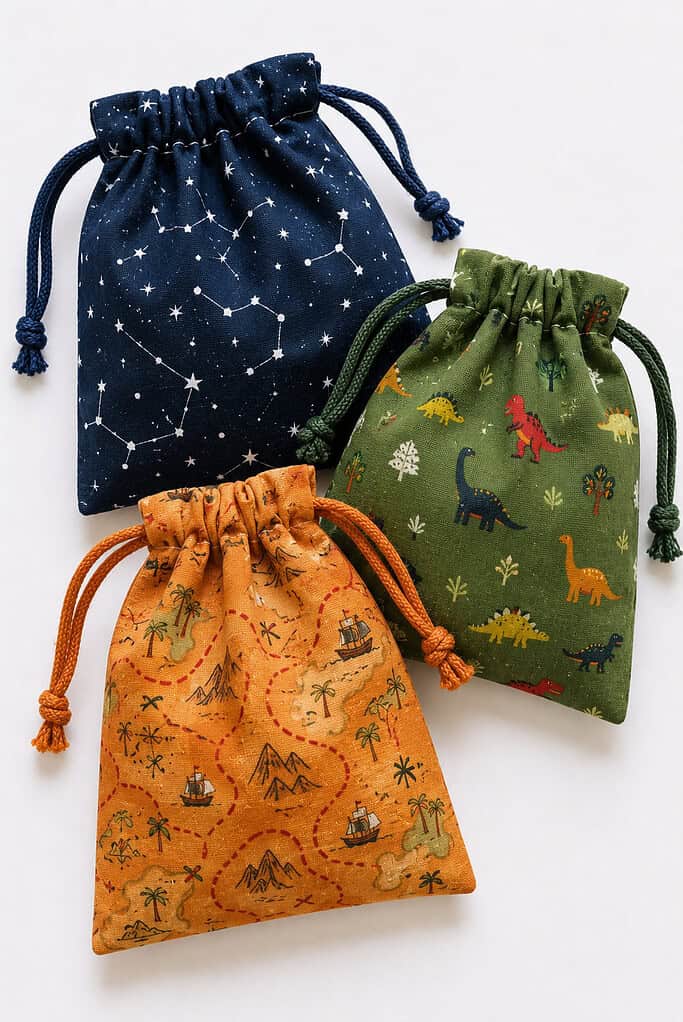
A small drawstring pouch is the perfect home for marbles, rocks, and other little treasures. It teaches sewing a casing and threading a cord through it. When your child is ready for something a bit bigger, a beginner-friendly patchwork tote bag is a natural next step.
12. zippered pencil case
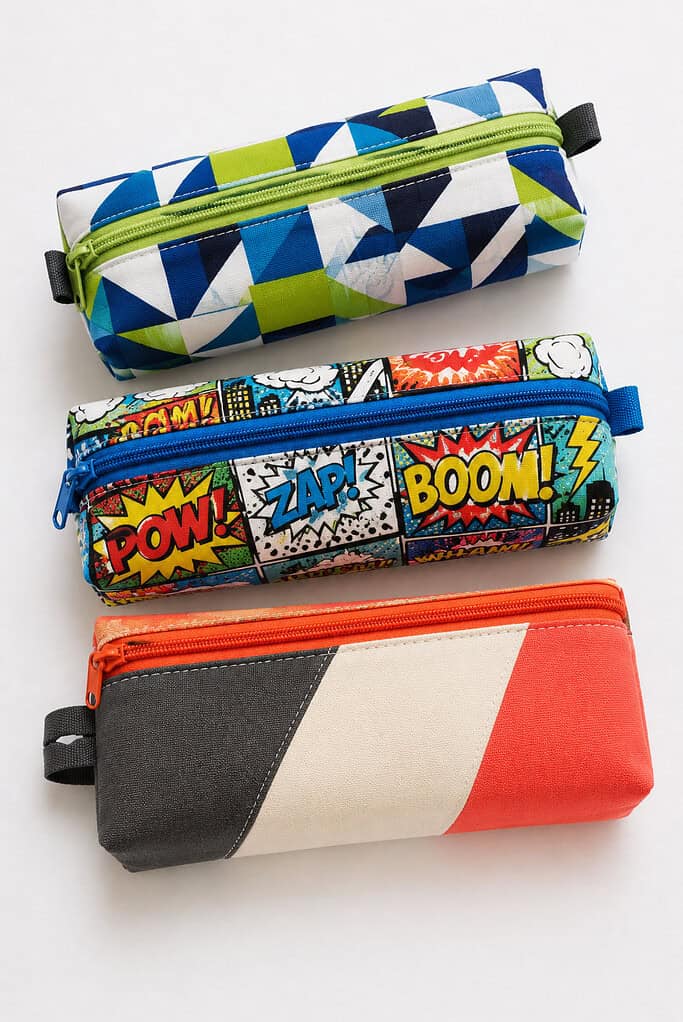
A small lined pouch with a zipper is best for older children who are comfortable at the machine. Zippers feel tricky at first, but they’re a useful skill, and a pencil case is something they’ll carry to school with pride. If they catch the bug, there are plenty more everyday sewing machine projects to grow into.
13. felt play food
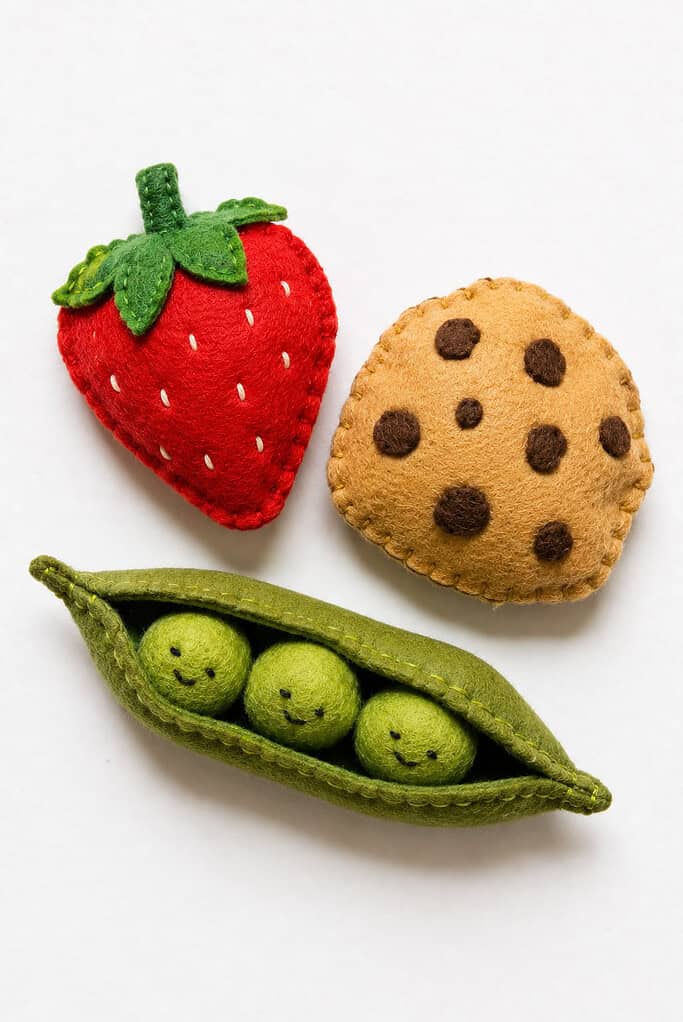
Strawberries, cookies, and little pea pods stitched and stuffed from felt are endlessly fun for a play kitchen. There’s no limit to the variations, and children stay motivated because they want to cook with what they’ve made. It’s a project that grows right alongside their skills.
what you’ll need to get started
A basket of felt and cotton scraps, a few blunt or child-safe needles, embroidery floss or yarn, small scissors, and a bit of stuffing will carry you through nearly every project on this list.
I lean toward natural materials whenever I can. Felt made from wool and simple cotton are easy for small hands to work with and gentle on their skin, and there’s something grounding about sewing with natural fibers from the very start.
Most children should start with their hands, not a machine. Hand sewing builds confidence and control first, and there are plenty of hand sewing projects that don’t need a machine to keep them busy for a good long while.
a few gentle tips for sewing with little ones
Keep your sessions short. Little hands tire quickly, and it’s better to stop while they’re still enjoying it than to push until everyone is frustrated. Ten or fifteen minutes is plenty when they’re small.
Do the fiddly parts for them. Pre-cut the fabric, thread the needle, and tie the knots so they can focus on the stitching itself. Sit right beside them, expect wobbly stitches, and resist the urge to fix every one.
When a child is around seven or eight and asking to use a machine, that’s a good time to think about choosing a sewing machine they can grow with. Until then, hand sewing is more than enough.
I keep a small verse in mind on the messy afternoons: Establish the work of our hands upon us; yes, establish the work of our hands. (Psalm 90:17) Even when the work is a lopsided felt heart, it counts.
matching the project to your child’s age
For toddlers around three and four, stick with lacing cards and the button snake, where there’s no real needle work yet. From about four to six, felt hand-sewing projects like finger puppets, a stuffed heart, or a bookmark are a good fit.
Around seven and up, children can begin simple machine projects with supervision, like bean bags, a doll quilt, a scrunchie, or a pencil case. Every child is different, so let their interest and patience guide the pace more than the number on the calendar.
pick one project and make it together this week
Choose one project that fits your child right now, pull out the scrap basket, and make it together this week. The skill grows on its own once they’ve had that first taste of finishing something.
If you’d like a few more ideas for warmer days, these easy summer sewing projects are simple enough to do alongside the kids. And if you need something to keep little hands busy today, our free printables and crafts are always there for you.
I’d love to hear which project you’re going to try first. Leave a comment down below and tell me what your little one is making.
Warmly,
Betty
Grab Your FREE Sewing Pattern Labels Today
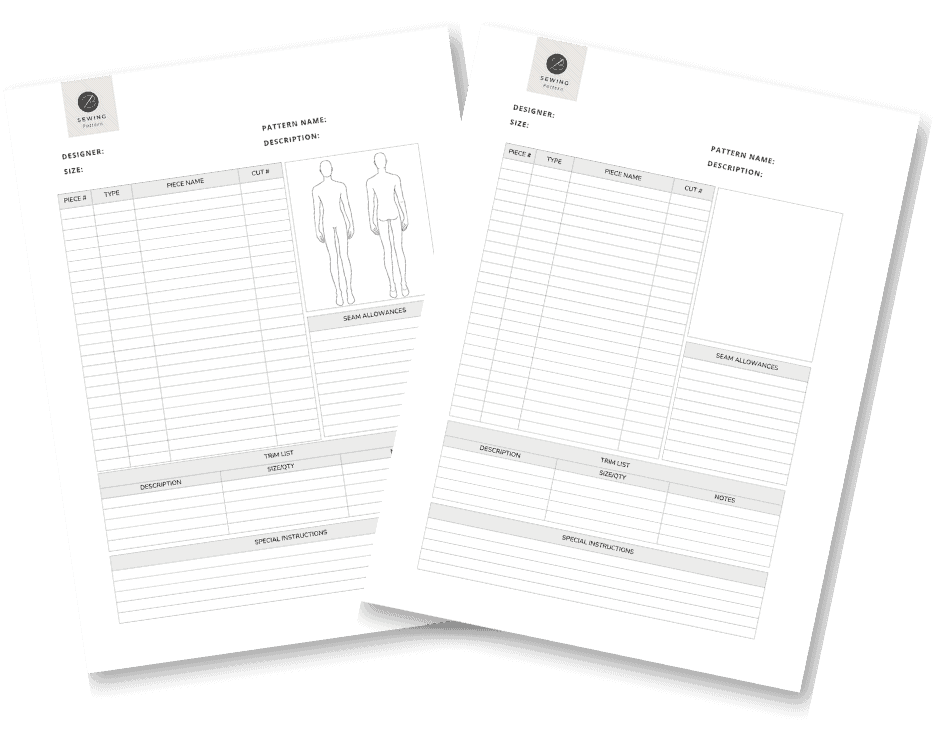
As the seasons pass and projects add up, those little paper patterns have a way of piling into drawers and baskets. And when you go to remake something, you end up searching instead of sewing.
That’s exactly why I created these Free Sewing Pattern Labels.
They make it simple to keep every pattern neat, easy to find, and ready whenever inspiration strikes. Just print the labels, fill them out, and attach them to your pattern envelopes.
In a few minutes, your patterns go from scattered to beautifully organized.
A small change that makes your sewing space feel calmer, clearer, and ready for your next project.
frequently asked questions
what age can kids start sewing?
Many children can start around three or four with lacing cards and a blunt needle. Simple felt hand sewing usually works well from four to six, and most children are ready for a machine, with supervision, around seven or eight.
are sewing needles safe for children?
For young children, use a blunt tapestry needle or a plastic needle, which is hard to prick a finger with. Older children can move to a regular sharp needle once they’ve learned to handle it carefully, and it’s wise to stay close while they do.
what’s the easiest first sewing project for a child?
Felt lacing cards are the gentlest place to begin, since there’s no real stitching involved. A felt bookmark is a lovely first hand-sewing project once your child is ready for a needle.
what fabric is best for kids’ sewing projects?
Felt is the friendliest fabric for beginners because it doesn’t fray and holds its shape while they work. Plain cotton is a good next step. Natural fibers tend to be easiest for little hands to manage and gentlest on their skin.
do kids need a sewing machine to start?
Not at all. Hand sewing is the best way to begin, and most of the projects on this list can be done entirely by hand. A machine can come later, once your child has built up some confidence and interest.