

I started making my own linen spray a couple of years ago, right around the same time I was doing a full sweep of everything synthetic in our home.
Once I started reading labels on our store-bought sprays — and seeing just how many mystery ingredients were going right onto the pillowcases my babies were pressing their faces into every night — I knew it was time to find a better way. If you’re just beginning that kind of cleanup yourself, our beginners guide to non-toxic living is a soft, honest place to start.
This recipe uses three ingredients, costs almost nothing to make, and smells like the kind of bedroom you never want to leave.
I’ve used it on everything from our bed linens to the guest towels to the curtains in the nursery, and it’s become one of those quiet little rituals I genuinely look forward to.
what you’ll need to make homemade linen spray
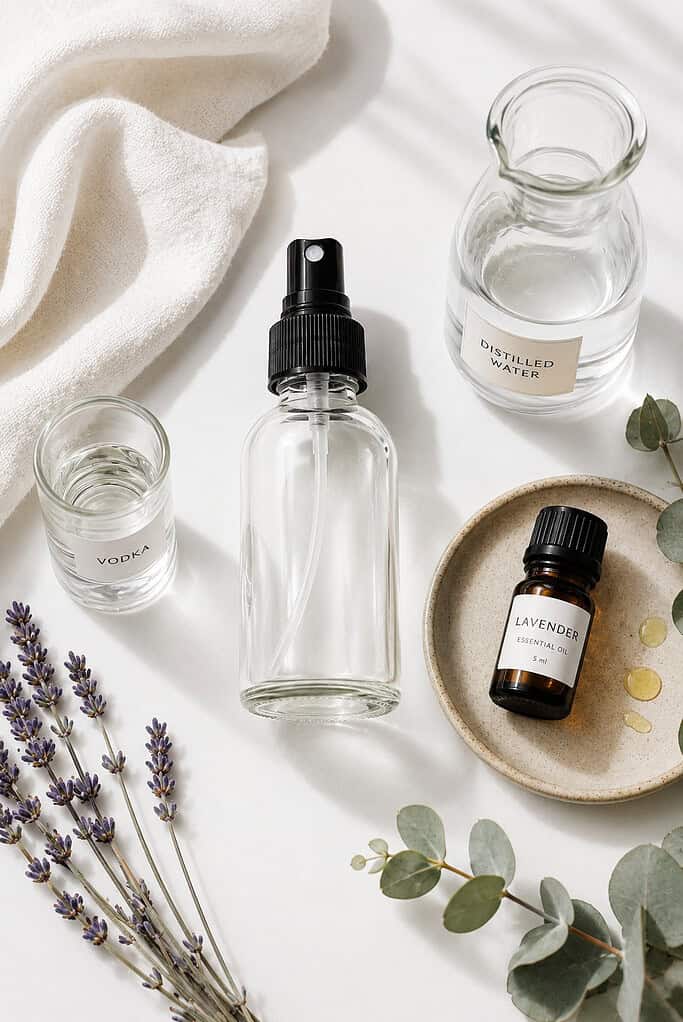
I love that this recipe doesn’t call for a trip to a specialty store. Chances are you have most of this tucked in a cabinet somewhere already.
ingredients
- 1 oz vodka — Completely unscented, and that’s exactly what makes it work here. It acts as a dispersant for the essential oil, helping it blend evenly into the water rather than floating on top. Rubbing alcohol won’t do — the smell is far too strong and will overpower everything you add.
- 15 drops essential oil of your choice — This is where the magic happens. Lavender is my forever go-to for the bedroom, but I’ve listed some of my favorite blends a little further down in this post.
- 3 oz distilled water — Distilled, not tap. Tap water carries impurities that can encourage bacteria to grow over time, and that’s the last thing you want going onto your bedding. If you’re already making swaps in your sleeping space, our post on non-toxic bedroom swaps pairs really well with this one.
supplies
- A small liquid measuring cup
- A glass spray bottle — Glass matters here. Some essential oils, citrus ones especially, will eat through plastic over time. Amber glass is ideal if you also want to protect the oils from light.
- A label (optional, but a tidy shelf makes a happy heart)
how to make this fresh linen spray in two minutes
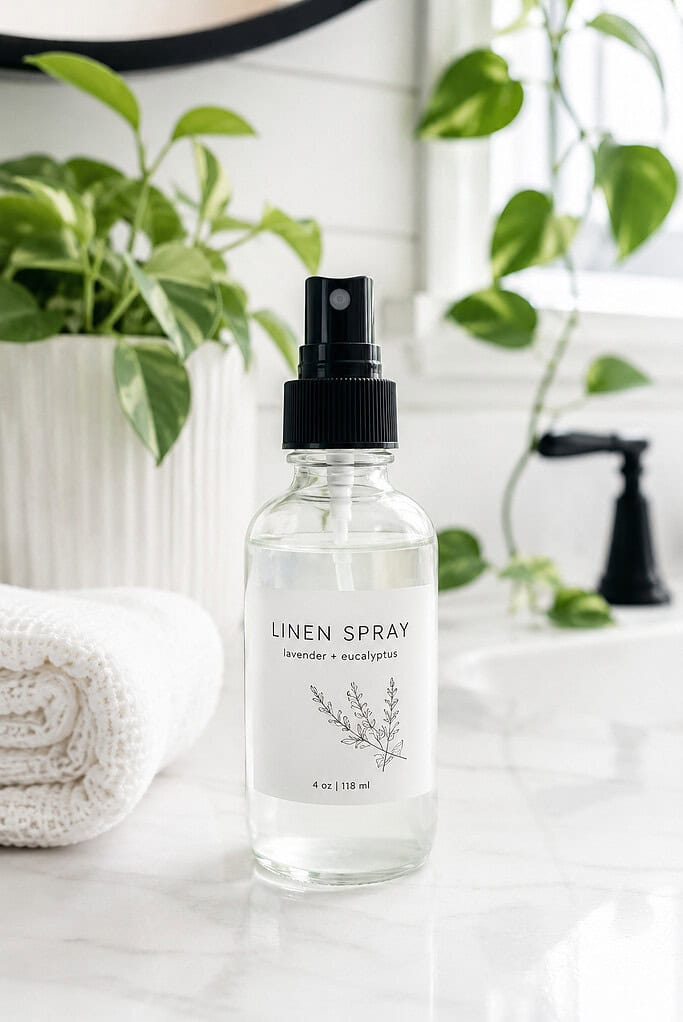
- Pour the vodka into your measuring cup first.
- Then add in your essential oil drops and give it a gentle stir. Combining the oil with the alcohol before adding the water helps it start to disperse properly — skip this step and you’ll end up with oil floating on the surface.
- Once those two are stirred together, pour in your distilled water, stir once more, and transfer everything into your glass spray bottle.
That’s it. Cap it, shake gently before each use, and spritz lightly over your sheets, pillowcases, towels, or curtains. I usually do a soft pass over our pillows every other evening. The scent settles into the fabric beautifully — clean and gentle, nothing like the heady synthetic sprays I used to reach for without thinking.
A full bottle costs well under a dollar. Compare that to the fifteen or twenty dollar store-bought sprays I used to buy, and honestly — why did it take me this long.
my favorite essential oil combinations for linen spray
One of the best parts of making your own linen spray is getting to decide exactly what your home smells like. Here are a few blends I come back to depending on the room and the season.
- For the bedroom: Lavender and a drop or two of cedarwood. It smells like deep, quiet sleep — the kind you wake up from feeling rested. Both have been studied for their calming properties, though I’ll be honest, I mostly just love the way they smell together in the evening.
- For fresh towels and the bathroom: Lemon and sweet orange. Sunshine in a bottle, basically. A little lemongrass rounds it out beautifully if you have it on hand.
- For the nursery: Just lavender, or a small amount of Roman chamomile. Nothing too strong, nothing complicated. Little noses don’t need much.
- For a spring linen refresh: I’ll sometimes add a drop of peppermint to the bedroom spray when I’m doing a full seasonal refresh — washing every textile in the house, line-drying sheets in the afternoon sun, maybe finishing up some warm-weather sewing projects between naps. Just one drop, though. Peppermint is strong, and you don’t want it near your eyes at bedtime.
a few honest things worth knowing before you spray
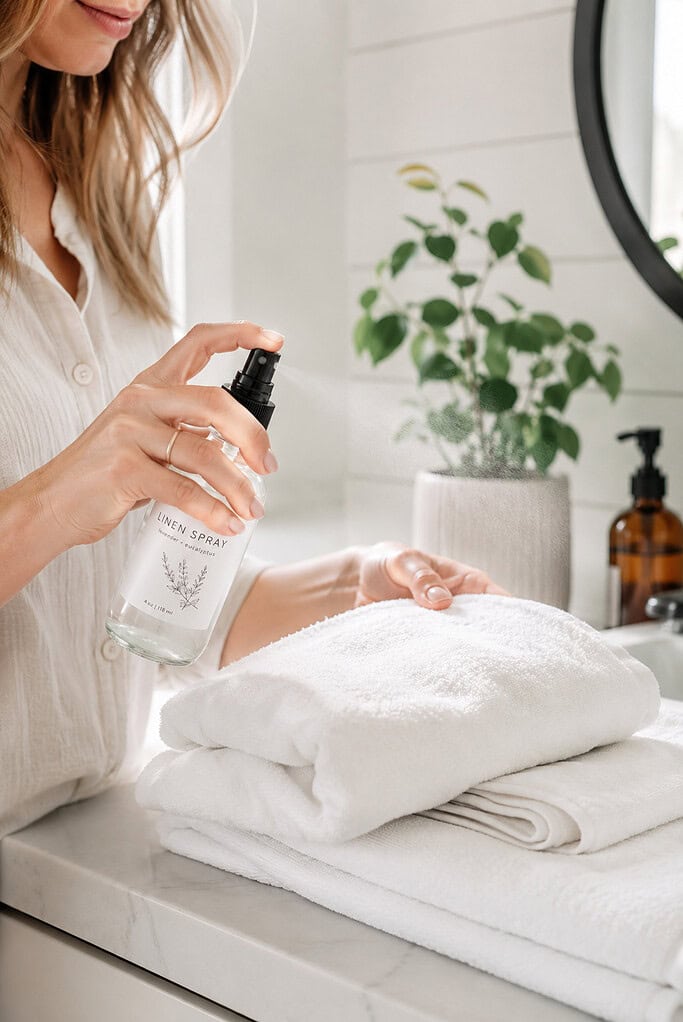
A couple of notes I wish someone had handed me the first time I made this — they’ll save you a little trial and error.
- Always use glass. Certain essential oils, citrus ones in particular, will degrade plastic spray bottles over time. A simple amber glass bottle from any craft store works perfectly and protects the oils from light as well.
- Shake before each use. Even with the vodka acting as a dispersant, water and oil will naturally separate as the bottle sits. A few good shakes before you spray keeps everything evenly blended.
- Use it within about three months. Since this is a water-based recipe, it doesn’t have an indefinite shelf life the way a purely oil-based product would. If the scent starts to smell off before then, toss it and make a fresh batch — remember, it takes two minutes.
- Spot test on delicate fabrics. Most plain linens, cotton, and wool take this spray beautifully. If you’re working with something dyed or particularly delicate, test a hidden corner first. (If natural fibers are your thing, our post on natural dyes for fabric might be right up your alley.)
This same simple philosophy — clean, recognizable ingredients, nothing you can’t pronounce — is really how I approach all of our homemade products now. It’s the same thinking behind our homemade tallow sunscreen, our tallow lip balm, and our all-natural tallow face cream.
Once you start making things from scratch, it’s hard to stop — not because it’s hard, but because it feels like tending. Tending to your home, your family, the ordinary things you reach for every day.
She is like the merchant ships, bringing her food from afar. — Proverbs 31:14
I think about that verse sometimes when I’m standing at my kitchen table with a measuring cup and a little bottle of oil, making something out of almost nothing. This is the work, friend. The quiet, faithful, unhurried kind.
make a bottle today and see what you think
Sweet friend, if there is one tiny swap I could hand you today to make your home feel cleaner and more intentional, it’s this one. A two-minute project, less than a dollar in ingredients, and sheets that smell like something worth climbing into at the end of a long day.
If you’re in the messy middle of cleaning up what you bring into your home, our non-toxic living starter guide is full of gentle, practical first steps. And if you love the idea of grounding yourself in simple, natural rhythms, I think you’ll feel right at home around here.
Drop a comment below and tell me — what essential oil combination are you going to try first? I read every single one, and I truly love hearing what scents feel like home to different people.
With love,
Betty
Grab Your FREE Sewing Pattern Labels Today
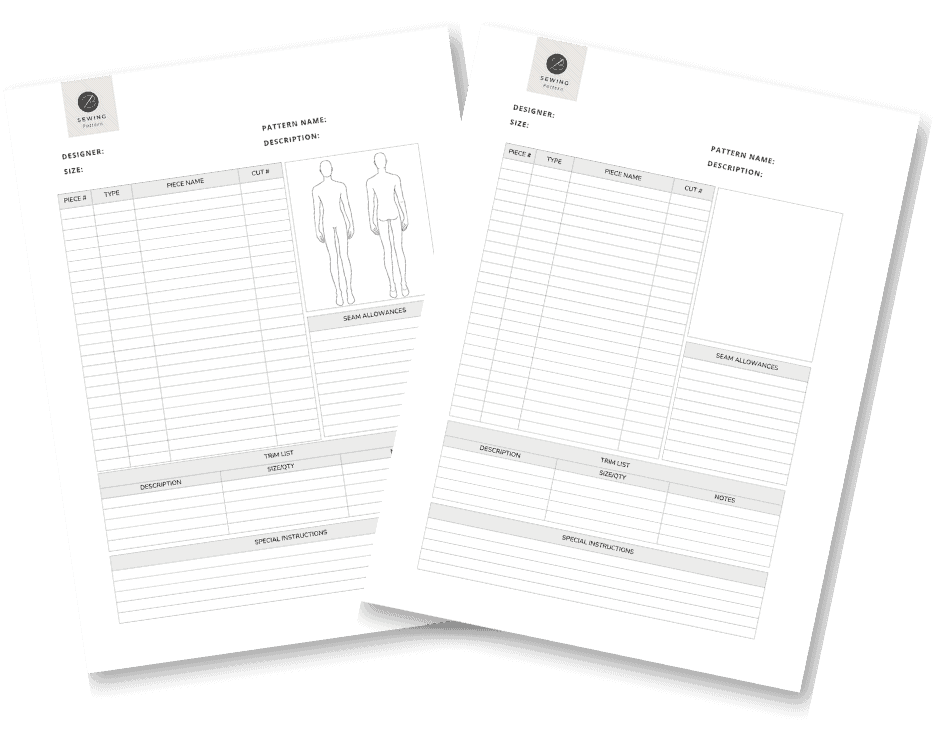
As the seasons pass and projects add up, those little paper patterns have a way of piling into drawers and baskets. And when you go to remake something, you end up searching instead of sewing.
That’s exactly why I created these Free Sewing Pattern Labels.
They make it simple to keep every pattern neat, easy to find, and ready whenever inspiration strikes. Just print the labels, fill them out, and attach them to your pattern envelopes.
In a few minutes, your patterns go from scattered to beautifully organized.
A small change that makes your sewing space feel calmer, clearer, and ready for your next project.
frequently asked questions
can I use rubbing alcohol instead of vodka?
I’d skip the rubbing alcohol, sweet friend. It carries a sharp, medicinal scent that will cut right through whatever essential oils you add — and it can irritate your nose and throat, which is the last thing you want on something you’re sleeping on.
Vodka works because it genuinely has no smell. If you’d rather avoid alcohol entirely, unscented witch hazel can be a reasonable substitute; just know that some brands carry their own scent, which will affect the final spray.
how long does homemade linen spray last?
Because this is a water-based recipe, it has a shorter shelf life than something purely oil-based. Plan to use it within about three months.
I find a 4-ounce bottle goes quickly once you get in the habit of reaching for it — it’s never lasted long enough to be a concern around here. If the scent starts to smell off before then, toss it and make a fresh batch.
will this spray stain my sheets or fabric?
Since both the vodka and distilled water are completely clear, the only real staining risk comes from a deeply pigmented essential oil — things like blue tansy or some darker resins.
Most common oils (lavender, citrus, cedarwood, chamomile) are clear or nearly clear and won’t leave marks. As always, a quick spot test on a hidden corner is worth doing the first time you use it on a fabric you really care about.
what is the best essential oil to use in linen spray?
Lavender is the classic choice — calming, clean, and beautiful in a bedroom spray. But honestly, the best oil is the one that smells like home to you. Lemon and sweet orange together feel bright and fresh.
Cedarwood and lavender feel grounded and woodsy. Roman chamomile is gentle enough for a nursery. Don’t be afraid to play around with different combinations until you land on something that makes you want to spray it on everything.
can I use this linen spray on things other than sheets?
Absolutely. I use this on towels, curtains, wool blankets, upholstered furniture — really anything fabric that could use a gentle refresh. It works especially well on natural fibers.
Just keep the staining note in mind for anything delicate, and use a lighter hand on items you can’t easily wash. Once you get used to having it on the shelf, you’ll find yourself reaching for it all over the house.