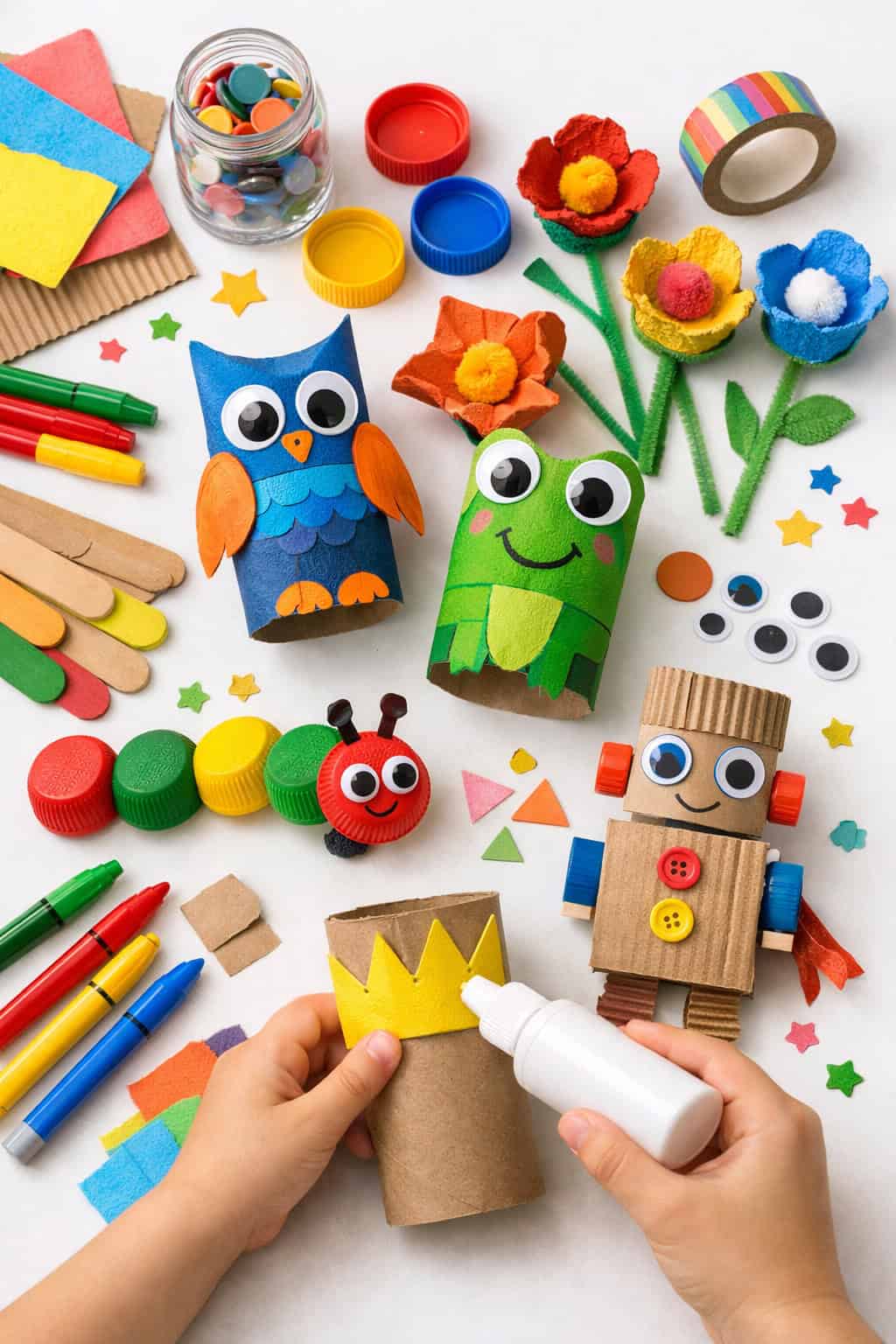
Recycled crafts for kids are one of those beautiful intersections of creativity, sustainability, and good old-fashioned fun that make for the best kind of afternoon at home.
Whether you’re looking for a rainy day activity, a weekend project, or a way to gently introduce your little ones to the idea of caring for the earth, these 15 cute recycled crafts made from everyday household items are exactly what you need.
If you love crafting with purpose, you’ll also want to peek at our 15 Genius Earth Day Crafts Using Things You Already Have — it pairs beautifully with everything on this list.
Why Recycled Crafts Are So Good for Kids (Beyond the Obvious)
Yes, recycled crafts save money and keep things out of the bin — but there’s so much more going on beneath the surface when a child sits down to make something from what would otherwise be waste.
There’s a quiet lesson in resourcefulness happening every time a child picks up a toilet paper roll and wonders what it could become.
They’re learning to look at the world differently — to see potential in the ordinary, value in the discarded. That’s a mindset that serves people beautifully throughout their whole lives.
Recycled crafts also tend to reduce the pressure that can come with “nice” craft supplies. When you’re working with a cereal box instead of a pristine sheet of cardstock, there’s less anxiety about making mistakes.
Kids feel freer to experiment, to try things, to mess up and start again. That freedom is where the best creativity lives.
And practically speaking, these crafts develop fine motor skills, encourage problem-solving, build patience, and create something children are genuinely proud of.
15 Cute Recycled Crafts for Kids Made From Everyday Items
Here are fifteen wonderfully simple, endlessly creative recycled crafts your kids will love making — and playing with long after the glue dries.
1. Egg Carton Animals
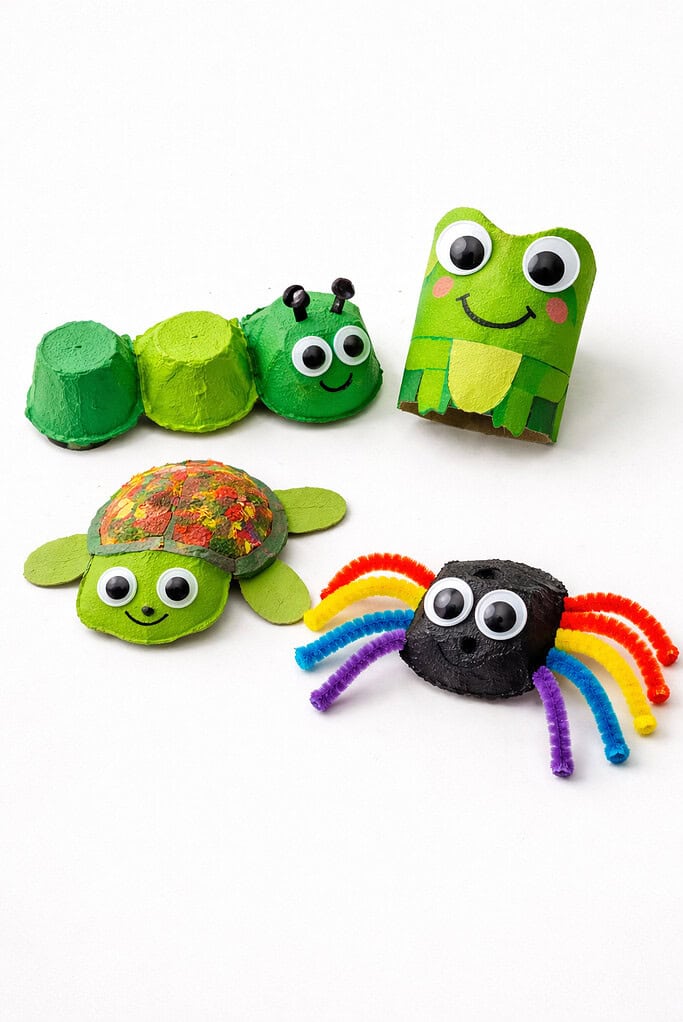
Those cardboard egg cartons are basically pre-made craft kits just waiting to happen. Cut the cups apart, add some paint, googly eyes, and pipe cleaners, and you’ve got a whole menagerie of animals — spiders, caterpillars, turtles, frogs, you name it.
This is a wonderful sensory activity for little hands and works across a wide age range. Toddlers can paint; older kids can sculpt full scenes. Best of all, it costs almost nothing and keeps kids busy for a genuinely satisfying stretch of time.
2. Toilet Paper Roll Owls
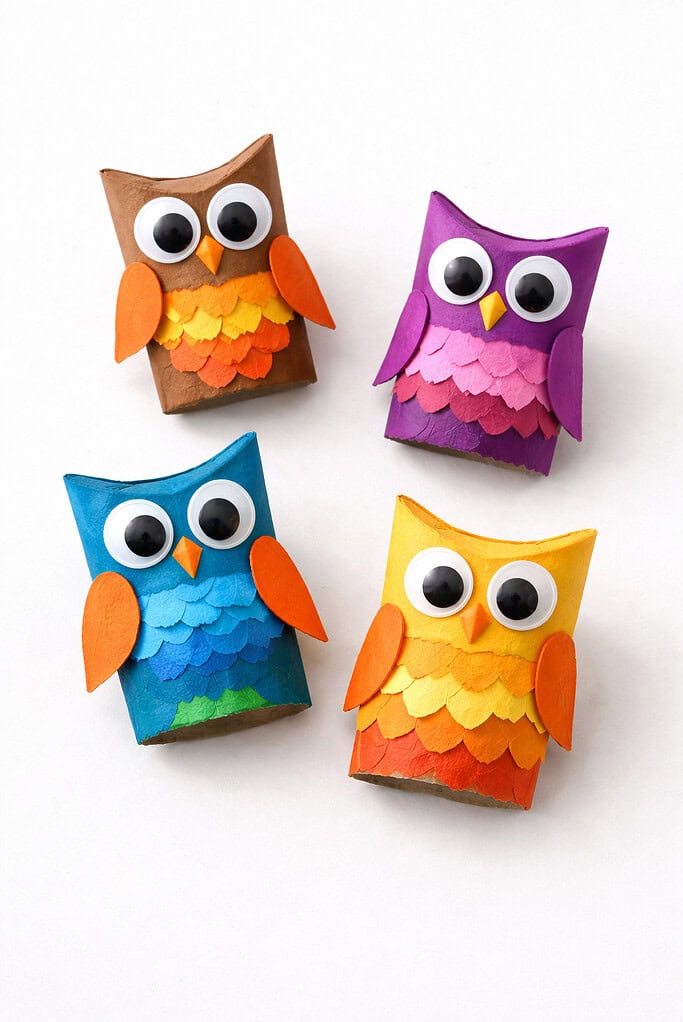
Don’t toss those empty toilet paper rolls — they’re the perfect base for the most adorable little owls. Pinch the top corners to form ear tufts, then let the kids go wild with paint, torn tissue paper feathers, and big round googly eyes.
These look surprisingly lovely lined up on a shelf or window sill, and they make a sweet take-home craft for playdates or small group settings.
3. Toilet Roll Binoculars
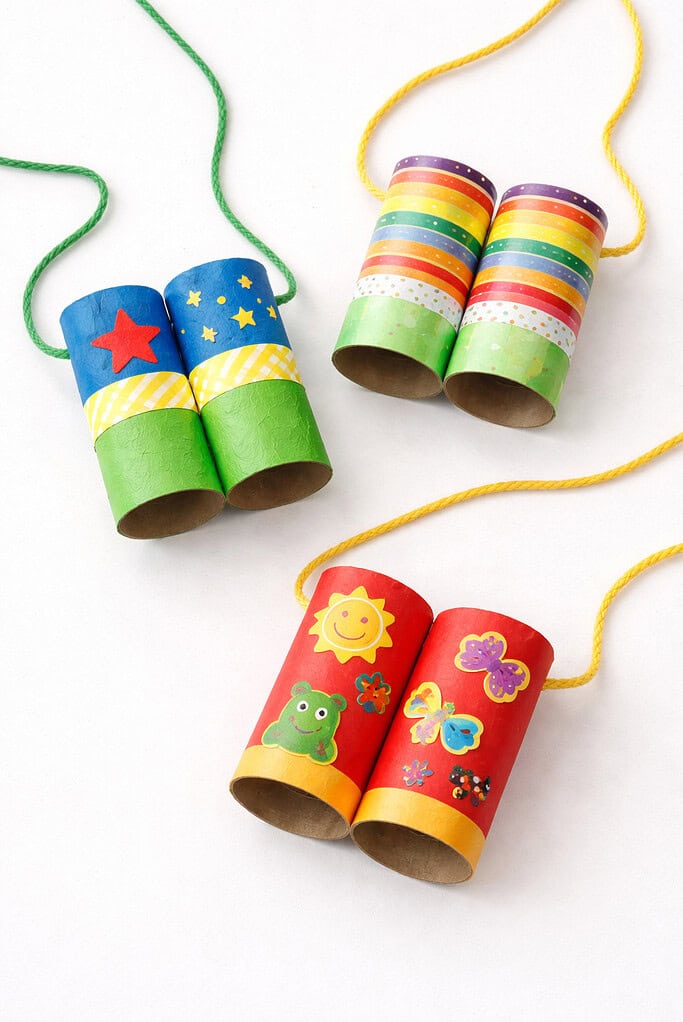
Two toilet rolls, a bit of tape, some string, and a little decorating magic — and suddenly your little one is an explorer ready for adventure. These homemade binoculars are deceptively simple and endlessly loved.
Kids can paint them, wrap them in washi tape, or cover them in stickers. Then send them outside to “spot wildlife” in the backyard. It’s the kind of craft that sparks imaginative play well beyond the crafting table, which is always a win.
4. Cardboard Box Castle
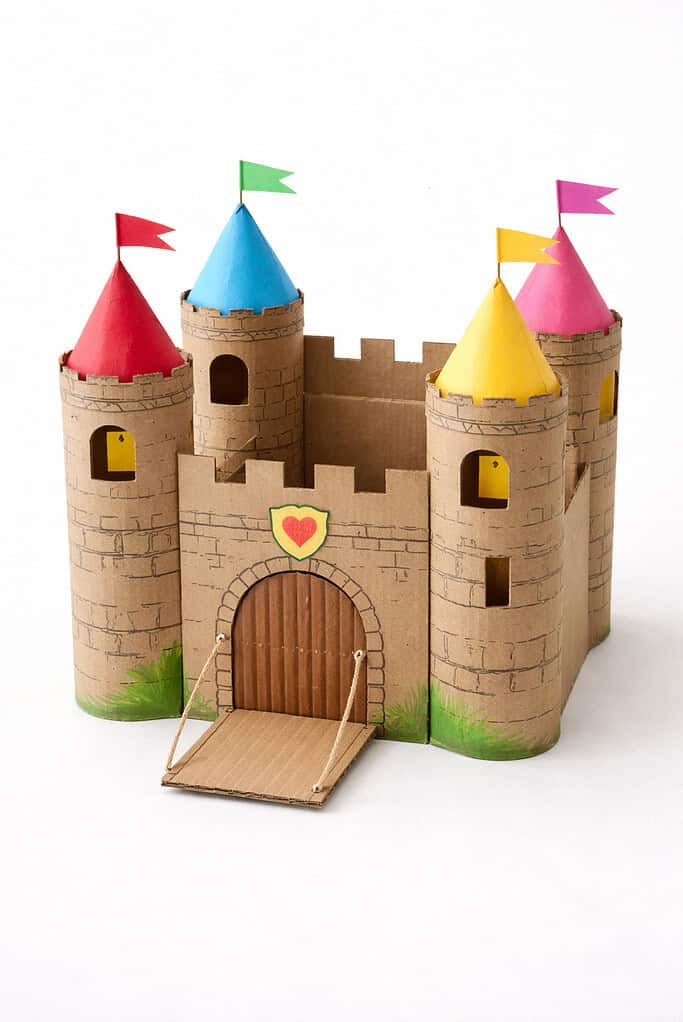
Got a big box from an online order? Don’t break it down just yet. Cardboard box castles are a beloved classic for good reason — they’re big enough to actually play inside, they’re completely customizable, and kids feel a real sense of accomplishment when they finish.
Cut out windows, draw in stone details, add a drawbridge flap, and let the kids paint the turrets. This is a multi-day project that can evolve and grow over time, and it encourages collaborative play when more than one child is involved.
5. Newspaper Pirate Hat
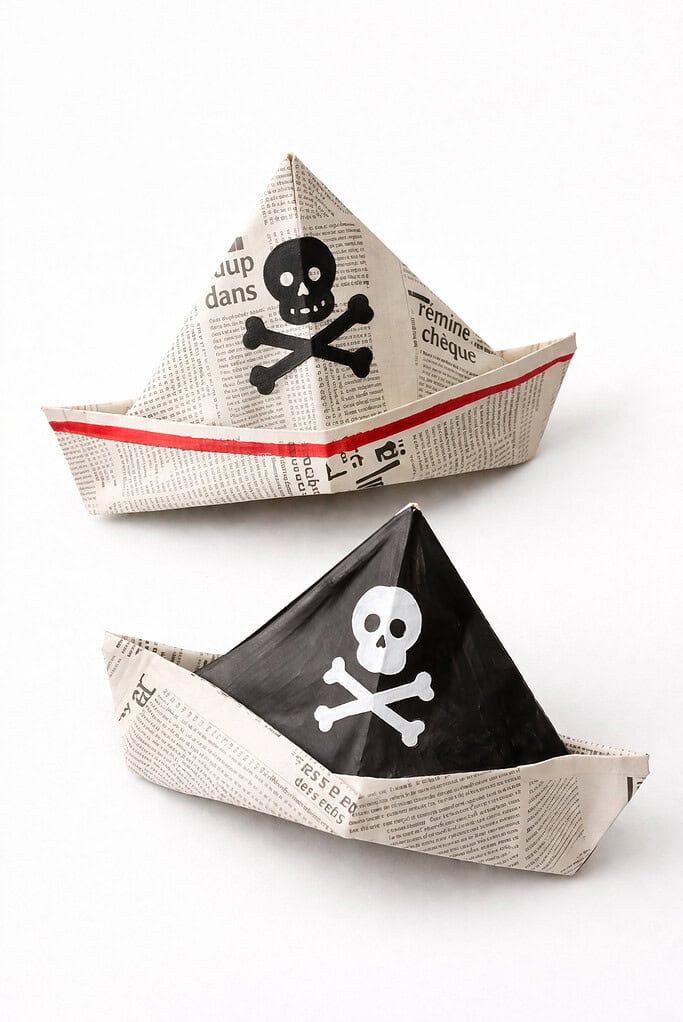
This classic paper folding craft is as fun to make as it is to wear. A single sheet of newspaper folds into a surprisingly sturdy pirate hat, which can then be painted black, adorned with a skull-and-crossbones, or decorated however your little pirate sees fit.
Once the hat is ready, the adventure practically writes itself. Pair it with the binoculars from above and you’ve got a full afternoon of imaginative play sorted with almost zero prep.
6. Paper Towel Roll Rocket Ship
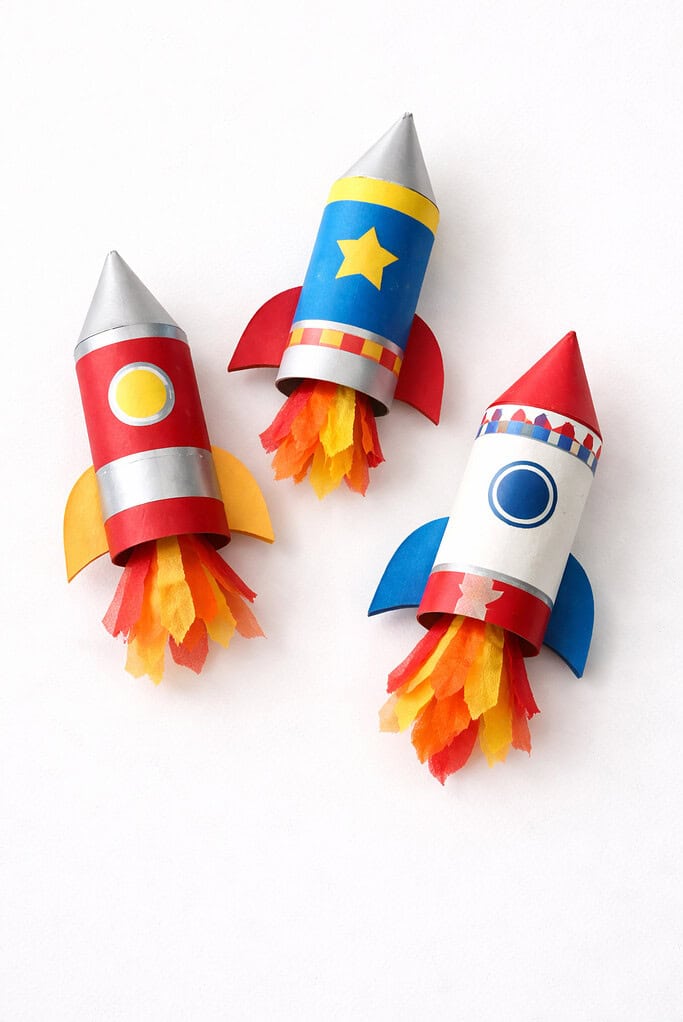
Paper towel rolls are slightly sturdier than toilet rolls and make a wonderful base for a rocket ship craft. Cut out triangular fins from scrap cardboard, tape them to the bottom, create a cone-shaped nose from paper, and add flames cut from red and orange tissue paper or cellophane at the base.
The finished rockets look genuinely impressive and can be hung from the ceiling for a beautiful DIY mobile. This is a great one for older kids who want a bit more of a construction challenge.
7. Plastic Bottle Flower Pot
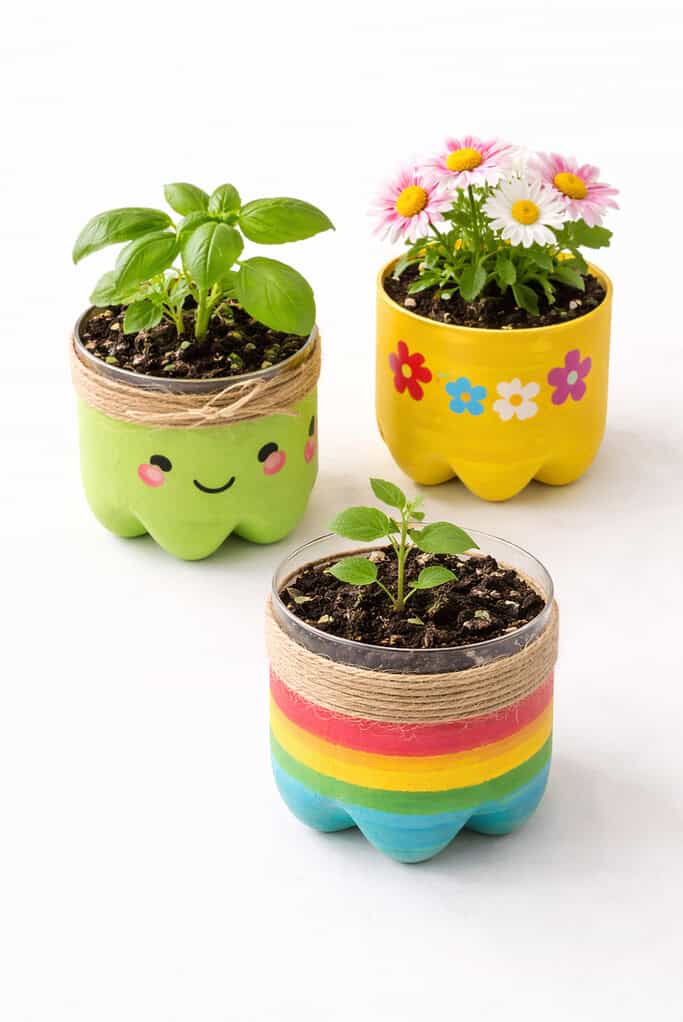
Cut a plastic bottle in half, decorate the bottom half with paint or wrapped twine, add a bit of soil, and you’ve got a precious little flower pot. Kids can plant seeds and watch something grow from a craft they made themselves — which is one of the most rewarding things a child can experience.
This is especially lovely as a spring or summer activity. For more ideas that combine nature and creativity, our 8 Fun Nature Crafts for Forest School Kids Will Love is full of inspiration.
8. Cereal Box Craft Project
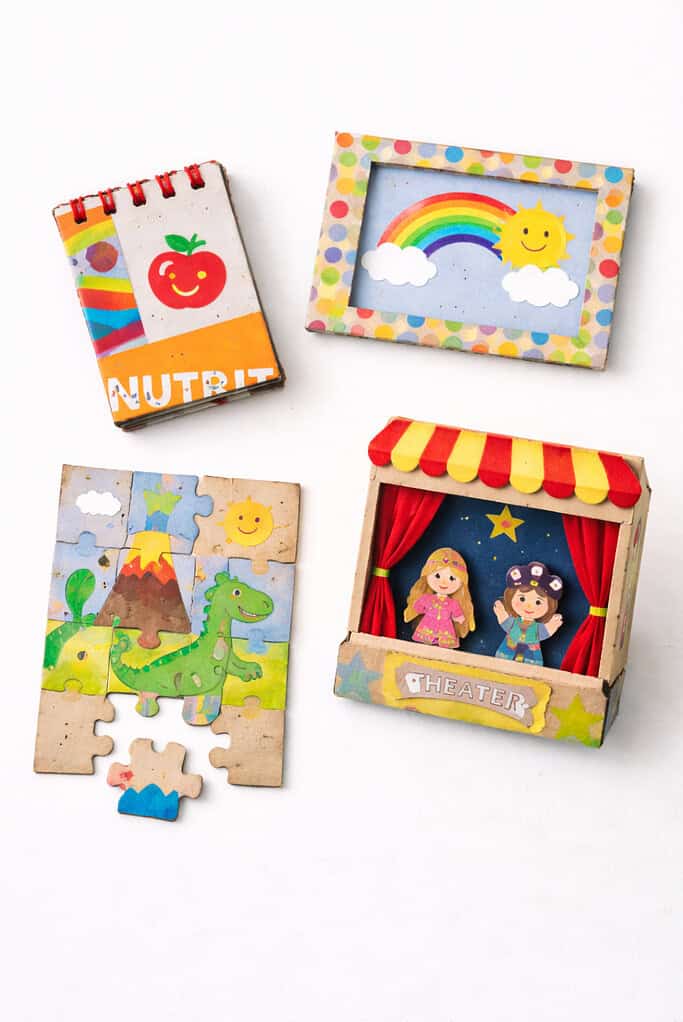
Cereal boxes are secretly one of the most versatile recycled craft materials out there. The cardboard is just the right weight — sturdy enough to hold its shape but easy enough to cut with children’s scissors.
Use them to make mini books, weaving looms, picture frames, little theatres, or even a DIY puzzle (draw a scene on the blank side, then cut it into pieces). The possibilities genuinely are endless, and there’s something satisfying about turning something so ordinary into something so lovely.
9. Tissue Box Monster
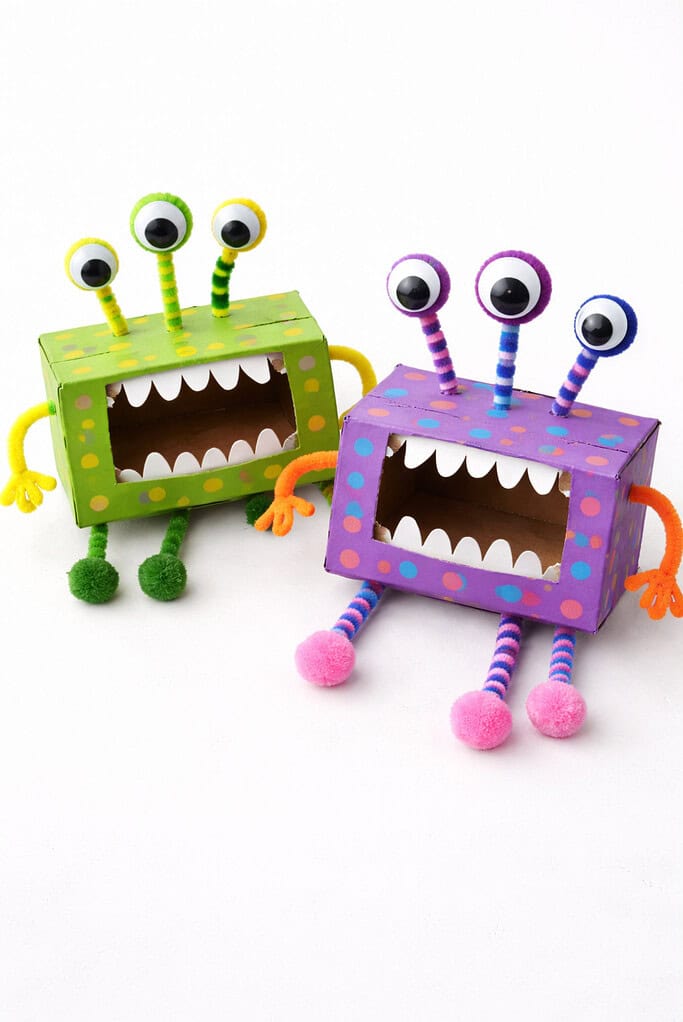
An empty tissue box makes the most perfectly shaped monster body. The hole where the tissues came out becomes the mouth — add cardstock teeth inside and it looks wonderfully ferocious.
Cover the outside in paint or construction paper, glue on googly eyes (the more, the better), add pipe cleaner arms and legs, and you have a delightfully silly monster that kids will absolutely love. This is one of those crafts that looks like it took real effort but comes together in under an hour.
10. Tin Can Pencil Holder
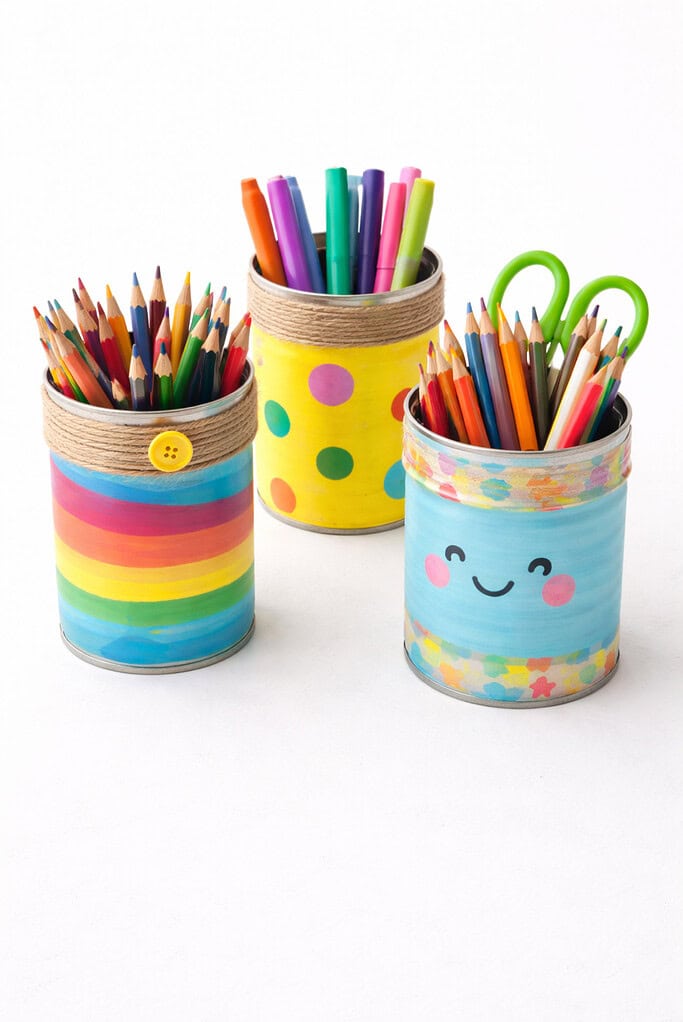
Washed-out tin cans — from beans, tomatoes, or anything else — make beautiful pencil holders with just a little decorating. Kids can wrap them in twine, paint them in their favorite colors, cover them with patterned washi tape, or decoupage them with torn magazine pages.
These make genuinely lovely gifts too, especially when paired with a set of colored pencils or markers. If you’re looking for more handmade gift ideas, our 10 Thoughtful Father’s Day Gifts From Kids That Feel Extra Special has some beautiful options.
11. Water Bottle Fish
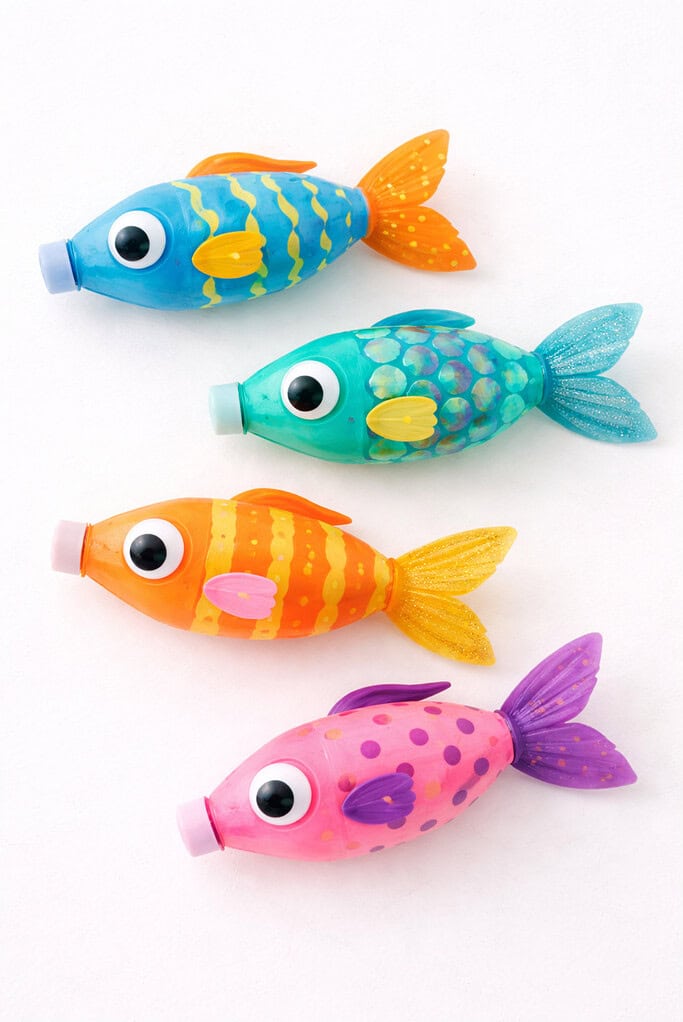
Clear or colored plastic water bottles can be transformed into the most charming little fish with just a few snips and some paint. Cut the tail shape into the bottom of the bottle, paint the outside in vibrant ocean colors, add a big googly eye, and let it dry.
These look beautiful displayed together in a group — like a little shoal of fish swimming across a shelf or wall. It’s a lovely way to start a conversation about ocean conservation with younger children too.
12. Bottle Cap Art Mosaic
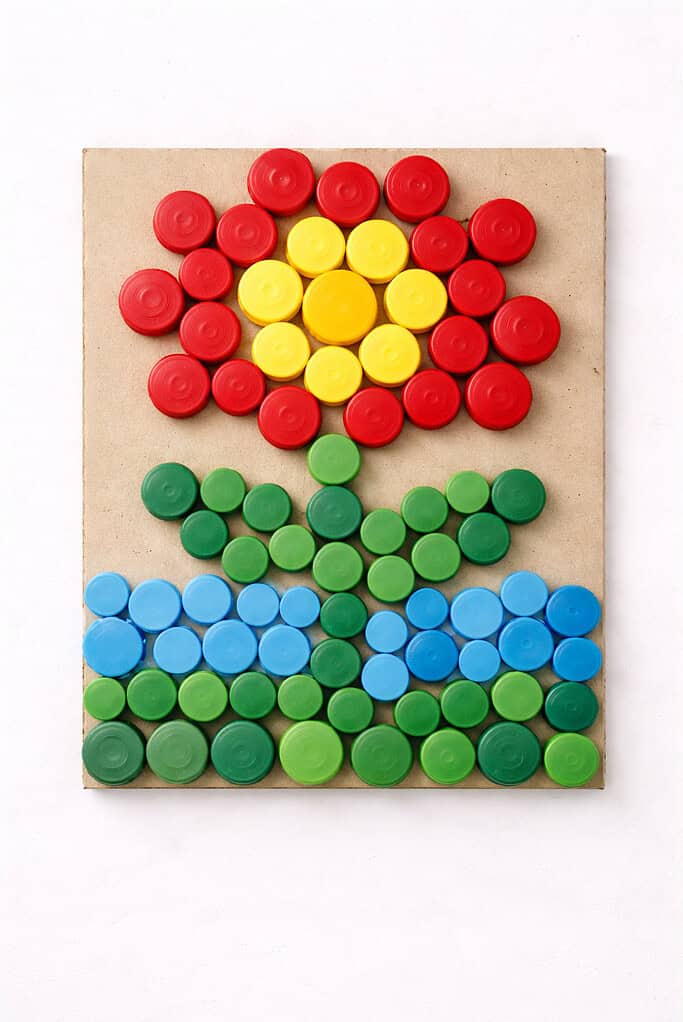
If you’ve been saving bottle caps (and now you have a great reason to start), this project is so satisfying. Arrange colorful bottle caps on a piece of sturdy cardboard or wood to create a mosaic — a flower, a rainbow, an animal, a scene. Glue them in place and let the kids step back and admire their work.
The tactile nature of this craft makes it especially engaging, and the finished piece is bold, colorful, and genuinely eye-catching. For even more clever things to do with bottle caps, our 10 Surprisingly Clever Bottle Cap Crafts You Haven’t Seen Before is a must-read.
13. Cardboard Whale (Jonah Tie-In!)
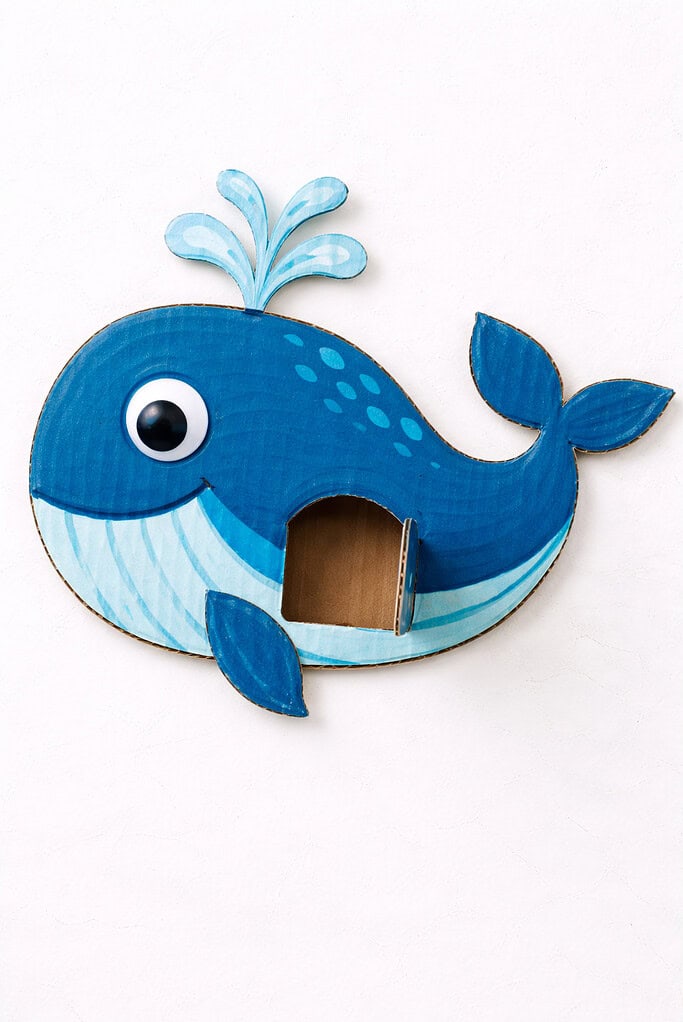
This one is extra special for families who love weaving faith and creativity together. Cut a large whale shape from a flattened cardboard box, paint it in deep blues and teals, and add details like a spout, fins, and a big friendly eye.
You can even cut a small door in the belly for a little Jonah figure to hide inside.
It’s a wonderful hands-on way to bring the story of Jonah to life, and kids absolutely love the dramatic element of it. If you’re exploring more Bible-based crafts, you’ll love our 10 Epic Jonah and the Whale Crafts That Make Bible Stories Come Alive.
14. Glass Jar Mini Planter
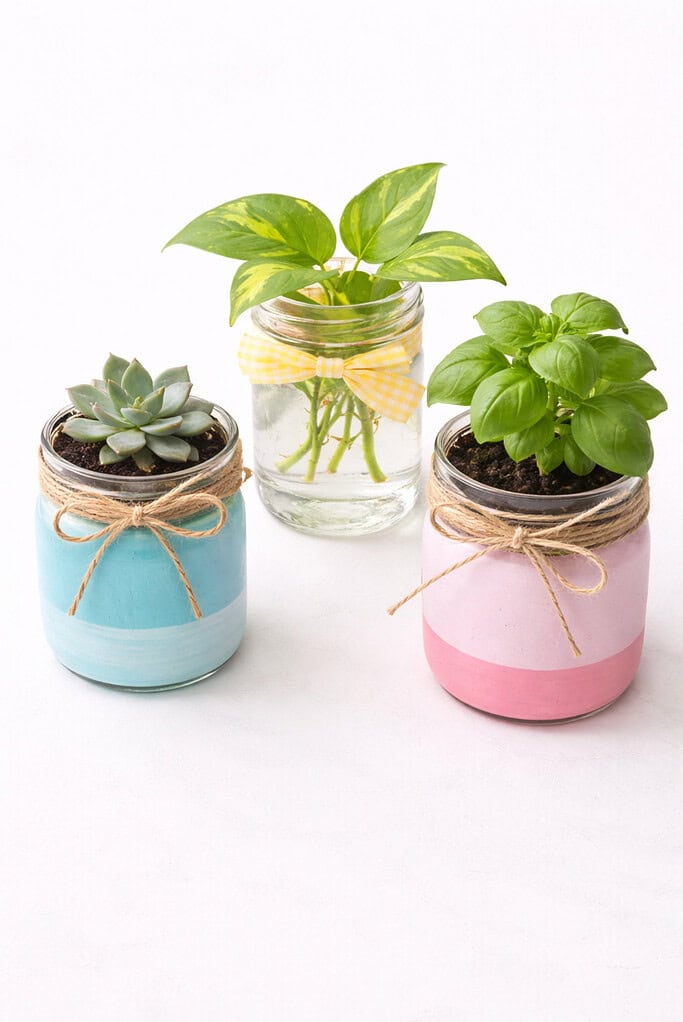
Clean glass jars — pasta sauce, pickle, jam — make the sweetest little planters when given a bit of love. Kids can paint the outside (glass paint works beautifully, but regular acrylic with a sealant coat works too), wrap them in jute twine, or tie on a little fabric bow.
Fill with small succulents, herbs, or even just water and a cutting, and you have a living craft that keeps on giving. These also make absolutely lovely gifts that parents and grandparents genuinely treasure.
15. Bottle Craft Vase
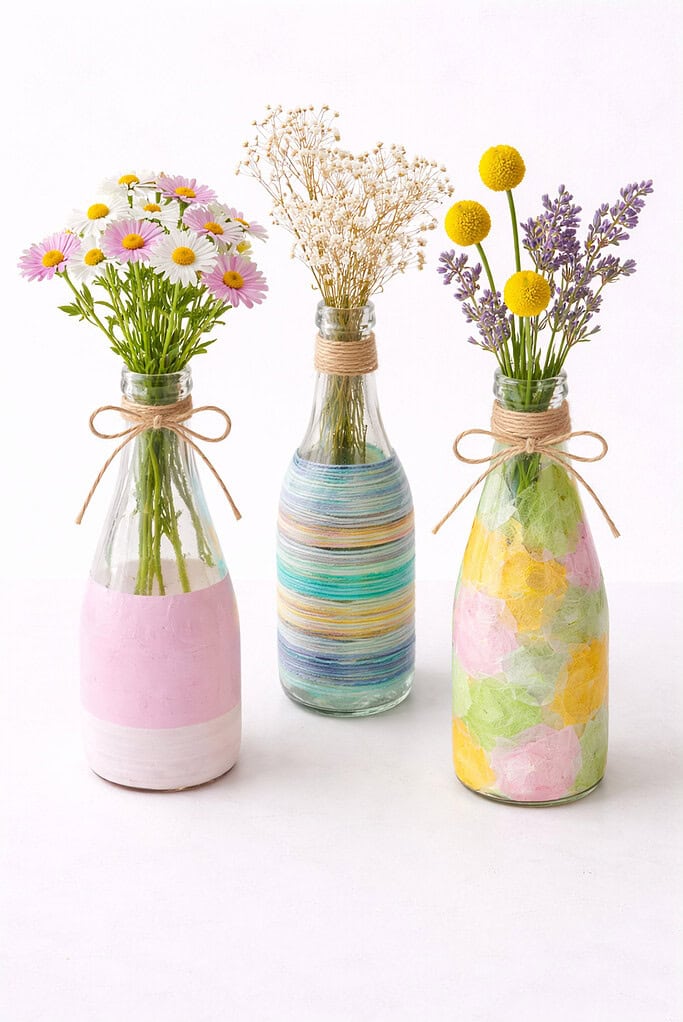
Glass bottles — wine bottles, juice bottles, olive oil bottles — have such beautiful shapes that they’re practically begging to be turned into vases.
Kids can decorate them by painting, wrapping in yarn or twine, covering in tissue paper with Mod Podge, or even dripping contrasting paint colors down the sides for a gorgeous effect.
Add a few wildflowers or dried stems and you have something that looks like it came from a boutique. It’s one of those crafts where the end result genuinely surprises everyone — including the kids who made it.
Easy Tips for Making Recycled Crafting a Regular Habit at Home
Getting into a rhythm with recycled crafts is easier than you might think, and it truly transforms the way your household relates to everyday waste. Here are a few gentle ways to make it a natural part of your home life.
- Start with a dedicated “craft bin” — a box or basket where you toss clean recyclables as they come in. Egg cartons, toilet rolls, cereal boxes, plastic bottles, tin cans, jar lids, fabric scraps, old magazines. Once the bin exists, both you and the kids will naturally start noticing what goes in it rather than what goes in the recycling. It shifts the whole perspective.
- Set aside a low-key weekly craft time — even just 30 to 45 minutes. It doesn’t need to be elaborate or Pinterest-perfect. The ritual of showing up, opening the craft bin, and seeing what sparks inspiration is often enough. Some of the best crafts come from zero planning and pure improvisation.
- Keep a small stash of basic supplies alongside the bin: white glue, a glue gun (for grown-ups), scissors, paint in primary colors, googly eyes, pipe cleaners, and washi tape. With just these basics and your recyclables, you can make virtually everything on this list and hundreds more.
For more ideas on working creatively with what you have at home, our 12 Clever Scrap Fabric Crafts to Use Up Every Last Piece is a beautiful place to find that same spirit of making-do-beautifully.
Perfect for Every Season: When to Pull These Out
One of the best things about recycled crafts is that they’re genuinely season-agnostic — there’s never a wrong time to pull out the craft bin and get creating. That said, certain crafts on this list do lend themselves beautifully to particular times of year.
In spring, the plastic bottle flower pots and glass jar planters are perfect for getting little ones interested in growing things.
There’s something particularly lovely about starting seeds in a container your child decorated themselves — it adds a layer of ownership and investment to the whole gardening experience. Our 10 Easy and Adorable Spring Crafts for Toddlers has even more ideas for the littlest makers in your life.
Summer is ideal for the bigger, messier projects — the cardboard box castle, the egg carton animal farm, the water bottle fish. Take things outside if the weather allows, spread out a tarp, and let the kids really go for it without any worry about mess.
For more summer crafting inspiration, our Summer Crafts for Everyone: 10 Easy Ideas You’ll Actually Want to Make is full of warm-weather fun.
Autumn and winter are wonderful times for the quieter, more detailed crafts — the bottle cap mosaic, the tin can pencil holders, the newspaper pirate hat. These are the kinds of crafts that suit a cozy afternoon indoors with something warm to drink, soft music in the background, and nowhere particular to be.
Start Crafting and Never Look at Your Recycling Bin the Same Way Again
Once you start, you genuinely cannot stop seeing the potential in everyday packaging.
That egg carton stops being rubbish. That toilet roll becomes a possibility. That glass jar starts looking like a beautiful little planter just waiting to happen. It’s a lovely shift in perspective, and it’s one your kids will carry with them for years.
Whether you work through all 15 of these crafts over a long summer or dip in and out of them throughout the year, the most important thing is simply to start. Pick one. Gather your supplies from the recycling. Sit down with your kids. And enjoy every single glittery, glue-covered, wonderfully imperfect moment of it.
I’d absolutely love to hear from you — have you tried any of these recycled crafts with your kids? Do you have a favorite that always turns out beautifully, or one that went hilariously sideways? Drop a comment below and share your experience!
Get the FREE Easter Egg Story & Easter Tomb Craft Printables!
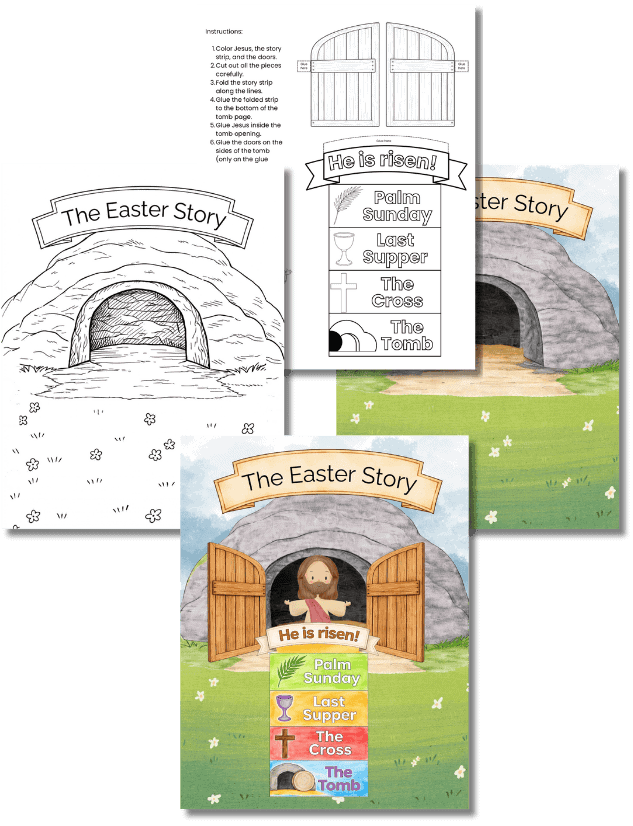
When you sign up, you get both the Easter Egg Story Craft and the Easter Tomb Craft — no need to sign up twice!
The Easter Egg Craft has kids color four eggs and fold them into a 3D keepsake, walking through the story from the Last Supper to Jesus rising again. The Easter Tomb Craft features a colorable tomb with doors that open and close to reveal the risen Savior inside.
Together, these printables turn the Easter story into something children can see, color, and come back to—making it easier for them to understand and remember what Easter is really about.
Click below to grab both printables and start crafting together.
Frequently Asked Questions
What age is best for recycled crafts?
Recycled crafts are wonderfully adaptable and can work for virtually any age. Toddlers from around 18 months can enjoy simple sensory versions — scrunching newspaper, painting egg cartons with chunky brushes, sticking googly eyes onto a toilet roll with help.
Older children aged 5 and up can handle more complex construction like the rocket ship, castle, or mosaic. The beauty of using recycled materials is that there’s no pressure — if something gets squashed or torn, it’s all just recyclables, so the stakes feel wonderfully low for everyone involved.
How do I safely prepare tin cans for kids’ crafts?
Great question, and an important one. Before handing a tin can to a child, use a can opener that leaves a smooth edge rather than a sharp one (safety can openers are widely available and worth having).
After opening, wash the can thoroughly, check for any sharp points around the rim, and if needed, use a rubber mallet to gently tap down any remaining rough edges.
Covering the top rim with a strip of strong washi tape or duct tape adds an extra layer of protection for little hands. Supervised crafting is always recommended for children under 5 when tin cans are involved.
What’s the best paint to use on plastic bottles and glass jars?
For plastic surfaces, acrylic craft paint works well but benefits enormously from a primer coat first — a quick spray of white primer helps the paint adhere and prevents peeling. Alternatively, look for paints specifically labeled for multi-surface use, which include plastic in their compatibility.
For glass jars, either glass paint (which can be baked to set) or regular acrylic sealed with a clear varnish both work beautifully. If kids are using the jars as planters with water inside, make sure to paint the outside only and seal well to keep the design looking fresh.
Can these crafts be used in a classroom or group setting?
Absolutely — in fact, several of these translate beautifully to group settings.
Egg carton animals, toilet roll owls, newspaper pirate hats, and tissue box monsters are all particularly well-suited to classrooms, holiday clubs, or Sunday school groups because they’re quick to set up, easy to adapt for different skill levels, and produce a finished product every child can take home with pride.
For a group setting, it’s worth collecting materials in advance by asking families to donate their clean recyclables — most people are genuinely happy to help, and it turns the supply-gathering into a community effort.
How do I store and display the finished crafts without the house being overrun?
This is the question every crafting parent eventually asks! A few approaches work really well. A dedicated “gallery wall” with clips or a string of fairy lights with mini pegs lets kids display current favorites and rotate them out as new ones are made.
A shallow crate or basket labeled “current favorites” gives children ownership over what’s on display at any given time. For 3D crafts like the castle or rocket ship, consider photographing them before they’re eventually recycled — this way the memory lives on even when the craft itself has run its course.
Some families create a simple scrapbook or photo album of crafts made through the year, which becomes a lovely keepsake in its own right.