
If you love to sew, you already have something valuable in your hands – a skill that can create comfort, beauty, and even a little extra income.
Turning your sewing projects into something people will happily buy is about making practical, well-crafted items that others need and appreciate.
From simple tote bags to reusable napkins, a good sewing project is one that fits easily into daily life.
Many of these ideas just require quality fabric, steady stitching, and care in the details.
With a small selection of thoughtful projects, you can start selling at local markets, online shops, or even through word of mouth.
In this article, you’ll find 15 sewing projects you can sell for extra income – projects that are beginner-friendly, timeless, and enjoyable to make.
What Makes a Sewing Project Sell
When it comes to selling your handmade work, the secret is about doing it well.
A sewing project that sells is one that’s both useful and thoughtful.
People are drawn to items that feel intentional, well-made, and built to last.
Start by choosing projects that serve a clear purpose.
Everyday items (like kitchen towels, pouches, or fabric bins) are often bestsellers because they blend beauty with function.
If you need inspiration, check out these easy sewing projects you’ll love – simple ideas that are practical, creative, and fun to make.
Customers love things they can actually use, not just admire. Stick with natural fabrics such as linen, cotton, or hemp.
They photograph beautifully, wear well, and signal quality without saying a word.
Next, focus on your craftsmanship. Straight seams, clean edges, and neat topstitching can make even the simplest project look professional.
Add small touches (like a label or a fabric tie) that make your work feel complete.
Finally, remember that presentation matters.
A well-lit photo, a short description, or a simple tag with your name can turn a handmade item into a brand.
15 Profitable Sewing Projects You Can Sell from Home
Every project has the potential to be valuable.
Some of the most successful handmade items are simple, practical, and made with care.
When a piece is useful, beautifully crafted, and built to last, it naturally attracts buyers.
Here are fifteen sewing ideas that blend creativity with practicality – great options for earning steady income from home.
1. Reusable Fabric Napkins

Simple, functional, and endlessly reusable – fabric napkins appeal to customers who want to live more sustainably.
They’re quick to sew, require minimal fabric, and ship easily.
Sets of four or six in linen or cotton are always popular, especially in soft neutrals or classic stripes that photograph well.
They make easy gift sets, and the low material cost keeps your profit margin healthy.
2. Linen Kitchen Towels
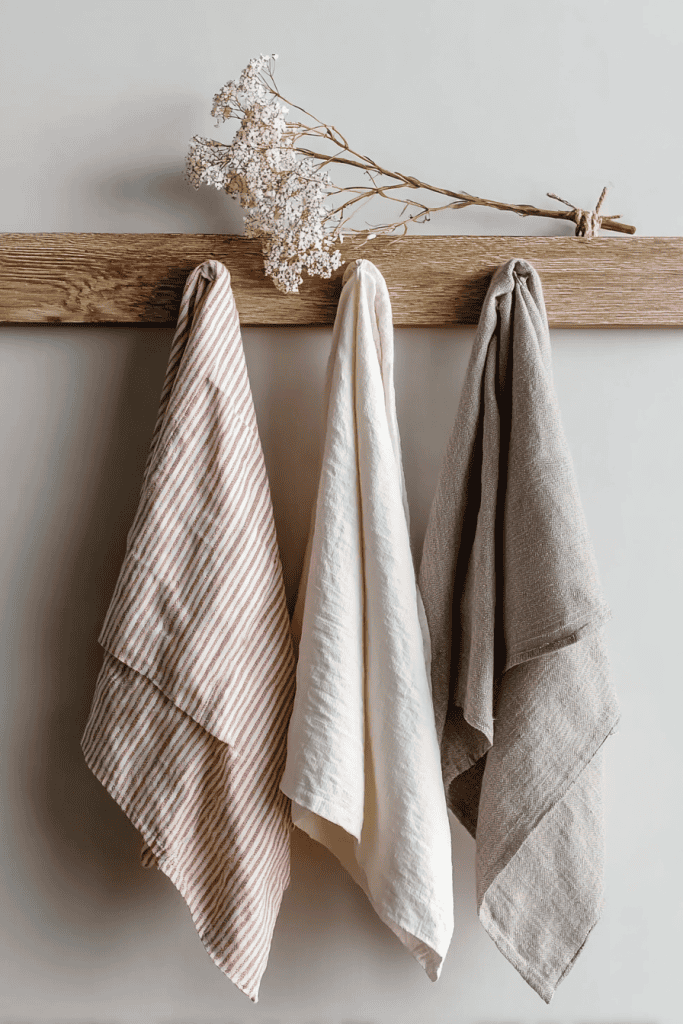
A handmade linen towel is one of those everyday luxuries that people love to buy for themselves or give as a gift.
They last longer than store-bought towels and get softer with use, which adds to their appeal.
Offering a few neutral color options and a simple hanging loop gives your towels a professional finish.
They’re easy to make in batches, so you can build steady income without a heavy workload.
For a truly mindful kitchen, pair your handmade towels with these non-toxic kitchen swaps that make your cooking space safer and healthier.
3. Table Runners
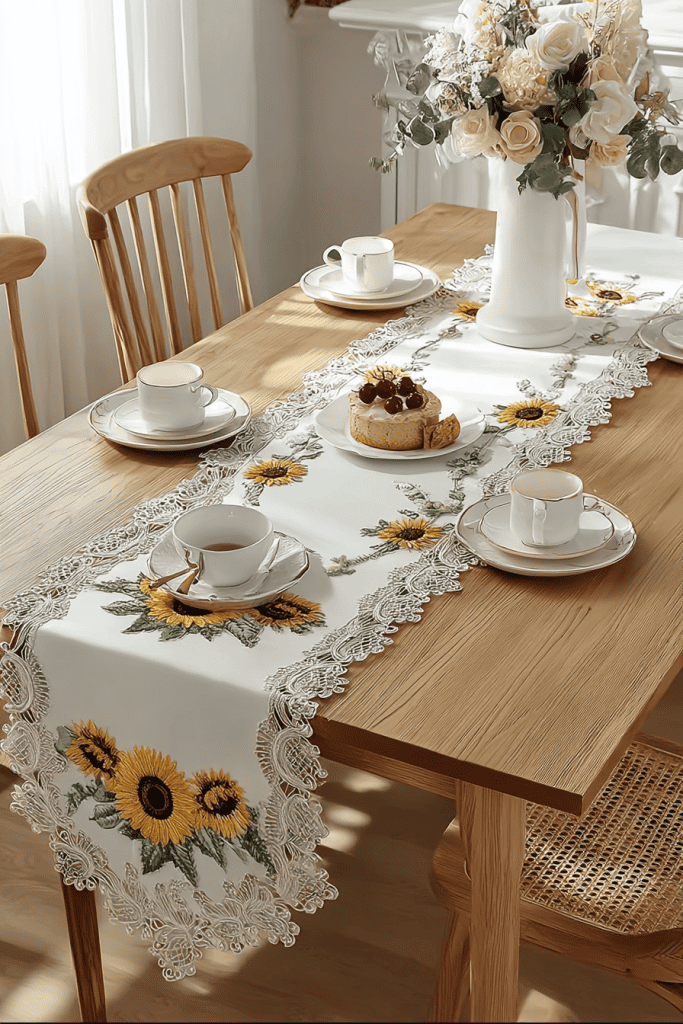
Table runners have a strong market because they’re an effortless way for customers to update their home décor.
They don’t require exact sizing or complex construction, and they sell well year-round with small seasonal tweaks – plaid cotton for fall, light linen for spring, or rustic neutrals for any time of year.
Displaying them rolled and tied with twine adds that handmade charm buyers respond to instantly.
4. Throw Pillow Covers
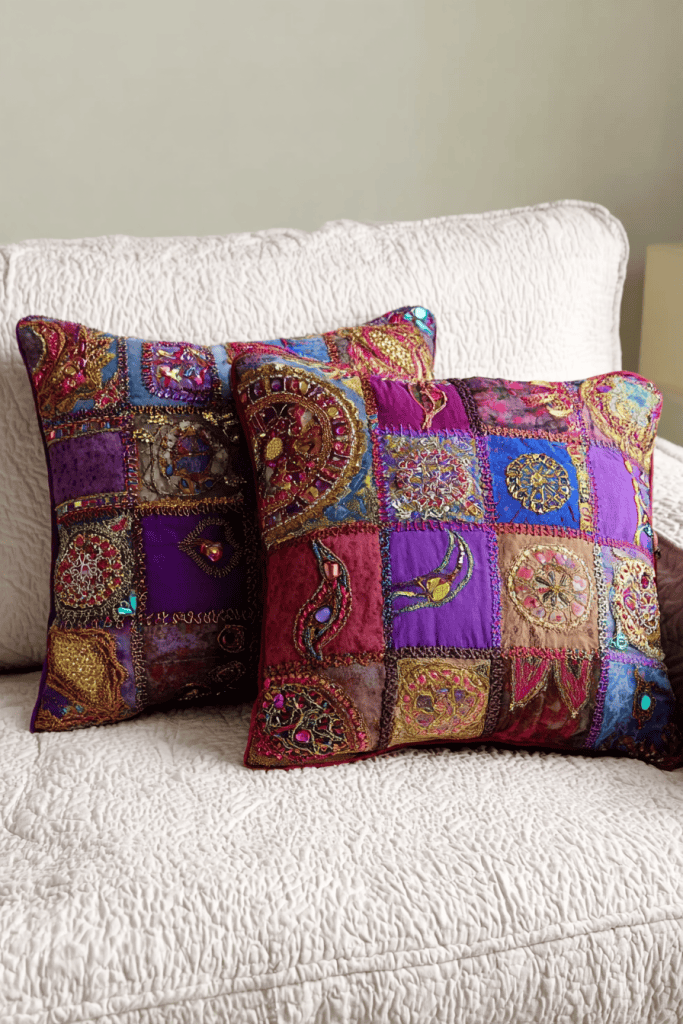
Pillow covers are one of the easiest ways for shoppers to refresh a room without spending much.
That’s exactly why they sell so well.
They’re quick to sew, require minimal fabric, and can be made in dozens of variations – neutral linen for modern homes, cotton prints for cozy spaces, or textured fabrics for seasonal décor.
Offering standard sizes (like 18×18 inches) keeps things simple for you and helps buyers know they’ll fit the inserts they already own.
Selling them in sets or pairs can also increase your average sale without adding much work.
5. Wheat Heat Packs

Wheat heat packs have steady demand because they’re practical, comforting, and perfect for gifting.
They’re popular during cooler months or around the holidays but sell well year-round as natural wellness items.
They require little fabric and use inexpensive fillers like wheat or rice, keeping costs low.
You can enhance their appeal by using soft cotton flannel or linen and offering removable, washable covers.
If you photograph them simply – rolled, tied with twine, or paired with dried herbs – they fit beautifully into natural living and self-care markets.
6. Fabric Storage Bins

These are functional, attractive, and endlessly useful – a great combination for selling handmade goods.
Buyers love them for organizing toys, craft supplies, or pantry items, and they fit easily into modern, minimalist décor.
You can use sturdy canvas or cotton-linen blends with interfacing to give them structure, and they’re easy to make in several sizes.
Selling matching sets or coordinating prints makes them even more appealing for families or home organizers.
Because they fold flat, they’re simple to ship and store, too.
7. Tote Bags

A well-made tote bag never goes out of style.
People use them for groceries, errands, or everyday carry, which means they wear out and get replaced often – perfect for repeat buyers.
They’re sturdy, functional, and simple to customize.
Use durable canvas, denim, or linen for structure, and consider adding pockets or lining for a polished finish.
Buyers also love neutral colors with small design details like contrast stitching or fabric ties.
Totes are a reliable staple for markets because they display beautifully hanging on a rack and are easy to price consistently.
If you’re looking for a seasonal twist, check out our guide on how to sew a fabric Christmas gift bag – it’s a festive project that’s quick to make and perfect for gifting or selling.
8. Zippered Pouches
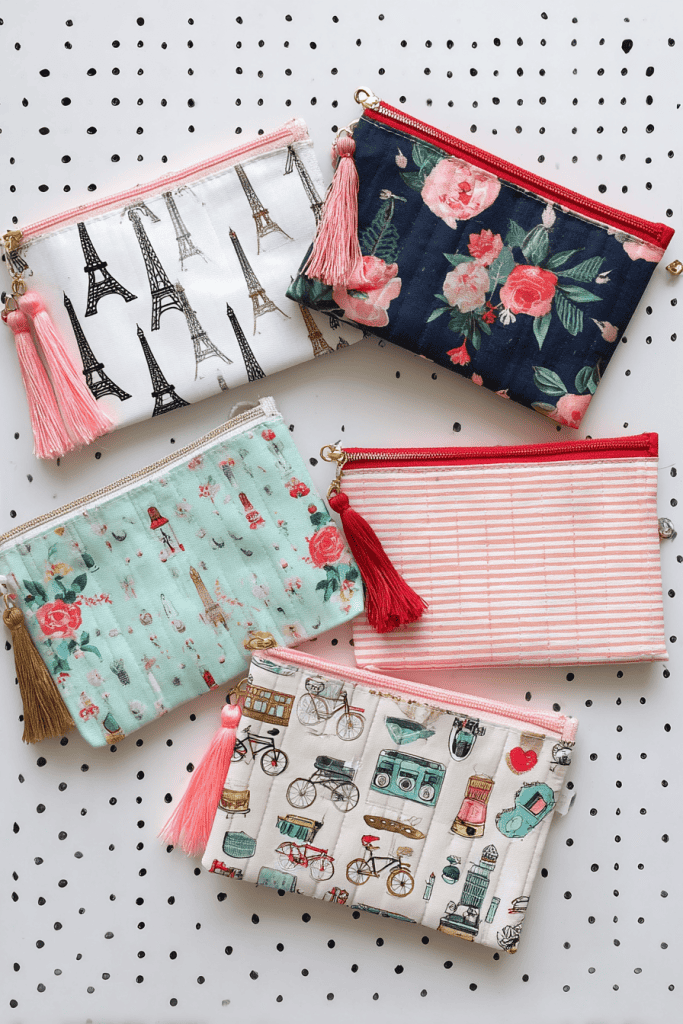
Small, useful, and endlessly giftable, zippered pouches are one of the most dependable handmade items to sell.
They use minimal fabric and can be made from leftover scraps, making them low-cost but high-margin products.
Shoppers love them for organizing bags, storing makeup, or giving as small gifts.
Offering different sizes – coin pouches, pencil cases, makeup bags – lets you appeal to a wider audience with just a few simple pattern adjustments.
A clean zipper finish and lined interior instantly make your pouches look store-ready.
9. Aprons

Aprons combine function with nostalgia – a timeless handmade item that appeals to both home cooks and crafters.
They’re easy to size, require only basic stitching, and allow room for creative touches like patch pockets or contrast straps.
Linen or cotton canvas gives them a sturdy, classic look.
Because they make great gifts, aprons sell steadily throughout the year, especially before holidays or during farmers’ market season.
Offering matching adult-and-child sets or gender-neutral colors can help your listings stand out.
10. Soft Toys
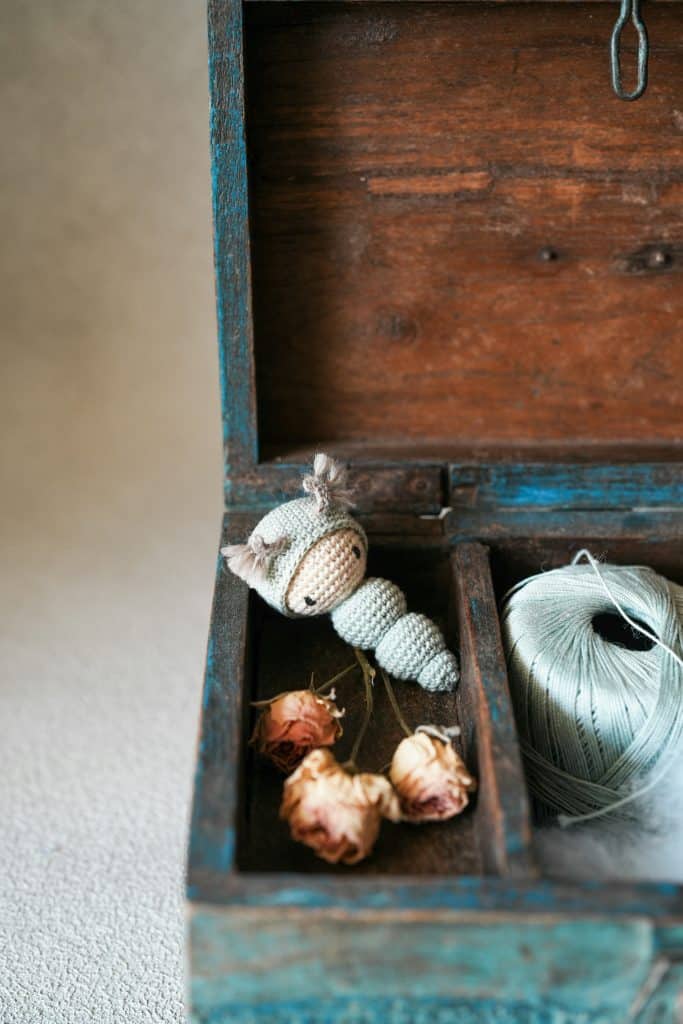
Soft toys hold a timeless kind of charm that parents and gift-givers can’t resist.
They’re personal, safe, and evoke nostalgia – qualities that stand out in a market full of mass-produced products.
You don’t need elaborate patterns to make them sell; simple shapes with quality stitching and natural fabrics work beautifully.
Organic cotton or linen gives them a wholesome, handcrafted look, and small embroidered details add personality without needing plastic parts.
They’re ideal for baby showers, holidays, and handmade fairs where sentiment matters as much as style.
11. Baby Bibs
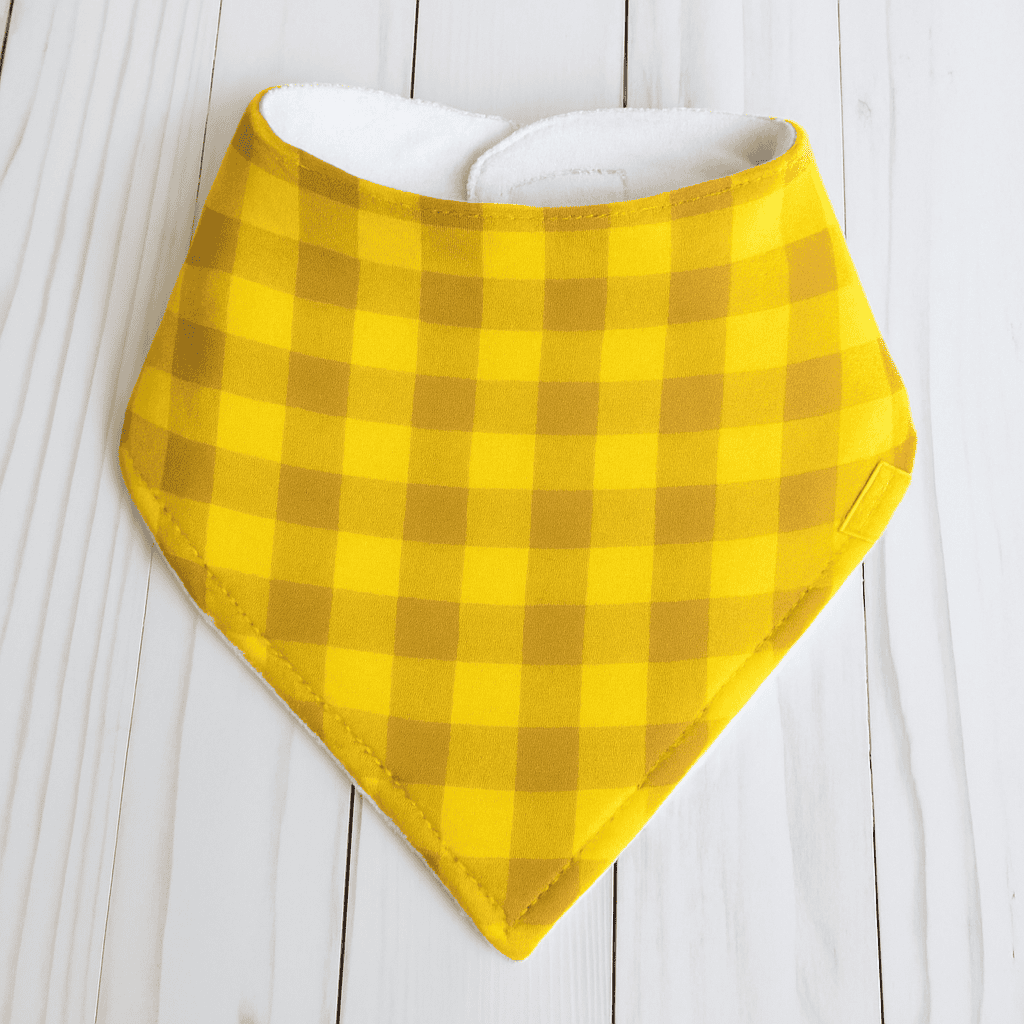
Baby bibs are small but mighty sellers.
They’re quick to make, require very little fabric, and are always in demand since babies grow fast and parents need multiples.
Soft cotton, terry cloth, or flannel works well for the front, paired with absorbent backing like bamboo or organic cotton.
Snap closures or Velcro make them easy to use and safe for little ones.
Bundling them in sets of two or three instantly raises their perceived value – perfect for gifting or market displays.
If you’re looking for more inspiration, check out our guide on adorable baby projects before birth to sew ahead of your little one’s arrival.
12. Children’s Clothing Basics
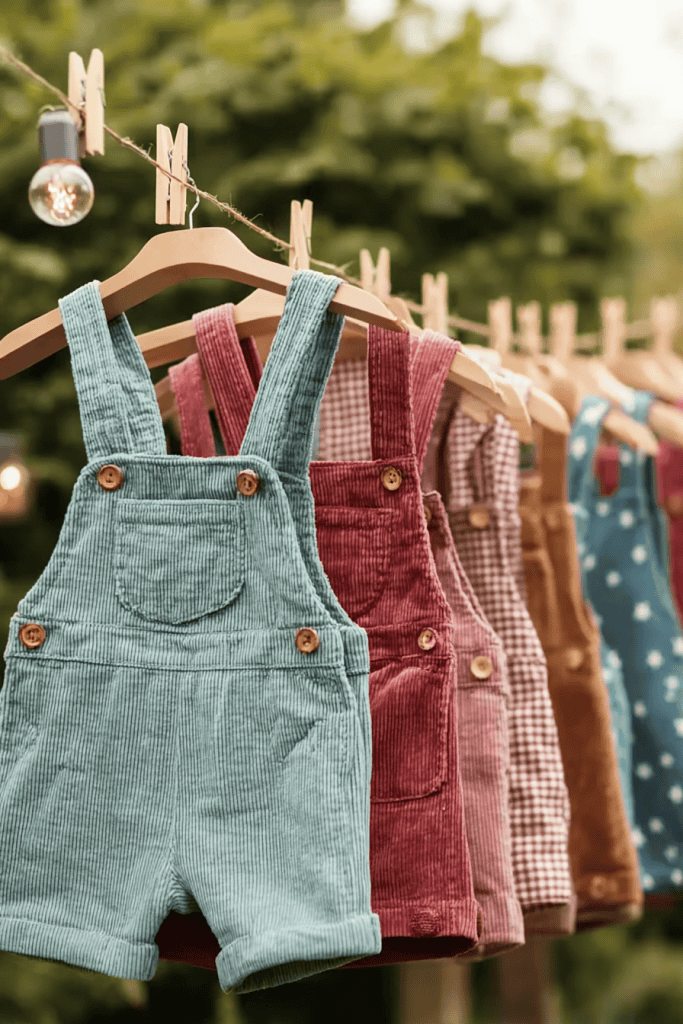
Simple, comfortable clothing for kids (like elastic-waist pants, skirts, or pinafores) continues to sell because it’s both practical and charming.
Parents are increasingly seeking out handmade, natural-fiber pieces that last longer and feel gentler on the skin.
Use breathable fabrics such as linen or cotton, and focus on patterns that are easy to size and sew repeatedly.
Handmade children’s wear carries emotional appeal and fetches a higher price point when presented with consistent branding and clean photography.
If you’re ready to get started, check out our guide on how to start sewing kids’ clothes at home – it covers everything from choosing fabrics to beginner-friendly patterns and tips for smooth sewing.
13. Reusable Produce Bags
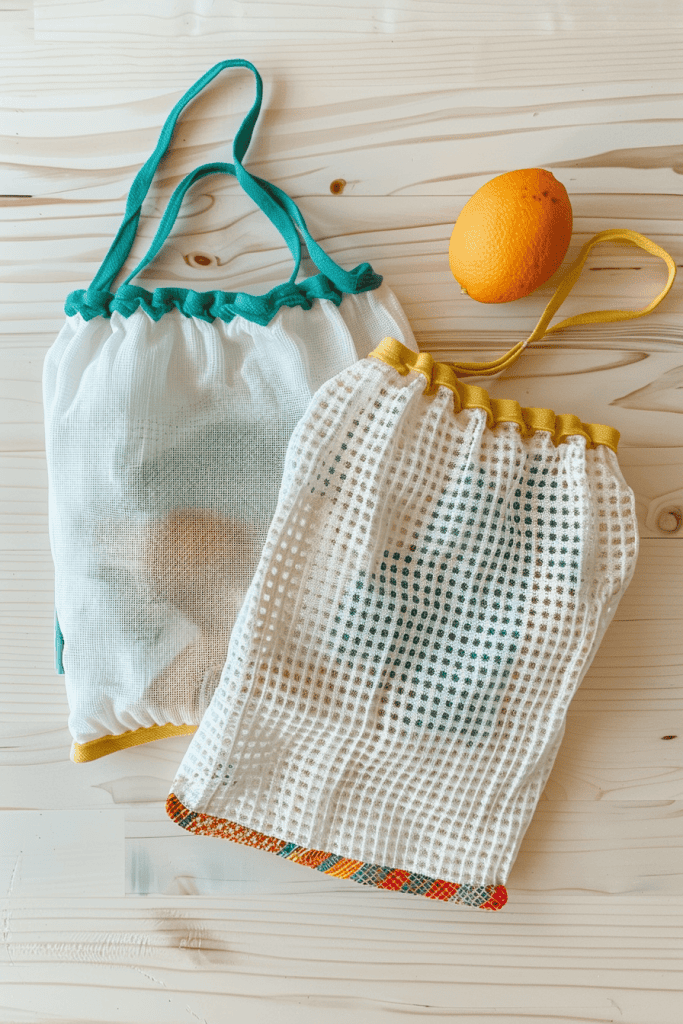
Reusable produce bags are a staple for eco-conscious shoppers.
They’re lightweight, affordable, and practical – exactly what people reach for when making small lifestyle swaps.
You can make them from breathable cotton muslin, mesh, or lightweight linen, and they sew up quickly in sets.
Because they fold flat and weigh almost nothing, they’re easy to ship and bundle with other zero-waste items.
These sell especially well when photographed with fresh produce or paired with a matching market tote for gift sets.
14. Beeswax Wrap Covers
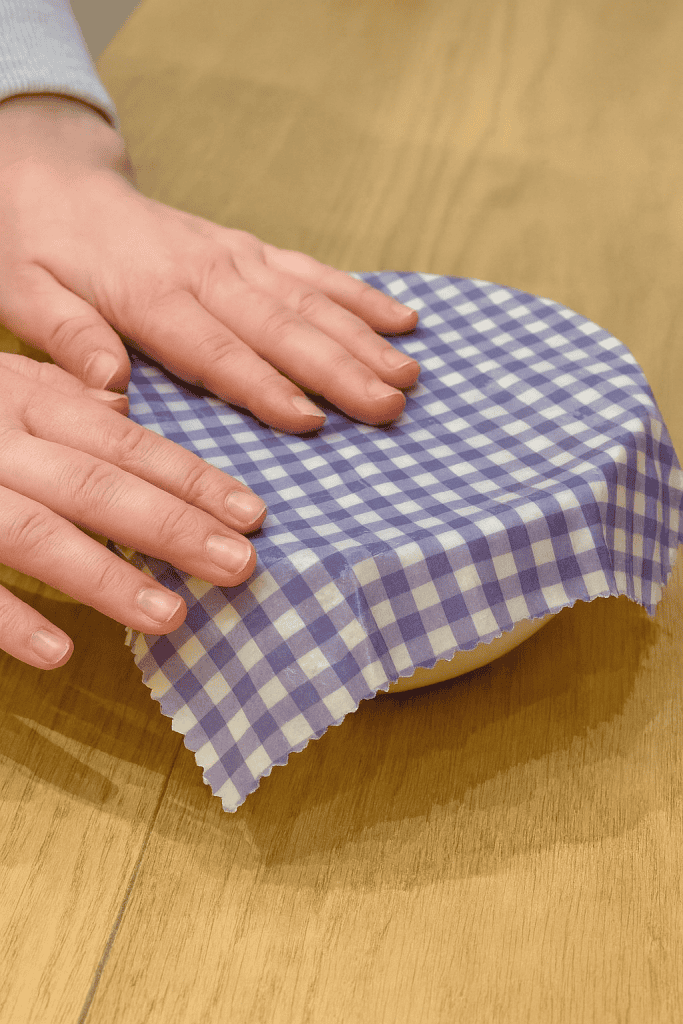
Beeswax wraps have become a symbol of low-waste living, and fabric covers are a natural extension of that trend.
They’re inexpensive to make and appeal to customers who want to reduce plastic use.
Using cotton fabric and simple elastic edging, you can create bowl covers that fit various sizes – perfect for kitchens, picnics, or food storage.
Sets of two or three with coordinated prints display beautifully at markets and can be sold year-round.
Adding a tag about care instructions and material benefits helps buyers feel confident about their purchase.
15. Reusable Makeup Pads

Reusable makeup pads are one of the easiest sewing projects to make and sell – small, sustainable, and endlessly useful.
They require only scraps of cotton flannel or bamboo terry and can be finished with serged or zigzag edges.
People love them because they’re affordable, environmentally friendly, and make great starter items for anyone trying to live more sustainably.
Selling them in bundles with a small mesh wash bag adds extra value and helps your product stand out both online and in person.
How to Price (and Present Your Work)
Pricing your handmade projects starts with the numbers.
- Add up your material costs. Include everything you use – fabric, thread, zippers, buttons, packaging, even labels.
- Pay yourself fairly. Multiply the hours it takes to make one item by your hourly rate. (Example: if a tote bag costs $8 in materials and takes 2 hours at $15/hour, your base price is $38.)
- Add a small profit margin. Around 10–20% helps cover platform fees, marketing, or future growth.
- Adjust for where you sell.
Online: Include listing fees, transaction fees, and shipping materials.
Local markets: Factor in booth fees, gas, or display costs.
When presenting your work, use bright, natural photos and simple backgrounds.
Show off the stitching, patterns, or details that make your pieces stand out, and write honest, clear descriptions.
People love buying handmade because they can feel the care and creativity behind every piece.
Start Small, Sew Steady, and Build Something You’re Proud Of
Begin with one or two projects you enjoy making, refine your process, and pay attention to what your customers love.
Over time, those small, intentional steps can grow into something that supports both your creativity and your household.
If you’re ready to start, pick one idea from this list and set aside a weekend to create your first batch.
Photograph it, price it fairly, and put it out into the world – you might be surprised by how warmly people respond to something made with heart and skill.
Which sewing project are you most excited to try first?
Share your thoughts or experiences in the comments below – I’d love to hear what you’re making.
FAQs
1. How do I decide what price to set for my handmade items?
Start by adding up the cost of materials and then add a fair hourly rate for your time. Research similar handmade products to understand market pricing. Remember – customers aren’t just buying fabric; they’re buying craftsmanship and care.
2. Do I need a business license to sell my sewing projects?
It depends on where you live and how you sell. Many local markets or online platforms don’t require a license for small-scale sales, but if you plan to sell regularly or expand, check your local business registration requirements to stay compliant.
3. What’s the best way to promote my handmade sewing products?
Good photos make the biggest difference. Use natural light and show your items in real-life settings. Consistent posting on social media, especially Instagram or Pinterest, helps too. You don’t need paid ads – storytelling and authenticity sell best for handmade work.
4. Where can I sell my sewing projects besides Etsy?
You can start small with local craft fairs, community markets, consignment shops, or Facebook Marketplace. Many makers also build their own simple websites through platforms like Shopify or Squarespace once they have steady interest.
5. How can I make my sewing projects look more professional?
Focus on neat seams, consistent thread tension, and high-quality fabric. Press every piece before photographing, use simple branded tags, and package with care. These small details instantly elevate the perceived value of your handmade work.