
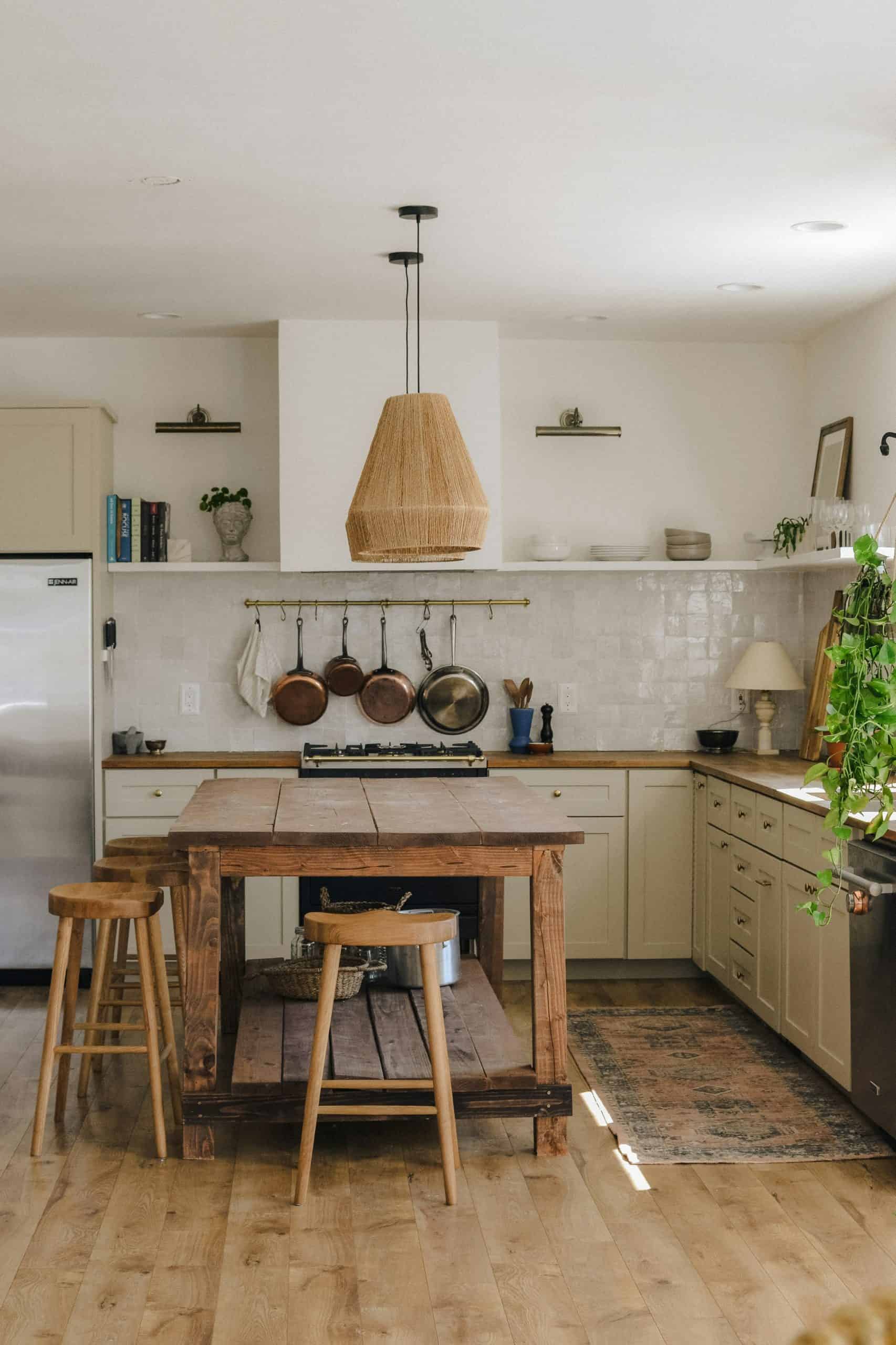
A well-loved kitchen is the heart of a healthy home. It’s where meals are prepared, snacks are shared, and routines take root.
When this space is filled with thoughtful, natural choices, it becomes even more nourishing – for our bodies, our families, and our everyday rhythms.
Non-toxic kitchen swaps are a simple and encouraging way to bring more wellness into your day.
Whether you’re making immediate swaps or simply replacing a few worn-out tools, these gentle shifts can nurture a kitchen that feels calm, capable, and ready to serve.
In this post, I will offer practical, feel-good alternatives to common kitchen items. Choose what fits your home and let it grow from there.
Why Go Non-Toxic in the Kitchen?
The kitchen sees a lot of action every day, which means it’s a good place to be a little more mindful about what we’re using.
When you’re wiping down the counters, cooking meals, or packing up leftovers, those daily habits add up.
Swapping in natural products can be gentler on your hands, easier on your budget, and kinder to the environment.
And most of the time, these swaps are just as effective as the conventional stuff – if not more.
It’s also a nice way to keep things simple.
A few basic ingredients and materials can cover a lot of ground without the need for a cupboard full of bottles and sprays.
Whether it’s cleaning, cooking, or storing food, natural tools tend to be sturdy, straightforward, and easy to use.
Starting here makes sense.
You use your kitchen every day, so any little improvement gets noticed right away – in how things feel, how they smell, and how smoothly they run.
If you’re beginning the journey toward a healthier home overall, you might enjoy my easy non-toxic living guide, where I walk through simple ways to start reducing toxins throughout the house.
Cleaning Supplies Swaps
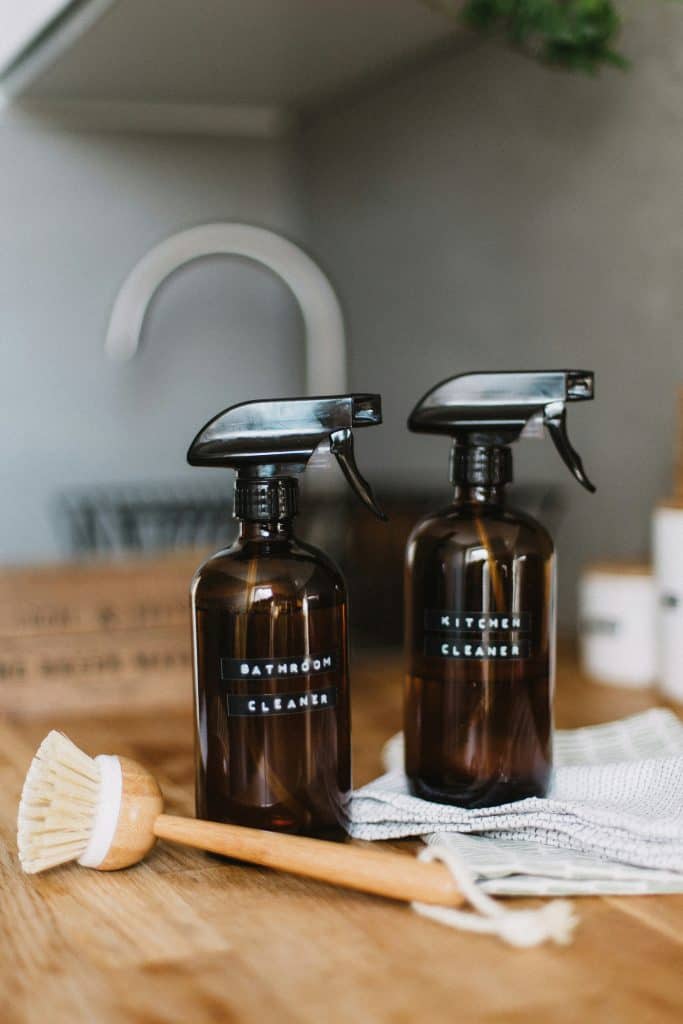
There’s something nice about switching to simpler, safer cleaning options – especially when you realize how well the simple stuff works.
Here are some easy swaps to get started:
All-Purpose Spray
Swap: Store-bought sprays with synthetic scents.
Try Instead: A mix of white vinegar, water, and a few drops of essential oil (like lemon or lavender).
This simple mix can clean countertops, cabinet fronts, and even the fridge. For stone surfaces, just use castile soap and water instead of vinegar.
Scrubbing Powder
Swap: Bleach-based powders or sprays.
Try Instead: Baking soda with a splash of lemon juice.
Great for sinks, stovetops, and scuffed cutting boards. Just sprinkle and scrub – it gets the job done without any harsh smells.
Dish Soap
Swap: Dish soaps with dyes or artificial fragrance.
Try Instead: A gentle, fragrance-free soap or castile soap. I have really hard water and am currently using one from the brand called Attitude. Works great and cuts through grease regardless of my water hardness level.
There are plenty of natural options available, or you can buy castile soap in bulk and mix up your own.
Paper Towels
Swap: Disposable paper towels.
Try Instead: Cloth rags or unpaper towels.
Old t-shirts or worn dishcloths work well. Keep a small bin under the sink for used ones and toss them in with your regular laundry.
Natural living often spreads into other rooms too. When I started simplifying my home, the bedroom was actually one of the easiest places to make small changes. If you’re curious about that space as well, I shared a list of non-toxic bedroom swaps that made a big difference in our home.
Cookware & Utensils Swaps

The tools you cook with matter. They touch your food, hold heat, and stick around for years – so it’s worth choosing ones that are safe, sturdy, and made from trusted materials.
Some of the best options are the simplest ones. Many natural alternatives have been used for generations and still hold up beautifully today.
Here are a few everyday swaps to consider:
Nonstick Pans
Swap: Teflon or other synthetic-coated nonstick pans.
Try Instead: Cast iron or stainless steel. I use both.
Cast iron is a kitchen workhorse. Once it’s seasoned, it becomes naturally nonstick and lasts a lifetime with basic care.
Stainless steel is another solid choice – it’s durable, oven-safe, and easy to clean.
Plastic Cooking Utensils
Swap: Plastic spatulas, spoons, and turners.
Try Instead: Wooden or stainless steel utensils.
Wooden spoons feel good in the hand and are gentle on your pots and pans. Stainless tools are strong and dishwasher-safe.
Both hold up better over time compared to plastic.
Aluminum Bakeware
Swap: Uncoated aluminum baking sheets or pans.
Try Instead: Glass or stainless steel bakeware.
Glass and ceramic are especially great for casseroles and baked goods. They don’t leach into food and are easy to use and clean.
And of course, once you have good bakeware, it’s hard to resist baking more from scratch. My family especially loves these perfectly sweet cinnamon rolls, which have become a weekend favorite in our house.
Over time, your kitchen tools will become a collection you trust – simple, long-lasting, and made to support the kind of meals and moments you care about.
Food Storage Swaps

Food storage is one of those areas where small changes can really add up.
Swapping out plastic for more natural materials doesn’t just support a healthier home – it often means fewer replacements and less waste in the long run.
Here are a few easy, everyday swaps to consider:
Plastic Containers
Swap: Plastic food storage containers.
Try Instead: Glass jars, glass containers with snap-on lids, or stainless steel tins.
Glass is sturdy, doesn’t stain, and lasts for years. Mason jars are especially handy – for leftovers, pantry storage, and even packed lunches.
Plastic Wrap
Swap: Single-use plastic wrap.
Try Instead: Beeswax wraps, fabric bowl covers, or reusable silicone lids.
Beeswax wraps mold easily over bowls or folded sandwiches, and they can be rinsed and reused again and again.
Plastic Baggies
Swap: Disposable sandwich or freezer bags.
Try Instead: Silicone storage bags or cloth snack pouches.
Silicone bags seal well, hold up in the freezer, and are simple to clean. Cloth snack bags are great for dry goods and easy to toss in the wash.
Natural storage options tend to feel good to use – they’re practical, durable, and better for both your food and your space.
Start with just one or two, and you’ll quickly find your rhythm.
Over time, these choices help create a kitchen that runs smoothly and feels more in line with a slower, more thoughtful way of living.
Pantry & Dishware Swaps

Everyday meals and snacks offer another chance to bring in natural, non-toxic habits – without needing to change what you eat or how you cook.
Here are a few ideas to keep things healthy and easy:
Kids’ Dishes
Swap: Plastic plates, cups, and utensils
Try Instead: Stainless steel or bamboo.
Stainless steel is lightweight and tough enough to handle drops. Bamboo is a good natural option, and ceramic can work well for older children who are ready for a little more responsibility at the table.
Pantry Staples
Swap: Processed, packaged pantry goods with additives or dyes
Try Instead: Whole ingredients like dried herbs, grains, beans, and homemade seasoning blends
Simple ingredients often go further, cost less over time, and give you more control over what’s going into your meals.
If you enjoy baking with wholesome ingredients, learning how to make a sourdough starter with freshly milled flour is a fun and surprisingly simple place to begin.
Produce Wash
Swap: Bottled vegetable washes with added ingredients
Try Instead: A quick soak in water with a spoonful of baking soda
It’s an easy, affordable way to clean fruits and vegetables. Let them soak, rinse well, and they’re ready to go.
Napkins and Table Linens
Swap: Disposable napkins and paper placemats
Try Instead: Cloth napkins and washable table linens
Cloth adds warmth to the table and holds up beautifully through repeated use. They’re easy to care for and give mealtime a cozy, gathered feel.
And if your kitchen tends to become the baking center of the house like mine, you might also enjoy my recipe for best flaky pie crust recipe using freshly milled flour.
These little shifts help bring your kitchen closer to the natural, nurturing space you’re building – one meal, one shelf, one habit at a time.
4 Tips for Making the Transition
Switching to non-toxic kitchen habits works best when it happens slowly, one choice at a time.
When you take it step by step, the changes are easier to keep and more likely to stick.
Here are a few gentle ways to make the process feel simple and manageable:
1. Start with What You Use Most
Look at the things you reach for every day – dish soap, a sponge, storage containers. Begin there.
Swapping the most-used items first gives you quick wins and builds momentum.
2. Use What You Have
There’s no need to throw anything out before its time.
Use up what’s already in your home, then replace it with something safer or more natural when it runs out.
It’s a smoother, more sustainable way to shift.
3. Don’t Worry About “Perfect”
This is about progress, not perfection.
One thoughtful swap is more meaningful than trying to change everything at once.
Choose what works for your household, your budget, and your rhythm.
4. Get the Family Involved
Let kids help mix up a simple cleaner or pick out cloth napkins.
When the whole family’s part of the change, it becomes a shared habit – not just a solo project.
The goal is to create a kitchen that feels good to work in – clean, calm, and in tune with the kind of home you’re building.
Take your time. Let it grow.
Start Where You Are and Let It Build
Creating a non-toxic kitchen is really just a series of simple, thoughtful choices made over time.
One swap becomes two, and before long, your space begins to reflect the kind of home you’re working toward – one that’s calm, clean, and rooted in care.
Choose one area to begin. Maybe it’s your dish soap. Maybe it’s switching out a few plastic containers. Whatever it is, let it feel doable.
These changes are about supporting your home, your family, and the way you want to live.
Just take the next step, and trust that it matters.
FAQs
What is the easiest non-toxic swap to start with in the kitchen?
One of the simplest places to begin is with cleaning supplies. Replacing conventional all-purpose sprays with a vinegar and water solution is inexpensive, effective, and easy to make. Dish soap is another quick swap. Choosing a fragrance-free or plant-based soap removes unnecessary dyes and synthetic scents while still cutting through grease.
Are natural cleaning products really effective?
Yes. Many natural ingredients clean extremely well when used correctly. Vinegar helps break down grease and mineral buildup. Baking soda works as a gentle abrasive for scrubbing sinks and stovetops. Castile soap cuts grease and cleans surfaces without harsh chemicals. These ingredients have been used in homes for generations because they work.
Is stainless steel or cast iron better than nonstick cookware?
Both stainless steel and cast iron are excellent alternatives to synthetic nonstick coatings. Cast iron becomes naturally nonstick when seasoned properly and can last for decades. Stainless steel is durable, oven-safe, and resistant to scratching. Many home cooks keep both in their kitchen because each serves different cooking needs.
Is it necessary to throw away all plastic containers right away?
Not at all. A slower transition is usually more practical and less wasteful. Continue using what you already own and replace items with glass or stainless steel when they wear out. Gradually swapping pieces over time makes the change easier on your budget and avoids unnecessary waste.
What are the safest materials for food storage?
Glass, stainless steel, and silicone are widely considered some of the safest options for food storage. Glass jars and containers do not absorb odors or stains and can last for years. Stainless steel tins are durable and lightweight. Silicone bags are reusable and work well for freezer storage. Many households use a mix of these materials depending on their needs.