

As a new sewist, it’s easy to assume you need long stretches of time to see results.
In my home, that’s not realistic.
I’m an expecting mom with two toddlers, and my windows for sewing usually open during nap times or after the kids are down for the day.
What I’ve learned is this: sixty minutes is enough to make steady progress.
I’ll show you how I use little pockets of time to make steady progress and feel more confident as a new sewist.
Why 60 Minutes Works for Beginners

An hour may not sound like much, but for new sewists, it’s the sweet spot.
When you’re juggling little ones, housework, and everything else, waiting for a long block of free time can keep you from starting at all.
If you’ve ever wondered how to overcome sewing beginner frustrations, starting small like this is a perfect way to avoid feeling overwhelmed.
Sixty minutes fits more easily into real life – it’s about the length of a toddler’s nap or the quiet after bedtime.
It’s also long enough to see visible results. In one session, you can cut fabric, practice a seam, or complete a small project step.
That steady rhythm matters more than long, occasional bursts.
With each session, your skills build, your confidence grows, and your sewing pile slowly transforms into finished pieces.
Most importantly, an hour encourages focus. You don’t have the luxury of wandering or second-guessing – you choose a task and dive in.
That kind of clarity helps you finish, and finishing (even the small steps) is what keeps you motivated to return for the next session.
How to Prepare for a Successful 60-Minute Sewing Session

A focused hour works best when you’re ready before you sit down.
I’ve learned the hard way that wasting ten minutes hunting for scissors or untangling thread can eat up the little window I have.
Preparation keeps the session smooth and enjoyable.
- Set up a sewing corner or portable kit. Even if space is limited, having your tools in one place saves time. A small basket with scissors, pins, thread, and a measuring tape means you’re ready to go the moment the kids go down.
- Keep projects simple at first. Beginner-friendly projects (like pillowcases or tote bags) make it easier to finish in short bursts. The satisfaction of completion motivates you to keep going.
- Decide on your task before you begin. Whether it’s cutting fabric, practicing seams, or assembling a project, know your plan before you sit down. That way, you can get straight to work.
- Clear the space for focus. A tidy surface and organized tools set the tone. You’ll enjoy the session more when your space feels calm and ready.
A little prep before the sewing machine turns on means you’ll spend most of your hour actually sewing, not searching.
60-Minute Sewing Session Framework: A Step-by-Step Guide
When time is limited, the way you use each minute matters.
If you’re a busy parent or just someone with pockets of time here and there, this structure helps you know exactly what to do when you sit down, so your sewing feels productive and satisfying instead of rushed.
First 5 Minutes: Intentional Setup
As mentioned earlier, start by preparing your space and tools with focus.
Plug in your machine, wind or check your bobbin, thread the needle, and gather the essentials – scissors, pins, seam ripper, fabric pieces.
If your fabric needs a quick press, do it now so you don’t interrupt your flow later.
This short window sets the tone: you’re shifting gears from the busyness of the day into sewing mode.
Next 45 Minutes: Deep Focus on One Task

This is your main work block. Choose one task for the session and commit to it fully.
Examples:
- Cutting out pattern pieces for a simple garment. (If patterns feel confusing, see my guide on how to read a sewing pattern)
- Practicing straight seams on fabric scraps.
- Sewing the body of a pillowcase.
- Attaching handles to a tote bag.
By narrowing your focus, you remove the pressure to do everything at once.
If you’re practicing, keep a stack of fabric ready so you can stitch, evaluate, and try again without stopping.
If you’re sewing a project, break it down into steps so each session completes a visible portion.
Using a timer helps create a natural stopping point, letting the session stay productive and present without constantly checking the clock.
Final 10 Minutes: Wrap Up and Reset for Tomorrow
The last part of the session is about closing the loop.
Trim threads, put away tools, fold or label fabric pieces, and clear your workspace.
Write down a quick note about your exact next step (“next session: attach waistband” or “practice zigzag seam again”).
This is a way to protect your progress.
The next time you sit down, you won’t waste precious minutes wondering where you left off.
Instead, you can open your notebook, look at your note, and begin.
Practical Sewing Session Ideas for Beginners
Once you understand the framework, the next step is deciding what to do with your 60 minutes.
Having a clear focus for each session removes the stress of decision-making.
Below are practical ideas that show you exactly how to use your hour, depending on what stage you’re in.
Skill-Building Sessions
Sometimes, the best use of an hour is pure practice.
Spend the block working on straight seams, curved seams, buttonholes, or zipper insertions.
Keep fabric scraps or inexpensive cotton handy so you can stitch, check, and repeat.
I find this especially useful when I know interruptions might happen – practice sessions let me step away without derailing a project.
Small Project Sessions
Choose simple, useful projects that can realistically be completed in one or two sessions.
A pillowcase, set of cloth napkins, or a basic tote bag are perfect.
The satisfaction of finishing something in just a couple of hours is huge for motivation.
It’s also a great way to show your kids a “ta-da” moment the next morning.
Pattern Preparation Sessions
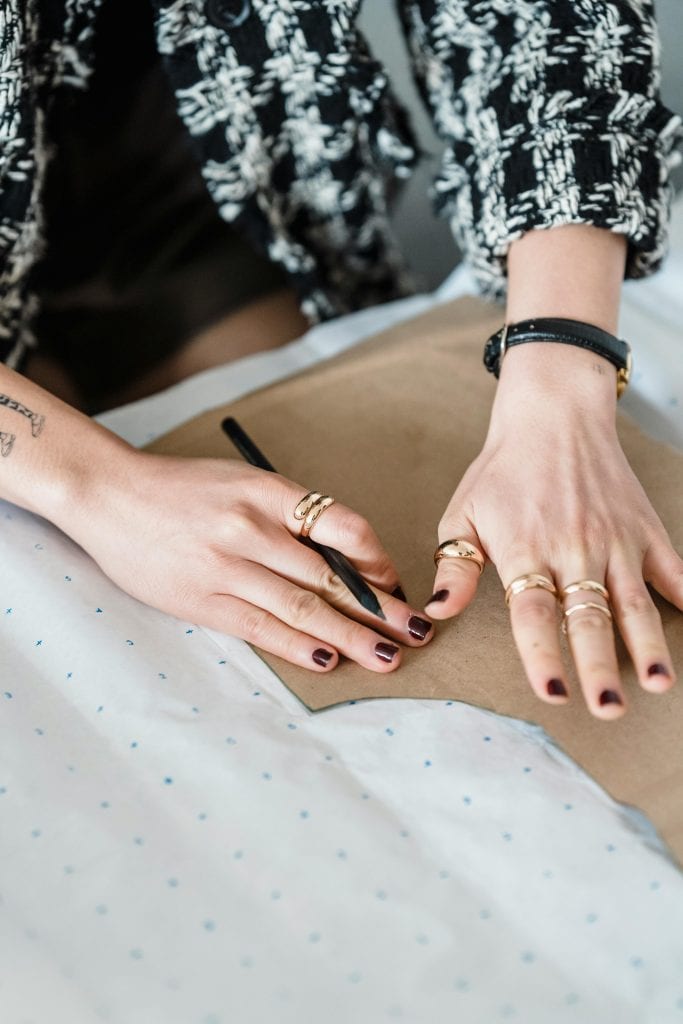
Cutting out pattern pieces and marking fabric takes time – and it’s often messy if rushed.
Dedicate a full session to just this step. Lay out your pattern, pin, cut carefully, and transfer markings.
By the end of the hour, everything is prepped so the next session can be pure sewing.
Assembly Sessions
This is where your project takes shape.
In a 60-minute block, you might sew all the seams of a simple skirt or attach sleeves to a blouse.
The key is choosing a defined chunk of work.
Assembly sessions often give the most visible results, which makes them especially satisfying when you’re fitting sewing between naps and bedtime.
Finishing Touch Sessions
Don’t underestimate the smaller steps.
Pressing seams, topstitching, or hand-sewing closures can each fill a session.
These details bring polish to your work and give you the joy of holding a truly “finished” piece.
Finishing work is also quieter – ideal for late-night sessions when you don’t want the hum of the machine to wake anyone.
Building Sewing Momentum Through Consistency

Momentum is created through structure, small wins, and repeatable habits.
For new sewists, especially when balancing family life, here’s how to build consistency that leads to finished projects and growing skills.
Anchor Sewing to Existing Routines
Instead of “fitting it in whenever,” tie your 60-minute sessions to something that already happens daily.
For example:
- Right after the kids go down for their nap.
- After the evening kitchen clean-up.
- First hour of Saturday morning while the house is quiet.
By anchoring sewing to routines you already do, your sessions become predictable rather than optional.
Work in Project “Chunks”
Momentum comes from knowing exactly what’s next.
Break each project into logical steps that fit a session:
- Session 1 → Cut pattern pieces.
- Session 2 → Sew side seams.
- Session 3 → Attach waistband.
- Session 4 → Press and finish edges.
This way, each session feels like a clear win and you’re never stuck wondering where to start.
Keep a Sewing Journal or Project Card
At the end of each session, jot down what you accomplished and the exact next step.
If you’re new to this, my post on how to use a sewing journal is a helpful way to track your progress.
Example: “Sewn front and back panels. Next: insert zipper.”
This removes decision fatigue and makes it easy to pick up where you left off – even if a week passes before you sit down again.
Rotate Between Skills and Projects
Avoid burnout by alternating session types:
- One session on skill practice (like buttonholes).
- One session advancing a project (like sewing seams).
- One session for finishing (like pressing or hand stitching).
This keeps learning fresh while ensuring projects steadily move forward.
Set a Monthly Mini-Goal
Choose a simple, realistic finish line: one tote bag, two pillowcases, or one new skill mastered.
For busy moms, that might mean one completed project per month.
When you hit the goal, you’ll see proof that your short sessions add up – and that fuels motivation to keep going.
Momentum is about direction.
Once you’re ready to tackle more advanced work, check out how to start sewing your own clothes for guidance on bigger projects.
5 Time Management Tips for Sewists Facing Distractions

Distractions are part of real life – especially if you’re sewing with toddlers running around, family tasks calling, or limited energy at the end of the day.
The goal is to work with your reality so you still move forward.
Here’s how to make your 60-minute sessions stick, even with a busy household.
1. Batch Similar Tasks for Efficiency
Instead of jumping between different kinds of work, group similar steps together.
For example, cut all your fabric pieces for two projects in one session, then spend the next session only at the machine.
This minimizes context-switching and keeps you focused, even if your time gets cut short.
2. Use Visual Cues to Re-Enter Quickly
Keep a sticky note or a fabric marker right by your machine.
If you get interrupted mid-step, jot a one-line note like “halfway through sleeve seam – start here”.
This quick reminder saves you from re-reading patterns or re-measuring later, and you’ll pick up speed right where you left off.
3. Automate the “Little Things”
Small household tasks often pull you away at the worst moments.
Where possible, automate them before you sew: run the dishwasher, set a laundry timer, or prep tomorrow’s snacks.
Knowing those tasks are handled gives you mental space to focus during your session without nagging worries.
4. Create a “Restart Ritual”
Every sewist gets pulled away sometimes.
Instead of losing momentum, have a two-minute ritual to get back in the zone – pressing a seam, changing thread, or checking your notes.
This resets your focus quickly so you don’t waste the rest of your session “getting back into it.”
5. Choose “Quiet-Time Projects”
Some projects demand focus (like inserting zippers), while others are more forgiving.
You can also make sure you have the essential sewing tools handy so even short sessions feel productive.
Keep a quiet-time option – like hemming napkins or making drawstring bags – reserved for evenings or moments when energy is lower.
This lets you still enjoy sewing, even if the environment isn’t perfectly calm.
Start Your First 60-Minute Sewing Session Today
Sewing grows one stitch at a time.
You can make great progress in just an hour, picking up new skills, moving a project forward, and building confidence along the way.
Each bit of time adds up, and before long you will see how much you have created.
This week, plan a 60-minute session for yourself. Set up your space, choose a project, and enjoy the process.
What project will you start (or restart) in your next 60-minute session? Comment down below and let’s cheer each other on.
FAQs
1. How many 60-minute sessions per week should a beginner plan for?
Start with two sessions each week. That’s enough to build rhythm without feeling like another heavy commitment. If life gives you more space – like an extra nap-time or a weekend evening – you can add a third.
2. Can I break a 60-minute session into smaller blocks?
Yes, and sometimes that’s exactly what mom-life demands. Two half-hour blocks can work just as well if you stay focused. Just remember to reset at the end of each block with a quick note about what comes next, so you can jump back in without losing momentum.
3. What kinds of projects are easiest to finish in short sessions?
Look for projects with clear, simple steps: pillowcases, cloth napkins, tote bags, or drawstring pouches. These can be completed in one to three sessions and give you that motivating sense of completion. Once you’ve got momentum, you can step into garments or bigger projects with confidence.
4. How do I stay consistent if my schedule keeps changing?
Instead of waiting for the “perfect” time, tie your sewing to rhythms that already happen – nap times, post-dinner cleanup, or weekend mornings before the house wakes up. If one slot gets interrupted, shift to the next. Flexibility keeps you moving forward.
5. What’s the best way to keep my sewing space ready when I don’t have a dedicated room?
Use a basket, tote, or rolling cart as your portable sewing station. Keep your current project, thread, scissors, and pattern in it. At the end of a session, put everything back in the basket. Next time, all you have to do is pull it out and begin – no wasted minutes setting up from scratch.