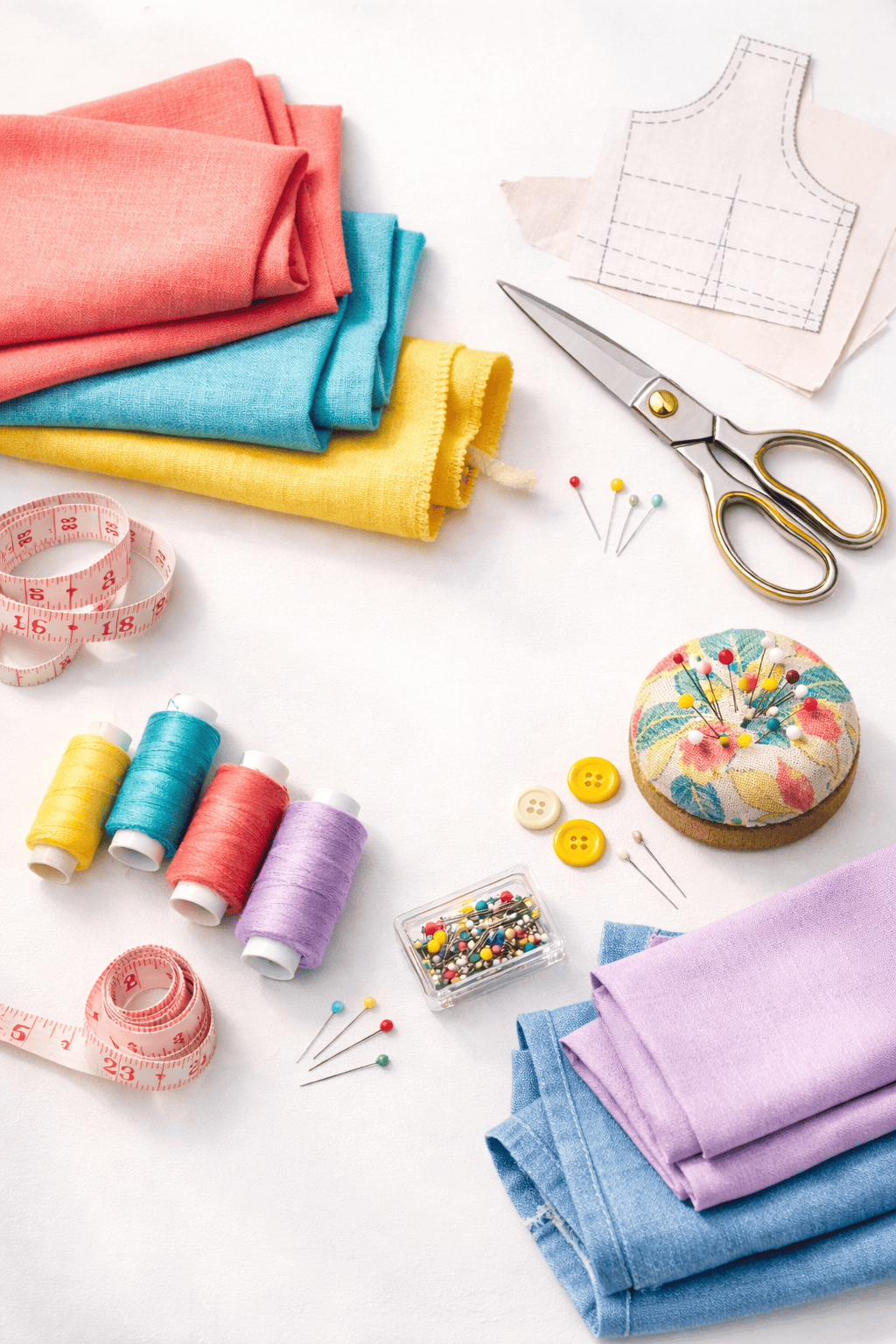
Summer is one of the best times to tackle sewing projects because the fabrics are lighter, the patterns are simpler, and many of the things you make can be used right away. From everyday accessories to useful items for travel, outdoor gatherings, and warm weather clothing, summer sewing projects tend to be quick, practical, and satisfying to finish.
The projects in this list were chosen with that spirit in mind. They are practical, they are fresh, and every single one of them is perfectly suited to the long, golden days of summer. You will not find anything you have already seen a hundred times around here.
These are 11 genuinely new ideas – things to stitch up for the beach, the backyard, the picnic blanket, and everything in between. If you are just getting started and want to brush up on the basics first, the beginner’s guide to starting sewing is a wonderful place to begin before diving in.
11 Easy Summer Sewing Projects You Will Actually Want to Make
If you are ready to sew something useful this season, here are 11 easy summer projects to get started:
1. Oversized Linen Beach Tote
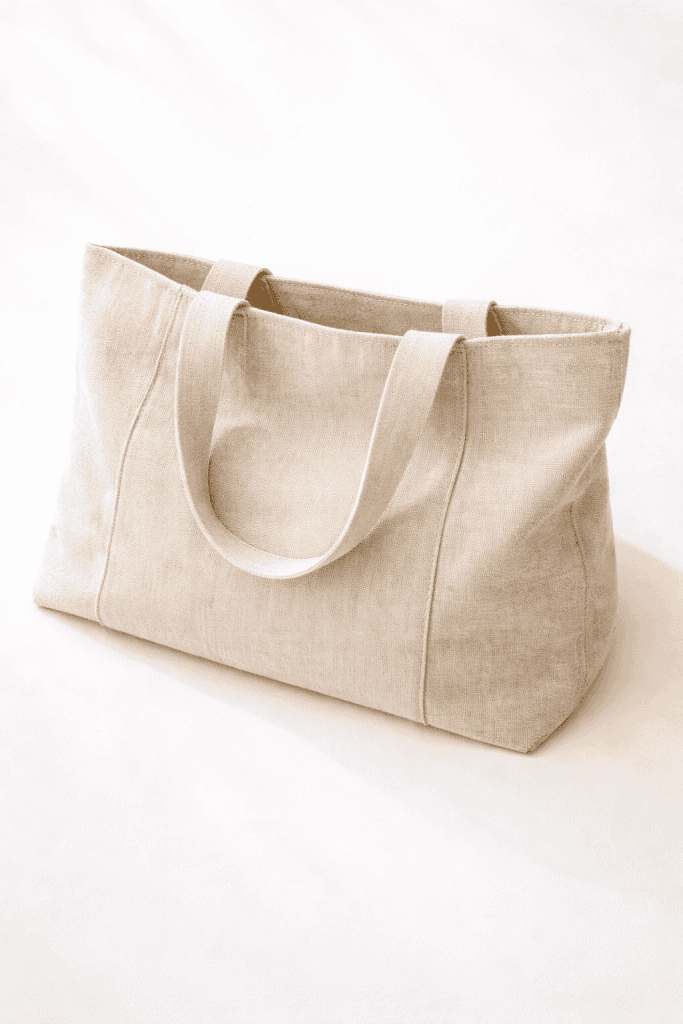
Not your average tote bag — this one is spacious enough to hold a towel, sunscreen, a good book, and a snack without buckling at the sides. Linen is the dream fabric for summer: breathable, durable, and naturally beautiful with just the right amount of drape.
You can line it with a water-resistant cotton canvas or leave it unlined for a more breezy feel. The structured flat bottom means it actually stands up on its own, which makes life a whole lot easier at the beach or pool.
Add a few interior pockets using scraps, and you have got something truly useful. If you want to understand how linen behaves before you cut, this linen sewing guide walks you through everything from pre-washing to pressing.
2. Easy Pull-On Swimsuit Cover-Up
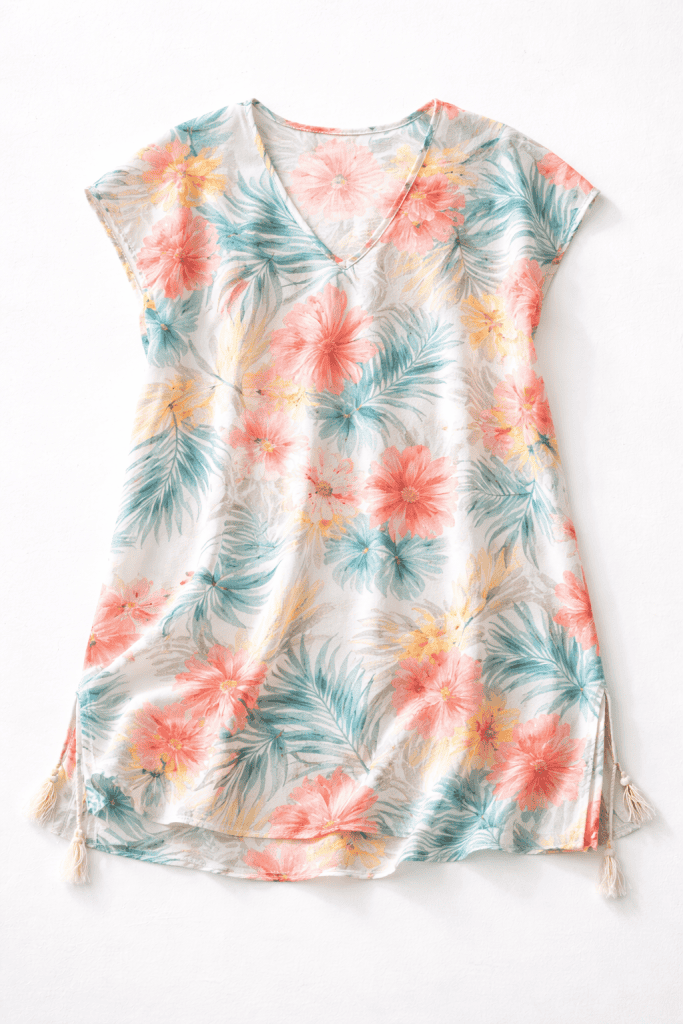
A breezy swimsuit cover-up is one of those summer makes that pays off every single time you wear it. This version is intentionally simple: a loose, A-line silhouette with a simple scooped or V-neck, no zippers, and an easy hem.
Think gauze, voile, or a lightweight rayon that floats in the breeze. You can add side slits for movement, a tassel hem for personality, or keep it clean and minimal — entirely up to you. The beauty is in the fabric choice.
A few yards of a gorgeous printed cotton gauze and you have a cover-up that looks like it came from a boutique. If you are ready to start designing your own garment shapes, this guide on designing and making your own clothes is full of helpful direction.
3. Waterproof-Lined Picnic Blanket
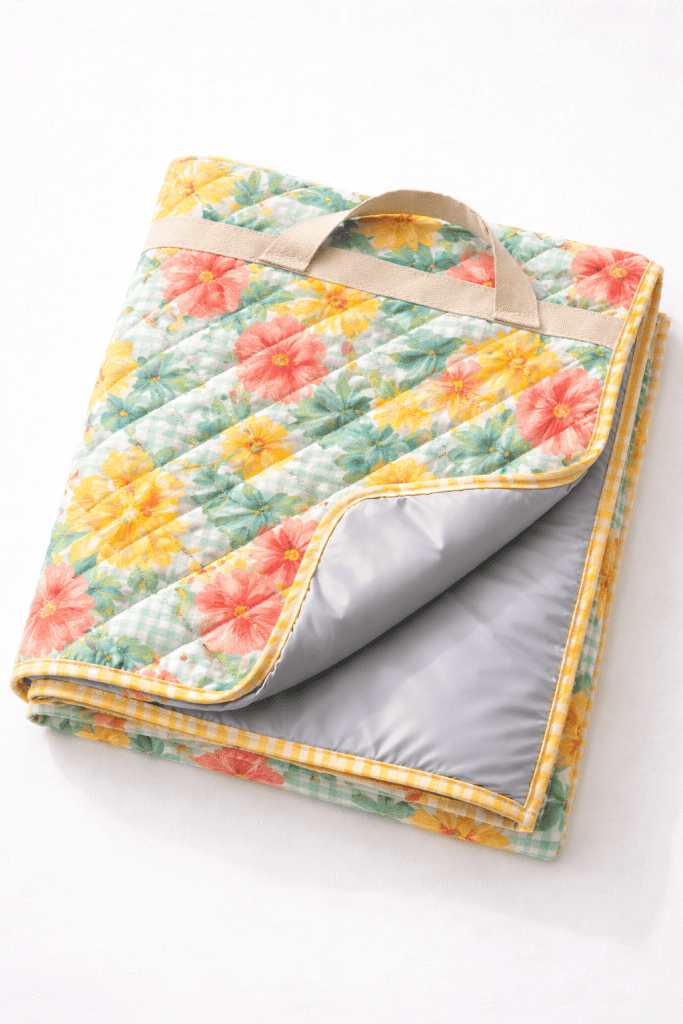
This is the project that gets used all summer long. A generous quilted top in a cheerful cotton print, backed with a water-resistant fabric like PUL or a coated canvas, means you can spread it on dewy grass or a slightly damp lakeshore without anyone ending up soggy.
The construction is straightforward: quilt your top layer as simply or elaborately as you like, sandwich it with batting, back it with waterproof fabric, and bind the edges neatly.
Add fold-over handles so it is easy to carry. If you are new to quilting basics and want a quick foundation before you start, the Quilting 101 guide has everything you need to get your bearings.
4. Gathered-Brim Sun Hat
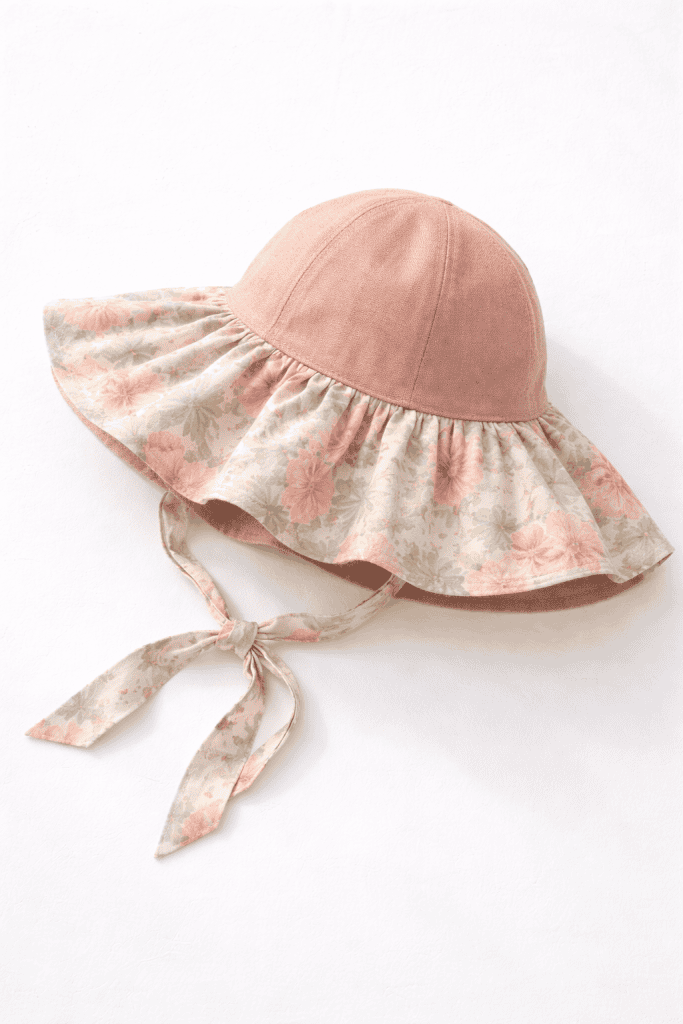
A sewn sun hat sounds ambitious, but it is genuinely achievable with a simple pattern and a bit of patience. The gathered-brim style is especially forgiving — the ruffled edge means there is no complicated shaping involved, just fabric gathering that softens the silhouette beautifully.
Use a medium-weight cotton or canvas for the brim to give it some structure, and a lighter fabric for the crown. Add a ribbon tie under the chin for wind resistance (and the cutest look possible).
This is the kind of make that earns compliments every time you wear it. For sizing and fitting accuracy, this body measurements guide will help you get the proportions just right.
5. Outdoor Chair Cushion Covers
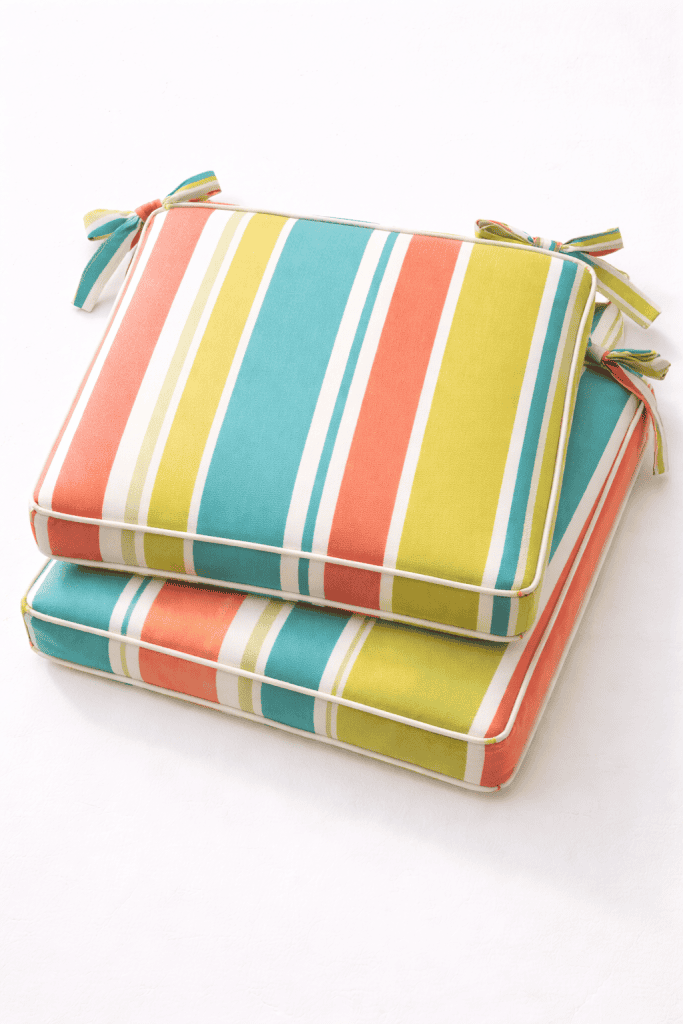
If your patio furniture is looking a little tired, new cushion covers are one of the fastest ways to give it a fresh summer feel.
Unlike a standard pillow cover, outdoor cushion covers need a few extra considerations: a durable, UV-resistant fabric like Sunbrella or a tightly woven outdoor canvas, ties or Velcro closures to keep the cover secure, and reinforced seams that can handle the elements.
The shapes can vary from simple flat ties to boxed corners for a more tailored look. This is a wonderfully satisfying project because the result is immediately visible – you step outside and your whole patio looks transformed.
For guidance on using presser feet for clean, strong seams on thicker fabric, this presser foot guide is a helpful resource.
6. Breezy Elastic-Waist Sundress
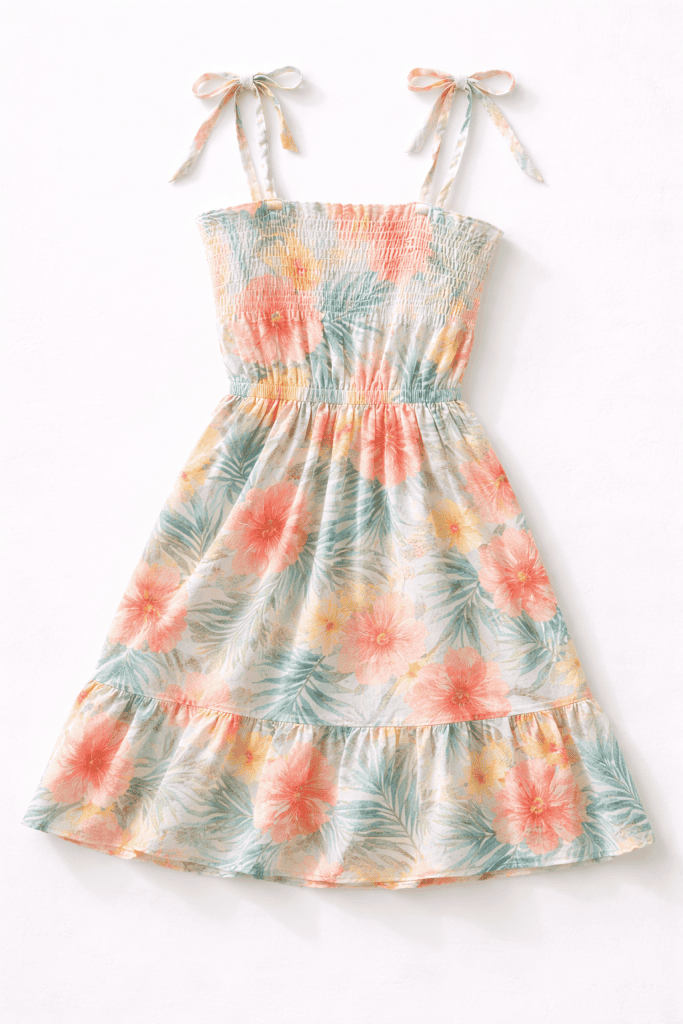
This is not the basic elastic-waist skirt you have seen in beginner roundups. The sundress version takes it one step further by adding a simple bodice — either a straight tube top with an elastic casing, or a smocked bodice for something a little more polished.
Pair it with a flowy skirt cut in a light cotton voile or broderie anglaise and you have a dress that is genuinely wearable and beautiful. Because the waist is gathered, fit is very forgiving.
You get a garment, not just a skirt, and something you will actually reach for all summer. If smocking interests you, the hand smocking guide breaks it down so clearly that even a first-timer can achieve lovely results.
7. Reusable Ice Pack Cover Set
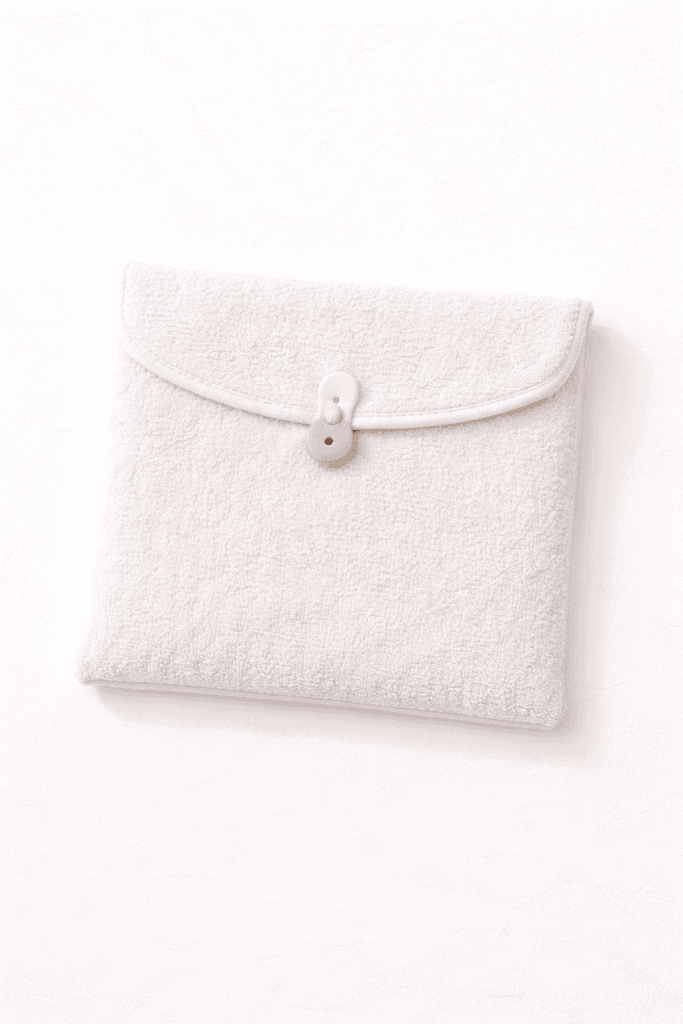
This is a small but genuinely useful summer project. Standard gel ice packs are uncomfortably cold directly on skin, and they condensate like crazy on hot days. A fabric cover — made from a double layer of cotton terry or flannel — solves both problems instantly.
Sew a simple envelope-style sleeve that slips over your ice pack and closes with a button or snap. Make a set of four or six and keep them in the freezer all summer for sunburned shoulders, post-beach headaches, or just a cool compress on a sweltering afternoon.
These also make incredibly thoughtful gifts. For using up leftover fabric scraps in small, smart ways like this, this scrap fabric crafts guide is full of inspiring ideas.
8. Beach Day Wet Bag
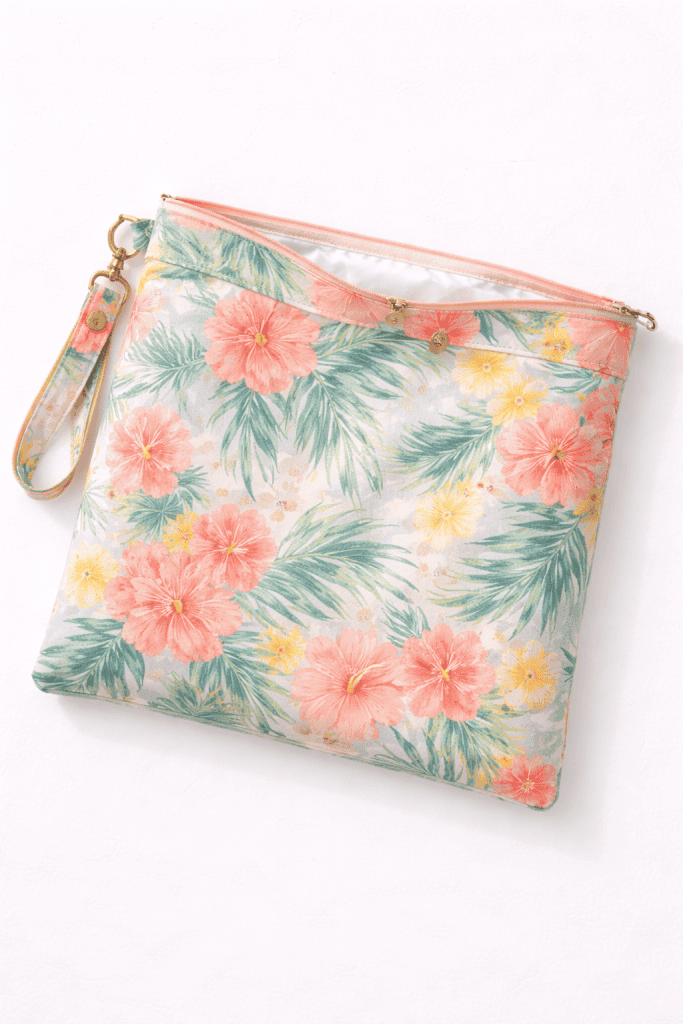
A wet bag is one of those summer essentials that, once you have one, you cannot imagine beach days without. It is a waterproof-lined bag designed to hold wet swimsuits, sandy towels, or damp clothes without soaking through to your dry belongings.
The construction uses PUL (polyurethane laminate) fabric on the inside and your choice of fun cotton print on the outside. Add a zipper closure and a wrist loop, and you have something functional and attractive.
These can be made in under an hour once you know how, and they make excellent gifts for anyone who spends time near water. To make sure your zipper goes in cleanly, this fabric detail tutorial has technique tips that translate beautifully to precise stitching work.
9. Fabric Cooling Neck Wrap
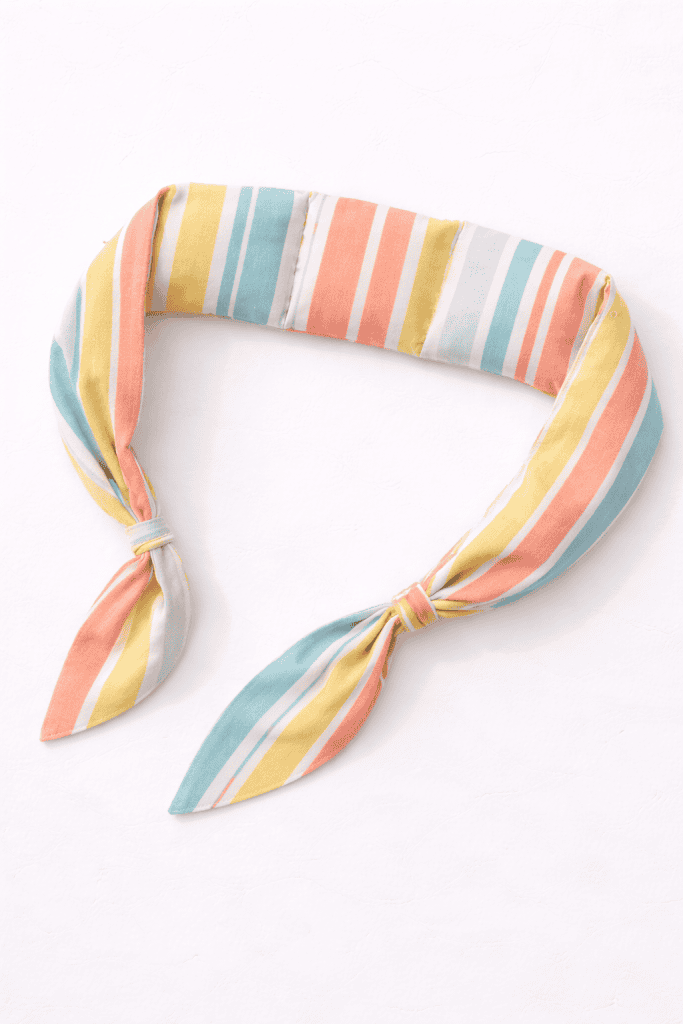
This is a summer project with genuine practical magic. A fabric neck wrap filled with water-absorbing polymer crystals (or even just uncooked rice for a simpler version) can be soaked in cold water and worn around the neck for hours of cooling relief.
It is a narrow tube of soft cotton — typically about four to five inches wide and long enough to drape comfortably — with the filling sealed in the center and soft fabric extensions on either end that tie loosely around the neck.
Choose a lightweight cotton in a fun summer print and make several for the family. They are especially beloved for outdoor activities, gardening, and farmers markets. For sewing precise narrow tubes and casings, the sewing terminology guide is useful for understanding the techniques involved.
10. Summer Patchwork Table Placemats
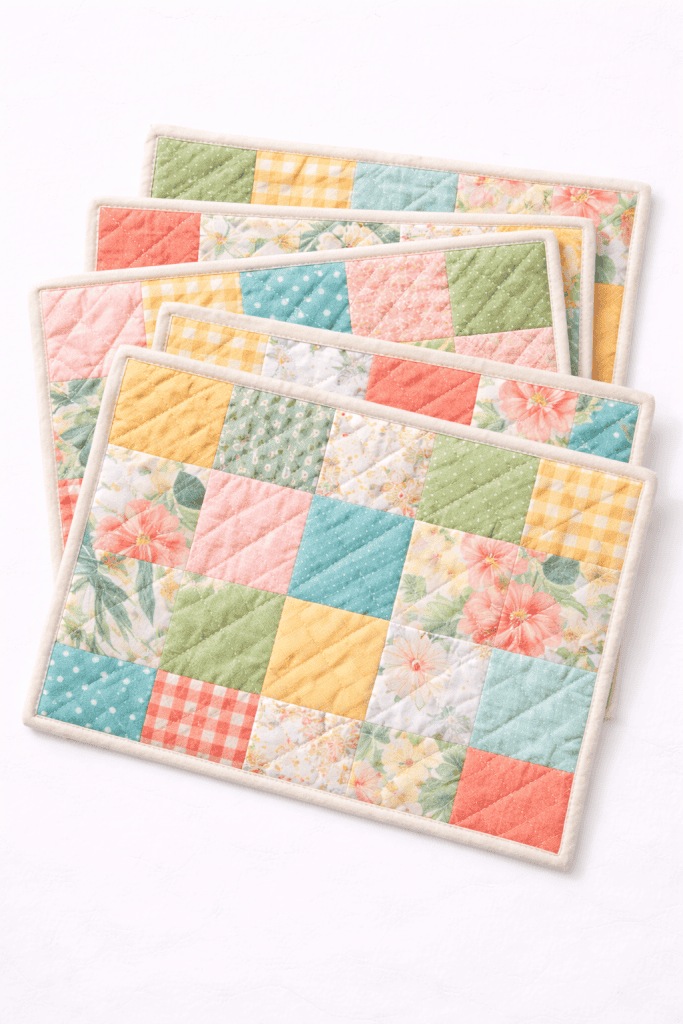
While a table runner has been done, a full set of patchwork placemats is a different and more personal project entirely.
Each placemat can be a small piece of patchwork art — mixing summer prints, solids, and maybe even some hand embroidery details — backed with a solid cotton and bound with bias tape for a beautiful finish.
Make a set of four or six that all coordinate but are each slightly different, and you have the most gorgeous summer table you can imagine.
This is also a brilliant way to use up small fabric scraps from other summer makes. If quilting terminology is new to you, the quilting terms guide will make the process feel much more approachable.
11. Hammock Storage Caddy
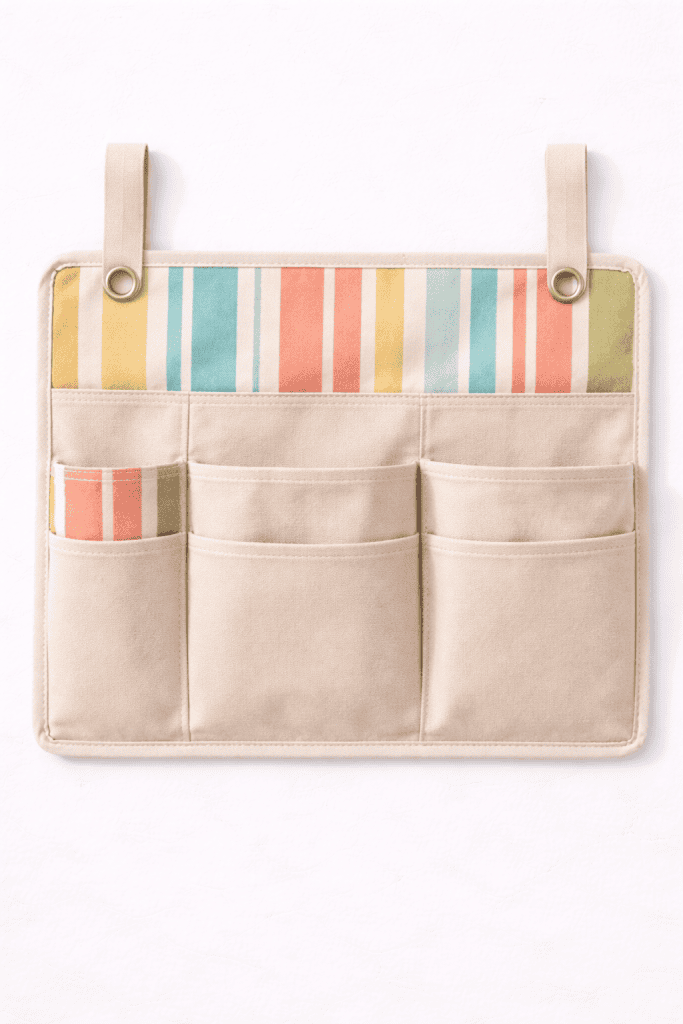
If you have a hammock (or have been dreaming of getting one), this project is going to become your summer favourite.
A hammock storage caddy is a fabric organizer that clips or ties onto the frame of a hammock or outdoor chair and holds your book, sunglasses, water bottle, phone, and snacks right within arm’s reach without you having to move.
It is made from a durable canvas or outdoor fabric, has several divided pockets, and attaches with fabric loops or carabiners. The construction involves simple straight seams, some pocket topstitching, and sturdy reinforcement at the attachment points.
It is a project that feels clever and looks lovely. For tips on working with heavier fabrics and reinforcing seams, the sewing machine guide for beginners is helpful for setting your machine up for success with thicker materials.
The Best Fabrics for Summer Sewing Projects
One of the quiet joys of summer sewing is getting to work with fabrics that actually feel good to handle. Linen, cotton gauze, voile, and chambray are all natural favorites for warm-weather makes. They are breathable, they press beautifully, and they have a certain effortless quality that suits the season perfectly.
For outdoor or functional projects like the picnic blanket and cushion covers, a tightly woven canvas or performance outdoor fabric is the way to go — something that can handle sun, moisture, and a bit of wear without complaint.
If you are newer to working with different fabric types and want guidance on what to expect before you cut into something beautiful, the linen fabric guide is a great starting point for natural summer fabrics. Pre-washing is especially important in summer because natural fibers tend to shrink with heat — always wash and press your fabric before cutting to avoid any unpleasant surprises after all that beautiful sewing work.
Tips for Making Your Summer Sewing Sessions Actually Happen
Summer is full, and the irony is that the season with the most potential for slow, creative living is often the one that gets away from us fastest. Here is the honest truth: summer sewing happens when you make small, simple decisions in advance.
Cut your fabric one evening. Gather your supplies the night before. Keep one project in a basket near your favorite chair so that when fifteen minutes opens up, you can just sit down and sew.
Batch similar tasks together — cut several projects at once, press seams in one session — and you will find that even busy weeks have room for handmade things.
If you are working on building a consistent sewing habit and want practical strategies for short sessions, the time management guide for sewists has some genuinely useful ideas for making sewing fit into real life.
Start Your Summer Makes This Week — Your Machine Is Ready When You Are
Summer does not wait around, and neither should you. Every single one of these 11 projects is achievable within the season — most of them within a single afternoon or a relaxed weekend.
The beach bag, the wet bag, the cooling neck wrap, the placemats — none of these require advanced skills or a pattern library. They require fabric you love, a little time, and that lovely willing-to-try spirit that makes sewing so rewarding.
Pick the one that excites you most and start there. Cut the fabric today if you can. There is real joy in beginning, and once you have finished one summer project, the next one becomes irresistible.
If you are ready to branch out further and explore even more project ideas beyond this list, this collection of 40 beginner-friendly sewing projects will keep your machine humming for seasons to come.
Which of these summer sewing projects are you most excited to make? Do you have a warm-weather make that you return to every year? Drop a comment below and let us talk about all things summer sewing!
Grab Your FREE Sewing Pattern Labels Today
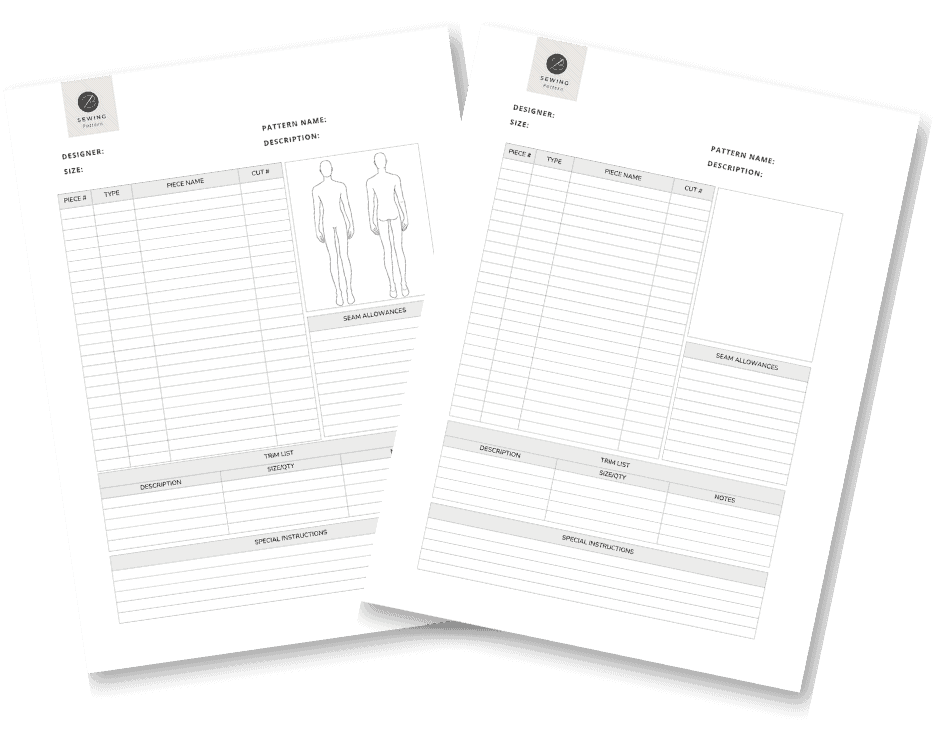
As the seasons pass and projects add up, those little paper patterns have a way of piling into drawers and baskets. And when you go to remake something, you end up searching instead of sewing.
That’s exactly why I created these Free Sewing Pattern Labels.
They make it simple to keep every pattern neat, easy to find, and ready whenever inspiration strikes. Just print the labels, fill them out, and attach them to your pattern envelopes.
In a few minutes, your patterns go from scattered to beautifully organized.
A small change that makes your sewing space feel calmer, clearer, and ready for your next project.
Frequently Asked Questions
What is the best sewing machine setting for lightweight summer fabrics like voile or cotton gauze?
Lightweight summer fabrics like voile, gauze, and cotton lawn can shift and pucker if your machine settings are not adjusted. Use a shorter stitch length (around 2.0–2.5mm), a sharp or microtex needle (size 70 or 75), and reduce the presser foot pressure slightly if your machine allows it.
Sewing over tissue paper or a stabilizer underneath the fabric also helps prevent it from being pulled down into the feed dogs. Pressing gently with a low-to-medium iron setting helps keep seams flat without damaging the delicate weave.
Can I sew outdoor cushion covers and wet bags without a special sewing machine?
Yes, you absolutely can. Most standard home sewing machines handle outdoor canvas and PUL (the waterproof lining fabric) just fine, as long as you use the right needle — a size 90 or 100 universal or denim needle for heavier outdoor fabrics, and a standard universal needle for PUL.
For PUL, avoid pinning through the waterproof layer as much as possible; use wonder clips or binding clips instead to hold the fabric without creating holes. A walking foot attachment is also tremendously helpful for feeding thicker or slightly sticky fabrics evenly through the machine.
How do I keep patchwork placemats lying flat without warping after washing?
The most important step is pre-washing all your fabrics before cutting and sewing. Different cotton prints shrink at slightly different rates, so washing and drying them first ensures everything is stable before it becomes part of your placemat.
Using a layer of cotton batting (rather than polyester) also helps the finished placemat stay flat and press more crisply. After washing the finished placemat, lay it flat to dry or tug it gently into shape while still damp, then press it well with a hot iron.
Good quilting stitching throughout the surface also helps keep the layers bonded and prevents the batting from shifting.
What filling should I use for a fabric cooling neck wrap, and is it safe to freeze?
The most effective filling for a cooling neck wrap is water-absorbing polymer crystals (sometimes called superabsorbent polymer or SAP crystals), which you can find at garden centers or online craft suppliers. They expand when soaked in cold water and stay cool for a long time.
Uncooked rice works as a simpler alternative and can be frozen for a short-term cool effect, though it does not stay cold as long.
Never microwave a neck wrap filled with polymer crystals. For the freezer method, make sure your outer fabric is 100% natural cotton so it stays soft and comfortable against skin even when cold.
How much fabric do I need to sew a gathered-brim sun hat, and where do I find a good pattern?
For an adult gathered-brim sun hat, you will typically need about 1 to 1.5 yards of your main fabric, plus an optional half yard of a coordinating lining fabric. The pattern pieces include a circular crown, side band, and a gathered brim piece — all relatively simple shapes that you can draft yourself from measurements or find as a free printable pattern online.
Look for sun hat patterns on sites like Etsy, Craftsy, or through free pattern databases, and search specifically for “gathered brim sun hat” or “floppy sun hat sewing pattern.”
If you enjoy drafting your own shapes from scratch, this pattern drafting guide will give you a solid foundation for creating your own version.