Summer is one of those seasons that practically begs you to slow down, open the windows, and get a little messy. And honestly, there is no better way to spend a long, golden afternoon than crafting alongside your kids.
Whether you have a tiny tot who just loves tearing paper or an older child who is ready to tackle something more detailed, summer crafts have a way of bringing everyone to the table – literally.
These ideas are simple enough that you won’t be stressed trying to prep them, but engaging enough that your kids will actually want to finish them (and then make another one). No fancy supplies needed, no complicated instructions, and absolutely no judgment if glitter ends up on the ceiling.
Grab your scissors, lay down some newspaper, and let’s dive into ten summer crafts that are genuinely fun for kids of all ages.
Why Crafting with Kids During Summer Actually Matters
Some of the sweetest summer memories are made right at the kitchen table with a pile of supplies and no agenda.
Crafting gives kids a chance to slow down and focus, to make decisions, to struggle a little and push through, and to experience the deep satisfaction of making something with their own hands.
It also gives you time together that doesn’t involve a screen, a schedule, or anywhere to be. That kind of unhurried, creative togetherness is genuinely nourishing for kids and grown-ups alike.
10 Fun Summer Crafts for Kids to Try This Season
Here are 10 fun summer crafts for kids that are easy to set up and actually fun to make:
1. Sunflower Paper Plate Craft
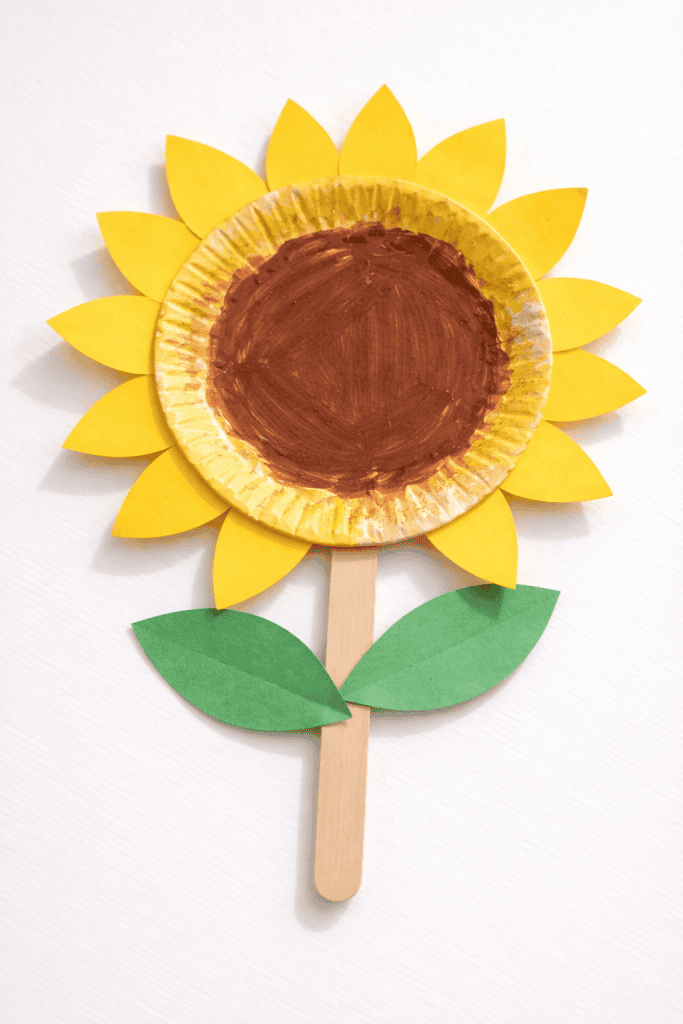
Paper plates are one of those craft staples that never let you down.
For this one, kids paint the center of the plate brown, then cut out yellow petal shapes from construction paper and glue them around the edge.
Add a popsicle stick stem and some green leaf cutouts, and you have got a cheerful sunflower that looks amazing displayed on the fridge or even in a little flower pot filled with sand.
It is quick, colorful, and the result actually looks like what it is supposed to be – which is a huge confidence booster for little ones.
2. Tie-Dye T-Shirts
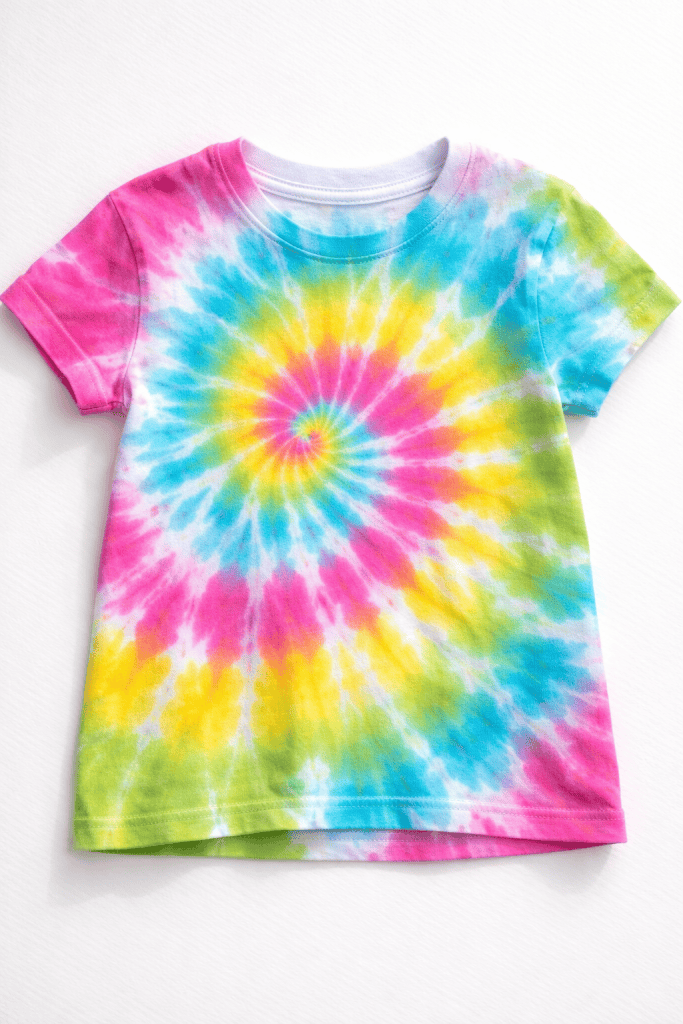
A summer classic for good reason. All you need are white cotton shirts, rubber bands, and a tie-dye kit.
Let the kids twist, scrunch, and band their shirts however they like, then apply the dye in bold, swirling colors.
The waiting period while the dye sets is the hardest part, but once they unfurl that rubber-banded shirt and see their creation? Pure joy.
Tip: Do this one outside. Trust me on this. If you are curious about working with fabric dyes and want to try a more traditional method, you might enjoy this guide on how to dye fabric at home using the stovetop method.
3. Nature Sun Catchers
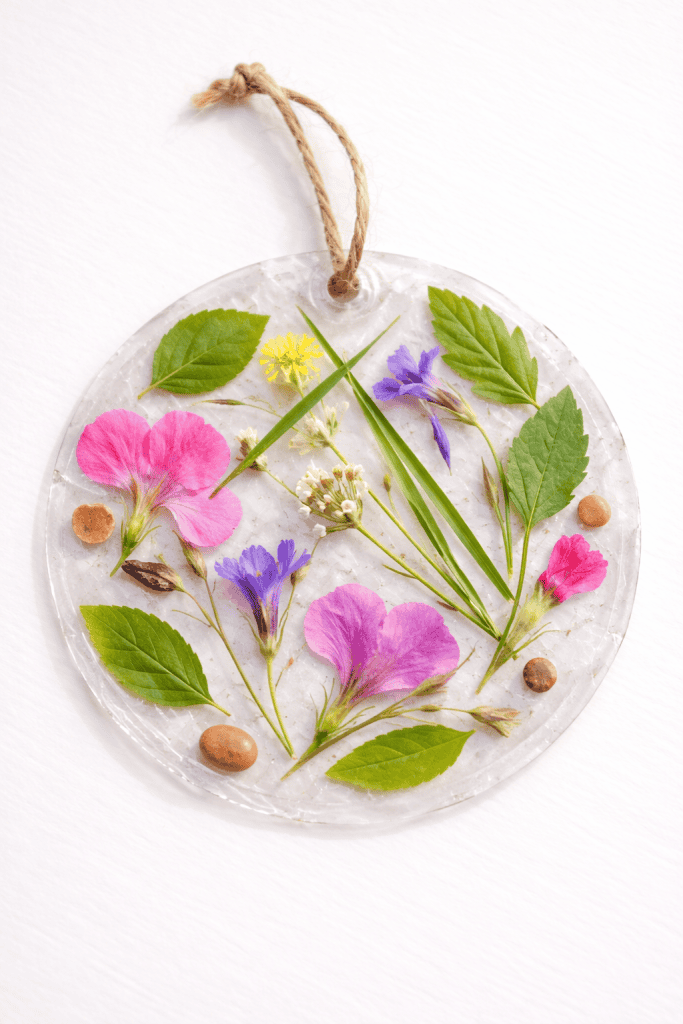
This craft gets kids outside first, which is a win before they even start crafting.
Have them collect small natural treasures – flower petals, leaves, small pebbles, blades of grass – and then arrange them between two pieces of clear contact paper.
Trim into a circle or shape, punch a hole at the top, and hang it in a sunny window.
The light catches all those beautiful colors and creates a stunning, one-of-a-kind display.
It teaches children to look closely at the natural world around them.
For more inspiration on taking crafts outdoors, check out these adorable nature crafts for kids using things from your backyard – many of the ideas pair beautifully with this one.
4. Watercolor Bookmark Making
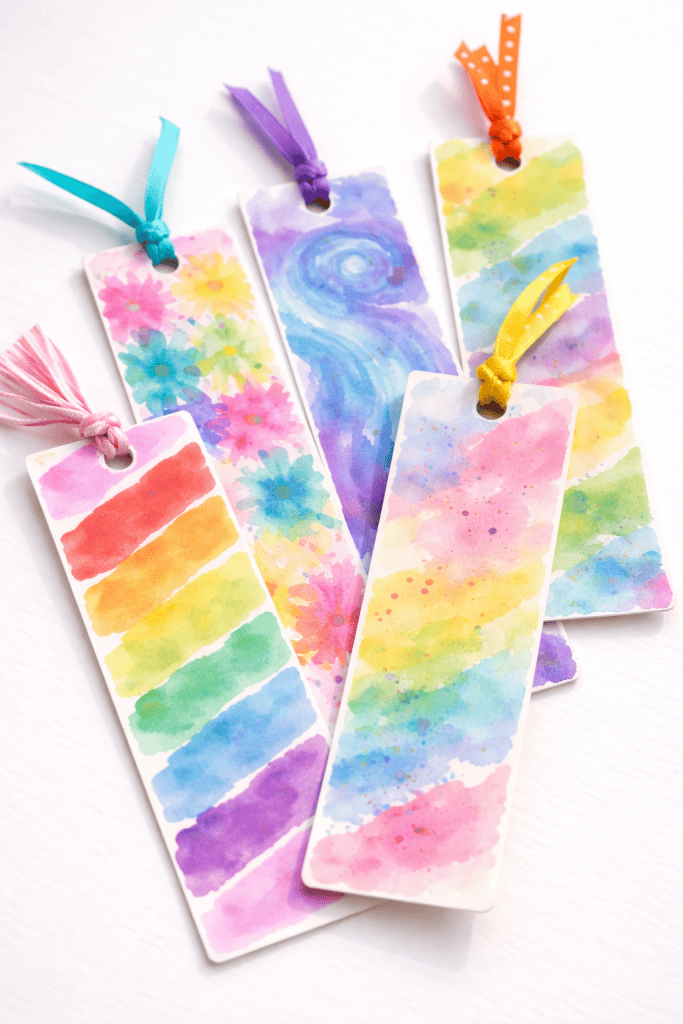
This one is deceptively simple and wonderfully relaxing.
Cut card stock into bookmark strips, let the kids paint them with watercolors in any pattern they choose – stripes, swirls, abstract splatters, whatever inspires them – and then let them dry completely.
Once dry, laminate them or cover with clear contact paper, punch a hole at the top, and tie on a piece of ribbon or yarn.
These make the sweetest little gifts, too.
5. Popsicle Stick Birdhouses
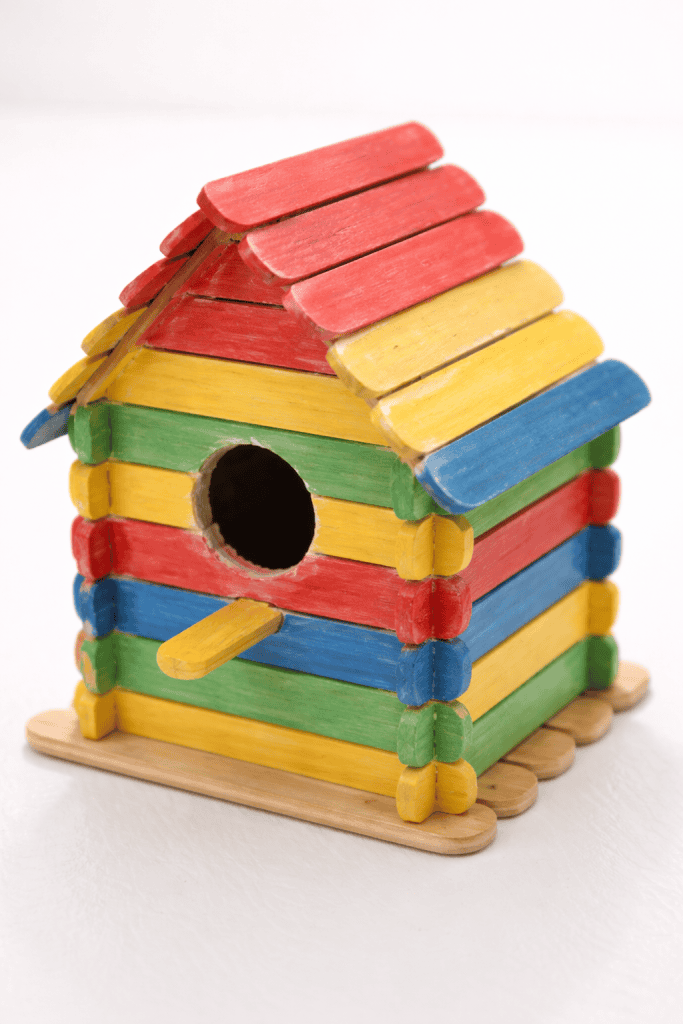
A little more involved, but so satisfying. Popsicle sticks, wood glue, and a bit of patience are all you need to build a simple birdhouse shape.
Kids stack and glue the sticks in layers to form walls, then add a peaked roof.
Once dry, they can paint it in any colors they like and hang it in the garden. It is a great one for older kids who are ready for a multi-step project.
Tip: While the glue is drying, this is the perfect time to read about 8 fun nature crafts for forest school kids and get inspired for your next outdoor adventure.
6. Butterfly Coffee Filter Art
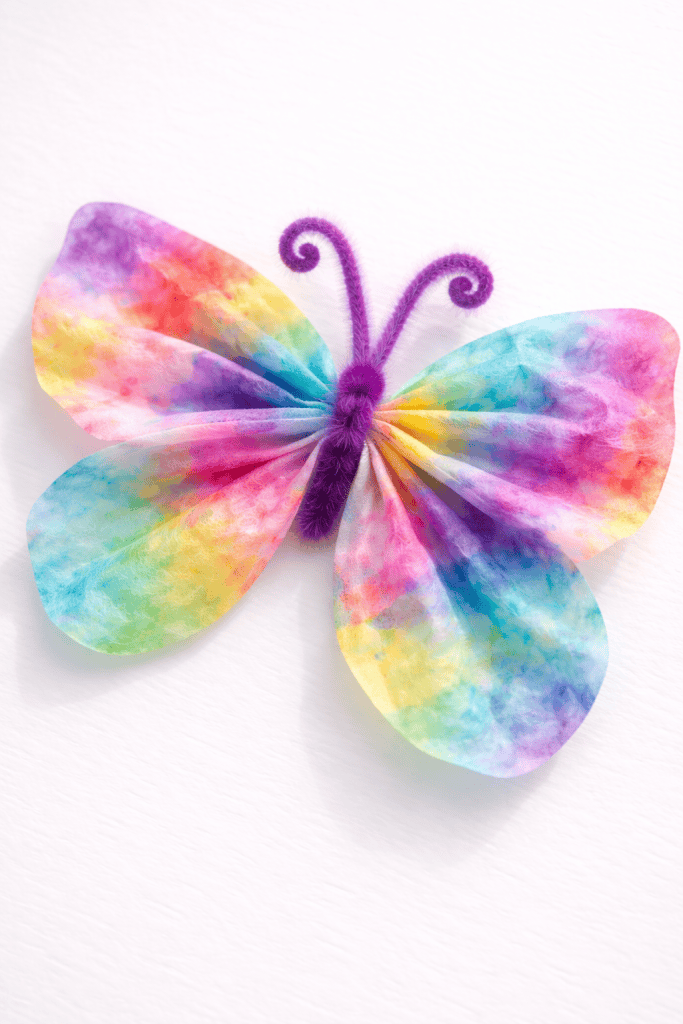
Flatten a coffee filter, and let kids color it freely with washable markers.
Then spritz it lightly with water and watch the colors bleed and blend together in the most magical way.
Once dry, pinch the center and secure it with a pipe cleaner twisted into antennae shape, and you have a gorgeous, one-of-a-kind butterfly.
These are stunning hung in clusters from the ceiling or taped to a window.
If your family is going through a butterfly phase, you are going to want to save this roundup of fun butterfly crafts for kids that turn out so cute – it is full of more ideas to keep the creative streak going.
7. Handprint Flower Garden Canvas
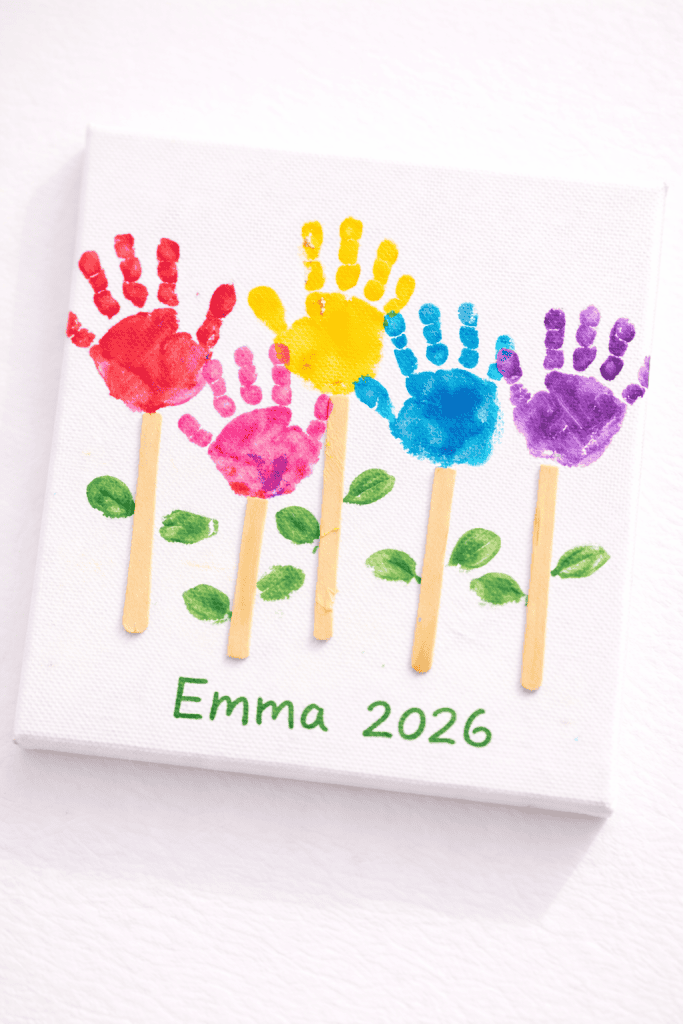
Grab a small canvas or even a piece of thick cardstock.
Have the kids dip their hands in different colors of paint and press them onto the canvas with fingers spread wide – each handprint becomes a flower bloom.
Add popsicle stick stems and green thumbprint leaves with your child’s other hand.
Write their name and the year at the bottom, and you have got an instant heirloom. These are especially sweet to make and gift around special occasions.
Speaking of handmade gifts that feel extra meaningful, these sweetest Mother’s Day gifts from kids that moms never forget are worth bookmarking for when the season rolls around again.
8. Paper Bag Puppets
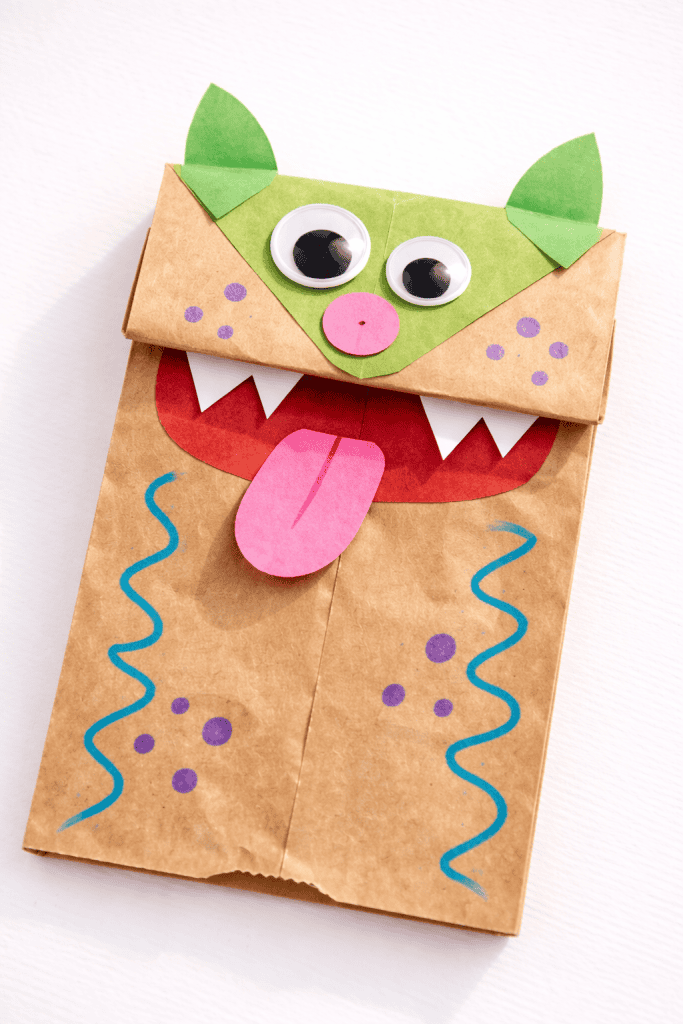
A brown paper lunch bag is a blank canvas for all kinds of characters.
Kids can turn them into animals, silly monsters, summer-themed characters like crabs or flamingos, or even their favorite storybook friends.
All you need is construction paper, markers, googly eyes, and some glue.
Once the puppets are done, encourage a little puppet show – it sparks storytelling skills in the most natural, playful way.
9. DIY Fabric Friendship Bracelets
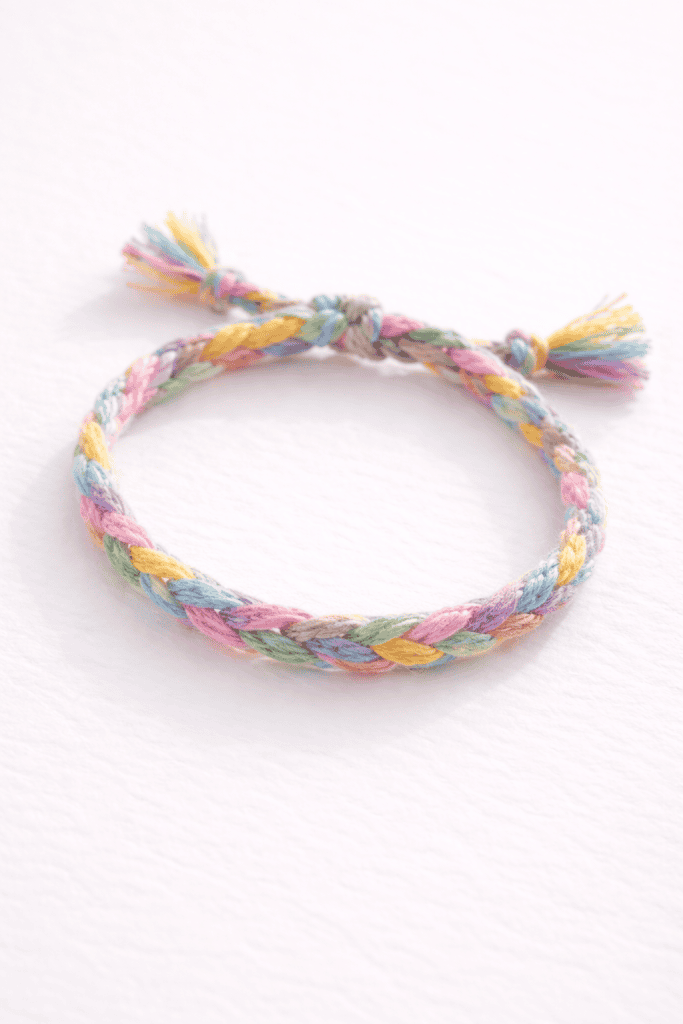
For kids who are ready to work with their hands in a more focused way, simple woven friendship bracelets made from embroidery thread or thin strips of cotton fabric are endlessly satisfying.
You can even cut up old cotton fabric scraps into strips and use those. It is a lovely quiet craft for a hot afternoon when everyone just needs to sit in the shade and do something slow and sweet.
If you are looking for more ways to use up fabric around the house, this collection of clever scrap fabric crafts is full of ideas that are just as enjoyable for the adults in the room.
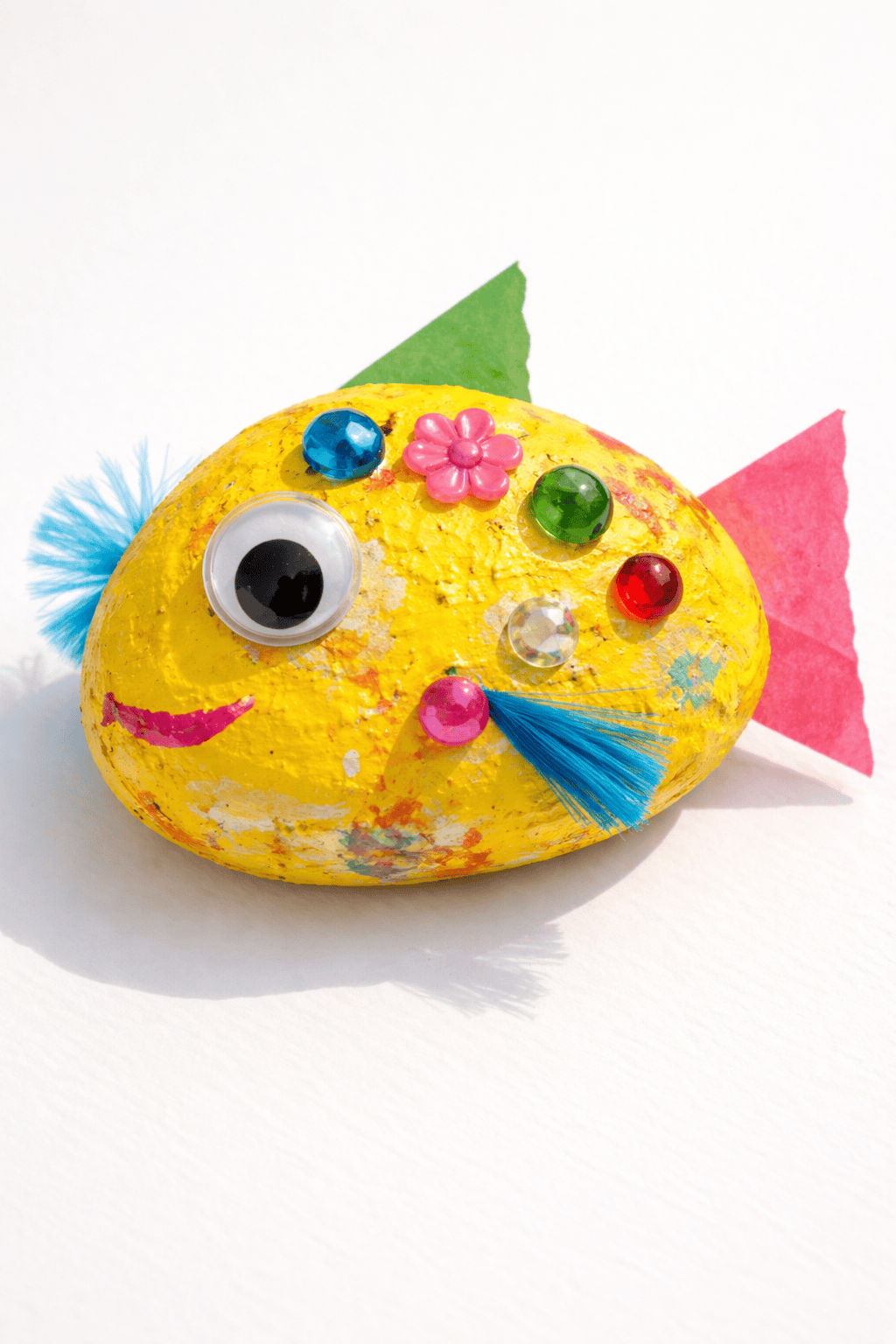
10. Painted Rock Garden Markers
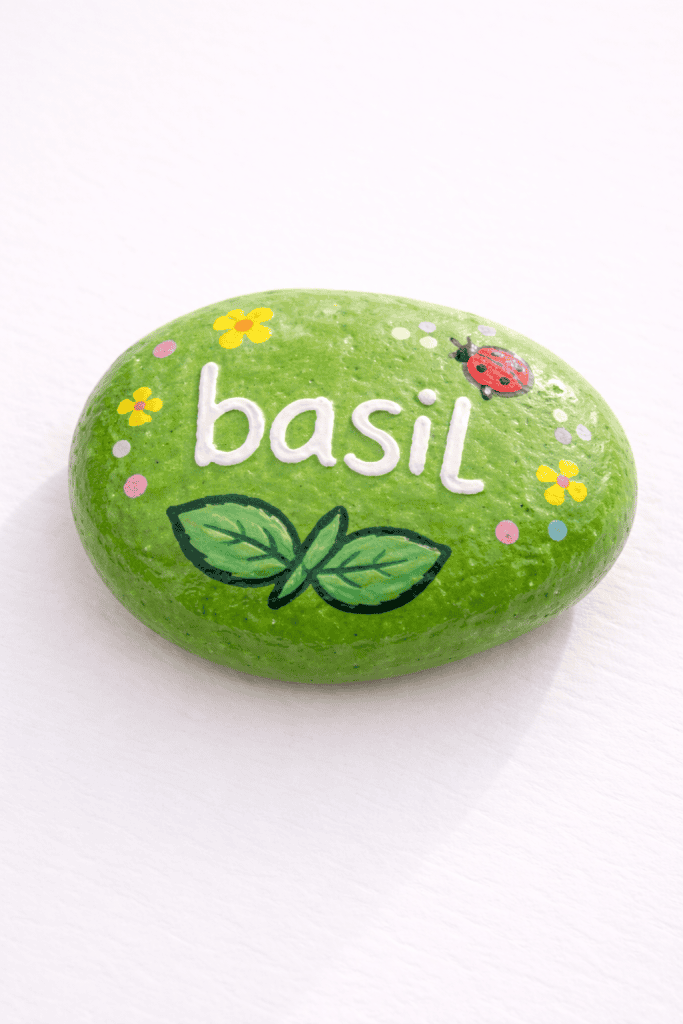
Collect smooth, flat rocks from outside, wash them, and let them dry.
Then have the kids paint them with the names of herbs or vegetables – “basil,” “tomatoes,” “mint,” “sunflowers” – and decorate them with little illustrations.
Once sealed with a coat of Mod Podge or clear outdoor sealer, these become functional and adorable garden markers.
Kids feel so proud every time they walk by and see their creations in the ground.
How to Keep Kids Engaged From Start to Finish
One of the most common challenges with kids’ crafts is keeping them engaged long enough to actually finish the project. Here are a few things that genuinely help:
Let them make real choices. When kids choose the colors, the design, the arrangement, the craft becomes theirs — and they are far more invested in finishing it. Prep everything in advance so there is no waiting around for supplies to be found or cut.
Keep the workspace tidy-ish but relaxed; a little mess is part of the fun and shouldn’t feel stressful. And if a child wants to make a second one, let them. Repetition is actually how they build skill and confidence.
You might also find that having a small sensory activity nearby for younger siblings keeps everyone happy while the older ones focus. These sensory play ideas for babies are wonderfully simple and can run alongside any of the crafts above.
The Best Supplies to Keep on Hand All Summer Long
A well-stocked craft bin means you’re ready to create at a moment’s notice, and it makes the whole experience feel more spontaneous and fun.
Here’s what I always keep on hand: construction paper in a rainbow of colors, washable paint and brushes, glue sticks and white craft glue, scissors (kid-safe and regular), markers and crayons, popsicle sticks, googly eyes, pipe cleaners, and a roll of clear contact paper.
It’s also worth keeping a box of fabric scraps if you sew at all – they’re surprisingly versatile for kids’ crafts. If you want to learn more about working creatively with fabric, this post on useful fabric craft ideas you’ll actually want to make is a lovely read with practical, beautiful projects.
Give Summer Crafting a Try – You Won’t Regret It
Summer is short, and the days when your kids want to sit and create with you are even shorter.
These ten crafts are a gentle, joyful way to fill those long afternoons with something that feels intentional, creative, and genuinely fun. Whether you pick one craft for the whole week or work your way through the list all season long, I promise you will not regret carving out that time.
For even more creative inspiration beyond summer, don’t miss this gorgeous roundup of colorful flower crafts for kids that are too cute to miss – a perfect follow-up to keep the crafting going once the season winds down.
Which of these summer crafts are you most excited to try with your kids? Have you tried any of them before? Drop a comment below and let me know! I always love seeing what you’re making, and your ideas might just inspire another family to pick up their paintbrush this summer.
Looking for an easy, meaningful way to talk about Jesus’ love with toddlers and young children?

This FREE Jesus Loves Me Printable uses a “What does the Bible say?” approach with familiar verses, simple language, and hands-on fun.
Kids can see, color, and come back to Scripture—helping the truth of Jesus’ love stick.
Click below to grab the printables and use them at home or in Sunday School.
Frequently Asked Questions
What age is best to start doing crafts with kids?
Honestly, you can start earlier than you might think. Even toddlers around 18 months to 2 years old can enjoy simple sensory crafting like finger painting or tearing paper.
As children grow, their fine motor skills improve and they can handle more detailed projects. The key is to match the craft to where your child actually is developmentally, not where you want them to be – and to expect things to look wonderfully imperfect.
How do I stop crafts from becoming a stressful mess?
A little preparation goes a long way. Lay down a plastic tablecloth or some old newspaper before you start, keep a damp cloth nearby for quick wipes, and use washable supplies whenever possible.
Give yourself permission to let it be messy in a contained way. The goal isn’t a pristine workspace – it’s a fun experience. If you go in with that mindset, the cleanup feels much less daunting at the end.
Can summer crafts double as learning activities?
Absolutely, and beautifully so. Crafting supports fine motor development, creativity, problem-solving, color recognition, counting, patience, and following multi-step directions.
Nature-based crafts like the sun catchers or rock garden markers also open up conversations about the natural world, plants, and seasonal changes. You’re not just making something pretty – you’re building skills in a way that doesn’t feel like “learning” at all.
How do I store kids’ finished crafts without the house being overrun?
This is the question every crafting parent eventually asks. A few strategies that work well: photograph everything so you have a digital memory even if the physical item doesn’t last forever, rotate a selection of pieces on display and swap them out seasonally, and designate one special box per child for their most-loved keepsakes. For flatter items like paintings and bookmarks, a portfolio folder or binder with plastic sleeves is a simple, space-saving solution.
What if my child loses interest halfway through a craft?
It happens, and that’s perfectly okay. Children have shorter attention spans than adults, and not every project will hold their interest to the end. Instead of pushing through, let them set it aside and come back later – sometimes they return with renewed excitement.
Other times, the unfinished project becomes something else entirely, which is its own kind of creative magic. Follow their lead and resist the urge to finish it for them; the process matters far more than the end result.