

If you mill your own flour, you already know it changes how your baking turns out.
The flavor is cleaner, the texture softer, and the results simply taste real.
This sugar cookie recipe uses freshly milled soft white wheat berries, a variety known for its light color and gentle flavor – perfect for soft, buttery cookies.
These cookies come together with straightforward ingredients and steps you can rely on.
You’ll mill the flour, mix the dough, and bake cookies that hold their shape and stay tender for days.
No complicated methods, just solid baking technique that works every time.
Whether you bake for your household or to share, this recipe keeps things simple, consistent, and satisfying!
Why I Love Baking with Fresh Milled Flour

Freshly milled flour keeps its natural oils, nutrients, and mild sweetness intact.
When you mill soft white wheat berries yourself, you’re working with flour that hasn’t lost flavor or freshness to storage.
That means softer dough, better aroma, and cookies that taste clean and full.
Soft white wheat’s lower protein content gives sugar cookies their tender texture and light color.
It also absorbs moisture differently, so a dough that feels slightly soft will set perfectly as it rests.
Once you learn that rhythm, baking with fresh flour becomes straightforward – and consistently rewarding.
You’ll also start noticing the big benefits of freshly milled flour in every bake – from better flavor to a softer crumb that store-bought flour can’t quite match.
Meet the Star: Soft White Wheat Berries
Soft white wheat berries are known for their mild flavor and low protein content, which makes them ideal for soft baked goods like cookies and muffins.
When milled fresh, they create a fine, light flour that helps sugar cookies stay tender and uniform in texture.
Unlike hard wheat varieties that produce more structure for bread, soft white wheat keeps things gentle – it gives you that smooth bite without toughness.
That’s exactly what we’ll be using in this recipe: freshly milled flour made from soft white wheat berries.
It’s the secret to sugar cookies that are soft, delicate, and full of that warm, homemade flavor.
Ingredients You’ll Need
The measurements below are balanced for texture, flavor, and consistency when using freshly milled soft white wheat flour.
Use room-temperature ingredients for even mixing and better structure.
Yields: about 24 medium-sized cookies
Ingredients:
- 2 ½ cups freshly milled soft white wheat flour (sifted lightly after milling)
- 1 cup unsalted butter (softened)
- 1 cup granulated sugar
- 1 large egg
- 1 teaspoon pure vanilla extract
- 1 ½ teaspoons baking powder
- ¼ teaspoon fine sea salt
Optional Additions:
- ½ teaspoon almond extract for a subtle depth
- Citrus zest or a pinch of nutmeg for a gentle flavor lift
You can easily double the recipe for larger batches without adjusting ratios.
Step-by-Step: How to Make Sugar Cookies with Fresh Milled Flour
This process is straightforward once you understand how fresh flour behaves.
Step 1: Mill the Flour

Measure your soft white wheat berries and mill them on a fine setting.
This variety is naturally light, so you want the flour to feel smooth between your fingers but not powdery.
Sift the milled flour to remove any coarse particles – these can make cookies grainy.
You’ll need about 2 ½ cups of flour after milling. If you end up with slightly less, mill a bit more until you reach the full amount.
Use the flour right away for the best texture and flavor.
And if you’re still getting used to the process, you can peek at freshly milled flour for beginners for extra help as you learn.
Step 2: Cream the Butter and Sugar
In a large mixing bowl, beat 1 cup of softened butter and 1 cup of sugar together for about 2–3 minutes using a hand mixer or stand mixer on medium speed.
The goal is a pale, fluffy texture – this traps air that helps your cookies rise gently and bake evenly.
Scrape down the sides of the bowl halfway through to make sure everything blends well.
Step 3: Add the Egg and Vanilla
Crack in one large egg and pour in 1 teaspoon of pure vanilla extract.
Beat until the mixture looks smooth and uniform.
This step binds the ingredients and creates a creamy base for the flour to incorporate into later.
The dough should look glossy but not runny.
Step 4: Combine Dry Ingredients
In a separate bowl, whisk together your 2 ½ cups of freshly milled flour, 1 ½ teaspoons of baking powder, and ¼ teaspoon of fine sea salt.
Whisking aerates the flour and evenly distributes the leavening.
Gradually add the dry mixture to the wet mixture in two or three parts, mixing on low speed just until combined.
The dough should come together easily and feel soft but not sticky.
Overmixing can make cookies dense, so stop as soon as the flour disappears.
If you’re enjoying baking with home-milled grains and want to branch out a little, you might also like learning how to make a sourdough starter with freshly milled flour.
Step 5: Chill the Dough
Cover the bowl with plastic wrap or transfer the dough to a lidded container.
Refrigerate for 30 to 45 minutes.
Freshly milled flour continues to absorb moisture as it rests, and chilling firms the butter, which helps the cookies hold their shape.
If your kitchen is warm, you can chill up to an hour.
Step 6: Roll and Cut
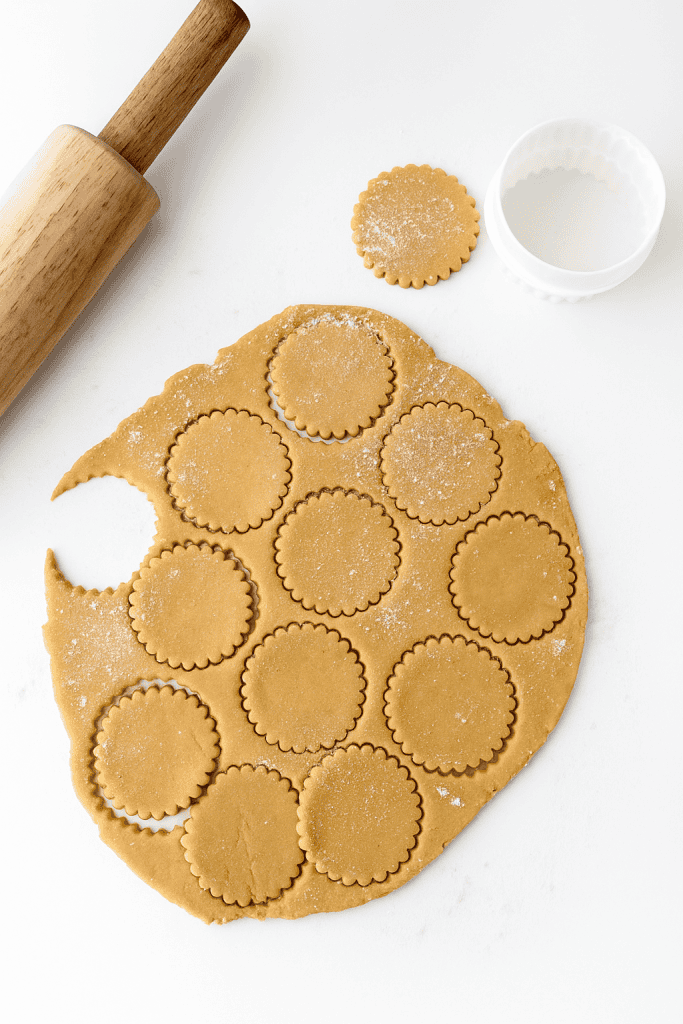
Preheat your oven to 350°F (175°C). Line two baking sheets with parchment paper.
Lightly flour your countertop and rolling pin, then roll out the dough to about ¼ inch thick.
If it feels sticky, dust a little flour on top.
Cut into shapes using a cookie cutter, a jar lid, or a simple knife – whatever you have on hand.
Gather scraps, reroll gently, and cut again.
Step 7: Bake

Place the cut cookies on the prepared baking sheet, leaving about 1 inch of space between each.
Bake for 8–10 minutes, depending on your oven and cookie size.
You’ll know they’re ready when the edges just start to turn a soft golden color, while the centers remain pale.
They should feel set but soft to the touch.
Step 8: Let it Cool

Let the cookies rest on the baking sheet for 2–3 minutes after baking; this helps them finish setting without overbaking.
Then transfer them to a wire rack to cool completely.
Once cool, store them in an airtight container at room temperature for up to a week.
They stay soft and flavorful thanks to the natural oils in the freshly milled flour.
If you’re looking for another recipe that really shows off the flavor of fresh milled grains, check out the ultimate homemade bagel recipe.
Pro-Tips for Perfect Sugar Cookies Every Time
These tips help you adapt to fresh milled flour and bake with consistent results.
- Measure precisely. Use a kitchen scale for accuracy since freshly milled flour can vary in density.
- Soften butter just right. It should be pliable but not melted – soft enough to press with your finger, yet still holding its shape.
- Chill the dough. Fresh milled flour absorbs moisture slowly, so chilling helps the dough firm up and keeps edges clean as they bake.
- Watch the color. Start checking around 8 minutes. The edges should turn lightly golden while the centers stay pale and soft.
- Work in batches. Keep unbaked dough in the fridge between trays to prevent spreading.
- Take notes. Each batch teaches you something – adjust rolling thickness or chill time until you find your perfect texture.
Troubleshooting Fresh Milled Flour Cookie Dough
Freshly milled flour absorbs moisture differently depending on timing, humidity, and milling fineness.
Here’s how to quickly fix the most common dough issues.
Dough Too Dry or Crumbly
This happens when fresh flour absorbs more moisture than expected.
How to fix it: Add 1–2 teaspoons of milk or water until the dough becomes soft and pliable. It should hold together without cracking.
If this keeps happening, it might help to revisit your conversions.
Here’s a simple guide on how to convert any recipe to freshly milled flour so you can adjust hydration before you start mixing.
Dough Too Sticky or Wet
Often caused by butter that’s too soft or flour that hasn’t fully absorbed moisture yet.
How to fix it: Add 1–2 tablespoons of flour, then chill for 20–30 minutes. Fresh flour firms up nicely as it rests.
Cookies Spreading Too Much
Likely causes: warm dough, slightly coarse flour, or not enough flour by weight.
How to fix it:
- Chill the dough longer.
- Add a tablespoon of flour if dough still feels loose.
- Roll slightly thicker.
- Bake on parchment instead of silicone mats.
Cookies Not Spreading Enough
This usually means the dough is too dry or cold.
How to fix it: Add 1 teaspoon milk, knead lightly, and test-bake one cookie before adjusting further.
Cookies Coming Out Dense or Tough
Fresh flour can compact easily if scooped heavily.
How to fix it:
- Fluff, spoon, and level your flour – or use a scale for best accuracy.
- Make sure to cream the butter and sugar for the full 2–3 minutes to incorporate enough air.
How to Store Your Freshly Baked Sugar Cookies
Freshly baked sugar cookies made with milled flour stay soft and flavorful when stored with care.
Proper storage keeps their texture consistent and allows you to enjoy them over several days without losing quality.
Storing for Freshness

Once cookies are completely cool, place them in an airtight container.
Layer parchment paper between each layer of cookies to prevent sticking. Keep them at room temperature, away from direct sunlight or heat.
They’ll stay soft for about 5 to 7 days.
If you prefer to bake ahead, freeze baked cookies or shaped dough.
For baked cookies, store in freezer-safe containers for up to 2 months.
When ready to serve, let them thaw at room temperature – no reheating needed.
For dough, freeze the cut shapes on a tray, then transfer to a bag once firm.
Bake straight from frozen, adding an extra minute or two of bake time.
Sharing and Gifting
These cookies hold up well for packaging and transport.
Stack them in boxes or jars with parchment between layers to protect edges.
Add a short label with baking details or ingredient notes – especially if you’re sharing with others who appreciate home-milled baking.
Simple presentation works best: clean packaging, tied ribbon, or a small handwritten note.
It reflects the care you’ve put into your ingredients and process without any extra effort.
For more baking inspiration beyond sugar cookies, see the best flaky pie crust recipe using freshly milled flour.
Bake with Confidence Using Fresh Milled Flour
Baking sugar cookies with freshly milled flour is a small shift that brings better texture, fuller flavor, and a steady sense of control over your ingredients.
Once you’ve milled, mixed, and baked a few batches, the process becomes second nature.
If you’re just starting with soft white wheat, this recipe is a great place to build confidence.
It shows how simple, consistent steps can turn whole grains into something soft, balanced, and rewarding to share.
Have you tried baking cookies with freshly milled flour yet?
Share your experience or questions in the comments below – I’d love to hear what worked best for you and what you’re experimenting with next.
FAQs
1. Can I use store-bought whole wheat flour instead of freshly milled soft white wheat?
You can, but the texture and flavor will differ. Store-bought flour is usually harder wheat and more compact, which can make cookies denser. If using it, start with slightly less flour (about 2 ¼ cups) and adjust as needed.
2. Do I need to sift freshly milled flour every time?
Light sifting helps remove larger bran pieces that can affect texture. For cookies, it’s a good idea to sift once to keep the crumb fine and even. For heartier recipes, like muffins or pancakes, sifting is optional.
3. Can I make the dough ahead of time?
Yes. You can refrigerate the dough for up to 48 hours before baking. If you chill it longer than an hour, let it rest at room temperature for 10–15 minutes before rolling – it will soften slightly and become easier to shape.
4. How do I know if my flour is milled fine enough?
The flour should feel smooth when rubbed between your fingers, with only a hint of texture. If it feels coarse or gritty, run it through the mill again. Cookies bake best with flour that’s fine but not overly powdery.
5. What kind of mill works best for soft white wheat berries?
Any home grain mill with adjustable fineness settings will work well. Burr and impact mills both handle soft white wheat efficiently. Choose one that allows fine control over grind size and cleans easily for frequent use.