
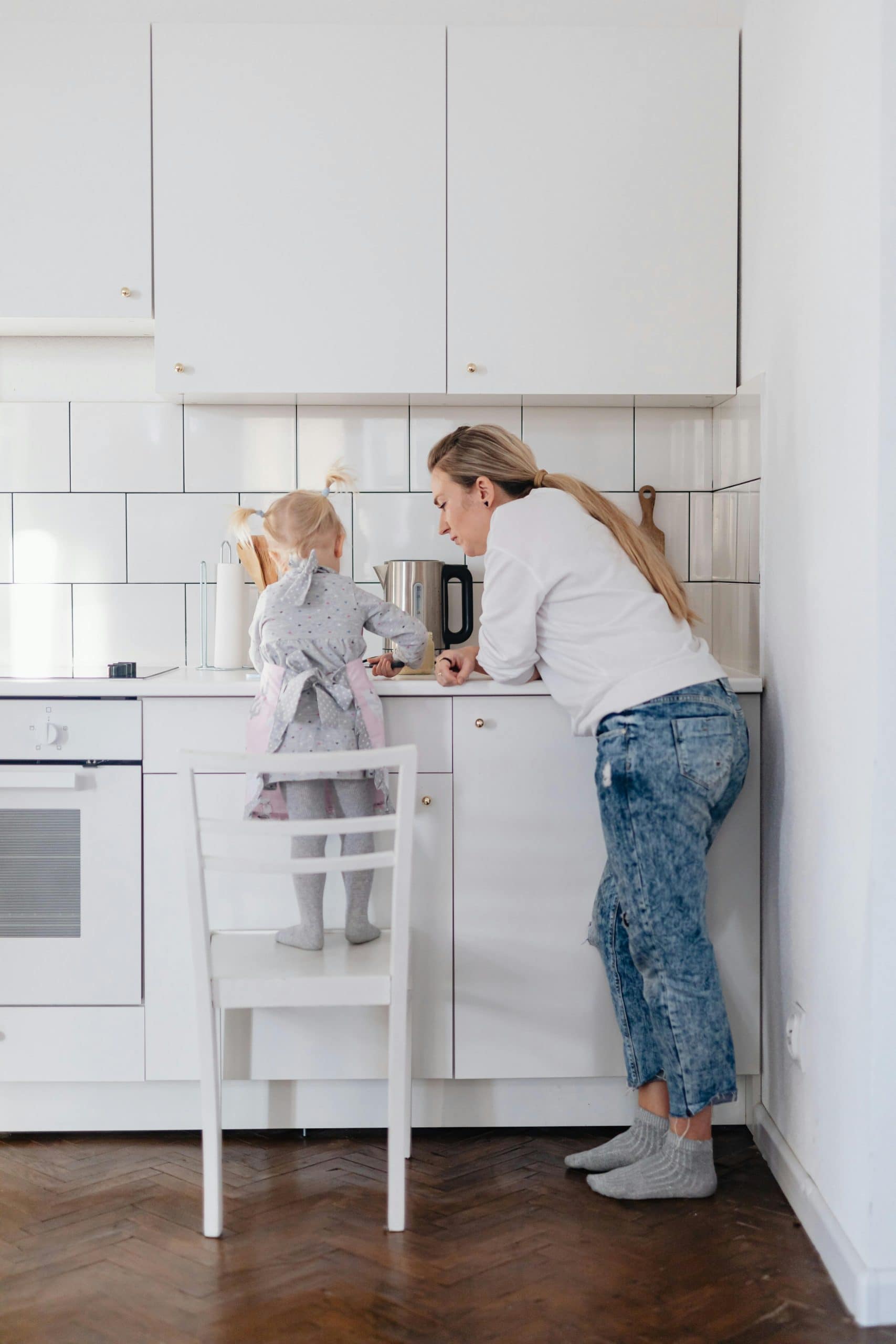
Life at home with little ones is full of energy, movement, and meaningful moments. From meals and laundry to playtime and cuddles, each day brings its own kind of rhythm and joy.
With a few steady habits and a little planning, it’s possible to create more ease and flow throughout the day. When your home has routines that support you, there’s more space for calm mornings, peaceful afternoons, and shared time that truly feels good.
These 10 stay-at-home mom tips are simple, flexible, and designed to work with real life. They’re here to encourage you, support your daily rhythm, and help you feel more confident in the way you care for your home and your family.
Let’s take a deep breath – and get into it.
Tip #1: Start with a Simple Morning Anchor

A calm start sets the tone for the whole day – even if it only lasts a few quiet minutes. That first bit of stillness helps you shift from rest to movement with more clarity and presence.
Having one simple, steady anchor in the morning can help ease the transition from sleep to the busy hum of family life.
This doesn’t mean waking up at 5 a.m. or having a full hour to yourself (though that’s lovely if it works for you).
It could be something small and doable: making your bed, opening the curtains, enjoying a warm drink before the kids are up, or reading a short passage or prayer. These gentle habits can signal to your mind, “Okay, we’re starting now” – and that helps you move forward with more calm.
The goal is consistency. When your day begins with something grounding, even if the rest of it gets unpredictable, you’ve already had a win.
If you’re looking for more ideas to shape a peaceful start to the day, check out my grounded mom morning routine.
Tip #2: Create a Flexible Daily Rhythm (Not a Strict Schedule)
Structure helps – but too much of it can feel stifling. When every minute is planned, it leaves little room for the natural flow of home life. That’s why flexibility matters, especially in a house with kids, changing moods, and unexpected moments.
Instead of aiming for a rigid schedule, try setting up a daily rhythm: a loose, repeatable flow to your day that gives direction without pressure.
For example: breakfast → morning chores → outside time → lunch → quiet time → afternoon reset. These are natural transitions that help the day move along. It doesn’t need to be complicated – just consistent enough to feel reliable.
The beauty of a rhythm is that it gives your day shape while leaving room for real life to happen. It can flex around doctor appointments, playdates, or slower mornings while still offering a sense of continuity. Kids thrive on predictability, and so do adults.
A gentle rhythm helps reduce decision fatigue and brings a sense of calm to the household even on the busiest days.
If you want a cozy recipe to build into your weekly rhythm, my perfectly sweet cinnamon rolls recipe is a fun one for slow mornings at home.
Tip #3: Keep Meals Simple and Predictable

Having a loose plan for meals makes the whole day feel more settled. When you don’t have to scramble to figure out what’s for dinner, everything else seems to run more smoothly too. It’s one less decision, and that makes a difference.
One easy way to do this is to create a weekly rhythm with themes, like soup on Mondays, pasta on Wednesdays, or breakfast-for-dinner on Saturdays.
These themes give you a starting point so you’re not starting from scratch every day. They also bring a comforting sense of routine to your week – and something for the family to look forward to.
When you know what kind of meal to expect, planning gets quicker and grocery shopping feels more straightforward. You’ll know what ingredients to keep on hand, and your meal prep becomes easier and more efficient over time.
Tip #4: Stay Steady with One Load of Laundry a Day

Laundry is one of those tasks that never really ends, but when it’s built into the flow of your day, it feels much more manageable.
One load a day (washed, dried, and folded) can keep things feeling organized and under control. It keeps piles from building up and saves you from doing laundry marathons later in the week.
The best time is whatever works for your home. Maybe you start a load after breakfast and fold it while the kids color or rest. The key is consistency, not perfection. Finding a natural spot for it in your day helps it feel less like a task and more like a habit.
You can even make it part of the routine for little ones – sorting and folding builds good habits early on. Young kids often enjoy being part of the process, and even simple things like matching socks or stacking washcloths give them a sense of contribution.
Small daily actions like this create a steady sense of order that supports the whole household.
Tip #5: Take a Few Minutes in the Evening to Set Up for Tomorrow
A little evening reset can make the next day feel smoother before it even begins. Just ten minutes to clear the counters, lay out clothes, or jot down a short to-do list can bring a sense of readiness and calm.
This doesn’t need to be a full clean-up – just enough to bring order to your most-used spaces. Some moms like to prep breakfast items or pack a bag for tomorrow’s errands. Others simply tidy the living room and light a candle before turning in for the night.
These small steps create a soft landing at the end of the day and a gentle launch into the next. It’s a simple way to support yourself with kindness and intention.
If you’re in a season of caring for a newborn and trying to make evenings feel less chaotic, my newborn essentials checklist can help simplify what you actually need close at hand.
Tip #6: Use a Running List and a Catch-All Basket

When you’re moving through a busy day, it’s helpful to have one spot to keep track of the things that pop up – errands to run, pantry items to restock, or projects to remember later.
A running list, whether it’s a small notebook, a whiteboard, or a note on your phone, can take the mental load off and give your thoughts a place to land. Pair it with a catch-all basket or tray near the door or kitchen to hold stray items that need to be put away later.
These simple tools keep your home and mind feeling a little more organized without needing to stop what you’re doing. It’s a gentle way to stay on top of things while still going with the flow of the day.
Tip #7: Build Quiet Time into Every Afternoon
A quiet pause in the afternoon can do wonders for everyone in the house. Whether your kids still nap or not, setting aside a window of time each day for rest and quiet helps reset the energy of the day.
Some families use this time for books, puzzles, quiet toys, or audio stories. Others dim the lights and let everyone spread out for some downtime in their own way. It’s not about strict silence – it’s about slowing things down.
This gentle rhythm gives children space to unwind and gives you a moment to catch your breath, gather your thoughts, or tend to small tasks without constant interruption. It’s one of the simplest ways to create breathing room in your routine.
If you’re wondering what to offer during quiet time, my easy bible crafts for kids can be a lovely option for calm, meaningful afternoons.
Tip #8: Keep Toys Manageable with Simple Rotation
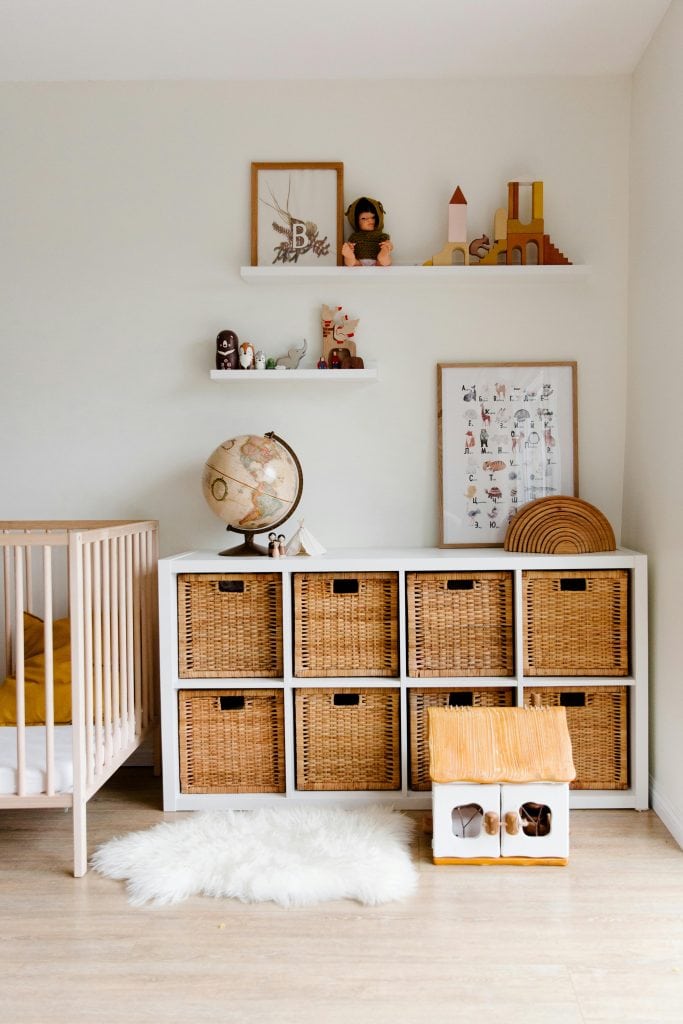
Too many toys can lead to scattered attention and scattered rooms. A simple way to make playtime more focused and cleanup easier is to rotate toys in and out every couple of weeks.
Keep just a few open-ended options out at a time (blocks, dolls, pretend play items, or art supplies) and store the rest in a bin or closet. When you bring out the stored toys later, they feel new and exciting all over again (without spending a dime).
This approach helps kids play more creatively and keeps your home feeling less cluttered. Fewer choices often lead to deeper, more imaginative play—and cleanup becomes quicker and more predictable for everyone.
It also gives you a natural chance to notice what toys your kids actually use and love, making future toy purchases (or purges) much easier and more intentional.
Tip #9: Make Space for Small Breathers Just for You
Building in small breathers throughout the day can help you feel more grounded and steady, especially when things are full.
These moments don’t need to be long or elaborate. A warm drink enjoyed slowly, a few pages of a book during quiet time, or a short step outside for fresh air can make a real difference. Even ten minutes of stillness can reset your mindset and give you more clarity for what’s next.
These breathers are part of taking good care of your home – because when you care for yourself, everything around you benefits too. Your mindset, your energy, and your connection to your family all feel more supported.
Taking time to pause isn’t a luxury – it’s part of caring for your home by caring for the one running it.
If you’ve been trying to simplify your home and routines in a more holistic way, check out my easy guide to non-toxic living for more gentle, practical changes.
Tip #10: Stay Connected with Other Moms
Spending time with other moms who understand the rhythm of home life can bring fresh energy, support, and perspective. Even one good conversation, a shared laugh, or a message from someone who understands your day can make everything feel a little lighter.
A weekly library visit, a group chat, or a simple check-in with a friend can offer encouragement and new ideas.
Sometimes, just knowing someone else is walking a similar path brings a deep sense of reassurance.
Motherhood is full of meaning – and when we share the journey with others, it becomes even richer. Community can grow slowly and simply, one real connection at a time. And those small connections often make the biggest difference.
Create Flow at Home, One Habit at a Time
The beauty of stay-at-home mom life is that it unfolds slowly, with room to shift and grow. These tips are simply tools – steady, gentle ways to support your days and bring a little more ease to the work of caring for your home and family.
Pick one idea that feels doable right now. Maybe it’s setting up a morning anchor or trying a quiet time routine in the afternoon. Once that feels like second nature, try another.
What matters most is finding rhythms that work for your household and bring more peace to your daily flow. With a little intention and a lot of grace, home life can feel both manageable and meaningful – one simple step at a time.
Don’t Let Postpartum Prep Overwhelm You
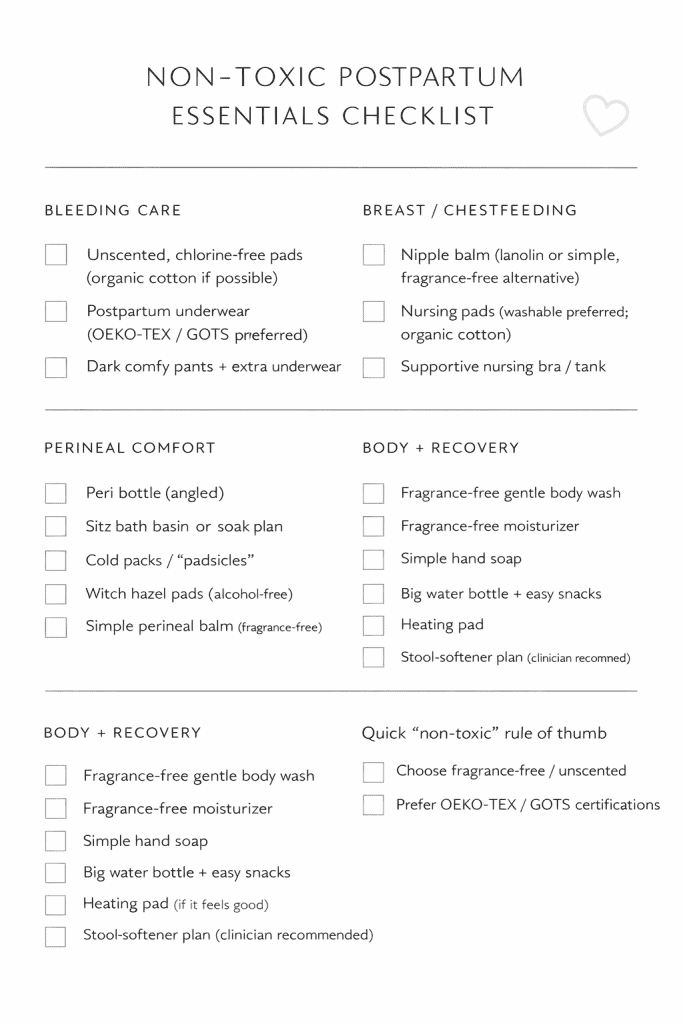
Between sleepless nights, recovery, and caring for your newborn, the last thing you need is to stress about what products to buy—or whether they’re even safe.
That’s why I’ve done the research for you.
My free Non-Toxic Postpartum Essentials Checklist gives you everything in one simple, printable guide—organized by need, focused on safety, and ready to take the guesswork out of prep.
Print it. Check it off. Feel confident you’re choosing products that care for your body the way it deserves.
FAQs
How can a stay-at-home mom stay organized during busy days?
Staying organized often comes down to keeping systems simple. A daily rhythm, a short running to-do list, and a few repeatable habits can make a big difference. Small anchors like starting laundry in the morning or doing a quick evening reset help keep the day moving without feeling overwhelming.
Many moms also find it helpful to keep a catch-all basket or tray for items that need attention later. This prevents clutter from spreading around the house while allowing you to stay focused on what you are doing in the moment.
What is the difference between a schedule and a daily rhythm?
A schedule usually assigns specific times to tasks throughout the day. While that can work for some households, it can also feel restrictive when life with kids rarely runs exactly on time.
A daily rhythm is more flexible. Instead of exact times, it follows a natural order such as breakfast, chores, outside time, lunch, quiet time, and dinner. This approach provides structure while still allowing the day to shift when needed.
How do you keep up with housework as a stay-at-home mom?
The most practical approach is to spread tasks throughout the week instead of trying to do everything at once. Small daily habits like one load of laundry, wiping kitchen counters after meals, and doing a short evening reset can keep the home running smoothly.
Many families also benefit from assigning certain tasks to specific days. For example, bathrooms on Tuesdays or vacuuming on Fridays. This keeps housework manageable and prevents it from piling up.
How can you build a routine when you have young children?
When children are young, routines work best when they follow natural parts of the day. Mealtimes, nap times, and bedtime often become the anchors that help structure everything else.
Instead of trying to control every moment, focus on creating predictable transitions. For example, outside play after breakfast or quiet time after lunch. Children tend to respond well to these repeating patterns, which helps the day feel calmer for everyone.
How do stay-at-home moms avoid burnout?
Taking small breaks throughout the day is one of the most helpful ways to stay balanced. Even short pauses like enjoying a cup of tea, stepping outside for fresh air, or reading a few pages of a book can help reset your energy.
Connection also matters. Talking with other moms, joining a local group, or simply checking in with a friend can provide encouragement and support. These moments of community remind you that you are not doing this work alone.