Some of our best days are the ones we never planned.
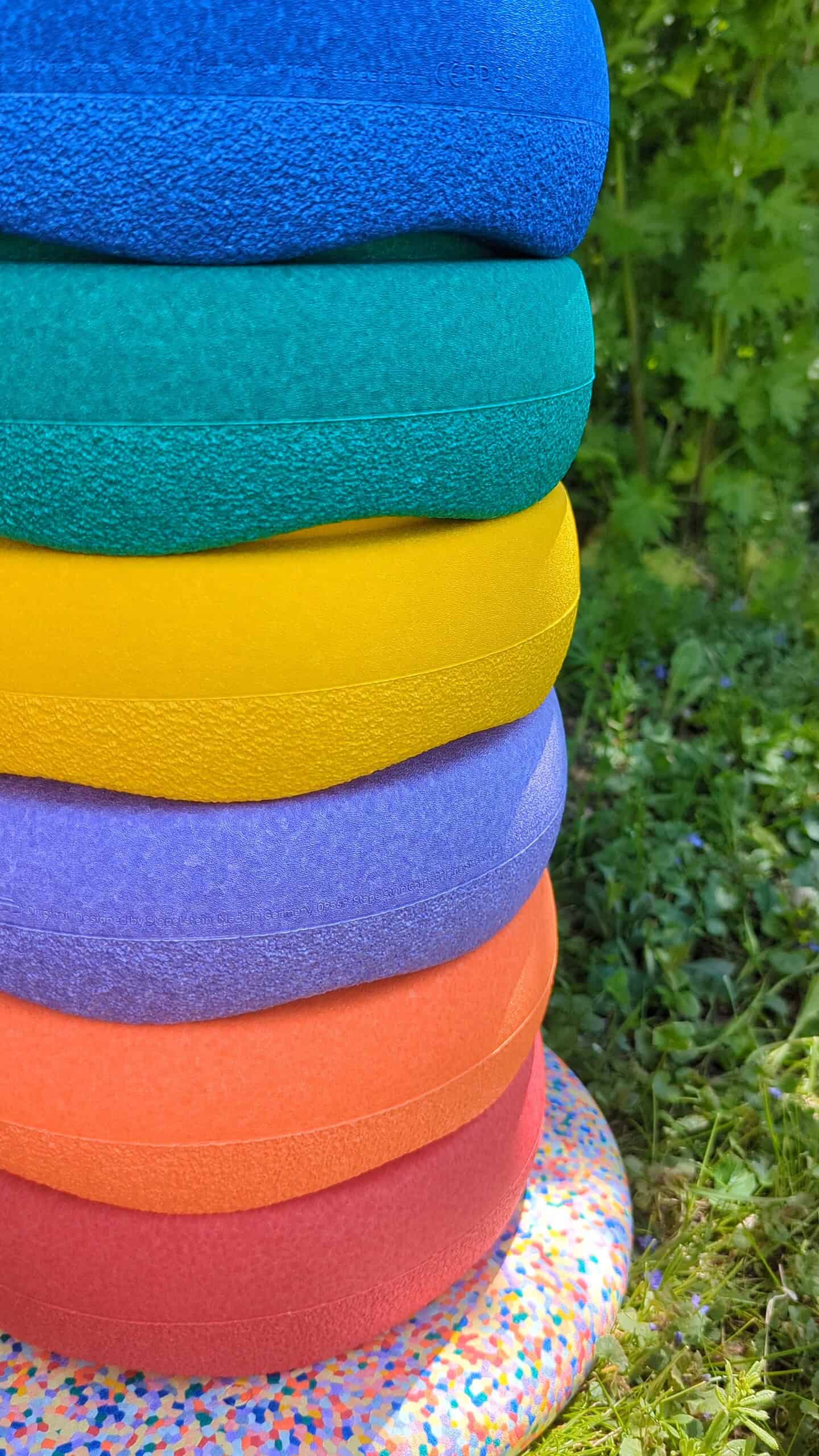
This is the story of one of them — a slow Sunday where the screens stayed off, the toy bins stayed shut, and a single set of Stapelstein carried my 3- and 2-year-old (and our 3-month-old) from the living room floor all the way out to the yard, where a curious chicken and one very brave frog ended up joining the fun.
If you’ve seen these colorful Stapelstein elements floating around your feed and wondered what kids actually do with them, here’s a real run-through of one day, plus my honest take on whether they’re worth buying.
Disclosure: I only share things we genuinely use and love. This post contains affiliate links, which means if you buy through them I may earn a small commission at no extra cost to you. Thank you for supporting our little corner of the internet.
MORNING
1. A quiet morning start
Slow Sundays here begin early yet are unrushed. The Stapelstein elements came out of their tidy stack in the corner, and that was all the prompting my two little ones needed.
Quiet stacking
My toddlers lined the Stapelstein elements up, watched the whole thing wobble and topple, and started again — over and over, completely absorbed. It’s patience, balance, and problem-solving disguised as a game, and it bought me a peaceful cup of coffee before the day really got going.
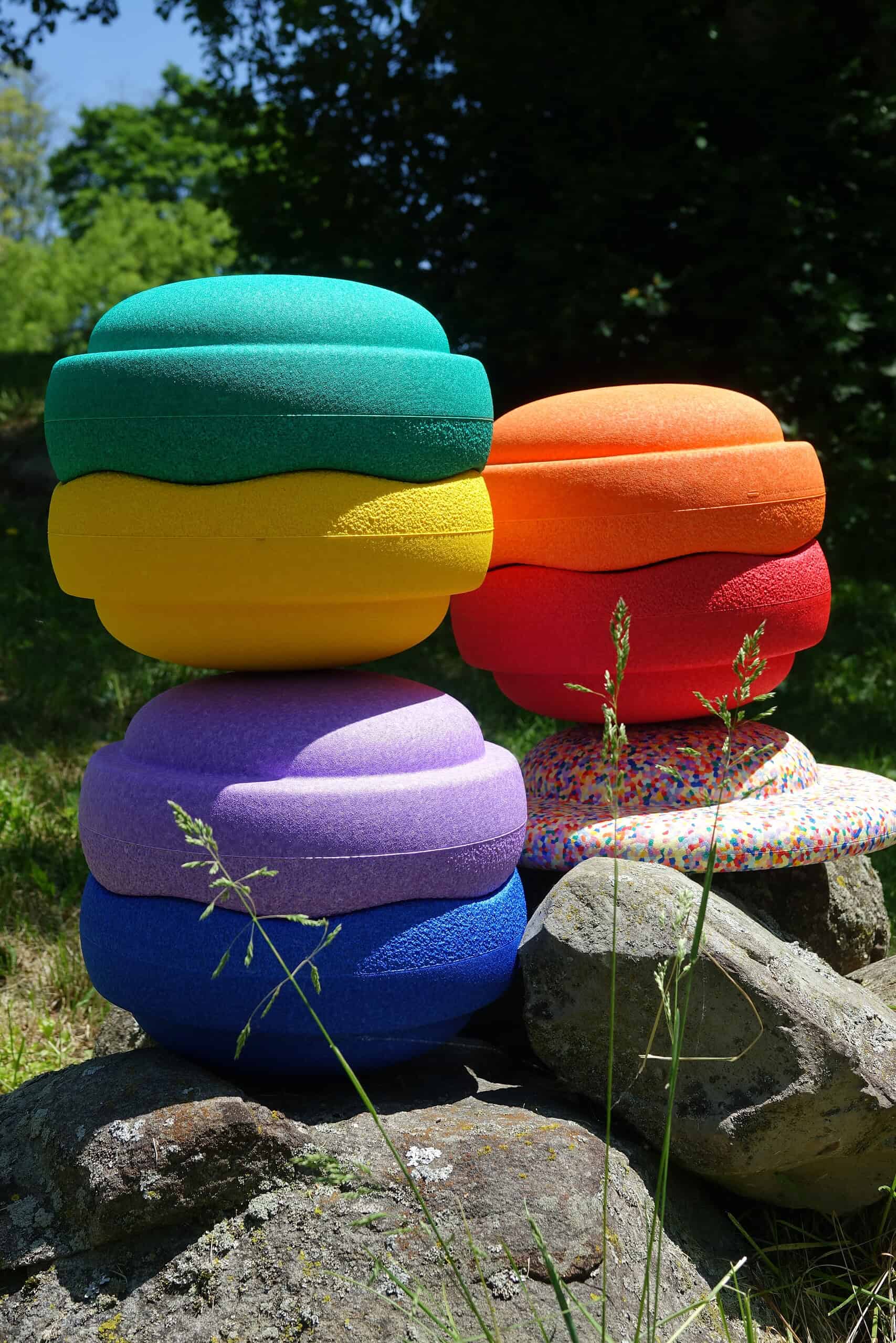
This calm, screen-free start is exactly why we keep these out all the time.
LATE MORNING
2. Then came the wiggles
By late morning the wiggles arrived, the way they always do with two toddlers. That energy has to go somewhere — so we turned the floor into a course.
The floor is lava
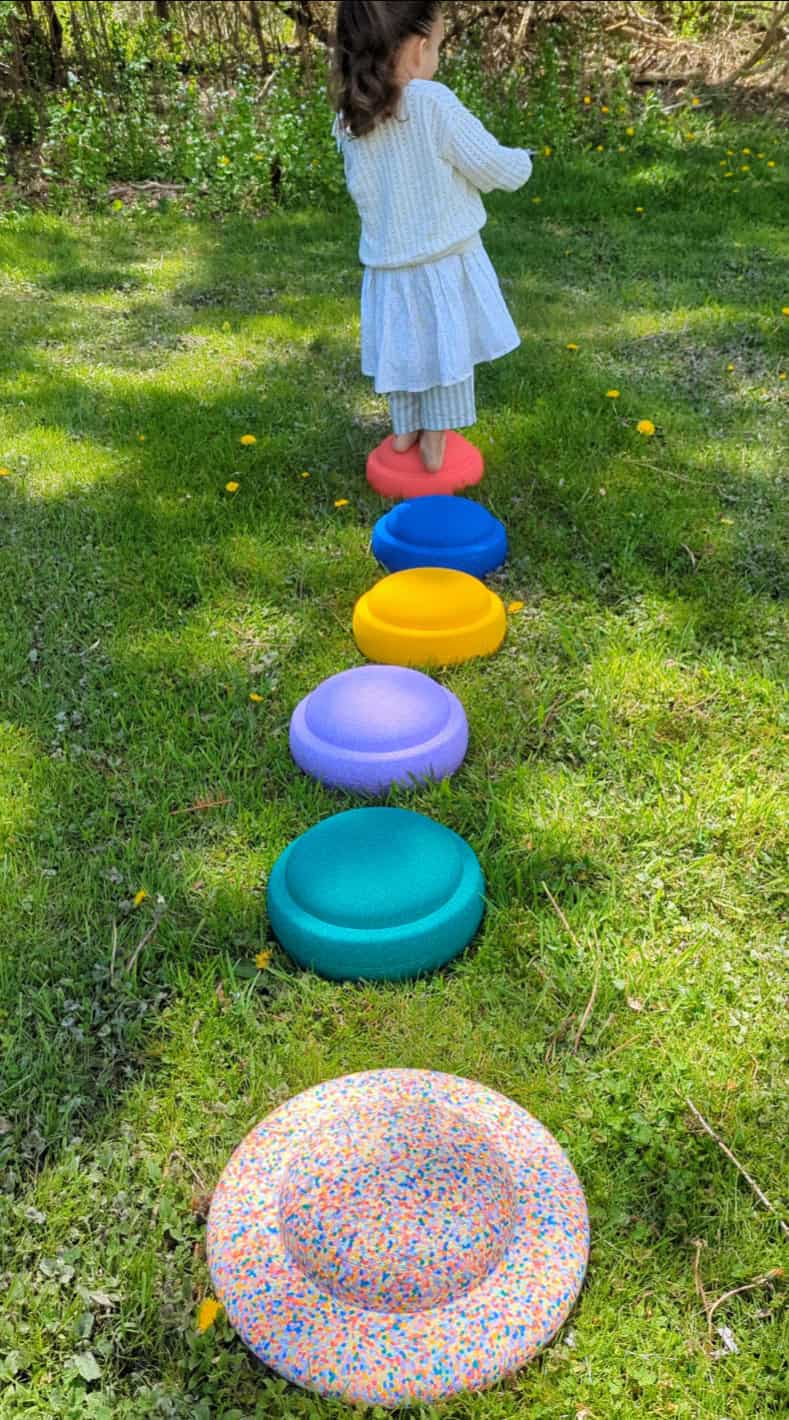
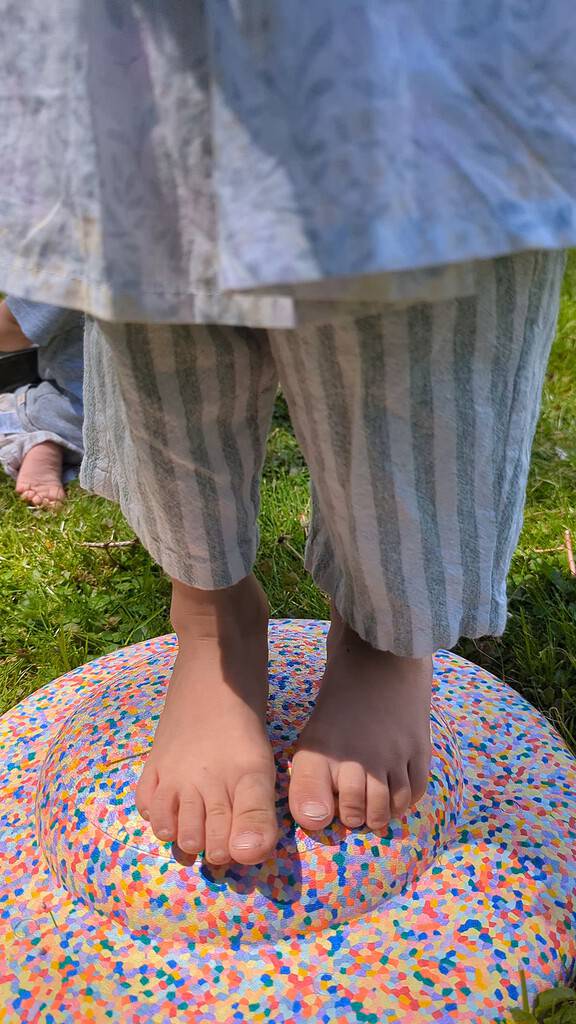
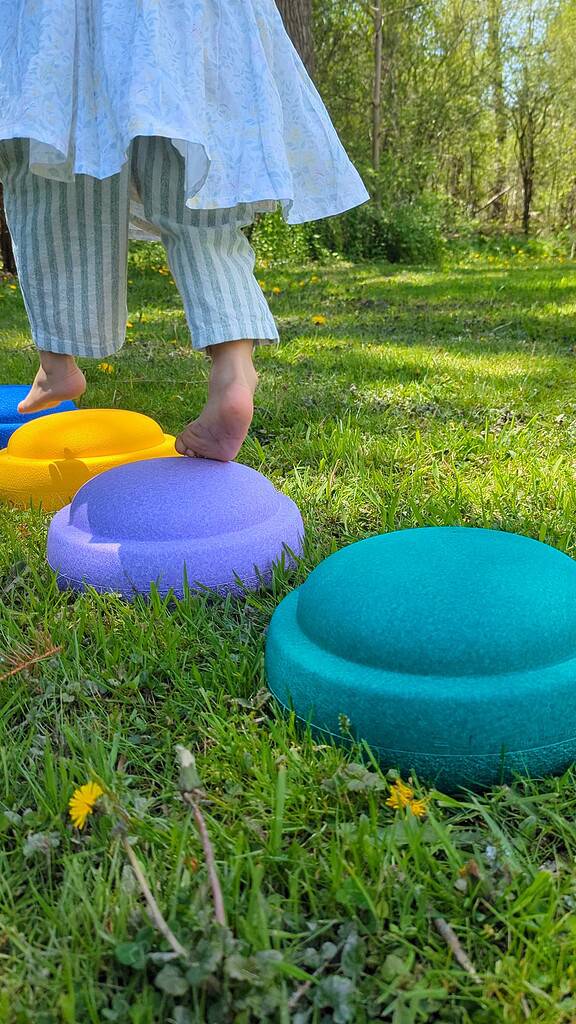
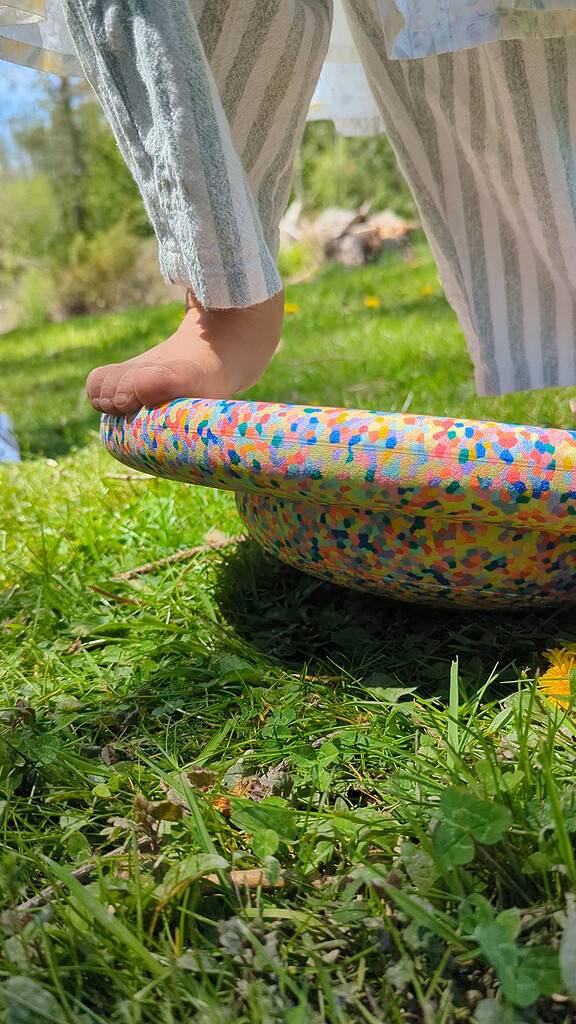
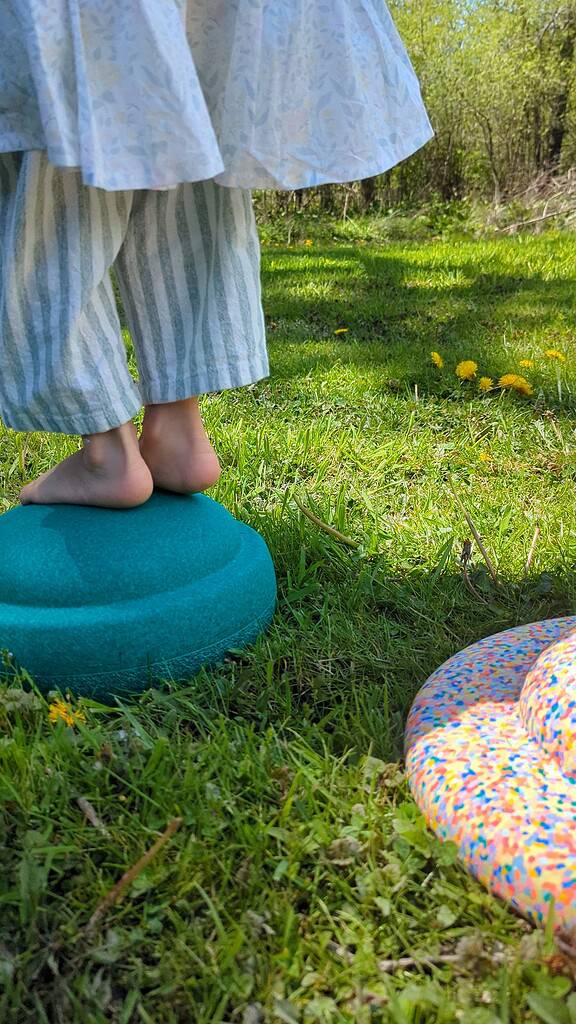
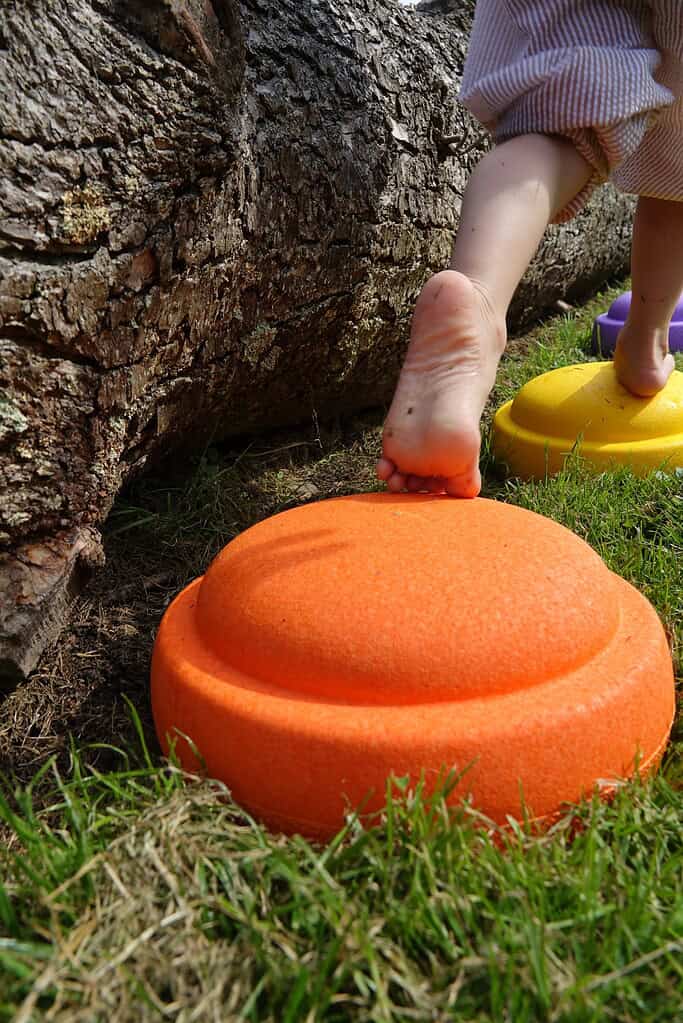
Spread across the floor, the Stapelstein elements became stepping stones over imaginary lava. Spacing them farther apart turns up the challenge; clustering them close keeps it doable for little legs. It’s proper gross-motor work — balance, coordination, careful steps — and it never once felt like exercise to them. (I hopped from one element to the next, too. They hold an adult’s weight easily.)

Pikler play

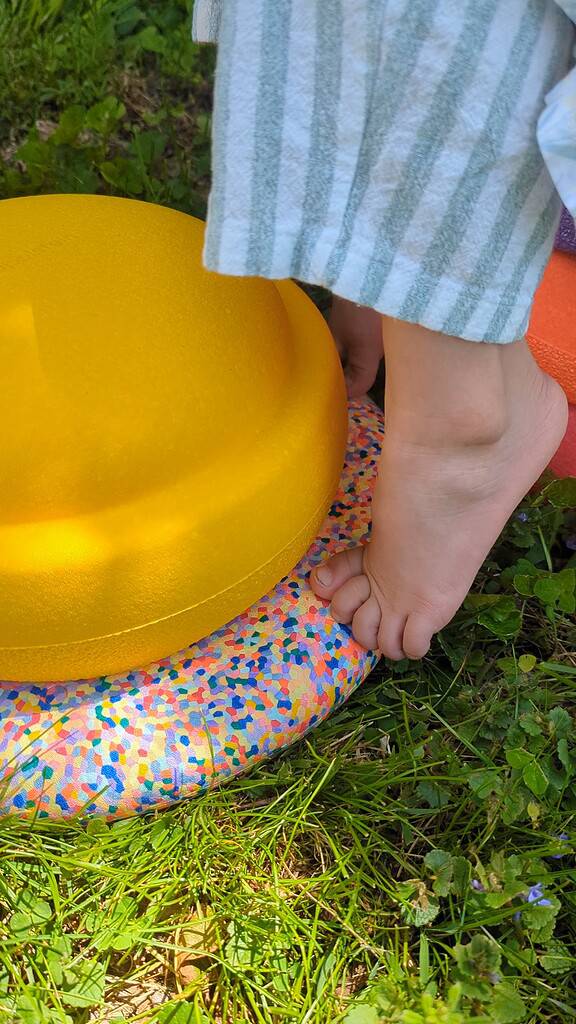
We pulled our Pikler triangle into the mix, and the two suddenly worked perfectly together — climbing the Pikler, then jumping down onto the Stapelstein elements and hopping along. It became a little climb-and-leap circuit they ran on a loop. If you already have a Pikler, the Stapelstein elements extend it beautifully.
MIDDAY
3. Lunch in the yard
When the sun was high we took the whole thing outside, and the Stapelstein elements came right along with us. Lunch turned into the sweetest part of the day.
Little seats & a Stapelstein “table”
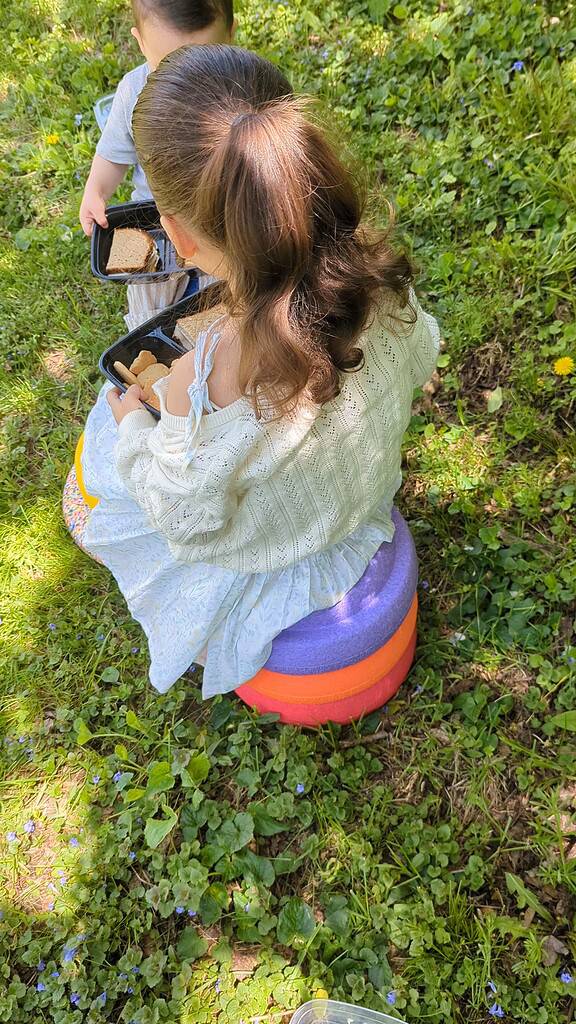
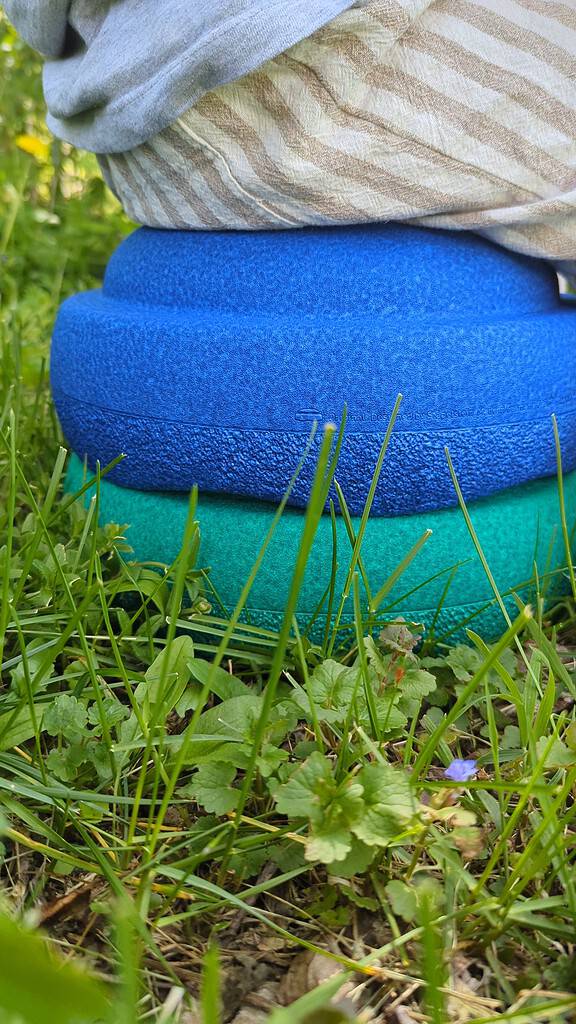
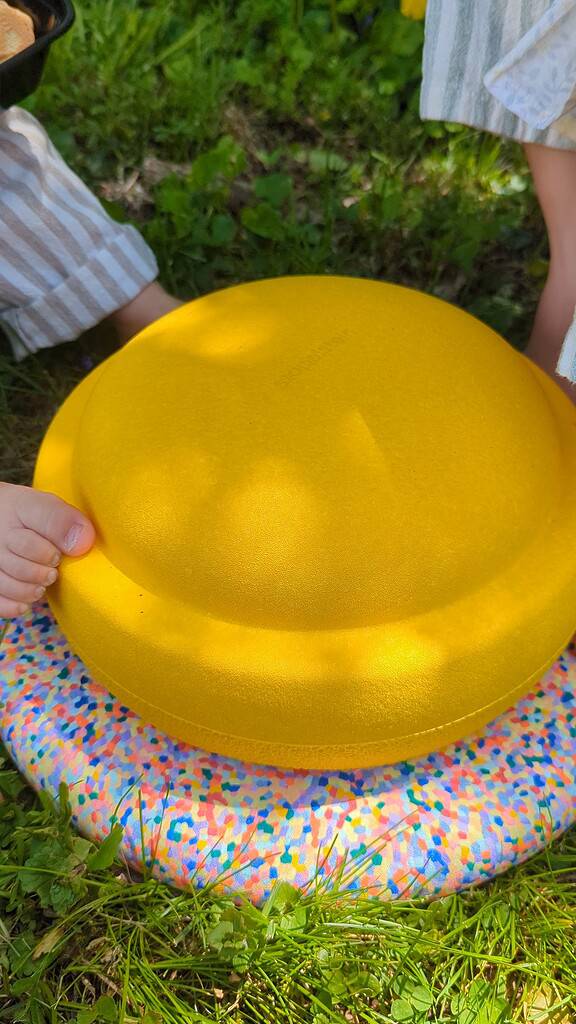
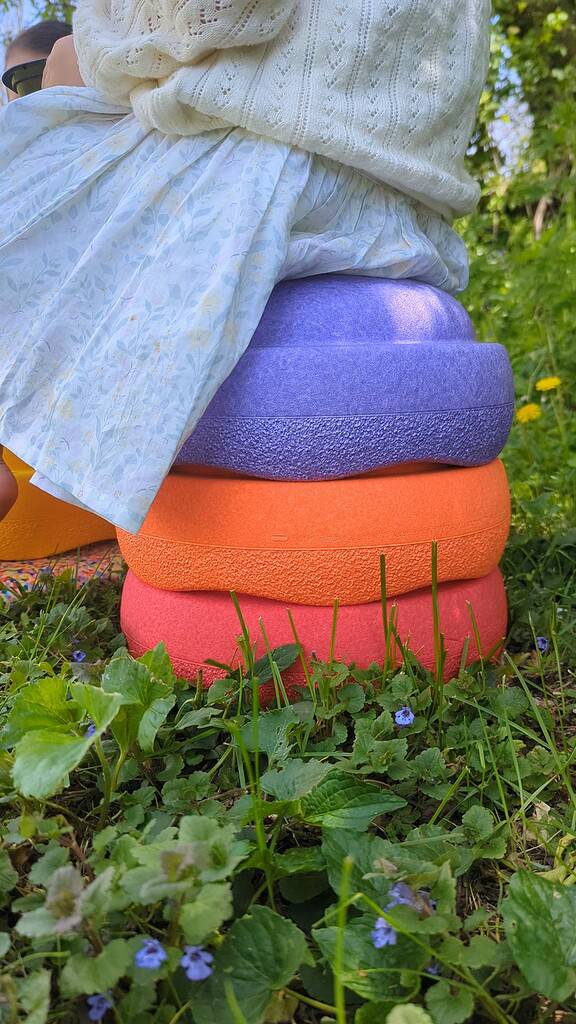
We used the Stapelstein elements as low seats for the toddlers, then built a little Stapelstein table to hold their trays while they ate their sandwiches outside. It was the simplest setup — two tiny stools and a table, all from the same six Stapelstein elements — but they were so proud of their own little picnic spot.

Feeding the chicken
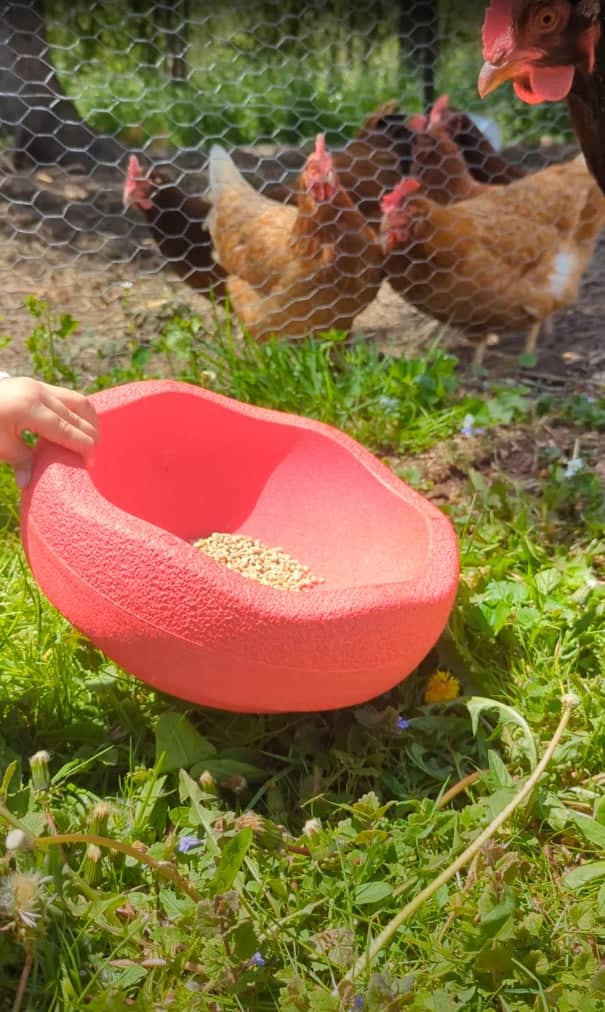
And then we had a visitor. One of our chickens wandered over, so naturally a Stapelstein element became a feed bowl, and the kids took turns offering her a snack. These little real-life moments are exactly the kind of open-ended magic you can’t script — the Stapelstein elements just become whatever the day needs.

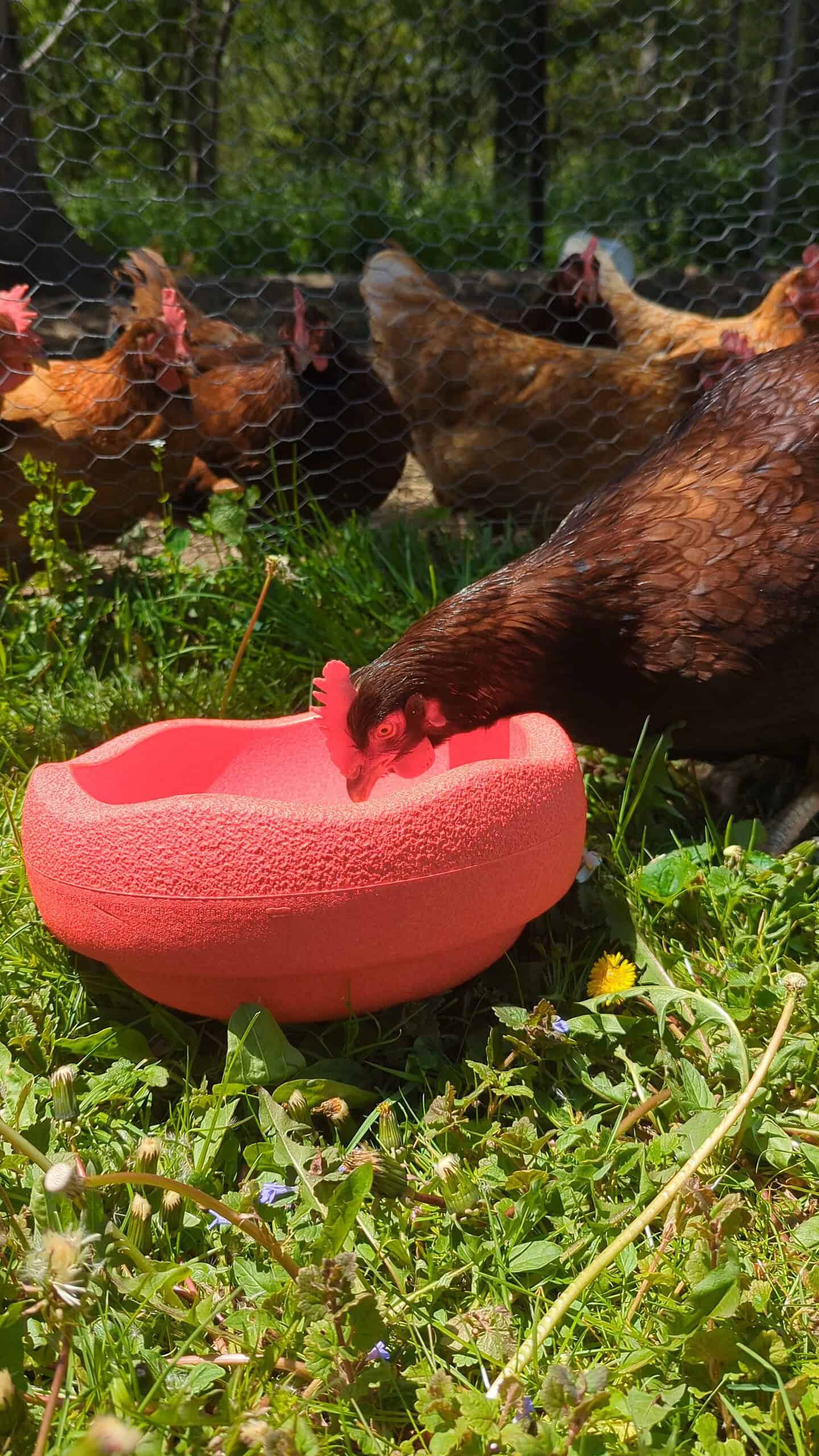
→ This is the Stapelstein we use, indoors and out
EARLY AFTERNOON
4. A nature color hunt
With six bright colors in front of us, an afternoon game practically invented itself.
Color matching from nature
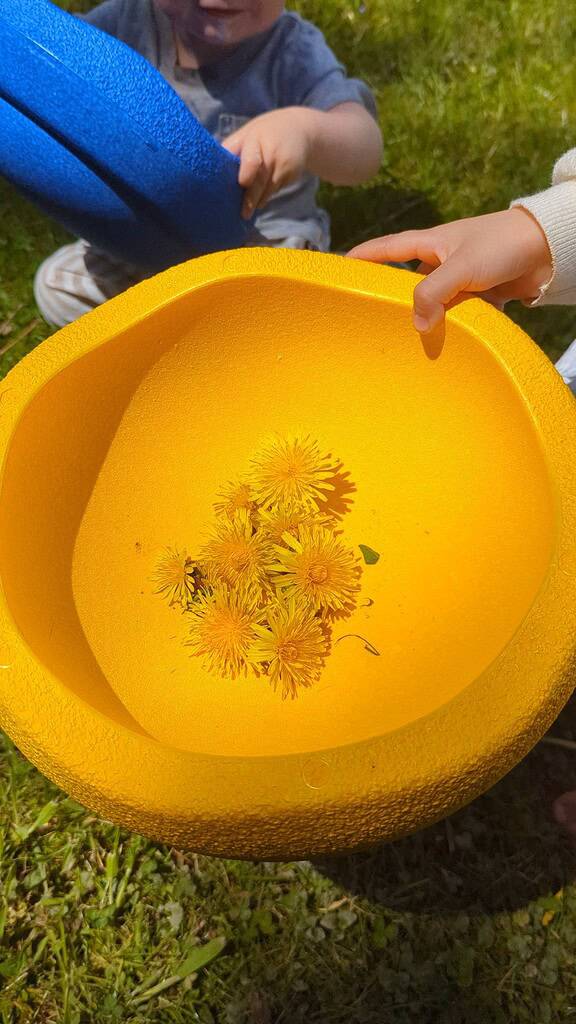
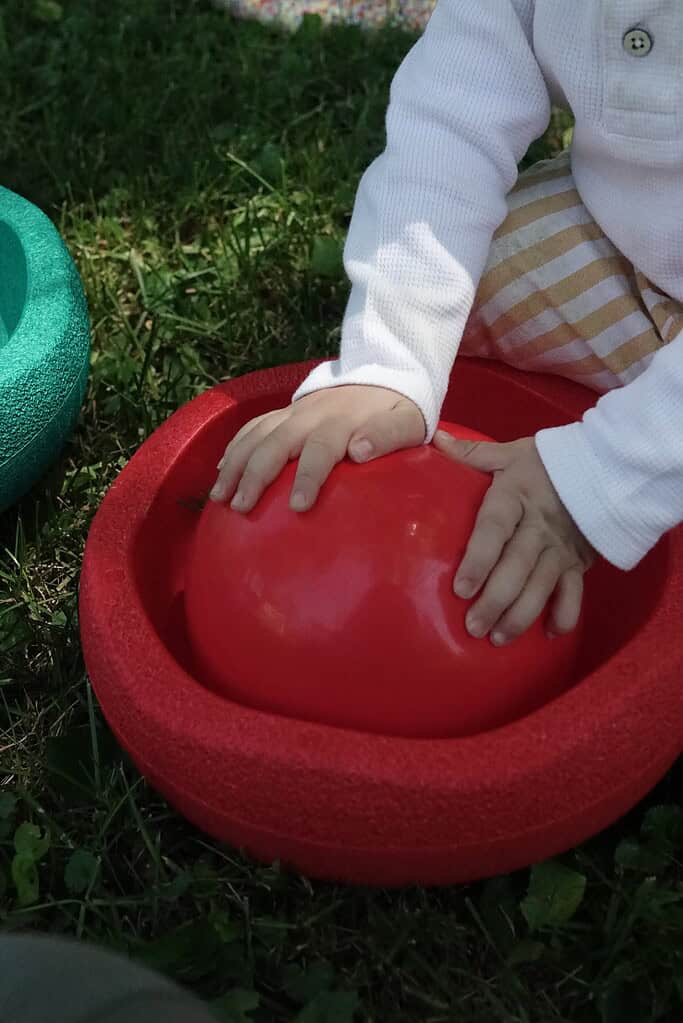
We set the Stapelstein elements out and sent the toddlers off to find something in the yard to match each color — a yellow dandelion, a green leaf, a red ball. It’s a gentle scavenger hunt that sneaks in color recognition, sorting, and a whole lot of fresh-air exploring. They could play this for ages.

Staying cool over the rocks
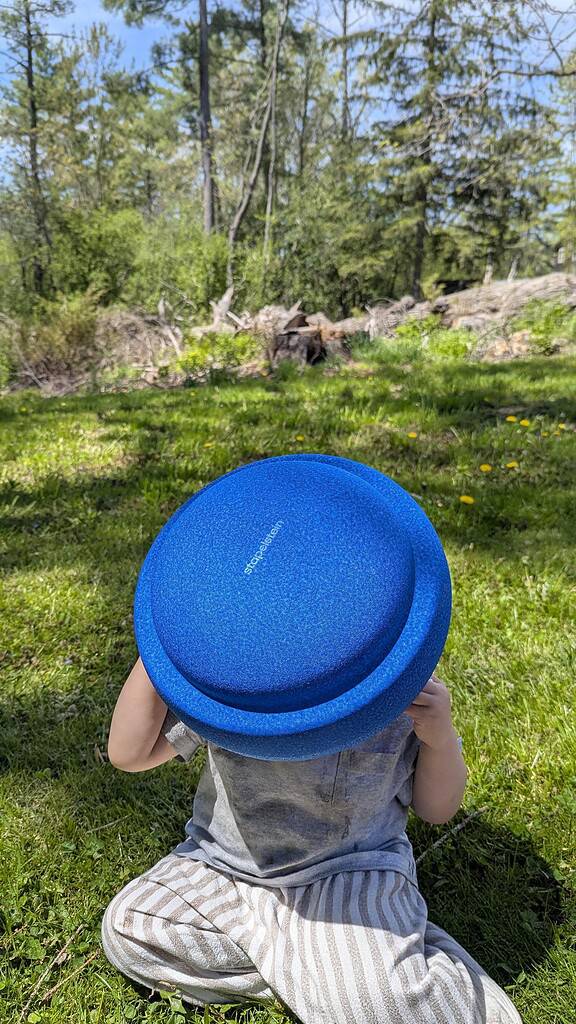
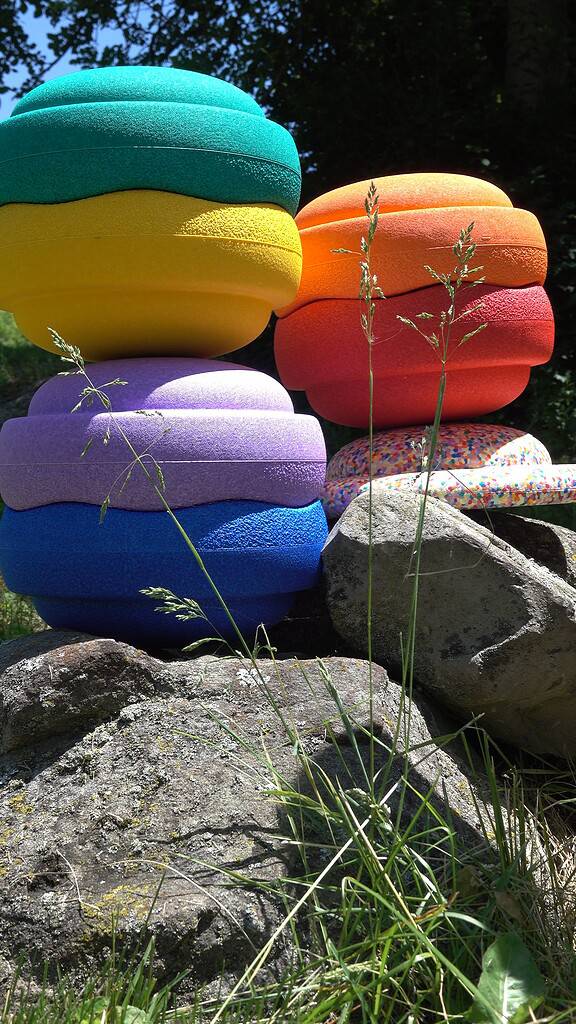
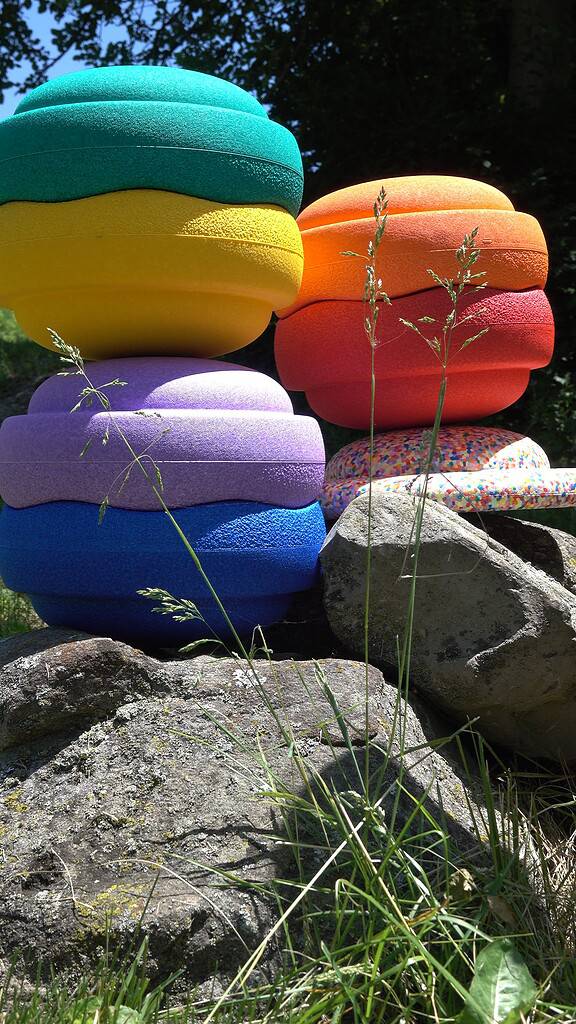
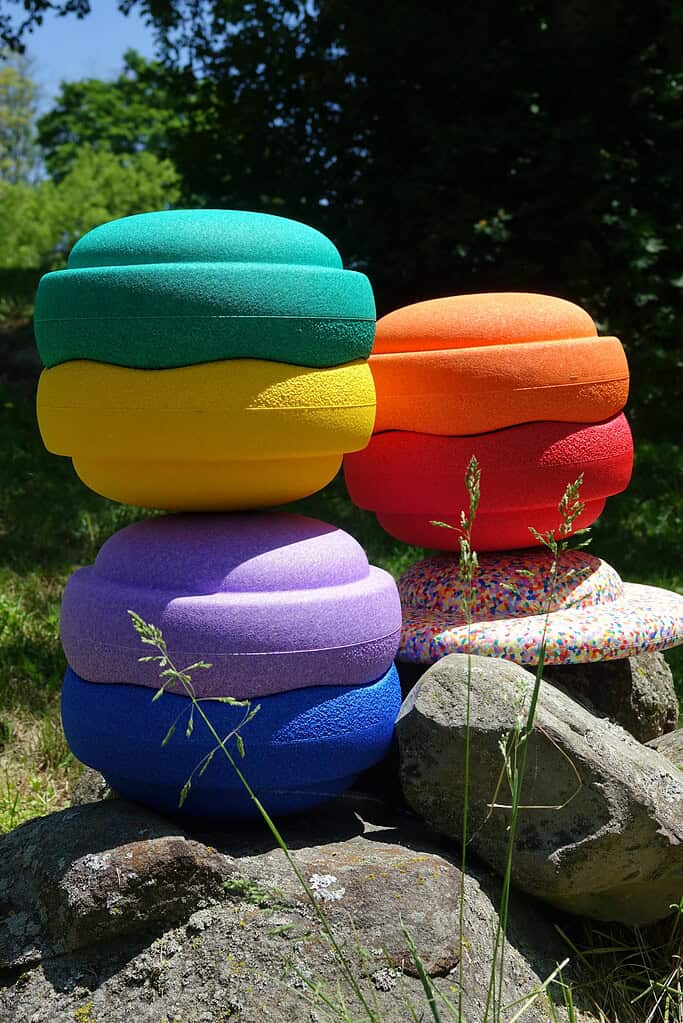
On a warm day we found a shady, cool spot and stacked the Stapelstein elements up over some rocks — part building project, part cool-down break. A simple thing, but it kept everyone happy and out of the heat for a good while.
LATE AFTERNOON
5. Sink or float (and a frog joins in)
To cool off properly, we brought out a little water, and Stapelstein turned into the afternoon’s best toy.
Water play & a sink-or-float experiment
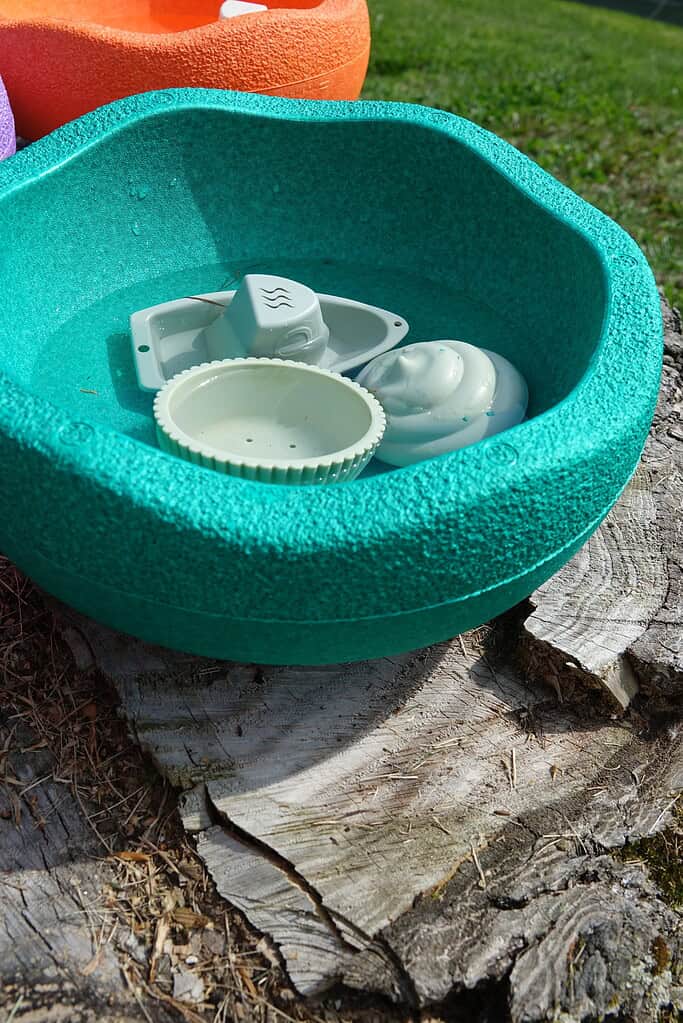
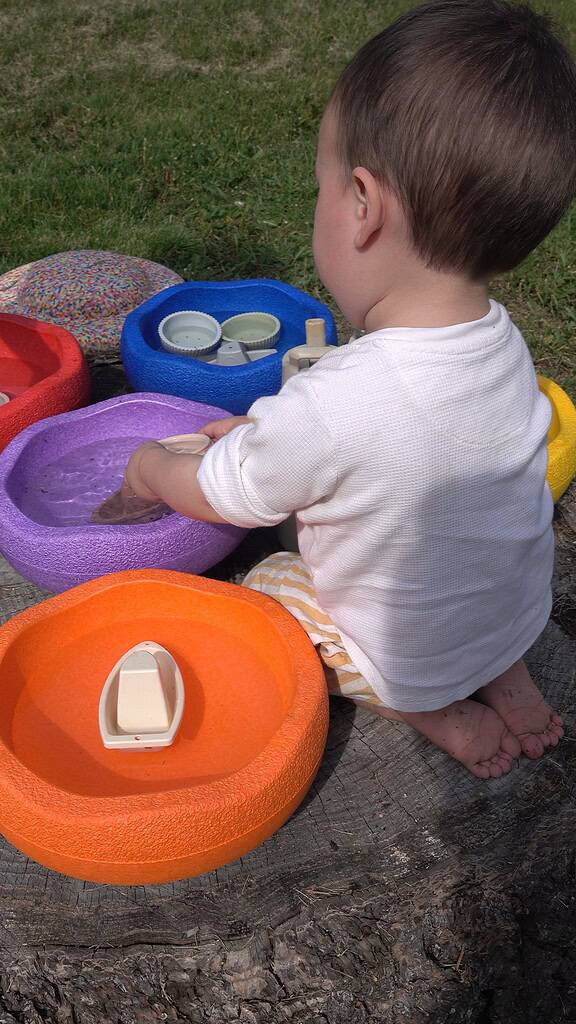
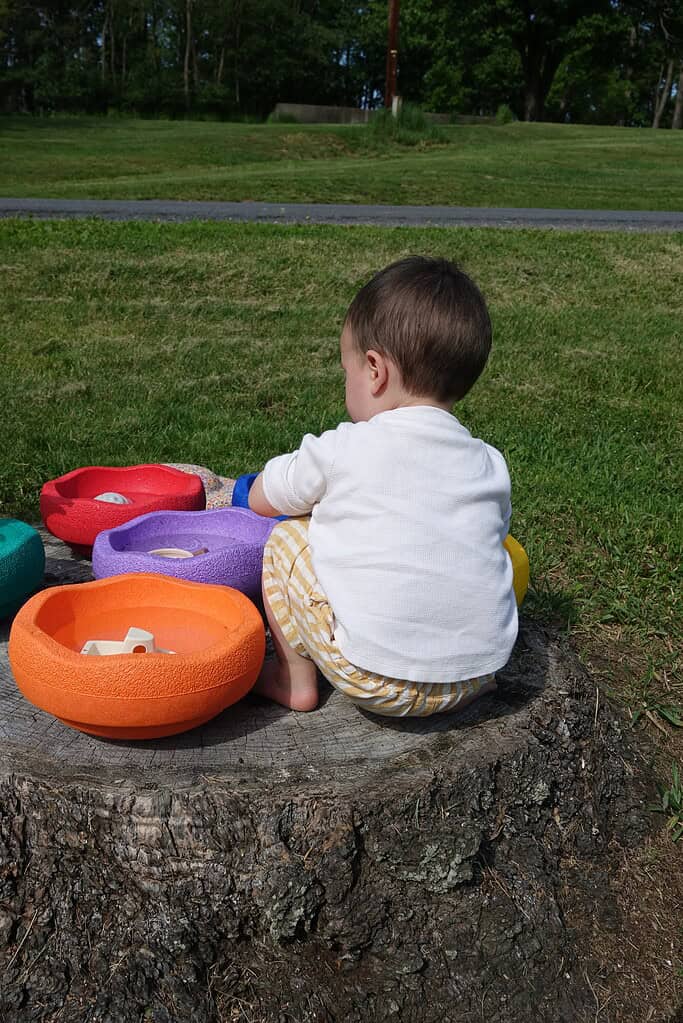
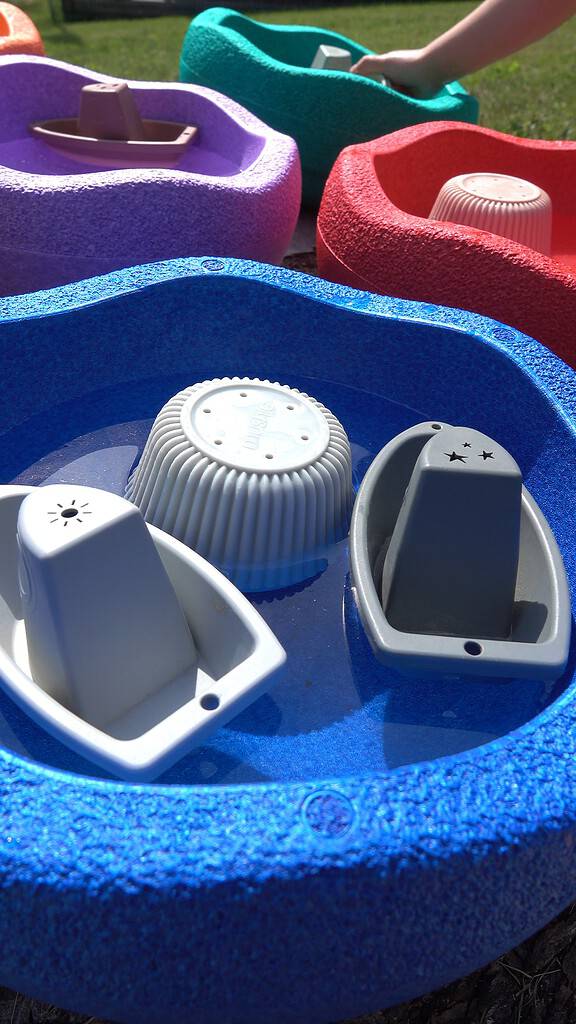
We filled the Stapelstein elements with water and gathered up a few little toys to test: what floats, what sinks?
The toddlers were hooked — dropping things in, fishing them out, pouring from one element to the next. It’s playful early science, and a brilliant way to burn a warm afternoon. (A gentle note: the Stapelstein elements are toys, not flotation devices, so we always supervise around water.)
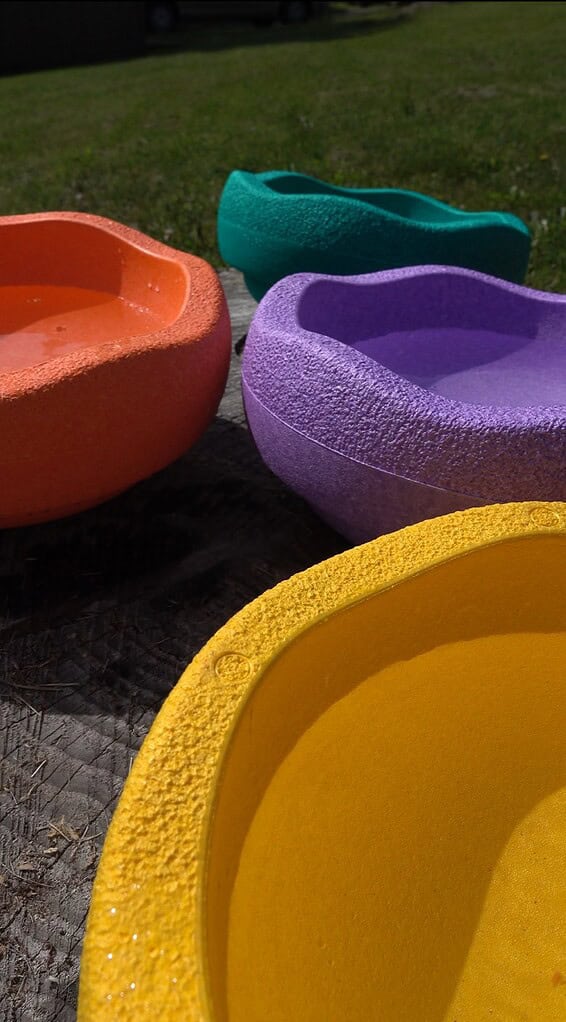
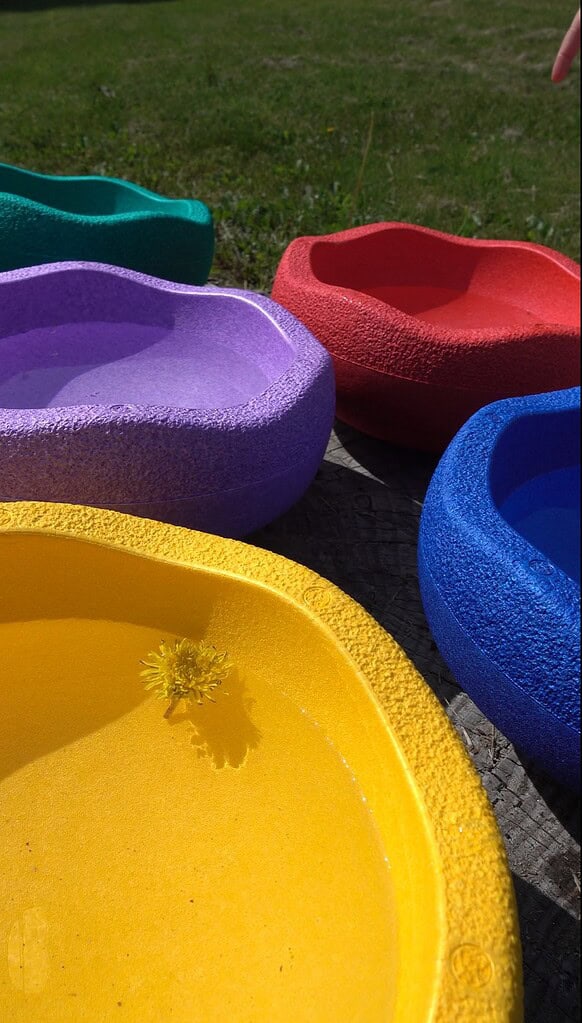

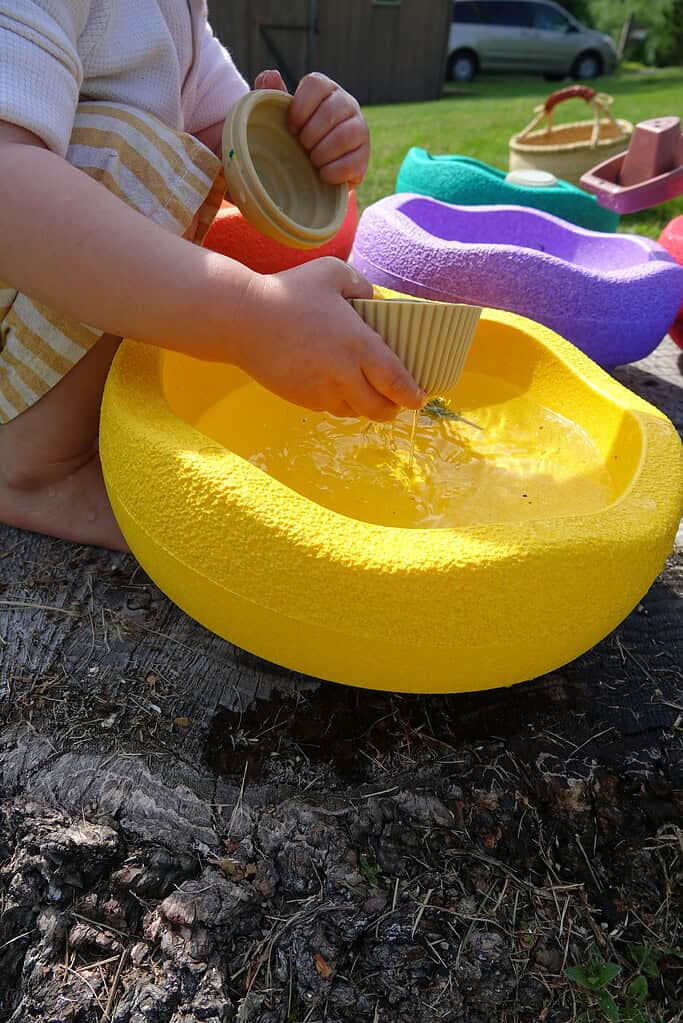
An unexpected guest
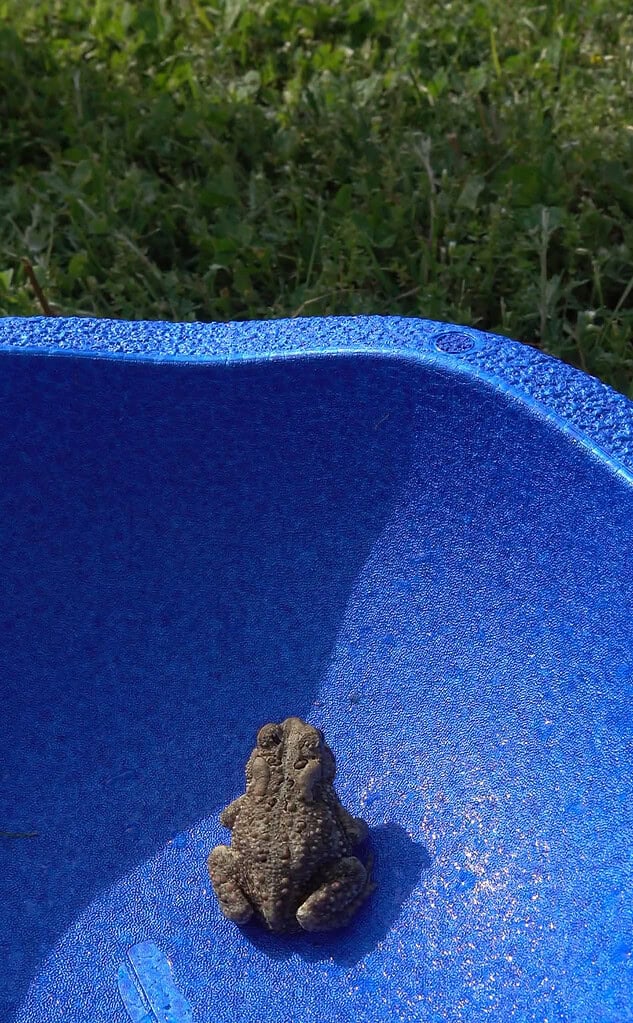
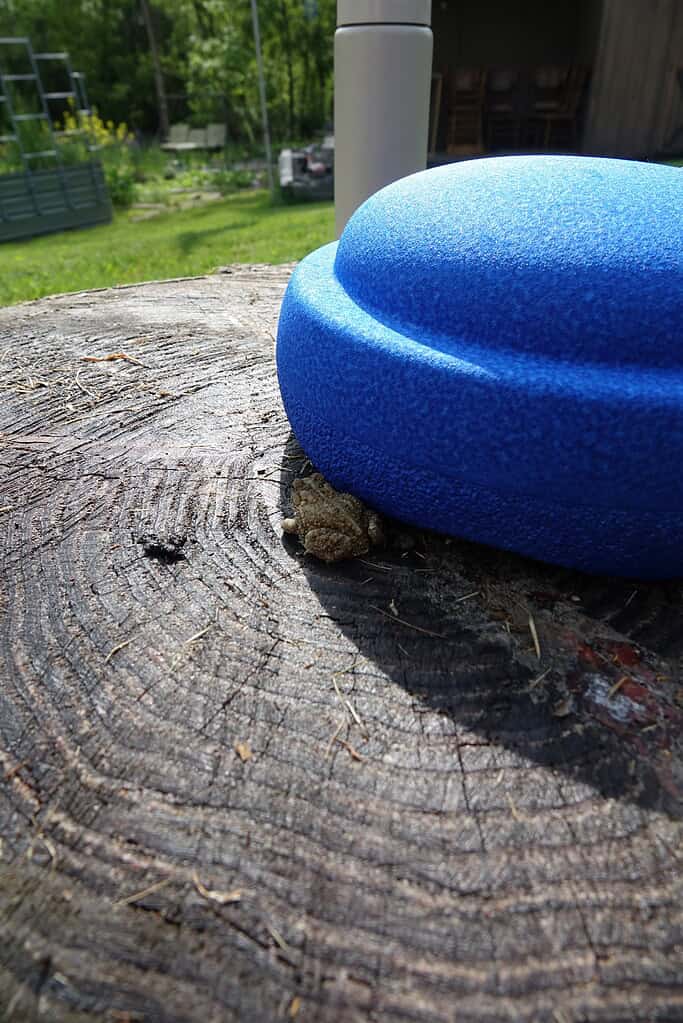
And then — of course — a little frog hopped over to investigate, and stayed for the show. The toddlers were delighted. It was the perfect ending to our day but couldn’t have scripted better, and a reminder that the best play often invites the whole outdoors in.

Why we love them
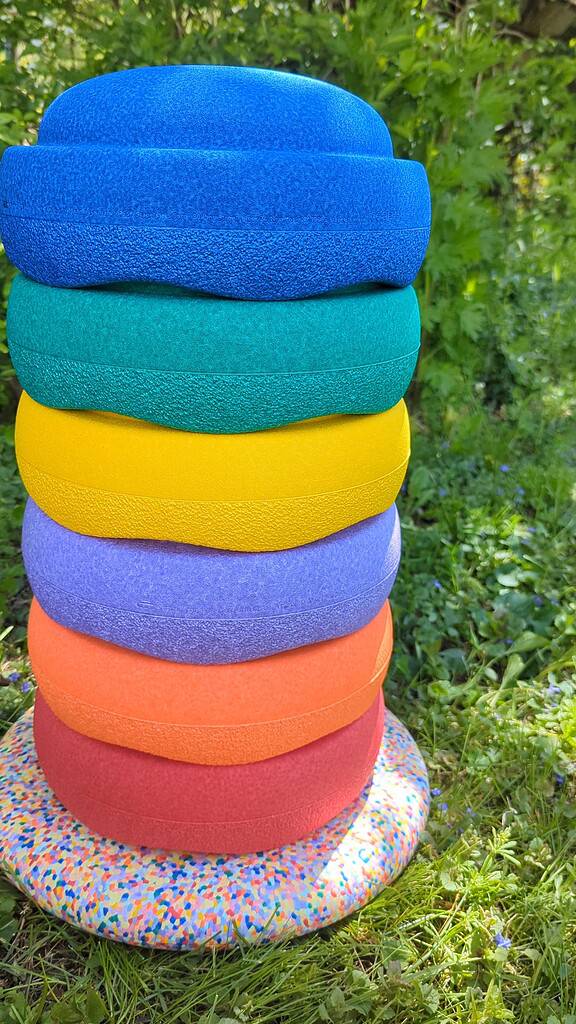
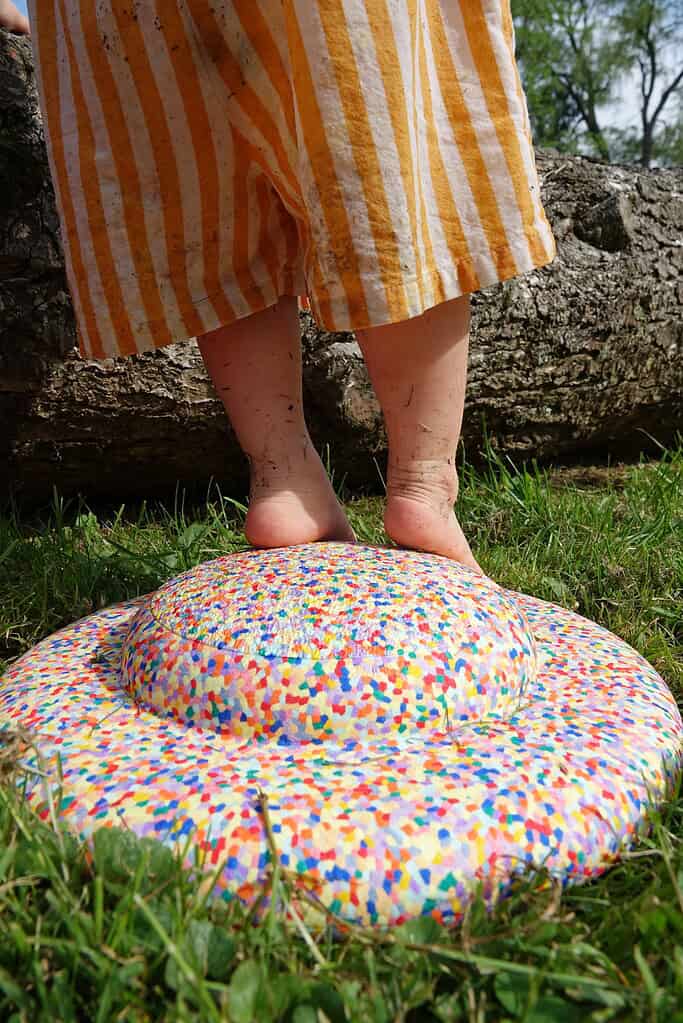
One set of six Stapelstein elements carried an entire slow Sunday — the floor-is-lava game, Pikler jumps, a picnic, a chicken’s snack bowl, a color hunt, and a sink-or-float experiment — and it does this and more on a daily basis.
My kids have played with these since the day they arrived — inside and out, for hours at a time. They’re 3 and 2 (we’ve also got a 3-month-old), and one thing I didn’t expect: the stones are light enough that the kids can carry the whole stack themselves. It’s honestly fun watching them haul the stack from inside out to our little shaded spot by the rocks.
They find so many ways to use them and they’re constantly engaged — building, balancing, pretending, whatever they come up with. The possibilities really are endless, and they’re using their imaginations the whole time.
A deeper note:
I’m a mom of three under four, and what I appreciate most about these isn’t that they keep the kids busy — I love that they play, how they play, it’s that they truly love these, and that I can get involved while still being mom to all three. I can call out colors for a Twister-style game even while I’m holding the baby. Getting that little window into how their imaginations work, watching their open-ended play unfold — their joy is my gift. That’s what I’m thankful for.
Finally, here’s why I recommend them:
- They grow with the kids. Rated for age one and up, they go from toddler stacking to big-kid balance challenges and even adult use. Nothing here gets outgrown next year.
- They’re tougher than they look. Made from feather-light EPP foam, each Stapelstein element still holds up to around 396 lbs — so yes, grown-ups can hop along too.
- They live anywhere. Living room, yard, water table, picnic, chicken run — they’re water-repellent and weather-resistant, so they go wherever the day goes.
- They’re truly open-ended. Because there’s no single “right” way to play, the ideas never run out, and the play lasts far longer than with single-purpose toys.
Your questions, answered
Is Stapelstein really worth it?
For one toy that covers gross-motor play, balance, pretend play, building, water play, and even outdoor seating — and lasts for years across multiple ages — the cost-per-use is hard to beat. Open-ended toys like these get played with far longer than single-purpose ones. YES! Stapelstein is really worth it.
What age are they for?
They’re recommended for ages one and up. The foam is so light and edge-free that toddlers can safely sit, stack, and explore, while the open-ended design keeps older kids (and adults) engaged.
Can they really get wet and go outside?
Yes — they’re water-repellent and weather-resistant, so they’re happy in the yard, at the water table, and in the bath. They aren’t a flotation device, though, so always supervise around water. Rinse off dirt with water and let them dry separately. (Stapelstein also suggests not storing them outdoors long-term, since prolonged sun can fade the colors.)
Which set should I start with?
For most families, a six-piece set of Original elements in the classic rainbow colors is the sweet spot — enough to build a stepping path, make seats, sort by color, and let siblings play together. On stapelstein.com the Rainbow Set steps that up by pairing six Originals with a Balance Board (great for the wobble and dynamic-stool play), and the Complete and All-In sets bundle in even more.
How do you store them?
You don’t, really — they nest into one stack in seconds and look lovely left out. Cleanup takes about ten seconds, which is half the reason I love them.
Where to buy Stapelstein
If your home (or yard) could use a calmer, more creative kind of play, here’s exactly what I’d reach for:
For most families starting out, the six-piece set of Original Stapelstein elements is the perfect entry point — enough for everything we did this Sunday.
If you want the balance-board play (wobble board, dynamic stool) from the start, go for the Rainbow Set, which pairs those six Originals with a Balance Board.
Popular colorways do sell out, so grab your set while it’s in stock.
Ready for your own slow Sunday? Browse the current sets, colors, and pricing here:
That’s the magic of a good open-ended toy: it doesn’t fill the day, it makes room for it. Two toddlers, six little Stapelstein elements, one curious chicken, a surprise frog — and a whole slow Sunday of play that we never had to plan.
If you bring some home, I’d love to see what your little ones turn them into. Ours surprise me every single week.
Happy slow Sunday playing,
— Betty