
I never thought laundry would become such a big deal until I had toddlers playing around and, especially, lived in an area with hard water.
Suddenly, doing laundry became a whole new thing.
As a homesteading family, dealing with all the stains, dirt, and the ongoing struggle to keep my toddlers’ cloth diapers clean and soft, I quickly realized I needed something better.
I tried all kinds of DIY detergents. They smelled lovely, sure, but after a while, I noticed something.
My laundry wasn’t coming out quite like I imagined. It was getting a little stiff, a little dingy, and, um, let’s just say the cloth diapers weren’t exactly doing their job anymore.
That’s when I started looking into hard water and how it was sabotaging all my efforts.
Turns out, hard water is literally a real headache for my laundry.
Silly how hard water really puts the ‘hard‘ in laundry day.
Hard Water (Why It Makes Laundry So Much Harder)
If you’re living in an area like mine, where hard water (high level of minerals) is pretty much a way of life, you know it’s a real struggle when it comes to your laundry.
You see, hard water’s full of calcium and magnesium, which might sound like it’s helping, but it’s actually causing all kinds of trouble (how deceiving).
Instead of letting your detergent do its thing, these minerals sort of “block” it.
So those lovely soft clothes you’ve spent time curating? They end up feeling stiff (and nothing gets cleaned properly).
This becomes even more of an issue when you’re dealing with natural fabrics like cotton and linen (which, by the way, is what I use and am sewing for my family).
Hard water makes these fabrics feel stiff instead of soft, and that’s not what I want after spending all that time making something special.
It can also leave behind a residue that ruins the feel of clothes like wool or cashmere, things I want to last.
This was one of the first things that pushed me to rethink my laundry routine and learn how to get started with non-toxic living in a way that actually works with hard water, not against it.
How ironic that water’s not working with me to get things clean but rather making it harder to get things back to normal.
The water’s hard at work… but not in a helpful way.
Cons of Having Hard Water
As a homesteader living in an area with hard water, it has definitely been a challenge for me.
The high mineral levels have caused a few headaches, and here’s what I’ve noticed firsthand.
- Hard water can leave spots and a chalky film on dishes, glasses, and faucets, making things look a bit dingy.
- Soap and detergent don’t lather as well, meaning I might need to use more product than usual.
- Over time, mineral buildup can clog pipes and appliances, reducing their efficiency and lifespan.
- Fabrics can feel rough or stiff, and I’ve noticed that colors might start to fade faster.
- Hard water can dry out my skin or even cause irritation, especially after a shower.
- Stubborn stains in laundry can be harder to remove because the minerals get in the way, so I often have to scrub a bit more.
- My washing machine doesn’t work as smoothly, leading to more frequent maintenance.
- Hard water reduces the effectiveness of shampoos, conditioners, and soaps, leaving me feeling less clean.
- Soap scum buildup in the bathtub and shower makes cleaning feel like a never-ending task.
- It can even put extra strain on the water heater, which could shorten its lifespan.
But after a lot of trial and error, I finally found a solution that tackles those hard water problems and leaves everything soft and clean.
If hard water has you rethinking more than just your laundry routine, I’ve also rounded up some simple non-toxic bedroom swaps that support better sleep and a healthier home overall.
Here’s how I made my own homemade, non-toxic laundry detergent.
How to Create Your Own Hard Water-Friendly Laundry Detergent
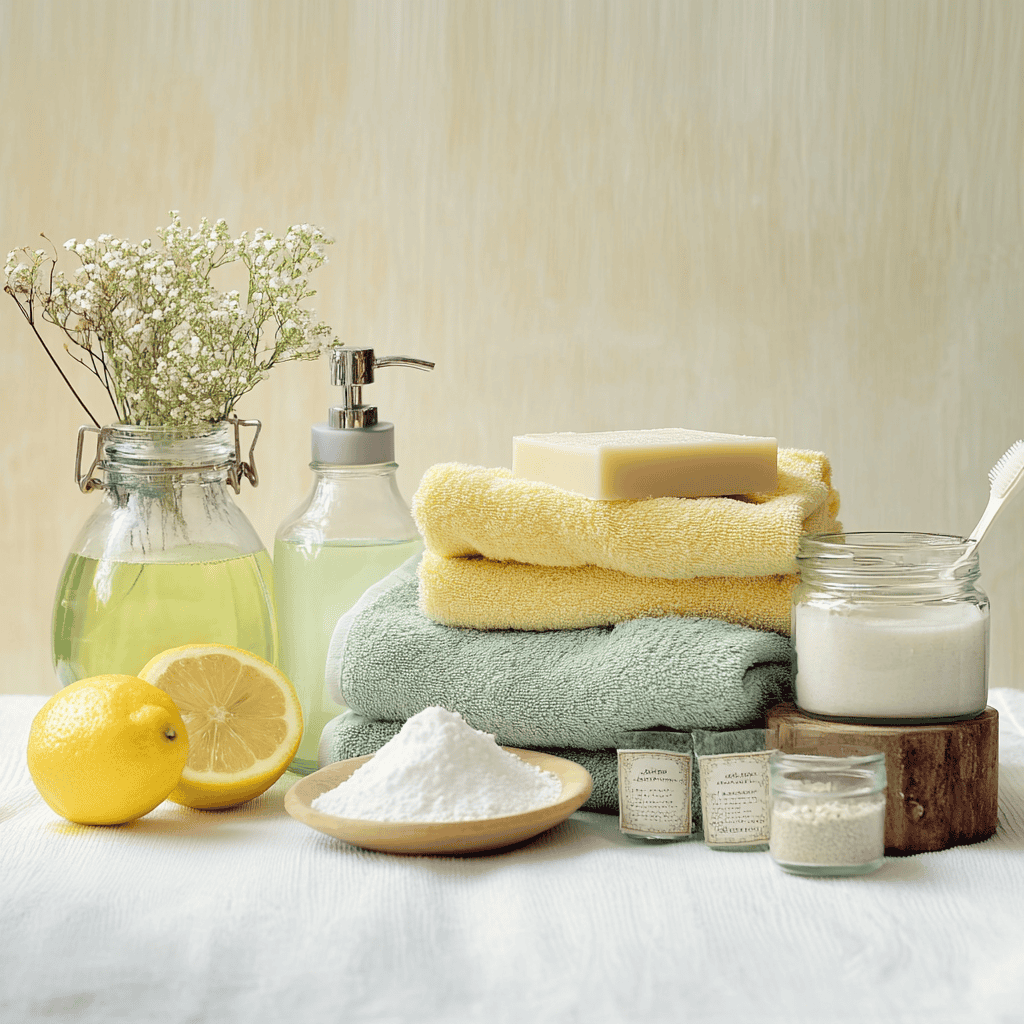
Just so you know, this DIY laundry detergent works well with hard water and is gentle on natural fabrics like cotton and linen. It’s safe for cloth diapers and kind to sensitive skin, too.
It’s a powder blend with no soap or strong chemicals, so you don’t have to worry about leftover residue or irritation.
You can keep it plain and scent-free, or mix in a bit of essential oil if you like a light, natural smell (though it fades a lot after washing).
It works in regular (non-HE) washing machines and gets the job done without being harsh. Just simple, safe ingredients that clean well without messing with your clothes or your skin.
If you’re in a season of preparing for birth and nesting at home, I’ve also put together a practical homebirth supplies checklist that walks through the essentials without overcomplicating things.
Ingredients:
Once I figured out what was working (and what really wasn’t), I started making my own laundry detergent with just a few basic ingredients (that you probably already have in your house):
- Washing Soda (Sodium Carbonate) – 2 cups
- Baking Soda (Sodium Bicarbonate) – 2 cups
- Epsom Salt (Magnesium Sulfate) – 1 cup (use plain, unscented Epsom salt)
- Sea Salt or Kosher Salt (Non-iodized Sodium Chloride) – ½ cup
- Oxygen Bleach (Sodium Percarbonate) – 1 cup (optional, for extra stain & odor removal; e.g. an unscented “OxiClean” type powder)
- Essential Oils – 20–30 drops (optional, for scent; e.g. lavender or lemon – skip for completely unscented)
Makes about 5½ cups of detergent powder. That’s good for around 40 to 80 loads, depending on how much you use (about 1 to 2 tablespoons per load). You can make half or double the recipe. Just keep the same ratio of ingredients.
Instructions:
This is simple, safe, and doesn’t take much time to make. Here’s how I do it:
Step 1: Combine the Dry Ingredients
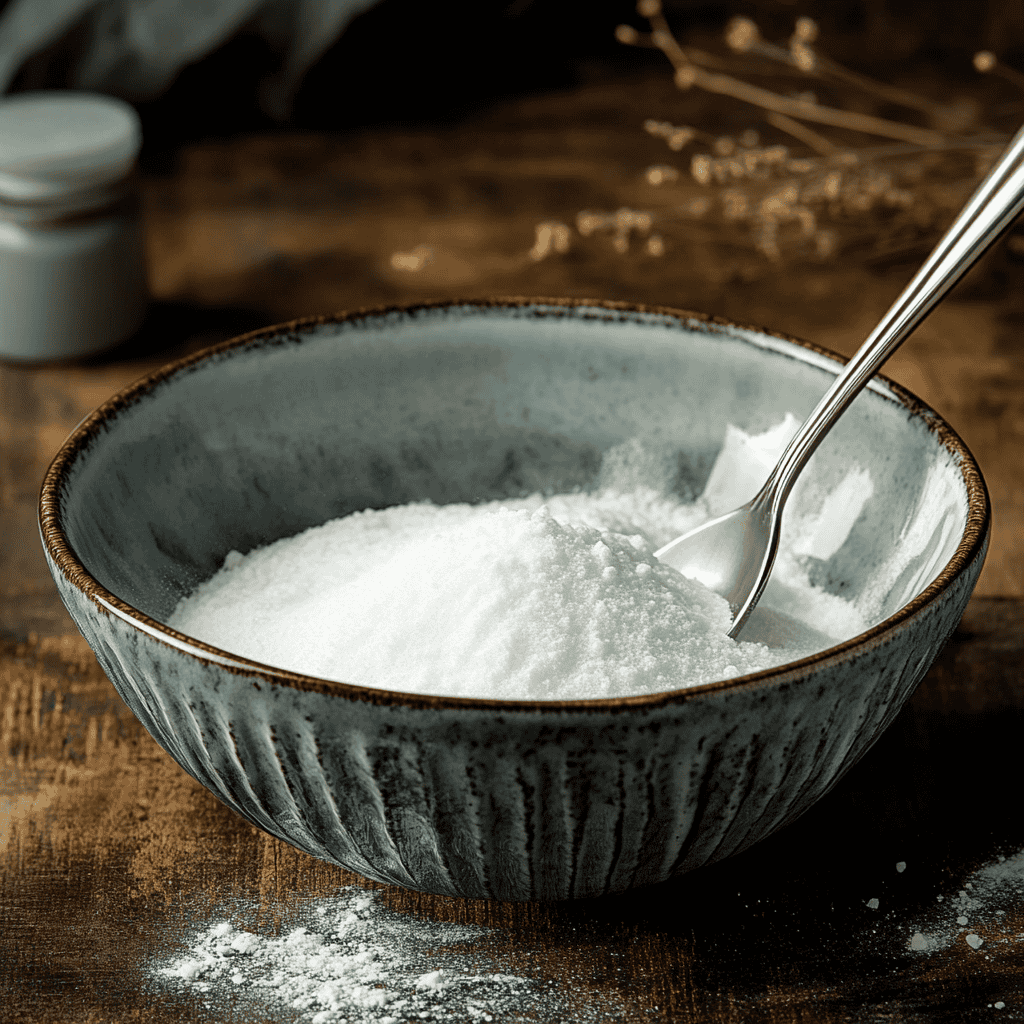
First thing you’ll do is to get yourself a big bowl, something you don’t mind mixing in for a bit. Into that bowl, dump the washing soda, baking soda, Epsom salt, and sea salt.
If you’re going the extra mile and using oxygen bleach, add it in now, too. Stir everything together with a spoon or a whisk until it’s all evenly combined.
You’re aiming for a smooth, uniform mix, so keep at it until you feel good about it.
Pro tip: If you’re handling washing soda, I recommend wearing gloves and a mask. It’s not because it’s very dangerous, but because washing soda can be a bit harsh on your skin and can create dust that’s no fun to breathe in.
Step 2: Add the Essential Oils (Optional)
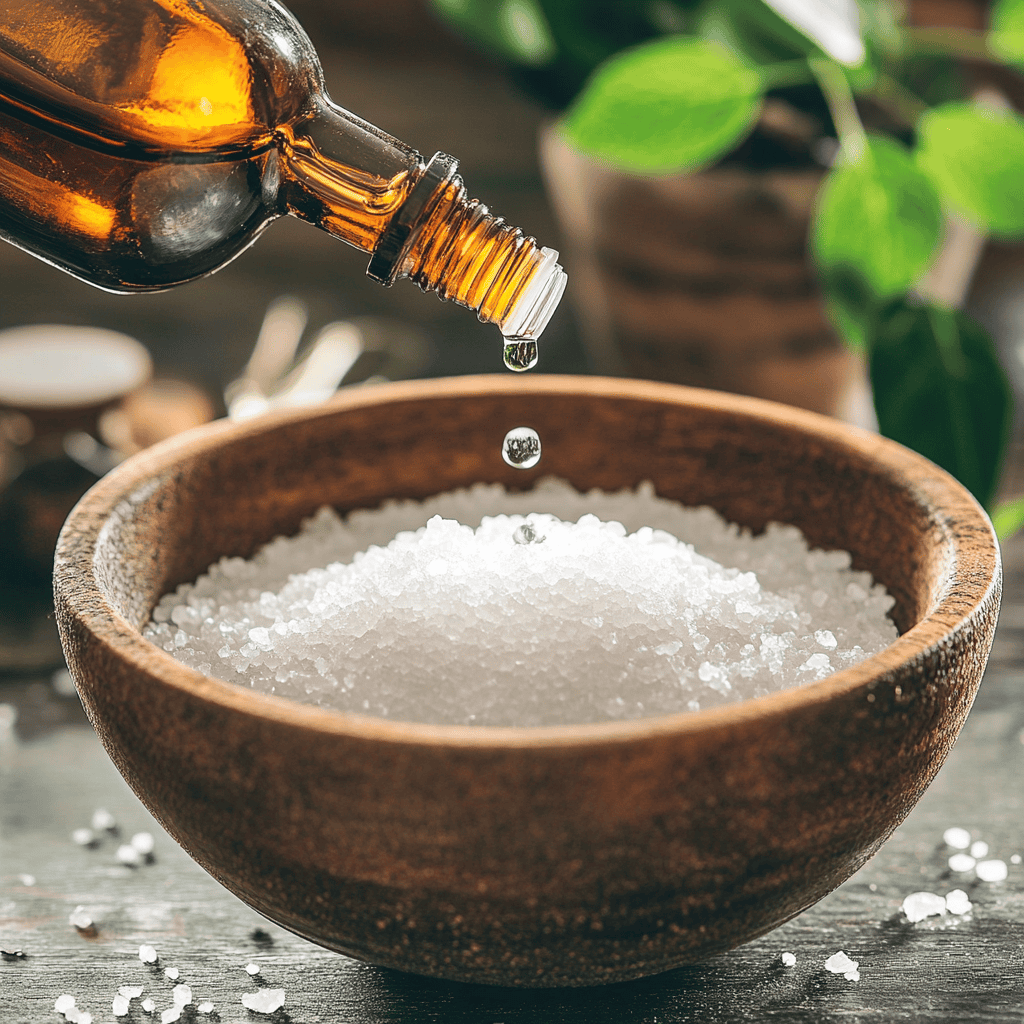
Okay, if you’re someone who loves a fresh, natural scent in your laundry, now’s the time to add your essential oils.
Grab 20–30 drops of your favorite oil. I like to mix the oils directly into the salt first (either Epsom salt or sea salt works well for this because salt absorbs the oils really nicely).
Stir it until it’s totally blended in and there are no clumps left. Then you can mix the scented salt into your dry detergent mixture.
Just a heads-up: the scent from the oils will be faint after washing. It’s more of a gentle, natural aroma rather than a strong fragrance.
If you’re looking for something that’ll last, you could always use wool dryer balls with a few drops of essential oil to keep that fresh scent going through the drying process. It’s worth a try.
Step 3: Blend and Break Up Any Clumps
Now that everything’s together, give it a few solid minutes of mixing. If you see any clumps, just break them up.
You can use a large spoon, or if you’re a little extra like me, you can throw it in the food processor for a minute to really get that fine, even powder.
The goal is to make sure everything is totally uniform because, in the wash, you want to ensure every scoop has the same amount of cleaning power.
And, this will help the powder dissolve easily in the washer, no chunks left behind.
Step 4: Store Your Detergent Safely
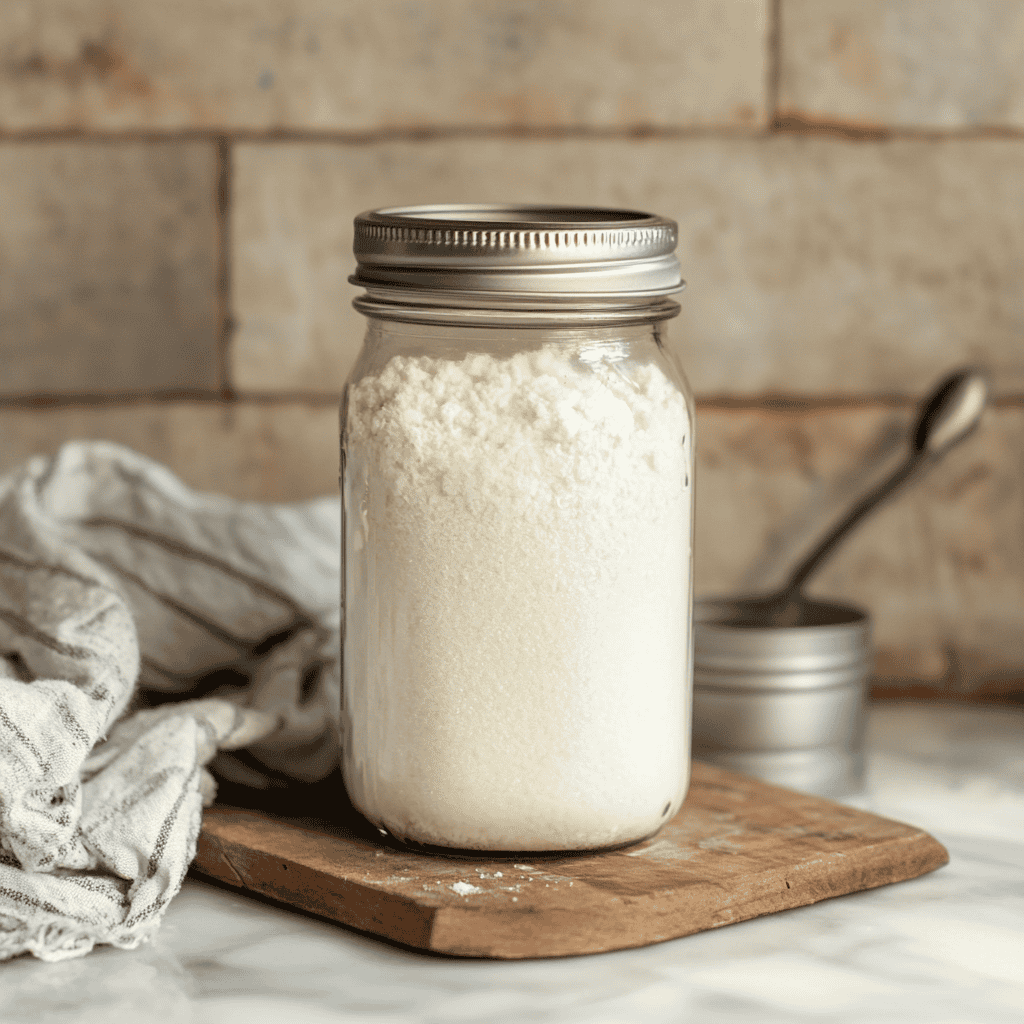
Once it’s all mixed up and looking good, it’s time to store it.
You want to use an airtight container, something with a good lid, like a mason jar or a plastic tub that seals tightly.
This is to keep the moisture out, so your detergent doesn’t clump up over time. And don’t forget to label it clearly (something like “Homemade Laundry Detergent – Nontoxic” is perfect).
This way, you won’t forget what’s inside, and you’ll be all set when you need it.
Even though it’s non-toxic, always keep it out of reach of little hands. It’s just a good safety habit to get into.
Step 5: How to Use It
Alright, now’s the part where you actually use your detergent.
For a regular load of laundry, start with about 1 tablespoon of your homemade detergent. It’s that simple.
If you’re dealing with a large load, or one that’s really dirty (like from toddlers playing outside all day), you can bump it up to 2 tablespoons.
Just sprinkle the powder directly into the washing drum before you add your clothes, especially if you have a top-loader. If your machine has a powder dispenser, feel free to use that, too.
For cloth diapers or heavily soiled clothes, warm or hot water is the way to go.
The higher temperature helps activate the ingredients in your detergent, so it works even harder to get those stains out.
If you’re doing cloth diapers, I recommend doing an extra rinse cycle. This ensures that any leftover detergent gets washed out, so you’re not leaving anything behind.
This detergent is low-sudsing, so it rinses away pretty easily.
(If you’re deep into cloth diapering already, you might also like my guide on how to make cloth diaper inserts for a more budget-friendly, DIY approach.)
Optional: If you’ve got very hard water (like me, dealing with stubborn mineral deposits), here’s a tip: add ½ cup of white vinegar to your rinse cycle.
The vinegar helps break down any mineral buildup left behind from hard water, and it’ll leave your clothes feeling soft and fresh.
Just make sure you’re adding it during the rinse, not the wash cycle, because vinegar can neutralize the detergent’s cleaning power if it’s added too early. Once the rinse is done, your laundry will come out soft, clean, and free of any mineral buildup.
And that’s it. Your laundry will be as clean as a whistle (no harsh chemicals needed), just natural goodness that’s gentle on fabrics, your skin, and the environment.
Why This Recipe Works (The Science Behind It)
So, you might be wondering why this recipe works so well for hard water, right?
Well, I’m here to break it down for you.
Every ingredient in this mix has a purpose, and they all work together to get your clothes clean without the harsh chemicals you’d find in store-bought detergents.
Washing Soda (Sodium Carbonate)
Washing soda is one of those simple ingredients that makes a big difference when dealing with hard water.
What it does is help soften the water by latching onto the calcium and magnesium minerals that make hard water so frustrating.
When those minerals are out of the way, your detergent can finally do its job without getting blocked or gunked up.
It also bumps up the pH of your wash water, which basically means it makes the water more alkaline.
Why does that matter? Well, stains like dirt, grease, and food messes (especially the lovely blueberry ones from toddler hands) are usually acidic. Alkaline water helps break that stuff down, making it easier to wash away.
On top of that, washing soda helps strip out oils and old detergent residue from your clothes.
So if you’ve ever felt like your laundry never really got clean-clean, this is the stuff that can turn that around.
Even though it sounds strong, it rinses out easily and doesn’t leave anything behind.
It’s the same basic compound used in things like baking and pool maintenance, which tells you how safe and versatile it is.
I still wouldn’t handle the dry powder with bare hands too often (it can dry your skin out), but once it’s in the wash, it’s no big deal.
Baking Soda (Sodium Bicarbonate)
Baking soda might already be hanging out in your kitchen, but it definitely earns a spot in the laundry room too, especially if you’re washing cloth diapers or clothes that have… lived a little.
It’s a gentle, natural powder that helps clean and deodorize.
Technically, it’s mildly alkaline (pH around 8), which is just right for freshening up without being too harsh on fabrics.
What I love about it is how it reacts with acidic stuff like the kind of smells you get from toddler clothes, sweaty shirts, or diapers. It neutralizes those odors instead of just covering them up.
It also gives a little extra help with softening hard water (not as much as washing soda, but every bit helps) and works behind the scenes to balance out the wash water so it’s not too intense.
If baking soda is already part of your routine, you might also enjoy these simple non-toxic kitchen swaps that make everyday cleaning a little gentler and a lot more intentional.
Epsom Salt (Magnesium Sulfate)
Now, I know it might sound a little weird to throw Epsom salt into your laundry mix especially if you’ve heard that magnesium is part of what makes water “hard” in the first place. But in this case, it actually helps.
When Epsom salt meets washing soda in your detergent, some neat chemistry happens.
The high alkalinity from the washing soda makes a chunk of that magnesium (from both your hard water and the Epsom salt) turn into magnesium hydroxide.
The sulfate part of Epsom salt grabs onto calcium and forms calcium sulfate, which also rinses out easily instead of clinging to your clothes or gunking up your machine.
All that to say: Epsom salt helps keep minerals from building up where they don’t belong (on your clothes, in your washer, or in your detergent drawer).
Sea Salt (Sodium Chloride)
Sea salt is another great addition because it works as a natural softener.
It helps prevent the minerals in hard water from sticking to your clothes, so you won’t end up with that strange, chalky feeling that can make fabrics stiff.
The best part is that sea salt is completely safe, even for babies. It’s gentle and doesn’t cause irritation, which makes it a great choice for everything from everyday clothes to cloth diapers.
Sea salt contains sodium chloride, which helps bind the minerals in hard water (like calcium and magnesium) and stop them from building up on your clothes or in your washing machine.
This keeps your fabrics feeling soft and clean without the annoying residue that hard water tends to leave behind.
Oxygen Bleach (Sodium Percarbonate)
Oxygen bleach is actually one of my favorite additions to this detergent especially for tackling those stubborn toddler messes.
This ingredient is a mix of washing soda and hydrogen peroxide in powdered form. Once it hits the wash water, it breaks down and releases oxygen.
Those little oxygen bubbles help lift stains, break down gunk, and fight off odors without any of the harsh chemicals you’d find in chlorine bleach.
It’s very effective on organic stains like food, sweat, and yep, even poop. It also gently sanitizes without fading colors or wrecking your fabrics.
That’s a big deal if you’re washing natural fibers like cotton and linen or trying to keep your diaper covers in good shape.
A lot of cloth diaper brands actually recommend using oxygen bleach over chlorine bleach for that exact reason – it gets the job done without breaking things down.
And don’t worry about weird smells or leftover chemicals. Once it’s done working, it breaks down into oxygen, water, and soda ash.
That means nothing toxic goes back into your clothes or your machine (or out into the environment).
I like to include a moderate amount in our recipe. It really helps boost cleaning power, especially in hard water and for things like diapers or sweaty clothes.
But if you’re just doing a regular load of lightly used laundry, you can skip it and still get great results.
Either way, it’s a good tool to have in your laundry stash.
Essential Oils (Optional)
Essential oils are optional, but they’re nice if you want a little extra fragrance in your laundry.
I personally like lavender because it’s calming, but you can use whatever scent you prefer.
Just keep in mind that most of the fragrance won’t stick around after the wash, but it’ll leave a light, fresh scent.
If you’re not into scented laundry, no problem, just skip this step, and your clothes will still come out clean and fresh.
Soap-Free and Borax-Free Formula
One of the things I love about this detergent is that it doesn’t contain soap or borax.
Soap can leave a residue on clothes, which can make them stiff and less absorbent.
That’s not what you want on your clothes, and definitely not what you want on cloth diapers.
A lot of cloth diaper parents report problems with leaking and stink when using soap-based detergents in hard water (and it’s usually because of that invisible buildup).
So in this recipe, I skip the soap entirely.
Borax is another one you see all over natural detergent recipes. It’s technically a naturally occurring mineral and does help with softening water.
But it’s also a known skin irritant, and there are some concerns about its effects with long-term exposure (especially for babies).
The Environmental Working Group gives borax a low rating on safety, and it’s not something I feel great about using in a detergent that’s touching my kids’ skin every day.
We get plenty of cleaning and softening power from the washing soda, baking soda, and sea salt, so borax just isn’t necessary here.
How It’s Been Working for Me

I’ve been using this homemade detergent for a while now, and honestly, it’s been a good fit for our family. I like that it’s made with simple, safe ingredients.
I don’t miss the store-bought stuff at all, and I don’t get that overpowering “fake clean” smell anymore.
Now it just smells… clean. Like, actually clean. No itchiness, no weird residue, just laundry that feels fresh and gets the job done.
The powder doesn’t clump in storage, which I appreciate, and my washer has been staying a whole lot cleaner, too.
I also like knowing exactly what’s going into the wash and that it’s not anything sketchy.
It’s not perfect, like I said, really stubborn stains still need a little soak or scrubbing but overall, this detergent has made laundry feel a little less frustrating.
And that’s good enough for me.
If you’re easing into a more intentional home routine, my non-toxic living guide for homemakers walks through simple, realistic swaps that actually make a difference without turning life upside down.
The Bottom Line
At the end of the day, this detergent just works for us. It’s made with simple ingredients that actually clean, even in hard water.
If you want a safer, no-nonsense option for your family’s laundry, give this mix a try. No strong smells, no weird chemicals, and no buildup on clothes.
You don’t have to worry about strong scents, weird chemicals, or buildup on our clothes.
And for me, knowing exactly what’s in it (and that it’s gentle enough for my toddlers’ clothes and diapers) makes it worth sticking with.
Happy natural laundering!
Frequently Asked Questions
Have questions? You’re not alone. Here are some common ones about this homemade laundry detergent and how it works in real life.
1. Does this detergent work in hard water?
Yes! This recipe is made with hard water in mind. It helps prevent mineral buildup and still gets clothes clean.
2. Is it safe for cloth diapers and baby clothes?
Absolutely. It’s free from fragrances, brighteners, and harsh chemicals, so it’s safe for delicate skin and diaper fabrics.
3. Can I use this in an HE (high-efficiency) washing machine?
Yes. It’s low-sudsing and works well in HE machines (just use about 1 to 2 tablespoons per load).
4. Will it remove tough stains like blood or blueberry?
It does a great job, but for really stubborn stains, I recommend a pre-treat spray or soak before washing.
5. How long does a batch last?
That depends on your laundry volume, but one batch usually lasts my family 2 to 3 months – and that includes toddler messes!