Early childhood sets the foundation for how children explore, learn, and understand the world around them.
The environment, rhythm, and teaching style all play a meaningful role during these early years.
Montessori and Waldorf stand out as two respected methods.
Both philosophies offer child-centered learning and aim to develop the “whole child,” but they differ greatly in how they achieve that goal.
In this article, we’ll explore Montessori vs. Waldorf to help you understand their core principles, key differences, and how to decide which teaching method truly fits your child.
What Is the Montessori Method of Education?
Montessori education is child-led and independent. In a Montessori classroom, you’ll find children of mixed ages (often a 3-year age span) working at their own pace with a variety of specialized learning materials.
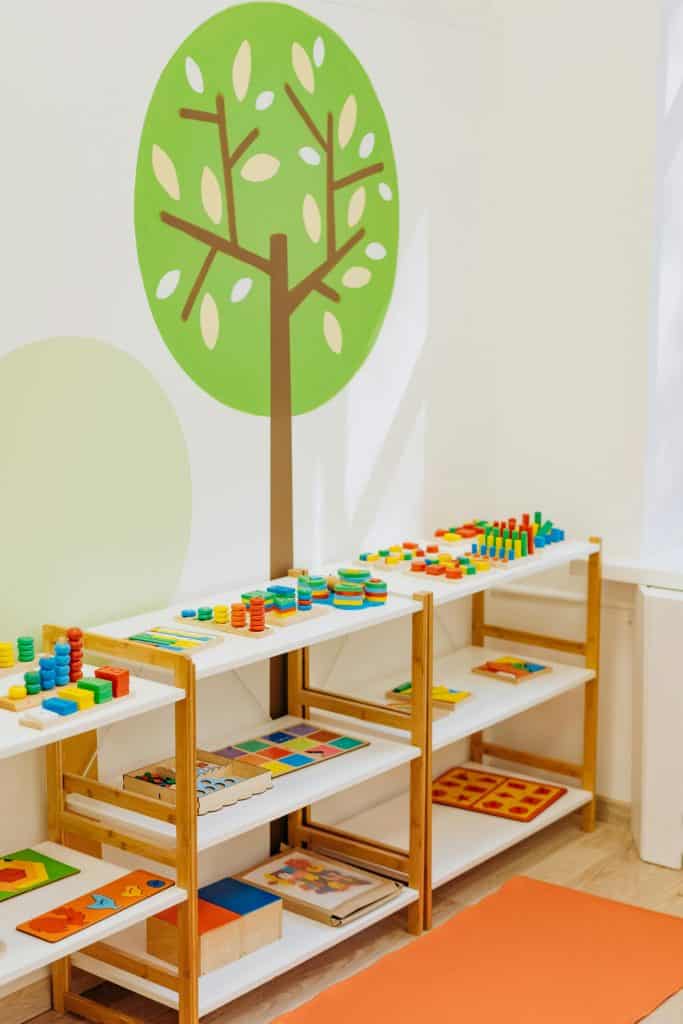
The environment is carefully prepared to encourage autonomy – everything is child-sized and within reach, and each material has a specific purpose.
According to the American Montessori Society, authentic Montessori programs include multi-age groupings, long, uninterrupted work periods for deep focus, guided choice of activities, and a full range of specialized Montessori materials arranged in an orderly way.
The classroom is usually calm and organized, allowing kids to choose their work and develop concentration and self-discipline.
Montessori teachers act as guides rather than traditional instructors. They observe each child’s interests and readiness for new challenges, giving one-on-one or small-group lessons when the child is ready.
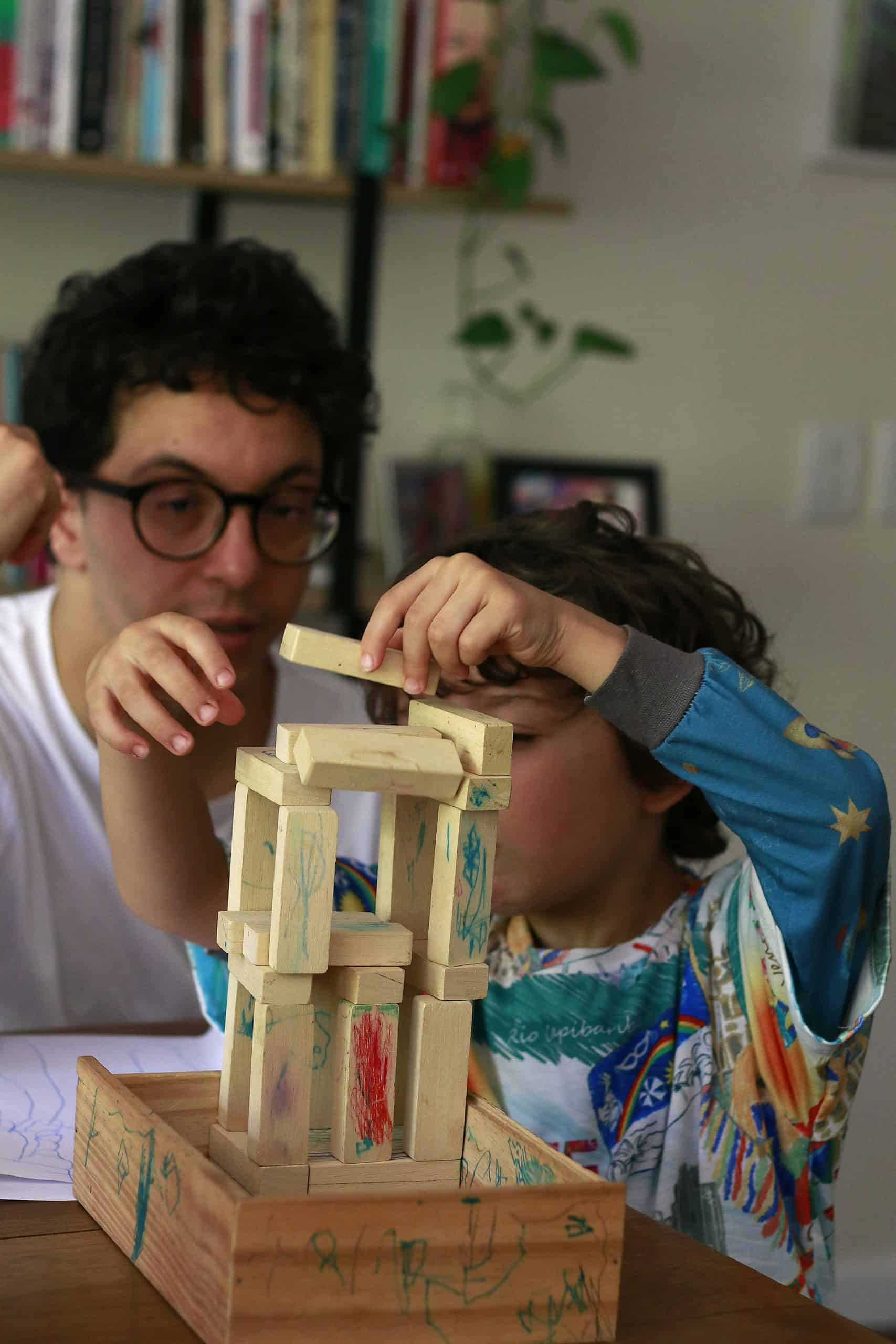
Hands-on learning is a hallmark of this approach – from pouring water to using sandpaper letters to trace the alphabet, children learn through doing.
Academic concepts like math and language are introduced with concrete objects (for example, counting beads for math or movable alphabet letters for spelling).
Overall, Montessori education fosters independence, concentration, and a love of learning by respecting each child’s individual pace and need for exploration.
For parents looking for gift ideas, check out our best Montessori Christmas gifts for babies and toddlers.
What Is the Waldorf Method of Education?

Waldorf education is all about imagination, creativity, and routine. In a Waldorf preschool or kindergarten, the day follows a gentle daily rhythm with a predictable flow of activities.
Classrooms feel warm and home-like – you’ll notice natural materials everywhere (wooden toys, silk scarves, beeswax crayons) and walls often painted in soft, soothing colors. Instead of plastic toys or tech gadgets, Waldorf relies on simple, open-ended objects like pinecones, shells, cloth dolls and play silks to spark imaginative play.
Fantasy and fairy tales are embraced: teachers tell rich stories (often about nature or magic) and might lead the class in acting out a fairy tale. Formal academics (like reading or math) are delayed until the elementary years (around age 7).
In the early years, the focus is on learning through play, art, music, and nature rather than direct instruction of academic skillsmarinwaldorf.org.
Waldorf teachers are often described as nurturing guides for the whole group. In preschool, the teacher leads the class through songs, stories, and artistic activities that all children participate in together.
There is a strong emphasis on routine and rhythm – doing things in the same order each day, which gives young kids a sense of security and predictability. Waldorf educators also prioritize social and emotional development; cooperation, kindness, and practical tasks (like baking bread or gardening) are woven into the daily routine.
One principle of Waldorf early childhood philosophy is creating “an atmosphere of loving warmth and guidance that promotes joy, wonder, and reverence,” with the teacher’s example as the model for children’s learning through imitation.
In other words, the Waldorf teacher strives to embody qualities (like patience, creativity, and respect for others and nature) that children will imitate.
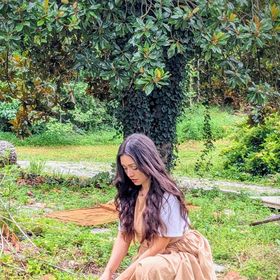
Waldorf also places great emphasis on connecting with nature and the arts. Children spend a lot of time outdoors every day (rain or shine) and do hands-on activities like painting with watercolors, singing songs, and crafting with natural materials.
These experiences help develop their imagination, fine motor skills, and appreciation for the world around them.
By the time formal academics begin in a Waldorf first grade, children have a solid foundation of language from storytelling, pre-math skills from rhythmic games and practical tasks, and plenty of creativity and social readiness built through play.
If you’re interested in another child-centered approach in nature, check out our simple guide to forest school for beginners and some wonder-filled forest school activities for winter.
Key Differences Between Montessori and Waldorf
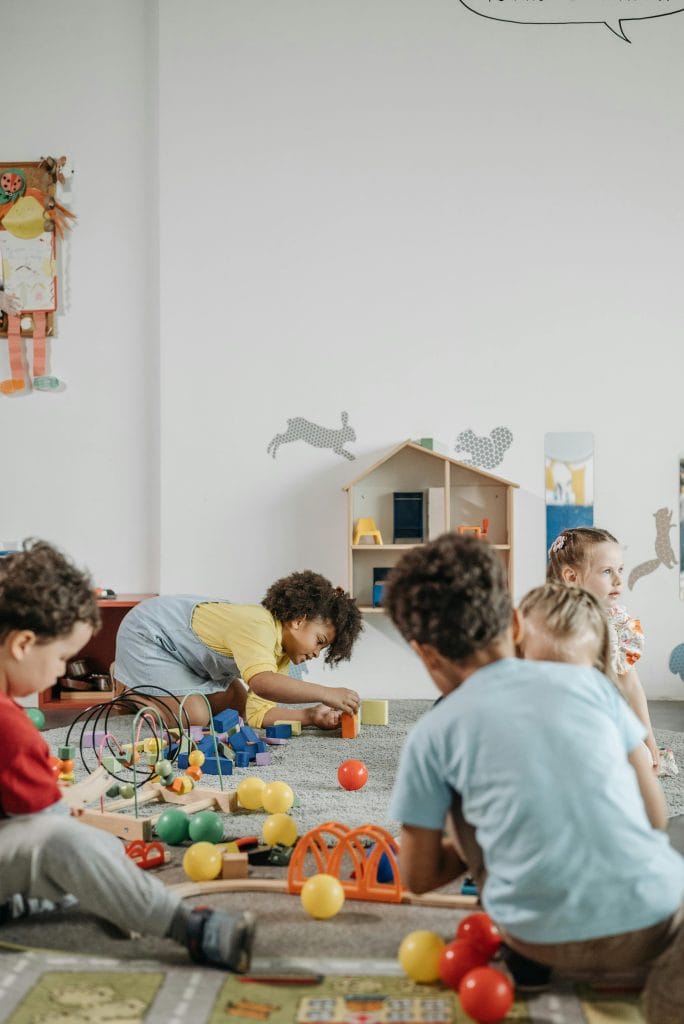
Montessori and Waldorf share a commitment to nurturing children holistically and eschew rote memorization or early push of screens (both generally discourage screen time for young kids).
However, their differences in philosophy and daily practice are quite pronounced – similar to the real difference between outdoor learning and Forest School, where the overall goals are alike but the approach and daily experience differ.
Here are some key differences to consider:
Philosophy & Approach
Montessori is reality-based and child-directed – children choose their own activities and learn through hands-on work.
Waldorf is imagination-based and child-centered – the day is guided by the teacher with lots of storytelling, imaginative play, and a consistent group rhythm.
Academics
Montessori introduces academic concepts (like reading, writing, math) early in a concrete way. Even preschoolers may start learning letters and numbers with Montessori materials.
Waldorf, by contrast, delays formal academics until around age 7 (first grade), instead focusing on play, art, and oral storytelling in the early years.
Classroom Environment
A Montessori classroom is an organized “prepared environment” with child-sized furniture and specialized materials displayed for independent use. Everything is orderly and geared toward purposeful work.
A Waldorf classroom is designed to be warm and home-like, filled with natural materials, art, and play objects to inspire creativity. It often feels cozy and magical rather than academic.
Teacher’s Role
Montessori teachers act as calm guides, giving individualized lessons and then observing as children work independently. They intervene minimally, aiming to foster self-sufficiency and problem-solving.
Waldorf teachers take on a more central role, leading the class in group songs, stories, and activities. They often remain with the same group of children for several years, providing stability and a “homelike” authority figure who shepherds the class through its daily rhythms and seasonal celebrations.
How to Choose the Right Approach for Your Child

- Know Your Child and Your Priorities: Think about your child’s personality and what you value most in their early education. Do they love imaginative play and artistic activities, or do they seem more drawn to real-world tasks and routines?
Also consider whether you prefer a play-driven early childhood or you’re looking for more academic engagement early on.
- Visit Schools (and Mind Practical Factors): If possible, tour a Montessori and a Waldorf classroom. Seeing each approach in action – and asking teachers questions – can clarify which environment feels better for your child.
Be sure to factor in practical details in your decision, like the school’s location, schedule, and cost, to ensure it fits your family’s daily life.
(Remember: whichever approach you choose, a supportive home environment can complement it. Many parents incorporate Montessori principles at home (like child-sized tools and letting kids help with real tasks) while also enjoying Waldorf-inspired activities (like nature walks and bedtime storytelling). You don’t have to follow one method 100% to benefit from its ideas.)
Finding the Best Fit for Your Child
Both Montessori and Waldorf education offer rich, child-centered experiences that have benefited children around the world for decades.
As we’ve seen, they differ in day-to-day approach, environment, and philosophy, but they share a common goal: to respect each child as an individual and to nurture a lifelong love of learning.
Ultimately, the question of which method fits your child best can be answered by observing your child and the schools in action. You might find that your little one clearly gravitates to one style over the other – or that you feel more comfortable with one philosophy.
This decision is important, but it isn’t irreversible. Many families blend elements of both approaches, or start with one and switch to the other as they learn more about their child’s needs.
The best choice is the one where you feel your child will be happy and thrive. By doing your research, visiting schools, and trusting your instincts, you’re well on your way to making the right decision for your family.
What are your thoughts or experiences with Montessori or Waldorf? Have you tried either (or both) with your child? Feel free to share your questions or stories in the comments below – I’d love to hear from you!
FAQs
Can you combine elements of Montessori and Waldorf at home?
Yes. Many families blend the two approaches at home. You might set up a low Montessori-style shelf with activities your child can choose (fostering independence) while also embracing Waldorf elements like bedtime fairy tales, nature play, and arts and crafts.
The key is to follow your child’s interests and create a home environment that takes the best of both worlds for your family.
What age is best to start Montessori or Waldorf education?
Montessori usually begins around 2½ to 3 years old for preschool. Waldorf education usually starts around age 3 or 4 in preschool (with kindergarten continuing up to age 6). In practice, age 3 is a common time to start either method.
Montessori educators often recommend starting by 3 to fully benefit from the 3-year class cycle, whereas beginning Waldorf at 4 or 5 is typically fine since formal academics come later.
Are Montessori and Waldorf schools suitable for children with special needs?
It depends on the child and the specific school. Montessori can work well for many special needs children because of its individualized pace and structured environment. However, some kids who need more step-by-step guidance or fewer choices might find Montessori challenging without extra support.
Waldorf offers a gentle, predictable routine and rich sensory experiences, which can benefit some children. But Waldorf’s group-focused activities and delayed academics might not suit a child who needs early intervention in certain skills.
The best approach is to talk with the school about your child’s needs and see if they have experience and support for different learners. Often, it comes down to how flexibly the school can accommodate your child, rather than the philosophy alone.
Will my child transition well from Montessori or Waldorf to a traditional school later?
Generally, children can transition from either Montessori or Waldorf into a traditional school with little trouble.
A Montessori child may need to get used to a more teacher-led classroom structure (since Montessori is very self-directed), but Montessori students usually have strong independence and academic skills that help them adapt.
A Waldorf child might need to catch up on certain academics (like reading) if they transfer to a traditional school in the early grades, but they often bring creativity, enthusiasm for learning, and good social skills, which teachers appreciate.
Communicating with your child’s new teacher and perhaps doing a little preparation at home can help, but in most cases kids are quite resilient and do just fine moving from one approach to another.
Is Montessori or Waldorf more expensive or harder to find?
Montessori programs are generally more common and easier to find than Waldorf schools. Both are usually private schools (though some public school districts offer Montessori programs, and a few have Waldorf-inspired programs), so tuition can be a factor – but costs vary widely by region and school.
If cost or distance is a concern, consider inquiring about financial aid or scholarships at schools, or explore Montessori/Waldorf-inspired homeschool groups in your area.
Availability often depends on where you live: in many cities you might have multiple Montessori preschools to choose from, whereas there could be only one Waldorf school (or none nearby). Ultimately, with a bit of research you can find the option that works best for your family’s situation.