Imagine a place where children’s curiosity leads the way, where sticks, leaves, and mud become the tools of learning, and where the classroom has no walls – just sky, trees, and fresh air.
That’s the essence of Forest School, a nature-based approach to education that immerses kids in outdoor exploration and play.
Whether you’re a parent, homeschooler, or early-childhood educator, this guide will introduce you to the core principles of Forest School, show you how to get started, and highlight the many benefits of learning in nature.
From developing confidence and creativity to building social skills and a lifelong connection with the environment, Forest School is about helping children grow with curiosity, resilience, and joy.
Let’s step outside and discover how nature can become the ultimate classroom.
What Is Forest School?
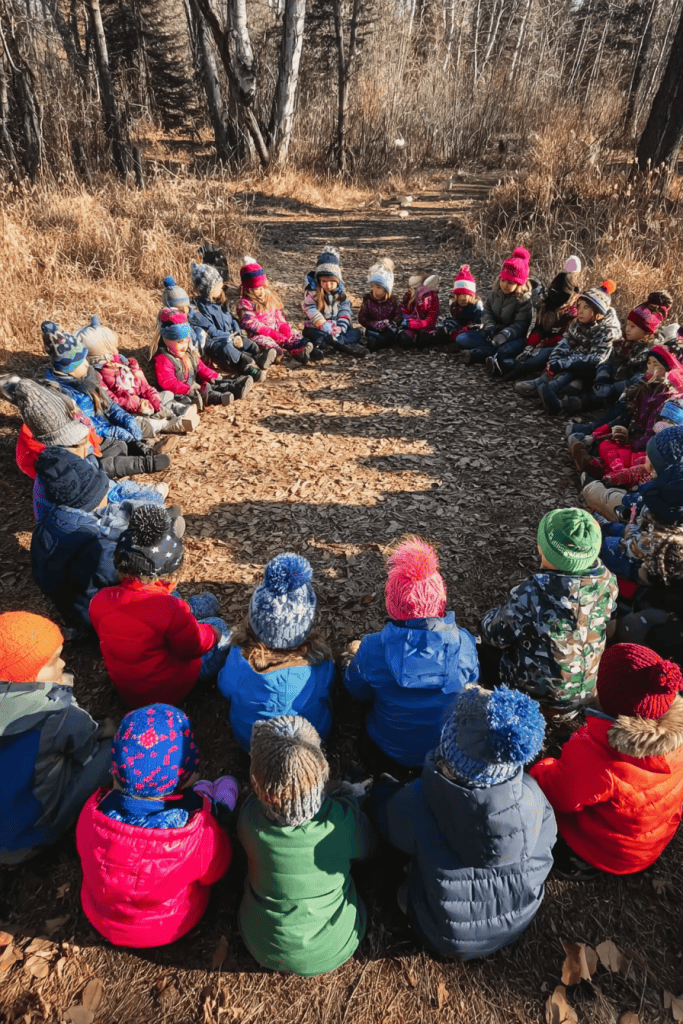
Forest School is a child-centered, outdoor education philosophy where kids learn through play and exploration in a natural setting. Instead of traditional indoor classrooms, Forest School sessions take place in woodlands, parks, or any natural environment.
Key features include:
- Regular Outdoor Sessions: Forest School is not a one-time field trip; it involves regular, repeated visits to the same natural space over an extended period. This could be once a week throughout the year or even daily, allowing children to develop a relationship with the site through seasons and weather changes.
- Learner-Led Exploration: Activities are guided by children’s interests. Educators act as facilitators or mentors rather than direct instructors. For example, if kids discover a frog or interesting leaves, the day’s learning might revolve around that discovery.
- Holistic Development: The goal is to nurture the whole child – not just academic knowledge, but also social, emotional, physical, and even spiritual development. Hands-on experiences like building shelters, climbing logs, or observing insects help kids gain confidence and resilience in a natural way.
- Supported Risk-Taking: Climbing trees, using child-safe tools (like whittling sticks with a peeler), or splashing in a creek are common Forest School activities. Children are taught to assess and navigate risks with guidance from adults, which builds self-belief and resilience. The motto often heard in Forest School circles is “no bad weather, only bad clothing,” emphasizing preparation and safe challenge rather than avoidance of nature’s risks.
Origins
The Forest School concept has roots in Scandinavia’s culture of friluftsliv (free open-air life) and “forest kindergartens.” The approach began informally in the early 20th century; in fact, one of the first “school forests” was established in Laona, Wisconsin in 1927 as an outdoor learning site.
The modern Forest School movement took off in the 1950s in Sweden and Denmark, then spread to the UK in the 1990s. In 1993, educators in the UK formally introduced Forest School after visiting Danish forest kindergartens.
The idea has since gained popularity worldwide, including a recent revival in the United States, especially as parents and schools seek more outdoor learning opportunities in the digital age.
Forest School in the US
In the United States, the Forest School philosophy is often implemented as nature preschools or forest kindergartens.
One pioneering example was Cedarsong Nature School in Washington (opened 2008), which was among the first all-outdoor preschools in the U.S.
Since then, the movement has grown quickly. By 2017 there were approximately 250 nature-based preschools and forest kindergarten programs across the country, and as of 2020 over 500 such programs were in operation.
These range from private preschools entirely held outdoors, to homeschool co-ops and “Forest School days” at public schools. While the term Forest School is still less familiar in the U.S. compared to Europe, the underlying practice of outdoor, child-led learning is gaining traction in early education circles.
Benefits of Nature-Based Learning
Why take learning outside?
Research and experience show that Forest School and nature-based education offer numerous benefits for children’s growth and well-being:
- Physical Health & Motor Skills: Regular outdoor play improves children’s fitness, balance, and coordination. Climbing, running on uneven ground, and handling natural objects develop gross and fine motor skills. (If you want, here’s a list of parent-approved fine motor activities you can try.)
Studies have found that children in outdoor programs tend to be more physically active and even report feeling more energetic and less stressed after a day in nature compared to a day indoors.
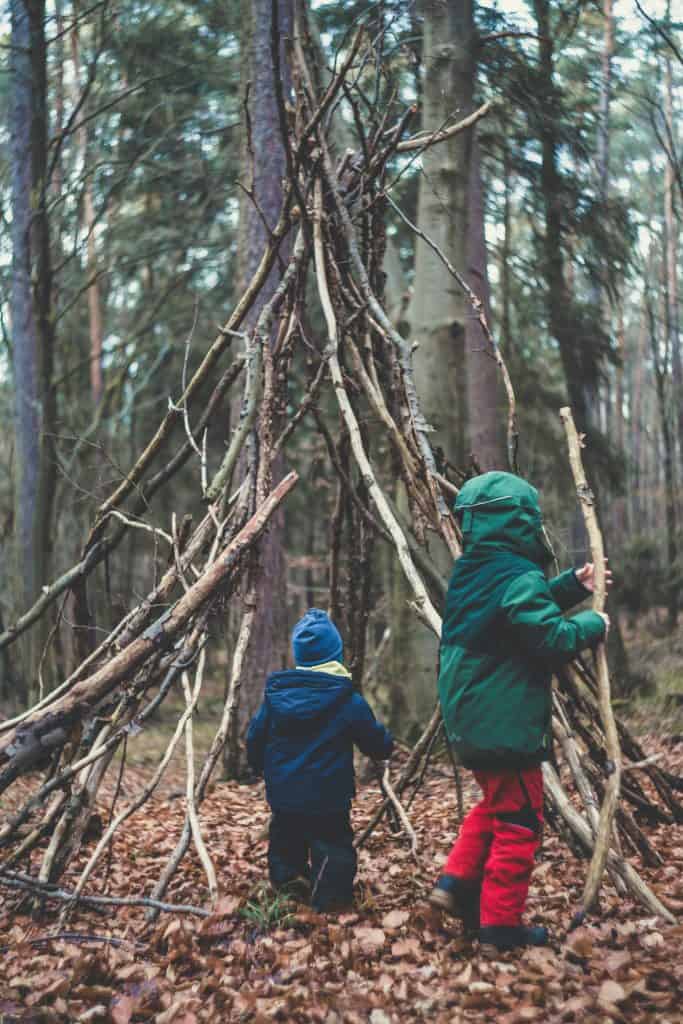
- Social & Emotional Development: Forest School settings encourage teamwork and communication. Children learn to collaborate on building shelters or navigating trails together.
Research in the UK found that participating in Forest School helped develop collaborative learning skills and supported children’s social development and emotional well-being through regular outdoor sessions with skilled facilitators. Parents and teachers often observe gains in confidence, self-esteem, and independence as kids overcome challenges like lighting a campfire or using tools safely.
- Creativity and Imagination: With no plastic toys or structured classroom materials, children in Forest School turn sticks into magic wands and mud into pies. Nature supplies open-ended materials that spark imaginative play.
This kind of play-based learning fosters creativity and problem-solving skills. Every rock, puddle, or insect becomes an opportunity for curiosity and discovery.
- Cognitive and Language Skills: Nature is a rich multi-sensory environment, which can enhance observational skills and inquiry-based learning. For young children, talking about what they see (birds, weather, plants) expands vocabulary and communication.
Some studies have noted improvements in language development for children in nature-based programs. Older children can also engage in science and math informally (counting tree rings, observing life cycles, measuring sticks, etc.) in ways that feel concrete and meaningful.
- Connection to Nature: Perhaps one of the most unique benefits is that children form a lifelong relationship with the natural world. Regular interaction with nature has been linked to greater respect and care for the environment.
Forest School kids often become the next generation of environmental stewards, learning firsthand about ecosystems, seasons, and how to care for living things. This nature connection also has calming effects – green spaces have a restorative quality that can reduce stress and improve mood for children (and adults too!).
In short, Forest School helps children become healthy, resilient, creative, and independent learners. It’s not just about head knowledge; it’s about heart, hands, and whole-body learning.
As the Forest School Association in the UK puts it, “Forest School is a feeling you can’t put into words” – the joy and confidence kids gain are hard to quantify but easy to spot when you see them exploring outside.
Core Principles of Forest School (and How They Work)
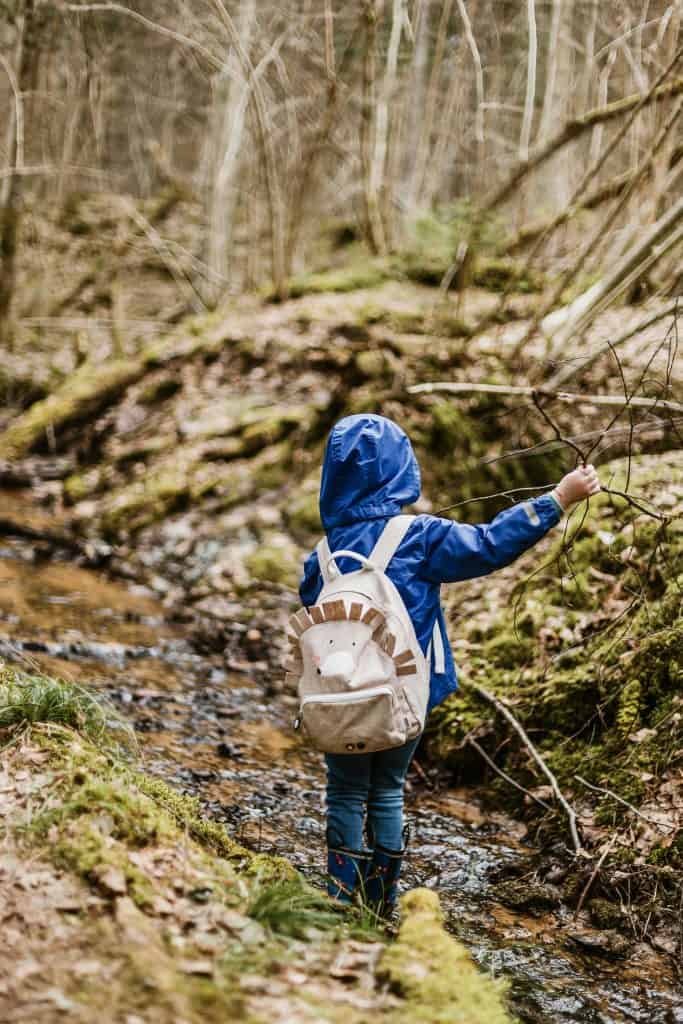
Forest School programs around the world share some core principles that make this approach unique.
Here are the key pillars of Forest School and what they mean in practice:
1. Long-Term Process
Forest School is not a one-off outdoor day, but a continuous program. Children attend ongoing sessions (over months or years), allowing them to revisit the same place and deepen their engagement.
This consistency builds a routine: for example, a group might visit a local forest every Wednesday throughout the school year. Over time, kids develop a sense of ownership and familiarity with “their” woods or park.
2. Natural Environment
Sessions occur in a natural wooded environment (or as close to one as available) to cultivate a bond between learners and nature. While a forest is ideal, urban programs may use a park, garden, or even a beach or farm – any space with natural elements.
The key is spending unstructured time in nature, not just learning about nature in a classroom.
3. Learner-Centered and Play-Based
Forest School leaders observe children’s interests and facilitate opportunities accordingly. If children show interest in bugs under a log, the leader might help them gently collect and observe insects, possibly sparking a lesson on habitats.
There’s a lot of free play, balanced with occasional guided activities (like storytelling, songs, or nature crafts) that align with the children’s curiosity. This approach trusts kids to be natural explorers and active participants in their learning.
4. Holistic Development
Activities at Forest School are designed to foster the whole child – their resilience, confidence, independence, and creativity. For example, learning to use a whittling knife under supervision not only teaches a practical skill but also builds confidence and patience.
Group games or sharing a task (like gathering sticks for a campfire) encourage social and emotional growth. Even quiet moments of reflection in nature can support a child’s emotional and spiritual well-being.
5. Supported Risk and Safety
Managing risk is an integral part of Forest School. Rather than avoiding all risks, practitioners provide supported risk-taking opportunities. This means children might climb a low tree, but an adult is nearby to guide proper footing and ensure the height is safe.
Before using tools or eating wild berries, there are clear safety routines and rules. Kids learn about boundaries – e.g., how far they can roam – and what to do if they encounter hazards (like a wasp nest).
This approach helps children develop good judgment and confidence in their own abilities, all within a safe framework.
In fact, research has shown that children in outdoor programs do not suffer more injuries than those in traditional settings; close supervision and setting clear rules go a long way in ensuring safety.
6. Trained Facilitators
Quality Forest Schools are usually led by qualified practitioners who understand both outdoor safety and child development. In the UK, educators often undergo specific Forest School training (such as a Level 3 Forest School Leader certification).
In the U.S., formal certification is less standardized, but many teachers seek professional development through organizations like the Eastern Region Association of Forest & Nature Schools (ERAFANS) or Forest School teacher trainings.
The trained leader’s role is to observe, guide, and step back when appropriate, allowing children to take ownership of their learning.
…
By weaving these principles together, Forest School creates a unique learning environment. A typical session might start with a welcome circle and song, a reminder of safety rules (like “stay within the big oak tree and the creek”), and then kids disperse to play.
One group might start digging in the mud, another climbs a fallen log, others collect colourful leaves. The leader moves around to support, perhaps helping tie a rope swing for those interested or asking open-ended questions (“What do you notice about this rock?”).
Later, they might gather again to share discoveries or have a snack. Every day is different because nature is always changing – that unpredictability is part of the magic and learning!
How to Get Started with Forest School
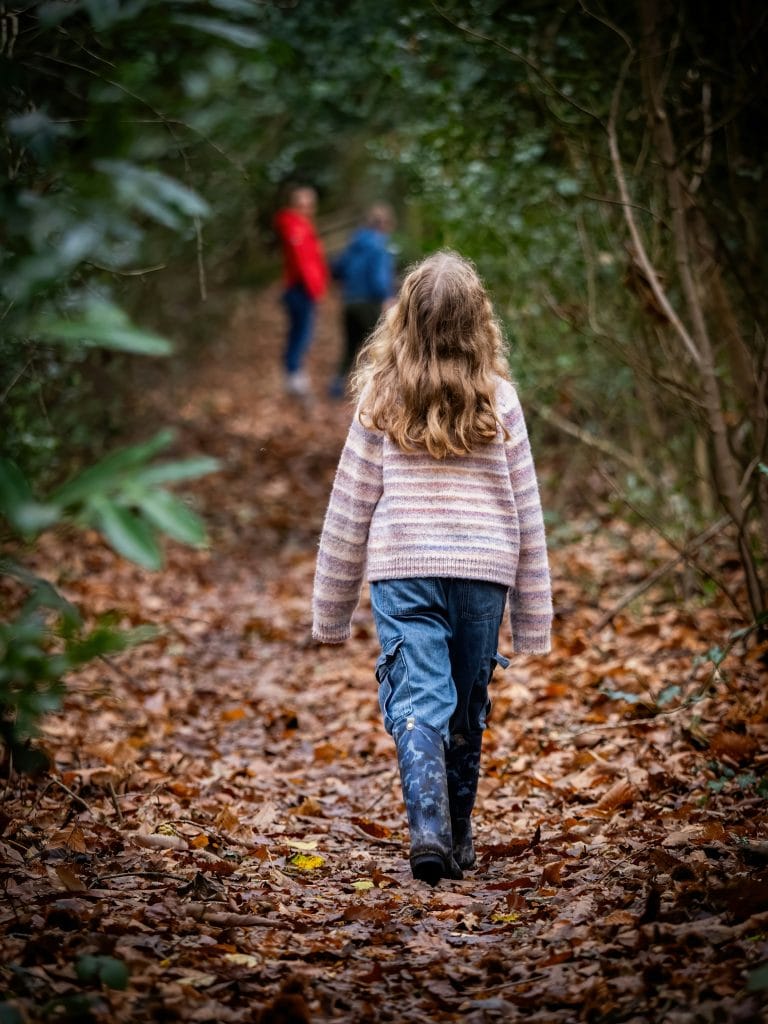
If you’re new to Forest School or want to incorporate nature-based learning into your home or classroom, here are some practical steps and tips to begin:
1. Start Small & Local
Start with what you have. It could be your backyard, a nearby park, a quiet corner of a nature trail, or even an overgrown vacant lot (with permission). The key is to choose a safe area where kids can freely explore.
Get to know this spot well, since you’ll ideally return regularly. If you’re an educator, look for natural areas on or near your school grounds.
Homeschoolers and parents can scout local parks or nature centers – many are happy to host regular nature play meetups.
2. Think “Play” not “Lesson”
Especially for young children, plan your outdoor sessions with a focus on free play and exploration. You don’t need a rigid lesson plan. In fact, a common saying is “the forest is the curriculum.”
Observe what draws your child’s attention – is it digging in dirt, climbing rocks, looking at bugs? Follow their lead and show interest in what they discover.
You can certainly have a few ideas in your back pocket (like a simple scavenger hunt, building a fairy house, or story time under a tree), but be ready to ditch the plan if the kids find their own inspiration.
Emergent learning is the goal – learning that emerges naturally from the child’s interactions with nature.
3. Gather Basic Gear
Equip yourself and the kids with weather-appropriate clothing. Layers are important since children will be outside in various conditions – rain jackets and boots for wet days, warm coats, hats and mittens for winter, sun hats for summer.
Remember the Scandinavian mantra: “There’s no bad weather, only bad clothing.”
Other useful gear and considerations:
- A simple first-aid kit (for minor scrapes).
- Water and snacks (outdoor play builds appetite!).
- If in a remote area, a cell phone or radio for emergencies.
- Wet wipes or a towel for muddy hands, plus a bag to carry dirty gear home.
- Optional tools: You might bring rope for building swings or dens, magnifying glasses for bug observation, or buckets for collecting treasures. Keep tools simple and introduce their use slowly and safely (for example, demonstrate how to safely dig with a small trowel or how to whittle bark with a vegetable peeler with close supervision).
You can also try these unforgettable outdoor winter nature play to make your sessions extra memorable.
4. Safety & Boundaries
Before free play starts, establish some ground rules with children:
- Define the boundaries of the exploration area (use visible landmarks like “stay between this big tree and that rock” or use colored flags/ribbons on trees to mark limits).
- Explain any off-limits areas (e.g., a steep drop or a patch of poison ivy).
- Teach a signal to gather everyone (a whistle, a specific call or song) in case you need to regroup quickly.
- Make sure children know to stay where they can see an adult, and vice versa. For younger kids, sticking with a buddy or caregiver is wise.
- Encourage respect for living things: for instance, observe insects gently and return them where you found them, don’t pick all the flowers, etc. This instills an ethic of care while still having fun.
For educators, conducting a risk assessment of your site is a good practice. Check for hazards (sharp objects, poisonous plants, unstable logs) beforehand. It might sound like a lot, but with routine it becomes second nature to balance adventure and safety.
5. Embrace Dirt and Mess
Forest School can be messy – and that’s okay! Children might come home with muddy clothes, grass stains, or sand in their shoes.
Dress them (and yourself) in clothes that can get dirty. Embracing the mess frees kids to fully engage with their environment, whether that’s making mud pies, splashing in puddles, or painting with berry juice.
Keep a towel or trash bag in your car for muddy boots after the session, and a change of clothes if needed. Parents often find that the laundry is worth the joy and learning that happen outdoors.
If you need hands-on ideas for kids who love to move and explore, check out our best sensory activities for kids with ADHD.
6. Be Consistent
Try to make nature play a regular part of your routine. It could be a weekly “forest day” or a daily outside playtime. Consistency helps children (and adults) adjust to all weather and seasons.
Over time, you’ll notice children becoming more comfortable outdoors – they learn how to stay warm, which spots are fun in the rain (perhaps there’s a puddle that forms a tiny pond), and they eagerly anticipate returning to see if anything has changed (Did the tadpoles grow? Has our fort survived?).
That familiarity is what transforms a simple park visit into a true “forest school” experience.
7. Join a Community or Network
In many areas, there are Forest School meetups or nature playgroups you can join. For example, Free Forest School is a nonprofit that hosts free caregiver-child nature play gatherings in cities across the U.S.
These groups provide a ready-made community of like-minded parents and a safe setting for kids to explore together. Similarly, homeschool co-ops might run nature days, and some parks or nature centers offer “family nature club” programs.
If you’re an educator, connect with others interested in outdoor learning – the Natural Start Alliance (a project of NAAEE) is a great resource for finding nature-based education networks and conferences in North America.
8. Learn from the Pros (Training and Resources)
If you’re really keen on deepening your Forest School practice, plenty of resources are available:
- Read books like “Nature Preschools and Forest Kindergartens: The Handbook for Outdoor Learning” (DAP by David Sobel) which is full of ideas and research.
- Explore online guides and courses. The Natural Start Alliance offers a free Nature-Based Preschool Professional Practice Guidebook, uniting best practices from outdoor schools and preschools. Organizations like the Eastern Region Association of Forest & Nature Schools (ERAFANS) offer workshops and webinars on starting programs.
- In the UK, the Forest School Association (FSA) provides training and a wealth of guidance (even if you’re in the US, their principles and tips are valuable since the ethos is the same).
- The American Forest Kindergarten Association is a U.S. network of educators and parents promoting this model; they share resources and events (e.g., online meetups for practitioners).
- Check out local nature education organizations or forest school programs – many established schools are happy to share advice or even let you observe a session to learn the ropes.
By taking these steps, you’ll be well on your way to creating your own little “forest school” experience, whether it’s in a big forest, a suburban backyard, or an urban park.
The key is to stay flexible, stay curious, and enjoy the process alongside the children. Remember, it’s as much about developing a mindset as it is about the setting – a mindset that values nature, play, and child-led discovery in learning.
On a completely different topic, if you’re looking for a fun craft with the kids, check out our easy Sunday school crafts on a budget.
Forest School Around the World: US, UK, and Nordic Models
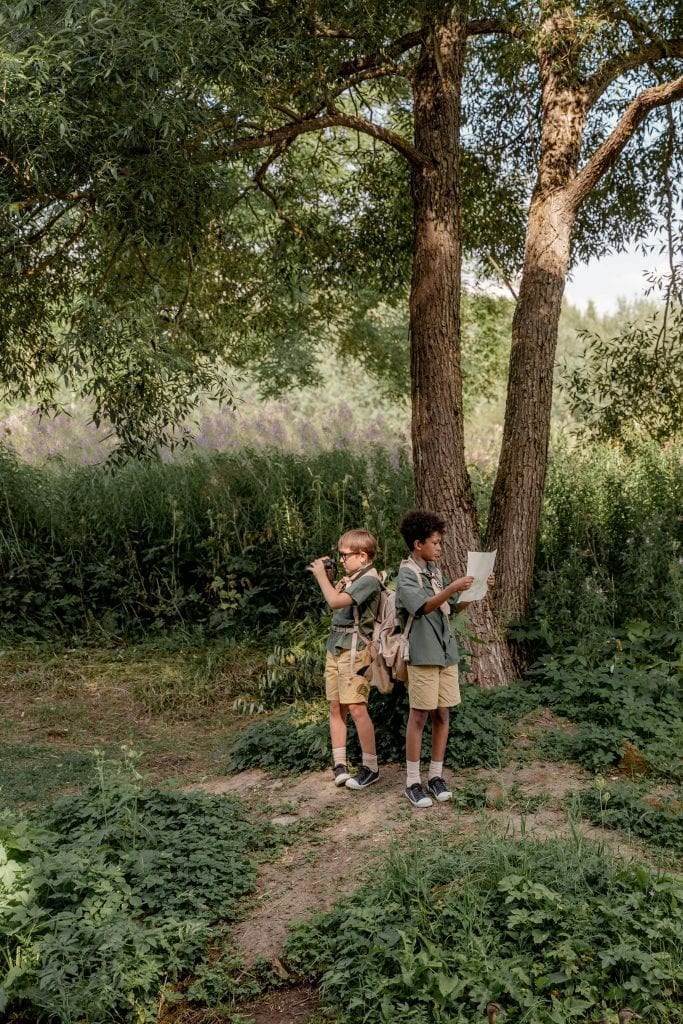
Forest School has a slightly different flavor depending on where you encounter it, though the core idea remains the same.
Here’s a brief comparison:
Nordic Countries
In countries like Denmark, Sweden, and Norway, forest kindergartens (Waldkindergartens in German, utebarnhage in Norwegian) have been around for decades and are quite common.
These programs often involve preschoolers spending all or most of the day outdoors, year-round. A famous saying from Sweden is “There’s no such thing as bad weather, only bad clothes,” reflecting the commitment to outdoor life.
Nordic forest schools tend to be play-based and focus on social skills and a connection with nature. They also influence later schooling – for example, in Finland and Sweden, it’s not unusual for older students to have regular outdoor education days or for schools to utilize nearby forests for learning.
The philosophy is deeply tied to cultural values of nature appreciation (the concept of friluftsliv).
United Kingdom
The UK embraced Forest School in the 1990s, developing a more formalized structure for it. The Forest School Association (UK) established guiding principles and a training certification for practitioners.
Many UK schools (especially early years, ages 3-7) have adopted Forest School as part of their curriculum, sometimes hiring specialized Forest School leaders. Sessions often happen once a week in a designated woodland area, and they emphasize routine (with activities like circles, songs, and reflection time).
The UK model also brought the idea of holistic development and supported risk into the mainstream conversation on education. It’s common in the UK to find even urban schools partnering with local woodlands or creating “wild” areas on school grounds so students can experience Forest School.
The UK’s influence has also spread to other countries through training and resources.
United States
The U.S. has seen rapid growth in interest, but the approach is more decentralized. There isn’t a single national Forest School governing body; instead, various organizations and networks promote nature-based education.
Terms like nature preschool, forest preschool, or outdoor kindergarten are often used interchangeably with Forest School for early childhood. Programs in the U.S. range from small parent-run co-ops to fully licensed private schools.
Many are concentrated in areas where outdoor culture is strong (Pacific Northwest, Colorado, New England, etc.), but the movement is spreading nationwide.
A unique aspect in the U.S. is the rise of community-driven groups like Free Forest School, which make nature play accessible to families without the cost of private preschool.
Also, public schools are beginning to incorporate Forest School elements; for example, some kindergartens have one day a week of “outdoor classroom” learning.
Compared to the UK, fewer U.S. educators have formal Forest School training, but many draw on related fields like environmental education or the Reggio Emilia approach (which also values child-led exploration).
The American approach is often pragmatic – blending nature-based learning into existing structures and focusing on the well-documented benefits (for instance, improved attention, lower stress, and boosts to creativity and problem-solving) to gain support.
In all regions, a common challenge is weather and parental perception. Interestingly, both in the UK and US, the COVID-19 pandemic accelerated interest in outdoor schooling as a safer alternative to indoor classes, echoing the historical use of open-air schools during earlier health crises.
So, Forest School is gaining broader acceptance as not just a “nice extra,” but as a valuable mainstream educational approach.
Whether you visit a forest kindergarten in Denmark, a primary school in England with a Forest School program, or a nature preschool in California, you’ll see kids joyfully engrossed in play, pants muddy and eyes bright – a sure sign that nature-based learning is at work.
Bring Nature-Based Learning to Life Today
Now that you have the essentials of Forest School, we hope you feel inspired to get outside with the children in your life.
Nature-based learning is a journey – start at your own pace, enjoy the small wonders (like noticing the first spring buds or the crunch of fall leaves), and watch as the magic of the forest (or whatever bit of nature you have) ignites growth in both the kids and yourself as a guide.
Happy exploring!
FAQs
What age is appropriate for Forest School?
Forest School works for all ages, but it’s often aimed at early childhood (3–6 years). Activities are adapted by age: toddlers do sensory play, older kids may do wilderness skills or science projects. Even babies in carriers and teens can benefit.
Do children actually learn anything at Forest School?
Yes! Forest School builds curiosity, problem-solving, teamwork, and resilience. Kids learn science, math, and language naturally through hands-on outdoor activities. Older children can also meet educational standards via experiential learning.
How do I keep my child safe during Forest School?
Choose a safe location, set clear boundaries, supervise closely, and teach basic rules (like handling sticks or tools carefully). Gradually introduce higher-risk activities with guidance. Safety is key, but kids also learn responsibility.
What if the weather is bad?
With proper clothing, Forest School continues in most weather. Rain, snow, or heat can be fun while teaching resilience. Only cancel for extreme or dangerous conditions. Always have shelter, adjust session length, and stay hydrated.
I don’t have a forest nearby – can I still do Forest School?
Yes! Any natural spot works – backyards, parks, gardens, or even city streets. Nature-based learning is about curiosity and exploration, not location. Urban kids can still enjoy rich outdoor experiences.