
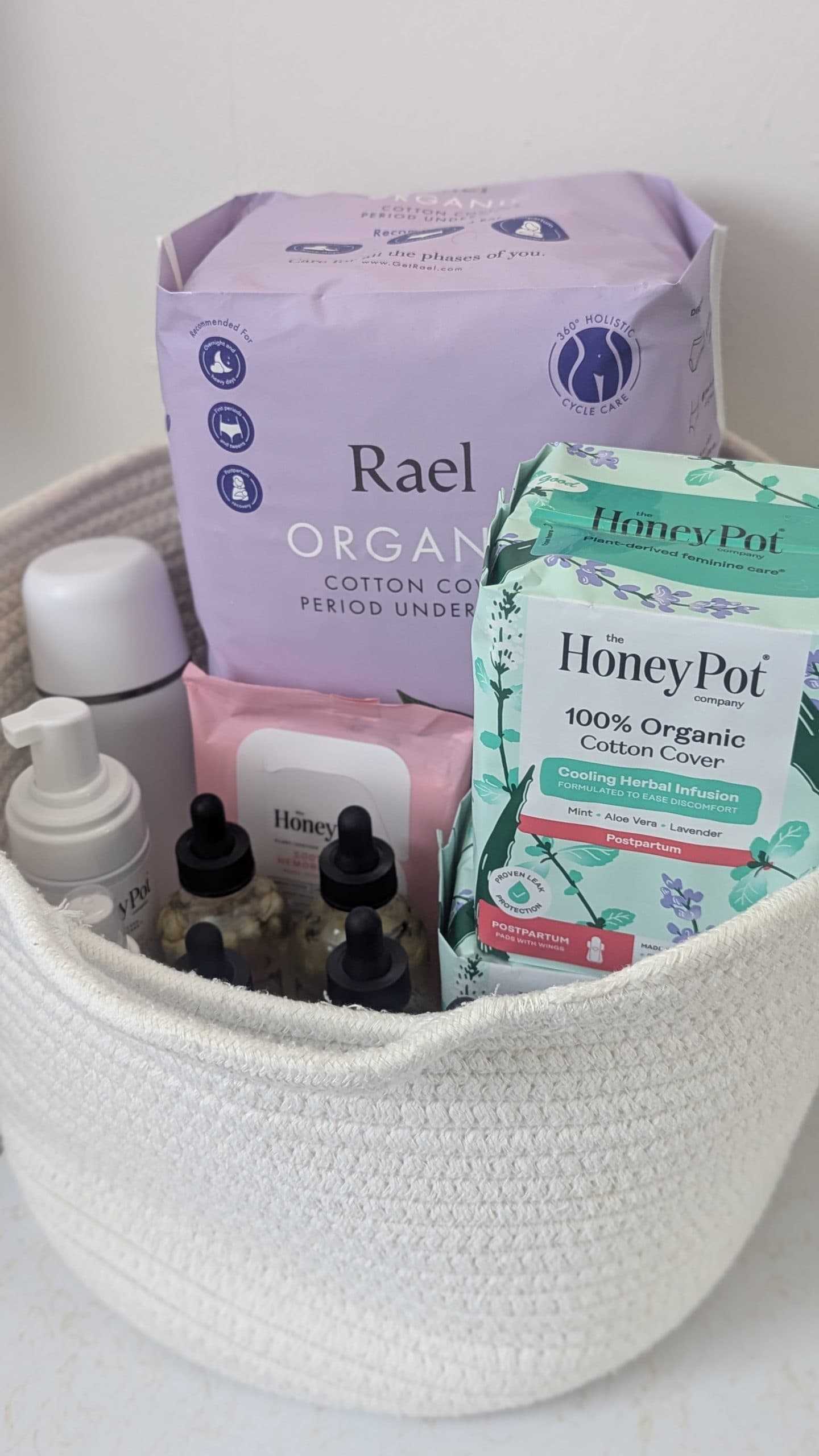
As a mom of three little ones (all of whom were born in the last 4 years), I know firsthand how unpredictable the postpartum period can be.
Between healing your body and caring for a newborn (plus sharing attention with your toddlers), you need all the support you can get.
Over my postpartum experiences, I’ve learned to lean into self-love and self-care – low-tox makes me feel cared for and pampered, especially when it comes to postpartum care products.
Why? Because the things you use on your body (and around your baby) during this delicate time matter.
Many conventional postpartum products can contain irritants like chlorine, synthetic fragrances, phthalates, and other chemicals.
Using low-tox postpartum essentials (think organic, gentle, and chemical-free options) can make a huge difference in your comfort and peace of mind.
In this post, I’ll share my top low-toxic postpartum must-haves – the essential items that truly helped me recover and feel cared for after birth.
These are tried-and-true essentials from a third-time mom who prioritizes organic, sustainable living.
Why Choose Low-Toxic Postpartum Essentials?
“Does it really matter if my postpartum products are low-toxic or organic?”
In my experience – absolutely! Postpartum is a time of intense healing and adjustment. Your skin and body are extra sensitive, and what you put on (or in) your body can affect your comfort and well-being. Here’s why I chose a low-tox approach for my recovery:
- Gentler on Healing Skin: Natural, organic materials (like cotton pads or underwear) and plant-based ingredients are so much kinder to sensitive areas. After birth (especially with stitches or tearing), the last thing you want is irritation from synthetic fragrances, dyes, or harsh chemicals. Low-toxic products are free of those irritants, allowing your skin to breathe and heal.
- Safer for Mom and Baby: Postpartum essentials often come into contact with your baby (think about nursing or cuddling, or products used around your home). Using non-toxic items means fewer harmful residues or off-gassing.
- Eco-Friendly & Sustainable: Many low-tox products are made with the planet in mind. Organic cotton, biodegradable materials, and reusable options reduce waste and chemical runoff. As a homesteading, earth-loving mom, this was a big plus!
- Peace of Mind: Perhaps the biggest benefit was the peace of mind I felt. I didn’t have to worry about what hidden ingredients might be in my pads or creams. I could focus on my newborn and my own recovery, knowing I was using items I trust. This emotional comfort is priceless during the postpartum rollercoaster.
Now, let’s get into the specific products and tools that I found incredibly helpful in my journey.
Disclosure: This post may contain affiliate links, which means I may earn a small commission if you choose to make a purchase through them (at no extra cost to you). I only share products I genuinely use, love, or would recommend to a fellow mom. Thank you for supporting my work!
My Top Low-Tox Postpartum Essentials (Healthy & Mom-Tested)
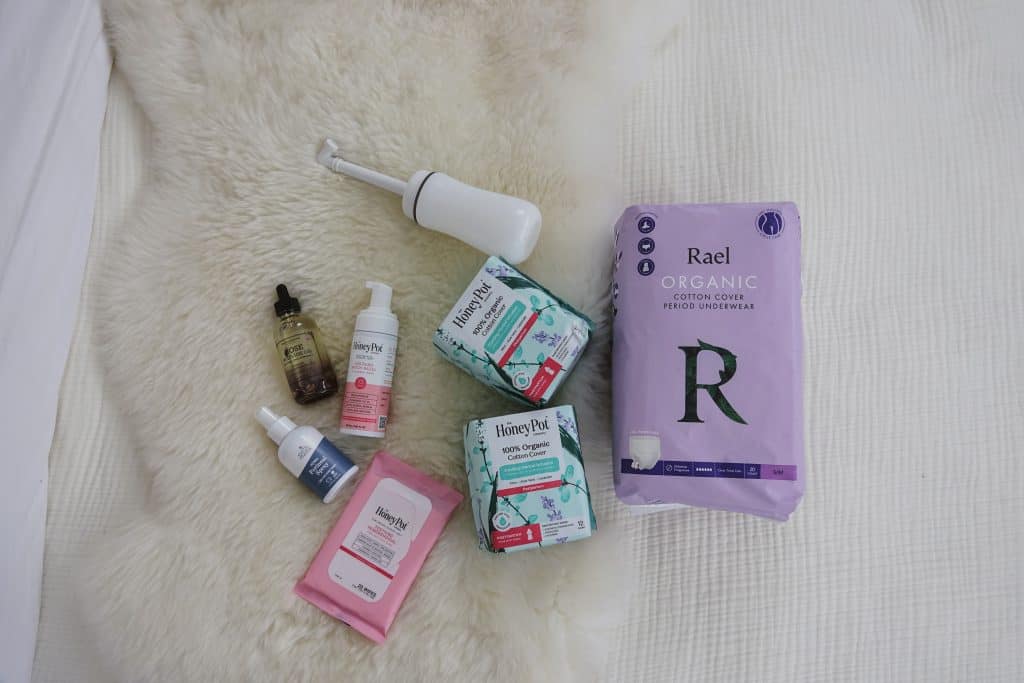
(In this section, I’ve gathered my must-have products for postpartum recovery – all under the umbrella of being low-toxic and mom-approved.)
1. Organic Disposable Postpartum Underwear
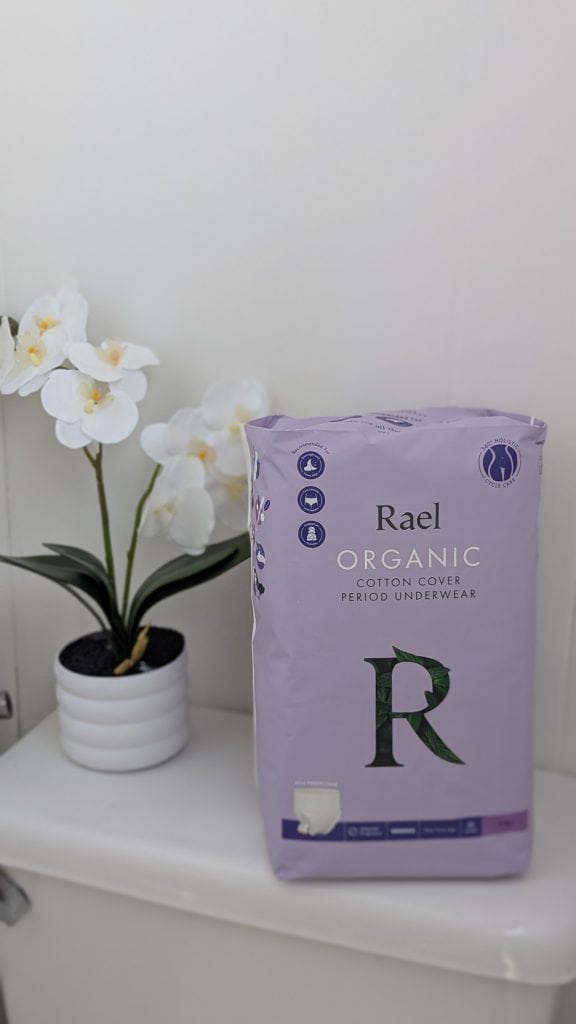
The first days after birth can be messy (heavy lochia bleeding). Normal undies just won’t cut it – you’ll want something disposable yet safe. I fell in love with organic cotton disposable underwear, which feel like soft, stretchy briefs but hold a ton of fluid.
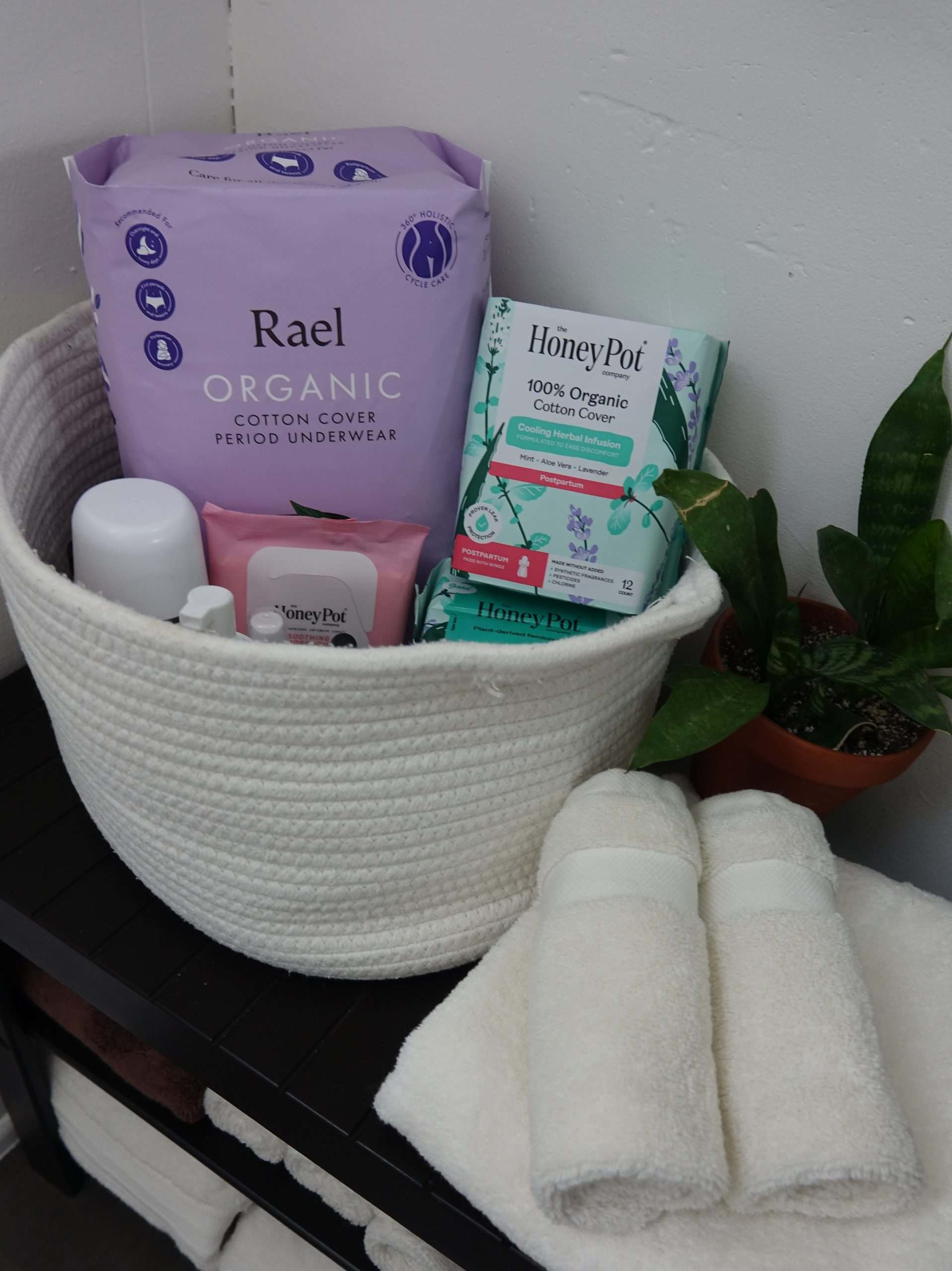
Brands like Rael make disposable postpartum underwear with an organic cotton top layer that’s chlorine-free and unscented. Using organic, fragrance-free disposable undies means fewer harsh chemicals against your healing skin.
No products found.
Plus, they’re super absorbent (“Leak Locker” technology and all) to contain leaks.
Trust me, grabbing a pack of organic postpartum underwear like this is worth it for those early days when convenience and gentleness are key. (And when you’re done with them, just toss)
2. Herbal Perineal Spray & Balm Kit
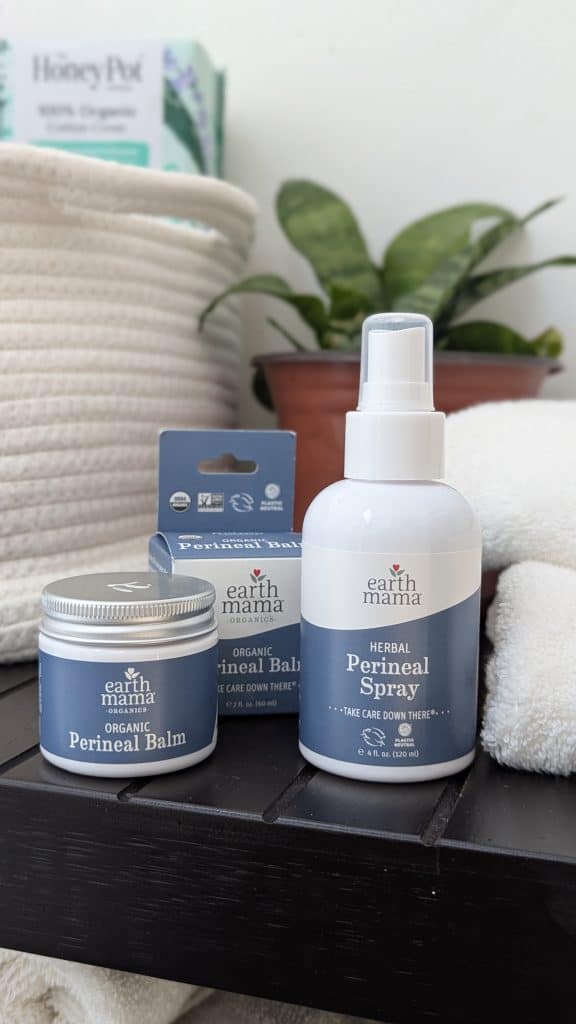
If you’ve had a vaginal delivery, perineal care is about to be your go-to option.
Many moms are given hospital sprays (like ones with benzocaine), but I preferred a more natural approach. The Earth Mama Postpartum Recovery Kit was my go-to because it includes an organic herbal perineal spray and a healing balm.
No products found.
The spray has witch hazel, cucumber, and a touch of peppermint – it gives a cooling, soothing spritz down below every time you use the bathroom (which is such a relief for soreness and swelling).
Then, the perineal balm (packed with witch hazel, olive oil, and other botanicals) provides lasting moisture and comfort to any tears, stitches, or hemorrhoids. I used the balm like a gentle ointment to keep my perineal area feeling protected and calm.
Together, these two products were a lifesaver – they’re free from artificial fragrance, and I knew the ingredients were things like herbs and oils rather than mystery chemicals.
If you’re prepping a postpartum kit, do not skip the perineal care items – you will thank yourself later!
3. Witch Hazel Postpartum Wash
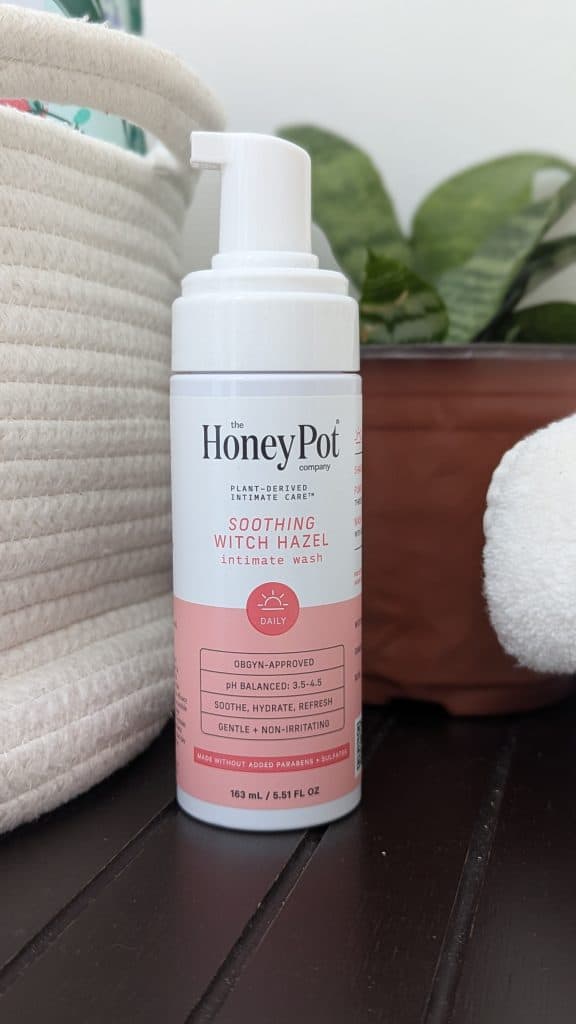
Postpartum sweating, lochia, and overall stickiness can leave any mom feeling less than fresh. But you have to be careful with hygiene products during this time – your body is healing and hormonally imbalanced, and using harsh soaps or regular body wash on your intimate areas is a no-go.
I found that a gentle, plant-based feminine wash made specifically for postpartum was a fantastic addition to my routine. I used The Honey Pot Company’s Postpartum Herbal Wash (which is a foaming feminine wash with witch hazel and other herbal ingredients).
No products found.
This wash is OB/GYN-approved, pH-balanced, and made for sensitive skin – perfect for postpartum care. Each shower, I would use a pump of this foam to gently cleanse my perineal area (front and back) instead of soap.
It felt soothing (thanks to the witch hazel and perhaps some lavender or coconut in the formula), and it never stung. Knowing it was free of sulfates, parabens, and artificial fragrance gave me peace of mind too.
If you’re like me and lean towards natural personal care, you’ll appreciate having a dedicated low-tox postpartum wash in your bathroom arsenal.
4. Witch Hazel Hemorrhoid Wipes
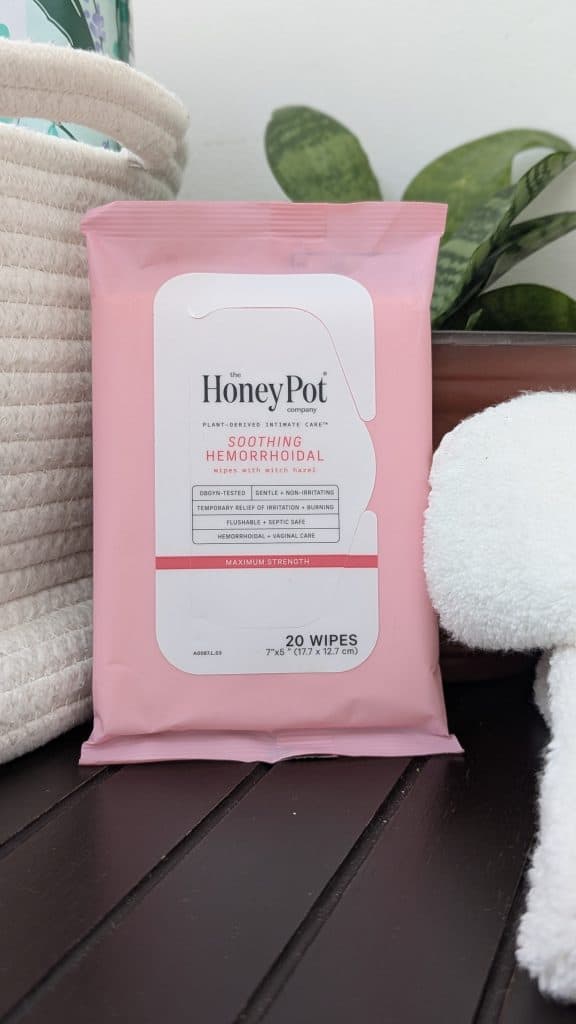
Okay, not the most glamorous topic, but hemorrhoids happen – especially after pushing out a baby (or even from pregnancy pressure). Even if you’re one of the lucky ones to escape hemorrhoids, regular toilet paper can be rough on a sore perineum.
This is where soothing wipes come in. I kept a pack of The Honey Pot Co. Witch Hazel Postpartum Wipes right next to the toilet at home. These gentle wipes are infused with witch hazel and other calming herbs, and they’re designed to be safe for both feminine use and hemorrhoid relief.
No products found.
After each bathroom trip, especially in the first week postpartum, I’d use a wipe instead of (or in addition to) toilet paper. The cooling sensation of witch hazel on swollen, tender skin was heavenly. It reduced that raw, burning feeling and helped keep the area clean without the need for harsh rubbing.
I also loved that these wipes are flushable and plant-based, so they won’t linger in the environment (big win for sustainability!). Some moms use medicated pads like Tucks, but I found this herbal alternative just as effective and more in line with my non-toxic values.
Pro tip: stick a pack in your hospital bag too – you might start using them on day one and they’ll make those first postpartum bathroom trips much more bearable.
5. Herbal Postpartum Pads
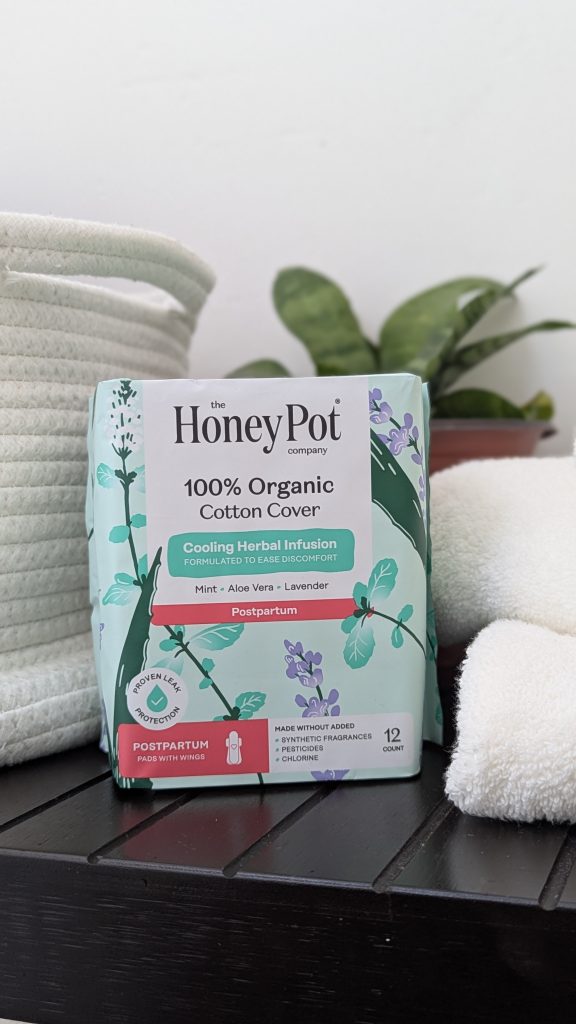
If there’s one postpartum item you’ll go through tons of, it’s pads. Postpartum bleeding (lochia) may last 4-6 weeks for some women – it can be heavy for days and continue with lighter flow for a few weeks.
Rather than using the generic hospital pads (which can feel like plastic surfboards) or conventional brands that may contain chlorine bleach and synthetics, I opted for organic, herbal-infused pads.
My absolute favorite were the Honey Pot Company Herbal Postpartum Pads with wings. These pads are made with an organic cotton cover and they’re infused with natural essential oils like mint, lavender, and aloe.
No products found.
The cool feeling (thanks to the mint) helps calm irritation, and the lavender adds a subtle fresh scent without any artificial perfumes.
These pads are also ultra-absorbent, which I can vouch for – they handled my heavy days with no leaks, and I felt good knowing there were no chemical gels right against my body.
One thing to note: that cooling sensation can be a little intense for some women, I personally found it very relieving.
If you’re unsure, you could get a small pack to try. But overall, switching to herbal postpartum pads made me much more comfortable, and I loved that they fit my low-toxic criteria.
6. Multi-Use Nourishing Oil (for Skin & Hair)
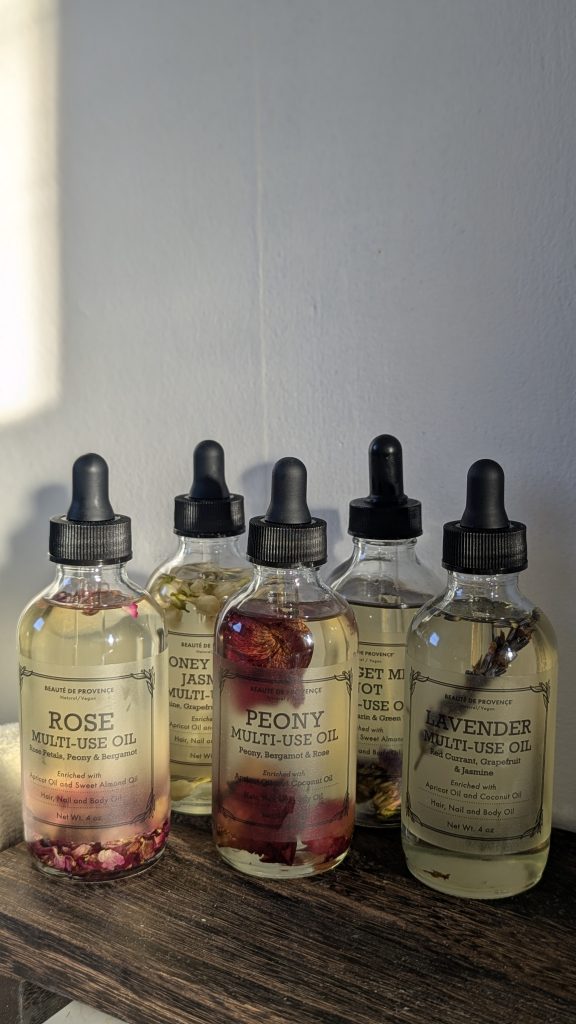
Postpartum isn’t just about caring for the “birth injuries” – it’s also a time to pamper yourself a little. Your skin might be dry from hormonal shifts, you might have itchy stretching skin on your belly, or maybe you just want something relaxing that smells nice.
I found that having a high-quality multi-use oil on hand was wonderful for both practical and, most importantly to me, mood-lifting reasons. I personally love the Beaute de Provence Lavender Multi-Use Oil – it’s an organic blend of apricot oil, coconut oil, sweet almond oil, and vitamin E, all infused with real lavender.
These specific oils do contain essential oils (may contain fragrances), and while I apply them for my own self-care, I make it a point to keep them off the baby. I will apply a generous amount to areas that will not come into direct contact with my newborn, such as my legs and feet. I find the aroma of flowers soothing and relaxing. My mental health is of the utmost importance during this stage, especially because I still have to be there for my older babies.
The lavender scent was so calming – On stressful days, I’d rub a bit on my shoulders for a mini self-massage.
No products found.
7. Postnatal Vitamins
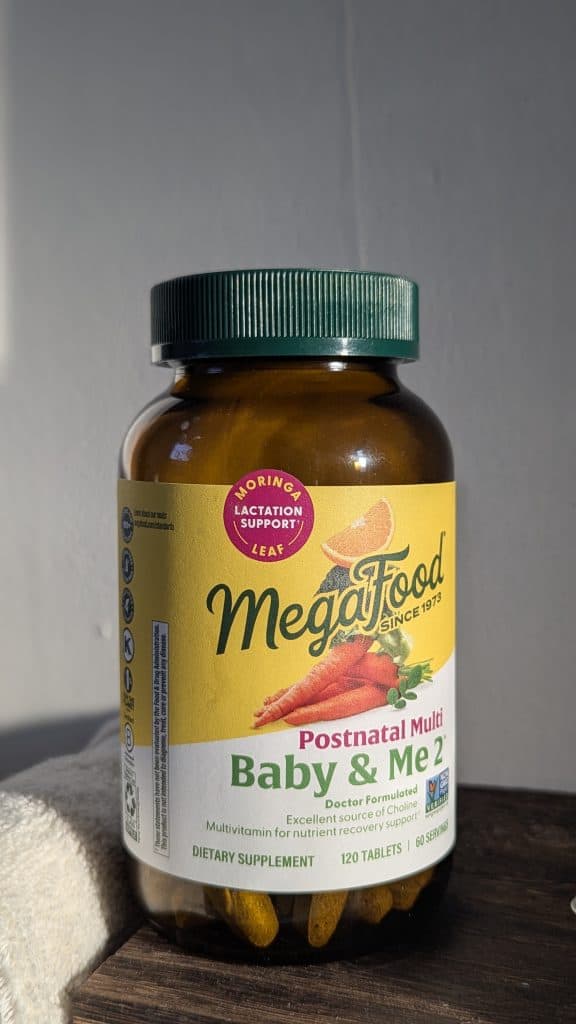
Postnatal vitamins are formulated to support your body after birth, and they’re especially important if you’re breastfeeding. Even if you’re not nursing, your body is recovering from the marathon of pregnancy and labor, and it needs all the nutrition it can get.
I chose the MegaFood Baby & Me 2 Postnatal Vitamins because MegaFood uses whole food-based ingredients and avoids artificial colors or preservatives.
No products found.
These postnatal vitamins are packed with essentials like iron (to help replenish after blood loss), folate, iodine, vitamin D3, B-vitamins, and even choline and moringa for lactation support.
I noticed that when I took them consistently, I felt more energetic and balanced, even in the sleep-deprived haze. They’re gentle on the stomach too (I could take them without food and didn’t get nauseous).
If you’re looking for a low-toxic vitamin option, this one is non-GMO, glyphosate-free, and tested for 125+ pesticides/herbicides – so it really aligns with a clean-living philosophy.
It’s a simple habit that can make a big difference in how you feel day to day. You’re giving so much to your baby; don’t forget to replenish yourself!
8. Belly Binding Wrap (Organic Cotton)
Postpartum belly binding is an age-old tradition found in many cultures – and for good reason! After birth, your core muscles and organs are all out of whack (everything stretched or shifted during pregnancy).
A belly wrap provides gentle compression and support as things settle back into place. With my second baby, I discovered Bengkung belly binding, a traditional Malaysian method using a long cloth to wrap the torso.
I fell in love with this practice and used a Premium Cotton Bengkung Belly Binding Wrap after giving births. This particular wrap is made of breathable cotton, which was important to me to keep it non-toxic and comfortable (I avoided the synthetic elastic belly binders that can trap sweat and irritate skin).
No products found.
The belly binding wrap made me feel secure and supported. It improved my posture (great for nursing sessions), and I swear it helped with that “empty” feeling in the abdomen by holding things snug.
Some women also find it helps reduce postpartum swelling and gives gentle pressure that reminds your core muscles to engage. Plus, with a cotton wrap, there were no pesky velcro or plastic parts – just soft fabric hugging me.
Note: If you’ve had a C-section, you can still do gentle belly binding (usually once your incision is healing – always check with your doctor). In that case, a binder can actually help support the incision area.
For any mom, belly binding is a beautiful, low-tech, low-toxic way to care for your body. I highly recommend giving it a try if you’re curious – it made me feel like a supported and stronger as I went about my day.
9. Gentle Postpartum Wash Bottle (Portable Bidet)
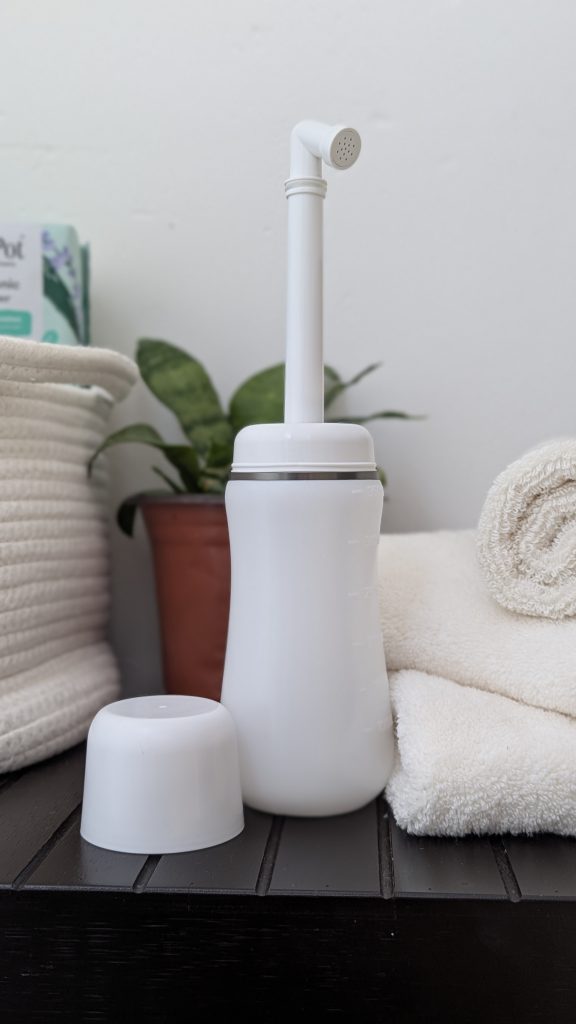
One of the most important postpartum essentials is having a dedicated wash bottle (peri bottle) for gentle cleaning after bathroom trips. This type of bottle makes rinsing down below so much easier and more soothing – especially when your body is sensitive, sore, or healing.
No products found.
The peri bottle I love has an ergonomic shape and leak-proof design that lets you gently clean your perineal area with warm water, without having to wipe with toilet paper (which you might want to avoid doing on tender skin).
You can use it right in the hospital bathroom, at home, or even pack it in your baby bag for when you’re out and about.
I kept mine filled with warm water during those first few days – it was such a simple way to make postpartum bathroom trips feel a little more comfortable, and it helped keep everything clean without irritation.
10. Pure Lanolin Balm (For Nipples, Lips & Dry Skin)
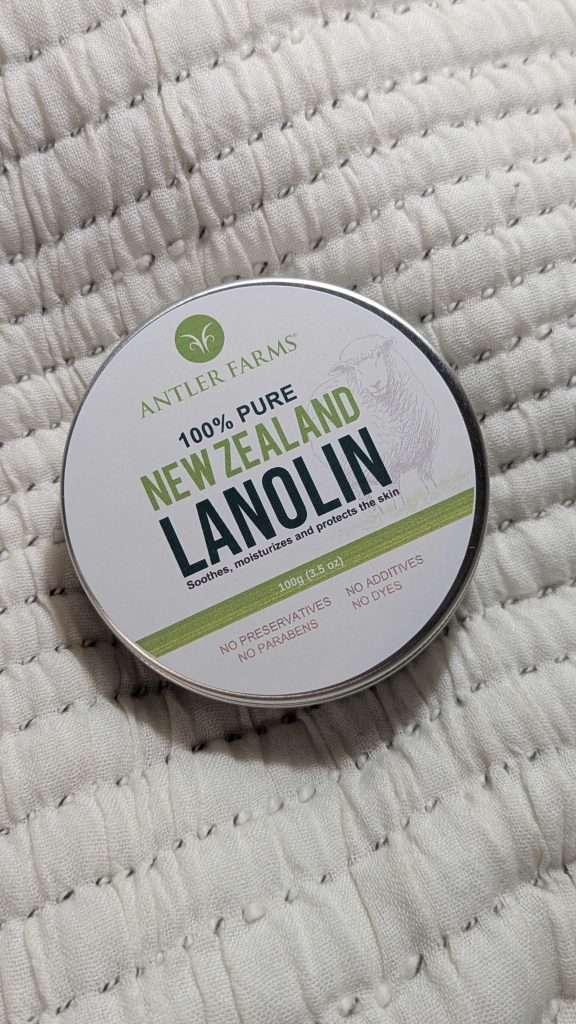
Lanolin is one of those old-school, deeply nourishing ingredients that I truly appreciate postpartum. A high-quality, 100% pure lanolin balm made from New Zealand lanolin became a staple in my recovery kit.
No products found.
It is incredibly effective for sore or cracked nipples, especially during the early days of breastfeeding when latch issues and frequent feeds are common. Because pure lanolin is safe for nursing, there’s no need to wipe it off before feeds, which is a huge relief when you’re exhausted.
Beyond breastfeeding, I also used lanolin for dry lips, cracked hands, cuticles, and even small patches of irritated skin. Postpartum hormones can leave your skin dry and sensitive, and this thick, protective balm seals in moisture without unnecessary additives.
If you’re choosing lanolin, go for a product that is fragrance-free, additive-free, and ethically sourced. A little goes a long way, and it earns its place as one of those multi-use, low-toxic essentials every postpartum mother should have nearby.
Embrace Your Postpartum Journey
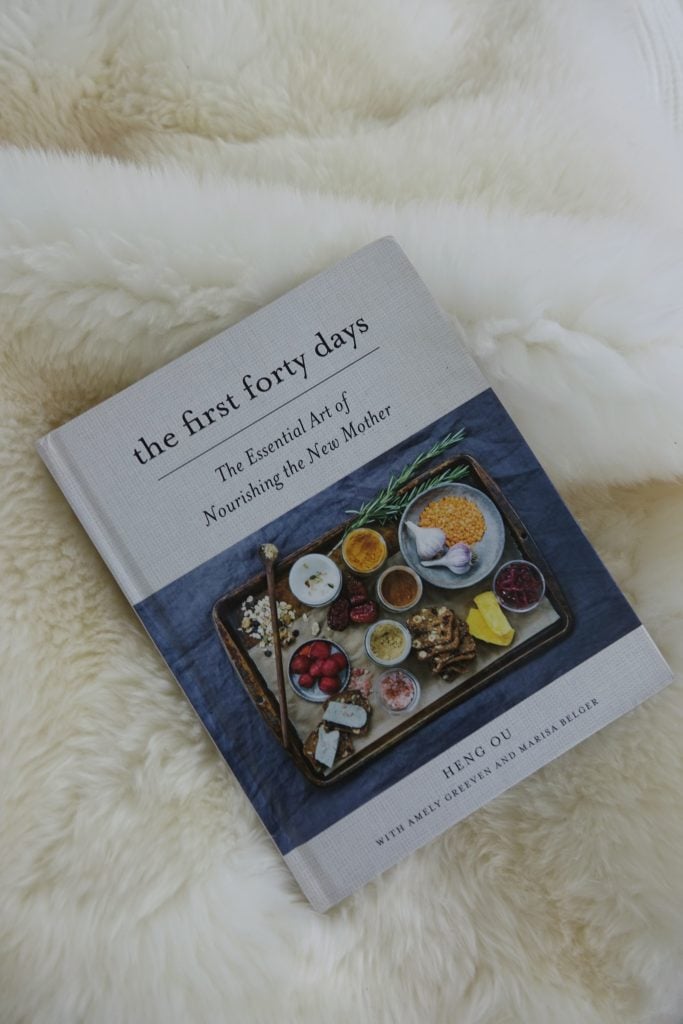
Recovering from childbirth is a big deal – be gentle with yourself. These low-toxic postpartum essentials were my must-haves in the healing process, and I hope they can support you, too.
Remember, postpartum recovery isn’t one-size-fits-all. Listen to your body and do what feels right for you.
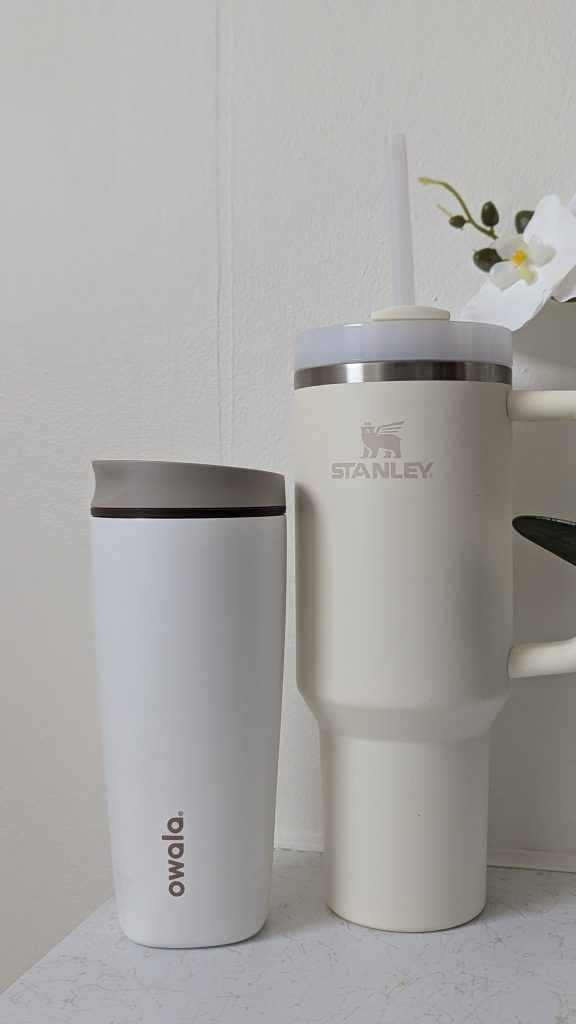
As you stock your postpartum kit or navigate those early weeks, don’t forget the intangible essentials too: plenty of rest (when you can get it), nourishing food, lots of water, and a supportive shoulder to lean on.
I would recommend finding a thermal with a leak-proof seal, especially if you will be drinking teas or hot beverages, while breastfeeding or around the baby.
A large capacity water bottle to ensure you get sufficient hydration, especially if you are nursing.
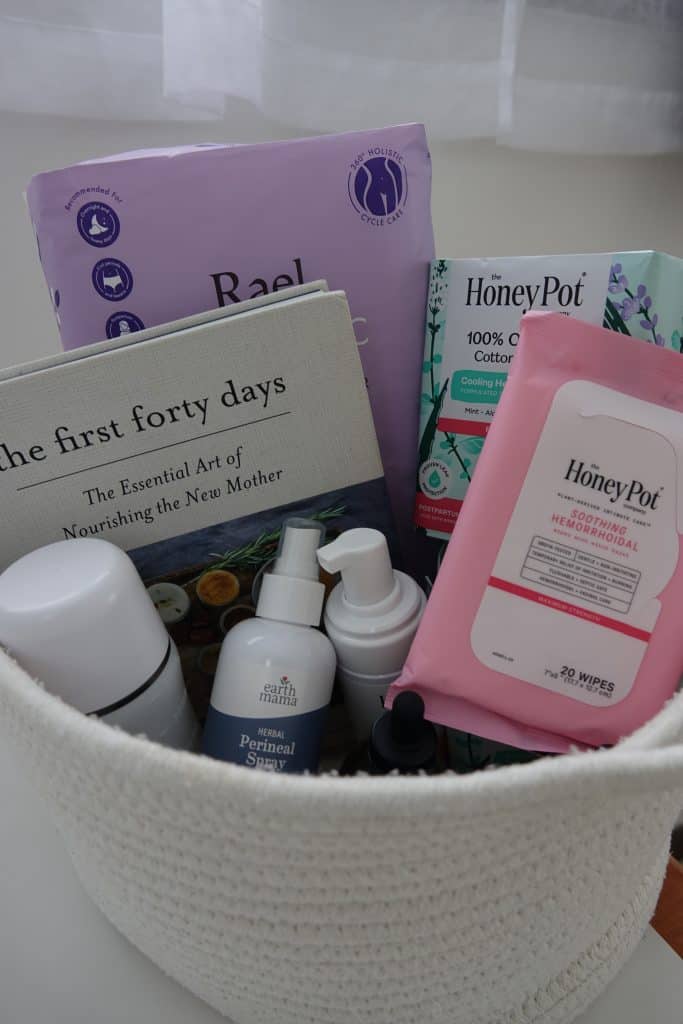
What low-tox or organic postpartum items helped you the most? Or if you have any questions or tips, drop them in the comments below. Let’s support each other in this beautiful journey of motherhood.
Happy healing, and congratulations on your new arrival!
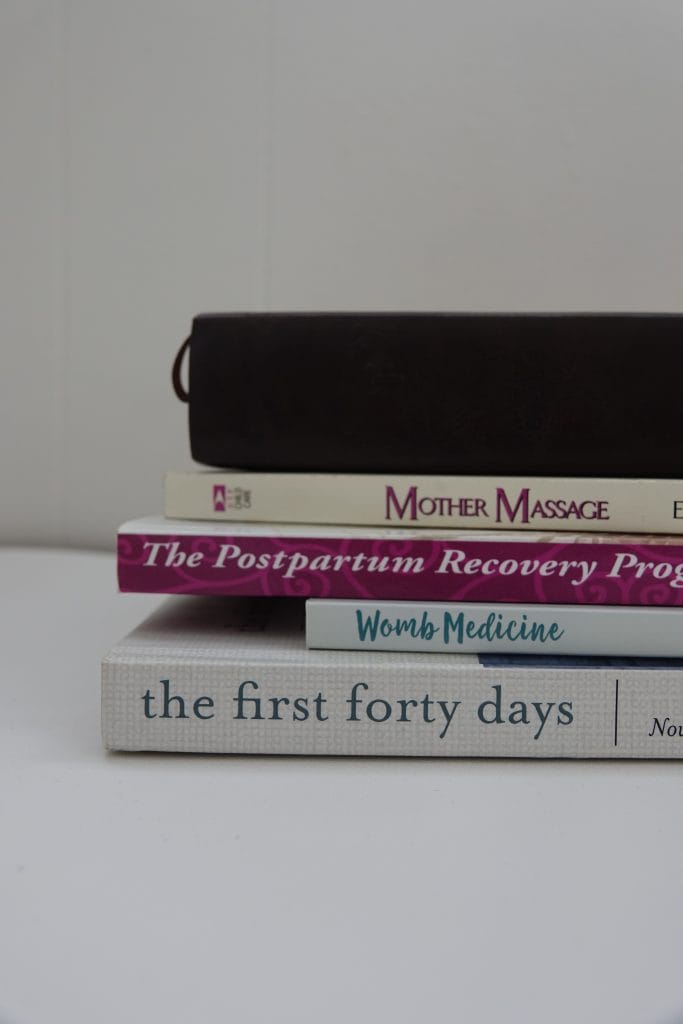
I recommend these books if you are interested in looking deeper into postpartum recovery and self-care.
With Love Always,
Betty Southwick
Don’t Let Postpartum Prep Overwhelm You
Between sleepless nights, recovery, and caring for your newborn, the last thing you need is to stress about what products to buy—or whether they’re even safe.
That’s why I’ve done the research for you.
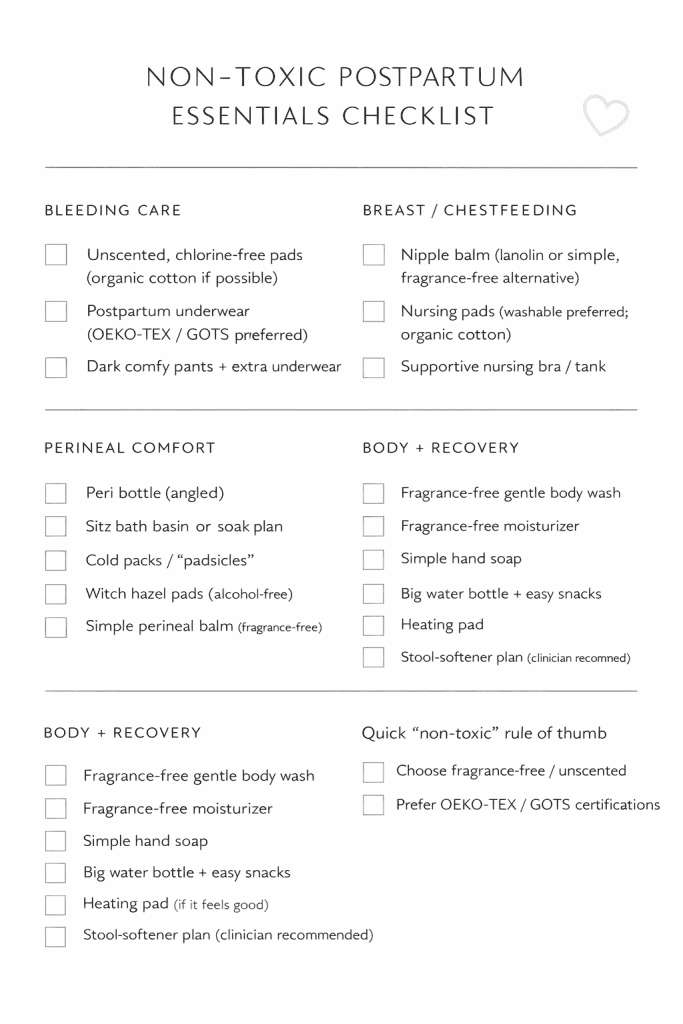
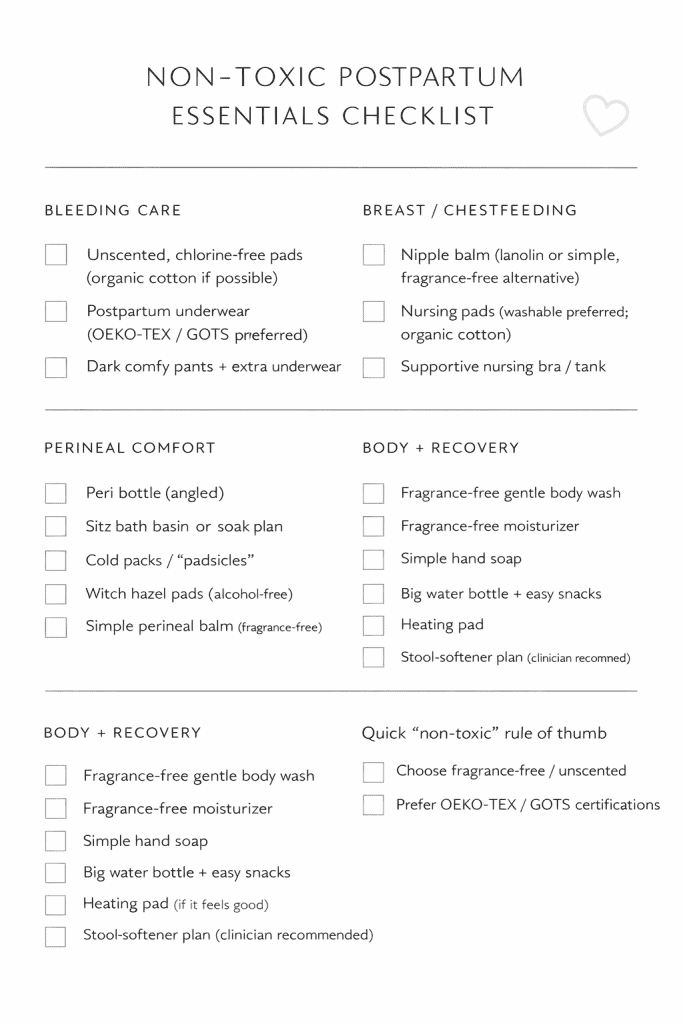
My free Non-Toxic Postpartum Essentials Checklist gives you everything in one simple, printable guide—organized by need, focused on safety, and ready to take the guesswork out of prep.
Print it. Check it off. Feel confident you’re choosing products that care for your body the way it deserves.
FAQs
Are organic or low-toxic postpartum products really necessary?
They are not strictly necessary, but many moms (myself included) find them worthwhile. Postpartum recovery involves healing and a lot of contact with sensitive areas, so gentler, low-toxic products can help reduce irritation and offer peace of mind. If you are breastfeeding, avoiding harsh chemicals and synthetic fragrances can also feel reassuring. Think of low-toxic options as a kind, supportive choice for your body during recovery.
I had a C-section. Do I still need postpartum essentials?
Yes, many postpartum essentials are still helpful after a C-section. You will still have postpartum bleeding, so pads and disposable underwear are necessary. Perineal sprays may be optional, but items like nourishing oils, postnatal vitamins, and especially a belly binder can be very helpful. A binder can provide support and comfort as you heal, as long as it is used according to your doctor’s guidance.
How long will I need postpartum pads and recovery products?
This varies, but postpartum bleeding usually lasts about 2 to 6 weeks, with heavier flow in the first 1 to 2 weeks. Perineal care products are most helpful during the first couple of weeks, then used as needed. Belly binders are commonly worn for the first 4 to 6 weeks. Postnatal vitamins are best continued for several months, and often throughout breastfeeding. Listen to your body and adjust as you heal.
What ingredients should I avoid to keep products low-toxic?
It helps to avoid synthetic fragrances and dyes, parabens, phthalates, chlorine-bleached materials, harsh sulfates, drying alcohols, and BPA-containing plastics. Choosing fragrance-free or naturally scented products and organic or plant-based formulas can simplify things. In general, shorter ingredient lists you recognize are a good sign.
How long should I take postnatal vitamins, and can I use prenatals?
You can finish your prenatal vitamins before switching, as they are very similar. Postnatal vitamins often include added nutrients to support recovery and breastfeeding. Most moms benefit from taking a prenatal or postnatal vitamin for at least 6 months postpartum, and throughout breastfeeding if possible. Think of it as ongoing nourishment for your body as it rebuilds and adjusts.