Little sewing projects are quick, practical, and actually useful.
I spend my sewing time on things we really use (my toddlers’ clothes, bibs, cloth diapers, even everyday napkins) and I make most of it from scratch using cotton, linen, and hemp.
Even a few minutes while the kids play or after dinner can turn fabric scraps into something practical and useful for the home.
In this article, I’m sharing 12 small sewing projects that build your skills, give you practical results, and fit into busy days.
These are projects that help you feel confident at the machine and create items your family can use every day.
The Value of Small Sewing Projects
Small sewing projects work so well because you can see results quickly.
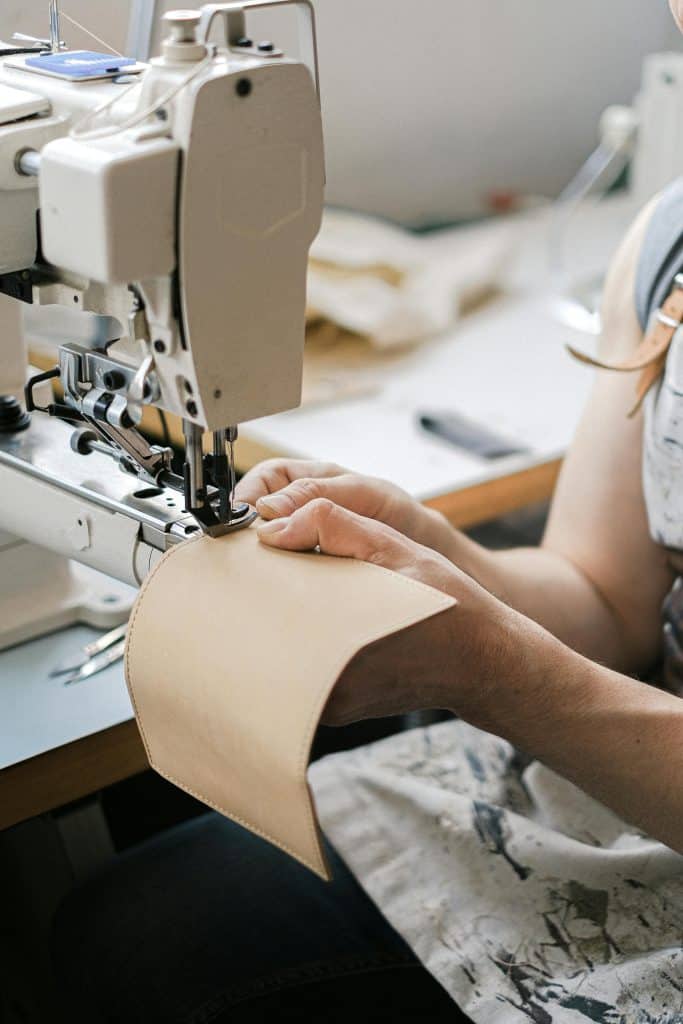
A few minutes here and there can turn fabric into something useful (napkins, pouches, or tote bags) that you’ll actually use around the house.
They also help you build skills step by step.
Each project teaches something new, like straight seams, neat edges, or working with elastic, while giving a practical result you can enjoy right away.
Finishing one project naturally leads to the next.
Over time, these small projects create a rhythm, helping you grow your skills and confidence while keeping sewing enjoyable and realistic in a busy day.
If you’re just starting out, check out simple things to sew as a beginner for more ideas and guidance.
Essential Tools and Materials to Have Ready
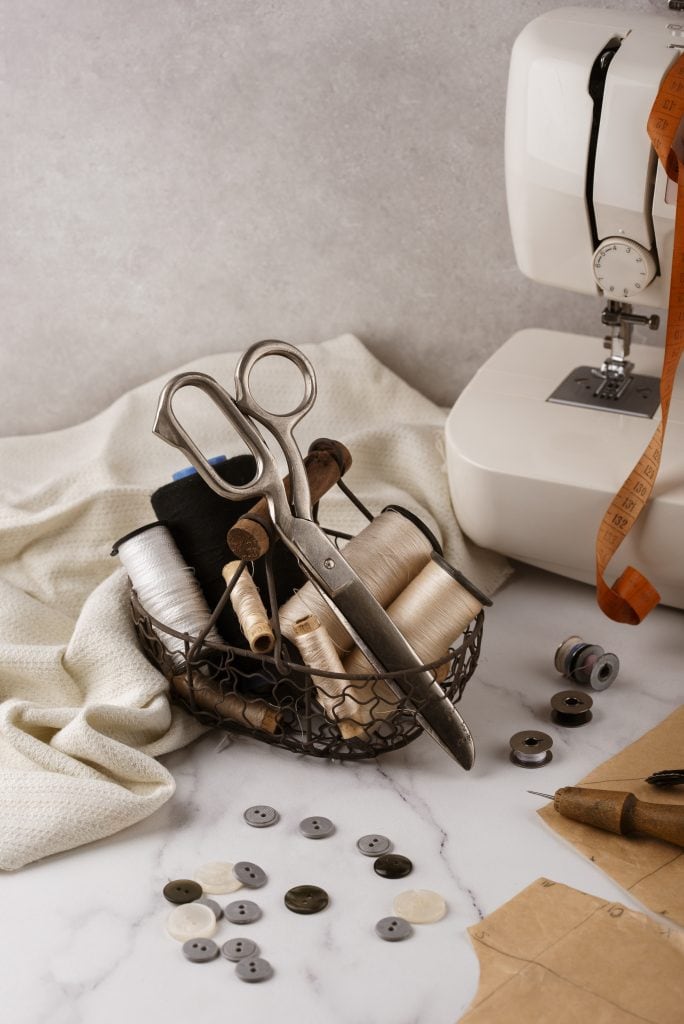
Before you begin, it helps to keep a simple set of tools within reach.
Having the right basics prepared makes each project smoother and more enjoyable.
Core Tools:
- Fabric scissors – a sharp pair reserved only for fabric ensures clean, accurate cuts.
- Pins or clips – these hold fabric securely and prevent shifting while you sew.
- Measuring tape – flexible for measuring curves, hems, or elastic lengths.
- Hand needles – useful for finishing details or small mending tasks.
- Sewing machine (optional but practical) – speeds up projects and gives durability to seams.
Everyday Fabrics:
- Cotton – easy to handle, breathable, and versatile for most small projects.
- Linen – sturdy and crisp, perfect for napkins or kitchen items.
- Flannel – soft and cozy, excellent for kids’ crafts and reusable wipes.
Notions to Keep Handy:
- Elastic – for scrunchies, headbands, or waistbands.
- Buttons – simple closures for pouches or clothing accents.
- Bias tape or ribbon – neat finishes and ties for aprons or bags.
A small sewing box or basket keeps these supplies organized so you can begin quickly whenever inspiration strikes.
The goal is readiness – when the tools are set, you can focus on the creative part.
Fast & Easy Sewing Projects to Try
Little sewing projects are at their best when they combine simplicity with usefulness.
These ideas are designed to fit easily into your day, give you a positive result in a short time, and steadily grow your sewing confidence.
For the Home
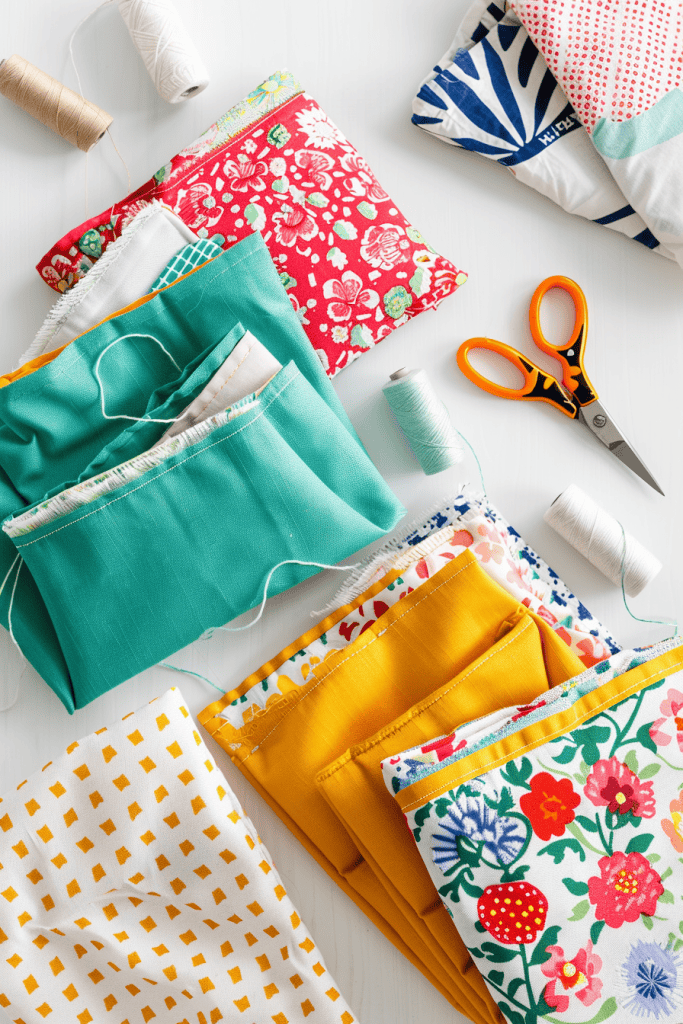
- Cloth Napkins – Start with squares or rectangles, hem the edges, and you’ll have a durable, washable alternative to paper products. This project teaches you clean edge finishes and produces something your family will use every day.
- Pillow Covers – An envelope-style pillowcase requires only straight seams and a bit of measuring. It’s a satisfying way to refresh your living space with minimal effort.
- Pot Holders – Layer cotton and batting, practice straight-line quilting, and finish with binding. The end result is heat-safe and functional, while also letting you experiment with fabric scraps.
For the Kitchen
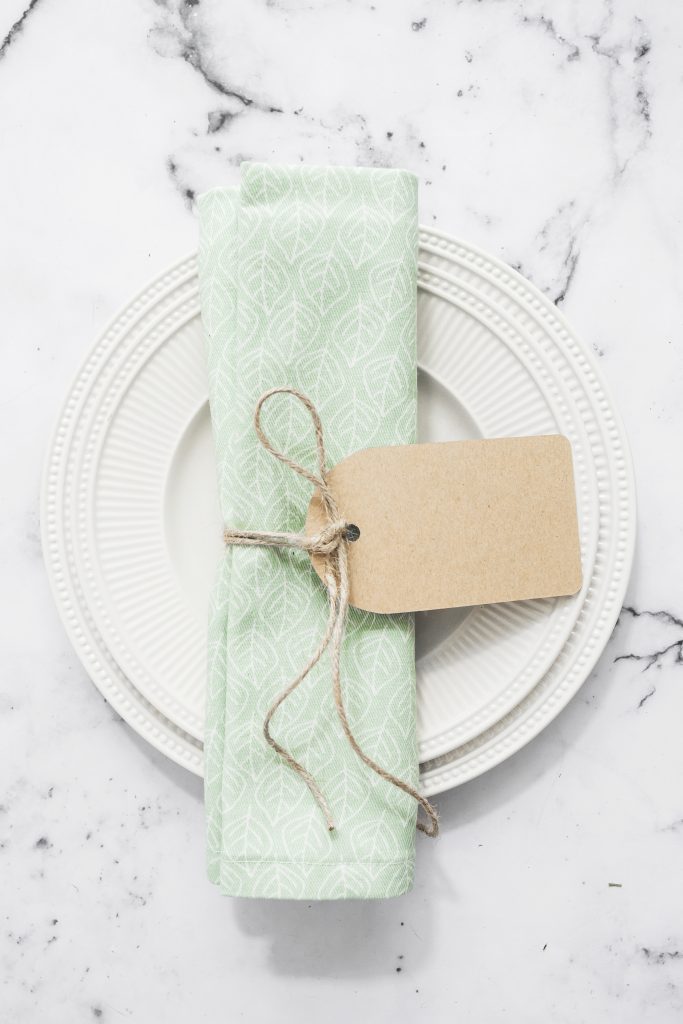
- Reusable Snack Bags – A lined fabric bag with Velcro or snap closure is practical for school lunches or on-the-go snacks. This project reduces waste and can be sewn in less than half an hour, making it a great first step toward simple, everyday non-toxic kitchen swaps.
- Tea Towels – Cut rectangles of cotton or linen, hem all four edges, and add a hanging loop. This builds accuracy in sewing straight hems while producing something beautiful and practical for daily use.
- Aprons – A half-apron with ties is beginner-friendly and quick to assemble. It’s a project that gives you an immediate sense of accomplishment and can be customized with pockets for added function.
For Kids
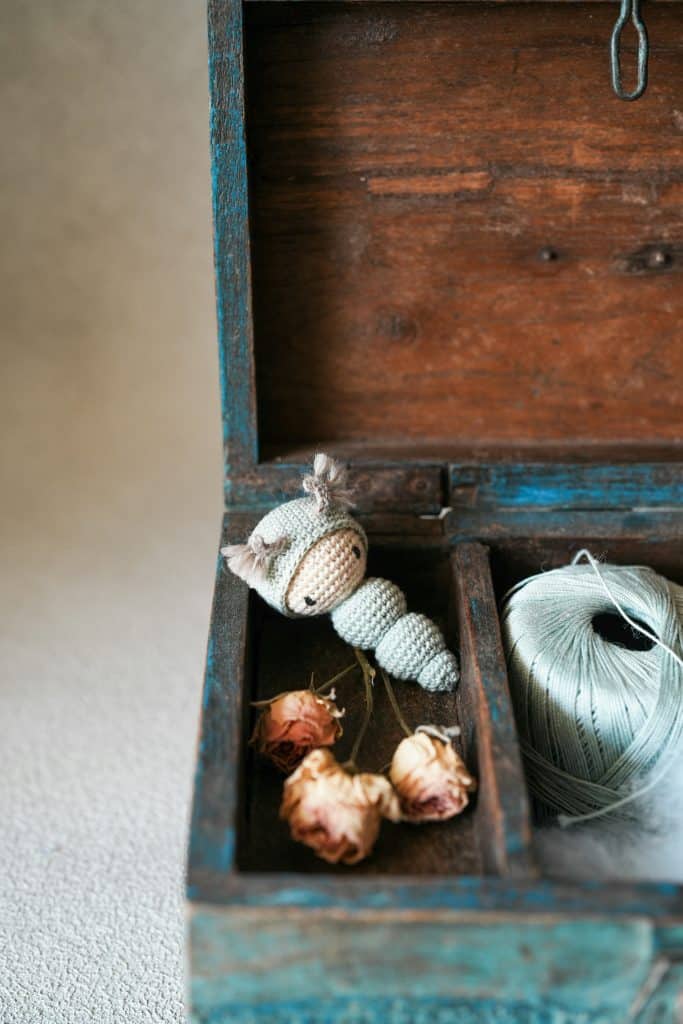
- Fabric Bookmarks – Use small strips of fabric and interfacing to create sturdy, flat bookmarks. They make cheerful additions to bedtime reading and are excellent scrap-busters.
- Headbands – Elastic-backed headbands are quick to sew, comfortable to wear, and easy to personalize in fun prints your kids will love.
- Soft Toys – Simple stuffed animals or fabric shapes (like hearts or stars) are playful projects that build skills in cutting, stitching curves, and stuffing evenly.
If your kids enjoy hands-on projects like this, you might also love these irresistible felt craft ideas for kids for even more creative play.
For You
- Tote Bag – A flat-bottomed tote with straps is endlessly practical. It teaches reinforcement techniques and leaves you with a handmade bag you’ll use for errands, books, or groceries.
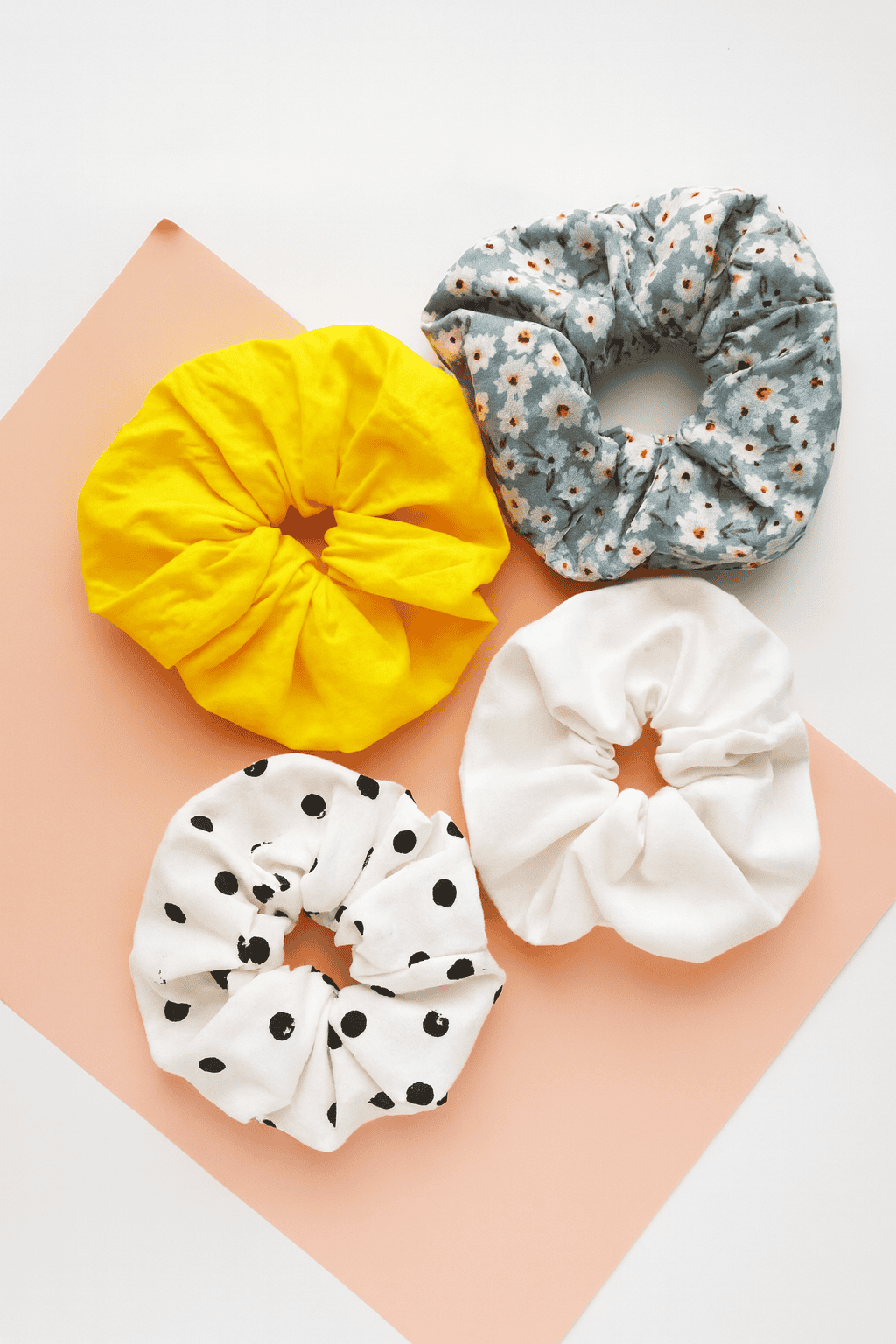
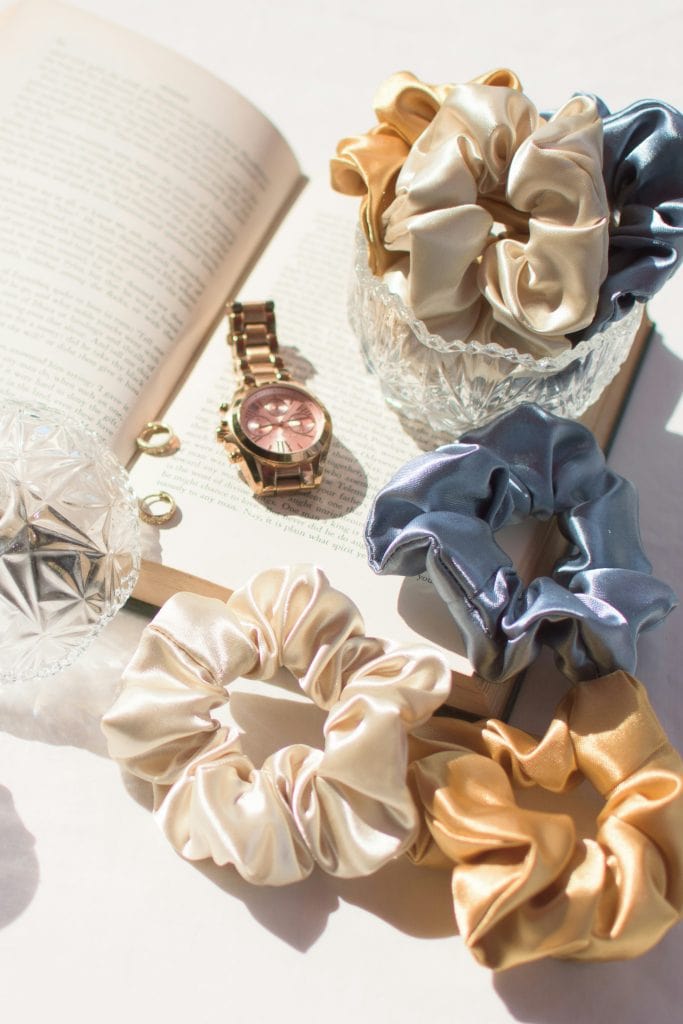
- Scrunchies – These are ideal for fabric strips and practice with elastic. They’re fast to make, stylish, and rewarding because you can sew several in one sitting.
- Zipper Pouch – A small pouch is the perfect way to learn zipper installation. The project is compact, straightforward, and results in a highly functional accessory for organizing small items.
How to Approach These Projects
Start with one category that feels most useful to your current season of life.
If you’re focused on household needs, napkins or towels are perfect.
If you want quick wins for the kids, try bookmarks or headbands.
Each completed project brings a sense of accomplishment and motivates the next one, especially when you follow a simple learning path like this guide on how to start sewing as a beginner.
4 Smart Sewing Strategies for Small Projects
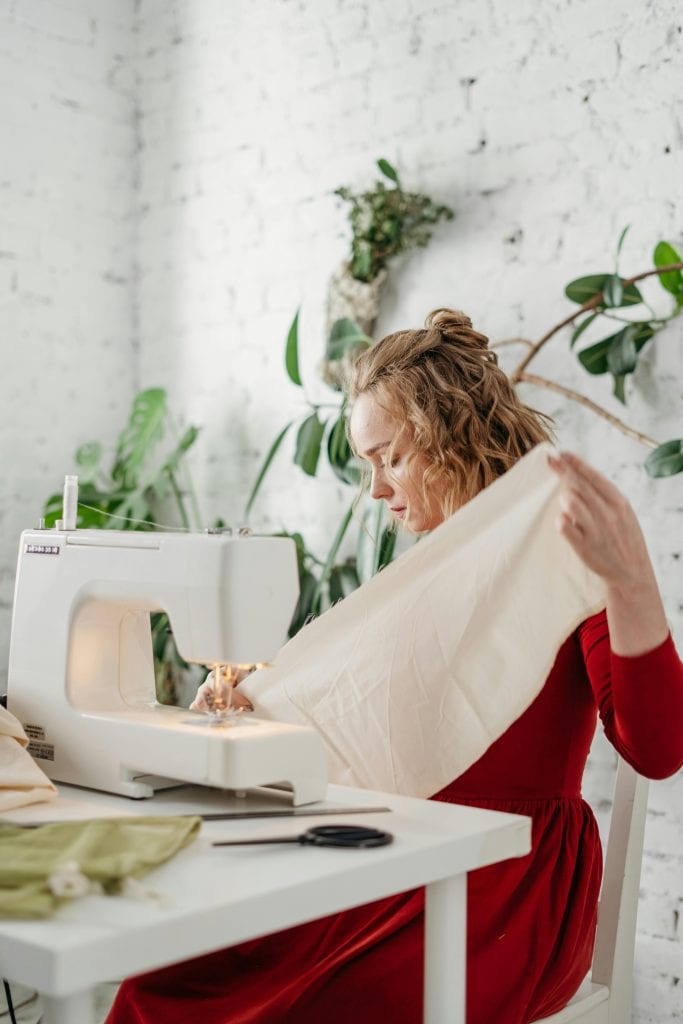
A few steady habits can turn small projects into consistent wins. These approaches keep the process smooth, save time, and help you enjoy each step.
1. Match the Project to Your Skill Level
Pick projects that fit where you are with your sewing right now.
A napkin or a pillow cover is great for practicing straight seams, while a zipper pouch or apron introduces something new without feeling overwhelming.
When the project matches your skill, finishing it feels good, and you’ll naturally gain confidence for the next one.
2. Prepare Fabric in Advance
Wash, press, and cut your fabric before you start sewing.
Having everything ready means you can grab a few minutes and get straight to stitching.
Even a short window while the kids play can turn into a finished project if your pieces are prepped and ready.
3. Batch Similar Steps
Do similar tasks together – cut all the pieces first, then iron, then pin.
It makes the work feel smoother, saves effort, and helps you finish projects faster.
You’ll get into a rhythm, and it’s easier to see progress when steps flow together.
4. Keep Tools Within Reach
Keep scissors, pins, thread, and measuring tape in a small basket or box.
When these essential sewing tools are ready, starting a project feels effortless, and you’re more likely to pick up sewing in those short pockets of time you have during the day.
These little habits make sewing less of a chore and more of a satisfying part of your day.
Small projects become easier, faster, and more fun when your setup and workflow are ready to go.
Choose One Project and Begin
Every little sewing project is a step forward. A simple napkin builds skill. A tote bag brings function. A headband adds a touch of everyday fun.
Each finished item shows that sewing is practical, doable, and rewarding.
The best way to grow is to start.
Pick one project from this guide, gather your fabric and tools, and begin stitching. Even a short session can produce something useful and satisfying.
As you complete projects, you’ll notice your skills growing steadily and your confidence building naturally.
Every little creation adds value to your home and your daily routine.
Which small sewing project will you start with this week? Try it out and see how quickly it fits into your day – you might just surprise yourself with what you can make.
Frequently Asked Questions
1. What are the easiest sewing projects for beginners?
Start with flat, straight-seam projects like cloth napkins, pillow covers, or scrunchies. These are fast to complete and build confidence without requiring advanced techniques.
2. How much time do I need for a small sewing project?
Most little projects take 20 minutes to an hour. They’re designed to fit into short windows of time, making them practical for busy moms and beginners.
3. Do I need a sewing machine for these projects?
A sewing machine helps with speed and durability, but many small projects can be completed by hand. Start with hand-sewn bookmarks or headbands, then add a machine when you’re ready.
4. What fabrics are best for simple projects?
Cotton, linen, and flannel are excellent beginner fabrics. They’re easy to handle, widely available, and suitable for most small household or accessory projects.
5. How do I stay consistent with sewing if I’m short on time?
Keep your tools in one place, prep fabric ahead, and choose projects you can complete in one or two sessions. Small wins create positive momentum and encourage you to keep sewing.