

Welcome to your journey toward a healthier, happier home!
Non-toxic living is all about simple, everyday choices that bring more wellness into your home, your food, and your personal care routine.
By choosing gentle, natural cleaners, safe personal care products, and keeping your indoor air fresh, small steps can create a big, positive impact for your family.
In this article, you’ll discover practical, easy-to-implement changes that help your home feel lighter, fresher, and full of energy, guiding you toward a happier, healthier, and more harmonious space for everyone.
Why Choose a Non-Toxic Lifestyle?

Adopting a non-toxic lifestyle means being mindful of the chemicals in everyday products so you can create a healthier environment for you and your family.
Many conventional household items – from cleaning sprays to plastics and cosmetics – contain harsh chemicals linked to allergies, hormone disruption, respiratory issues, and other health problems.
Over time, these substances can build up in our bodies and indoor air (indoor pollutant levels can be 2–5 times higher than outdoor levels on average).
Young children are especially vulnerable, since their bodies are still developing and they often crawl or put things in their mouths.
The exciting part is you can start with a few easy swaps and build on them gradually.
By making a few easy swaps and habits, you can significantly reduce your family’s exposure to toxins and even save money and help the planet in the process!
Basic Principles for Non-Toxic Living
Starting your journey toward non-toxic living is exciting, and small steps make it easy and enjoyable.
Here are some friendly fundamentals to guide you:
Start Small & Go Gradual
You don’t need to replace every product in your home at once (in fact, please don’t – that’s expensive and wasteful!).
Begin with one item or area at a time.
For example, when you run out of an old cleaner or shampoo, replace it with a healthier option instead of rebuying the same kind.
This one-by-one approach is budget-friendly and prevents overwhelm. Use up what you have, then swap in better products as you go.
Prioritize High-Impact Areas
Focus first on the things that have the closest contact with your body or that you use daily.
High-impact areas include your food and water, the products you put on your body (like soaps, lotions, cosmetics), and items in your home that affect air quality (like cleaners or air fresheners).
(If you’re looking for a gentle, natural option for your skin, check out my goat milk soap recipe for a nourishing, non-toxic soap that’s perfect for the whole family.)
By tackling these first, you’ll reduce the bulk of your exposure to questionable chemicals.
For instance, switching to cleaner food and water and gentler personal care products can make a big difference.
Read Labels & Educate Yourself
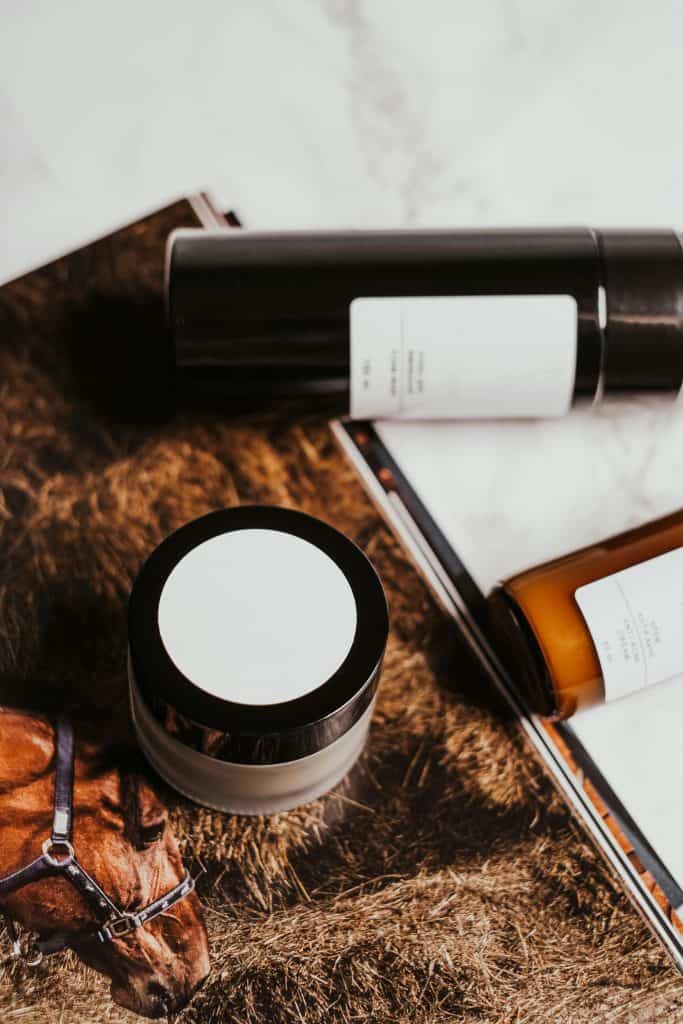
Become an ingredient detective!
Start checking labels on products you buy. If an item has a long list of unpronounceable chemicals, that’s a red flag.
Learn to identify a few key toxic ingredients to avoid – common culprits include phthalates (often hidden under “fragrance”), parabens (preservatives), triclosan (antibacterial agent), ammonia or chlorine bleach (in cleaners), and others.
Knowledge is power: resources like the Environmental Working Group’s (EWG) databases can help you check how safe a product is.
(For example, EWG’s Skin Deep database rates personal care products for safety, and their Guide to Healthy Cleaning does the same for cleaning supplies.)
Over time, you’ll get familiar with which ingredients are benign and which ones to skip.
Choose Safer Alternatives (DIY or Store-Bought)
For every toxic product, there’s usually a non-toxic alternative.
Sometimes you can make simple DIY products with common pantry items – a mix of white vinegar and water cleans many surfaces effectively, and you can add a few drops of essential oil for scent.
Baking soda works great for scrubbing and deodorizing.
If DIY isn’t your style, don’t worry – there are plenty of ready-made natural products available today.
Look for plant-based, biodegradable cleaners and “free & clear” personal care items (free of synthetic fragrance and dyes).
Later sections will give specific examples. Remember, natural options can be just as effective without the nasty side effects.
Progress Over Perfection
Finally, keep a balanced, stress-free mindset. It’s virtually impossible to eliminate all toxins from your life, and that’s okay.
Even small changes will significantly cut down your family’s chemical exposure.
Don’t feel guilty if you can’t do everything at once or if you occasionally use a conventional product.
Non-toxic living is a journey, not a one-time.
Celebrate the changes you do make (like switching to a safer dish soap or buying organic apples) and build on them gradually.
Every step counts toward a healthier home!
Clean Up Your Cleaning Routine (Non-Toxic Cleaning)
One of the easiest places to start your low-tox life is with your cleaning supplies.
After all, you use them throughout your home – on dishes, countertops, laundry, floors – and their residues linger on surfaces and in the air you breathe.
Conventional cleaning products often contain chemicals that can irritate your lungs or skin.
In fact, a review of over 2,000 popular cleaners found that more than half contained ingredients harmful to lungs, and about 1 in 5 had chemicals that can trigger asthma in otherwise healthy people.
The goal is to keep your home clean and your indoor air healthy, so let’s swap out those harsh cleaners.
1. Start with a high-use product
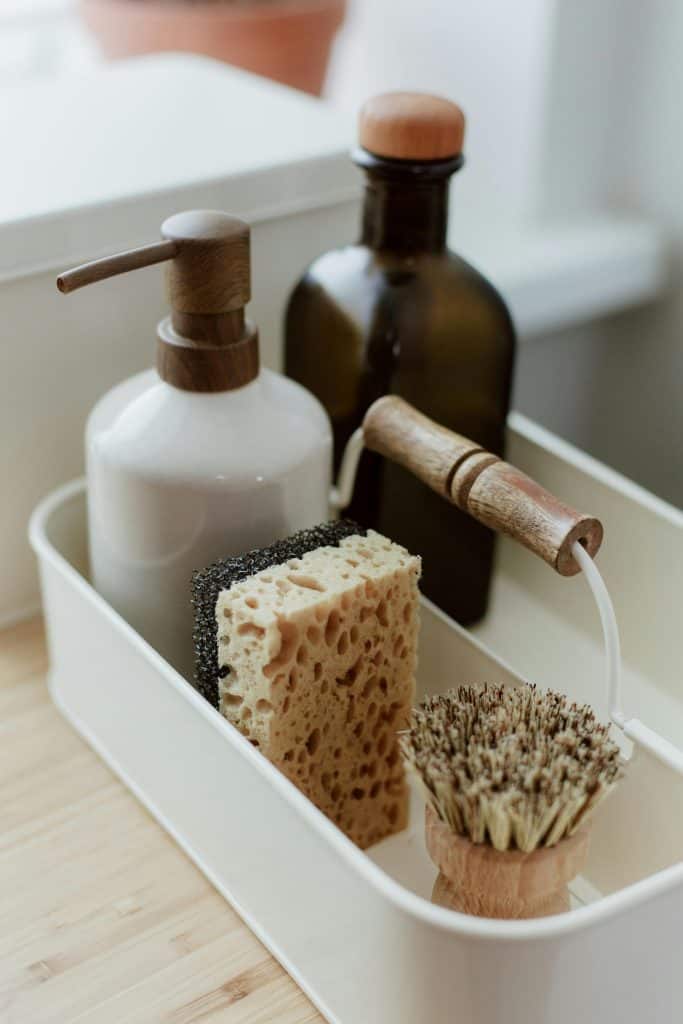
A great first swap is your dish soap, since it’s something you use daily and it directly touches the dishes and utensils that touch your food.
If you’re washing plates with a soap full of chemicals, you could ingest trace amounts over time.
Trade that out for a non-toxic dish soap (there are many affordable options made with plant-based ingredients).
Similarly, think about your all-purpose spray or floor cleaner – these spread chemicals on surfaces kids and pets might crawl on.
Look for cleaners labeled “non-toxic” or “plant-based”, or simply make your own.
A DIY solution of 1 part white vinegar to 1 part water in a spray bottle can tackle most cleaning jobs (add a citrus peel or a few drops of lavender/tea tree oil to offset the vinegar smell).
Baking soda is fantastic for scrubbing sinks, tubs, and stovetops; it’s abrasive enough to clean but gentle and completely food-safe.
2. Avoid “the big bads” in cleaners
As you choose new products, keep an eye out for certain ingredients to avoid.
Common problem chemicals in cleaning supplies include chlorine bleach, ammonia, quaternary ammonium compounds (found in some disinfecting wipes), and anything simply labeled “fragrance” (which can hide phthalates and hundreds of other chemicals).
Non-toxic cleaners skip these harsh chemicals – no bleach, no ammonia, no artificial perfumes – and use safer agents like plant-based surfactants, enzymes, or simple soap.
Don’t worry, “non-toxic” doesn’t mean “not effective.” You can absolutely get a sparkling clean home without the toxic fumes.
For example, products with vinegar or citric acid can remove hard water deposits, and plant-based detergents can cut grease just like conventional ones.
3. Brands and options
There are many budget-friendly brands nowadays offering safer cleaning products.
For instance, Seventh Generation (available in most grocery stores) makes everything from laundry detergent to toilet bowl cleaner with naturally derived ingredients.
Dr. Bronner’s is another versatile option – their liquid castile soap can be diluted to clean dishes, floors, even used as hand soap. (It’s extremely concentrated, so one bottle lasts a long time.) These are cited among affordable eco-friendly cleaning brands.
Other readily available brands include Method, Mrs. Meyer’s, Ecover, and ATTITUDE, to name a few.
Just always double-check the label claims – terms like “green” or “natural” aren’t regulated, so use resources like the EWG’s Guide to Healthy Cleaning to see how a product scores on safety.
With a little trial and error, you’ll find non-toxic cleaners that you love.
Not only will your home still be just as clean, but it will smell cleaner in a fresh, non-chemical way (no more chlorine or fake lemon scent hanging in the air).
Tip: Don’t forget about laundry products too. Conventional laundry detergents and fabric softeners often contain strong fragrances and potential irritants. Swapping to a fragrance-free or naturally-scented laundry soap can reduce skin irritation for sensitive family members.
There are even DIY laundry powder recipes (usually involving washing soda, baking soda, and grated castile soap) if you’re feeling adventurous. If not, brands like Seventh Generation, ATTITUDE or Tide’s purclean line can get your clothes clean without the extra chemicals.
Safer Personal Care: Products You Put On Your Body
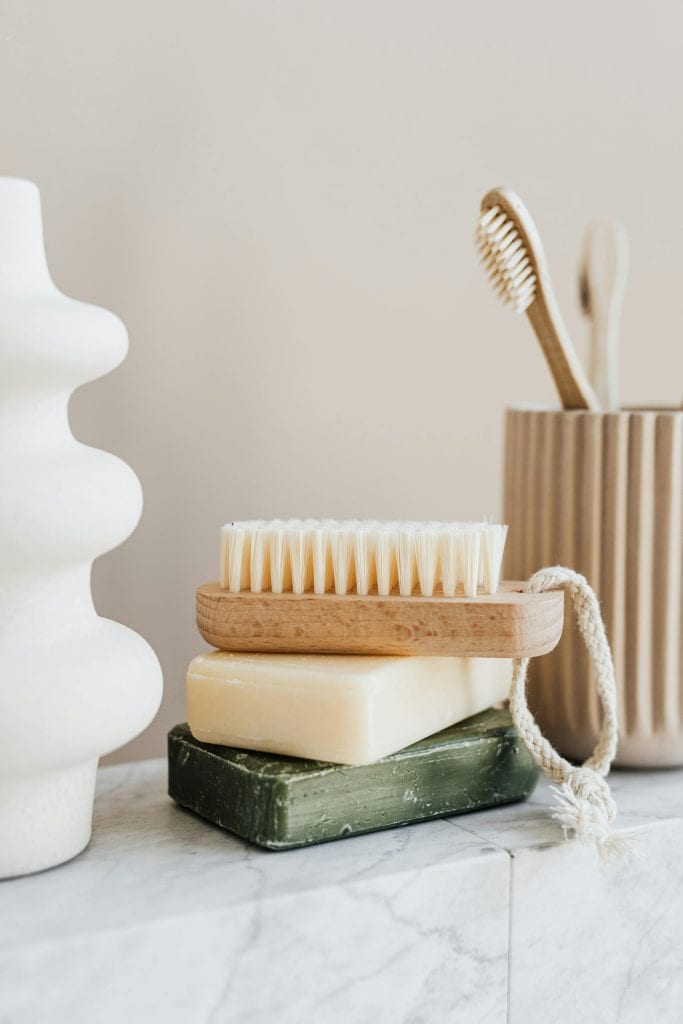
Our soaps, shampoos, lotions, cosmetics, and other personal care products are another key area for easy toxin reduction.
Think about it – these products go on your skin, hair, and lips every day, and our skin can absorb many of the chemicals they contain.
Unfortunately, a lot of mainstream beauty and hygiene products include ingredients like parabens (preservatives linked to hormone disruption), phthalates (often from synthetic fragrances, also hormone disruptors), sulfates (harsh cleansing agents that can irritate skin), and even formaldehyde-releasing preservatives.
Long-term daily exposure to such chemicals is not ideal, especially for young kids (or expecting mamas) who are extra sensitive to hormonal and developmental effects.
Simplify and swap
Just as with cleaning, start replacing personal care items one by one as you finish them.
An easy win is to switch to fragrance-free or naturally scented versions of products.
For example, if your family’s body wash or lotion has “parfum” or “fragrance” high on the ingredient list, consider swapping it for an unscented or essential-oil-scented brand.
This alone cuts out a major source of phthalates and allergens (many people don’t realize that that “fresh scent” in shampoo might come with respiratory irritants or endocrine disruptors).
Look for labels like “paraben-free, phthalate-free, sulfate-free” on personal care products.
Many gentle, non-toxic options are available even at regular drugstores now.
Use trusted resources
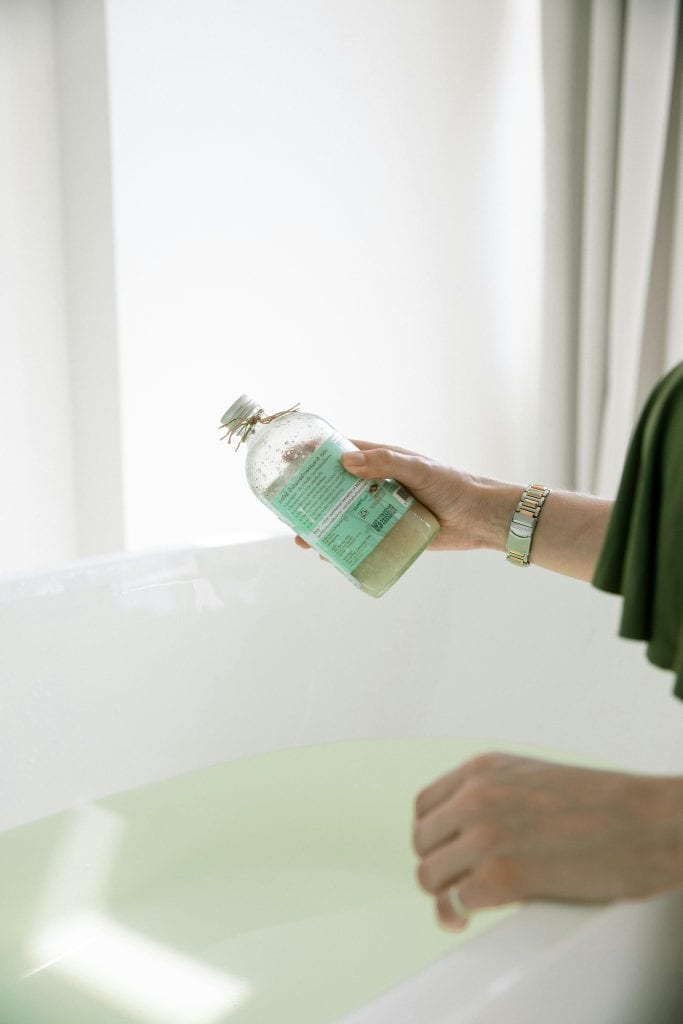
It can be hard to decode every ingredient, so let experts help.
Check out EWG’s Skin Deep database (or their app) – you can search your current products to see their safety ratings, and find recommendations for cleaner alternatives.
Other apps like Think Dirty or Yuka can scan product barcodes and give you a simple score so you know at a glance if something is low-toxic or not.
Learning to navigate these tools can actually be fun and eye-opening.
You might discover that your favorite moisturizer is already safe, or you’ll get suggestions for a new one that scores better.
Affordable clean brands
Non-toxic personal care doesn’t mean you have to splurge on luxury boutique items.
In fact, some of the most popular budget-friendly natural brands are available at big stores like Target or Walmart.
Burt’s Bees and The Honest Company are two great examples – both offer a wide range of products (from lip balms and skincare to baby shampoo and diapers) that are formulated with more natural ingredient.
They’ve built their reputation on being transparent about ingredients and avoiding the major toxins, all while staying reasonably priced.
Other widely available clean brands include Jason, Alba Botanica, Pacifica, Yes To, and Everyone.
Even some conventional brands have “free” or “pure” lines now (like you might see a fragrance-free version of a popular lotion).
If you’re on a tight budget, you can also streamline your routine – the fewer products you use, the fewer exposures.
For instance, one gentle castile soap can replace your body wash, face cleanser, and shave gel all in one.
Or use coconut oil or shea butter as a simple multi-purpose moisturizer instead of several specialized creams.
For the kids
If you have babies or young children, choosing non-toxic personal care is especially important.
Little ones tend to get messy and need frequent washing, so go for tear-free, hypoallergenic formulas without synthetic dyes or perfumes.
Brands like Honest, Babyganics, or Burt’s Bees Baby are formulated with kids in mind (no parabens, phthalates, etc.).
And when it comes to things like diaper cream, lotion, and wipes, gentler is better – not just for their skin but also to avoid unnecessary chemicals.
Children also love to put everything in their mouth, so even chapsticks, bubble baths, and toothpaste should ideally be free of nasty additives (look for fluoride-free, dye-free toothpaste for toddlers, for example).
By making these mindful choices, you’re reducing the chemical burden on your family’s bodies in a significant way.
Healthy Food Choices and Kitchen Swaps for a Non-Toxic Home
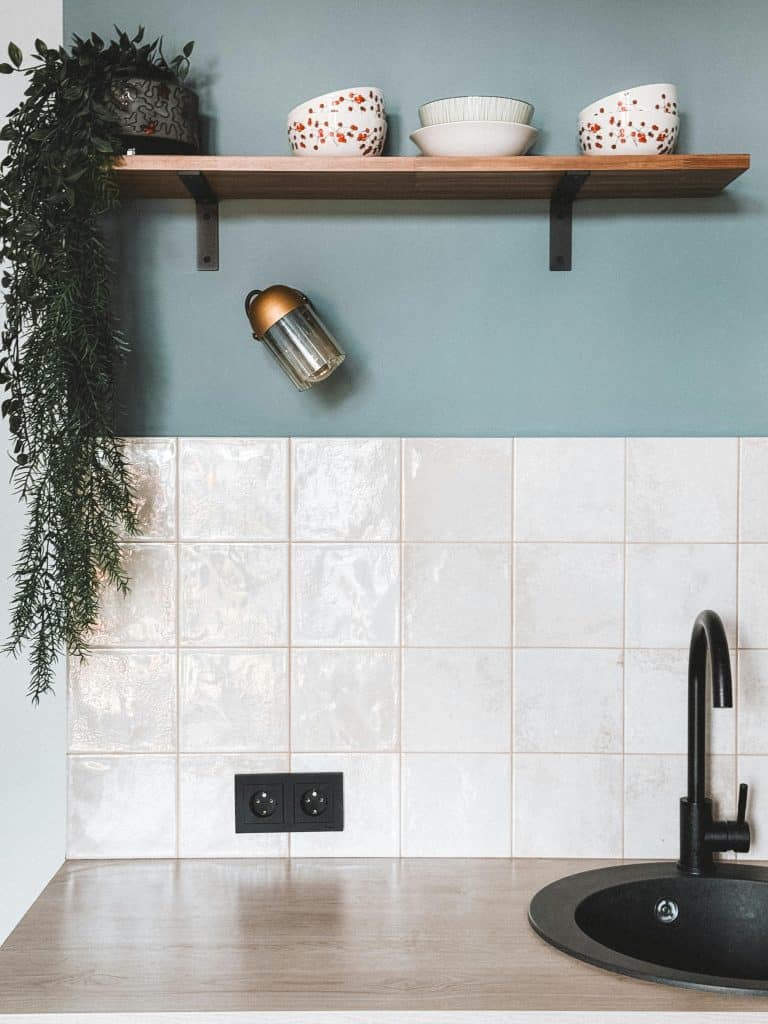
We literally are what we eat, so the food we bring into our homes is a big part of non-toxic living.
The goal here is to minimize harmful chemicals like pesticides, heavy metals, and plastic additives in what we consume.
Here are some everyday changes you can make in the kitchen and at the grocery store:
Prioritize produce wisely
Fruits and vegetables are super healthy – just be mindful of pesticides that might be on them.
Whenever possible, buy organic for the types of produce that tend to have the highest pesticide residues, and don’t worry as much about those with very low residues.
Each year the EWG publishes a “Dirty Dozen” list of the top 12 fruits and veggies most contaminated by pesticides, and a “Clean Fifteen” list of those that are generally pretty clean.
For example, strawberries, spinach, apples, and tomatoes often carry more pesticide residue and are usually worth buying organic if you can.
In contrast, avocados, pineapples, or onions (to name a few) tend to have very low residues and are fine to buy conventional.
This strategy lets you reduce pesticide exposure without breaking the bank – spend a bit more on organic where it counts, and don’t stress the rest.
And regardless of organic or not, always wash your produce thoroughly (a vinegar-water soak or just a good scrub under running water helps remove surface residues and dirt).
For families with kids, this is important because pesticide exposure has been linked to developmental issues in children’s brains, affecting learning and attention.
Choosing organic when feasible and cleaning produce well gives you peace of mind that you’re feeding your family the nutrients they need minus the chemical cocktail.
Filtered water for the win
Do you know what’s in your tap water?
Municipal water is treated to remove most dangerous contaminants, but trace amounts of things like chlorine byproducts, lead (from old pipes), or agricultural runoff can still end up in the glass.
A simple water filter can dramatically reduce these leftovers.
Something as easy as a filter pitcher (e.g., Brita or PUR) or an attachment on your faucet or under the sink will help remove heavy metals, chlorine, and other impurities.
Not only does this make your water taste better, it’s also safer – for instance, filtering can cut down on lead, which is especially important for children’s developing brains.
The U.S. EPA notes that even with standards in place, a small amount of contaminants can persist in tap water, so a home filter adds an extra layer of protection.
And don’t forget pets – they benefit from filtered water too!
If a full filtration system isn’t in your budget, at least use a pitcher or even boil water for making baby formula. Every bit helps.
Ditch plastic in the kitchen
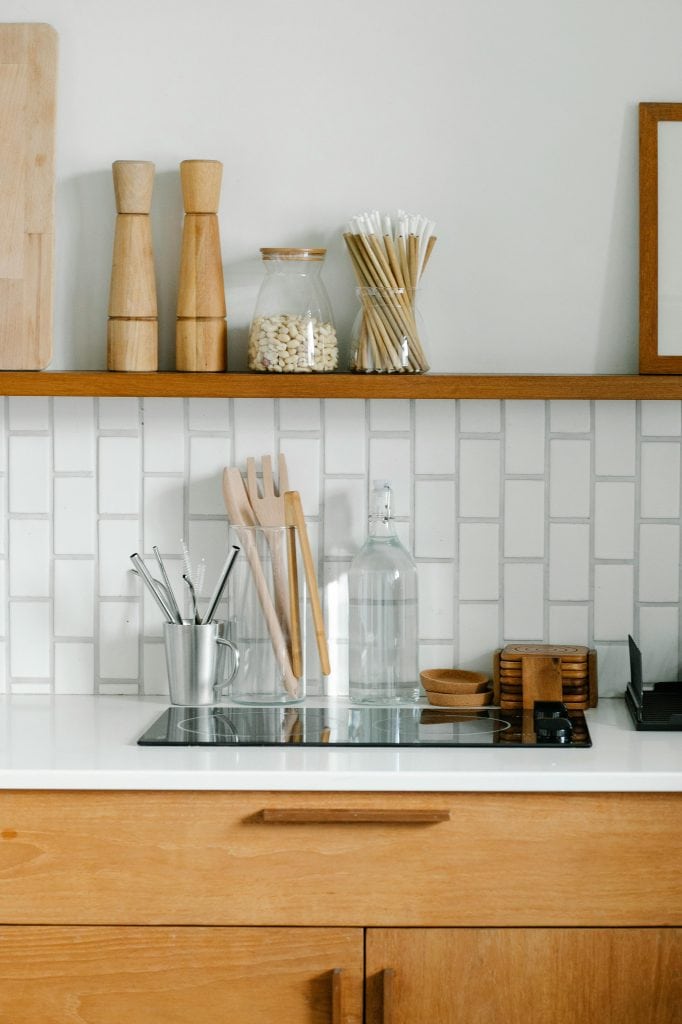
Plastic food containers, bottles, and wraps may be convenient, but they can leach chemicals into your food and drinks – especially when heated or as they age.
You’ve probably heard about BPA (Bisphenol-A), a chemical that was widely used in plastics (like water bottles, food storage containers, the lining of canned foods, etc.).
BPA can seep into food and has raised concerns about effects on the brain and hormones, particularly in fetuses, infants, and children.
Many products now boast “BPA-free,” which is great, but they often replaced BPA with similar chemicals (like BPS or BPF) that might be no better for health.
The safest bet is to reduce your overall use of plastic in any contact with food.
A few easy swaps: store leftovers in glass containers or mason jars instead of plastic tubs; switch to a stainless steel or glass water bottle; reheat food on the stove or in a ceramic/glass dish rather than in a plastic microwave container.
For packed lunches, use silicone resealable bags or waxed cloth wraps (beeswax wraps) instead of plastic zip bags and cling film.
And if you do use plastic occasionally, avoid heating it or putting very hot foods in it – heat accelerates chemical leaching.
Opting for materials like glass, stainless steel, ceramic, or food-grade silicone in the kitchen means fewer weird chemicals in your meals.
Plus, these materials are often more durable and eco-friendly in the long run.
Cookware considerations
Take a look at your pots and pans.
Older Teflon-coated nonstick cookware can release toxic substances (PFAS, sometimes called “forever chemicals”) when scratched or overheated.
If you have a very worn nonstick pan, it might be time to retire it.
The most non-toxic cookware options are those without chemical coatings, such as stainless steel, cast iron, or enamel-coated cast iron.
These might require using a bit more oil to prevent sticking, but they are extremely durable and contain no harmful additives that can leach into food.
Cast iron, for example, can last generations and even adds a bit of iron to your diet.
If you prefer a nonstick surface, consider newer pans that use a ceramic coating – just be sure they are labeled PFOA/PFAS-free.
They won’t last forever, but they’re safer than traditional Teflon.
Going forward, when you need to buy cookware or utensils, choose nontoxic materials (silicone or wood utensils instead of plastic, for instance).
This is an easy change you might only have to think about once, but it yields long-term benefits for everyday cooking.
Mindful food packaging
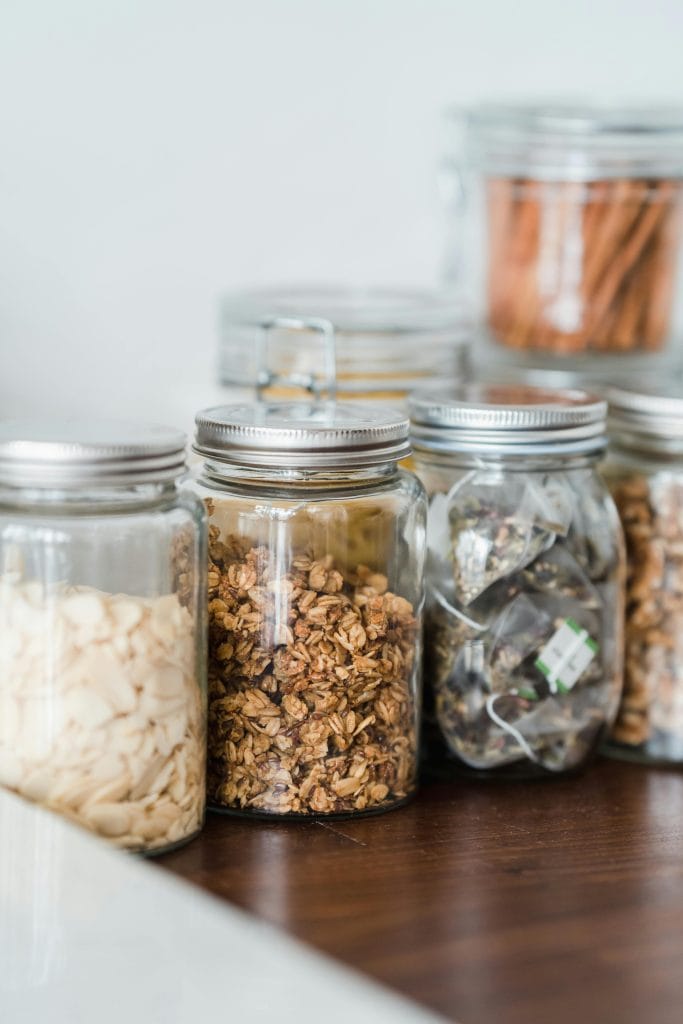
Another small tip – be aware of food packaging and kitchen habits that could introduce toxins.
For example, canned foods can have linings with BPA (though many brands have switched to BPA-free liners now).
Acidic foods like tomatoes are more likely to cause leaching from cans, so you might opt for those in glass jars or Tetra Paks when possible.
Also, avoid storing or microwaving food in old margarine tubs or single-use containers not intended for reuse; they can break down and release microplastics or chemicals.
It might seem nitpicky, but these tiny exposures add up over time.
Fortunately, the fixes (like using proper containers and packaging) are pretty easy once you’re aware.
By being a bit more intentional with what we buy, cook with, and store food in, we can greatly reduce the unwanted extras (pesticides, plasticizers, metals) in our family’s diet. And healthier food just tastes better!
You may even find that fresh, whole foods and home-cooked meals become more appealing as you adopt a non-toxic lifestyle, complementing your efforts to eliminate chemicals.
Fresh Air at Home: Ditch the Toxins in Fragrance & Improve Ventilation
Indoor air quality can have a huge impact on health, especially for anyone with asthma or allergies (and children tend to breathe more air per body weight than adults, so air pollutants affect them more).
Here are some everyday changes to help you breathe easier:
Skip synthetic air fresheners and perfumes
We all love a good-smelling home, but ironically those plug-in air fresheners, spray deodorizers, or heavily scented candles can pollute your air.
The term “fragrance” on a label can hide hundreds of chemicals (it’s considered a trade secret, so companies don’t have to list the ingredients).
Research has shown that some common fragrance ingredients – for example, a citrus-scent chemical called limonene – can react with ozone in the air to form formaldehyde, a known carcinogen.
And these air freshener products can emit other hazardous air pollutants that have no safe level of exposure according to the EPA. In short, that flowery or pine scent from a spray can come with invisible toxins that you and your family end up breathing.
A smarter alternative: neutralize odors naturally. If something smells stale, find the source (take out the trash, clean the litter box, etc.) rather than masking it. Use baking soda to absorb odors (an open box in the fridge or a sprinkle in smelly shoes works wonders).
Simmering a small pot of water with cinnamon sticks or orange peels can make your kitchen smell great, toxin-free.
You can also use essential oils in moderation – try an essential oil diffuser with a few drops of lavender or peppermint oil for a pleasant natural scent, or even just put a couple drops on a cotton ball in a corner of the room (out of reach of kids and pets).
Are you looking for a way to enjoy essential oils while keeping bugs away? You can check out our tick and mosquito repellent oil for diffuser bracelets – a natural solution that works beautifully with your diffuser.
Just ensure the oils you use are safe for your pets/kids and ventilate occasionally. And remember, nothing beats fresh air – which leads to the next point…
Open windows and ventilate regularly:
One of the simplest non-toxic habits is to let fresh air in.
Modern homes can trap a lot of pollutants inside – everything from cooking fumes, off-gassing chemicals from furniture, to the CO₂ we exhale. Aim to crack open your windows for a few minutes each day, even in winter if possible (choose the warmest part of the day).
According to the EPA, bringing in outdoor air and improving ventilation can reduce indoor pollutant levels significantly.
In fact, they found that indoor air pollutant levels may be 2–5 times higher (and in some cases 100 times higher!) than outdoor air because our homes can accumulate all those contaminants.
So, get the air circulating: use exhaust fans when cooking or showering (to remove smoke, moisture, and fumes), and consider using a HEPA air purifier in rooms where you spend a lot of time (like bedrooms or the living room).
(For tips on keeping your sleeping space healthier, check out my easy guide to non-toxic bedroom swaps to make your bedrooms fresh, safe, and cozy.)

An air purifier with a true HEPA filter can capture particulate matter like dust, pollen, and even some volatile chemicals if it has an activated carbon component. If an air purifier isn’t in the budget, houseplants can help a bit too.
NASA’s classic Clean Air Study found that certain indoor plants can remove pollutants like benzene, formaldehyde, and trichloroethylene from the air. Plants like spider plants, snake plants, pothos, and peace lilies are often cited as good air purifiers.
Plus, having greenery around just makes people happier and less stressed! While you’d need a jungle’s worth of plants to completely clean the air, a few well-placed plants certainly won’t hurt and can complement other methods of keeping air fresh.
Healthier candle and scent options
If you enjoy candles for ambiance or scent, choose them carefully.
Avoid candles with lead-core wicks (most big brands phased these out years ago due to regulations, but some cheap imports might still have them) and avoid paraffin wax candles with strong synthetic fragrances, as they can release soot and unwanted chemicals when burning.
Instead, look for 100% beeswax or soy candles with cotton or wood wicks and either unscented or scented with natural essential oils.
Beeswax candles even emit a natural honey-like aroma and burn with minimal smoke. They’re a bit more expensive, but you can burn them for shorter periods for the same effect.
Another idea: battery-operated LED candles. They now flicker quite realistically, give that cozy vibe, and of course produce no pollutants – a great swap if you just love the look of candlelight every evening.
For scent, you can also simmer spices on the stove or bake something yummy (the smell of fresh bread or cookies beats any room spray!).
The key takeaway is to reduce the routine use of synthetic fragrances in your home – your nose will soon adjust and you’ll likely find you don’t miss those plug-ins at all. In fact, many people report fewer headaches or allergy symptoms once they remove these sources of indoor fragrance pollution.
Keep dust and dirt in check
Dust can be a sneaky reservoir for toxins (like residues from household chemicals and even things like flame retardants shed from electronics or upholstery).
An easy habit to adopt is to dust and vacuum regularly – ideally with a vacuum that has a HEPA filter so you’re not just blowing dust back into the air. And remember that doormat rule: shoes off at the door!
This simple practice prevents a lot of outdoor contaminants from getting inside. Studies have found that pesticides from lawns or driveways (and even pollutants like lead or coal tar from pavement sealants) hitchhike into our homes on our shoes.
By leaving shoes at the entrance, you’ll keep your floors cleaner and avoid spreading those substances where kids might play. Provide a shoe rack or basket by the door and maybe some comfy house slippers for family and guests – it reinforces the habit and feels welcoming.
Overall, keeping your indoor air fresh and clean boils down to ventilation, natural scents, and good cleaning habits. You’ll literally breathe easier knowing that the air in your home is as toxin-free as possible.
A Little Change Makes a Big Difference
By now, you’ve seen that there are lots of simple, everyday tweaks – from choosing a greener dish soap to opening a window – that can dramatically reduce the chemical burden in your home.
It’s normal if you can’t do everything at once. Just pick one suggestion that seems most doable and give it a try! Maybe this week you swap out your family’s hand soap for a natural brand, and next week you start rinsing produce with extra care.
Each step will build your confidence and soon you’ll notice the air is fresher, your home smells like, well, nothing (which is a good thing), and you have peace of mind that you’re surrounding your loved ones with fewer toxins.
As you continue, keep learning and adapting. There are great communities, blogs, and resources (like EWG, Healthy Child Healthy World, etc.) where people share tips and product recommendations.
But trust yourself, too – if you open a cleaner and get hit with chemical fumes, you now know there’s a better way. Your home will gradually become a place where you feel good about every product you bring in.
Here’s to a healthier, happier home – one non-toxic step at a time!
FAQs
1. What’s the first swap I should make if I’m completely overwhelmed?
Start with the products you use the most.
For most families, this is dish soap, hand soap, or your daily body wash/shampoo. Pick one “high-contact” product and replace it with a cleaner version. This gives you a quick win and the confidence to continue.
2. Are DIY cleaners really effective, or do I still need store-bought ones?
DIY works great for everyday cleaning – store-bought is helpful for deep cleaning.
A simple vinegar + water mix cleans glass, counters, and floors beautifully. Baking soda is excellent for scrubbing. For occasional heavy-duty jobs (like tough soap scum), a store-bought non-toxic cleaner with enzymes or plant-based surfactants can be helpful.
3. Is switching to organic food necessary, or can I just wash produce really well?
Washing helps, but certain produce items tend to hold more pesticides.
You don’t have to buy everything organic. Follow EWG’s Dirty Dozen + Clean Fifteen guide. Washing produce with a baking-soda or vinegar rinse also reduces residues significantly.
4. How long does it take to transition to a non-toxic lifestyle?
The timeline is flexible – most people take weeks or months.
Using the “swap as you finish” approach makes the transition natural and budget-friendly. Over time, you’ll replace nearly all daily-use items without even noticing the effort.
5. Do I need to throw away all my old products right now?
Use them up unless they cause irritation or have ingredients you prefer to avoid.
This avoids waste and extra expense. Products that give headaches, skin reactions, or contain ingredients like heavily fragranced sprays are worth replacing immediately.