
Learning to sew is one of the most useful homemaking skills you can start building.
It gives you the ability to create things that are both practical and personal, whether it’s a stack of cloth napkins for the dinner table or a blanket for cozy evenings.
Sewing also brings a sense of confidence – every finished project is proof that you can turn simple fabric into something your family will actually use.
With just a few basic stitches and straightforward projects, you’ll quickly build the foundation that makes larger projects easier down the road.
These beginner-friendly ideas are designed to be encouraging, approachable, and genuinely useful in everyday home life.
15 Things to Sew When You’re Just Starting Out
Here are 15 easy things you can sew as a beginner – simple projects that let you practice your skills while creating items you’ll be glad to have around the house.
1. Cloth Napkins
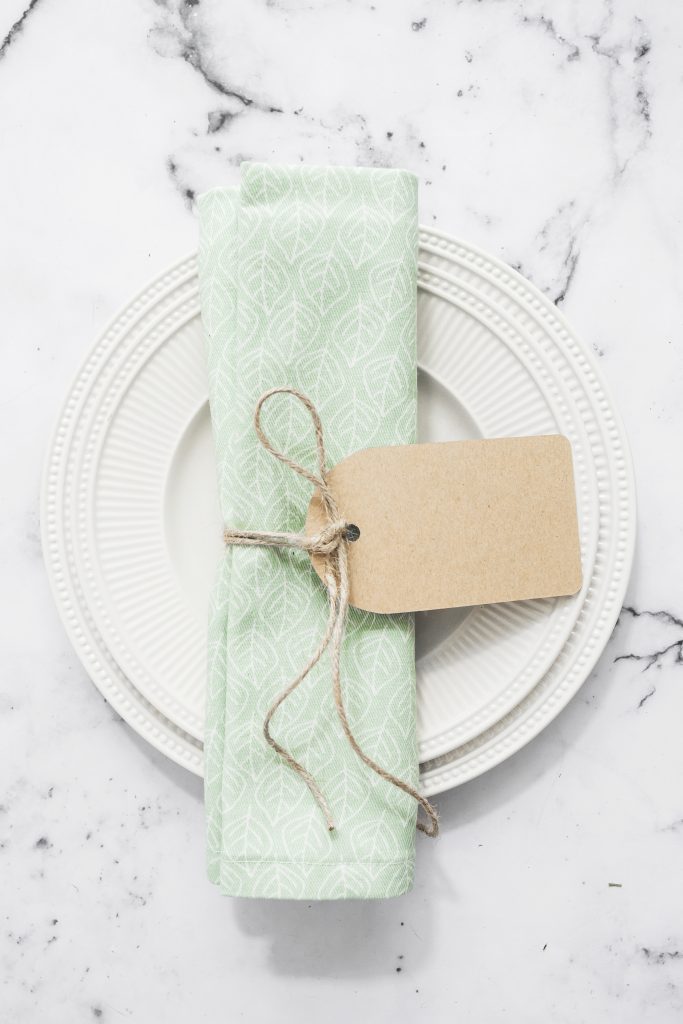
Cloth napkins are one of the best first projects for beginners because they check all the boxes: simple, useful, and confidence-building.
All you need are straight stitches, and you end up with something your family can use every single day.
Instead of relying on paper napkins, you’ll have a durable set that saves money and cuts down on waste.
To make them, cut fabric into equal-sized squares or rectangles (cotton and linen are easiest for beginners).
Press the edges with an iron, fold them under, and sew a neat hem all the way around.
You can keep it very straightforward with a single stitch or experiment with decorative stitches once you’re comfortable.
Each one will still do the job while giving you the chance to practice consistency in your stitching – a habit that strengthens your skills for every project ahead.
2. Pillowcases
Pillowcases are a step up from napkins, but they’re still straightforward and satisfying to sew.
With just a few seams, you can refresh a bedroom, make a thoughtful gift, or give kids a chance to pick out fun fabrics for their own beds.
The process is simple: cut your fabric to size, sew along two sides, and finish with a clean hem or envelope fold at the opening.
If you want to elevate it, try using French seams (where raw edges are hidden inside the seam) for a polished finish.
Pillowcases are also practical projects for learning how fabric behaves.
Softer fabrics like flannel and cotton are forgiving and wash well, making them perfect choices.
And because pillowcases get used and laundered often, you’ll see how your sewing holds up in real life.
3. Drawstring Bags
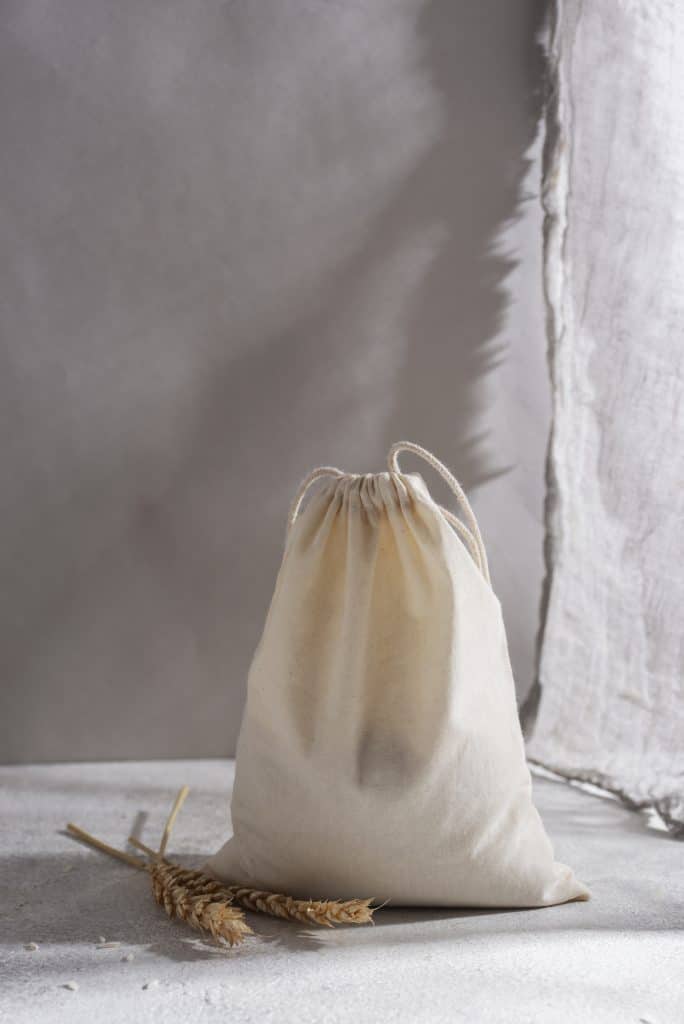
Drawstring bags are wonderfully versatile.
They can hold produce from the market, organize toys, corral craft supplies, or even double as reusable gift bags.
And from a beginner’s perspective, they teach you how to make a fabric casing (the channel where the drawstring goes) – a skill that shows up again in clothing and more advanced projects.
To make one, sew a basic pouch, fold the top down to create a casing, and thread a cord, ribbon, or shoelace through. That’s it.
The bag closes neatly, opens easily, and looks like something you’d buy at a store.
What makes this project especially helpful is repetition. Once you’ve made one bag, it’s easy to adjust the size for different uses.
Before long, you’ll have a whole set that keeps your household more organized while strengthening your sewing skills.
For a seasonal twist, check out how to sew a Christmas fabric gift bag for a fun holiday version.
4. Hair Scrunchies or Headbands
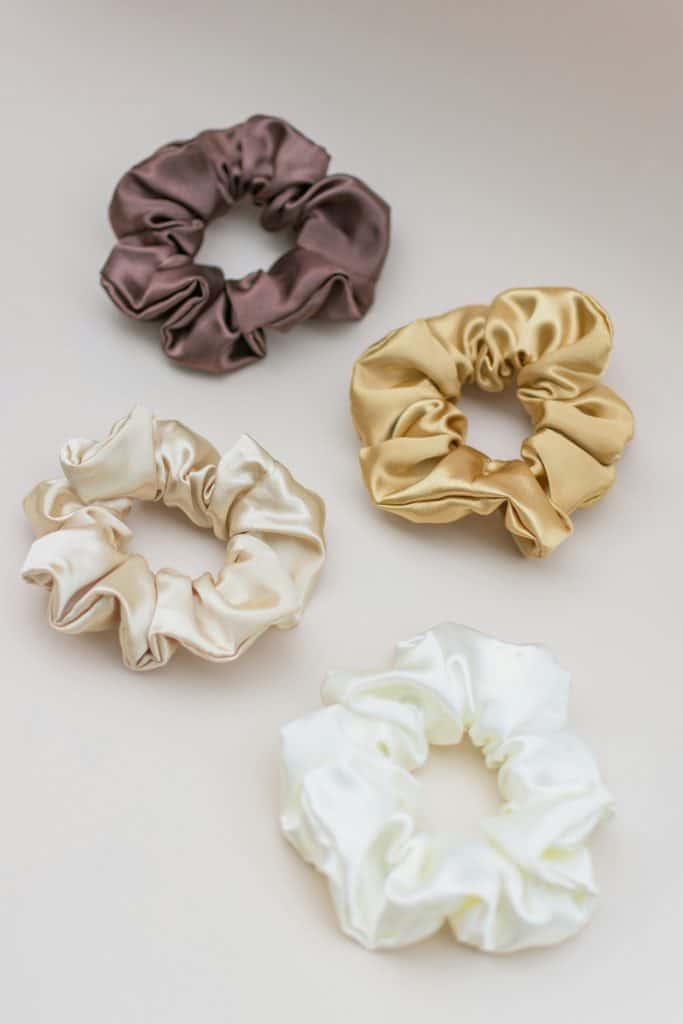
Scrunchies and headbands are quick projects that turn small fabric scraps into something useful.
They teach you how to sew tubes, work with elastic, and close seams neatly – all building blocks for more advanced sewing down the road.
For a scrunchie, cut a strip of fabric, sew it into a tube, thread elastic through, and stitch the ends closed.
For a headband, you’ll use a similar process but adjust the sizing for a comfortable fit.
Both are forgiving projects, which means even if your stitches aren’t perfect, the elastic and fabric gathers will hide small mistakes.
These make wonderful little gifts. They’re kid-approved, cost almost nothing to make, and add a bit of handmade personality to everyday routines.
5. Apron

An apron is a project that blends simplicity with practicality.
It protects your clothes in the kitchen, garden, or craft space, and it instantly becomes something you reach for often.
It’s also a chance to play with pockets, straps, and different fabric weights – details that give you new skills without being overwhelming.
The design can be as simple as a rectangle for the body with ties attached at the waist and neck.
Start with cotton, denim, or linen, since they’re sturdy yet easy to sew.
If you’re ready for a small challenge, add a pocket or a contrasting fabric trim for a finished look.
Aprons also make excellent gifts for friends or family members.
Each one can be personalized – a cheerful pattern for someone who loves baking, a heavier fabric for someone who spends hours in the garden.
6. Table Runner

A table runner is the perfect project if you want to practice long, straight seams while making something that elevates your dining table.
Unlike clothing, it doesn’t require fitting or curves, so you can focus entirely on neatness and finishing.
Cut your fabric to the length and width you want, then hem all sides.
You can keep it simple with a single piece of fabric or piece together different strips to create a patchwork look.
For a seasonal touch, try choosing fabrics that reflect holidays or the changing seasons – then swap them out throughout the year.
This project builds patience as well as precision.
Long seams test your ability to guide fabric evenly, and pressing the fabric before stitching helps everything look professional.
In the end, you’ll have a table runner that not only dresses up mealtime but also gives you a sense of steady progress in your sewing journey.
7. Reusable Grocery Bag

Reusable grocery bags are both practical and eco-friendly, making them a smart project for beginners.
They’re sturdier than the plastic bags from the store, and once you’ve made a few, you’ll never have to worry about forgetting your bags again.
The construction is straightforward: sew two panels together, add side seams, and attach handles.
For strength, use cotton canvas, denim, or another durable fabric. If you’d like, line the bag to give it a professional finish and extra support.
Sewing grocery bags helps you learn how to handle heavier fabrics and how to reinforce seams – skills you’ll use again and again.
Plus, they get used constantly, which means your effort pays off every single week.
8. Kitchen Towels or Dishcloths
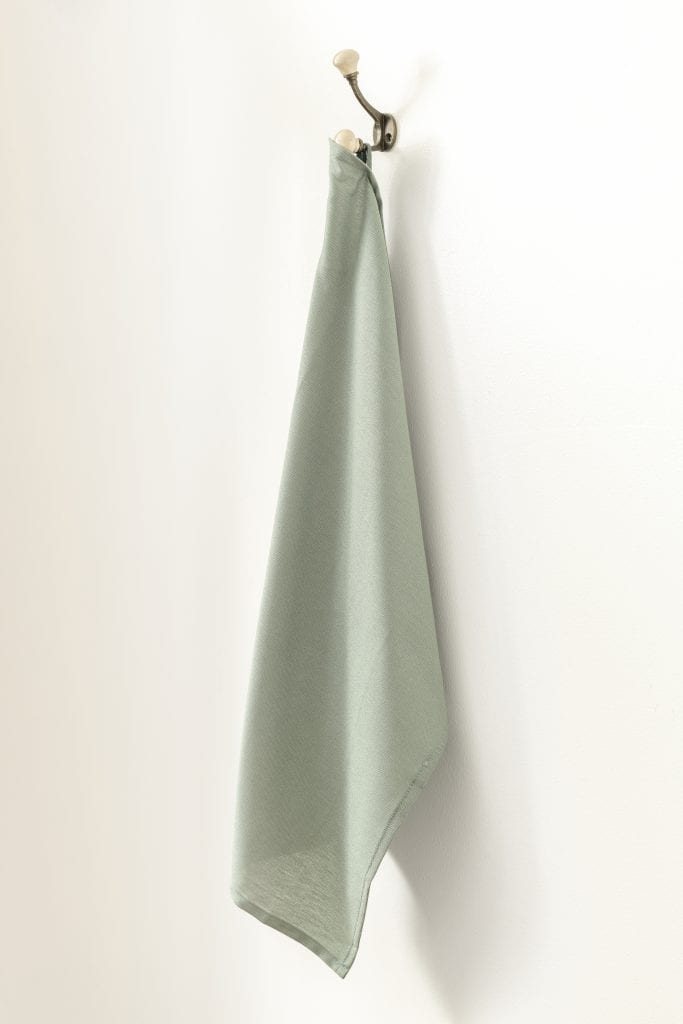
Kitchen towels are a beginner project that’s as practical as it gets. They’re quick to sew, easy to customize, and always useful in a busy kitchen.
Start with absorbent fabrics like cotton, linen, or terrycloth. Cut your fabric into rectangles, hem the edges, and you’re done.
To personalize them, add a fabric loop in the corner for hanging or experiment with decorative stitching along the hems.
This project is also a great way to upcycle old textiles.
A worn-out tablecloth or sheet can easily become a stack of kitchen towels.
Every time you use one, you’ll be reminded that your sewing can bring both utility and a sense of resourcefulness into daily life.
9. Throw Pillow Covers
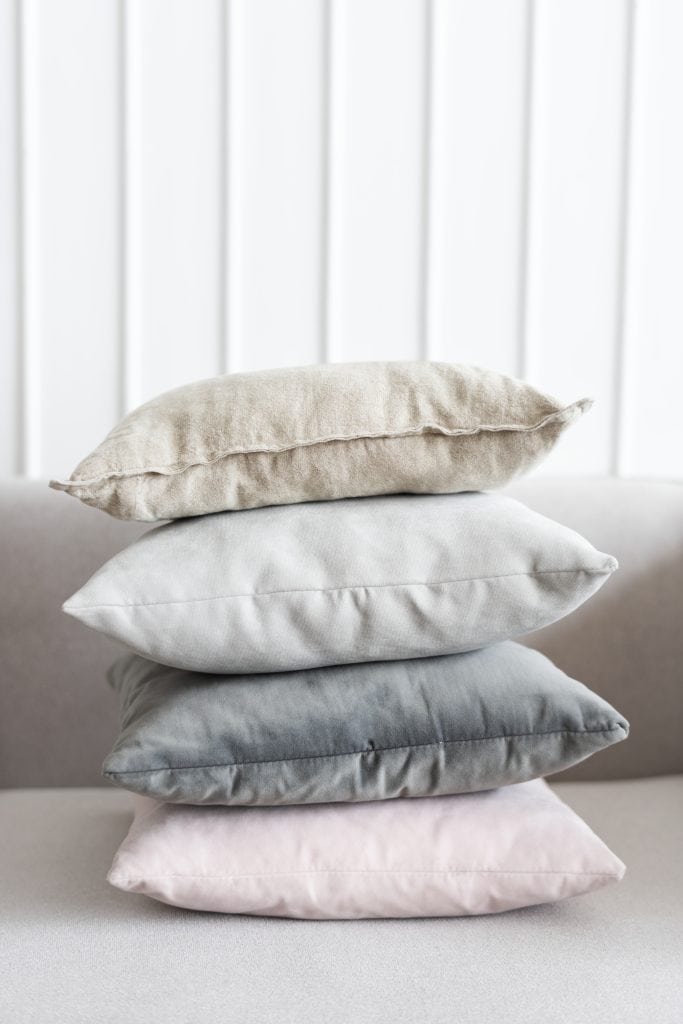
Throw pillow covers give your home an instant refresh without much effort.
They’re straightforward to sew, yet the impact on a room’s look is immediate.
The easiest style is the envelope closure: two overlapping panels in the back that make it simple to slip the pillow in and out. No zippers required.
If you’re ready for a bit more practice, try adding buttons or even a zipper for a cleaner finish.
Because they’re small, pillow covers are a safe place to experiment with new fabrics, colors, and textures.
Make a set for every season or swap them out whenever you want a change.
10. Baby Blanket

Few projects feel as meaningful as sewing a baby blanket.
It’s a beginner-friendly project that combines simple construction with lots of comfort and warmth.
Cut two rectangles of soft fabric (flannel, fleece, or cotton work well) sew them right sides together, then turn them inside out and top-stitch around the edge.
You can keep it very simple or quilt a few straight lines across to hold the layers together.
This project is forgiving but still teaches valuable skills like sewing corners neatly and managing larger pieces of fabric.
And whether you keep it for your own family or give it as a gift, a handmade blanket always carries a special kind of care.
For more ideas, check out adorable baby projects before birth for creative gifts and keepsakes.
11. Heating Pad (Rice Bag)
A heating pad is a project that shows how sewing can directly improve everyday comfort.
It’s essentially a fabric pouch filled with rice, flaxseed, or dried beans, which can be microwaved to provide soothing warmth.
To make one, sew two rectangles of cotton together, leaving a small opening. Fill with your chosen filler, then close the seam.
For a washable option, create an outer cover with an envelope closure so you can slip the inner bag in and out.
Not only is this project simple, it also teaches precision when sewing straight seams and closing openings neatly.
It’s quick to make, but the usefulness lasts for years – a perfect example of sewing adding real value to home life.
12. Elastic-Waist Skirt
An elastic-waist skirt is often the first step into sewing clothes.
It’s straightforward, comfortable to wear, and forgiving in fit – which makes it perfect for beginners.
The basic construction involves sewing a fabric tube, creating a waistband casing, and inserting elastic.
Choose a light cotton for practice since it handles easily and drapes well.
Once you’re comfortable, you can experiment with different fabrics and lengths.
Sewing a skirt introduces you to essential clothing techniques: measuring fabric accurately, creating casings, and working with elastic.
When you’re done, you have a wearable piece of clothing – a milestone that feels both practical and motivating for your sewing journey.
13. Baby Bibs
If you’ve got little ones, sewing your own bibs is both cost-effective and endlessly useful.
They’re usually made from two layers of fabric (cotton on top, terry cloth or flannel underneath for absorbency), plus a snap or Velcro closure.
The beauty is you can make a whole stack in an afternoon, and they wash up beautifully.
A simple rounded or bandana-style pattern gives you a chance to practice sewing curves while creating something you’ll reach for daily.
14. Pillowcase Dress
This is a beloved beginner project because it looks impressive without being complicated.
You start with a rectangle of fabric, fold it in half, stitch up the sides, and add casings at the neckline for ribbon or bias tape straps.
That’s it – you’ve got a breezy little dress.
It’s a great way to practice hemming and working with lightweight cotton, and if you don’t have kids, these also make wonderful gifts.
You’ll quickly see how mastering a basic shape can open the door to sewing other simple garments.
15. Tote Bag

Every household can use another sturdy bag, whether for library books, groceries, or toys.
A tote is basically two rectangles sewn together with handles added, but you can expand the challenge by lining it, boxing the corners for more depth, or adding pockets inside.
It’s one of the most practical projects on the list because you’ll use it constantly, and each time you carry it, you’ll get that little spark of satisfaction knowing you made it yourself.
Plus, learning how to attach straps and finish seams neatly will build confidence for more complex projects down the road.
Sewing Tips for Beginners
Before you jump into your first project, a few simple tips can make the process a lot smoother (and less frustrating).
- Start simple. Straight stitches and square shapes are the easiest place to begin.
- Press as you go. An iron might feel optional, but pressing seams and hems makes your projects look neater instantly.
- Don’t skip pinning (or clipping). Taking a few extra seconds to hold fabric in place saves a lot of unpicking later.
- Practice on scraps. Old pillowcases or worn-out shirts are perfect for testing tension and stitch length before working on your “real” fabric.
- Slow down. Speed comes with practice. Sewing is more enjoyable (and precise) when you’re not rushing.
- Embrace mistakes. Every wobbly seam is progress. A seam ripper isn’t a sign of failure – it’s a beginner’s badge of honor.
If you keep these small habits in mind, you’ll notice your projects looking cleaner and your skills growing much faster.
Building Your Beginner Sewing Kit
Many readers might be wondering, what do I actually need to get started?
If that’s you, I put together a simple guide on the essential sewing tools every beginner needs to get started.
A basic kit goes a long way. Think sharp fabric scissors, pins or clips, a seam ripper (yes, you’ll use it a lot at first), measuring tape, chalk or a fabric marker, and of course a reliable sewing machine.
Having your tools organized makes sewing feel less overwhelming and more fun.
Ready to Thread Your First Project?
The best way to learn sewing is simply to start.
Whether you pick up a scrunchie, a pillowcase, or a tote bag, each project teaches you something new and builds your confidence one stitch at a time.
Grab some fabric, set up your machine, and enjoy the process (imperfections and all).
Remember, every skilled sewist began with wobbly seams and uneven stitches.
What matters most is that you’re creating something useful with your own two hands.
Which of these projects are you most excited to try first? Comment down below – I’d love to hear what’s on your sewing table!
FAQs
1. What sewing tools do I need to get started?
At the very least, you’ll need fabric scissors, pins or clips, a needle and thread, and a measuring tape. A sewing machine helps but isn’t required for most beginner projects.
2. Do I need patterns for these projects?
Not always. Many beginner-friendly projects (like coasters, scrunchies, or pillow covers) can be made using basic measurements or by tracing items you already own. Patterns are more useful once you move on to clothing.
3. How do I stop fabric from fraying when I sew?
You can finish the edges with a zig-zag stitch on your machine, use pinking shears, or even apply a bit of fabric glue on raw edges. This keeps your projects looking neat and lasting longer.
4. What should I do if my stitches look uneven?
That’s totally normal when starting out! Try practicing on scrap fabric before moving on to your project. Consistent tension and slowing down usually help make stitches neater.
5. Can I upcycle old clothes for beginner projects?
Definitely! Old shirts, jeans, and bed sheets are perfect practice fabric and can be turned into snack bags, tote bags, or even scrunchies. It’s budget-friendly and sustainable.