
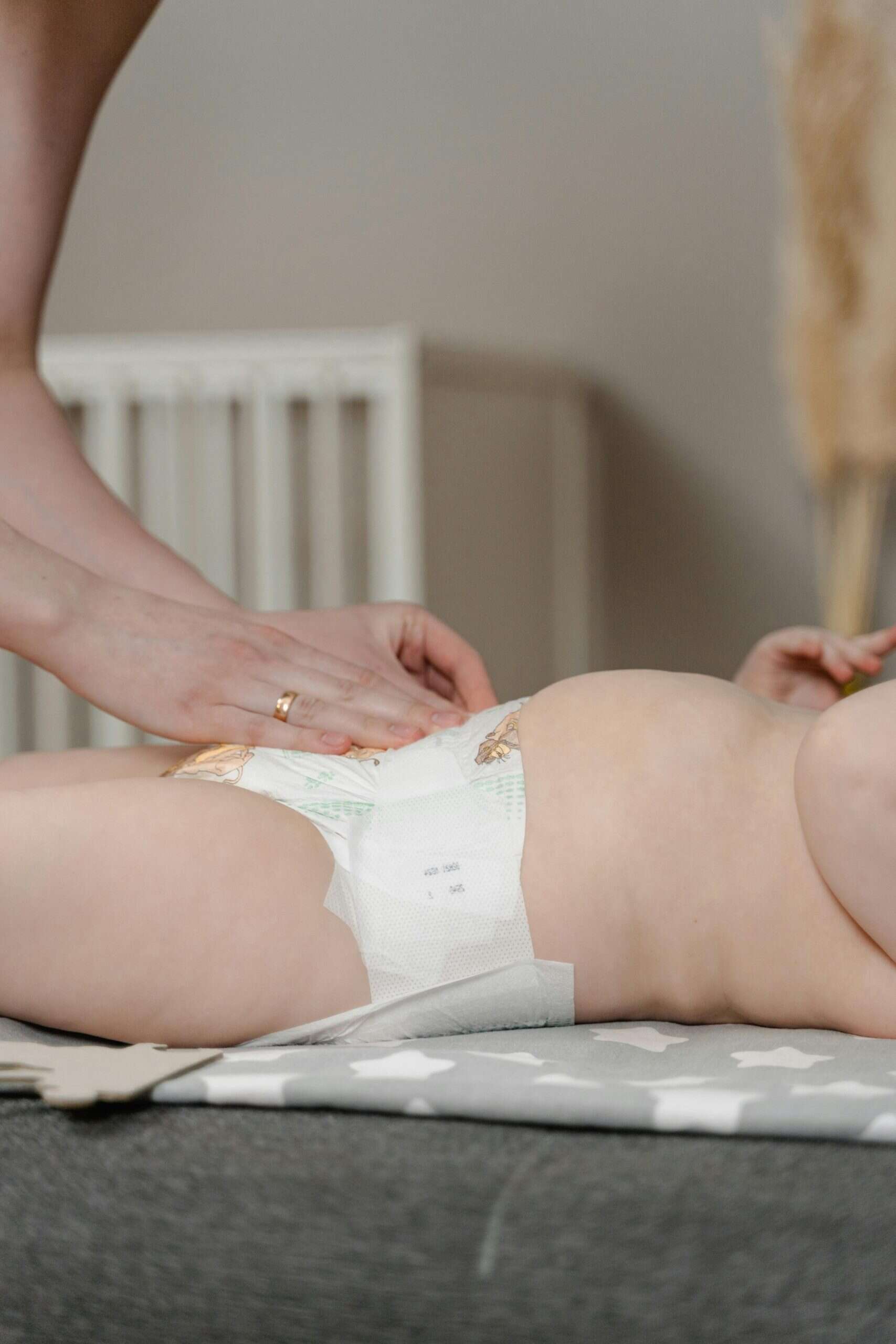
As a mama who’s currently growing another little miracle, I know firsthand how much love, thought, and care goes into preparing every corner of your baby’s nursery – and the changing table is no exception.
It’s a space where love meets practicality, where snuggles mix with midnight changes, and where having the right setup makes all the difference.
So let’s walk through everything you need to make your changing area not just organized, but truly comforting, safe, and ready for all the beautiful messes of motherhood.
How To Choose the Right Changing Table?
When choosing a changing table, focus on creating a setup that supports your routine and makes diaper changes smoother. It’s important to balance functionality and comfort so both you and your baby can have a pleasant experience.
Here are some loving (and practical!) tips to guide you:
Size and Height
Choose a table that’s comfortable for your height. Trust me – your back will thank you during those 2 a.m. diaper changes!
A table that’s too low or too high can turn those tender moments into strain-filled ones. Comfort for you matters just as much.
Stability
Safety first, always. Look for something sturdy and well-balanced that won’t wobble or shift while your little one wiggles.
Babies are stronger and squigglier than we think – and the right table keeps those joyful flails safe.
Storage Options
When everything (wipes, diapers, creams) is right at your fingertips, diaper changes become calm and seamless.
I chose a sturdy dresser-style table with doors, and I love how everything has its own little place. I’m all about buying once and buying smart – especially with multiple kiddos in mind!
Several Types of Changing Tables
Let’s look at the most common types so you can pick what fits your space, lifestyle, and heart best:
Changing Pads on Dressers
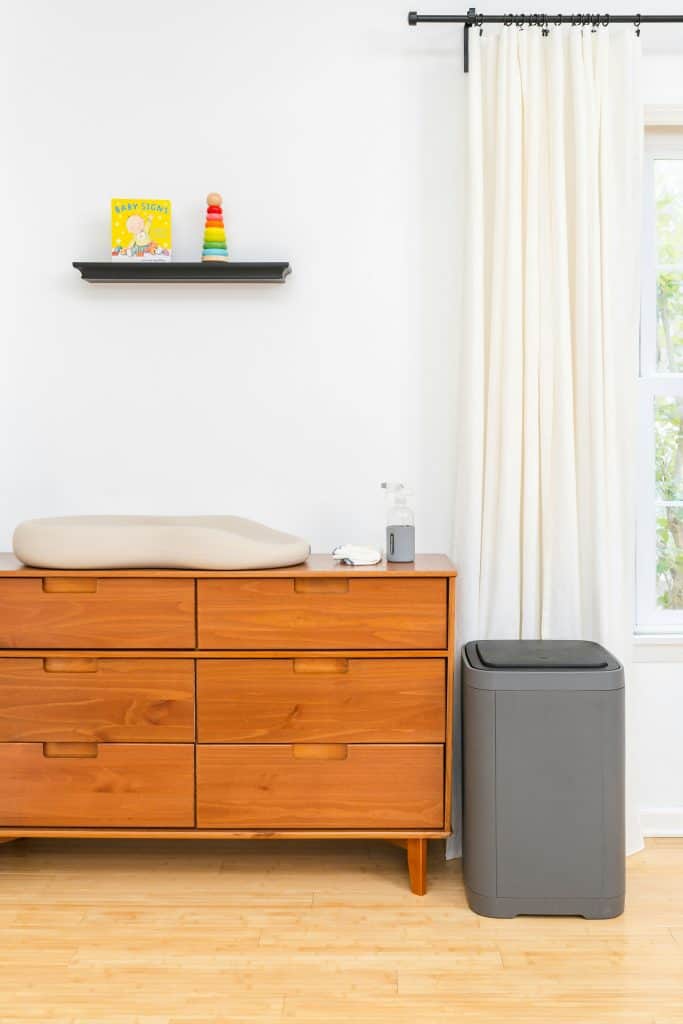
If you’re working with a smaller space or just want something simple and budget-friendly, placing a changing pad right on top of a dresser is a great go-to. It’s minimal, functional, and makes the most of furniture you already have.
While this setup might not include features like built-in storage or raised edges, you can absolutely make it work with a few smart add-ons (like non-slip pads or cute little baskets nearby). A dresser gives you plenty of room to organize essentials – and when baby days are done, it keeps on serving your family.
Portable Changing Stations
For families on the move or living in cozy spaces, portable changing stations can be a lifesaver. They’re lightweight, easy to tuck away, and perfect for keeping diaper changes close no matter which room you’re in.
While they tend to have less storage and may not include built-in safety edges, they shine when it comes to flexibility. You can always add your own touch – like a soft mat and a nearby caddy with everything you need – to make the setup feel just right.
Traditional Changing Tables
If you’re looking for something sturdy and purpose-built, traditional changing tables are a classic for a reason. They usually come with open shelves or drawers so everything’s within arm’s reach, plus raised edges to help keep baby safe and snug during changes.
They also grow with your family – some even convert into toddler furniture later on, which makes the investment feel even more worthwhile.
For me, I’ve found a happy balance with a dresser that has a built-in changing area. It has three deep drawers, and the top one is dedicated to diaper inserts and wipes. When it’s time for a change, everything I need is right there – no rummaging, no stress. Just open, grab, change, and done.
It’s the little systems like this that make everyday parenting feel smoother, calmer, and more connected. And that’s really what matters most.
Safety First
When setting up your changing table, comfort is important – but safety is everything. This little spot is where you’ll care for your baby countless times a day, so creating a secure setup really matters. Just like we baby-proof cabinets and outlets, our changing area deserves the same kind of gentle attention.
Safety Straps and Contours
One of the best things you can do for your peace of mind is choose a changing table (or pad) that has safety straps and raised sides. Babies love to wiggle – and they get surprisingly squirmy, fast!
A simple safety strap helps keep your little one snug and secure, even during the twisty, giggly, mid-change moments. And raised edges (or a guard rail around all four sides) add an extra layer of protection, helping prevent any accidental rolls or slips.
Keep Essentials Close (and One Hand on Baby)
One simple rule I always follow: everything I need stays within arm’s reach. Diapers, wipes, creams, even a change of clothes – I keep it all nearby so I never have to step away, not even for a second.
When your baby is on a raised surface, it’s so important to keep one hand on them at all times. Even a quick reach can be risky, especially once they start rolling.
A little preparation goes a long way. Set up your space to work with you, not against you.
Tips For Baby-Proofing Your Changing Area
To ensure a safe environment for your baby, taking some precautions is essential.
- Make sure the changing table is placed away from windows, heaters, or blinds with cords.
- Avoid placing anything sharp, breakable, or easy to pull down near your setup.
- Choose baby-safe storage baskets and skip any accessories with tiny detachable parts.
You’ll be creating a space that not only works beautifully but also feels calm and reassuring.
Changing Table Must-Haves
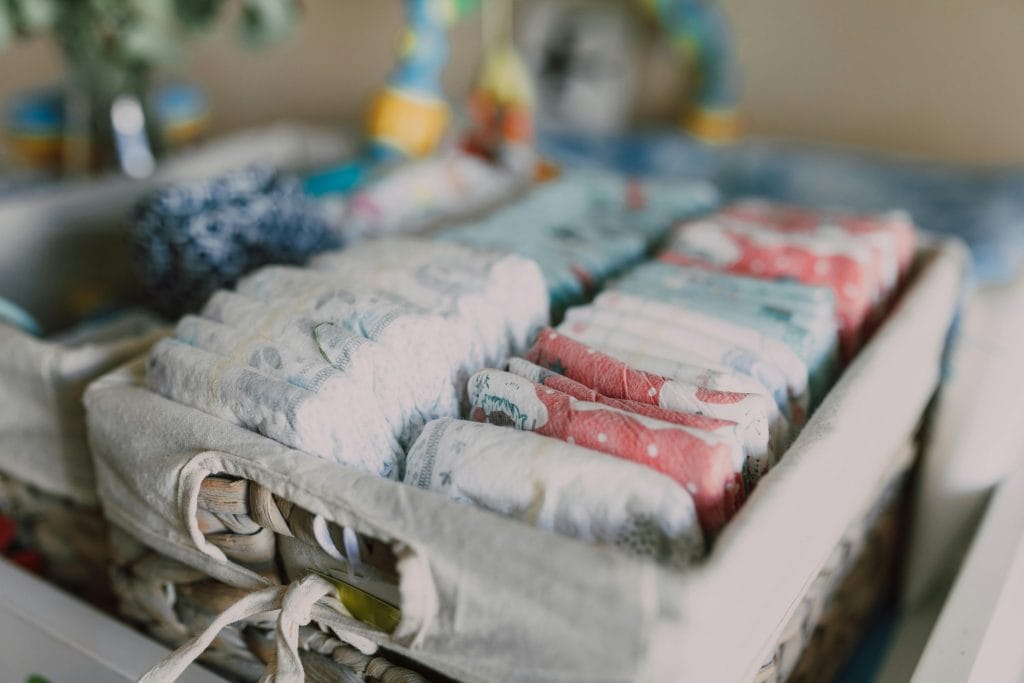
Making diaper changing a breeze is easy when you have everything you need at your changing table.
These include a comfy changing pad, waterproof liners, plenty of diapers, easy-to-reach baby wipes, soothing diaper rash cream, and a reliable diaper pail or wet bag for dirty diapers.
And, of course, remember to have a spare set of handy clothes for those unexpected spills and messes!
1. A Comfortable and Wipeable Changing Pad: To make sure your baby is comfortable during diaper changes. You can use soft and easy-to-clean changing pads. Because let’s be real, accidents happen, and a wipeable surface is a must for those spills and messes!
2. Waterproof Changing Pad Covers or Liners: Waterproof changing pad covers or liners are a lifesaver for quick cleanups. They protect the changing pad and come in handy when you need to change them out in case of any mess.
3. A Stockpile of Diapers Sized for Your Baby: If you’re using cloth diapers, having enough on hand is essential to avoid running out. Make sure you have a good stock of cloth diapers in the right size to avoid any unexpected messes. And don’t forget to have enough covers and liners on hand for quick and easy cleanups!
4. Baby Cloth Wipes and an Accessible Storage Container: Aside from having a stockpile of cloth diapers, you would also need to have baby cloth wipes to ensure quick and efficient cleanups. Just store them in a container that is easily accessible so you can grab them quickly when you need them.
5. Diaper Rash Cream or Ointment: A diaper cream or ointment on a changing table is a must-have because it protects your baby’s sensitive skin from painful diaper rash. This will ensure that your baby stays comfortable, and healthy, and can enjoy their day without any discomfort.
6. A Diaper Pail or Wet Bag for Soiled Diapers: Having a place to throw away dirty diapers is a must-have in any nursery. A diaper pail or wet bag for soiled diapers does the job by keeping the smells in and the room clean. It’s also much easier to deal with soiled diapers when you have a special place for them.
7. A Stack of Clean Onesies and Pajamas: Accidents happen, and having a set of clean baby clothes and pajamas within reach is always a good idea. This will ensure a quick change without having to leave your baby unattended in case some explosion occurs.
Organizational Accessories
Organizing your changing table with the right accessories can save you from a lot of stress and hassle.
Essential organizational tools include baskets and bins to keep everything in its place, a diaper caddy that you can easily carry around, and drawer dividers to keep clothes and other small items in order.
With these tools, you’ll be able to maintain a neat and stress-free diapering routine.
1. Baskets and Bins
These are essential for categorizing and storing different supplies. Try grouping items by category:
- Diapers in one
- Wipes and creams in another
- Baby grooming tools or lotions in a third
This way, everything has a home, and you’re not digging through a mountain of stuff when your baby’s kicking their legs like it’s leg day.
2. A Diaper Caddy
This is one of those “how did I live without this?” items. A diaper caddy keeps all your must-haves together so you can grab it and go – whether you’re changing diapers in the nursery, the living room, or wherever your baby decides is the new changing zone today.
It usually fits:
- A few diapers
- A travel pack of wipes
- A small tube of diaper cream
- A change of clothes (just in case)
It’s perfect for those days when you don’t want to be stuck in one spot or when you’re changing diapers on the fly.
3. Drawer Dividers
If your changing table has drawers, dividers are a game-changer. No more digging through a jumbled mess of socks, onesies, and burp cloths. These keep everything separated and easy to grab, especially when you’re in a hurry or trying to do it one-handed (because, let’s face it, you often are).
A little organization goes a long way when you’re elbow-deep in baby life. With these simple tools, your changing table can go from cluttered chaos to peaceful parenting zone – and that’s something every tired parent can appreciate.
Additional Comfort Items
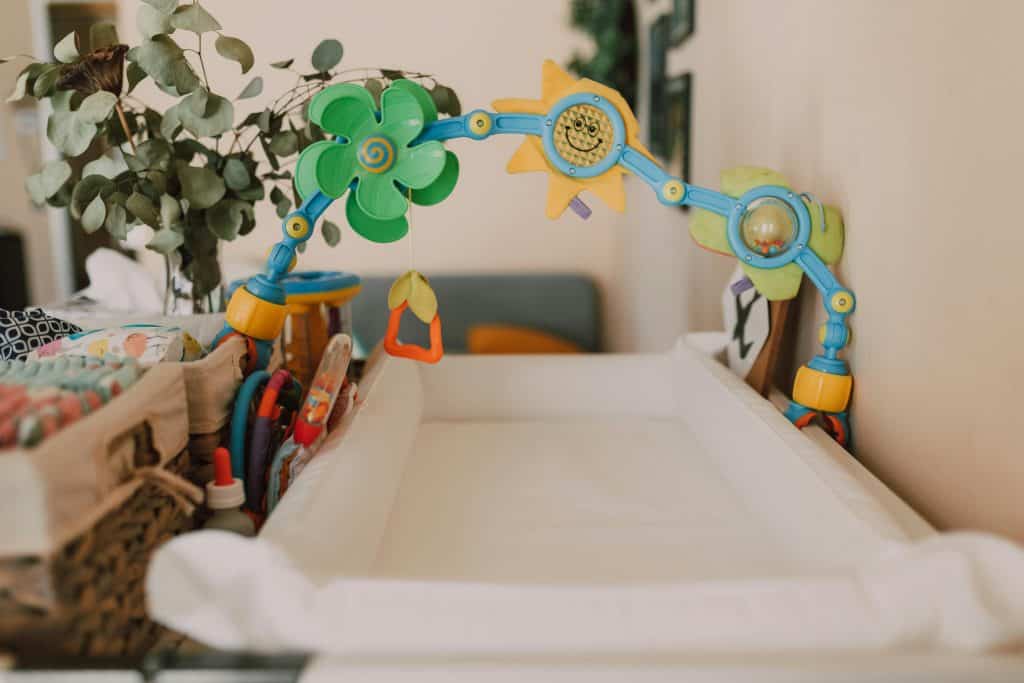
Adding comfort items to your changing table can greatly enhance the diaper-changing experience for both you and your baby. These items will create a soothing and engaging environment for your baby while making the task more comfortable for you.
1. A Soft Light or Lamp: A soft, warm light lets you see what you’re doing without jolting your baby awake or messing with their sleep rhythm.
Look for a dimmable lamp or a nightlight with just enough glow to guide your hands (and your brain) through those groggy late-night changes.
2. Mobiles or Toys: Having a colorful mobile or a few engaging toys can be a great way to distract your baby and make diaper changes smoother. Hang a colorful mobile above the changing table or stash a couple of soft toys nearby.
Babies love something to look at or hold, and a bit of distraction can make all the difference when you’re trying to wipe, lotion, and fasten with one hand.
Backup Supplies
Babies are full of surprises. Spit-ups, blowouts, and midnight sock disappearances are par for the course.
Here’s what I always like to have stashed nearby:
- Burp cloths (you’ll need more than one)
- Extra changing pad covers (because accidents happen)
- Spare onesies or sleepers
- Pacifiers, socks, and little hats
Having these within arm’s reach can be a lifesaver when you’re mid-change and your baby suddenly spits up, kicks off their sock, or decides to go again (it happens).
Health and Grooming Essentials
Having a small stash of health and grooming items at your changing table makes daily care so much easier.
It saves you from running around the house looking for nail clippers or saline drops when your baby’s fussy (or suddenly sneezes up a storm). Think of this little kit as your parenting sidekick – always ready, always nearby.
A First Aid Kit with Baby-Safe Products
A First Aid Kit with Baby-Safe Products is a must-have for any parent.
Keep it stocked with things like:
- Infant-friendly ointments (for diaper rash or dry skin)
- Saline nose drops or spray (so helpful during stuffy nose season)
- A digital thermometer
- Optional: a small bottle of gripe water or gas drops, just in case
When your baby’s feeling off or has a tiny scrape or sniffle, you’ll be ready to help without scrambling.
Nail Clippers or Files Designed for Infants
Baby nails are sneaky. One day they’re fine, the next they’re little claws. Keep a pair of baby nail clippers or an emery board close by so you can trim them safely and prevent those accidental face scratches.
Tip: filing while they sleep works like a charm.
A Soft-Bristled Hairbrush or Comb
Even if your baby barely has hair, a soft-bristled brush helps gently massage the scalp and can help reduce cradle cap.
Tips for Efficient Diaper Changes
Efficient diaper changes can significantly affect your daily routine.
1. Set Up Before You Start
Before you even unfasten that diaper, make sure everything you need is within reach:
- Clean diapers
- Wipes
- Diaper cream (if needed)
- A bag or bin for dirty diapers
- A fresh outfit (because sometimes it’s that kind of diaper)
Being prepared helps minimize the time your baby is exposed and uncomfortable – and makes cleanup way easier if things get messy.
2. Talk to Your Baby
Chatting with your baby during a change might feel silly at first, but it can actually be a great bonding moment. Tell them what you’re doing (“Now we’re wiping your little toes!”), sing a song, or just babble a bit.
It helps keep them calm and makes the experience feel safe and predictable.
3. Keep a Distraction Handy
If your baby tends to squirm, kick, or cry during changes, a visual distraction can be your best helper. Try a colorful toy, a soft rattle, or even a small mirror attached nearby – something to catch their attention while you do your thing.
Bonus tip: rotate the distraction every so often to keep it fresh.
4. Restock and Reorganize Often
After a long day, it’s easy to forget to refill your supplies – but your future self will thank you! Make it a habit to check your stock of diapers, wipes, creams, and clothes every evening (or after the last diaper change of the day).
And keep everything organized so you’re never digging around for a onesie in the dark.
It’s about developing a system that works for you and your baby to ensure that each change is quick, safe, and stress-free.
Cleaning and Maintenance
Regular cleaning and maintenance of your changing table are as important as the diaper change itself. Keeping this area hygienic and well-maintained ensures a safe and clean space for your baby.
Keeping the Changing Area Clean and Safe
One of the most important things to do to maintain your baby’s hygiene and overall health is to keep the changing area clean and safe.
Regularly wiping down your changing table (especially after messy diaper situations) is one of the simplest ways to protect your baby’s health.
Germs and bacteria can build up fast, so make it part of your routine.
Use a baby-safe cleaning spray – free from harsh chemicals – to keep things fresh without irritating your little one’s skin.
Try this easy homemade cleaner that’s gentle, effective, and smells lovely:
- 1 cup warm water
- 1 cup white vinegar
- 4 tbsp lemon juice
- Several drops of tea tree oil (natural disinfectant)
- Optional: a few drops of lavender or eucalyptus essential oil to balance the vinegar smell
Mix in a spray bottle, shake, and you’re good to go. You can use this on the changing table, pad covers, or even surrounding surfaces. This solution effectively cleans and disinfects and is gentle on your baby’s delicate skin.
Replacing Changing Table Items
Check your changing pad covers, liners, and baskets regularly. If something’s looking a little too well-loved (stained, frayed, or not coming clean anymore), it’s time for a replacement.
Fresh covers and liners not only look better – they help maintain a clean and comfortable space for your baby.
Laundry Tips for Cloth Items
When it’s laundry day:
- Use a gentle, baby-safe detergent (no added fragrances or dyes)
- Wash cloth covers, baby clothes, and burp cloths separately from the rest of your laundry
- Consider a hot water wash for soiled items to help kill any lingering bacteria
Bonus tip: drying covers and liners in the sun can naturally help fade stains and freshen them up. Sunshine is a powerful (and free) disinfectant.
Customizing Your Changing Area
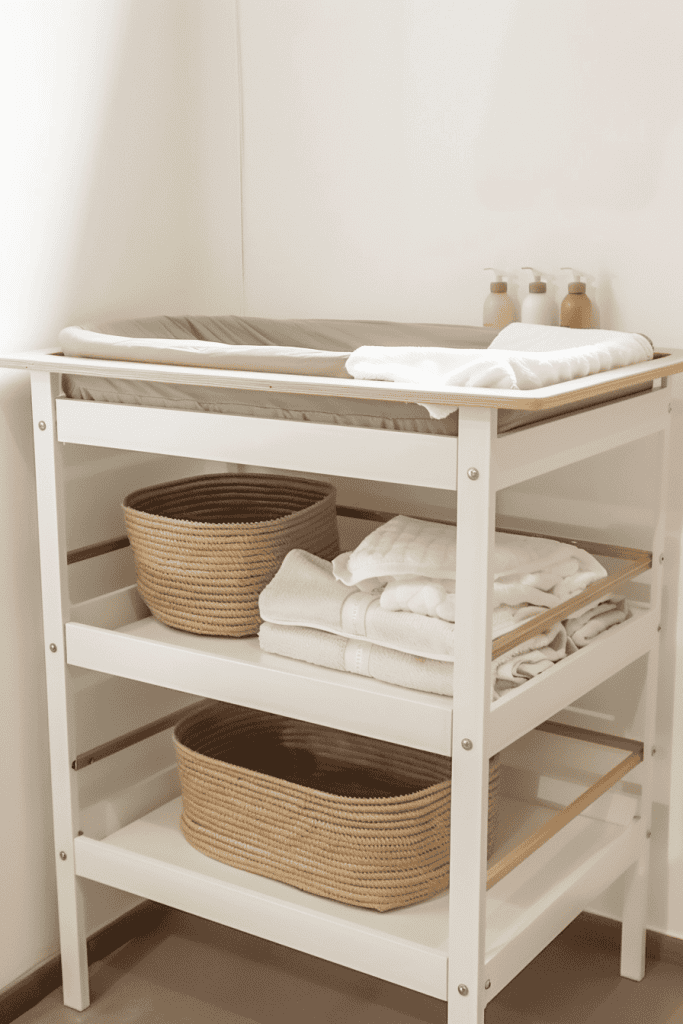
Personalizing your changing area can make a big difference in your nursery’s overall look and feel, making it a unique and functional space for you and your baby.
Decor and Photos
Adding personalized decor and family photos is a great way to infuse your changing area with a sense of warmth and familiarity. You can choose pieces that match your nursery’s theme or color scheme and create a look that ties the room together.
Additionally, you can also put sentimental items, like photos of your loved ones, to help create a comforting environment for both you and your baby.
DIY Projects for Custom Storage or Decoration
If you are looking for creative ways to add personalized decor to your changing area, you can consider taking on DIY projects like handmade baskets or painted shelves.
These projects add character to the space and provide customized storage solutions that can help keep your baby’s essentials organized and easily accessible.
Adapting the Area as Your Baby Grows
Lastly, if you want to ensure your changing area remains functional and practical as your baby grows, be ready to adapt it to their changing needs. As your baby grows old, you will need to add more storage space for larger clothes or transform some of the area for toddler use to maximize its usefulness.
Now You Know Everything About Changing Table Essentials
A well-stocked, cozy, and practical changing table can make your diapering routine smoother – and even enjoyable. With a bit of organization and a touch of your personal style, this little corner of the nursery can become one of your favorite spots.
So go ahead – make it special, make it functional, and most importantly, make it yours.
Have tips of your own or questions about setting up your space? Drop a comment below – I’d love to hear from you!