
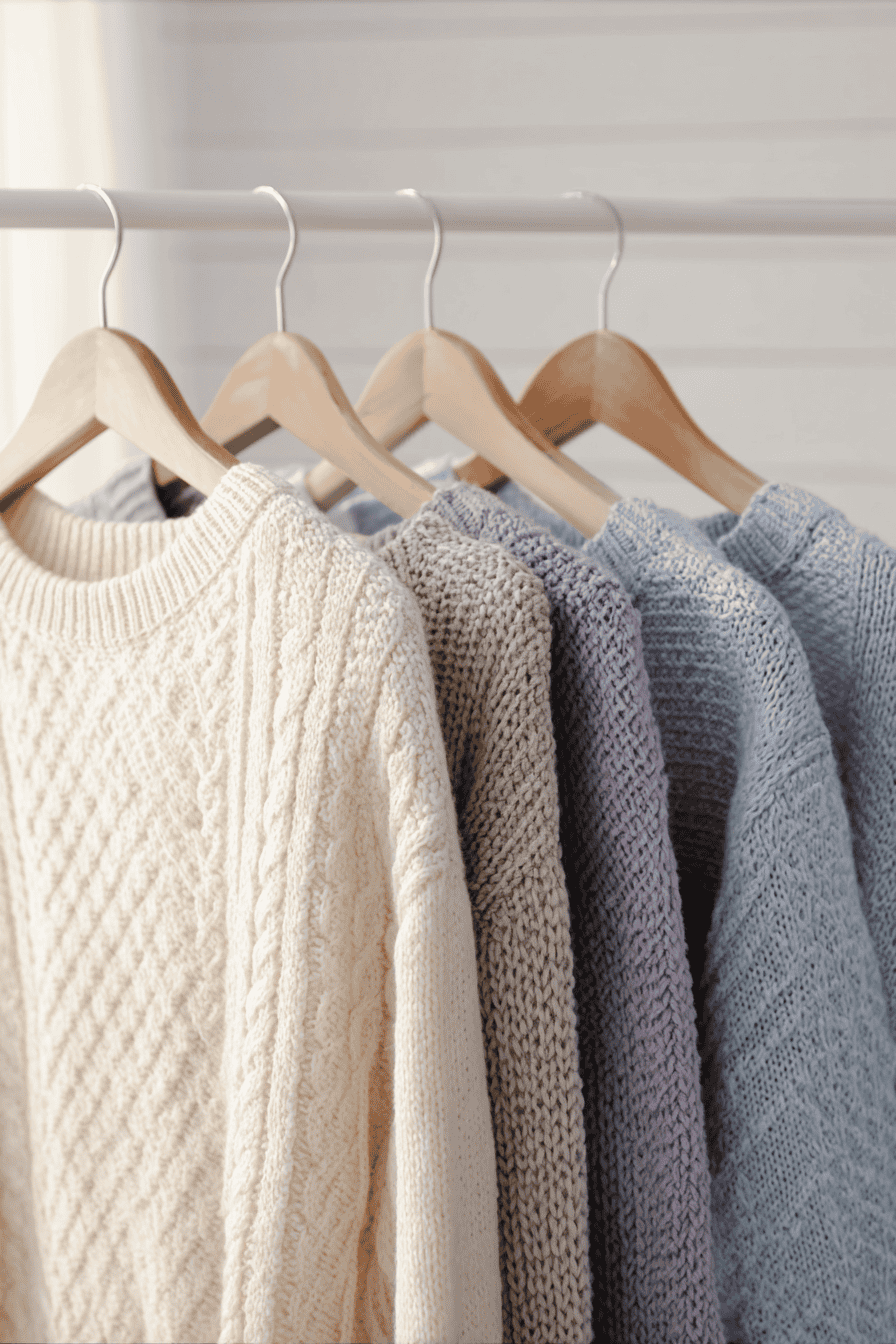
Wool brings a sense of quiet strength to winter. It’s a fiber shaped by nature’s design – warm, breathable, and steady in structure.
Each strand carries intention, responding to the body and the season with ease.
When we talk about fabric hand, drape, and wear, we’re describing the language of wool – how it feels in the hand, how it moves across the body, and how it supports us through daily use.
These qualities guide makers and wearers toward fabrics that feel right, move well, and last beautifully.
To understand wool is to appreciate its balance: softness with resilience, warmth with breathability, elegance with practicality.
In this article, I’ll cover how these qualities shape the comfort, movement, and longevity of wool garments – helping you choose materials that align with both purpose and season.
What Makes Wool Unique as a Winter Fabric
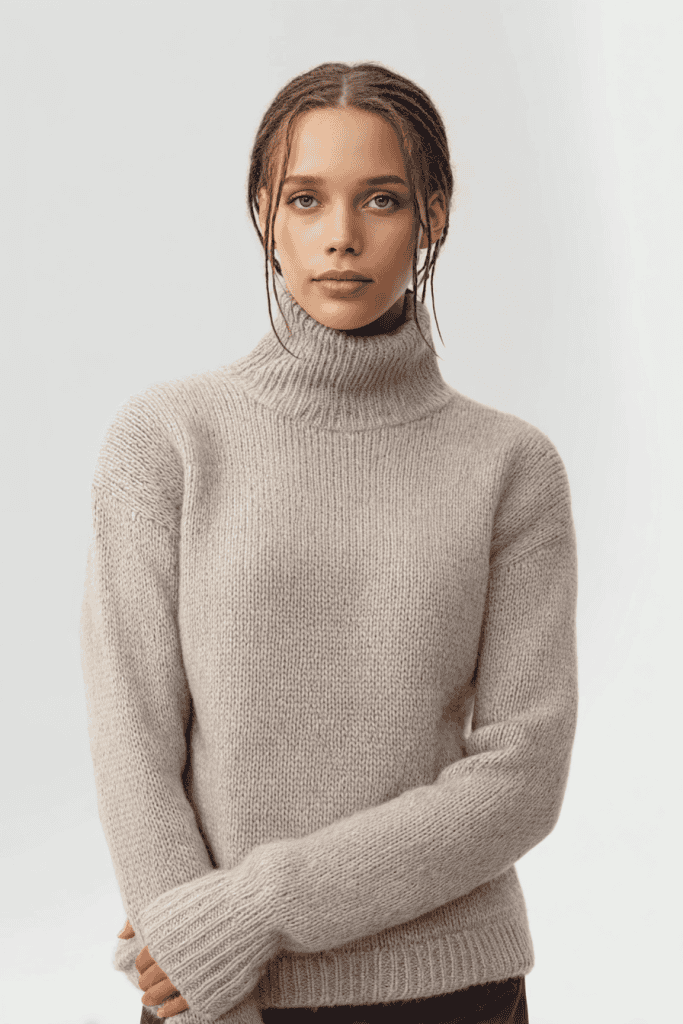
Wool’s strength comes from its structure. Each fiber is naturally crimped, creating tiny air pockets that hold warmth while allowing breathability – insulation without weight.
The fibers are coated with lanolin, a natural wax that adds softness, light water resistance, and odor control, keeping garments comfortable and fresh through repeated wear. Because wool is made of keratin protein, it’s flexible and resilient.
The fibers stretch, recover, and hold their shape, which gives wool clothing a polished look even after frequent use.
Wool also absorbs moisture without feeling damp, making it ideal for cold, variable weather.
For makers, wool is responsive under the iron and steady under the needle.
It shapes easily, presses cleanly, and rewards care with lasting structure – a material that performs with quiet reliability.
Because wool regulates temperature so well, it becomes the backbone of a functional winter wardrobe.
If you’re building outfits that work across fluctuating temperatures, I break this down step by step in how to layer clothes for winter, with practical examples that pair beautifully with wool garments.
The Fabric Hand – How Wool Feels in the Fingers
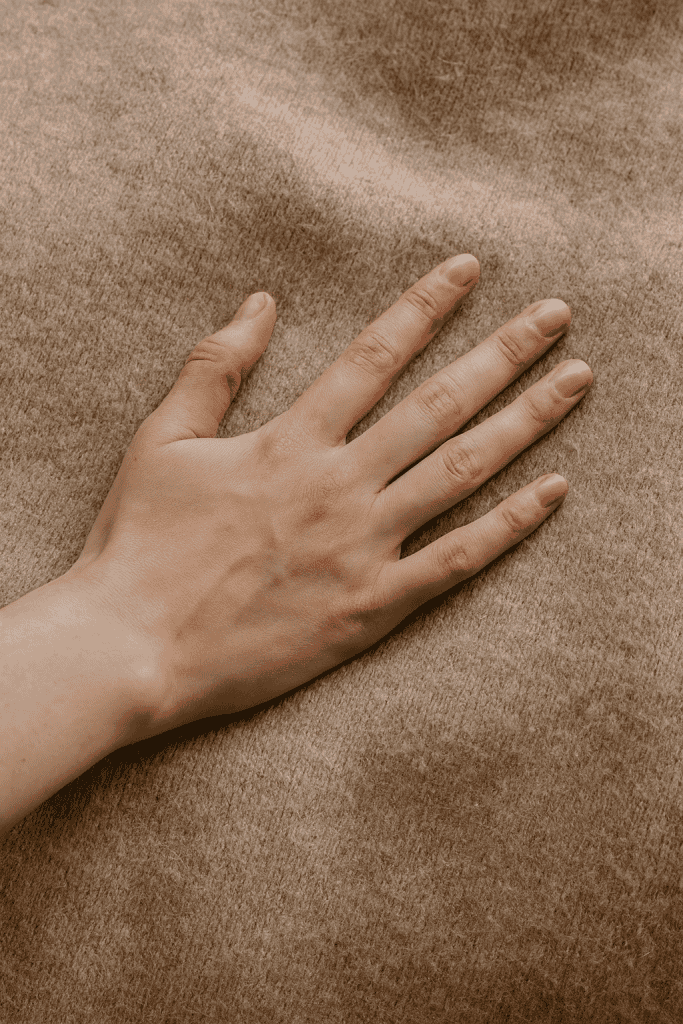
Fabric hand describes how a fabric feels when handled – its texture, thickness, and flexibility.
With wool, the hand changes depending on fiber type, yarn structure, and finishing.
Learning to recognize these qualities helps you select the right fabric for the right garment.
Fiber Type
Different wool breeds create distinct sensations in the hand.
- Merino wool feels fine and smooth – ideal for base layers and tops worn close to the skin.
- Worsted wool is sleek and firm, giving tailored pieces their clean, structured look.
- Wool flannel offers a brushed softness perfect for cozy trousers or skirts.
- Boiled wool feels dense and cushioned, great for jackets or coats that need body and warmth.
Weave and Knit
The construction of the fabric adds another layer to its personality.
- Tightly woven suiting wool feels crisp and smooth.
- Loosely woven wool challis feels light, pliant, and airy.
- Knit wools like jersey add gentle stretch and warmth, ideal for flexible, easy-to-wear pieces.
Finishing
Finishing determines the last impression in the hand.
- Fulled or lightly felted wools become soft and dense.
- Worsted-finished wools gain a smooth, polished surface with subtle sheen.
Each finish affects how the fabric responds to touch – whether it feels cushioned, springy, or sleek.
Testing the Hand
When choosing wool, handle it directly. Fold it, drape it over your arm, and feel its weight.
A springy hand suggests structure and resilience; a pliant one signals flow and comfort.
This simple test reveals how your garment will live on the body – balanced, breathable, and ready for everyday wear.
The Fabric Drape – How Wool Moves and Falls
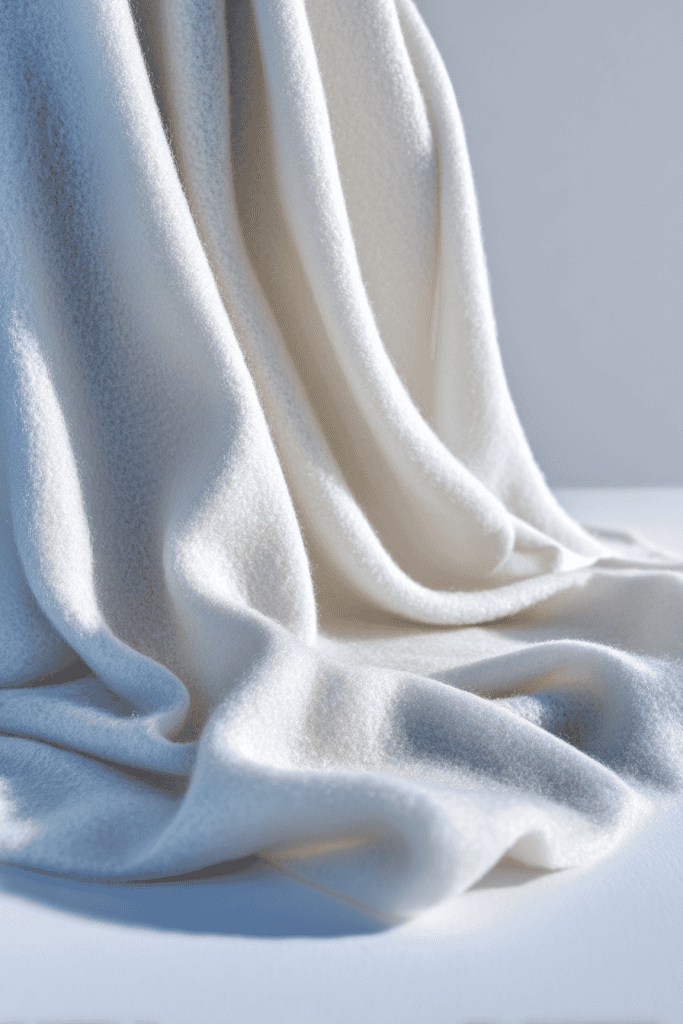
Fabric drape describes how a textile hangs and moves.
It’s what determines whether a garment feels fluid or sculpted, relaxed or refined.
With wool, drape depends on fiber structure, fabric weight, and weave – each influencing how the fabric behaves once it’s sewn and worn.
Fiber Structure
Wool fibers have an inherent spring that gives them body. This elasticity allows wool to move gracefully without losing shape.
- Fine fibers, like merino, produce fabrics that fall softly and follow the body’s lines.
- Coarser or tightly spun fibers create a firmer drape, holding form with quiet confidence.
This balance between flow and structure is what gives wool garments their polished yet comfortable look.
Fabric Weight
Weight plays a central role in drape.
- Lightweight wools such as challis or crepe flow easily, perfect for dresses or gathered skirts.
- Medium weights like flannel or gabardine offer soft structure for trousers and blazers.
- Heavy wools like melton or coating wool provide sculpted drape, ideal for outerwear that holds its shape through daily use.
Choosing the right weight ensures the garment moves in harmony with its purpose.
Weave and Construction
The way wool is woven or knitted determines how freely it moves.
- A twill weave allows graceful bend and stretch, giving fluid motion to structured garments.
- A plain weave offers crispness and a more deliberate fall.
- Knit wools stretch naturally, shaping themselves gently to the body’s movement.
Each construction type has its role — no better or worse, just different expressions of how wool lives in motion.
Pressing and Handling
Wool is responsive under heat and steam.
With gentle pressing, you can shape seams, smooth curves, and train the fabric to fall as you intend.
This ability to mold is one of wool’s greatest strengths – it listens to the maker’s hand.
Wool’s responsiveness to steam and shaping is something you’ll also notice when working with other natural fibers.
If you’re expanding your sewing skills beyond wool, linen sewing 101 explores similar principles of pressing, structure, and fabric behavior (especially helpful for warm-weather sewing).
Reading the Drape Before You Sew
Before cutting, let the fabric hang from your hand or dress form.
Watch how it falls, where it folds, and how it catches light.
That simple observation tells you if it’s meant for a soft skirt, a structured jacket, or something in between.
If you’re still learning how to identify quality natural fibers, understanding labels and testing methods makes a huge difference. I walk through both in how to read fabric labels like a pro and how to do a burn test for natural fabrics, two guides that help remove the guesswork when shopping for wool and other natural textiles.
The Fabric Wear – How Wool Performs Over Time
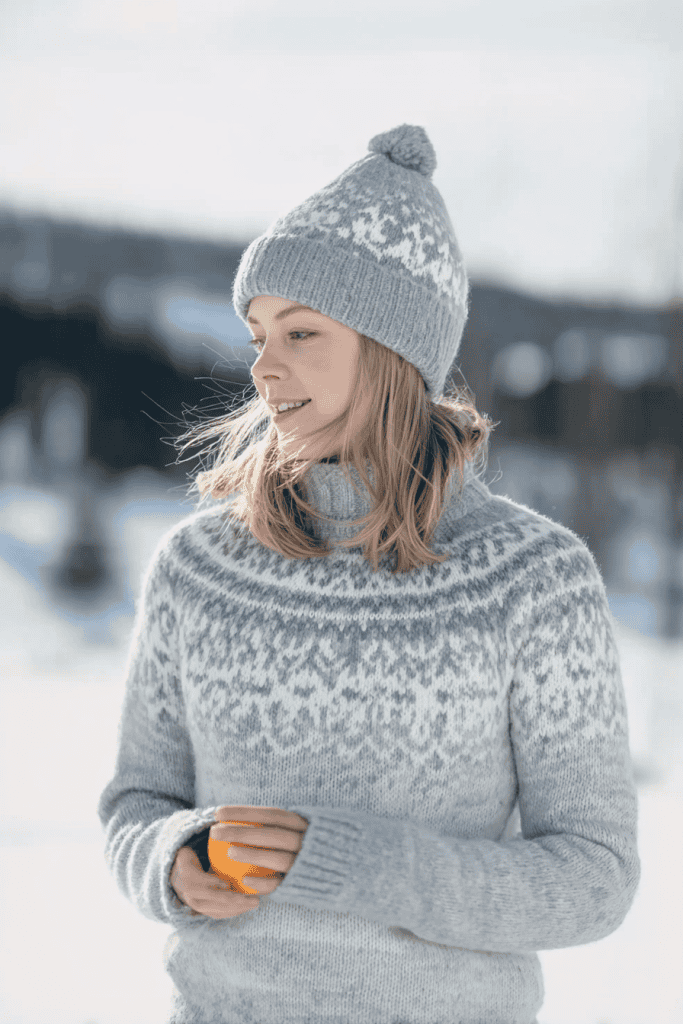
Fabric wear describes how a textile behaves through use – how it feels, looks, and holds up after many wears.
Wool is known for its ability to stay dependable season after season because of its natural strength, elasticity, and balanced structure.
Resilience Through Structure
Wool fibers contain keratin, a strong, flexible protein also found in human hair and nails.
This natural elasticity allows wool to stretch and recover, keeping garments shaped and smooth even after repeated wear.
A wool coat or pair of trousers rarely sags – it settles back into form with light brushing or steaming.
Comfort That Adapts to the Body
Wool adjusts to the body’s temperature and moisture.
It can absorb up to 30% of its weight in water vapor without feeling damp, keeping you comfortable in shifting conditions.
In warm spaces, wool releases heat; in cold air, it insulates.
This natural temperature regulation is what makes wool reliable through an entire season, not just the coldest days.
Natural Odor and Moisture Management
Thanks to its lanolin coating and fiber structure, wool resists odor and stays fresh longer between washes.
It manages perspiration by moving moisture away from the skin, allowing air to circulate.
This means fewer washes, less wear on the fibers, and a garment that stays strong and clean with simple care.
Easy Care with Mindful Habits
Caring for wool is more about attention than effort.
- Air garments after wear to refresh them.
- Brush lightly with a soft garment brush to lift dust or lint.
- Use gentle steam to smooth wrinkles and restore shape.
Washing should be occasional – and when needed, hand wash in cool water or use a wool cycle with mild detergent. These small, regular habits extend the garment’s life naturally.
Durability That Rewards Use
High-quality wool improves with wear. The fibers settle, seams relax, and the fabric molds to the body.
Rather than breaking down, it matures – gaining a patina that speaks of longevity and care.
With the right attention, a wool coat or tailored skirt becomes a piece that endures through many winters, dependable and familiar.
Wool Qualities to Consider When Buying Fabric
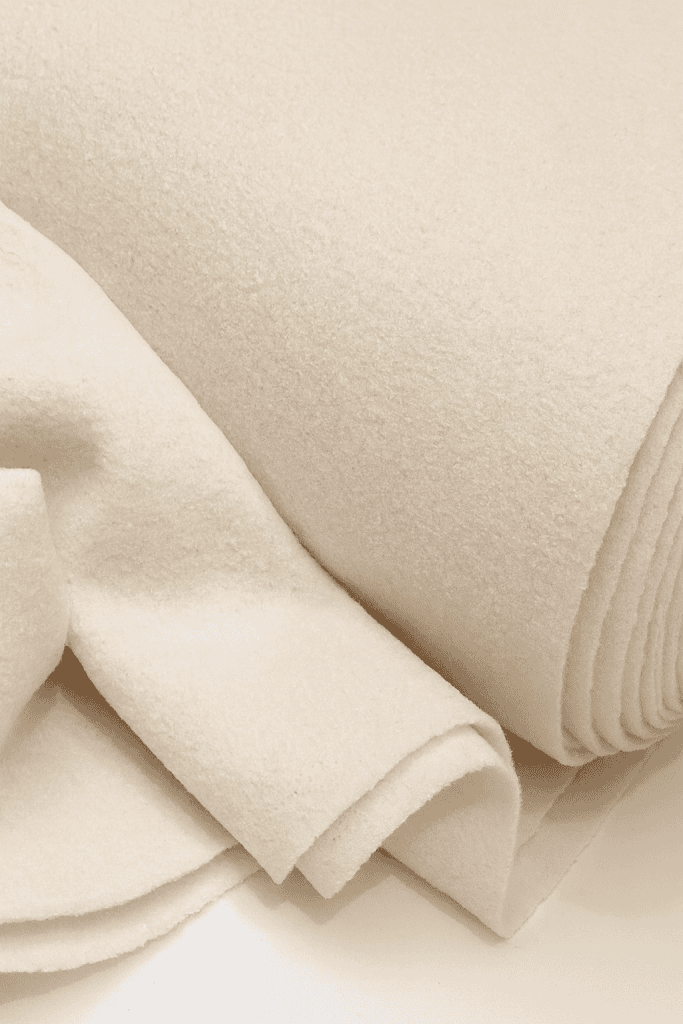
Selecting the right wool begins with observation.
Wool varies widely in feel, movement, and weight, so the best fabric choice comes from paying attention to how it behaves in your hands.
These small checks help ensure the fabric will serve both your design and your everyday use.
1. The Touch Test
Start by pressing the fabric between your fingers.
Notice its surface — is it smooth, brushed, or firm?
A springy feel signals elasticity and strength, while a soft, cushioned hand suggests comfort and warmth.
Density tells you how protective the fabric will be against wind and cold.
When buying online, look for detailed descriptions: terms like lofty, compact, worsted, or brushed give clues about the hand and texture.
2. The Drape Check
Hold one edge of the fabric and let it fall. Observe how it folds or flows.
- If it hangs close to the body, it will create soft, graceful garments.
- If it holds shape or bends firmly, it’s better suited for tailored designs.
Visualizing this movement helps you match fabric to pattern – lightweight wool for skirts and tops, medium weights for trousers, and dense coatings for outerwear.
3. The Light Test: Checking Weave Density
Hold the fabric up to a light source.
If you can see small gaps between threads, the weave is open and breathable – good for layering pieces.
If light barely passes through, it’s tightly woven and designed for warmth and durability.
This test reveals how the fabric will behave in different climates.
4. The Blend Check
Many wools are blended for performance.
- Wool-silk blends add smoothness and subtle sheen.
- Wool-linen blends increase breathability for transitional wear.
- Wool-synthetic blends can reduce cost and add wrinkle resistance, though they lose some of wool’s natural responsiveness.
Choose blends that enhance (not replace) wool’s natural strengths.
5. The Purpose Match
Before purchasing, review your pattern or design.
Coats need structure; skirts and dresses benefit from movement.
Ask yourself how the garment should feel when worn – soft, sculpted, or balanced.
The right match between fiber and purpose ensures the finished piece performs beautifully and lasts through many seasons.
7 Sustainable Benefits of Choosing Wool
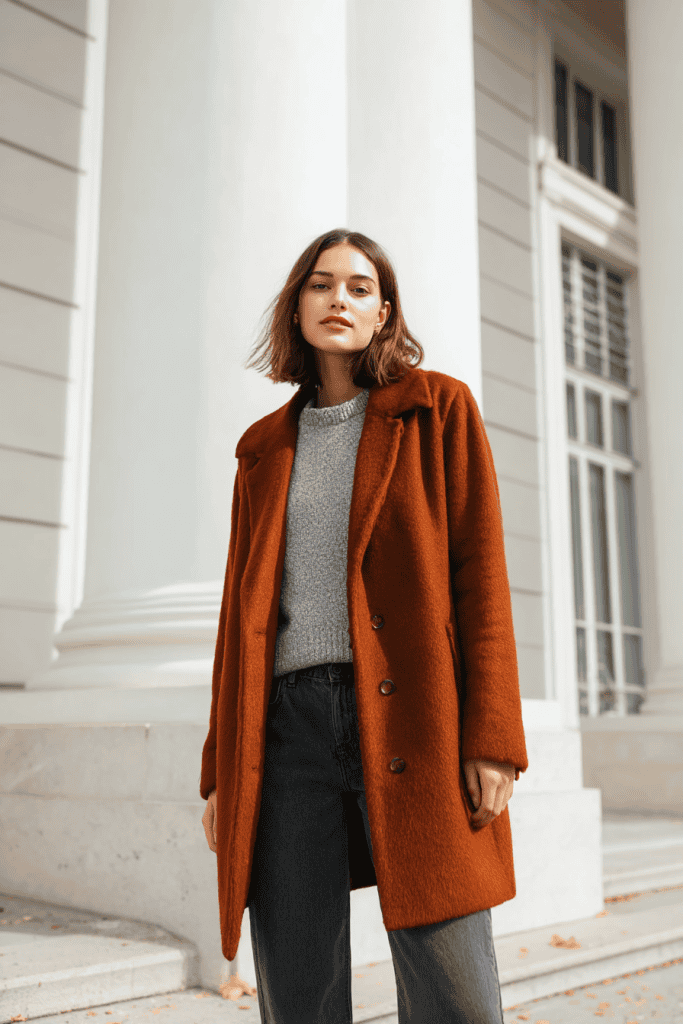
Choosing wool supports more than personal comfort – it supports a thoughtful way of living.
Wool’s value lies in its longevity, renewability, and ability to return to the earth without harm.
Each of these qualities makes it a practical, sustainable choice for garments meant to serve over time.
1. Renewable and Regenerative by Nature
Wool grows back naturally.
Sheep produce a new fleece every year, turning sunlight, grass, and water into a renewable material that doesn’t depend on synthetic production.
Responsible grazing practices also improve soil health and biodiversity, allowing farms to replenish the land while providing high-quality fiber.
2. Built for Longevity
Durability is sustainability in practice.
Well-made wool garments can last for decades with basic care – far longer than most synthetic alternatives.
The natural elasticity of wool fibers helps garments maintain shape and resist wear, reducing the need for frequent replacement.
This steady performance aligns perfectly with slow, intentional wardrobes.
3. Naturally Biodegradable
When wool reaches the end of its useful life, it breaks down in soil within a matter of months, returning nutrients like nitrogen and sulfur back to the earth.
This natural cycle closes the loop – what came from the land can safely return to it.
4. Low Maintenance, Less Waste
Wool’s self-cleaning and odor-resistant qualities mean it requires fewer washes, which saves both water and energy.
Simply airing out garments refreshes them between wears.
This kind of low-effort care not only preserves the fabric but also reduces the environmental footprint of daily laundering.
5. A Conscious Alternative to Synthetics
While synthetic fibers rely on fossil fuels, wool is a naturally occurring protein fiber.
Its durability means fewer garments need to be produced, purchased, or discarded over time.
Choosing wool – or blends that emphasize natural fiber content – supports a longer product lifespan and a smaller carbon impact per wear.
6. Repairable, Reusable, and Recyclable
Wool responds well to mending and repair.
A small hole can be darned, a seam can be restitched, and a coat can be re-blocked and pressed into renewed shape.
Worn wool fabrics can also be shredded, re-spun, and woven again, continuing their usefulness in new forms.
7. Mindful Material for a Seasonal Wardrobe
Sustainability isn’t only about fiber sourcing – it’s also about rhythm.
Wool supports seasonal wardrobes built on rotation, care, and appreciation.
It performs best when used intentionally, stored properly, and brought out at the right time each year.
This pattern of use encourages a slower, more respectful approach to clothing.
Wool’s durability makes it especially practical for family wardrobes, where garments need to be worn often and cared for simply.
This same mindset guides how I build seasonal clothing for children in minimalist toddler capsule wardrobe for fall & winter, where fewer, better pieces do more of the work.
8 Tips for Sewing and Working with Wool

Wool rewards care and patience. It responds to touch, heat, and handling in ways that few fabrics do.
Whether you’re sewing your first wool garment or refining your technique, understanding how this fiber behaves will help you create pieces that look polished and last through many winters.
1. Pre-Treat the Fabric Before Cutting
Most wools contain natural oils and a bit of residual shrinkage.
Before cutting, steam-press the fabric or have it professionally pre-shrunk. This step ensures the finished garment holds its shape after pressing and wearing.
If you prefer home treatment, gently steam the wool on a flat surface or hang it in a steamy bathroom – never soaking, just allowing the fibers to relax.
2. Use Sharp Tools and Proper Needles
Wool deserves precision. Use sharp fabric shears or a rotary cutter for clean edges.
When sewing, choose universal or microtex needles (sizes 70–90) depending on fabric weight.
Dull tools can drag the fibers and distort seams, while sharp ones preserve the weave’s integrity.
3. Choose Thread and Stitch Settings Wisely
A high-quality polyester or cotton-wrapped polyester thread provides strength without stiffness.
For seams, use a medium stitch length (2.5–3.0 mm) – shorter for fine wools, longer for heavier coatings.
Test stitches on a scrap first to ensure even tension and smooth feeding.
4. Press, Don’t Iron
Pressing shapes wool; ironing flattens it.
Use a pressing cloth and gentle steam, lifting and setting the iron rather than dragging it.
This technique molds curves, defines seams, and gives wool its refined finish.
A tailor’s ham or sleeve roll helps create natural shaping through shoulders and sleeves.
5. Handle Seams with Intention
Wool seams benefit from care during construction.
- Lightweight wools: Use French seams or serged finishes to prevent fraying.
- Medium to heavy wools: Grade seam allowances and catchstitch linings or hems to reduce bulk.
- Boiled or felted wools: Often require no finishing – the edges resist fraying naturally.
Each finish supports the fabric’s weight and movement.
6. Test Before Fusing or Interfacing
Wool reacts differently to heat and adhesives.
Always test interfacing on a scrap to make sure it bonds evenly without stiffening the fabric.
For tailored garments, consider sew-in interfacings, which maintain drape and allow natural movement.
7. Let the Garment Rest
After pressing or shaping, let the fabric cool flat before moving it.
This resting period helps the fibers set into their new form.
It’s a small pause that makes a visible difference in the garment’s finish.
8. Store Wool Thoughtfully
Store clean, fully dried garments in breathable cotton bags or sealed bins with cedar blocks or lavender sachets.
Avoid plastic covers – wool prefers air circulation.
Proper storage protects against pests and keeps fibers fresh for next season.
If you’re new to sewing wool, my wool sewing 101 guide walks through everything from fabric prep to finishing seams.
Make Your Next Winter Garment with Intention
Working with wool is a skill that deepens over time.
Every project teaches something – how fabric behaves, how structure forms, and how care preserves beauty.
Choosing and sewing with wool encourages patience, precision, and purpose.
When you select wool thoughtfully, you’re not just making a garment; you’re creating a piece that supports comfort, warmth, and sustainability.
Wool connects craftsmanship with mindful living – two values that define a home-centered, intentional life.
So before your next winter project, reach for a natural fabric that listens to your hands, shapes to your vision, and stands up beautifully to daily wear.
What’s your favorite wool to work with – merino, tweed, flannel, or boiled wool? Share your experience in the comments below!
FAQs
1. How do I prevent wool fabric from shrinking?
Before cutting, pre-treat wool with steam or professional pressing. Avoid soaking. Steam allows the fibers to relax and release tension without losing structure. Once sewn, spot-clean or dry clean as needed, and store garments dry to prevent residual shrinkage.
2. What’s the best way to soften slightly coarse wool?
To soften a firm wool, gently steam it or soak briefly in cool water with a small amount of lanolin-rich wool wash. Avoid agitation. Lay flat to dry, then press with a damp pressing cloth. Over time, regular wearing and airing also help fibers soften naturally.
3. Can I line wool garments, and what fabrics pair best?
Yes. Lining extends the life of wool garments and adds comfort. Use cotton voile, rayon bemberg, silk habotai, or lightweight twill depending on garment type. For coats, consider flannel-backed linings for warmth; for skirts or trousers, smooth linings help with easy movement.
4. How do I remove wrinkles from stored wool clothing?
Hang the garment in a steamy bathroom for ten minutes, then smooth lightly with your hands. For deeper creases, press using steam and a pressing cloth. Wool fibers respond quickly to moisture and heat, returning to shape without harsh ironing.
5. What’s the ideal way to store wool during off-season months?
Store wool clean, dry, and protected. Use breathable cotton bags or sealed bins with natural repellents like cedar, lavender, or rosemary sachets. Avoid hanging heavy wool pieces – fold them neatly to prevent stretching and distortion.