

When the weather turns cold, kids still need ways to move, explore, and stay engaged indoors. Sensory play is one of the simplest ways to do that.
It helps children use their hands, build coordination, and focus their energy in healthy, creative ways.
Most materials are already in your kitchen or craft drawer – rice, flour, glue, playdough, or a few small cups and funnels.
The goal is to give kids something they can pour, squeeze, scoop, or shape while they play and learn.
These 14 sensory play ideas are easy to set up, quick to clean, and full of practical benefits.
Whether you’re homeschooling, working from home, or just looking for activities to fill winter afternoons, these ideas will help your kids stay curious, calm, and happily busy.
The Value of Sensory Play
Sensory play is hands-on learning.
It gives children a chance to explore with touch, sound, and movement – skills that support how they think, communicate, and calm themselves.
When kids pour rice, press playdough, or squeeze foam, they’re not just playing.
They’re strengthening coordination, building focus, and learning how to handle different textures and sensations. It’s all part of how kids naturally develop fine motor skills through hands-on play.
This kind of play also helps kids regulate their energy.
A tray of sand or a bin of rice gives them something steady and repeatable to do, which naturally brings calm and focus.
For younger children, it can improve fine motor skills and encourage language as they describe what they’re doing.
For older ones, it becomes a creative outlet that’s open-ended and low-pressure.
Sensory play fits easily into everyday life.
You can set up a small bin on the kitchen table, reuse household materials, and let kids play while you cook or work nearby.
Just a space for them to explore and learn through experience.
If you enjoy seasonal activities, you might also love my list of best fall craft ideas for kids (lots of them double as sensory play, too).
14 Cozy Indoor Sensory Play Ideas
Most of these activities can be set up in minutes with materials you already have at home.
The goal is to give kids something hands-on, something that keeps their attention while supporting fine motor skills, coordination, and focus.
These 14 ideas are simple, calming, and fun for a range of ages.
1. Homemade Playdough
Best for ages: 1–8 years
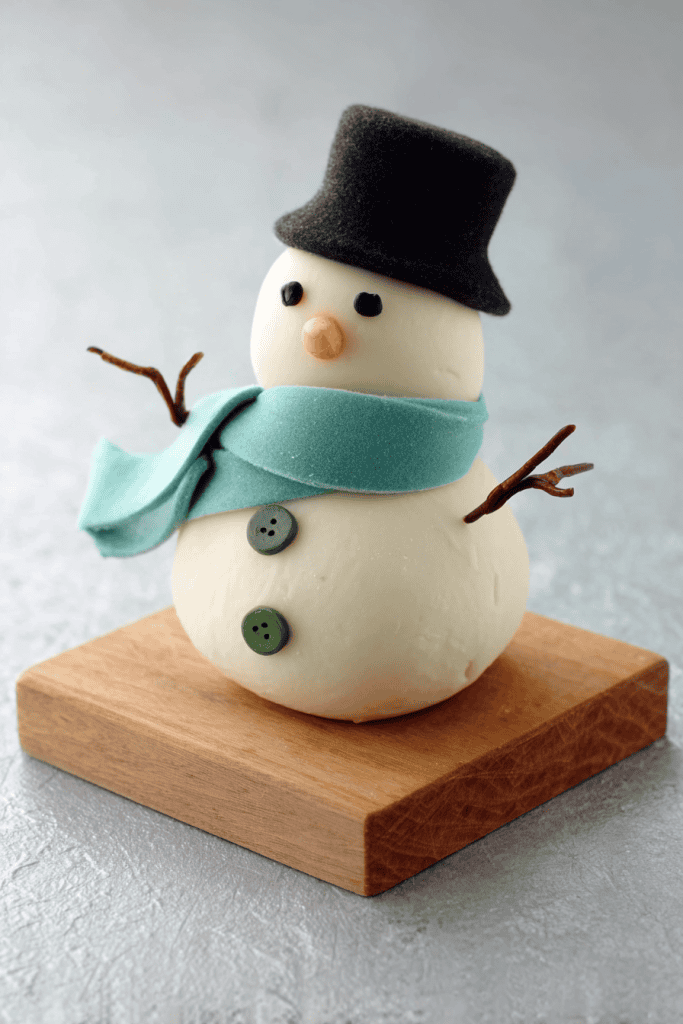
Homemade playdough is an easy favorite for kids of all ages.
Mix flour, salt, water, and oil until you get a soft, pliable dough – add a few drops of vanilla, cinnamon, or peppermint for scent.
Kids can roll it, flatten it, cut it with cookie cutters, or make pretend meals.
It builds hand strength and coordination without feeling like “work.”
You can store it in a sealed container to use again for several days of quiet, focused play.
2. Cloud Dough
Best for ages: 2–8 years
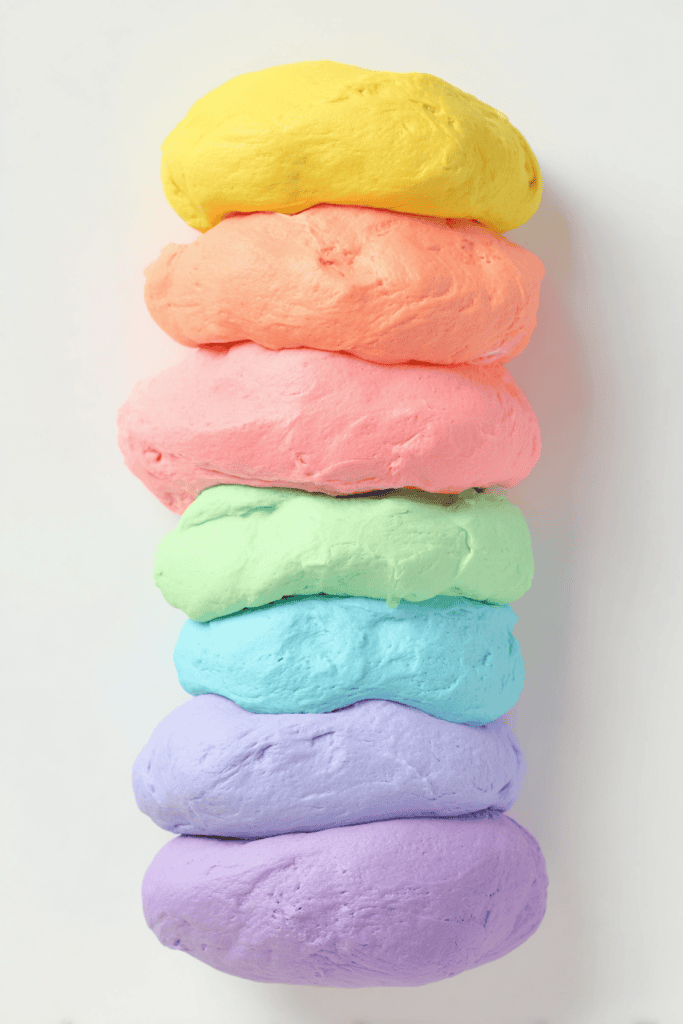
Cloud dough feels like soft, crumbly sand – light enough to sift through fingers but dense enough to hold a shape.
It’s made with just flour and oil, and the texture invites slow, intentional play.
Kids can use cups, spoons, or cookie cutters to press and mold different shapes.
It’s soothing to handle, especially on long afternoons indoors.
Best of all, it’s inexpensive, reusable, and takes less than five minutes to make.
And if your kids love sensory fun outside too, you might enjoy our list of outdoor winter nature play ideas.
3. Kinetic Sand

Best for ages: 3–10 years
Kinetic sand is fascinating for kids and surprisingly calming for adults too.
It moves almost like a liquid but still packs together to form solid shapes.
Use a small tray, a few cookie cutters, or toy animals for pretend play.
The smooth motion helps kids focus and feel grounded while they sculpt and rebuild. Cleanup is easy, and the texture stays soft even after many uses.
4. Rice Pouring Station

Best for ages: 1.5–6 years
A rice pouring station is one of the simplest and most effective sensory setups.
Fill a shallow bin with dry rice, add a few funnels, spoons, and small cups, and let kids scoop, pour, and measure.
The repetitive motion of pouring is naturally calming and teaches coordination and focus.
You can even add a few small toys to hide and find for extra engagement.
When playtime ends, pour the rice back into a jar to reuse next time.
And if you want more simple setups like this, take a look at our DIY sensory activities for toddlers.
5. Glue and Button Collage

Best for ages: 3–10 years
This sensory art project is a great mix of creativity and texture.
Give your child a piece of cardboard, a small bowl of white glue, and materials like buttons, pasta, beads, or fabric scraps.
Encourage them to make patterns, pictures, or just fill the space with color.
It’s a low-pressure way to practice fine motor control and hand-eye coordination.
Once dry, their collage makes a satisfying piece of art they can proudly display.
6. Shaving Cream Tray
Best for ages: 3–7 years
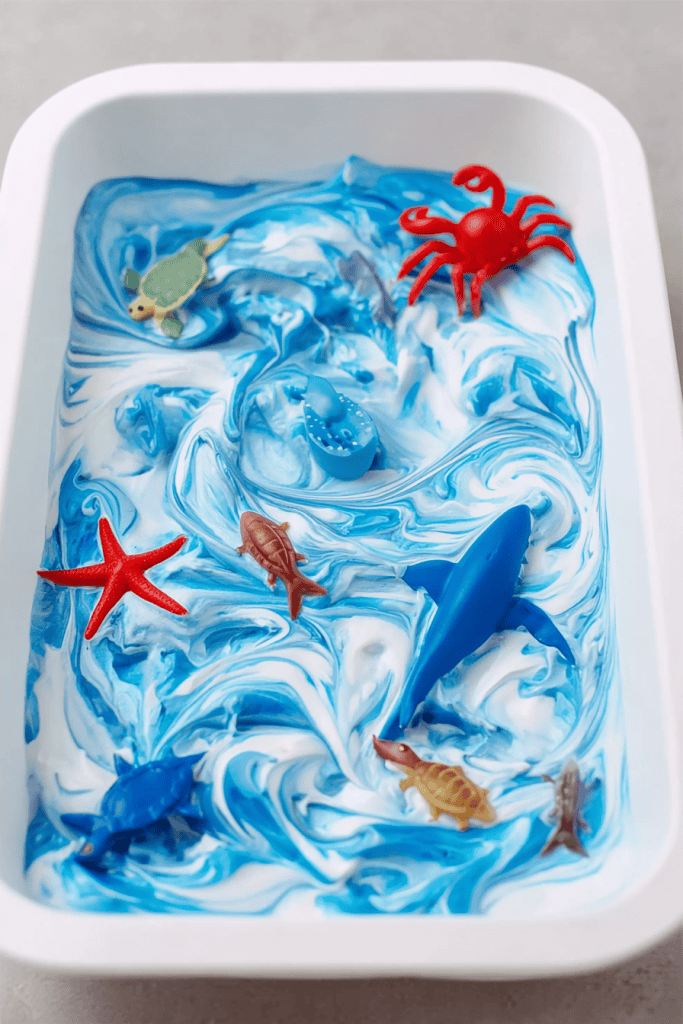
Spread a thin layer of shaving cream on a tray and let kids swirl, draw, or stamp with their fingers.
The smooth texture encourages slow, thoughtful movement and provides a satisfying sensory experience.
You can add food coloring drops for mixing and marbling.
It’s also a fun way to practice letters or numbers without the feeling of “lessons.”
When they’re done, simply wipe it clean with a damp cloth.
And if you’re looking for faith-based projects too, you might enjoy our meaningful crafts that teach the 10 commandments.
7. Playfoam Sculpting

Best for ages: 3–8 years
Playfoam offers all the satisfaction of molding without any mess.
The soft, squishy texture holds its shape and doesn’t dry out, making it ideal for repeated use.
Kids can create towers, animals, or simple shapes using their imagination.
The gentle resistance strengthens hand muscles while allowing open-ended creativity.
It’s also great for quiet playtime because cleanup is minimal and stress-free.
8. Oobleck (Cornstarch Slime)
Best for ages: 4–10 years
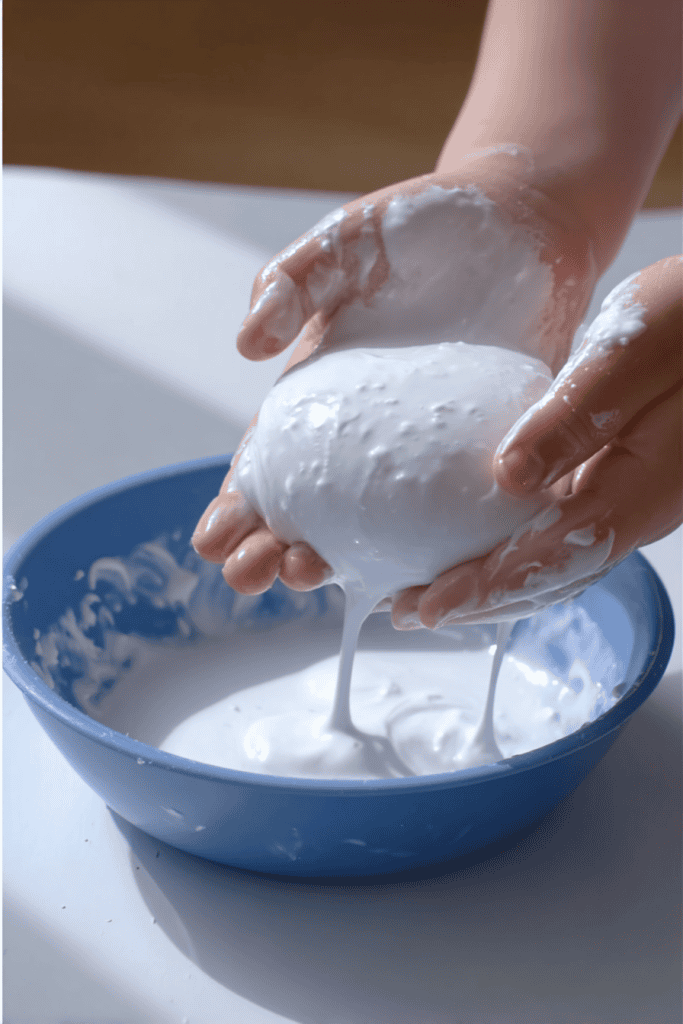
Oobleck is both a science experiment and a sensory tool.
Combine cornstarch and water until it forms a strange texture that’s solid when pressed but liquid when left alone.
Kids can tap, scoop, or pour it and watch how it changes between states.
It teaches cause and effect in a very hands-on way.
The cleanup is simple – just let it dry and brush away the residue.
For more fun, faith-filled activities, check out our engaging Sunday school crafts for toddlers.
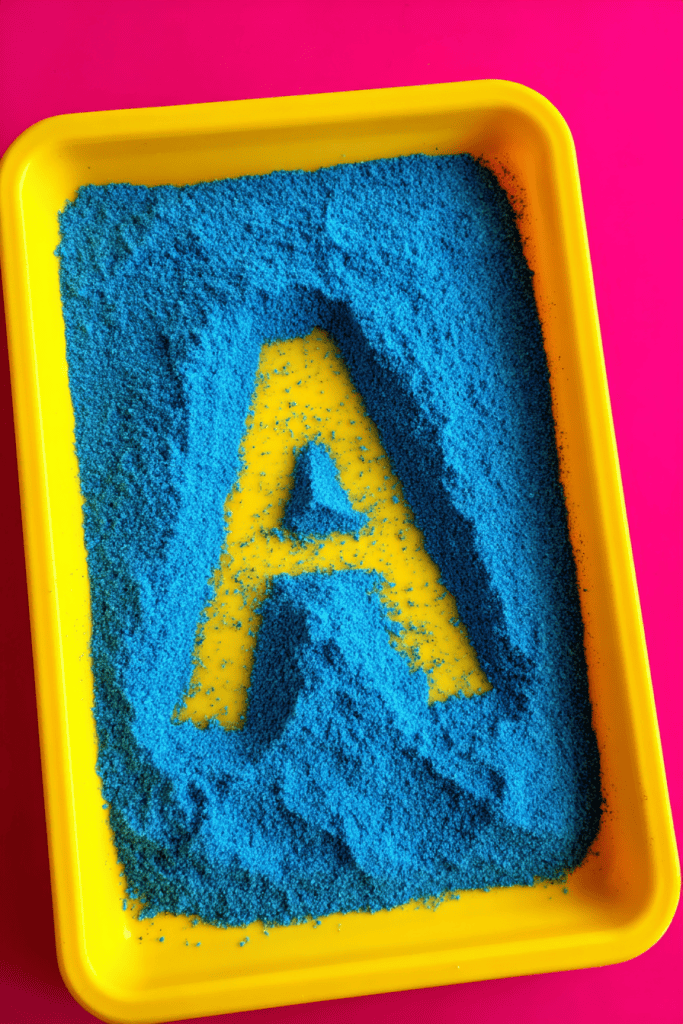
9. Scented Salt Tray
Best for ages: 2.5–8 years
A scented salt tray adds smell and texture to simple finger play.
Pour a thin layer of salt into a shallow dish and add a few drops of essential oil such as lavender, orange, or peppermint.
Kids can trace letters, numbers, or shapes with their fingers or small tools.
The scent and texture together create a soothing, focused experience.
When finished, shake the tray gently to “reset” and use it again.
10. Nature Treasure Bin

Best for ages: 1.5–8 years
Bring a little of the outdoors inside with a nature treasure bin.
Fill a box or tray with pinecones, dried leaves, cinnamon sticks, orange slices, or acorns.
The different textures and scents invite slow, careful exploration.
Kids can sort, line up, or build small scenes with what they find.
It’s a nice way to connect to the natural world, even on cold, gray days.
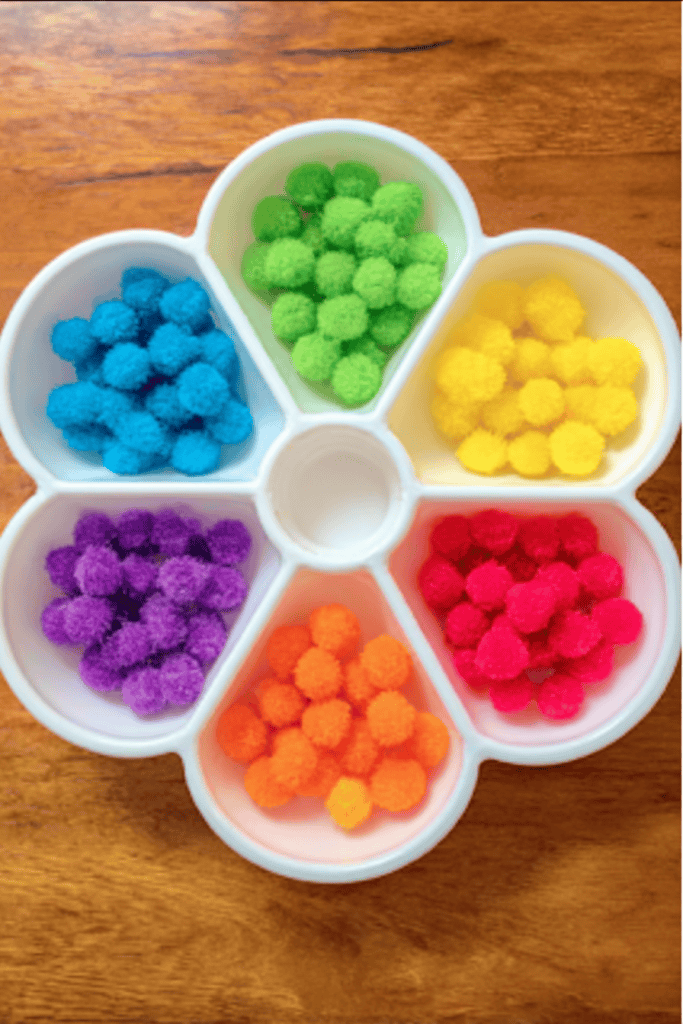
11. Pom-Pom Scoop Game
Best for ages: 1.5–6 years
This game is simple, quiet, and great for fine motor practice.
Use tongs or spoons to transfer colorful pom-poms between cups or bowls.
The act of gripping and placing each one helps develop coordination and control.
You can turn it into a color-sorting activity or a pretend cooking game.
It’s easy to set up and works well as an independent play option.
And if your kids love hands-on projects, check out our irresistible felt craft ideas.
12. Mini Sensory Jars

Best for ages: 1–10+ years
Mini sensory jars make great calm-down tools for any age.
Fill small clear jars with water, glitter, beads, or sequins.
Kids can shake them, watch everything swirl, and wait as it slowly settles – it’s a visual reminder to slow down and breathe.
You can use baby food jars or small plastic containers for safety.
They’re reusable and easy to customize with different colors and themes.
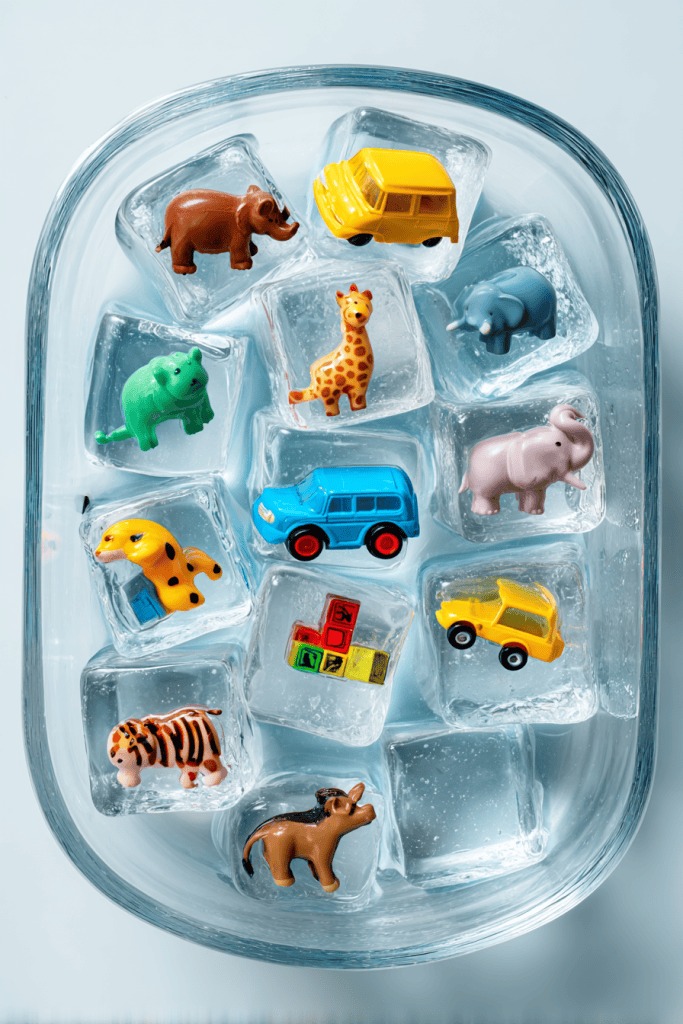
13. Frozen Toy Rescue
Best for ages: 3–8 years
This one combines sensory play with problem-solving.
Freeze small plastic toys in cups of water overnight, then give your child warm water, droppers, or spoons to “rescue” them.
It’s exciting to see how ice melts and how long it takes to free each toy.
This kind of play builds patience, observation, and curiosity.
Cleanup is simple – just pour out the melted water and dry the toys for next time.
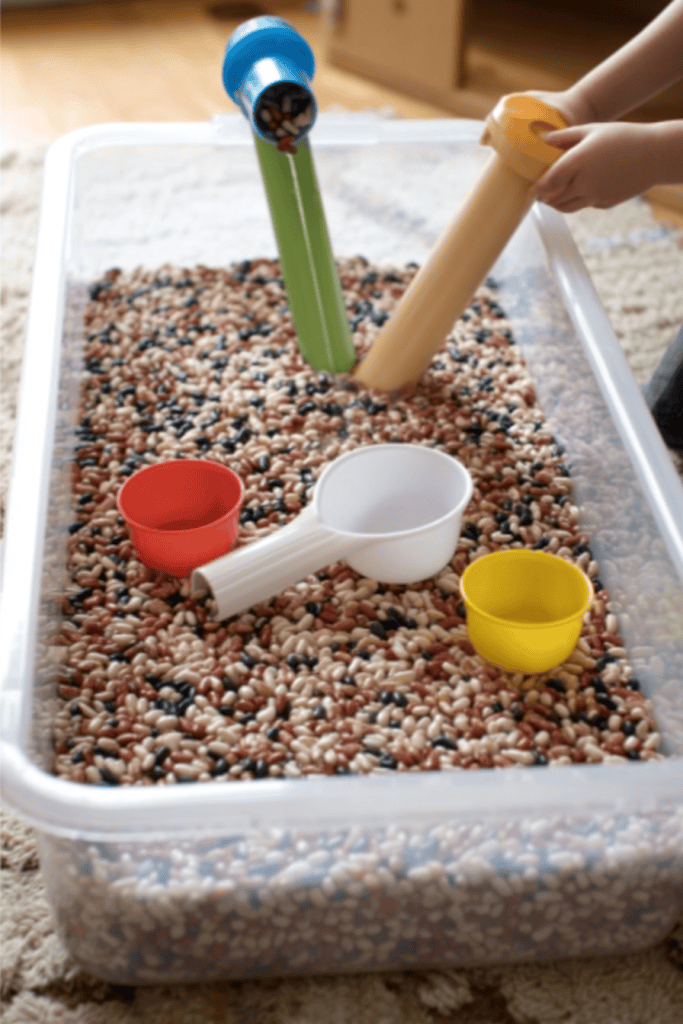
14. Bean and Funnel Play Table
Best for ages: 1.5–7 years
A bean and funnel setup is classic sensory play that never gets old.
Fill a shallow bin with dry beans and add funnels, scoops, and cups.
Kids will pour, shake, and listen to the sounds the beans make as they move.
It’s repetitive, satisfying, and helps develop rhythm and coordination.
You can store the materials in a jar or tub for easy reuse all season long.
How to Bring Sensory Play Into Your Everyday Routine
Start small – pick one or two activities that fit naturally into your week.
Set up a simple bin or tray, give your kids a few tools, and let them lead.
When sensory play becomes part of your normal rhythm, it helps kids unwind, build focus, and enjoy learning through hands-on discovery.
Remember, the best activities are the ones that actually get used – so choose what works for your space, your energy, and your child’s interest.
Over time, you’ll notice how these small, tactile moments can bring more calm and cooperation into your days.
Which one will you try first – or do you already have another idea in mind? I’d love to hear it.
FAQs
1. How often should I set up sensory play for my kids?
You can do sensory play as often as it fits your schedule. Some families keep a small bin available every day, while others plan one or two dedicated sessions each week. A short 10–20 minutes of focused play is often enough for kids to unwind. The key is variety and consistency, not how long it lasts.
2. How can I keep sensory play from getting messy?
Contain the activity by using a tray, a shallow storage bin, or a washable mat underneath. Offer clear rules – like “keep materials in the bin” or “use your scoops.” Choose dry materials (rice, beans, pom-poms) for easier cleanup on busy days. When you start simple and stay close during play, cleanup stays quick and manageable.
3. What if I don’t have space for a big sensory table?
You don’t need a large setup. A baking tray, a shoebox lid, or a plastic bin works perfectly for small-scale play. Place it on the kitchen table or even the floor on a towel. The goal is accessibility, not size. Compact setups still give kids the same sensory experience and engagement.
4. Can sensory play work for older kids too?
Absolutely. Older kids often enjoy more detailed or goal-based sensory play – like building with kinetic sand, experimenting with oobleck, or organizing a color-sorting game. You can also invite them to help create the materials, like mixing homemade playdough or preparing nature bins. The hands-on process still supports focus, creativity, and mindfulness at any age.
5. How long do sensory materials last, and how should I store them?
Most dry materials (rice, beans, and pasta) can be stored in airtight containers for months. Homemade playdough lasts about a week when sealed, and cloud dough or kinetic sand can be reused for weeks. Always let wet materials dry completely before storing to prevent clumping. Keep everything labeled in jars or bins for quick setup next time.
