Starting to sew is an exciting step into a creative and practical skill. You might already be imagining the projects you want to make, like hemming clothes, sewing tote bags, creating pillowcases, or even designing your own garments.
Before those projects begin, the first step is choosing the right sewing machine.
With so many models available today, from simple mechanical machines to computerized ones with dozens of stitch options, it helps to know what features truly matter when you’re just getting started.
The best easy sewing machines for beginners are simple, reliable, and designed to help you learn the basics without frustration.
In this post, I’ll walk you through:
- What features beginners should look for
- The top 5 beginner-friendly sewing machines
- A quick comparison table
- Tips for choosing your first sewing machine
Let’s get started.
This post may contain affiliate links. That means I may earn a small commission if you purchase through these links, at no additional cost to you. I only recommend products I genuinely believe are helpful.
What to Look for in a Beginner Sewing Machine
When you’re learning to sew, the goal is to spend more time creating projects and less time struggling with your machine.
If you’re brand new to sewing, it can also help to understand the basic parts of a machine first. I explain those in more detail in my guide to the anatomy of a sewing machine, which can make everything else easier to understand.
Here are the features that make a sewing machine beginner-friendly.
Easy Threading System
Threading a sewing machine is one of the first things beginners learn.
Machines designed for beginners usually include clear threading diagrams printed directly on the machine, making setup much easier.
This helps you thread your machine correctly without constantly flipping through the manual.
If you’re unsure where everything goes the first time, I walk through the process step by step in 6 simple steps to set up your sewing machine.
Automatic Needle Threader
Trying to push thread through a tiny needle eye can test anyone’s patience.
An automatic needle threader solves that problem by pulling the thread through the needle for you with a simple lever.
It’s one of the most appreciated features for beginners.
Drop-In Bobbin
Bobbin systems come in two styles: front-loading and top drop-in.
Most beginners find drop-in bobbins easier, because you simply place the bobbin in the top compartment and follow a guide.
Many machines also include a clear cover, so you can see when thread is running low.
Adjustable Stitch Length and Width
Beginners typically start with just a few stitches:
- Straight stitch
- Zigzag stitch
- Buttonhole stitch
Having the ability to adjust stitch length and width helps you control how your stitches look and adapt to different fabrics.
Understanding which needle works best for each fabric can also make a huge difference. If you’re curious about that, I break it down in my guide to sewing machine needle sizes and types.
Speed Control
New sewists often press the foot pedal too hard and the machine suddenly races.
Some beginner machines include speed control settings, allowing you to sew slowly while you learn.
Free Arm
A free arm is the narrow section of the sewing machine used for sewing sleeves, cuffs, and pant hems.
You access it by removing part of the base. It’s incredibly useful for clothing repairs.
Simple Controls
The best beginner machines avoid complicated digital menus.
Instead, they use:
- Dial controls
- Clearly labeled stitch selections
- Straightforward settings
Simple controls mean you can focus on learning the craft rather than learning a complicated machine.
Top 5 Beginner Sewing Machines That Are Simple to Use
Here are five sewing machines that are consistently recommended by sewing blogs, beginner guides, and real users.
These machines balance simplicity, reliability, and affordability.
1. Brother CS7000X 70-Stitch Computerized Sewing and Quilting Machine
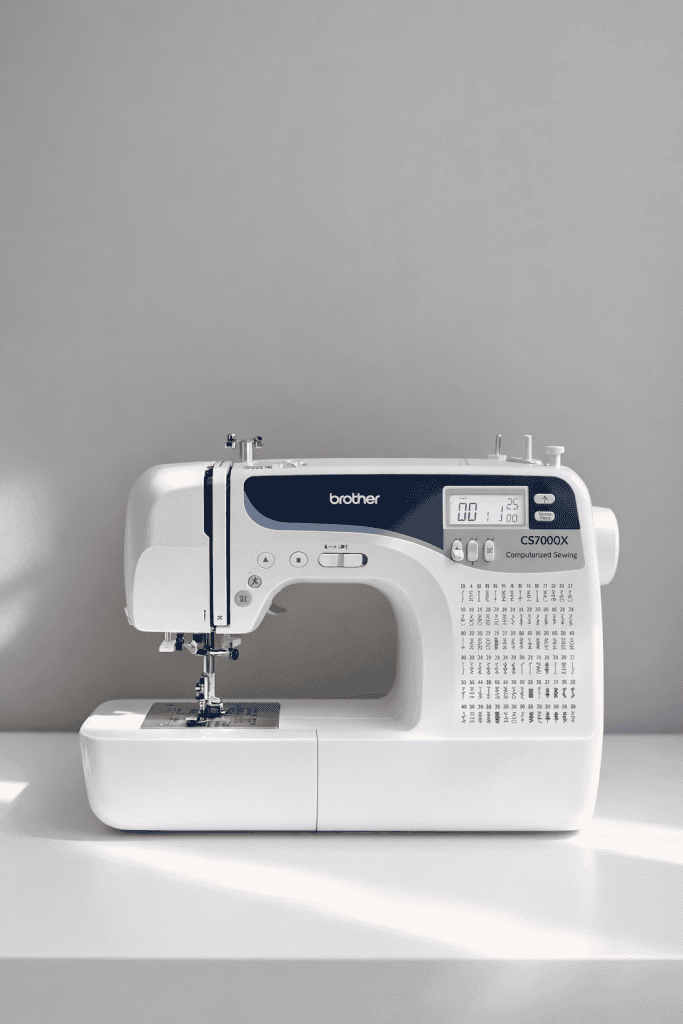
The Brother CS7000X is one of the most popular beginner computerized sewing machines. It’s often described as a “bridge machine” – easy enough for beginners but powerful enough to grow with your skills.

- Includes 70 built-in stitches including utility, decorative, heirloom and quilting stitch functions, and 7 one-step auto-size buttonholes for the CS7000X sewing and quilting machine.
- Features an LCD display, improved automatic needle threader, large needle-to-arm workspace and a fixed needle bar for stability for convenient sewing with the CS7000X.
- Comes with a detachable wide table perfect for larger quilting projects for the CS7000X sewing and quilting machine.
- The sturdy plastic Brother 5300A hardcase securely fits Brother sewing machines up to 16.26 x 6.65 x 12.21 inches with solid metal latches.
- The CS7000X sewing machine comes with 10 presser feet plus a quilt guide.
Key Features
- 70 built-in stitches
- LCD stitch selection screen
- Automatic needle threader
- Quick-Set drop-in top bobbin
- Adjustable speed control
- Wide quilting table included
- Protective hard cover
Pros
- Beginner friendly computerized interface
- Excellent versatility for quilting and crafts
- Lightweight for a full-feature machine (10.5 lb)
- Includes helpful accessories
Cons
- Needle threader can take practice
- Not designed for frequent heavy-duty sewing
Best For
Beginners who want one machine to learn on and keep – great for hobby sewists, DIY projects, and especially beginner-friendly quilting due to the included wide table/accessories.
2. Brother XM2701 27-Stitch Sewing Machine
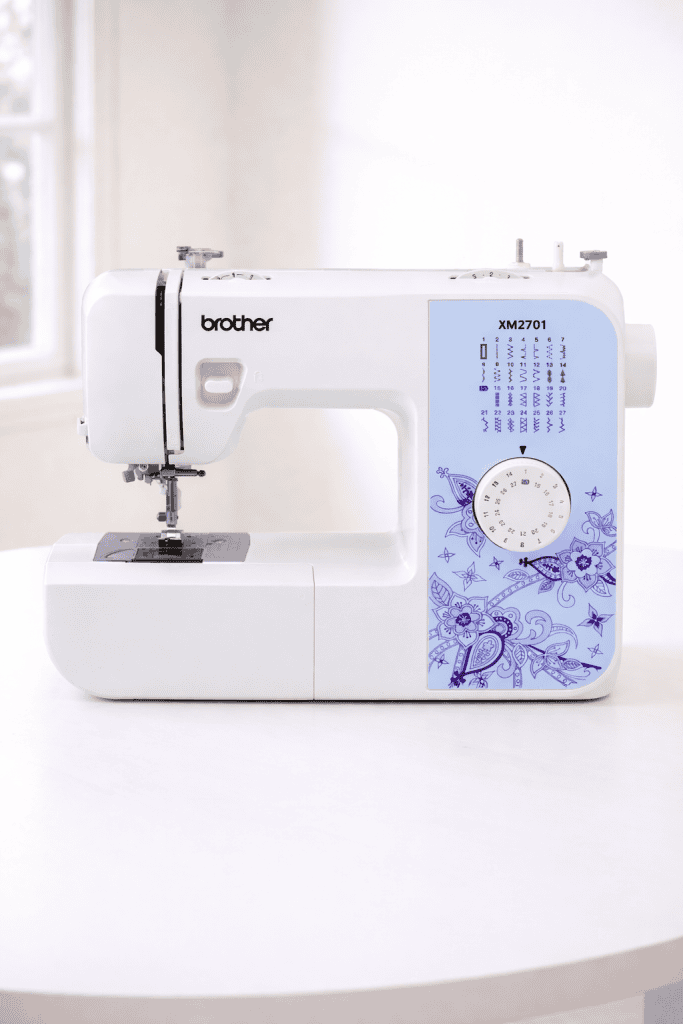
The Brother XM2701 is widely recommended as one of the best value beginner sewing machines. It combines essential features with an affordable price.

- 27 Unique built-in stitches: The XM2701 includes 27 built-in stitches including decorative, blind hem, zigzag, and stretch stitches and an auto-size buttonhole
- Automatic needle threader and drop-in top bobbin: This sewing machine includes an automatic needle threader that perfectly pushes the thread through the needle and a convenient, jam resistant drop-in top bobbin
- Included accessories: The XM2701 comes with 6 sewing feet, 3-piece needle set, twin needle, 4 bobbins, manual and more
- Versatile free arm: This free arm sewing machine is perfect for a wide range of everyday sewing projects, and users from beginners to advanced
- At your side support: The XM2701 sewing machine comes with Brother At your side support offering free technical support via online, live chat or phone for the life of your machine
Key Features
- 27 built-in stitches
- Automatic needle threader
- Jam-resistant Quick-Set drop-in bobbin
- One-step buttonhole
- Lightweight design
Pros
- Very beginner friendly
- Great balance of features and simplicity
- Affordable price point
- Easy setup
Cons
- Buttonhole stitch performance can be inconsistent
- Some reviewers mention average stitch quality
Best For
Absolute beginners who want a straightforward, affordable machine with modern conveniences (needle threader + drop-in bobbin), and casual/home sewists focused on mending, crafts, and basic garment/home projects.
3. Janome 2212 Mechanical Sewing Machine
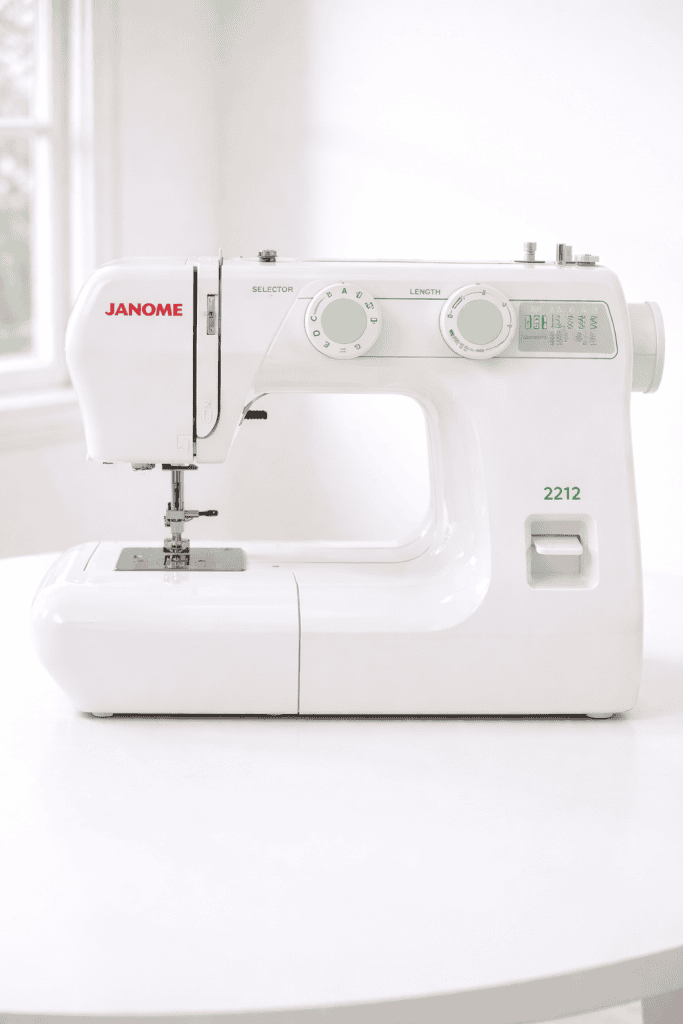
The Janome 2212 is often recommended by sewing instructors because it focuses on learning the fundamentals.
Instead of digital features, it uses traditional mechanical controls.

- Janome 2212 Overview: This machine is quality entry-level model at a fantastic price and has 12 built-in stitches and a four-step buttonhole. There is a dial pattern selection and stitch width or length adjustment for ease of use
- Versatile Features: The free arm and drop feed is for various sewing tasks while the snap-on presser feet and 5-piece feed dog enhance functionality. The push-pull bobbin winder and extra high presser foot lift is for convenience
- User-Friendly Design: The machine is lightweight and easy to use, ideal for beginners. There are front-loading vertical oscillating hook bobbin for hassle-free threading and two retractable, vertical spool pins for efficient spooling
- Perfect for Beginners: It offers versatility and functionality at an affordable price, it simplifies sewing with intuitive features and controls and is suitable for a wide range of sewing projects, making learning enjoyable
- Overall Value: This machine combines affordability with quality and performance. It provides essential features for beginner and intermediate sewists. It represents an excellent investment for those starting their sewing journey
Key Features
- 12 built-in stitches
- 4-step buttonhole
- Adjustable stitch length
- Free arm
- Manual tension control
- Drop feed capability
Pros
- Reliable mechanical design
- Smooth operation
- Simple and durable
- Excellent for learning basic sewing skills
Cons
- No automatic needle threader
- Front-loading bobbin takes practice
Best For
Beginners who want a straightforward mechanical machine and don’t mind skipping “automation” – great for hobby sewing, class use, simple garments/home décor, and anyone who values “simple, sturdy, does-the-job.”
4. SINGER Start 1304 Sewing Machine
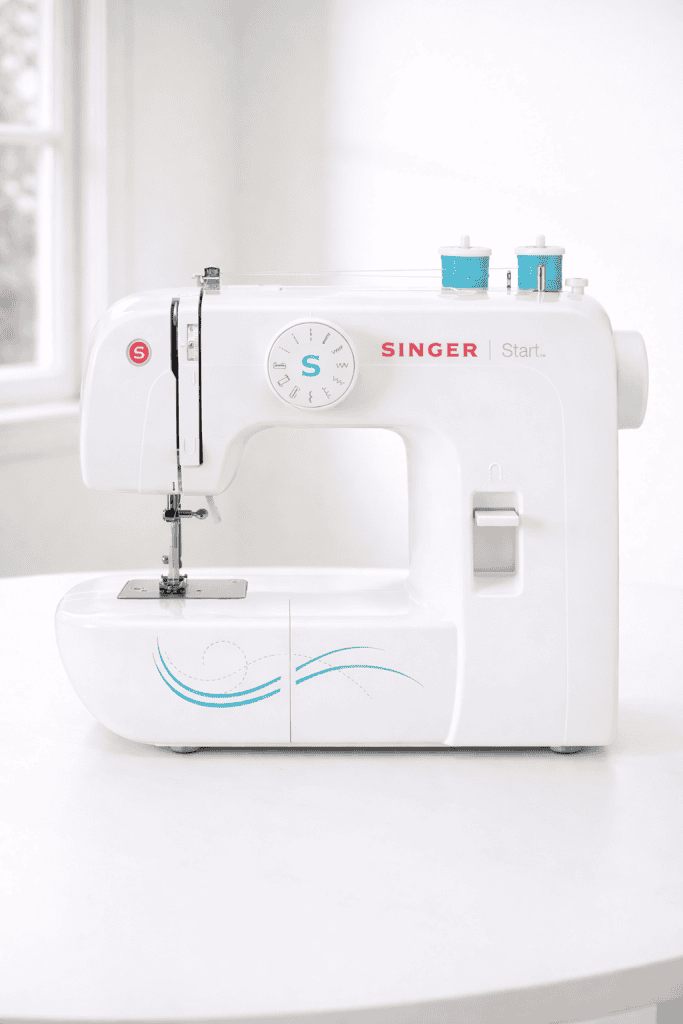
The SINGER Start 1304 is designed to be as simple as possible.
With only a few stitch options and preset settings, beginners can start sewing quickly without confusion.
Key Features
- 6 built-in stitches
- Preset stitch length and width
- Dial stitch selection
- Free arm
- 4-step buttonhole
- Printed threading guides
Pros
- Extremely easy to learn
- Minimal setup
- Lightweight and compact
- Good entry-level price
Cons
- Limited stitch options
- No adjustable stitch length or width
- Front-loading bobbin system
Best For
Absolute beginners, kids (with supervision), and anyone who wants a basic “starter” machine for light mending and simple projects – without paying for features they won’t use.
5. SINGER Heavy Duty 4423 Sewing Machine
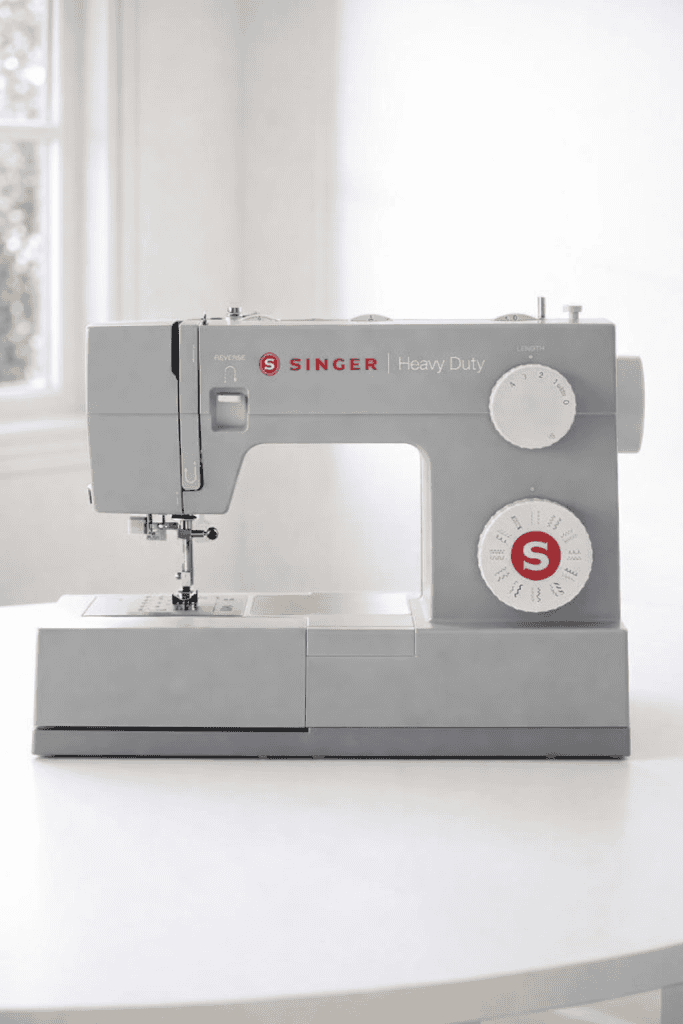
The SINGER Heavy Duty 4423 is popular among beginners who want a more powerful machine that can handle thicker materials.

- 97 STITCH APPLICATIONS Enjoy a wide range of sewing techniques for creativity and customization. Choose basic, stretch and decorative stitches, as well as a one-step buttonhole.
- AUTOMATIC NEEDLE THREADER SEWING MACHINE: After following the threading path printed right on the machine, this built-in feature helps you to effortlessly thread the eye of the needle without eye strain or frustration. Amps (0.7). Watts (84). Volts (120). Hz (60)
- HIGH-SPEED SEWING MACHINE: The Singer 4423 Sewing Machine has a maximum sewing speed of 1, 100 stitches-per-minute, so projects can be sewn quickly. The 60% Stronger Motor provides greater piercing power for thick seams
- HEAVY DUTY METAL FRAME: The Singer 4423 heavy duty sewing machine is a true workhorse. With a heavy-duty metal interior frame, stainless steel bedframe, extra-high sewing speed and powerful motor, this sewing machine can sew through a variety of heavy weight fabrics and provides long lasting stability
- SEWING MACHINE ACCESSORIES: A variety of accessories are included with All-purpose foot, zipper foot, buttonhole foot, button sewing foot, seam ripper/lint brush, quilting guide, needles, bobbins, screwdriver, auxiliary spool pin, spool pin felt are all conveniently located and stored in the accessory tray. A soft-sided dust cover is also included in the packaging
Key Features
- 23 built-in stitches
- Automatic needle threader
- Top drop-in bobbin
- Adjustable presser foot pressure
- One-step buttonhole
- High sewing speed (up to 1,100 stitches per minute)
Pros
- Strong motor for heavier fabrics
- Durable construction
- Versatile stitch options
- Reliable for DIY projects
Cons
- Faster sewing speed can feel intimidating at first
- Needle threader may require practice
Best For
Beginners who prioritize mending, DIY, home décor, and occasional thicker fabrics – especially people who’d rather buy one sturdy mechanical machine than a lightweight “starter” they’ll replace quickly.
I actually use a SINGER Heavy Duty machine myself, and one thing I appreciate about it is how confidently it handles thicker fabrics like canvas or denim while still being simple to operate for everyday sewing projects.
If you’re still deciding between different machines, I go deeper into the decision process in my ultimate guide to picking a sewing machine, where I explain what actually matters when choosing one.
Quick Comparison Table
| Sewing Machine | Type | Stitches (Built-in) | Needle Threader | Weight | Price Range (USD) | Best For |
|---|---|---|---|---|---|---|
| Brother CS7000X | Computerized | 70 | Yes (automatic) | 10.5 lb | $250–$310 | Beginners who want to grow into quilting and DIY projects |
| Brother XM2701 | Mechanical | 27 | Yes (automatic) | 12.6 lb | $120–$190 | Budget beginners who want an easy setup |
| Janome 2212 | Mechanical | 12 | No | 13 lb | $190–$260 | Simple mechanical learning and everyday sewing |
| Singer Start 1304 | Mechanical | 6 | No (manual threading) | ~11.5 lb | $120–$200 | Absolute beginners, kids (supervised), light mending |
| Singer Heavy Duty 4423 | Mechanical | 23 | Yes (automatic) | 14.6 lb | $200–$260 | Beginners sewing denim, canvas, and home décor |
How to Choose Your First Sewing Machine
If this is your first time buying a sewing machine, here are a few helpful tips to make the decision easier.
Mechanical Machines
- Simple dial controls
- Easy to understand
- Usually more affordable
Computerized Machines
- Digital stitch selection
- More stitch options
- Speed control settings
Most beginners start with mechanical machines, but a beginner-friendly computerized model can also be a great choice.
Beginners Don’t Need Hundreds of Stitches
Many machines advertise 100+ stitches, but beginners usually use only a few:
- Straight stitch
- Zigzag stitch
- Buttonhole stitch
A machine with 10–30 stitches is more than enough to start learning.
Recommended Beginner Budget
A good beginner sewing machine typically costs: $120 – $250
In this range you’ll find reliable machines that include beginner-friendly features without unnecessary complexity.
…
The best easy sewing machines for beginners are the ones that help you start sewing quickly and confidently.
Whether you choose a simple machine like the SINGER Start 1304 or a versatile option like the Brother CS7000X, the most important thing is to start practicing.
Every project teaches you something new.
Before long, those first simple stitches turn into real sewing skills – and maybe even a lifelong hobby.
As you practice, it’s also helpful to know what mistakes beginners commonly run into. I share some of the big ones (and how to avoid them) in my guide to the most common sewing machine mistakes.
Ready to Start Sewing? Here’s Your Next Step
If you’re thinking about buying your first sewing machine, start with one of the beginner-friendly options above and try a simple project like a pillowcase or tote bag.
Learning happens one stitch at a time.
Have questions about beginner sewing machines?
Drop your questions in the comments below!
I’d love to help you choose the right machine or suggest beginner projects to get started.
Grab Your Free Sewing Pattern Labels Today
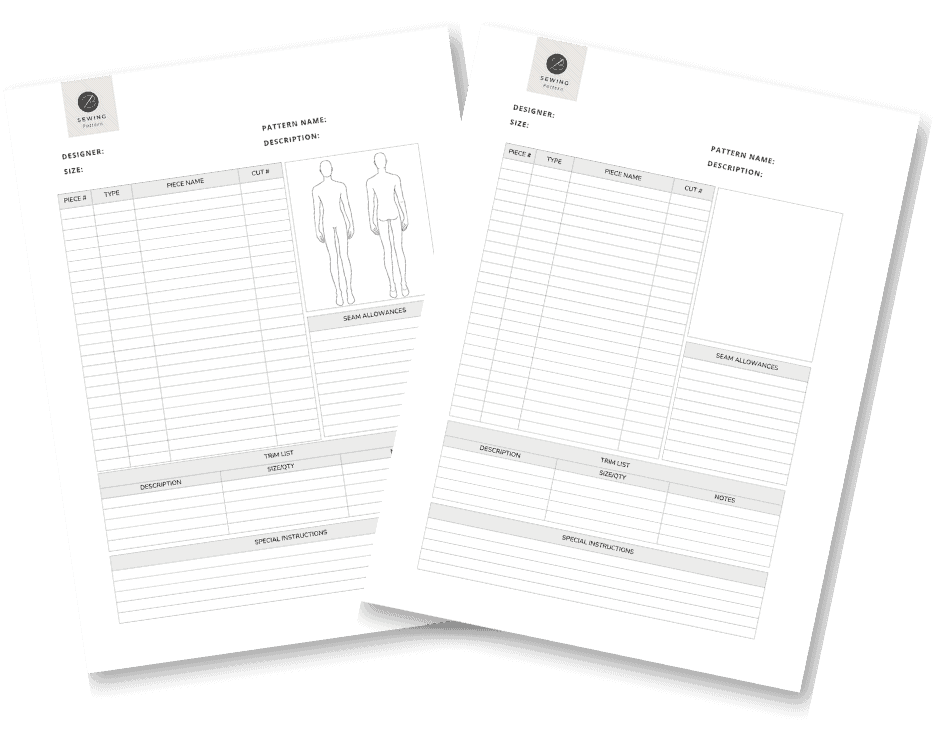
As the seasons pass and projects add up, those little paper patterns have a way of piling into drawers and baskets. And when you go to remake something, you end up searching instead of sewing.
That’s exactly why I created these Free Sewing Pattern Labels.
They make it simple to keep every pattern neat, easy to find, and ready whenever inspiration strikes. Just print the labels, fill them out, and attach them to your pattern envelopes.
In a few minutes, your patterns go from scattered to beautifully organized.
A small change that makes your sewing space feel calmer, clearer, and ready for your next project.
FAQs
1. Is it better to buy a sewing machine online or in a store?
Both options work well. Buying online often gives you more choices and better prices, while buying in-store allows you to see and test the machine before purchasing.
2. What accessories should beginners buy with a sewing machine?
Useful beginner accessories include:
- Extra bobbins
- Fabric scissors
- Seam ripper
- Pins and pincushion
- Measuring tape
These basic tools will help you complete most beginner projects.
3. Can beginners sew clothes with a basic sewing machine?
Yes. Many beginners start by sewing simple clothing like:
- Pajama pants
- Skirts
- T-shirts
- Simple dresses
A basic sewing machine with straight and zigzag stitches is usually enough.
4. How long does it take to learn basic sewing?
Most beginners learn basic sewing skills within a few weeks of practice. Starting with small projects helps build confidence quickly.
5. What fabrics are easiest for beginners to sew?
Beginner-friendly fabrics include:
- Cotton
- Linen blends
- Quilting cotton
- Canvas (for bags)
These fabrics are stable and easier to control compared to stretchy or slippery materials.