
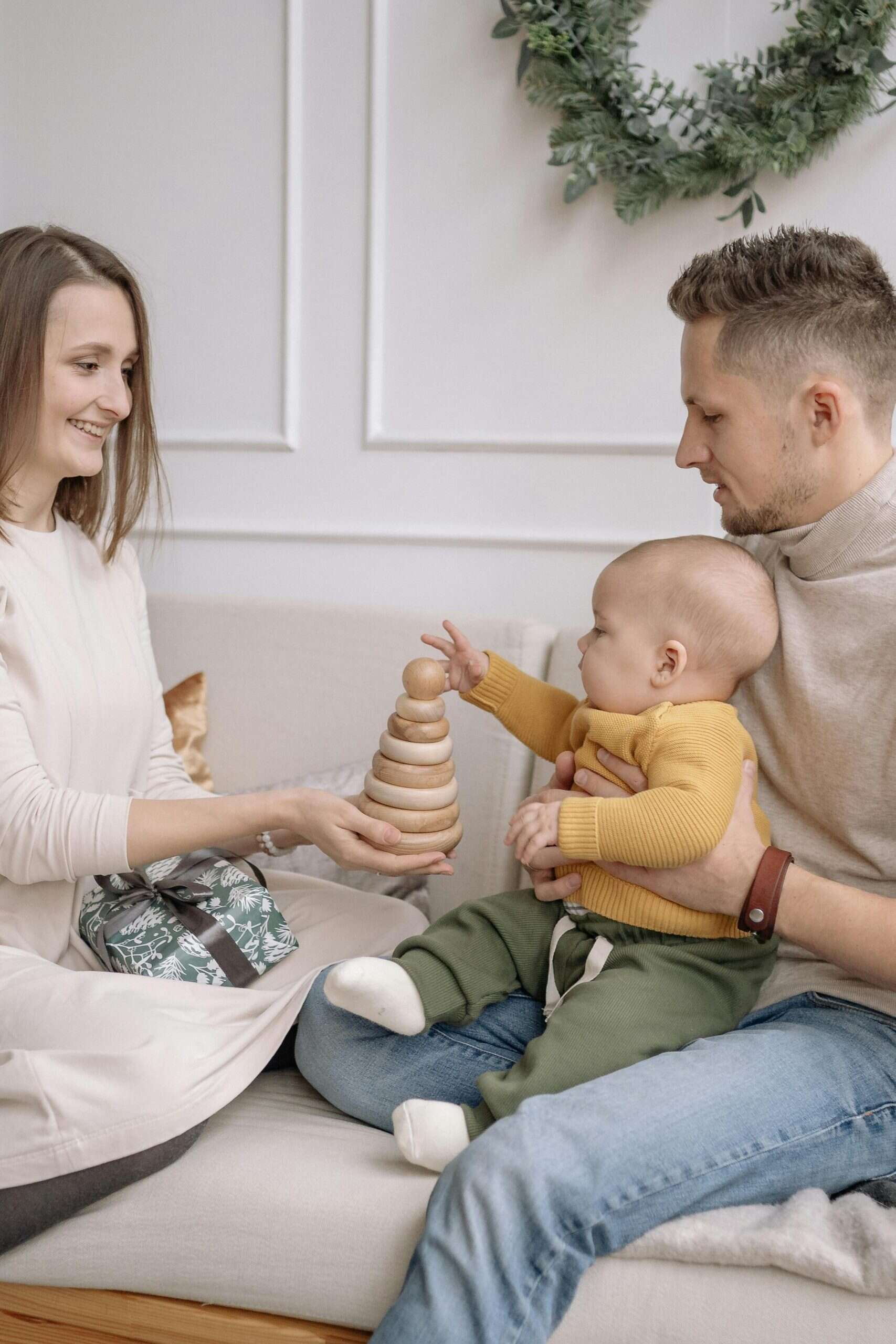
In your baby’s first year, every day is a new discovery.
From the moment they’re born, babies learn about the world by touching, seeing, hearing, smelling, and even tasting everything around them.
Sensory play actually helps your baby’s brain form important connections and supports language, motor, and social development during this critical period.
In fact, early experiences with different sights, sounds, and textures help build the foundation for future learning and healthy development.
In this post, you’ll find practical, baby-friendly sensory play ideas you can start using right away.
These activities are simple, gentle, and perfect for supporting your little one’s growing curiosity throughout their first year.
Sensory Play with Everyday Household Items
A baby joyfully making music with a plastic container and wooden spoon – proof that you don’t need expensive toys for sensory fun.
Many household items can captivate and educate babies just as well as specialized toys.
In fact, a huge part of infant development happens through play, and ordinary objects around the house can be wonderful tools for learning.
Items with different textures, colors, sounds, and shapes – like a crinkly paper, a wooden spoon, or a shiny pot – are fascinating to an infant.
Simply look around your home for safe, baby-friendly objects.
With a bit of creativity, all of these everyday items can become fun toys that help build your baby’s motor, sensory, and communication skills.
10 Simple Sensory Play Ideas for Babies Under One Year Old
Below are at least 10 simple sensory play ideas that are safe for infants under one.
Always ensure activities are supervised and avoid small objects or anything hazardous.
These indoor and outdoor ideas are easy to set up, using common household items to encourage your little one’s exploration and development.
1. DIY Shaker Bottle
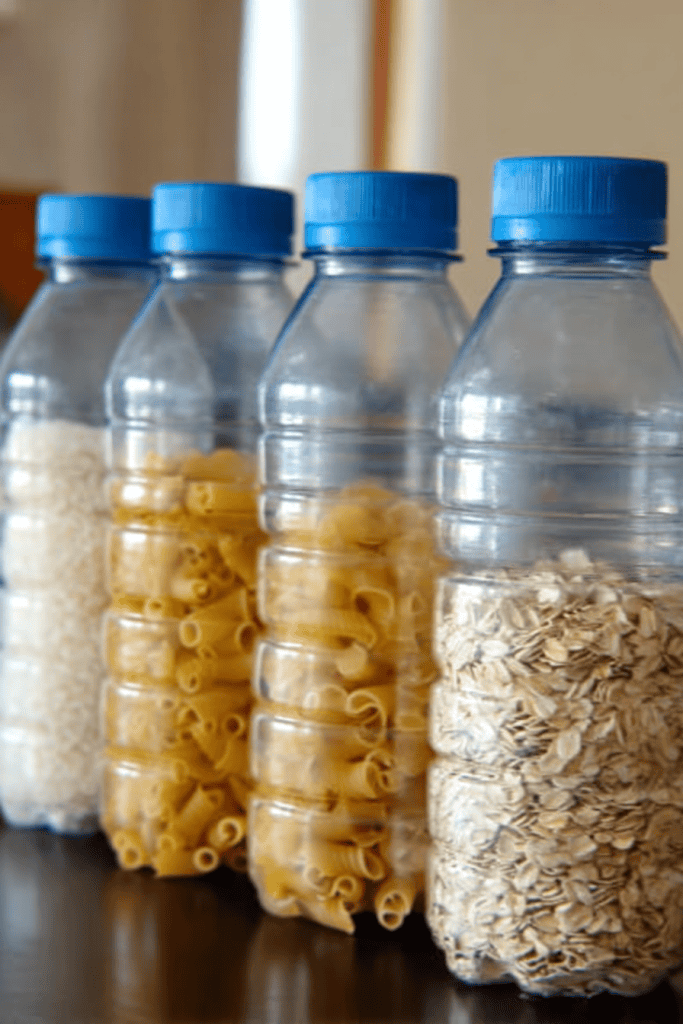
Turn an empty plastic bottle into a rattle.
Fill it with a handful of dry beans, rice, or pasta and secure the lid tightly (you can even tape or glue it shut for safety).
Shake it gently to capture your baby’s attention and encourage them to turn toward the sound.
This simple homemade shaker stimulates your baby’s hearing and visual tracking, and as they follow the moving bottle and sound, it helps strengthen their neck and eye muscles.
2. Tissue Box Pull (Fabric Fun)
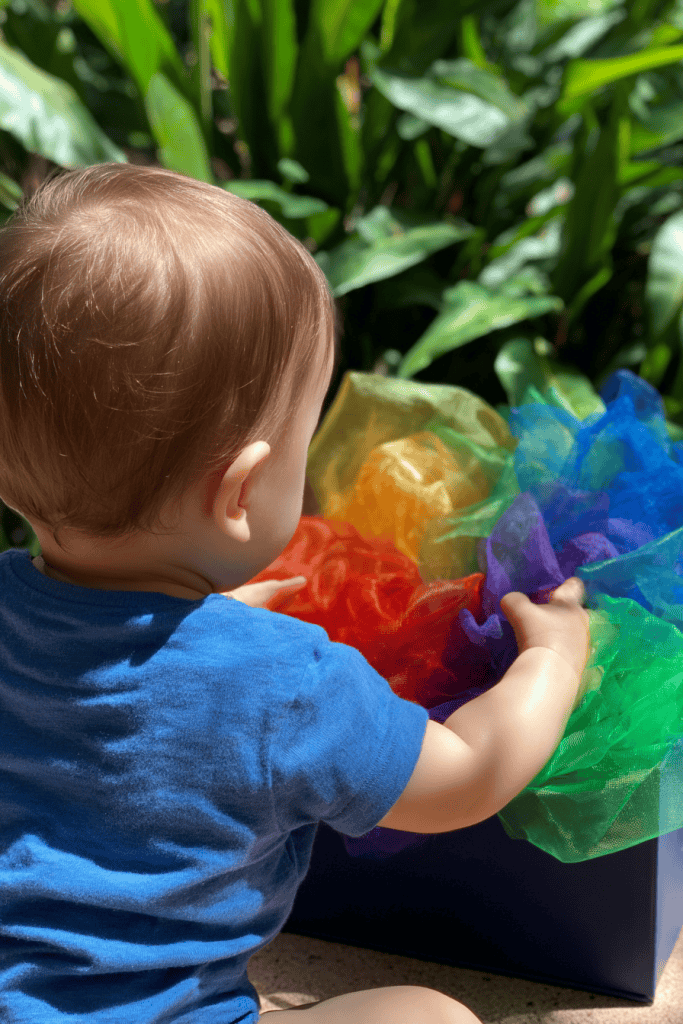
Reuse a clean, empty tissue box or wipes container by stuffing it with colorful fabric scraps or old scarves.
Let your baby pull the scarves out one by one – they’ll love the surprise of each new texture and color.
This activity encourages little hands to grasp and pull, building fine motor strength while engaging their sense of touch and vision.
When they’ve emptied the box, you can simply stuff the fabrics back in and let them enjoy the game all over again!
If you have a preschooler, they’ll also love more advanced sensory games – check out must-try sensory activities for preschoolers.
3. Treasure Basket of Textures
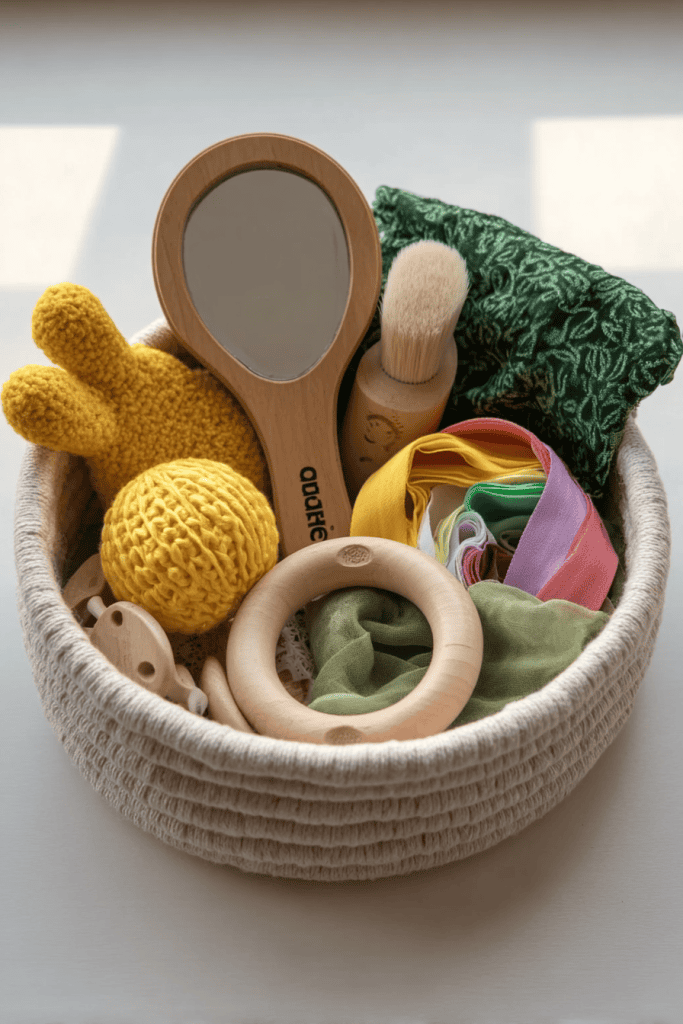
Create a little “treasure basket” filled with safe household items that have varied textures and shapes.
For example, you might include a soft washcloth, a fluffy sock, a wooden spoon, a silicone spatula, a crinkly sheet of paper, or a bumpy silicone teether.
Items like the wooden spoon let little ones explore textures and shapes while enjoying the wholesome benefits of wooden toys.
Supervise as your baby rummages through the basket and explores each object – feeling soft, hard, smooth, or crinkled surfaces stimulates their sense of touch.
Talk to them about each item (“This sponge is squishy, listen to the crinkle!”) as they handle it, which can help build their vocabulary through play.
4. Kitchen Pot & Pan Band

Set out a couple of lightweight pots, pans, or plastic food containers upside down on the floor, along with a wooden spoon.
Show your baby how to tap on the “drums” to create fun sounds, and then let them have a turn.
Banging on safe household objects not only delights babies with new noises, it also teaches them cause-and-effect – they learn that “I hit this, and it makes a sound!” – while giving a mini lesson in rhythm and listening skills.
(It might get loud, but it’s a joyful noise and part of the learning!)
If your little one has lots of energy or sensory needs, check out best sensory activities for kids with ADHD.
5. Pillow Mountain Climb

Pile up a few couch cushions or firm pillows on a soft carpet to make a gentle “mountain” and encourage your baby to climb or crawl over them (always with a watchful eye on safety).
Babies love this change of terrain – the little hills and valleys of the pillow pile present a fun motor challenge.
As they scramble up and down, they’re building strength in their arms, legs, and core muscles and practicing balance in a safe environment.
This gross motor adventure also gives them new tactile sensations (soft pillows, varied heights) to explore, similar to the sensory benefits you get from sheepskin rug for babies.
6. Peek-a-Boo Scarf Play

Add a twist to the classic peek-a-boo game by using a thin, sheer scarf.
Hold the scarf up to hide your face or a favorite toy, then let it flutter down for the big “peek-a-boo!” reveal.
The soft material adds a new sensory element as it brushes against baby’s skin and creates interesting sights (and even sounds as it rustles).
Babies will giggle at the disappearing and reappearing act, and the scarf encourages them to reach out, grab, or track it with their eyes as it moves.
This simple game engages their sight, touch, and even early understanding of object permanence (knowing something is there even when hidden).
7. Splashing Water Play
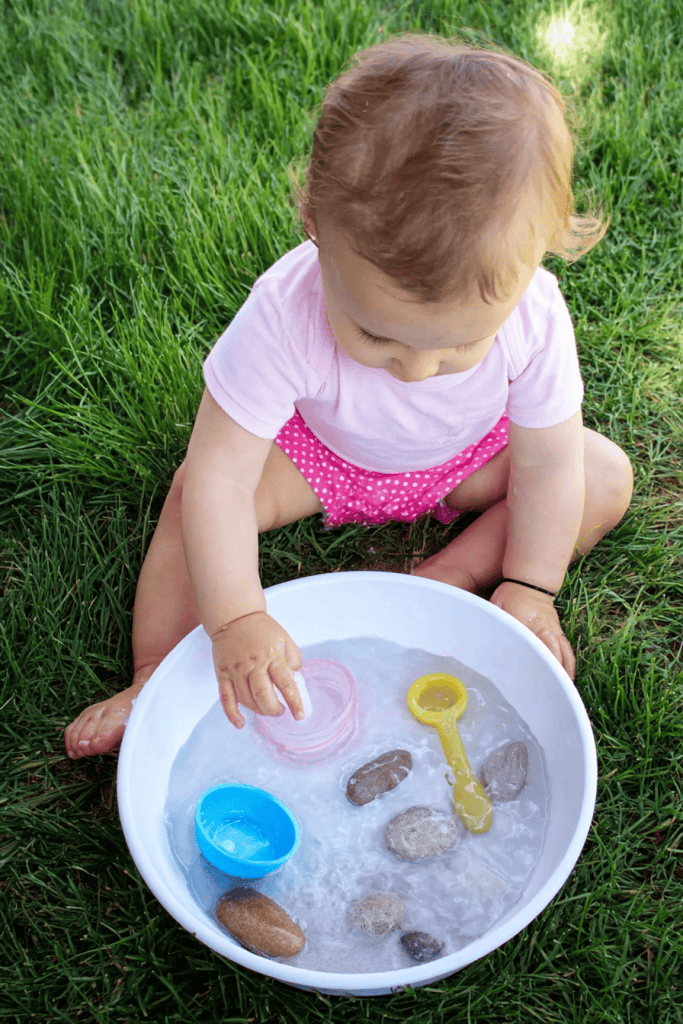
Once your baby can sit up (around 6+ months), you can introduce some supervised water play.
Use a clean, shallow basin on the floor or even the bathtub with just an inch or two of lukewarm water.
Add a few floating bath toys, plastic cups, or a sponge for your baby to grab, squeeze, and splash around with.
They’ll love the sensation of water on their hands and seeing the splashes they create.
Water play helps them discover concepts like wet vs. dry and cause-and-effect (splashing makes the toys move or the water ripple).
Always keep a hand on baby and never leave them alone with water, even shallow amounts – safety first while the fun ensues.
Looking for the perfect gift that supports your little one’s learning and development? Check out our best Montessori Christmas gifts for babies and toddlers for thoughtful, age-appropriate ideas!
8. Squishy Sensory Bag
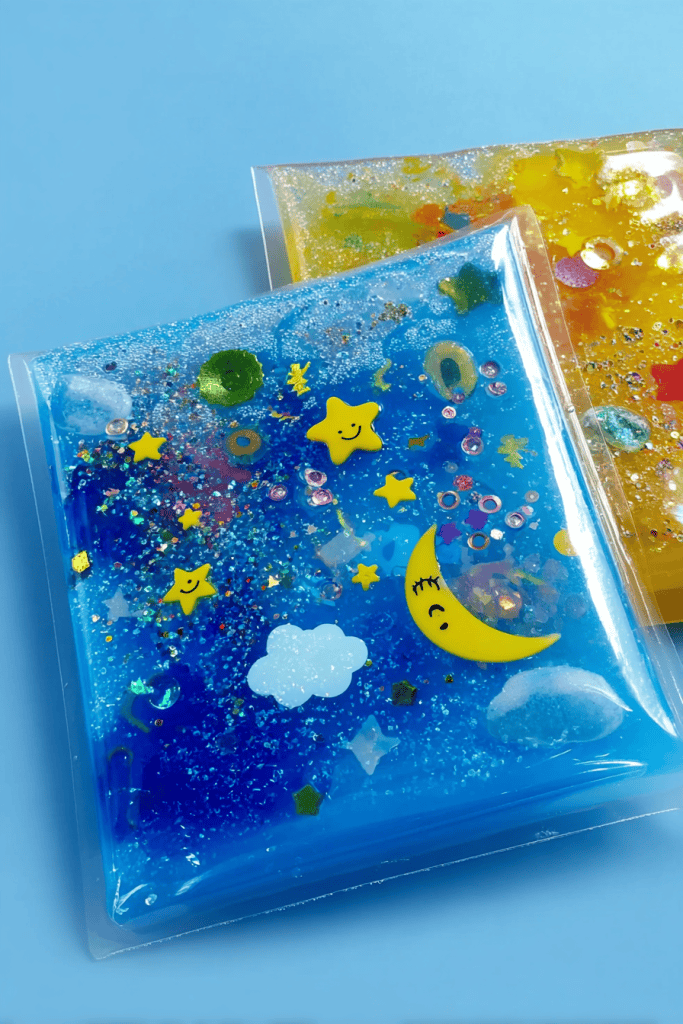
Fill a large zip-top plastic bag with something squishy like clear hair gel or a mix of water and a little cornstarch (making a gel-like fluid).
You can add some baby-safe extras inside the bag for visual interest – try big sequins, foam shapes, or a few drops of food coloring.
Push out most of the air and seal the bag very tightly (tape the top for extra security).
Now place the sealed bag on the floor during tummy time and let your baby poke, prod, and squish it.
They’ll see the colors and objects move around with their touch and feel the cool, smooth gel through the plastic.
It’s a fascinating tactile and visual experience with no mess!
(Just remember to supervise and make sure the bag stays sealed – this is a “look and touch, not taste” activity.)
9. Mirror Time
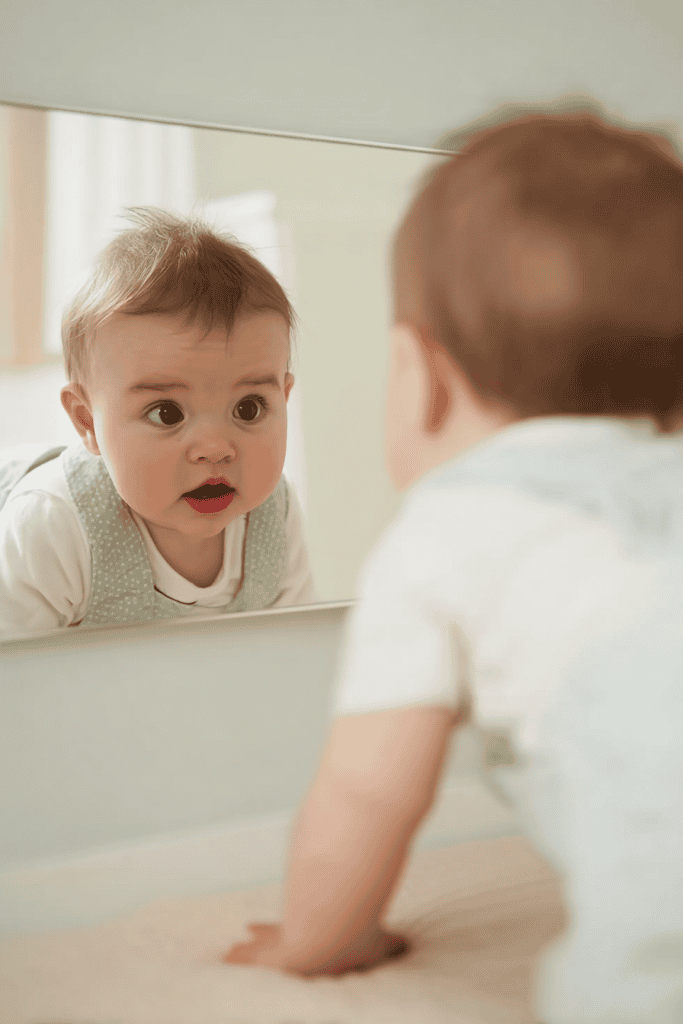
One of the best “toys” is a simple mirror you already have.
Prop an unbreakable baby mirror on the floor or hold your baby in front of a mirror on the wall.
Babies are naturally drawn to faces – even their own! They will enjoy gazing at that cute “baby in the mirror,” touching it, or babbling at it.
At first they might not realize it’s their own reflection, but they’ll be fascinated all the same.
You can sit with your baby and point to their nose, hair, or smile in the mirror, naming each feature (“Here’s your nose!”) to boost language skills while you play.
Mirror play is fantastic for social development too – it lets babies experience facial expressions and start to understand who that other “baby” is, building self-awareness over time.
And the best part: no purchase necessary for this captivating activity.
10. Outdoor Sensory Walk
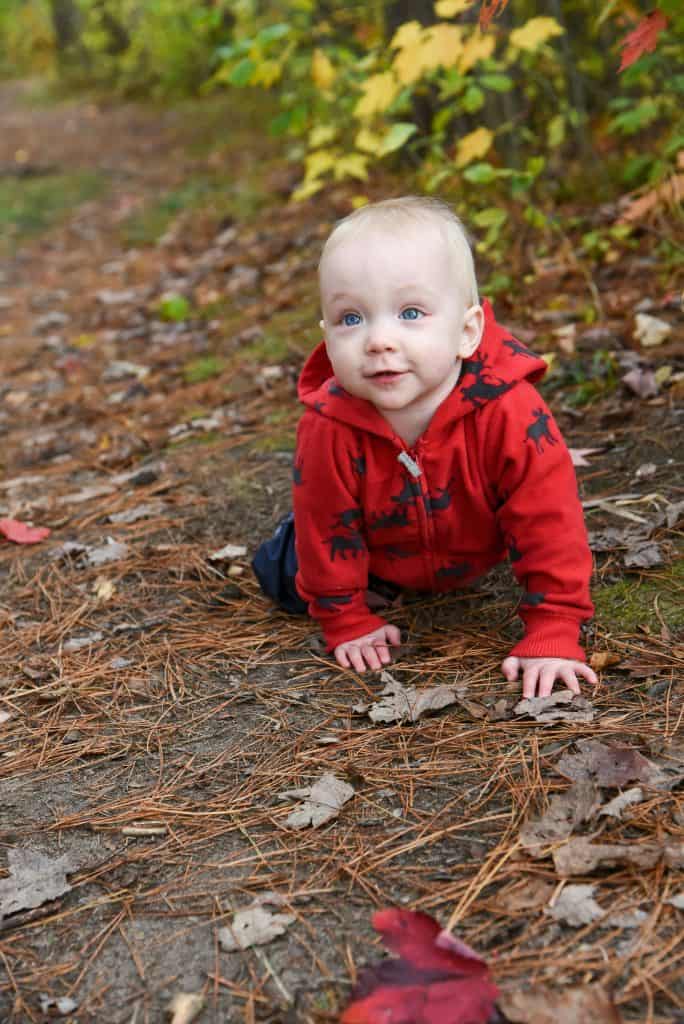
Take advantage of nature for a free sensory experience.
Step into the backyard or park with your little one and let them safely experience the outdoors.
For example, you can sit them on a picnic blanket and allow them to touch the grass or dry leaves with their fingers, or gently feel the bark of a tree.
Point out the sounds around you – birds chirping, leaves rustling in the breeze – and let them see moving clouds or the shadow of trees on the ground.
Even a light breeze provides sensory input as it brushes their face.
Describing these sensations (“Feel the soft grass” or “Do you hear the wind?”) helps your baby learn through words while they experience the real thing.
This little adventure engages all their senses in a calm, natural way, proving that sensory play doesn’t need any fancy setup at all.
Looking for more ways to support your baby’s development? Try these parent-approved sensory activities you can easily do at home.
Make Sensory Play Part of Your Baby’s Daily Routine!
Hopefully these ideas show that engaging your baby’s senses can be easy and fun for you both.
Remember, even the simplest moments of exploration can spark wonder and learning for your infant.
So go ahead and try these ideas (and repeat your baby’s favorites often). Follow your baby’s cues and let them explore at their own pace.
With a little creativity and a lot of love (and supervision), you’re giving your little one a great start in discovering the world around them – one texture, sound, and splash at a time.
If you have questions, other ideas, or fun sensory activities you love, feel free to share them in the comments – I’d love to hear what works for your little explorer!
FAQs
How often should I do sensory play with my baby?
You don’t need a rigid schedule – just aim to include short, simple sensory activities into your baby’s daily routine a few times a week. Even 10–15 minutes a day can make a difference. The key is variety and repetition based on your baby’s interest and developmental stage.
What if my baby doesn’t seem interested in a sensory activity?
That’s completely normal! Babies have preferences and moods just like adults. If your little one doesn’t engage with a certain activity, it’s okay to try again later or introduce something new. Keep the atmosphere playful and low-pressure.
Are there any safety concerns I should be aware of?
Yes. Always supervise your baby during sensory play. Avoid small objects that pose choking risks, and make sure DIY items (like sensory bottles or bags) are securely sealed. Check for any signs of wear or damage on toys or materials before use.
Can sensory play help with tummy time?
Absolutely! Many sensory activities like mirror play, squishy bags, or textured mats can make tummy time more engaging and tolerable for babies who resist it. It adds fun and motivation while strengthening their neck and upper body muscles.
Do I need to buy special sensory toys?
Not at all. Most babies are just as fascinated by a crinkly wrapper or a soft sponge as they are by commercial toys. That said, a few well-made sensory toys – like suction cups or play gyms – can be great long-term additions if they truly keep your baby engaged.