
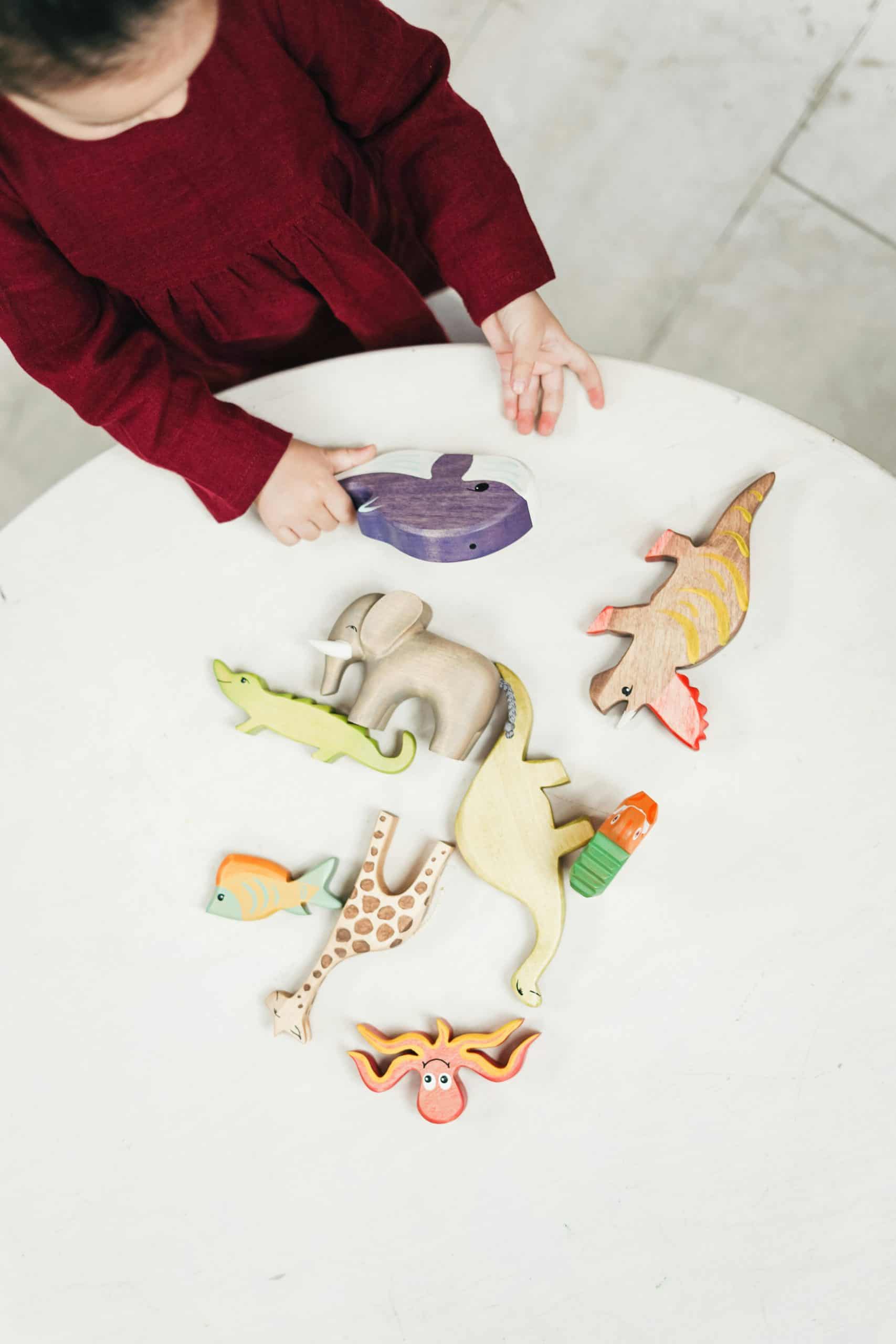
Preschoolers learn best when their hands, senses, and curiosity work together.
Sensory play invites children to explore textures, movement, temperature, and simple materials in a way that feels natural and engaging.
These experiences strengthen early language, fine-motor coordination, and the confidence that grows when a child discovers something new through direct interaction.
In this post, you’ll find 10 must-try sensory activities for preschoolers for hands-on learning – practical ideas that fit easily into home or classroom routines.
Each activity encourages children to observe, compare, create, and express themselves with genuine enthusiasm.
With simple setups and thoughtful guidance, sensory play becomes a meaningful part of a child’s day, nurturing a steady foundation for learning and joyful exploration.
What Makes a Sensory Activity Effective?
An effective sensory activity invites children to explore with purpose and delight.
It offers materials that spark natural curiosity – textures to touch, colors to notice, sounds to observe, and movements to try.
When children have space to choose how they interact with these elements, they build confidence through discovery and practice essential early-learning skills in a meaningful way.
Strong sensory experiences blend simplicity with intention.
A shallow tray of materials, a steady routine, and a few open-ended tools give children opportunities to pour, scoop, compare, and describe what they notice.
This kind of exploration strengthens fine-motor control, observation skills, and expressive language as children connect their sensations to words and ideas.
Above all, effective sensory activities feel approachable and inviting.
They offer children a grounded way to explore the world around them – hands engaged, minds active, and imagination steadily growing.
Want even more tried-and-true ideas? Check out my best sensory activities for kids with ADHD and discover activities that really help kids focus, calm down, and have fun while learning.
10 Must-Try Sensory Activities That Inspire Hands-On Learning
The following activities are designed to support meaningful engagement, spark conversation, and offer children a confident way to discover how textures, movement, and materials behave.
1. Mystery Bag (Tactile Guessing Game)

The Mystery Bag invites children to rely on their sense of touch as they explore familiar objects without seeing them.
Place a few items (such as a small toy, a wooden spoon, or a cotton ball) inside a cloth or paper bag.
Encourage children to reach in, feel the object, and describe its shape, texture, and weight before making a friendly guess.
This simple activity strengthens sensory discrimination and builds expressive language as children connect tactile sensations with descriptive words.
2. Sensory Bin Play
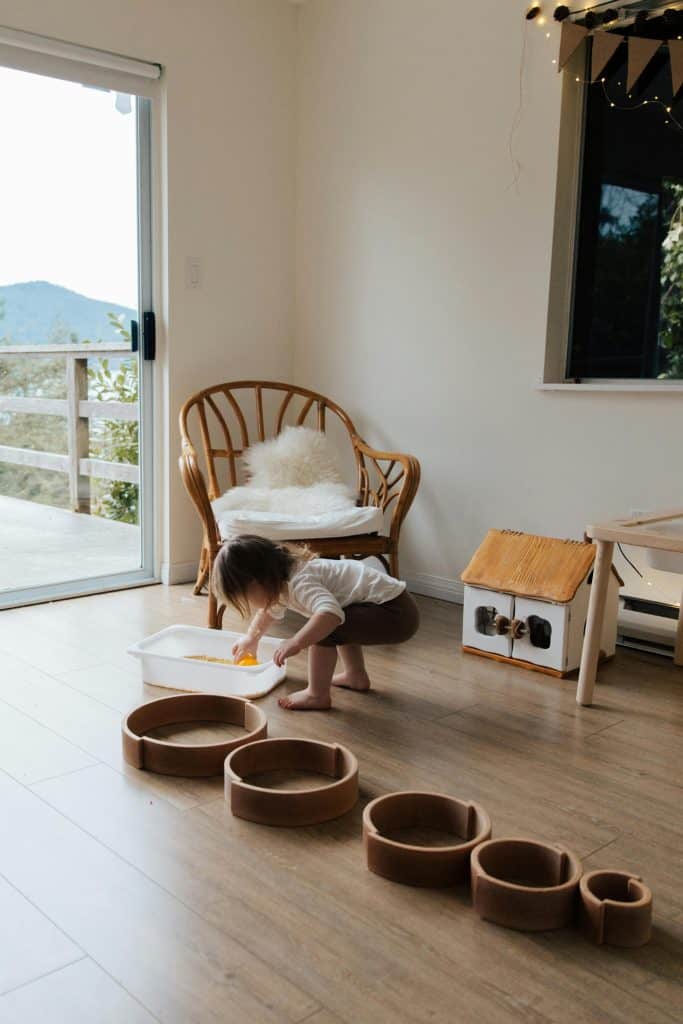
A sensory bin offers an inviting space for children to scoop, pour, sift, and create small worlds with everyday materials.
Fill a shallow container with sand, rice, dry pasta, or water, then add scoops, cups, funnels, or small figurines.
Children naturally explore volume, texture, and movement as they transfer materials from one container to another.
This hands-on setup supports fine-motor coordination, imaginative play, and steady focus as children discover new ways to interact with familiar elements.
If you want even more inspiration for little ones, you can also explore fun sensory activities for toddlers.
3. Oobleck (Cornstarch + Water)
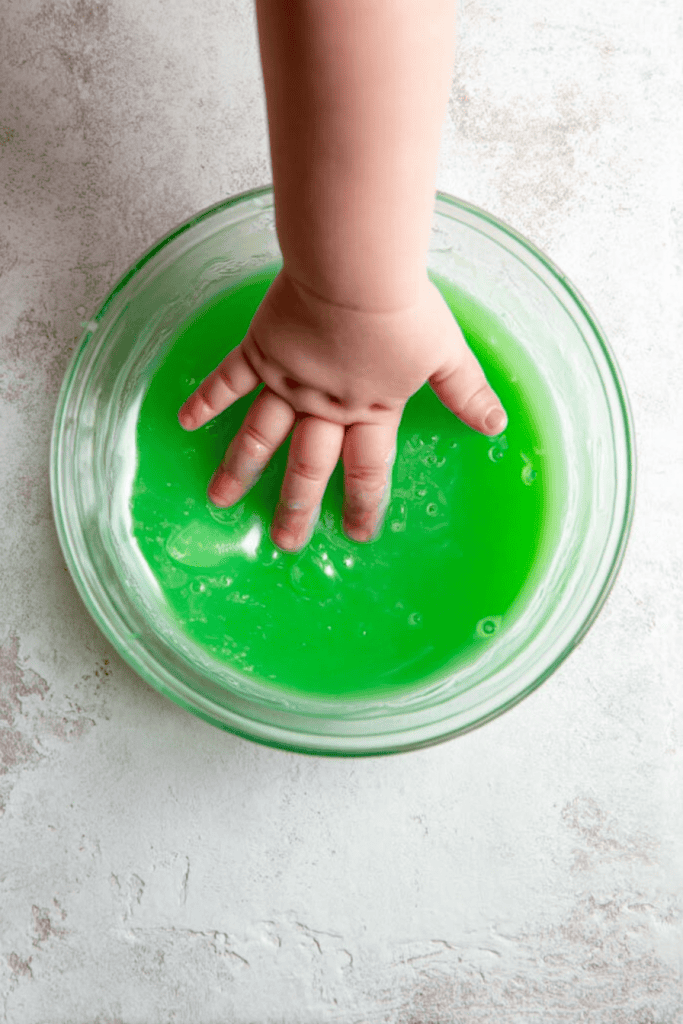
Oobleck is a standout sensory experience because it shifts between liquid and solid depending on how it’s handled.
Mix cornstarch and water until it reaches that fascinating, in-between texture.
Children can squeeze it firmly to feel its solid state, then let it flow smoothly through their fingers when they loosen their grip.
This captivating material introduces cause-and-effect in a way that feels lively and memorable, encouraging children to observe how their actions shape the material’s behavior.
4. Shaving Cream Art
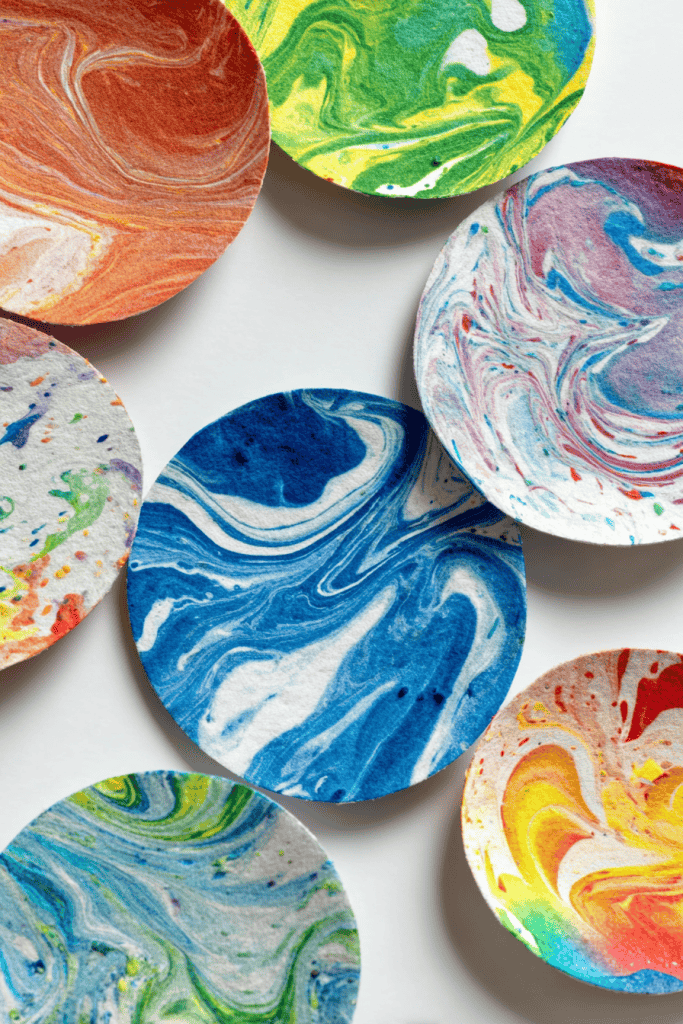
Shaving cream art offers a refreshing way for children to explore texture while practicing early writing skills.
Spread a thin layer of shaving cream on a tray and invite children to draw shapes, letters, or simple designs with their fingers.
The smooth surface encourages gentle movement, while the bold contrast of each stroke helps children notice patterns and form lines with intention.
This activity builds tactile awareness and supports confident pre-writing practice through playful exploration.
Looking for more creative ways to engage kids in hands-on learning? Try these engaging Sunday school crafts!
5. Textured Balloon Fun
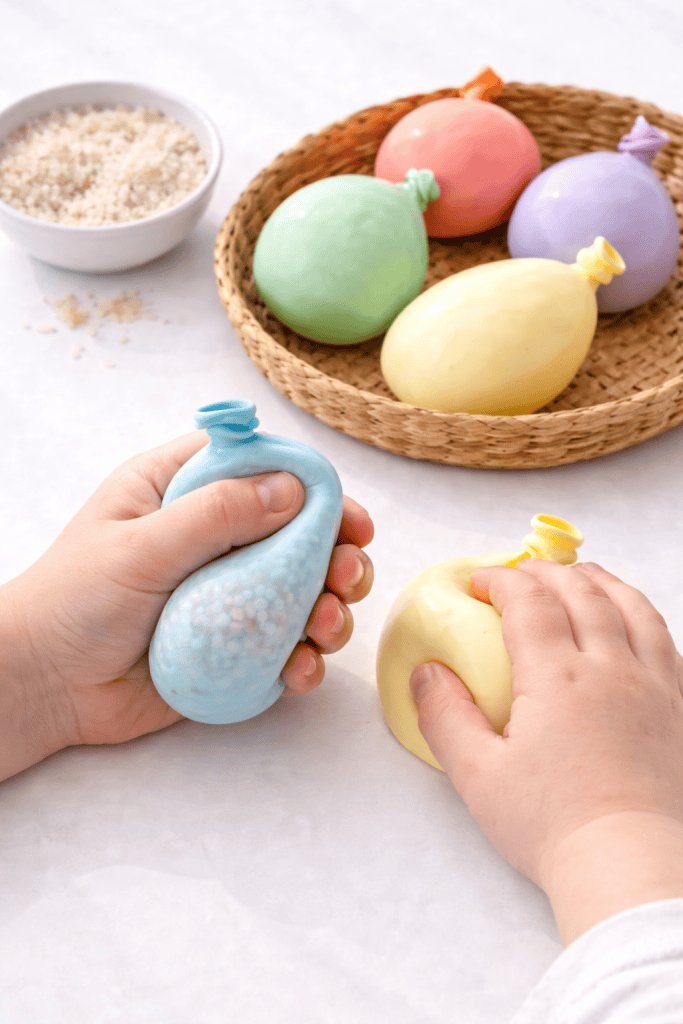
Textured balloons introduce a satisfying blend of weight, shape, and sensation.
Fill balloons with materials like rice, flour, beans, or water, then tie them securely.
Each balloon offers a distinct feel, encouraging children to squeeze, press, and compare their unique qualities.
This simple setup strengthens hand muscles, promotes observation, and invites children to describe the sensations they notice.
It’s a calm, focused activity that blends discovery with gentle movement.
6. Ice Cube Exploration
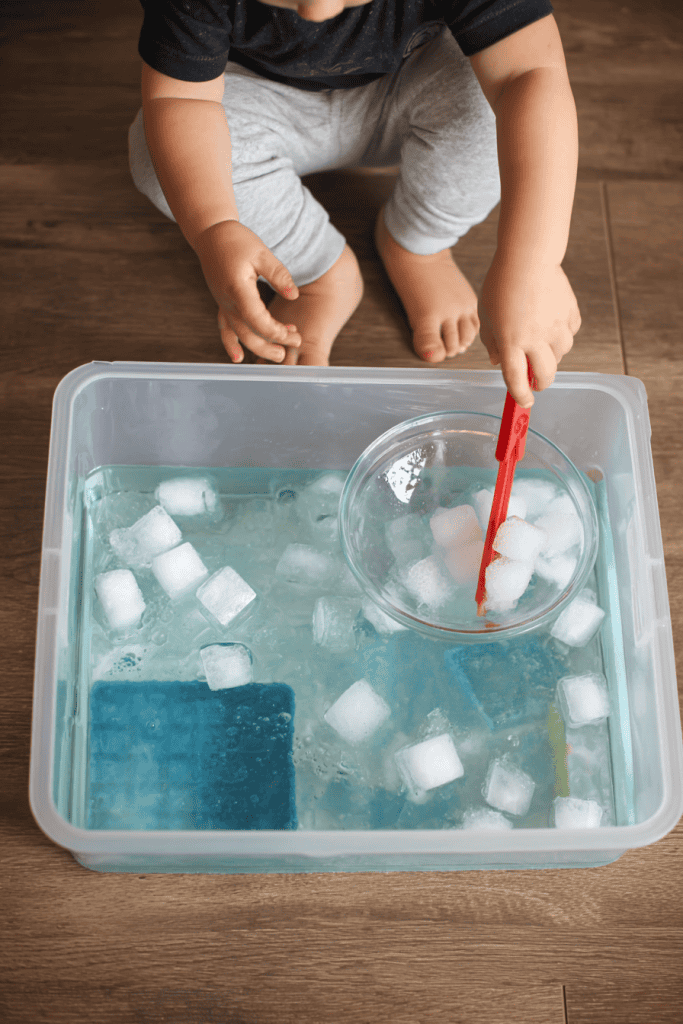
Ice Cube Exploration introduces children to temperature play in a simple and engaging way.
Place ice cubes in a shallow bin with a few scoops or small containers.
Children naturally experiment with sliding, stacking, and holding the ice, noticing how it feels cool and how it gradually changes shape.
This activity encourages observation, fine-motor practice, and curiosity as children watch the ice melt and interact with water in real time.
If you’re looking for more ways to make sensory play fun and hands-on, check out these exciting sensory bin filler ideas.
7. Scented Jars
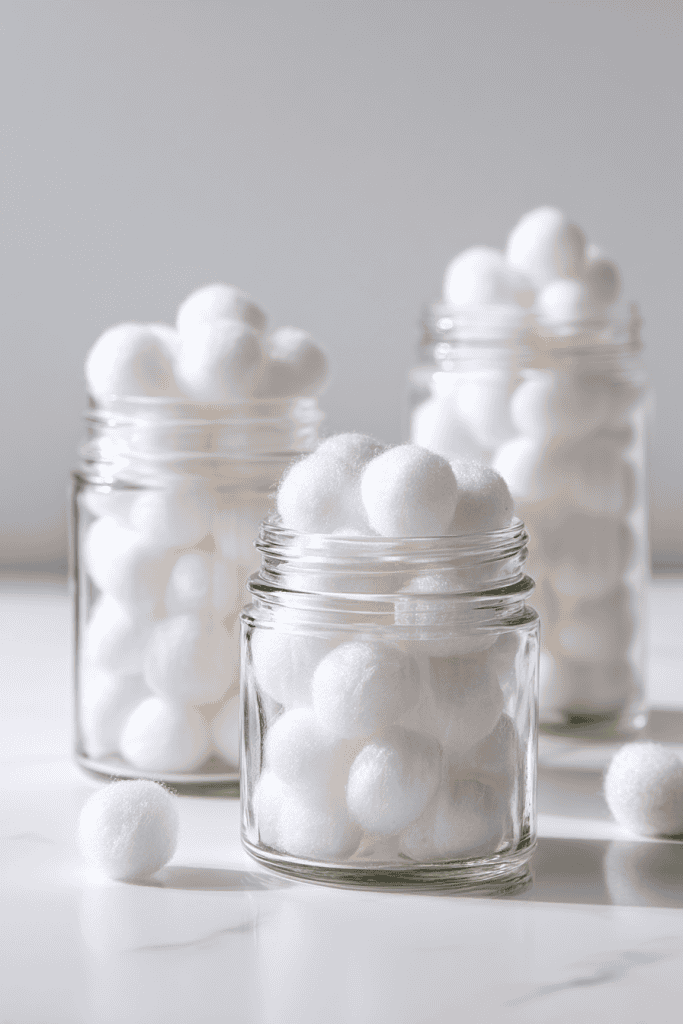
Fill small, clear jars with cotton balls and add a few drops of safe, familiar scents such as vanilla, lemon, peppermint, or lavender.
You can even rotate scents to match seasons or holidays, like cinnamon for winter or orange for fall.
Encourage children to pick up each jar, smell it carefully, and describe what they notice.
Ask questions like, “Does this smell sweet or fresh?” or “Which one do you like best?” This helps build early vocabulary, sensory discrimination, and observation skills.
You can make it into a matching game by creating pairs of jars with the same scent or a memory challenge where children close their eyes and try to identify scents by smell alone.
8. Texture Collage
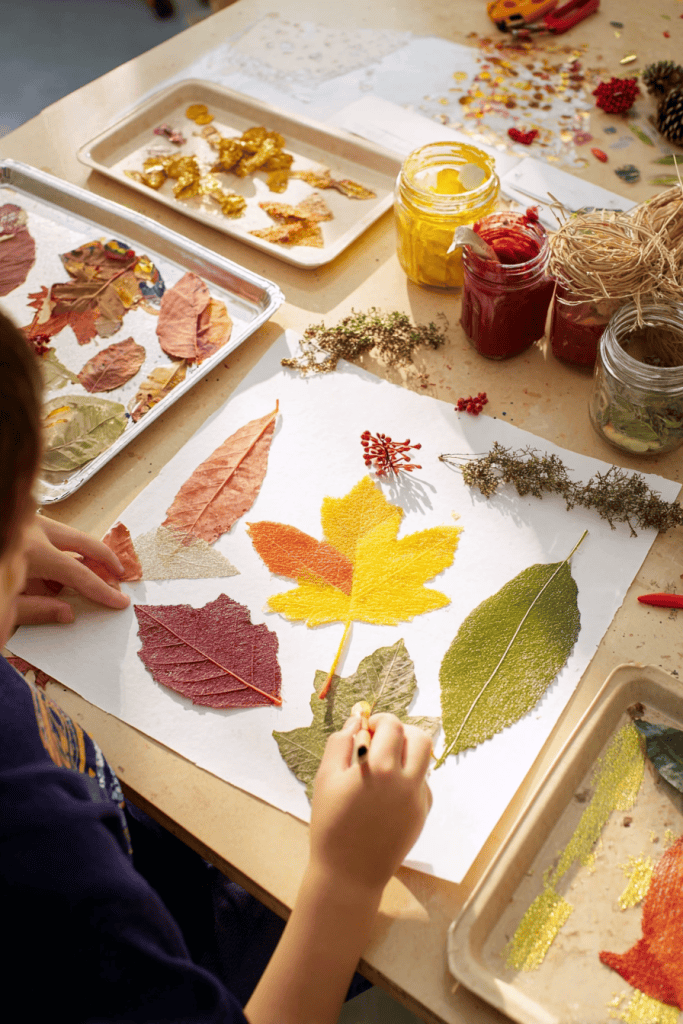
A texture collage invites children to explore and compare how different materials feel in their hands.
Offer a small selection of items (such as soft fabric, bumpy cardboard, smooth foil, or rough sandpaper) and encourage children to glue the pieces onto a sheet of cardstock.
As they touch, sort, and describe each material, children strengthen fine-motor skills, vocabulary, and sensory awareness.
This gentle activity blends creativity, hands-on exploration, and meaningful sensory learning in a simple, inviting way.
Want more creative ideas to inspire little hands this fall? Check out these faith-filled fall craft ideas!
9. Ribbon Dancing
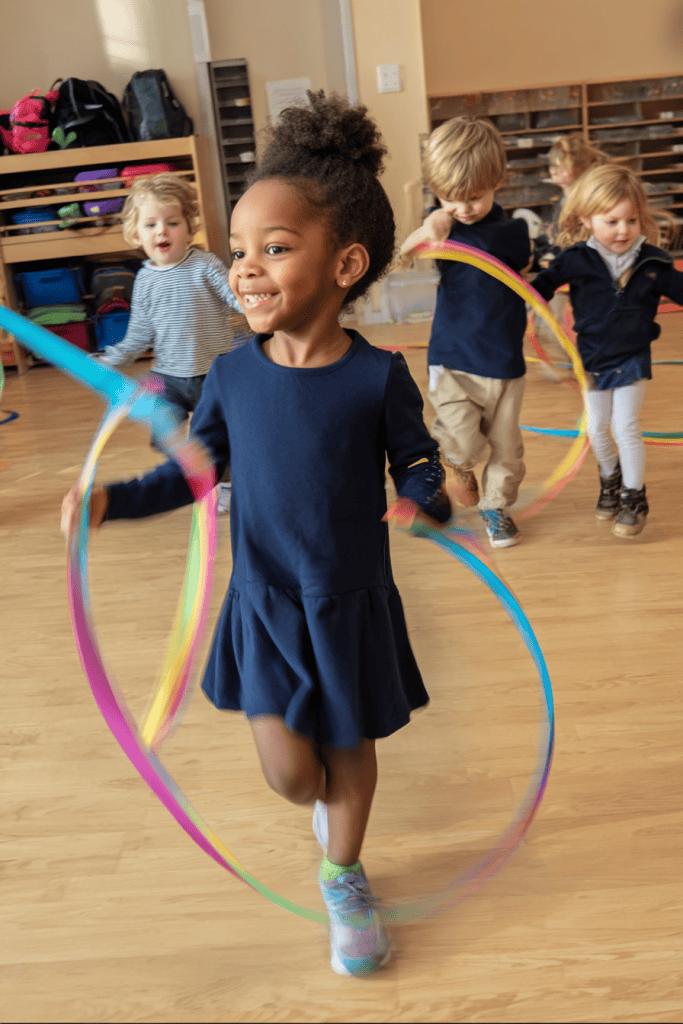
Ribbon dancing brings movement and rhythm together in a joyful sensory experience.
Offer children lightweight ribbons or streamers and play music with a steady beat.
As they twirl, sweep, and wave the ribbons through the air, children explore patterns of motion, coordination, and expressive movement.
This activity celebrates energy, creativity, and body awareness while giving children a confident space to move freely.
10. Sensory Bottles
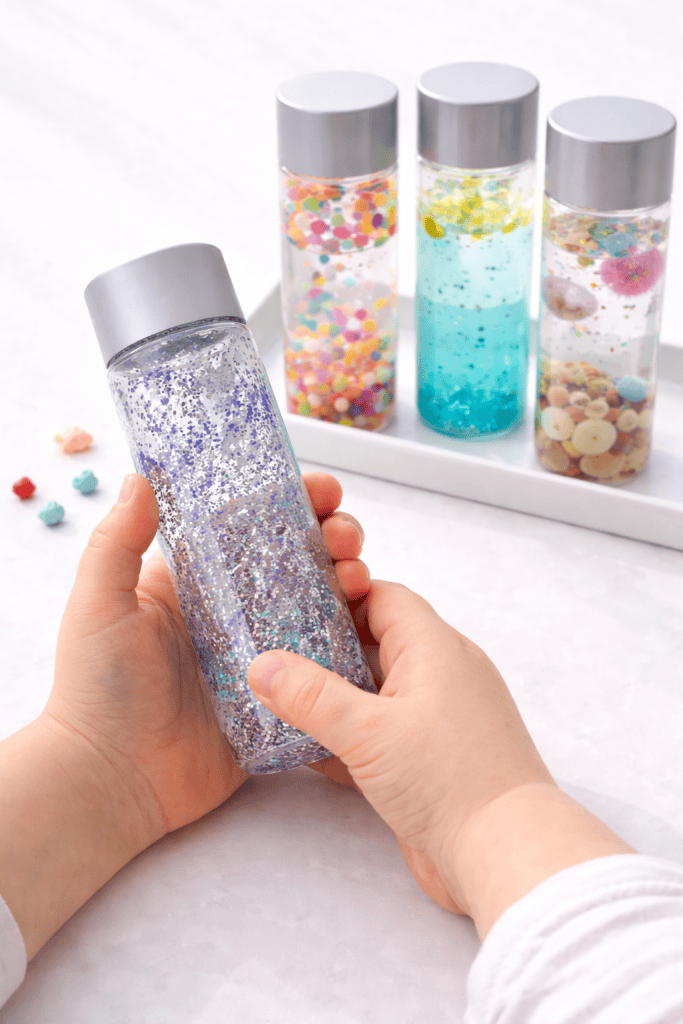
Sensory bottles provide a calming visual experience that supports focus and steady engagement.
Fill clear bottles with water, glitter, beads, or small floating objects, and secure the lids tightly.
Children observe how each item moves, swirls, or settles when the bottle is shaken or turned.
These quiet moments of visual exploration help children develop self-regulation and encourage a thoughtful, gentle approach to play.
Looking for more simple ways to keep kids creative without spending a lot? Check out these easy Sunday school crafts on a budget.
How to Set Up Sensory Play at Home
Setting up sensory play at home is easy! The key is creating a space that feels inviting and simple.
A small corner of the living room, a kitchen table, or a spot outside works perfectly.
Use shallow containers, trays, or baskets to hold materials, keeping everything easy to reach.
Everyday household items (measuring cups, wooden spoons, scoops, or small bowls) work just fine and let kids explore freely.
Introduce materials gradually, and rotate them often to keep things fresh.
Natural light, a calm routine, and simple tools help children feel ready to touch, explore, and experiment.
With just a little planning, sensory play can easily become a fun, hands-on part of your child’s day that’s both calming and full of learning.
And if you enjoy simple, creative projects, you might also like checking out winter Sunday school crafts for kids.
Everyday Sensory Fun for Your Preschooler
Sensory activities offer children a steady path toward curiosity, confidence, and hands-on learning.
These moments of discovery build a strong foundation for early learning while creating meaningful connections between you and your child.
As you explore these 10 must-try sensory activities, choose one to begin with and let it unfold at your own pace.
Small, consistent experiences create lasting impact.
Sensory play doesn’t need to be elaborate – just intentional, welcoming, and open to your child’s natural sense of wonder.
If you try any of these activities, share your experience in the comments below – I’d love to hear what your preschooler enjoyed most.
FAQs
1. How often should I offer sensory play at home?
Sensory play fits beautifully into a weekly rhythm. Many families find that offering it two to three times a week creates consistency without feeling overwhelming. Even short sessions give children steady opportunities to explore and practice new skills.
2. What’s the best way to store sensory materials?
Clear bins, zip bags, and small baskets work well for keeping materials organized and ready to use. Labeling containers helps you rotate items easily and ensures everything remains accessible when inspiration strikes.
3. Can sensory activities support early literacy or math skills?
Absolutely. Sensory play naturally introduces early math concepts such as volume, comparison, and measurement. When children describe textures, shapes, or actions, they strengthen expressive language and build early literacy foundations in a grounded, practical way.
4. What should I do if my child doesn’t engage right away?
Offer the materials without pressure and model gentle curiosity – touch, scoop, stir, or explore alongside them. Many children warm up as they watch the activity unfold, especially when it feels relaxed and inviting.
5. Are there quick sensory activities for busy days?
Yes. A simple bowl of water with a few pouring tools, a tray of ice cubes, or a small basket of textured objects can create meaningful sensory moments in just a few minutes. These quick setups still offer valuable hands-on learning.