

Kids with ADHD often connect with the world through movement, touch, and meaningful hands-on experiences.
Sensory activities support this natural pace by offering clear, engaging ways to focus energy and nurture steady attention.
Each activity becomes an opportunity for curiosity, self-awareness, and calm exploration.
The ideas in this guide are simple to set up and genuinely purposeful.
They encourage tactile discovery, outdoor observation, creative expression, and playful movement – experiences that help kids feel centered and supported.
Let’s explore sensory activities that fit smoothly into everyday life and bring a sense of ease, enjoyment, and confidence to your child’s routine.
How Sensory Experiences Support Kids With ADHD
Sensory experiences give the brain clear, organized input, which helps kids with ADHD feel anchored in the moment.
When the senses are engaged with intention – through touch, movement, or gentle resistance – the body receives signals that promote steady attention and a sense of internal ease.
These activities also strengthen patterns of awareness.
As kids explore textures, control movements, or follow a simple rhythm, they begin to understand how different sensations influence their energy.
This practical insight helps them choose activities that support focus, comfort, or renewed motivation throughout the day.
You can see more examples of this in our guide to DIY sensory activities for toddlers.
Beyond regulation, sensory play encourages purposeful engagement.
It invites kids to use their hands, activate their muscles, and observe their surroundings in a way that feels natural and rewarding.
Over time, these repeated, grounded experiences help build resilience, confidence, and a clearer connection to their own sensory needs.
10 High-Impact Sensory Activities for Kids With ADHD
These activities fit comfortably into everyday routines and offer kids a reliable way to reconnect with their senses.
1. Helping in the Garden
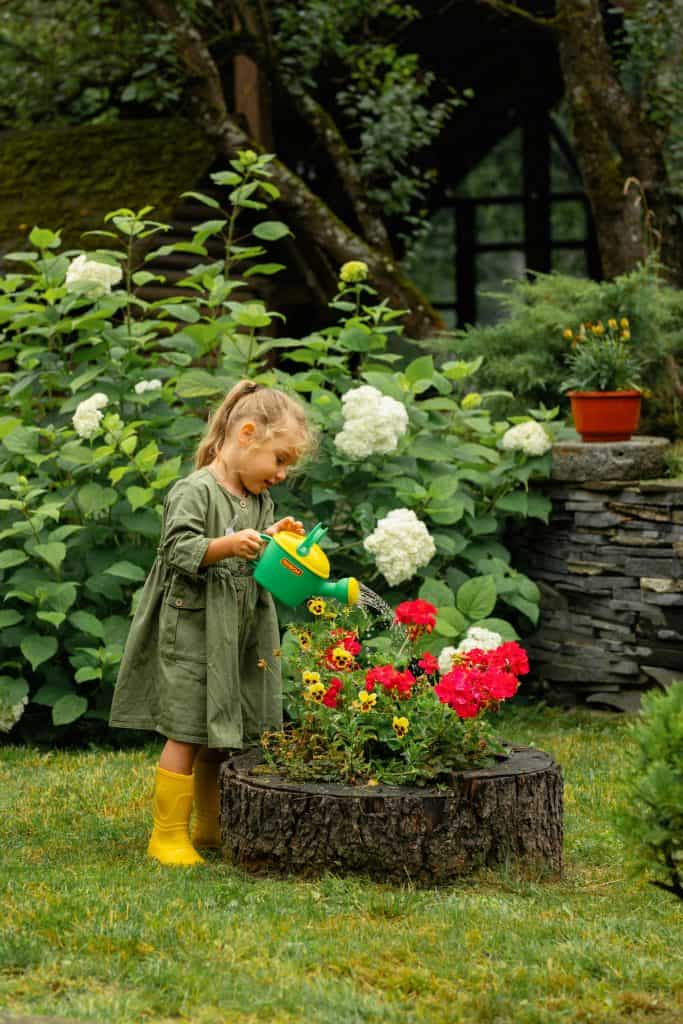
Gardening offers kids a rich blend of textures, scents, and simple responsibilities.
Digging soil, watering plants, or gathering herbs invites steady hand movement and calm concentration.
The gentle rhythm of caring for a plant also builds a sense of contribution, which many kids find reassuring and enjoyable.
Even a small pot on a windowsill creates a meaningful sensory moment.
2. Working Through a Puzzle
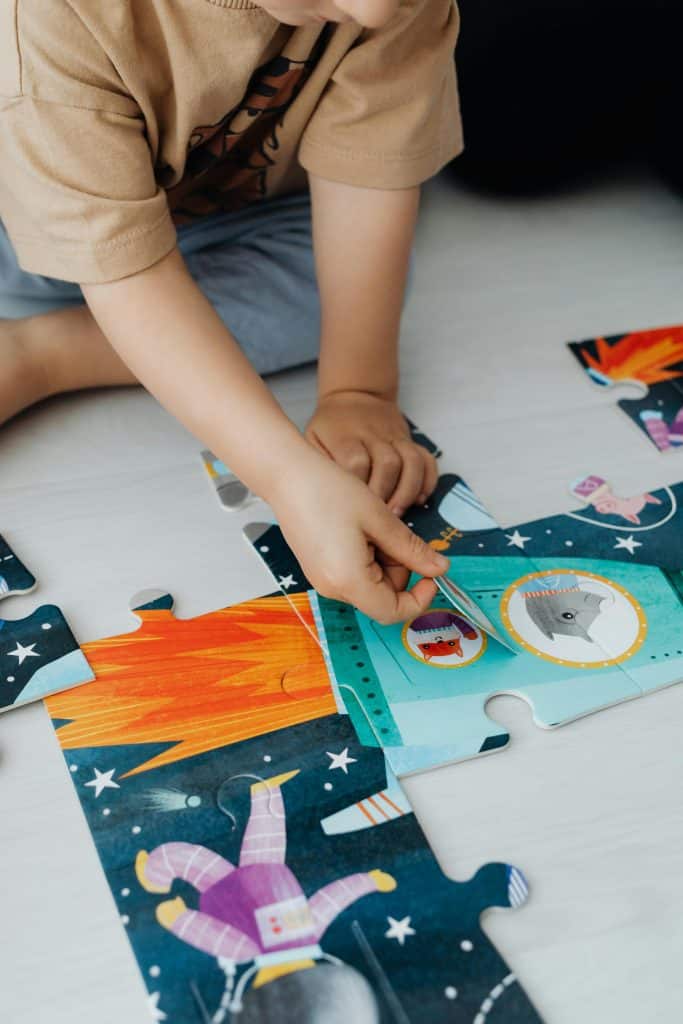
Puzzles create a focused, hands-on experience that encourages visual scanning, pattern recognition, and patience.
The process of searching for pieces and fitting them together offers a soothing sense of order and accomplishment.
Choose puzzles with clear colors or tactile pieces to make the experience even more engaging.
A short puzzle session can bring refreshing clarity to the day.
3. Exploring Water Play

Water invites curiosity in a calm, steady way.
Simple tools – cups, bowls, sponges, or a small outdoor bin – create opportunities for pouring, squeezing, and gentle scooping.
These actions offer smooth, predictable sensory input that helps kids feel centered.
The sound and movement of water add a soothing rhythm, making it an easy activity to return to during transitions or quiet moments at home.
You can pair water play with exciting sensory bin fillers to create even more engaging, hands-on moments for kids.
4. Creating With Finger Paint

Finger painting encourages kids to explore color and texture with freedom and focus.
The smooth movement of paint across paper invites them to engage both hands while staying connected to the present moment.
Mixing colors, tracing shapes, or making prints provides tactile feedback that supports attention and creativity.
It’s a simple way to inspire expression while giving the senses something steady and enjoyable to work with, making it one of many fun winter Sunday school crafts that keep little hands busy and minds engaged.
5. Shaping Kinetic Sand
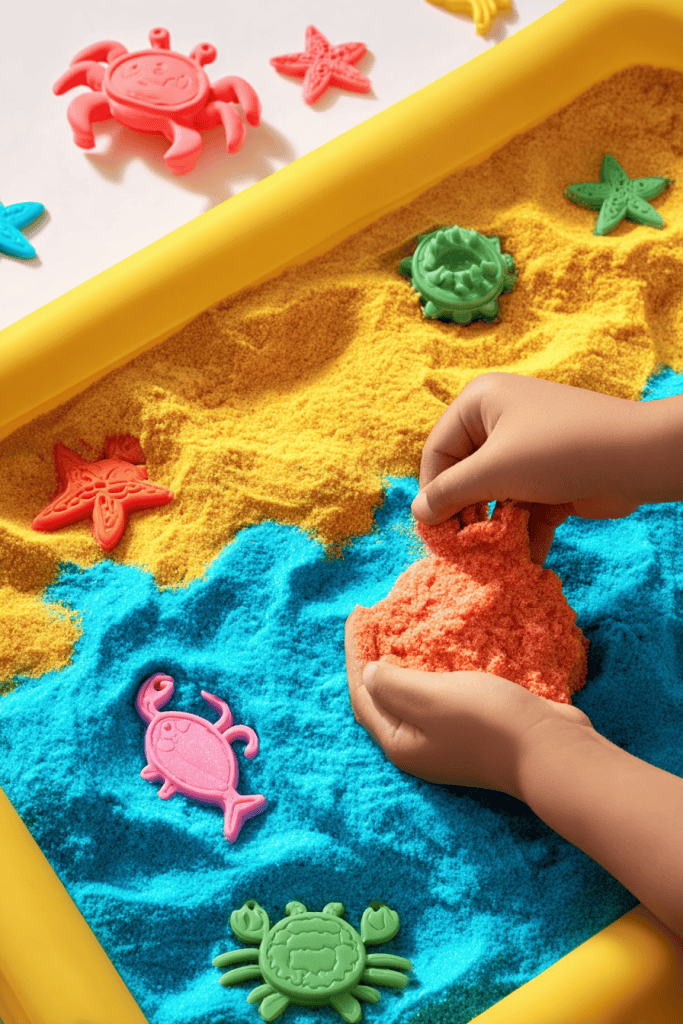
Kinetic sand offers a smooth, moldable texture that encourages slow, intentional hand movements.
Kids can press, slice, pinch, or sculpt it, which provides consistent tactile feedback that feels both engaging and calming.
The sand holds its shape without effort, giving kids a clear sense of control and creativity.
It’s an easy activity to set out during moments when your child needs a steady, hands-on reset.
Looking for more cozy ways to keep little hands busy indoors this winter? Check out cozy winter indoor sensory play ideas your kids will love.
6. Taking a Nature Walk

A nature walk brings gentle sensory input through fresh air, shifting textures, and natural patterns.
As kids observe leaves, listen to birds, or feel the ground under their feet, they connect with the environment in an uncomplicated, refreshing way.
This kind of movement supports clarity and renewed attention while giving kids room to explore at their own rhythm.
Even a short walk can offer a meaningful sensory pause in the day.
7. Playing on an Outdoor Playground
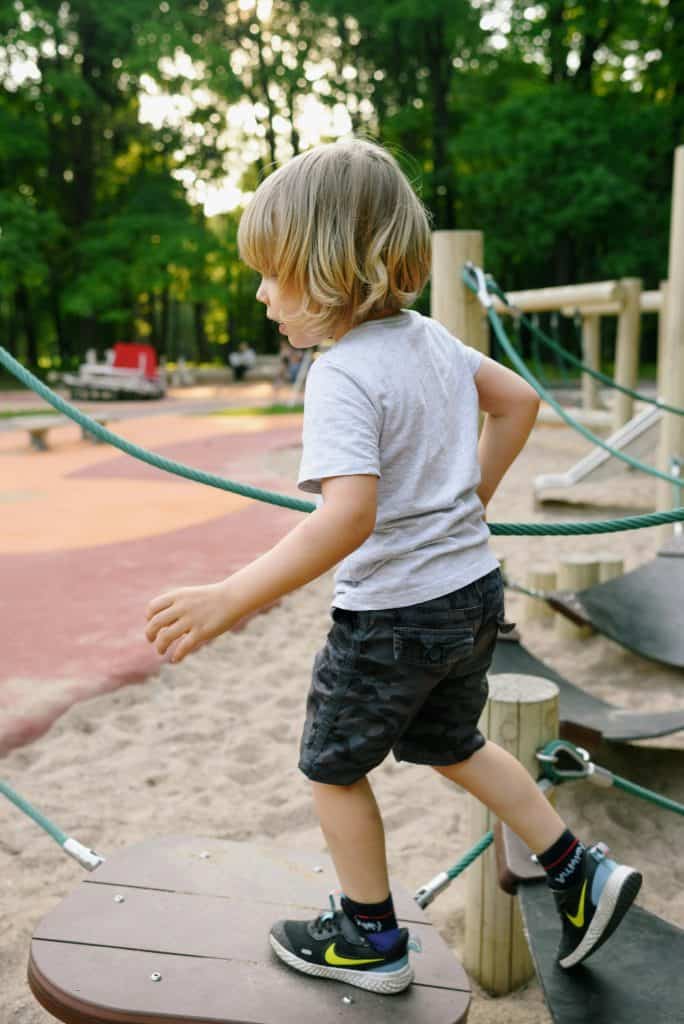
An outdoor playground offers rich sensory input through climbing, swinging, sliding, and balancing.
These movements help the body organize energy while building coordination and strength.
The gentle sway of a swing or the focused steps on a balance beam create a reassuring rhythm that supports attention.
A playground visit becomes both a sensory break and a confidence-building experience.
8. Modeling Play Dough or Clay

Play dough and clay invite kids to shape, roll, pinch, and stretch with complete creative freedom.
The consistent texture offers steady tactile input that feels grounding and satisfying.
As kids form shapes or experiment with simple tools, they strengthen fine-motor skills and enjoy a calming sense of control.
It’s an activity that encourages engagement without pressure and fits seamlessly into everyday routines.
If you’re looking for more ways to keep little hands busy, these engaging Sunday school crafts are a great place to start.
9. Going on a Nature Scavenger Hunt
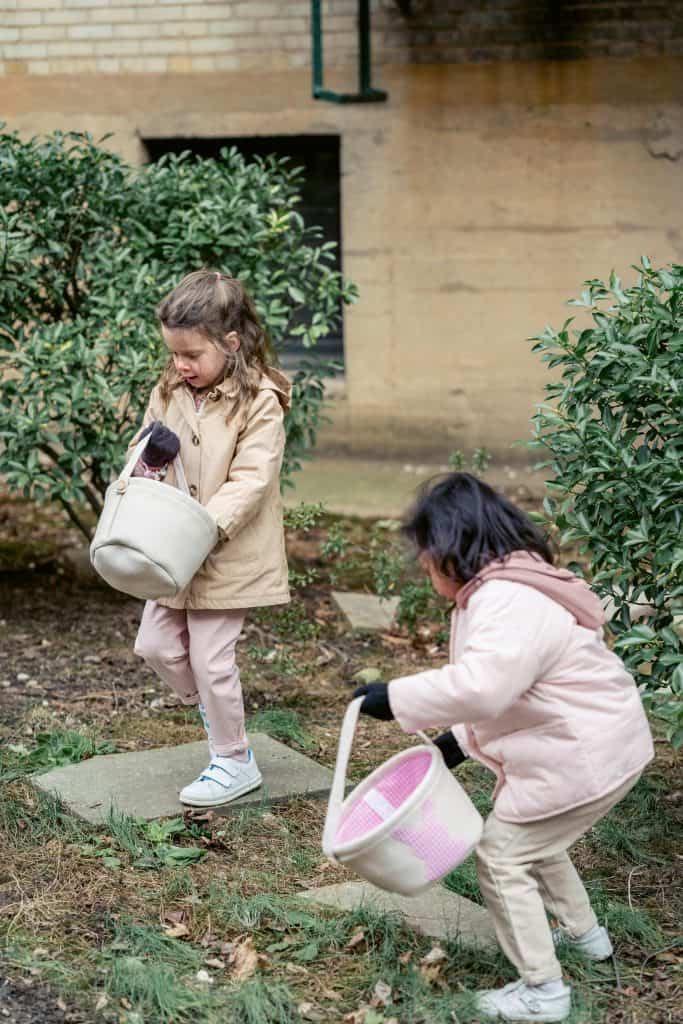
A nature scavenger hunt adds a sense of purpose to outdoor exploration.
Simple prompts – like finding a smooth stone, a round leaf, or a pinecone – encourage kids to observe textures, shapes, and colors with focused curiosity.
The search itself creates a steady rhythm of movement, helping kids stay engaged while discovering their surroundings.
It’s an uplifting way to blend sensory input with adventure.
10. Tossing a Ball
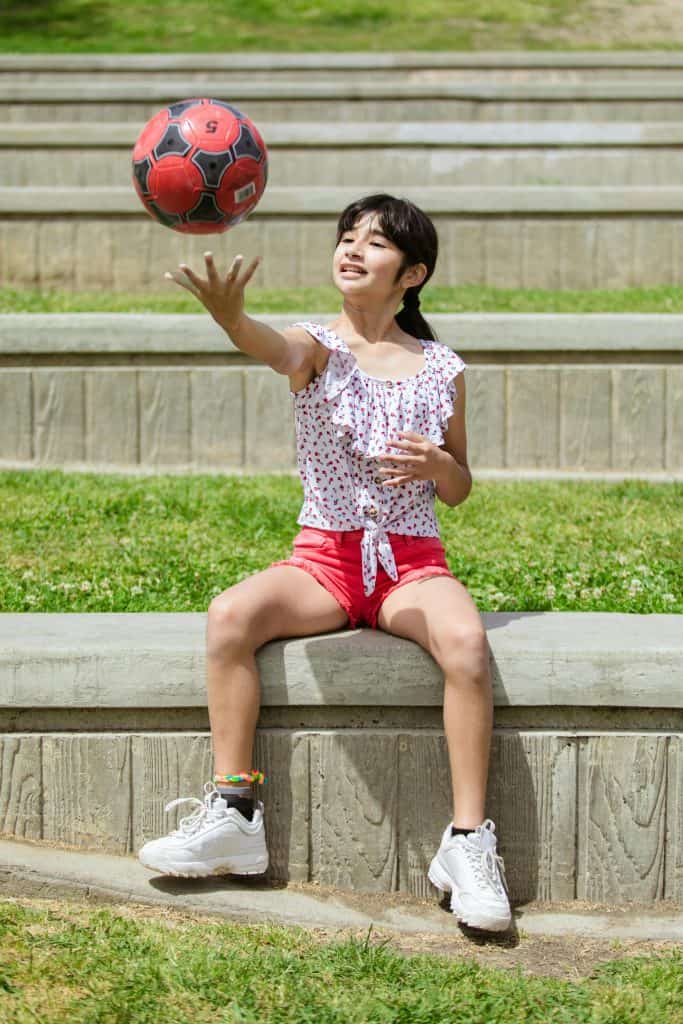
Tossing a ball introduces a clear, predictable pattern that supports coordination and attention.
Whether rolling, bouncing, or gently throwing, the repetitive motion offers a grounding rhythm that kids often find reassuring.
It also encourages timing, spatial awareness, and shared connection when done with a partner.
This simple activity creates a refreshing way to move the body while staying fully present.
How to Choose the Right Sensory Activities for Your Child
Selecting sensory activities becomes easier when you observe how your child naturally responds to different experiences.
Some kids feel energized by movement, while others find comfort in slow, tactile play.
Paying attention to these cues helps you offer activities that feel supportive rather than overwhelming.
Start with what already interests your child. If they enjoy being outdoors, nature-based activities may feel instantly inviting.
If they gravitate toward art or building, creative sensory tasks can hold their attention with ease.
Offering choices also gives your child a sense of ownership, which often leads to more meaningful engagement.
It can be helpful to alternate between activities that build energy and those that encourage calm.
This creates a balanced rhythm throughout the day and gives your child tools they can return to whenever they want focus, comfort, or a refreshing reset.
Over time, you’ll begin to notice patterns – small signs that reveal what truly supports your child’s well-being and confidence.
Bringing Sensory Activities Into Your Child’s Daily Rhythm
Sensory activities offer consistent opportunities for kids with ADHD to engage their minds and bodies with purpose.
These small moments (gardening, sculpting clay, exploring water, or walking through nature) create a dependable rhythm that supports focus, comfort, and confidence.
When these experiences become part of everyday life, they give your child reliable tools they can use to feel centered, curious, and ready for the day ahead.
Each activity in this guide can be adapted, repeated, or blended into your routine in a way that feels natural.
Start with one or two, follow your child’s interests, and let the experience grow from there.
You may be surprised by how quickly these simple moments bring clarity and joy to your home.
If you’ve tried any of these sensory activities (or have favorites of your own) share your thoughts in the comments below. Your insight may inspire another family.
FAQs
1. How often should my child engage in sensory activities?
Short, consistent sessions throughout the day work well. Even five to ten minutes before transitions or during breaks can offer meaningful support without feeling overwhelming.
2. What if my child prefers to repeat the same activity every day?
Repetition is common and can be highly beneficial. It often means the activity provides the exact sensory input your child needs. You can gently introduce new experiences alongside familiar ones.
3. Are indoor or outdoor sensory activities more effective?
Both are valuable. Indoor activities offer convenience and predictable setups, while outdoor options bring fresh air, natural textures, and open space. A mix of both creates a well-rounded sensory routine.
4. How can I tell if a sensory activity is supporting my child well?
Look for signs of steady engagement, calmer pacing, focused attention, or a more relaxed posture. These are good indicators that the activity is offering the right kind of sensory input.
5. What should I prepare before starting a new sensory activity?
Keep it simple. Set up a clear workspace, gather a few basic materials, and give your child room to explore at their own pace. A calm, uncluttered space helps the activity feel inviting and manageable.