
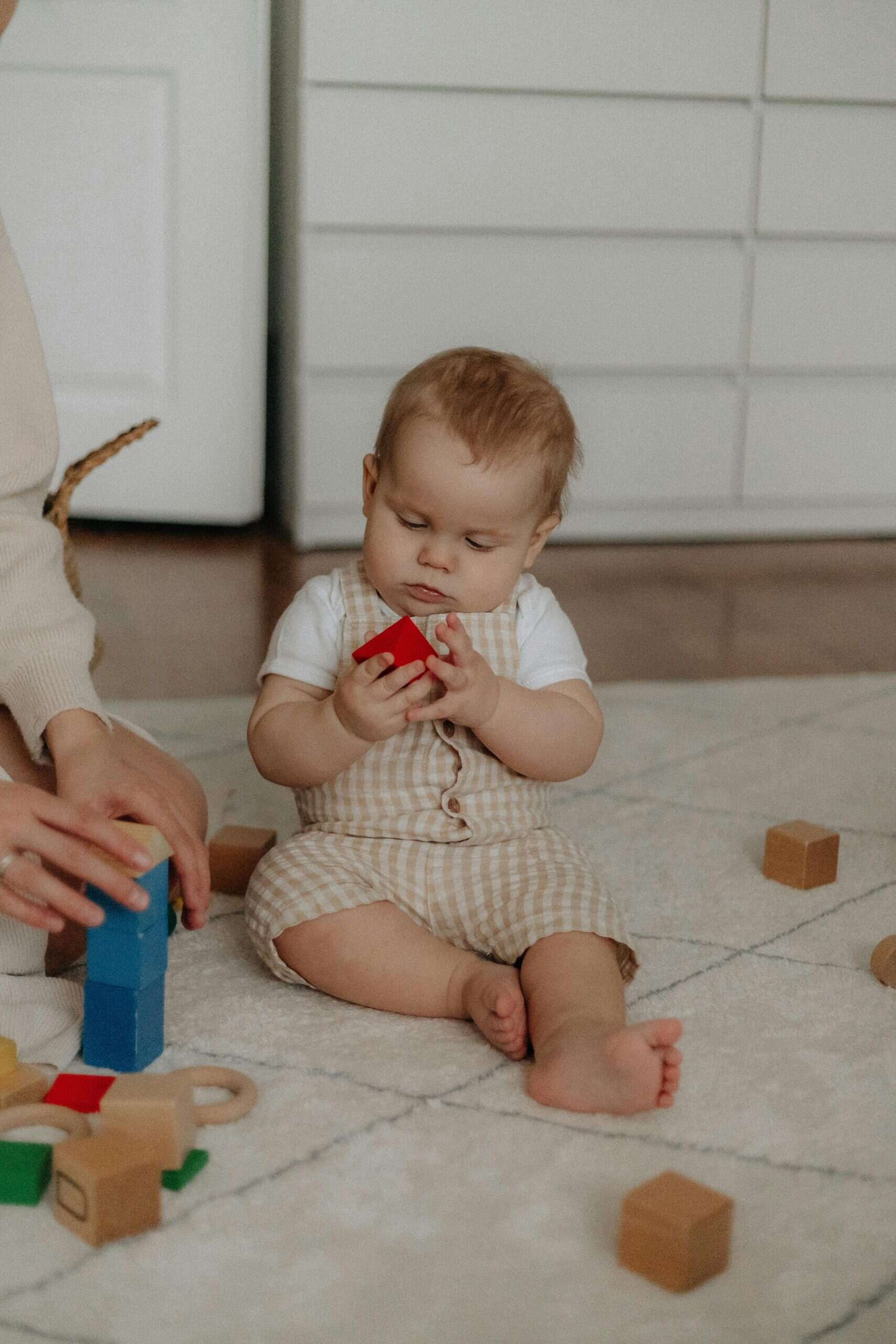
Your baby learns about the world long before they speak their first word.
Every sound, texture, light, and movement becomes information that shapes their developing brain.
Sensory experiences help your baby build essential pathways for thinking, moving, communicating, and forming early emotional connections.
And the most encouraging part is you can support this growth right at home with simple, expert-approved sensory activities.
In this post, I’ll share 10 well-curated sensory activities for babies, each designed to nurture strong development with intention.
Instead of overwhelming lists with dozens of ideas, you’ll find grounded, research-informed options that honor your baby’s natural curiosity and rhythm.
Every activity includes a purpose, an age suggestion, and a step-by-step approach so you can enjoy these moments with confidence.
Let’s explore how sensory play strengthens development – and how you can make it part of your everyday routine.
What Sensory Play Means for Babies
Sensory play involves any experience that engages a baby’s senses – touch, sight, sound, smell, taste, movement, and body awareness.
During infancy, these sensory experiences build the foundation for motor skills, language development, emotional regulation, and cognitive growth.
In other words, sensory play is your baby’s earliest form of learning.
How Sensory Experiences Shape the Developing Brain
From birth, your baby’s brain forms millions of neural connections each second.
Sensory exploration strengthens these pathways through repetition and positive engagement.
Textures help refine fine motor control. Want a creative way to explore textures? Check out our irresistible felt craft ideas for kids.
Visual contrasts support early focus. Sounds build attention patterns and early language skills.
When these experiences happen in a supportive, responsive environment, they create a strong base for future learning.
Key Developmental Benefits of Sensory Play
Thoughtful sensory activities can strengthen:
- Visual processing and tracking
- Fine and gross motor skills
- Language development through caregiver interaction
- Problem-solving and curiosity
- Body awareness and balance
- Social-emotional skills through shared play
Read related post: 10 Best Sensory Activities for Kids With ADHD
Making Sensory Play Part of Everyday Life
Sensory play doesn’t have to be complicated.
Everyday moments (like touching different fabrics during dressing or listening to natural outdoor sounds) already give your baby meaningful experiences.
By approaching play with intention, you elevate ordinary interactions into powerful developmental opportunities.
10 Expert-Approved Sensory Activities for Babies for Strong Development
Each activity includes purpose, benefits, variations, and steps you can follow right away.
1. Gentle Texture Exploration

Purpose: Introduce different tactile sensations that strengthen sensory processing and fine motor awareness.
Materials: Soft cloths, silky scarves, textured washcloths, knitted items.
How to Do It:
Place your baby on your lap or a soft mat. Offer one texture at a time and let them grasp, stroke, or mouth it. Move the cloth gently across their hands, cheeks, and feet. Narrate each texture: “This feels soft,” “This feels smooth.”
Age Range: Newborn and up.
Benefits: Enhances tactile awareness, hand-eye coordination, and early fine motor responses.
Pro Tip: Rotate new fabrics to keep the experience fresh while maintaining familiarity.
Want more creative ideas for your kids? Try our fun winter Sunday school crafts.
2. High-Contrast Visual Cards
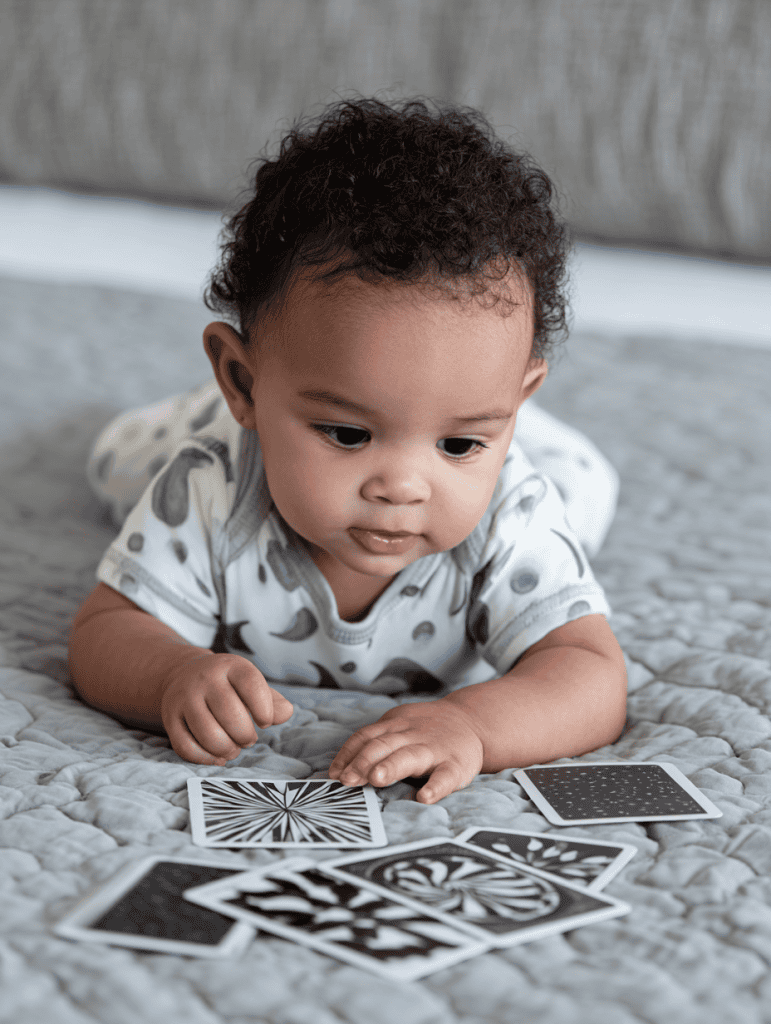
Purpose: Strengthen early visual focus, tracking, and cognitive attention.
Materials: Black-and-white cards, simple patterns, or bold geometric shapes.
How to Do It:
Hold a card about eight to ten inches from your baby’s face. Move it slowly side to side. Pause and let your baby observe the contrast. Encourage visual tracking by moving the card in gentle arcs.
Age Range: Ideal for 0–4 months, still engaging up to 6 months.
Benefits: Supports visual development, concentration, and early processing skills.
Pro Tip: Add a slow, encouraging voice as you move the card – this pairs visual and auditory learning.
3. Rhythm and Sound Play
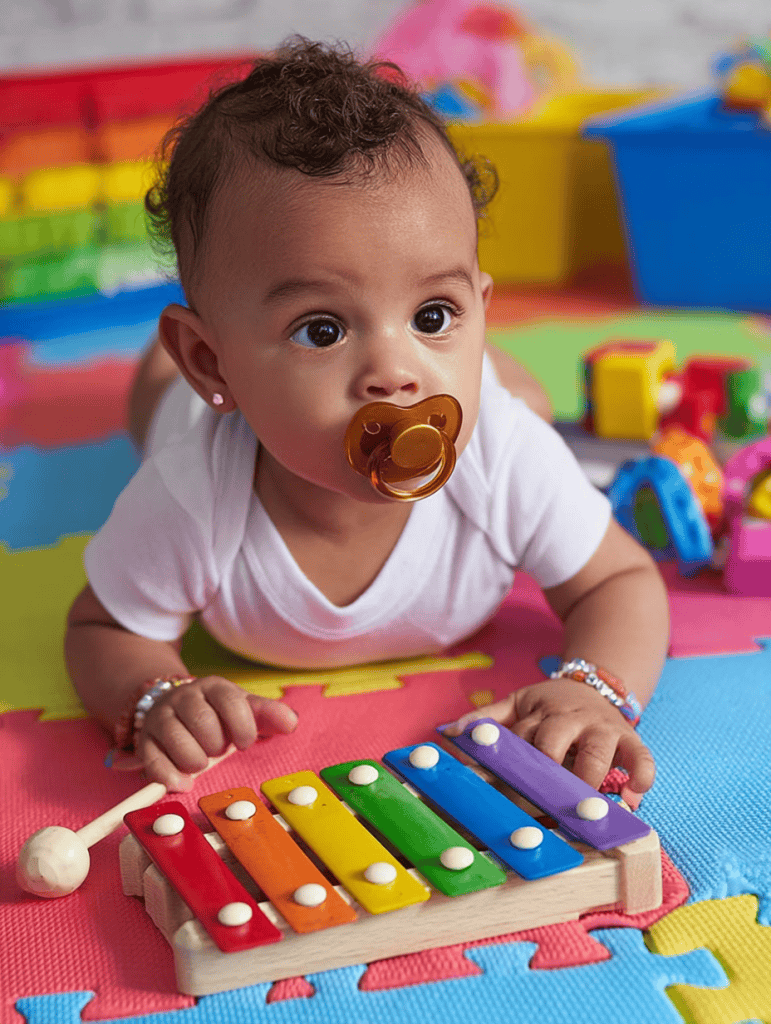
Purpose: Strengthen auditory processing and introduce the foundation of rhythm and early language.
Materials: Baby rattles, soft drums, shakers, bells, or safe household objects like wooden spoons.
How to Do It:
Create gentle sounds at varying volumes and rhythms. Shake a rattle slowly, then pause. Tap a drum lightly. Invite your baby to hold or tap a sound-making object.
Age Range: 3 months and up.
Benefits: Builds auditory discrimination, supports language development, and encourages motor engagement.
Pro Tip: Repeat patterns (shake-shake-pause) to help your baby anticipate and respond.
If you’re looking for more hands-on sensory fun for older little ones, check out our DIY sensory activities for toddlers.
4. Water Movement Play

Purpose: Introduce soothing sensory input through controlled touch and movement.
Materials: A shallow water basin, cups, floating toys (for older babies).
How to Do It:
Place your baby’s hands or feet in warm water. Move the water gently so they feel the ripples. For older babies, allow splashing or scooping with cups.
Age Range: 4 months and up.
Benefits: Strengthens tactile awareness, motor coordination, and cause-and-effect understanding.
Pro Tip: Keep sessions brief and calm, turning this into a peaceful moment rather than active water play.
5. Taste-Safe Food Exploration
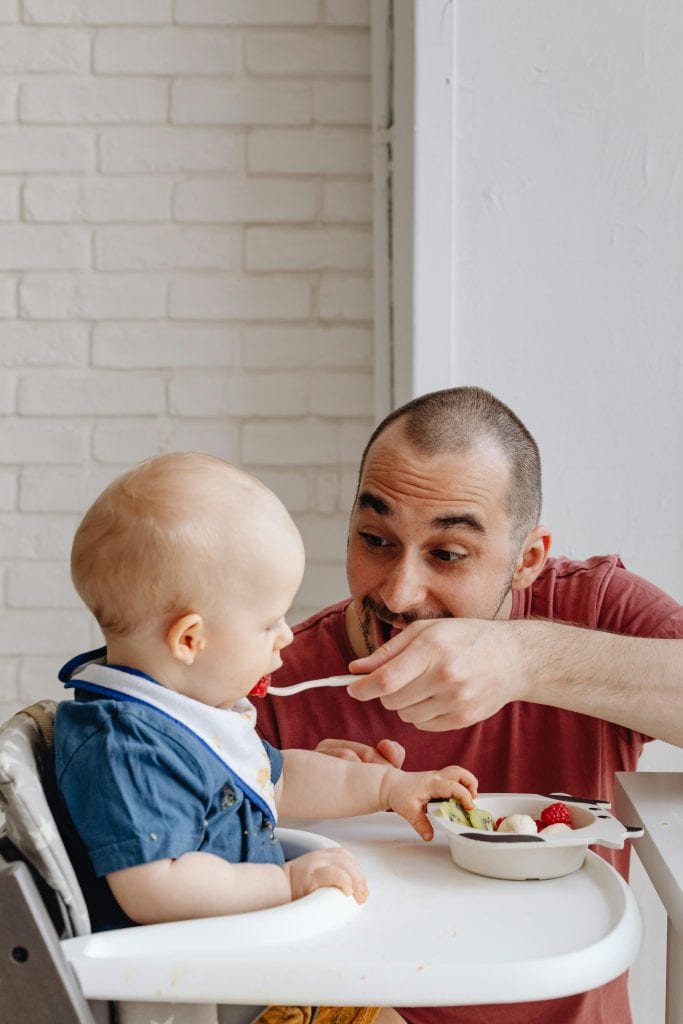
(Use only when your baby is developmentally ready for solids.)
Purpose: Support sensory integration through taste, smell, and texture.
Materials: Mashed avocado, yogurt, oatmeal, cooked sweet potato.
How to Do It:
Place small portions on a tray and let your baby press, smear, and taste. Describe each texture and aroma.
Age Range: Once your baby begins solids (typically around 6 months).
Benefits: Strengthens oral motor skills, taste exploration, and sensory tolerance.
Pro Tip: Keep portions small and the environment relaxed to encourage curiosity.
Keep the sensory fun going with our cozy winter indoor sensory play ideas your kids will love.
6. Mirror Play and Self-Recognition

Purpose: Encourage social awareness, focus, and early emotional development.
Materials: Baby-safe mirror.
How to Do It:
Lay your baby on their tummy in front of the mirror. Tap the surface and say, “Look at you!” Move slowly so your baby can track your reflection.
Age Range: Newborn and up.
Benefits: Supports visual attention, social engagement, and early self-recognition.
Pro Tip: Let your baby see your face next to theirs to strengthen bonding.
7. Tummy Time with Props
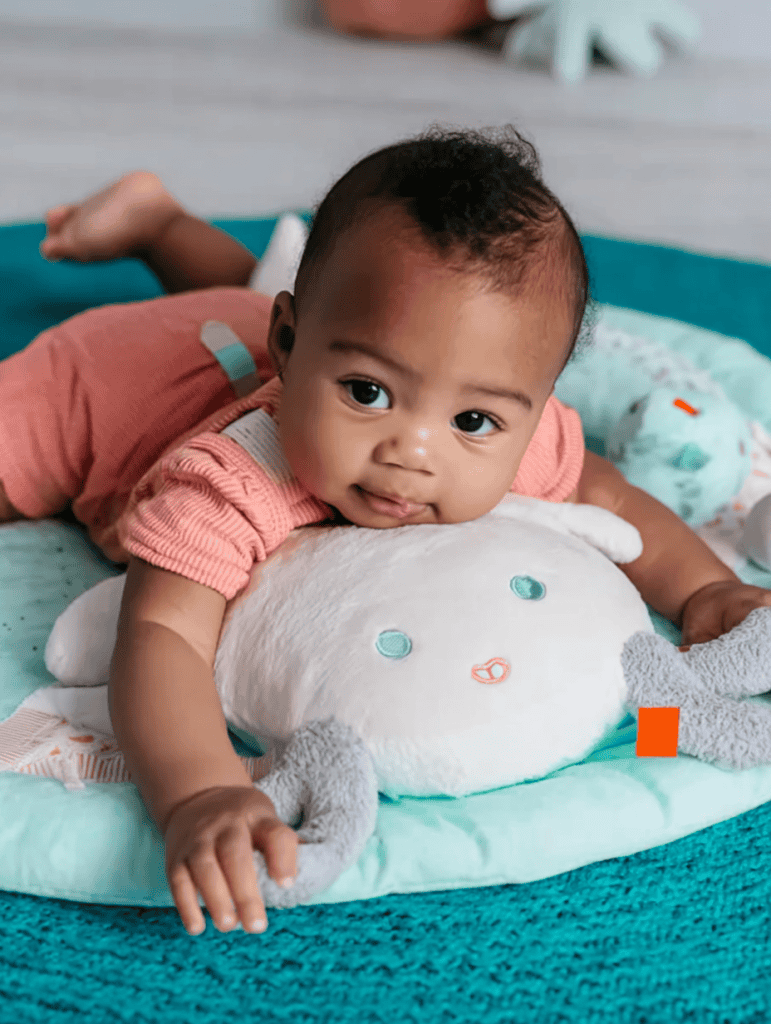
Purpose: Build core strength, head control, and vestibular (balance) awareness.
Materials: Rolled towel, bright toys, small cushions.
How to Do It:
Place a rolled towel under your baby’s chest to raise them slightly. Position an engaging toy in front to encourage lifting and reaching.
Age Range: Newborn and up, with variations as they grow.
Benefits: Strengthens muscles needed for crawling, sitting, and balance.
Pro Tip: Add gentle background music to enrich the auditory environment.
8. Nature Sound Walk

Purpose: Combine fresh air with sensory listening and early environmental awareness.
Materials: Stroller or carrier.
How to Do It:
Take your baby outside and pause to listen. Point out leaves moving, birds calling, or distant water sounds. Speak softly about what you hear.
Age Range: Any age.
Benefits: Encourages auditory discrimination, emotional calm, and curiosity about surroundings.
Pro Tip: Choose different times of day to experience new layers of natural sound.
If you are looking for more easy, hands-on ideas for sensory play, check out our exciting sensory bin filler ideas!
9. Light and Shadow Play
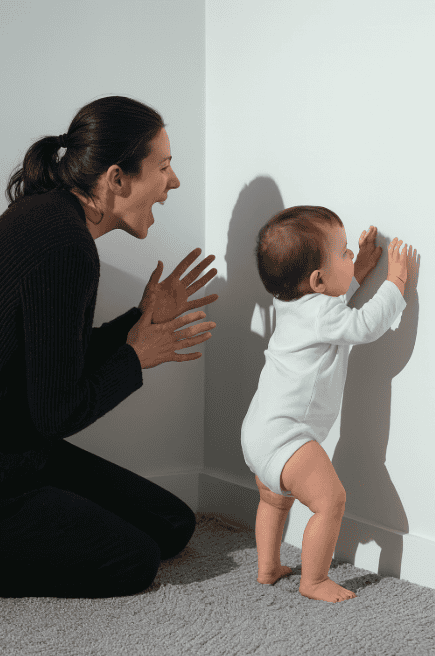
Purpose: Strengthen visual tracking, curiosity, and early problem-solving.
Materials: Curtain light, flashlight, lamp, or window light.
How to Do It:
Shine a soft light across a wall or move shadows gently across a surface. Let your baby track the movement. Make slow motions to help them focus.
Age Range: 3 months and up.
Benefits: Supports visual coordination and cognitive engagement.
Pro Tip: Use everyday light sources instead of bright or direct beams.
10. Baby Movement Path
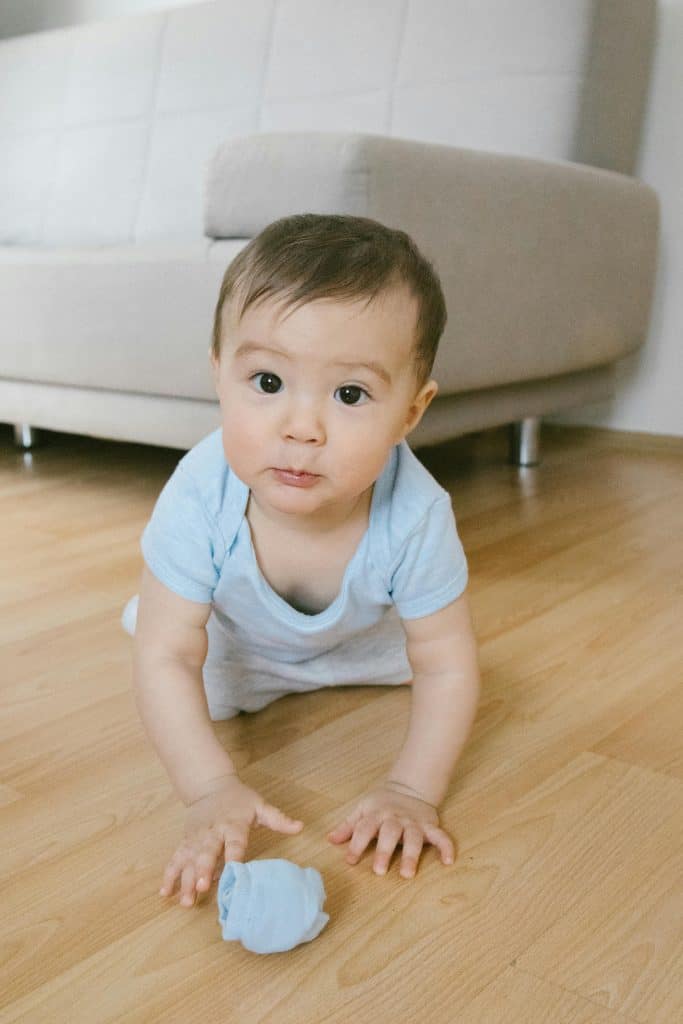
Purpose: Encourage safe exploration, body coordination, and spatial awareness.
Materials: Cushions, soft mats, crawl tunnels (optional), pillows.
How to Do It:
Create a simple movement path on the floor with soft obstacles your baby can roll over or crawl around. Guide them gently as they explore.
Age Range: 6–12 months.
Benefits: Strengthens gross motor skills, problem-solving, and body confidence.
Pro Tip: Keep paths short and change one element each week for novelty.
Making the Most of Sensory Play in Real Life
Making the most of sensory play in real life starts with following your baby’s lead.
Your baby naturally signals curiosity, engagement, and readiness, so if they turn toward a texture or reach for a movement path, continue, and if they look away or pause, give them time to reset.
This responsive approach strengthens trust and supports positive learning. Use rich, warm language as you play because your voice anchors the experience.
Describe textures, sounds, and movements in simple but thoughtful words, like “Your hands are exploring the soft cloth,” to help build early language pathways.
Offer small, meaningful variety rather than constantly finding new supplies, since even a scarf from last week feels exciting again in a new context or when paired with light play.
Create predictable moments by repeating favorite activities as part of your baby’s daily rhythm, because predictability helps babies feel secure and focused.
And celebrate tiny progress, since every lift of the head, every sound response, and every new reach reflects strong development unfolding naturally.
Ready to Begin? Let’s Start Today
Sensory play invites you and your baby into meaningful, developmental moments that shape early learning.
Start with one activity this week (perhaps texture exploration or a nature sound walk) and let it become a joyful part of your rhythm.
Explore more development guides and continue building a warm, supportive environment where your kid thrives with our sensory activities for preschoolers!
FAQs
When can I start sensory activities with my baby?
You can begin at birth with gentle, age-appropriate experiences like soft textures, high-contrast visuals, and caregiver touch.
How long should sensory play last?
Short sessions (even two to five minutes) are powerful. Follow your baby’s cues rather than watching the clock.
Can sensory activities support early development?
Yes. Sensory play strengthens neural pathways, motor skills, emotional growth, and early communication foundations.
Can I combine two sensory activities at once?
Absolutely. For example, tummy time with music or texture play with gentle narration creates layered sensory learning.
What if my baby seems uninterested?
Pause and try again later. Babies explore at their own pace, and even brief engagement is valuable.