
Welcoming a newborn is a season filled with change, and with it comes a flood of advice about what you “need.”
The truth is simpler: babies require less than most lists suggest.
As a mom with two little ones already (and another on the way) I’ve found that leaning into minimalism brings ease, not restriction.
For years, I’ve been living a minimalist life and doing everything from scratch, from food to home goods.
That rhythm has shaped how I prepare for each new baby: with intention, with calm, and with only the items that truly serve daily life.
This checklist is designed to help you gather only what truly serves you and your baby.
By focusing on essentials, you create more room for presence, more peace in your home, and more confidence in your role as a mother.
Creating a Minimalist Approach to Baby Essentials
When it comes to preparing for a newborn, this approach helps us cut through noise and focus on what really matters.
Instead of filling the nursery with “just in case” items, we gather tools that support daily life in a calm, steady way.
For me, this means choosing pieces that are:
- Functional — they solve a real need and get used often.
- Safe — gentle for baby and reassuring for mom.
- Versatile — able to serve more than one purpose or stage.
This mindset creates freedom. It lightens the load of shopping, tidying, and maintaining, leaving more room for presence in those early days.
When you look at your space, you’ll see less clutter and more of what matters: your baby, your rhythms, your peace.
1. Baby Care Essentials
When you picture baby care, it’s easy to imagine drawers overflowing with tiny outfits and cabinets stuffed with products.
In reality, a newborn needs only a few reliable pieces.
Clothing Basics
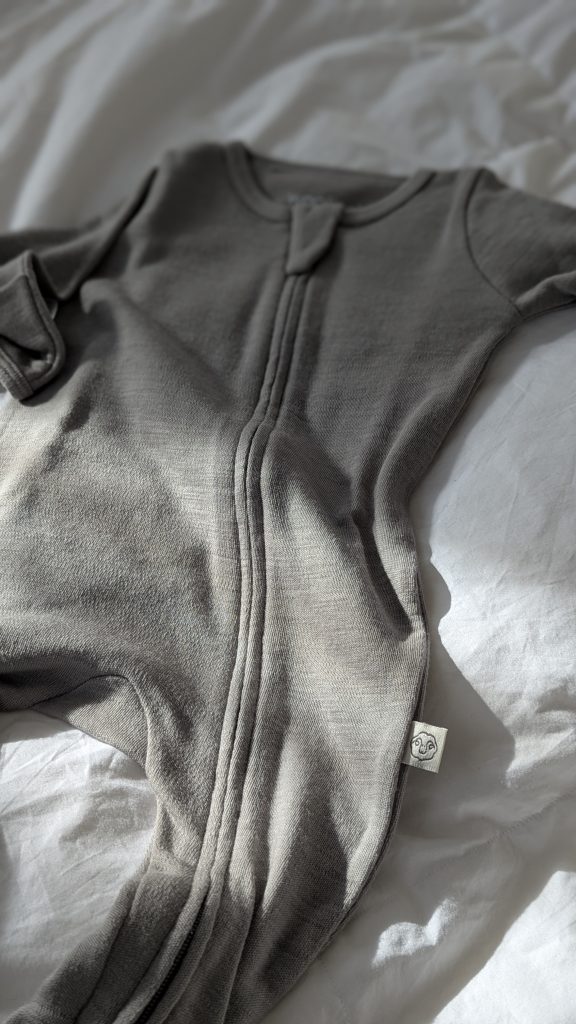
Clothing should serve two goals: comfort for the baby and ease for the parent.
Babies outgrow sizes quickly, so a small rotation of well-chosen pieces is enough.
- Onesies: Soft, breathable onesies are the foundation of a newborn wardrobe. Five to seven are usually enough to cover daily changes and spit-ups.
- Sleepers with zippers: Zippers are faster than snaps during late-night changes, and three to five will carry you through the week.
- Hats and socks: A few pairs keep baby warm without fuss – no need for extras.
- Swaddles or wearable blankets: Lightweight, breathable fabrics that double as comfort and coverage.
Focus on quality fabrics that feel good on sensitive skin and are easy to launder – organic cotton or bamboo are excellent choices.
For more inspiration, check out this beautiful sewing idea for expecting mothers to create handmade pieces that are both practical and personal.
Diapering Essentials

This is where many parents overstock. A newborn only needs the basics: a clean diapering system, wipes, and one simple cream.
- Diapers: Choose cloth or disposable, but commit to one path so your setup stays simple. Newborns go through 8–12 diapers a day, so having a steady stash matters more than variety.
- Wipes: Gentle wipes (either fragrance-free disposable or reusable cloths) keep diaper changes quick and safe.
- Diaper cream: A single natural balm or cream works best; keep one trusted formula on hand instead of a shelf of options.
- Changing station: This doesn’t need to be a full piece of furniture. A portable changing mat or basket with supplies creates flexibility and ease.
If you’re leaning toward cloth diapers, check out our ultimate guide to cloth diapering for tips on choosing, washing, and making your setup simple and stress-free.
Bathing Basics
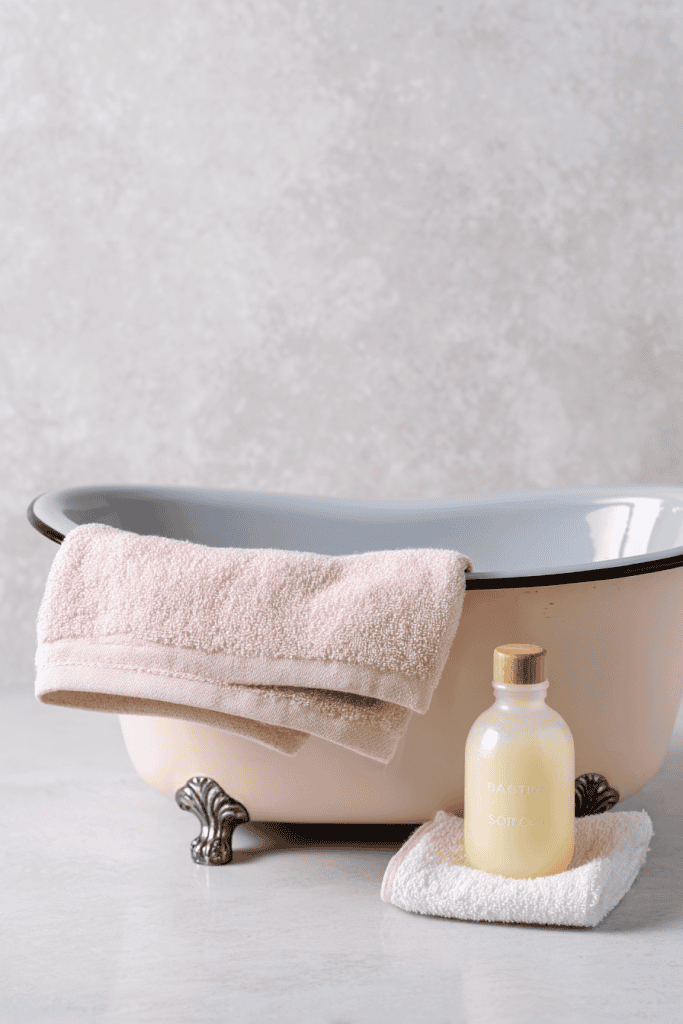
Bath time doesn’t require an aisle’s worth of gear. Just a few thoughtful tools help you keep baby clean and comfortable.
- Washcloths: A handful of soft cotton or bamboo washcloths will serve for gentle sponge baths and quick clean-ups.
- Cleanser: One gentle soap or baby wash is all you need – simple ingredients are best.
- Bath setup: A small infant tub, a sink insert, or even just using the kitchen sink works well. The best choice is the one that feels natural and safe to you.
By paring down to these essentials, you save yourself the overwhelm of too many choices and products.
What remains is a simple, steady rhythm of care (dressing, changing, and bathing) without clutter or complication.
2. Feeding Essentials
Feeding is one of the most consistent rhythms of newborn life. A minimalist approach focuses on items that truly support nourishment and comfort (for both baby and mom) without creating cupboards full of unused gadgets.
If Breastfeeding
Breastfeeding requires surprisingly little. A few thoughtful supports can make the experience more comfortable and sustainable.
- Nursing bras: Two to three well-fitting, supportive bras keep you comfortable throughout the day.
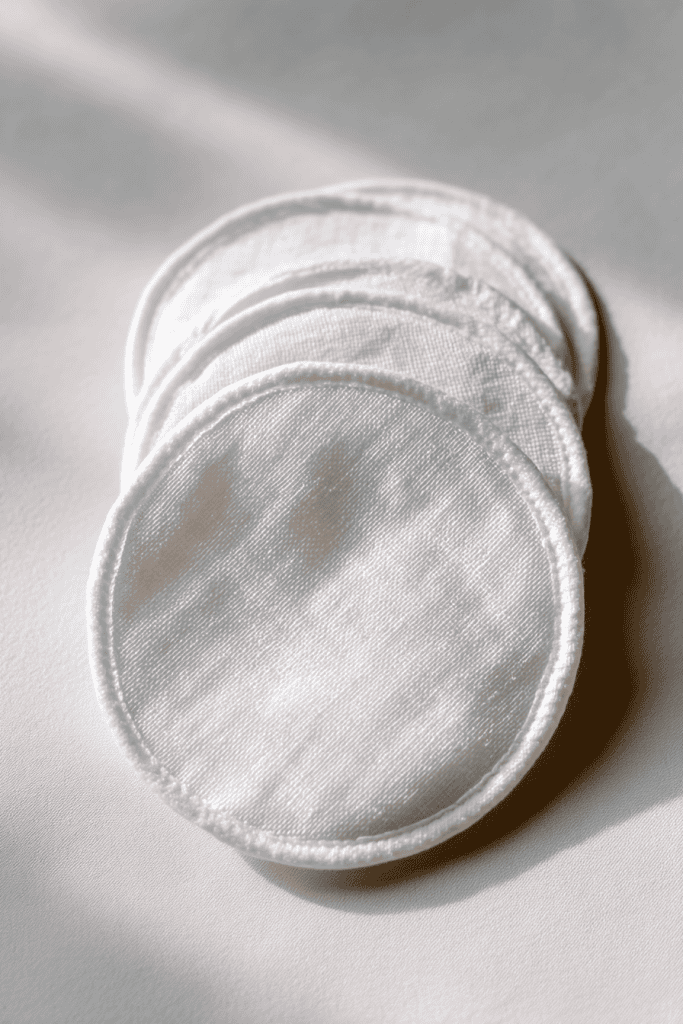
- Nursing pads: Washable or disposable pads prevent leaks and keep clothes fresh. A small set is all you need.
- Burp cloths: A stack of 5–7 cotton or muslin cloths will catch spills and double as quick clean-up cloths around the house.
- Nipple balm: One natural balm can provide soothing relief in the early weeks. Look for simple, food-safe ingredients.
- Supportive pillow: A nursing pillow or even a firm bed pillow can help position baby and reduce strain on your shoulders and back.
If Formula Feeding
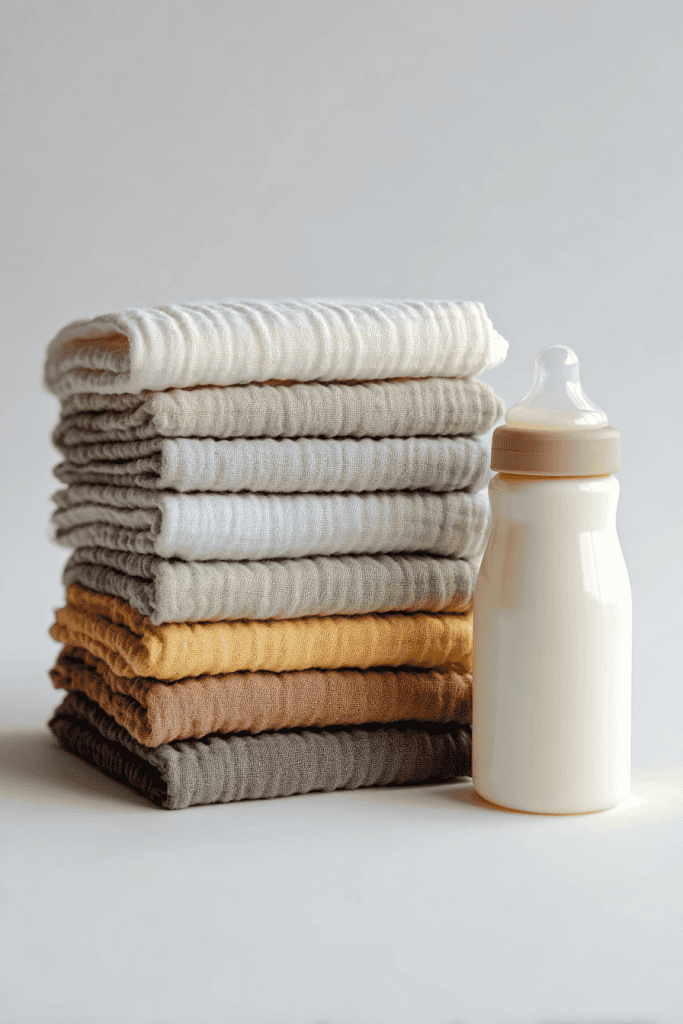
Formula feeding also just require a few well-chosen tools make the routine smooth.
- Bottles: Start with three to five bottles. There’s no need to purchase an entire set until you see what style your baby prefers.
- Bottle brush: A simple brush keeps bottles and nipples clean without fuss.
- Formula container: A canister or portable dispenser helps you prepare feeds quickly and keeps portions organized.
- Burp cloths: As with breastfeeding, these are non-negotiable for spills and spit-ups.
Universal Feeding Tools
No matter how you feed, a few items support the process and bring ease to daily life.
- Muslin cloths: Soft and versatile – ideal for swaddling, shading, or keeping close during feeding.
- Water bottle for mom: Hydration is essential, especially while nursing. Keeping a sturdy water bottle close by ensures you stay nourished too.
- Comfortable chair or feeding spot: Not a product to buy, but a space you intentionally create. Having one consistent place for feeding helps you and your baby settle into routine.
Feeding becomes one of the most time-rich parts of newborn life.
If you choose a handful of essentials, you support this rhythm with comfort and calm (without the clutter of extras that rarely get used).
3. Sleep Essentials
Newborn sleep is unpredictable, but the environment you create can support safer, calmer rest.
A minimalist approach keeps the focus on essentials that encourage security and peace without overwhelming the space.
Safe Sleep Setup
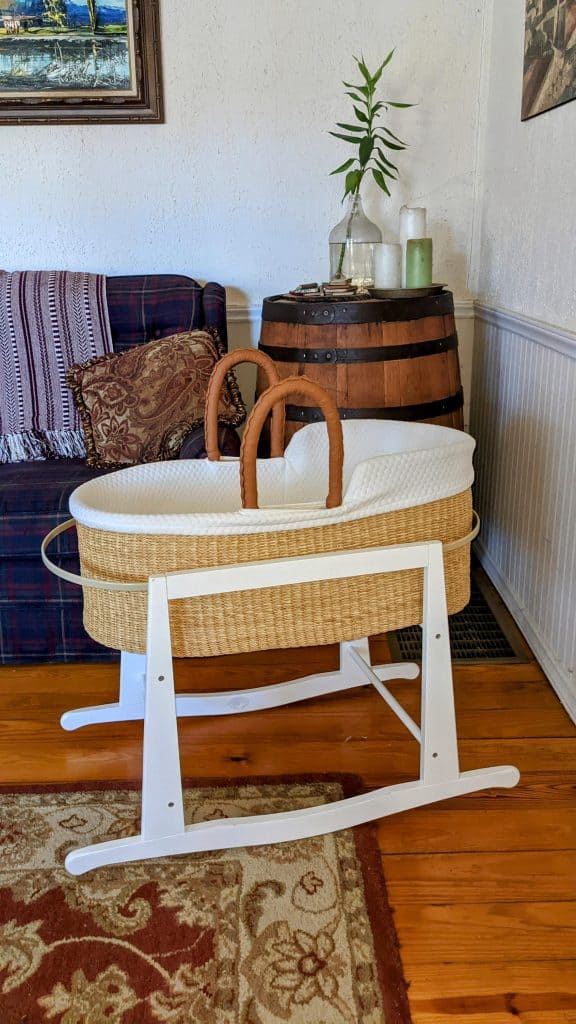
- Crib, bassinet, or co-sleeper: Choose one safe, stable sleep space that fits your family’s routine.
- Firm mattress: A well-fitting mattress is essential for both comfort and safety.
- Fitted sheets: Two to three fitted sheets are plenty, giving you one in use, one to wash, and one ready to swap.
Swaddles and Sleep Sacks

- Swaddles: Two or three soft, breathable swaddles help baby feel secure in the early months. Muslin or cotton are ideal.
- Sleep sacks: As your baby grows out of swaddling, sleep sacks provide safe warmth without blankets. Again, two or three are enough.
If you’re in nesting mode before baby arrives, check out these adorable baby projects before birth for fun, practical ideas you can make while preparing your nursery.
Creating a Peaceful Rhythm
- Consistent sleep space: Babies learn quickly when sleep happens in the same place. Keep it simple and steady.
- White noise or fan (optional): A gentle hum can help signal sleep and soften background noise.
- Dim lighting: A soft night light helps you move around for nighttime feeds without fully waking your baby.
This not only makes nighttime smoother but also keeps your mind calm in those hours when rest is scarce.
4. On-the-Go Essentials
Outings (whether a walk around the block or a trip to the store) can feel manageable and calm with just a few essentials.
A minimalist approach ensures you carry what truly supports baby and mom, without being weighed down.
Diaper Bag (Functional, Not Oversized)
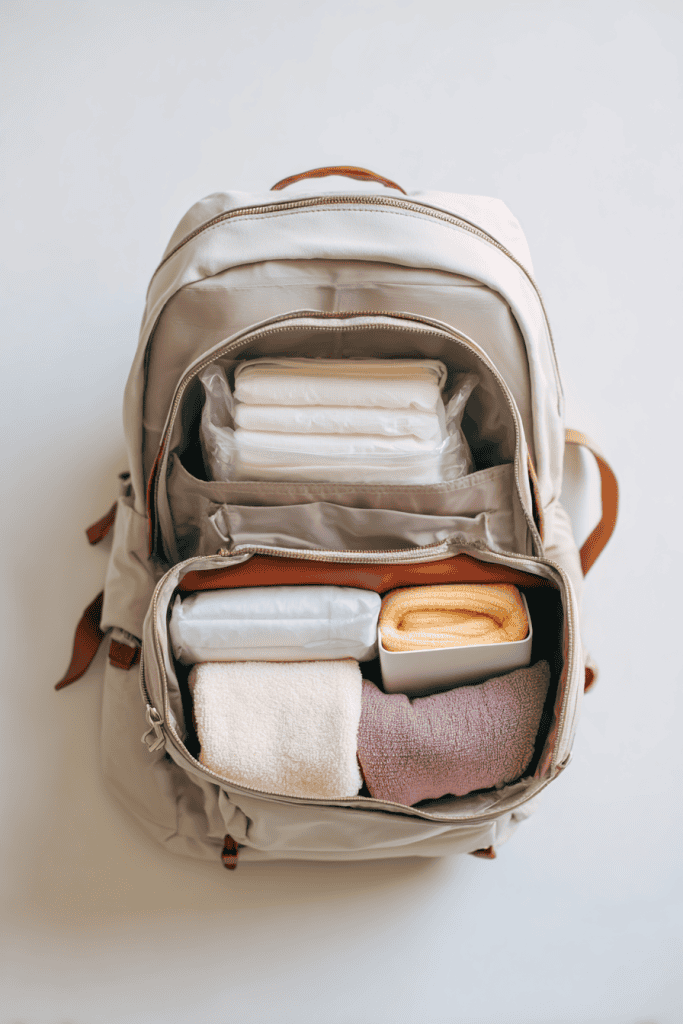
- A reliable diaper bag doesn’t have to be large. Choose something lightweight with just enough compartments for diapers, wipes, a change of clothes, and feeding supplies.
- Some parents even use a simple backpack or tote they already own.
Portable Changing Mat
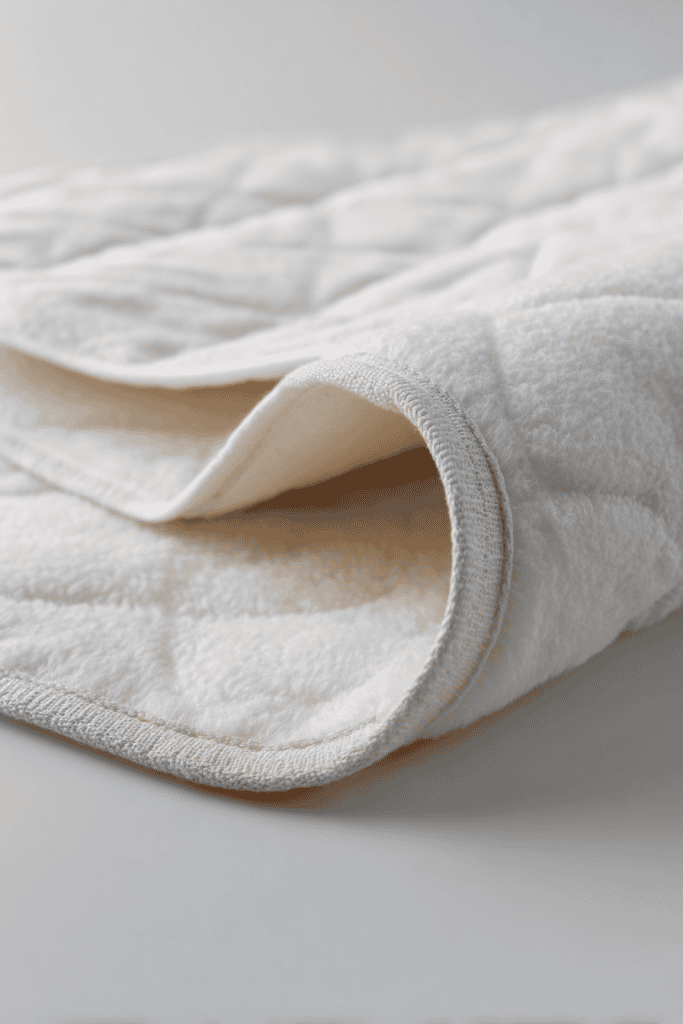
- A foldable, wipeable mat keeps diaper changes simple anywhere – on park benches, in the car, or at a friend’s house.
- It folds small, slips into any bag, and replaces the need for bulkier “stations.”
Baby Transport
- Carrier: A wrap, sling, or structured carrier allows you to keep baby close while keeping your hands free. Choose one that feels comfortable and intuitive.
- Stroller: If your lifestyle calls for it (like long walks or errands) a lightweight stroller is more than enough.
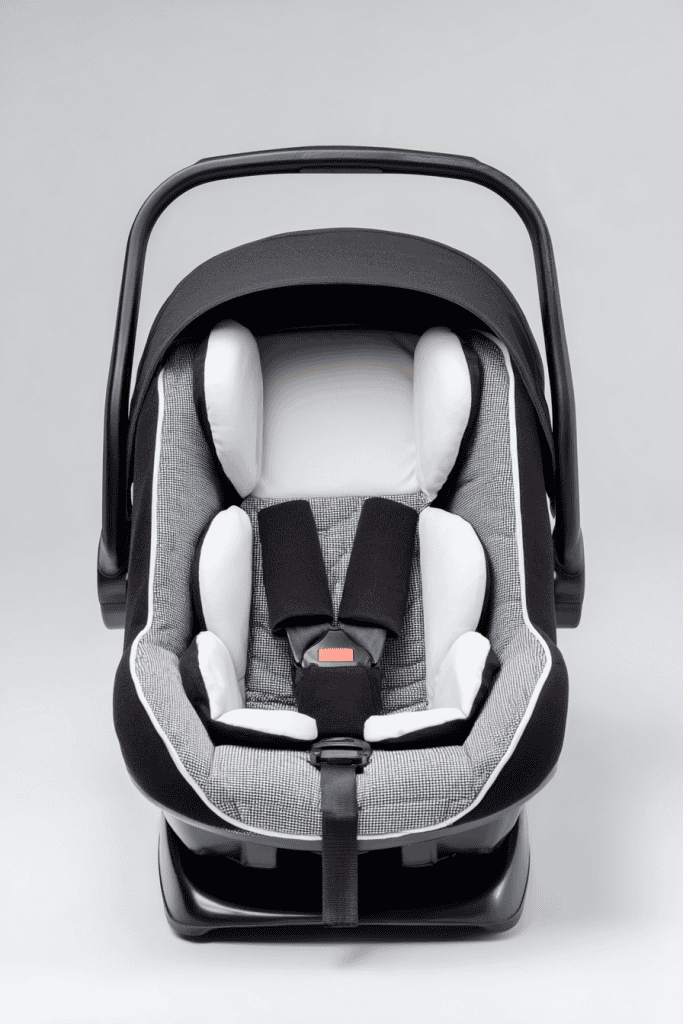
- Car seat: The true non-negotiable for safety. Install it early and keep it simple.
A Few Comfort Items
- Muslin cloth: Multipurpose for shade, privacy during feeds, or quick clean-ups.
- Small toy or rattle: One or two familiar items for soothing, not a whole collection.
- Change of clothes for baby (and a fresh shirt for mom): Just one outfit each can save a stressful moment.
By carrying only the essentials (diapers, wipes, a feeding tool, and one reliable way to transport your baby) you’re free to focus on the experience instead of managing too much stuff.
5. Mama’s Own Essentials
It’s easy to place every ounce of attention on the baby, but a minimalist checklist is incomplete without essentials for mom.
Caring for yourself in simple, steady ways keeps you grounded and strengthens your ability to show up fully for your little one.
These are supports for your recovery, energy, and peace.
Everyday Comfort
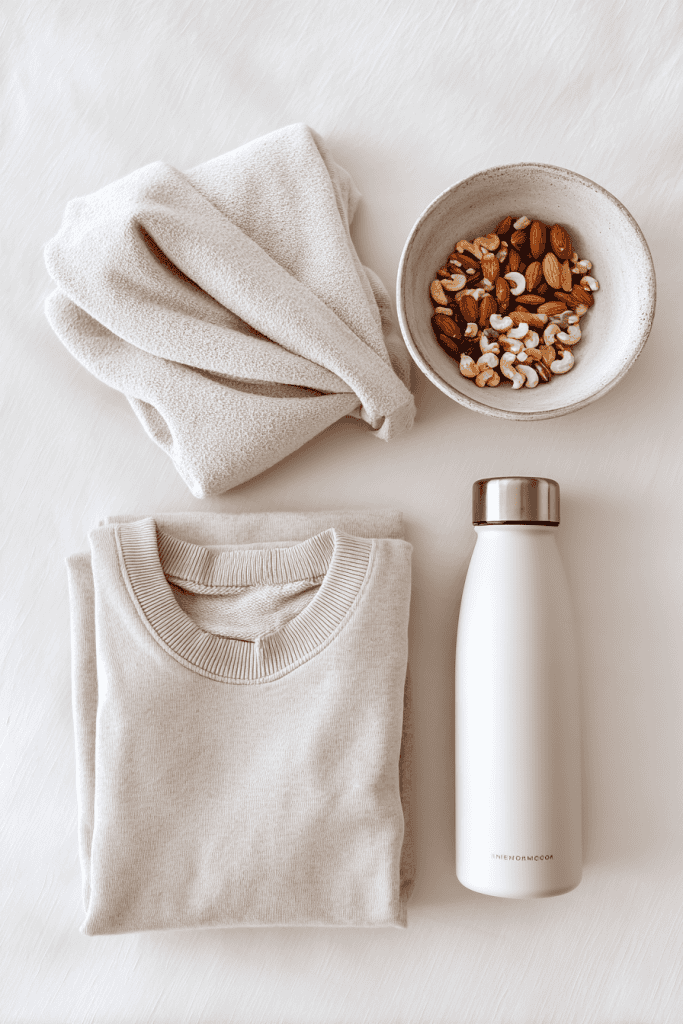
- Water bottle: Hydration is essential, especially if you’re breastfeeding. Keep a sturdy bottle nearby during feeds and throughout the day.
- Comfortable loungewear: A few soft, breathable outfits help you move easily between rest, feeding, and household rhythms. Two to three sets will carry you through.
- Nourishing snacks: Simple, ready-to-eat foods like nuts, fruit, or homemade bars give you steady energy in between meals.
Tools for Recovery
- Peri bottle and pads: If you’re recovering from birth, keep your bathroom setup streamlined but complete.
- Natural balm: One multi-use balm for lips, hands, or any dry skin can be surprisingly supportive.
- Support pillow or wrap: A pillow for sitting comfortably or a gentle belly wrap for support can make a noticeable difference in how you feel.
Mind & Spirit

- Simple journal or notes app: Use it to jot down feed times, milestones, or small gratitudes – whatever helps you track and reflect.
- Quiet corner or chair: Create one small space that feels restorative, even if it’s just a favorite chair near a window.
- Calming tea or herbal blend: A warm cup can be a grounding ritual in the middle of long days.
When you care for yourself in practical, thoughtful ways, you make space for presence and peace.
These few essentials ensure that motherhood begins not from depletion, but from steadiness.
Check out this grounded mom morning routine for simple ways to start your day calm, centered, and ready for whatever comes next.
6. Optional (but Truly Useful) Extras
These aren’t must-haves, but they can be genuinely useful if they fit your rhythms.
Peace of Mind Tools
- Baby monitor: Helpful if your baby sleeps in another room, or if you want freedom to move about the house while keeping an eye on them. A simple audio monitor is often enough.
- White noise machine or fan: Creates a steady hum that can help your baby settle and sleep more consistently.
Comfort and Play
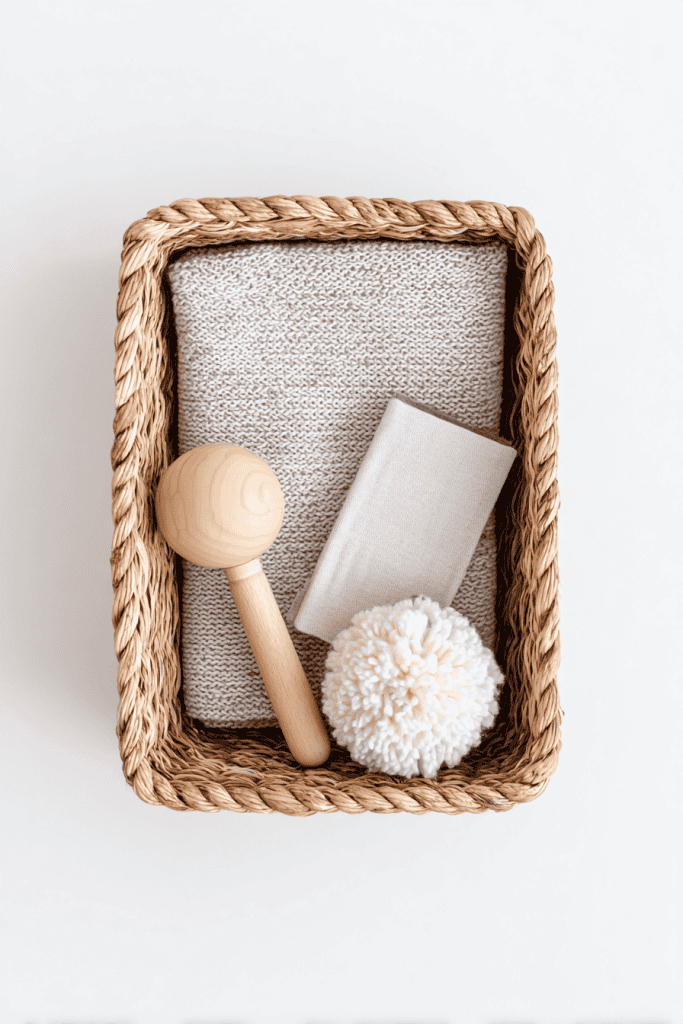
- A small basket of toys: Just two or three items, like a rattle, a soft book, or a sensory toy (check out these expert-approved sensory activities for babies) are enough in the newborn stage.
- Play mat or blanket: A clean, soft space for tummy time and early movement.
For extra comfort during floor play or tummy time, a sheepskin rug (which has many benefits) can be a cozy, supportive surface that’s gentle on baby’s skin.
Household Supports
- Extra swaddles or muslin cloths: If you find yourself reaching for them often, a couple more can bring ease.
- Nursing cover or shawl: If it makes you feel comfortable when feeding outside the home.
Extras are best chosen once you’ve settled into daily rhythms and noticed what would actually help.
Living the Minimalist Newborn Season
What matters most is creating a space that feels calm and manageable, with essentials that truly serve your daily rhythms.
Minimalism in this season is about clear choices that support both you and your baby – nothing more, nothing less.
You reduce distractions and free yourself to pay attention where it counts: feeding, resting, and connecting.
Essentials evolve as your baby grows, and that flexibility allows you to adjust with confidence instead of rushing to accumulate.
Start small, keep it steady, and trust that simplicity is enough.
What about you – what essentials have supported you most in the newborn stage? Share your list in the comments below.
FAQs
How many clothes does a newborn really need?
Start with 5–7 onesies, 3–5 sleepers, and a few hats and socks. That’s enough to cover daily changes without overfilling drawers.
What size diaper stash is practical for the first weeks?
Plan for about a week’s worth at a time – 50–60 diapers. This gives you a steady supply without stockpiling sizes your baby might outgrow quickly.
Do I need both a crib and a bassinet?
No. One safe sleep space is enough. Choose the option that best fits your home and routine, whether that’s a crib, bassinet, or co-sleeper.
What should always be in my diaper bag?
Keep it light: 2–3 diapers, a pack of wipes, a portable changing mat, one spare outfit, a muslin cloth, and feeding supplies. That’s all you’ll regularly need.
What extras are worth adding later?
A baby monitor, white noise machine, or a small play mat can be helpful, but wait until you see if they fit your daily rhythm before bringing them in.