

When summer arrives, the fabric you wear matters as much as the pattern you sew or the style you choose.
The right fiber lets your skin breathe, your body move freely, and your garments age with grace.
Among natural options, linen and cotton stand out.
Both are breathable, durable, and timeless, yet they offer very different experiences (how they feel on your skin, how they move with your body, and how they perform under the sun).
(If you’re still building confidence choosing natural fibers, learning to identify them correctly matters just as much as how they wear. I walk through fiber verification and label decoding in how to read fabric labels like a pro and how to do a burn test for natural fabrics, both helpful starting points before investing in summer fabrics.)
In this article , we’ll break down linen vs cotton for summer garments (covering hand, drape, and wear) so you can choose the fabric that fits your lifestyle, climate, and wardrobe.
Linen vs Cotton Fabric Hand: How Each Feels Against the Skin
“Fabric hand” describes the first impression a textile gives – how it feels when touched and worn.
For summer garments, that sensation guides comfort more than anything else.
Linen

Linen has a cool, textured hand that feels lively and breathable.
The natural irregularity in its fibers allows air to flow easily, creating a dry, refreshing touch that stays pleasant through warm days.
Over time, linen softens with wear, developing a smoother surface while maintaining its body and strength.
It carries a quiet crispness – the kind that feels purposeful and clean against the skin.
For sewists interested in working more intentionally with linen, sourcing quality fabric makes a noticeable difference.
I share practical tips on budget-friendly sourcing and quality checks in how to buy affordable linen fabric.
Cotton

Cotton, in contrast, feels instantly soft and familiar. Its fine weave gives it a smooth, gentle texture that many people associate with comfort.
Cotton drapes lightly against the skin and retains its softness through repeated washes. It’s the fabric of ease – steady, approachable, and quietly dependable.
When comparing both, the choice comes down to touch preference. Linen offers structure and a cool hand that thrives in heat. Cotton delivers smooth softness ideal for everyday comfort. Both invite you to enjoy summer dressing with intention – guided by feel, not just fabric name.
Linen vs Cotton Drape: How Each Fabric Moves and Falls
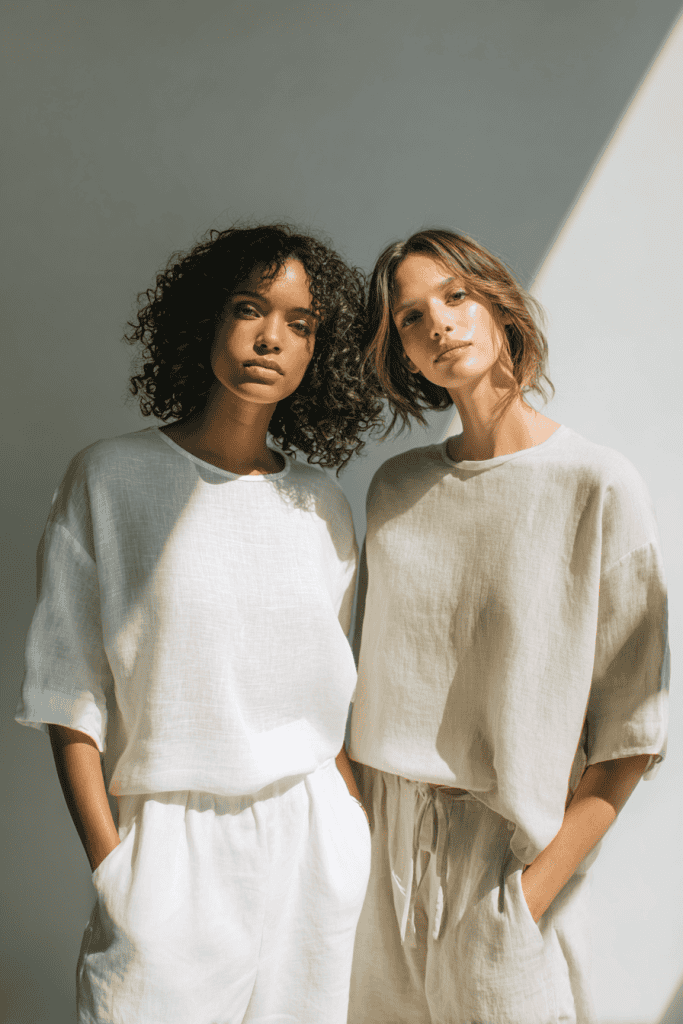
The way a fabric drapes shapes how a garment feels in motion.
Drape determines structure, movement, and the way a piece settles on the body.
Linen
Linen holds a structured drape. It falls with weight and quiet presence, keeping its shape while allowing just enough movement for ease.
This makes it ideal for garments with clean lines – wide-leg trousers, tailored shirts, and shift dresses that benefit from a bit of architectural form.
When you move, linen moves with you – deliberate, confident, never limp.
Cotton
Cotton, on the other hand, has a fluid, relaxed drape.
It follows the body with softness and flexibility, lending itself beautifully to gathers, ruffles, and light layering.
Cotton responds easily to motion – perfect for sundresses, skirts, and everyday tops that flow as you move through the day.
In comparison, linen frames the body; cotton follows it. Linen enhances garments with structure and clarity, while cotton brings lightness and adaptability.
For sewists and wearers alike, the choice rests in silhouette and purpose – crisp definition or gentle movement, both equally at home in summer.
Linen vs Cotton: Which One Keeps You Cool All Summer Long?
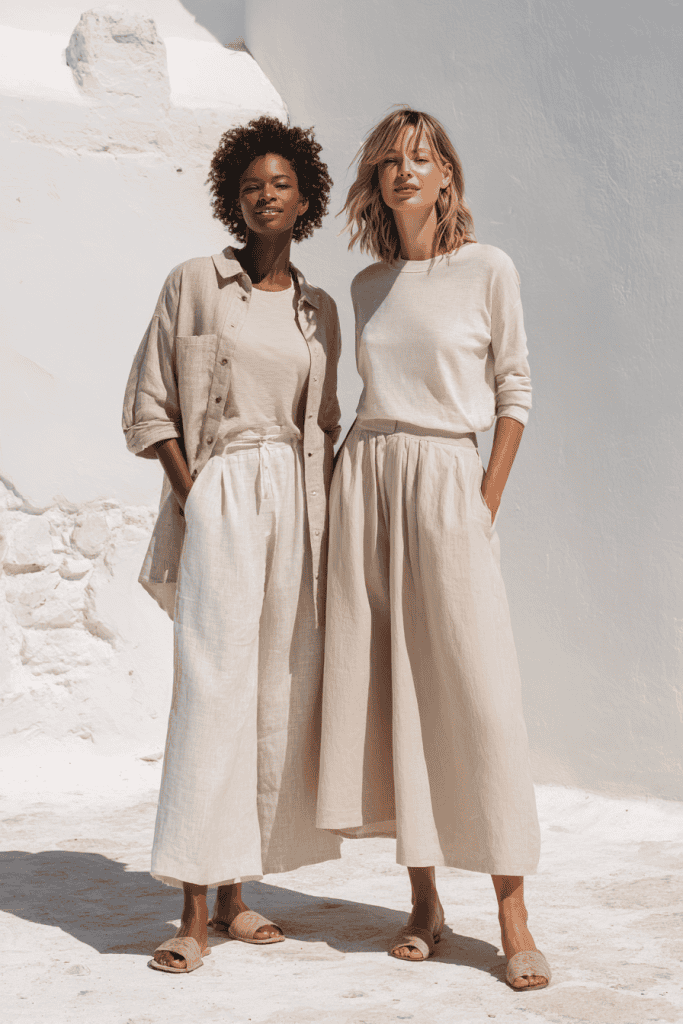
Summer clothing succeeds when it allows air, movement, and comfort to work together.
Both linen and cotton excel in this, yet each manages heat and moisture in its own way.
Linen
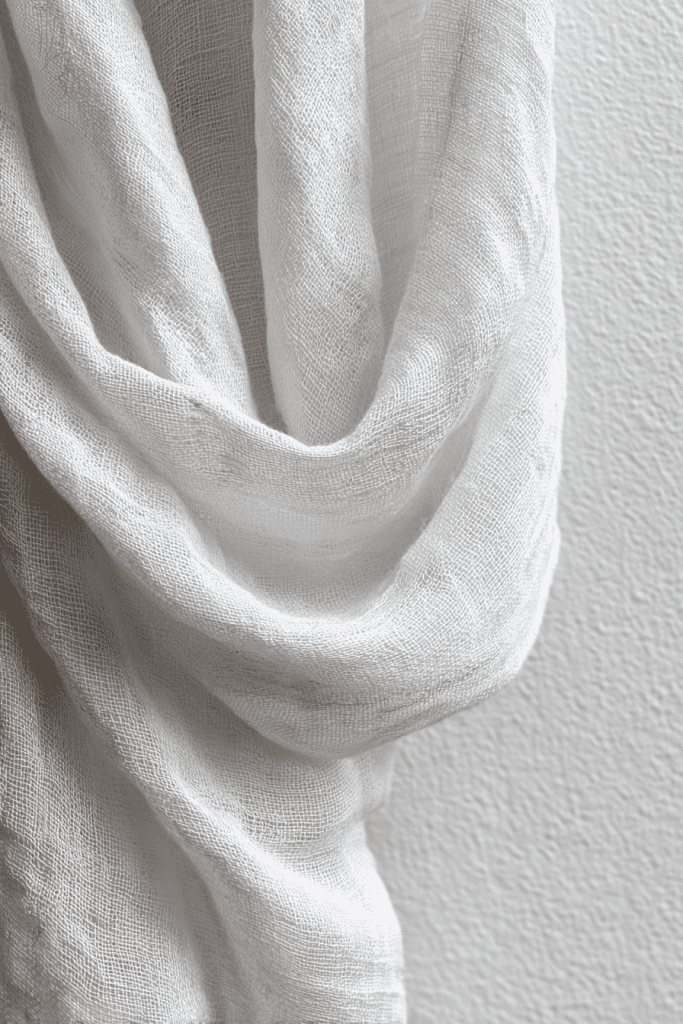
Linen is exceptionally breathable. Its hollow fibers and loose weave encourage steady airflow, letting body heat escape naturally.
Even in still air, linen stays cool to the touch – a reason it’s long favored in dry, sunny climates.
It wicks moisture efficiently, helping the skin stay fresh during long, warm days.
Linen feels light yet substantial, making it ideal for heat without heaviness.
Cotton

Cotton is equally comfortable but behaves differently. Its fibers absorb moisture well, which brings a steady, gentle coolness to the skin.
Cotton performs best when there’s some breeze or light activity, as it balances softness with steady air exchange.
Its strength lies in comfort – it feels familiar, cozy, and kind to wear through humid or fluctuating weather.
Side by side, linen thrives in open heat and dry air, while cotton shines in gentle warmth and humidity. Choosing between them depends less on temperature and more on rhythm – whether your summer days call for crisp freshness or soft endurance.
Both fabrics support ease, breathability, and the steady comfort that makes natural fibers worth reaching for again and again.
Linen vs Cotton Durability: How Each Fabric Ages and Cares Over Time

Natural fabrics reward mindful care – they respond to how they’re washed, dried, and worn over time.
Linen and cotton both grow more beautiful with use, though they age in distinct ways.
Linen
Linen is remarkably strong. Its long, sturdy fibers give it exceptional durability, allowing garments to last for years, even decades, with steady care.
Each wash softens linen while keeping its structure intact.
It thrives when handled gently – cool water, mild soap, and line drying help preserve its character.
If you’re just getting started with linen, here’s a guide on how to choose, pre-wash, cut & press linen fabric to make the most of its qualities.
Over time, linen develops a smooth, almost silky surface and a relaxed drape that reflects its wearer’s rhythm. It’s a fabric that matures, not merely lasts.
Cotton
Cotton is equally dependable, though its charm lies in its easygoing nature.
It washes beautifully, resists fuss, and fits comfortably into everyday laundry routines.
Cotton holds color well and remains consistent across countless wears.
While its fibers are shorter than linen’s, good-quality cotton keeps its strength and shape when cared for with attention.
In essence, linen rewards slow care and deep use; cotton rewards frequency and familiarity. Both encourage simple, sustainable habits – washing less often, choosing line drying over heat, and appreciating how natural fabrics evolve through daily life.
When treated with care, each tells a quiet story of longevity and respect for what we wear.
Linen vs Cotton Price and Availability: What to Expect When Buying
Price and access often influence fabric choice as much as comfort or appearance. Both linen and cotton are widely available, yet they differ in cost and sourcing.
Linen typically sits at a higher price point. The flax plant from which it’s made requires careful processing, and production happens on a smaller global scale.
This makes linen more of an investment piece – but one that rewards you through long wear, natural durability, and timeless appeal.
Mid-weight linen is especially versatile, strong enough for pants and soft enough for blouses, often worth the extra cost for its longevity.
Cotton, on the other hand, is abundant and accessible in nearly every fabric shop.
It comes in countless weaves and finishes – from crisp poplin to airy voile — making it easy to find in both budget-friendly and premium options.
Its familiarity and wide range of weights give sewists and shoppers flexibility at every price point.
When choosing, consider quality over quantity. A well-made linen or high-thread-count cotton will outlast several inexpensive alternatives.
The goal is value in wear, not volume in purchase – a principle that supports both comfort and sustainability.
Quick Comparison Table: Linen vs Cotton at a Glance
This quick guide offers a clear side-by-side view of linen vs cotton, helping you see how each fabric supports summer dressing in its own way.
| Quality | Linen | Cotton |
|---|---|---|
| Fabric Hand | Cool, textured, and airy; feels crisp yet softens with wear | Smooth, soft, and gentle from the start; stays comfortable against the skin |
| Drape | Structured and steady; holds shape while allowing movement | Fluid and relaxed; follows motion easily and layers well |
| Breathability & Wear | Exceptional airflow; stays cool and fresh in dry heat | Soft and breathable; absorbs moisture well in humid weather |
| Durability & Care | Strong fibers that soften beautifully with time; thrives on gentle care | Easy to wash and maintain; retains color and comfort with regular use |
| Style & Feel | Refined, matte, and naturally elegant; ideal for tailored summer pieces | Versatile, familiar, and adaptable; ideal for everyday wear and layering |
How to Store Linen and Cotton Garments

Caring for your garments extends beyond washing – proper storage keeps natural fibers fresh, breathable, and ready to wear year after year.
Follow these simple habits to help your linen and cotton pieces age beautifully:
- Start clean and dry. Always store garments freshly washed and fully dry to maintain fiber strength and freshness.
- Choose breathable storage. Use cotton or linen garment bags instead of plastic to allow natural airflow and prevent trapped moisture.
- Fold linen loosely. When folding, avoid sharp creases along the same lines. Rotate folds occasionally to preserve the fabric’s texture.
- Hang with care. Use wide, wooden hangers for shirts and dresses to support their shape. Fold heavier items like trousers or skirts flat.
- Add a natural touch. Place lavender sachets or cedar blocks in your wardrobe to keep garments lightly scented and deter moths naturally.
- Give fabrics space. Avoid overcrowding your closet. Both linen and cotton last longer when they have room to breathe.
With thoughtful storage, your garments stay strong, comfortable, and ready for every season – reflecting the care and intention behind how you choose to live and dress.
While linen and cotton anchor summer wardrobes, wool plays the same role once temperatures drop.
If you’re building a year-round natural fiber closet, understanding wool for winter garments helps complete the seasonal picture and choose fabrics that support warmth, breathability, and longevity in colder months.
Choosing Between Linen and Cotton for Summer Garments
Both linen and cotton are trusted, natural fabrics that serve summer beautifully – yet they bring different strengths to your wardrobe.
Linen offers cool structure, breathability, and quiet elegance. Cotton brings softness, flexibility, and a sense of easy familiarity.
Each carries a quality of simplicity that feels right at home in a slower, more intentional lifestyle.
When deciding between them, begin with your daily rhythm: your climate, the movement you need, and the kind of comfort that feels most supportive.
- Choose linen for garments that breathe deeply and hold their shape through warm days.
- Choose cotton for pieces that move gently and feel soft from the first wear.
Whichever you select, both reward care, awareness, and steady use.
A thoughtful choice in fabric doesn’t just shape how clothes feel – it shapes how you move through your season.
Linen and cotton remind us that good materials don’t compete; they complement the life we build around them.
Which do you reach for more often in summer – linen or cotton? Share your thoughts, experiences, or favorite garments in the comments below!
FAQs
1. Which fabric keeps you cooler in extreme heat – linen or cotton?
Linen stays cooler in direct heat because its fibers allow more airflow and release body warmth quickly. Cotton feels cooler in humid environments but can retain more moisture. If you live in a dry or sunny climate, linen is the cooler option.
2. Is linen or cotton easier to sew for beginners?
Cotton is generally easier to handle, especially when cutting and stitching. Its weave is stable and forgiving for new sewists. Linen requires more precision – it can shift slightly while sewing – but with a few clips or pins, it behaves beautifully and rewards you with crisp seams.
3. Does linen wrinkle more than cotton?
Linen does crease naturally due to its strong, inelastic fibers, but that texture is part of its relaxed charm. Cotton wrinkles less and can appear smoother, especially in blends. For those who appreciate a lived-in, organic look, linen’s natural creases add character rather than distraction.
4. How can I soften linen garments faster?
To soften linen naturally, wash it in cool or lukewarm water with mild detergent, then air dry or tumble briefly on low heat. Repeated washing and wear gradually relax the fibers. Avoid fabric softeners; time and use do the work best.
5. Can linen and cotton be blended together in one garment?
Yes – and beautifully so. Many fabrics combine linen’s structure with cotton’s softness. A linen-cotton blend gives the best of both worlds: breathable, durable, easy to sew, and less prone to creasing. It’s a great choice for everyday summer wear.