
If you’ve been sewing for more than five minutes, you already know the struggle: sewing patterns that start out crisp and organized somehow turn into wrinkled, torn mysteries stuffed into drawers, bins, or half-collapsed envelopes.
Storing sewing patterns the right way saves time, keeps them from getting destroyed, and honestly just makes sewing more enjoyable.
Whether you use commercial tissue patterns, PDF printables, or self-drafted designs, the right storage system helps keep everything flat, accessible, and frustration-free.
In this post, I’m sharing practical, realistic ways to store sewing patterns for both small collections and overflowing stashes, so they stay flat, neat, and easy to grab for years to come.
The Difference Good Pattern Storage Makes
Sewing patterns are tools meant to be reused, adjusted, and referenced again and again.
Poor storage can lead to:
- Torn or crumpled tissue paper
- Missing pieces
- Faded markings
- Wasted time re-tracing or reprinting
- Buying duplicate patterns you already own
Good storage keeps patterns protected while also making them easier to access.
When you can quickly find the right pattern and see what you already own, you avoid buying duplicates and spend more time actually sewing.
Folding Versus Flat Storage: What Works Best?
Before setting up storage, it helps to decide whether you’ll store your patterns folded or flat. Both options work, and many sewists use a mix of the two.
Folded Storage
Best for:
- Small spaces
- Large pattern collections
- Budget-friendly systems
Downside: repeated folding can weaken tissue paper over time.
Flat Storage
Best for:
- Preserving delicate patterns
- Heavy-use favorites
- PDF patterns you’ve taped together
Downside: requires more space.
Most sewists use a hybrid system – folding less-used patterns and storing favorites flat..
One of the Best Everyday Solutions: Sewing Pattern Envelopes
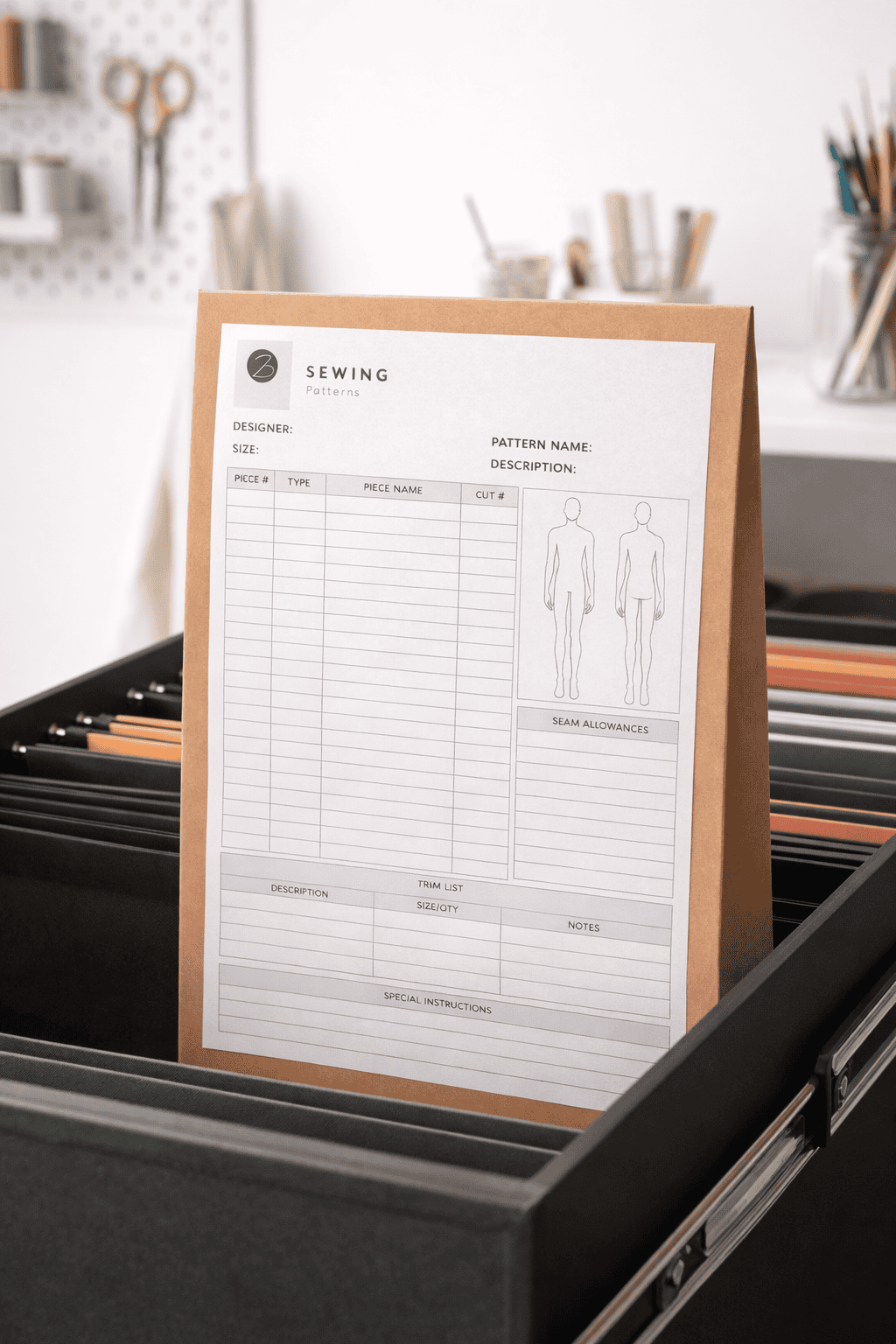
One of the easiest ways to store sewing patterns is by using sturdy envelopes designed specifically for sewing patterns.
I personally store mine in heavy-duty pattern envelopes like this Kraft String Envelope File Folder for Sewing Patterns.
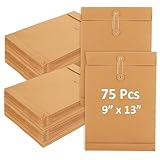
- Package Includes: 75pcs 9 x 13 inch file folder envelopes, enough for daily use.
- High Quality: Made of 250gsm kraft paper, durable, tear-resistant, and long-lasting.
- Right Size: 9 x 13 inches (23.7 x 33.3 cm), perfect for documents, letters, photos, and papers.
- Practical Design: Button string closure keeps contents secure and protects privacy.
- Wide Application: Ideal for home, office, schools, law firms, craft projects, and mailing needs.
- Keep pieces flat without excessive folding
- Protect delicate tissue from tearing
- Make labeling and sorting easy
- Stack neatly in drawers, bins, or shelves
- Ideal for commercial, PDF, and traced patterns
Inside each envelope, you can include:
- Pattern pieces
- Instruction sheets
- Fabric requirements
- Notes on fit adjustments or sizing
This method keeps everything together and eliminates the “where did that piece go?” problem.
How to Label Sewing Pattern Envelopes for Easy Finding
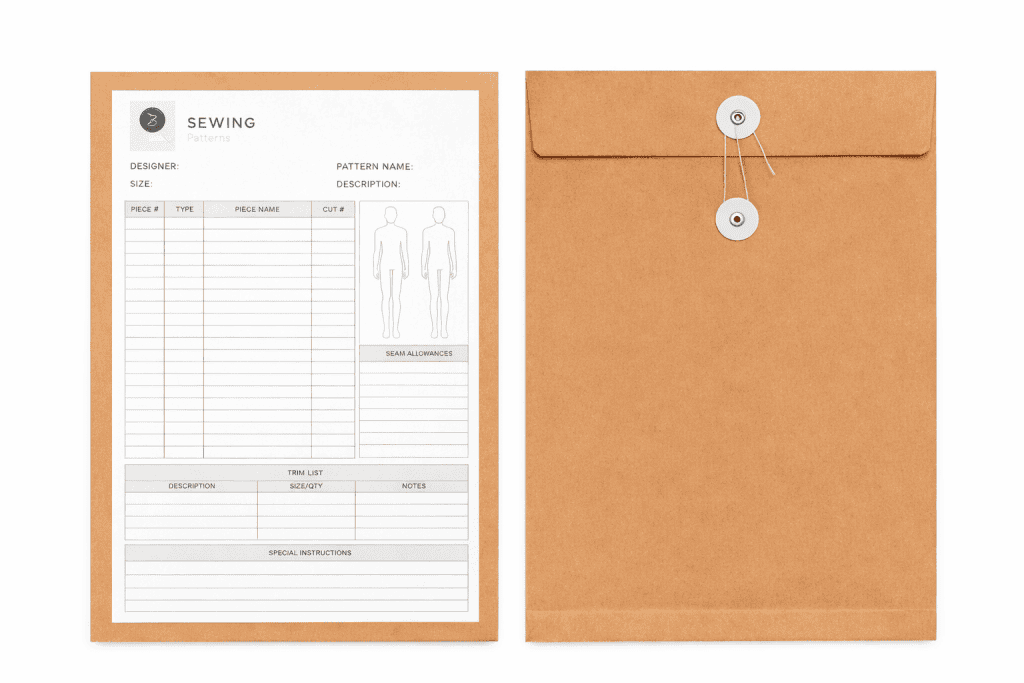
Labeling is what turns storage into an actual organization system.
Essential Information to Include:
- Pattern name and number
- Brand or designer
- Garment type (dress, blouse, apron, etc.)
- Size range
- Skill level (beginner, intermediate, advanced)
Extra Details That Can Help:
- Recommended fabrics
- Yardage requirements
- Date you last used the pattern
- Notes like “runs small” or “fits perfectly”
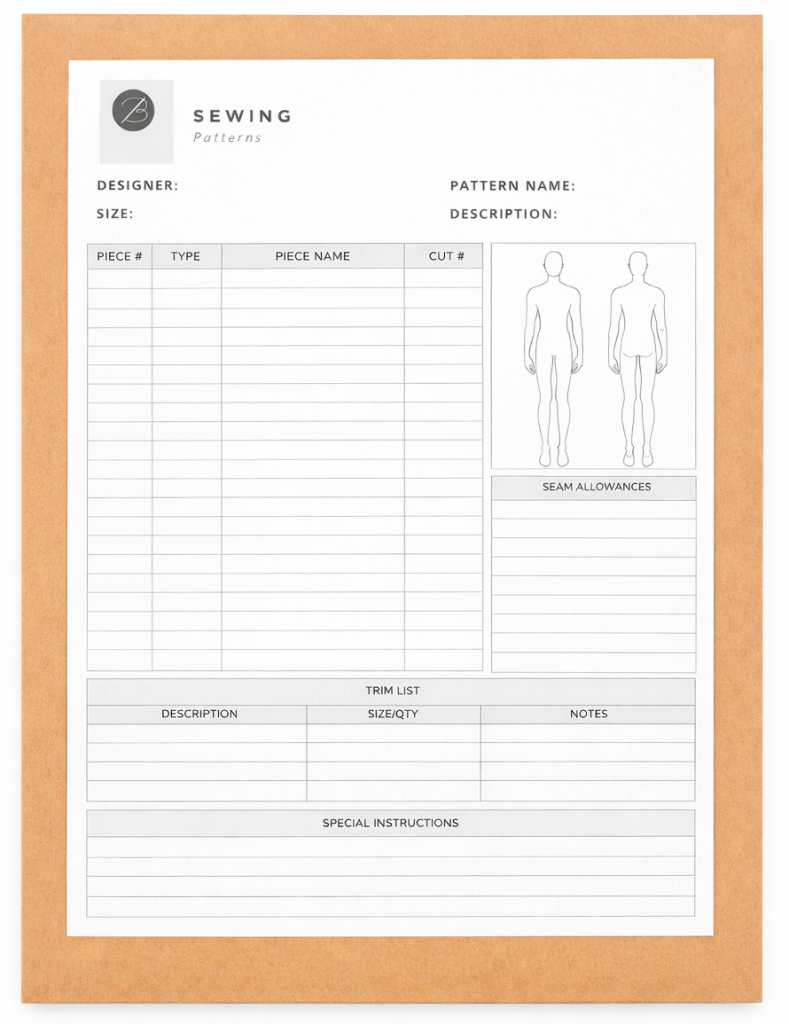
To make this even easier, I created a printable label that I love using and want to share. I usually print it on sticky paper.
If you’re interested, here’s the sticky paper I personally use (and it could be perfect for you too):

- 40 Sheets: Each 8.5″ x 11″ white sticker paper sheet is 100gsm, full sheet, and easy to cut with electronic cutters or other tools. Includes a helpful orange reminder label for quick peeling.
- Printer Friendly: Compatible with most laser and inkjet printers. Prints clear and crisp with vibrant colors, no curled edges or paper jams.
- Matte & Fast Drying: Matte surface is easy on the eyes. Works with pens, pencils, markers, and dries quickly to prevent smudging.
- Strong Backing: Durable self-adhesive backing, easy to peel and apply on glass, cardboard, metal, envelopes, plastics, and more. Smudge-free and non-yellowing.
- Multi-Purpose: Ideal for organizing, labeling, and crafting at home, school, or work. Can also be used for warning labels.
I cut the labels to fit my A4 kraft envelopes and stick them on – it’s quick, neat, and keeps everything easy to find. If you don’t have sticky paper, regular glue works just as well.
More Ways to Store Sewing Patterns by Category
Once patterns are in envelopes, sort them into categories that make sense to you.
Common Category Ideas
- Dresses
- Tops
- Bottoms
- Children’s patterns
- Home décor
- Accessories
- Seasonal (summer, winter, holiday)
Storage Locations That Work Well
- File drawers
- Magazine holders
- Labeled storage bins
- Shelving units
- Under-bed storage boxes
Vertical storage (like filing folders) is especially helpful because it lets you flip through patterns like a recipe box.
How to Store PDF Sewing Patterns After Printing

PDF patterns can be bulky and fragile if taped together, so they deserve special care.
- Store fully assembled patterns flat in large envelopes
- Fold gently along original lines only
- Keep instruction pages in the same envelope
- Add a printed cover image to the front for easy identification
If you don’t want to print right away, store digital files in clearly named folders on your computer or cloud storage, then only print when needed.
Protecting Sewing Patterns From Moisture and Damage
Paper patterns are sensitive to their environment, so where you store them matters.
A dry, cool space away from direct sunlight helps prevent yellowing, warping, or mold.
Avoid storing patterns in damp basements or garages unless they’re sealed in protective containers.
If pests are a concern, closed bins or drawers provide extra security.
Using envelopes adds another layer of protection against dust, spills, and everyday wear.
Managing a Large Sewing Pattern Collection
As collections grow, organization becomes even more important.
Dividing patterns into clearly labeled sections makes them easier to manage.
Some sewists keep a separate area for frequently used patterns, while others maintain a simple inventory list to track what they own.
Periodically removing patterns you no longer plan to use also helps keep the collection practical and enjoyable.
Storing Vintage and Delicate Sewing Patterns
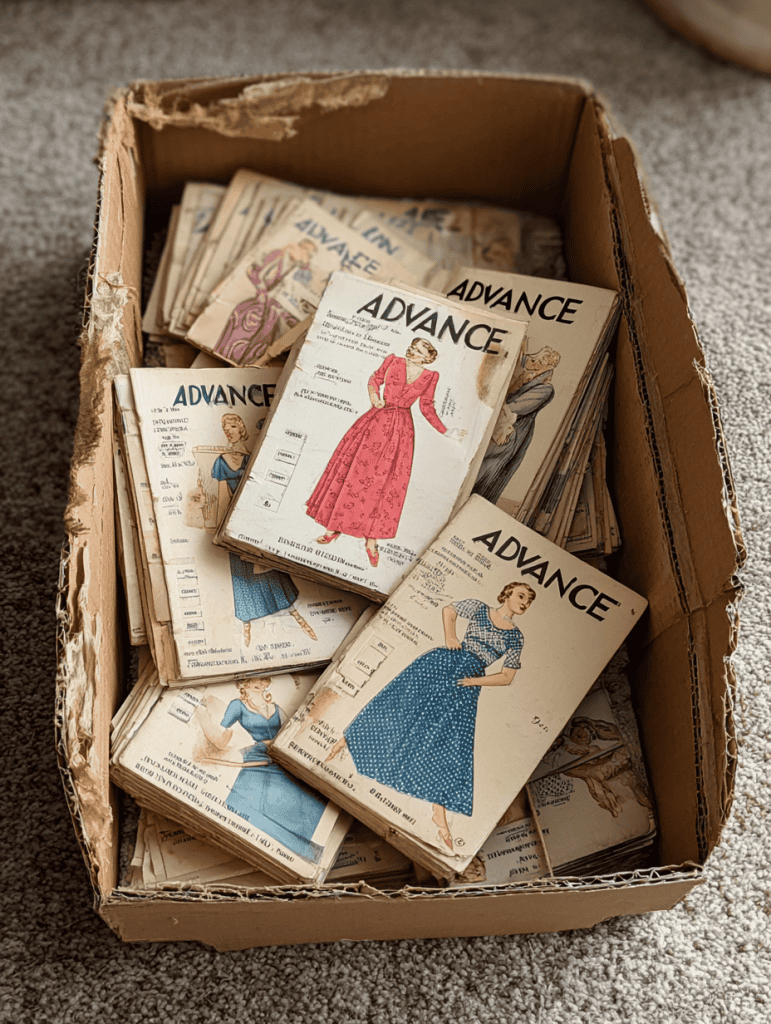
Vintage patterns often require more careful handling due to fragile paper and aging ink.
Keeping these patterns flat whenever possible helps preserve them.
Using sturdy or acid-free envelopes, minimizing refolding, and handling them gently can significantly extend their life.
Because many vintage patterns are difficult or impossible to replace, thoughtful storage is especially important.
How to Keep Sewing Patterns Easy to Find Long-Term
Organization only works if it’s easy to maintain.
- Return patterns to storage immediately after use
- Update notes after sewing
- Re-label envelopes if needed
- Do a quick tidy every few months
The simpler your system, the more likely you’ll stick with it.
Create a Sewing Pattern System You’ll Actually Use
Take 30 minutes to protect your patterns – and save hours later!
With sturdy envelopes, clear labels, and simple categories, you can protect your patterns, keep them flat, and always know exactly where to find what you need.
A little organization now means less stress, less waste, and more time doing what you love – sewing.
Start small, choose a system that fits your space, and commit to keeping it simple.
FAQs
How long do sewing patterns last if stored properly?
With proper storage – away from moisture, sunlight, and frequent refolding – sewing patterns can last decades, even generations.
Should I keep original commercial pattern envelopes?
You can, but transferring pieces into sturdier envelopes often provides better long-term protection and easier organization.
Is it better to trace patterns instead of using originals?
Tracing is great for preserving originals, especially for multi-size or vintage patterns you plan to reuse often.
Can I store sewing patterns in binders?
Yes, especially for traced or PDF patterns, but binders can become bulky for large collections.
How often should I reorganize my sewing patterns?
A quick review once or twice a year is usually enough to keep everything tidy and functional.