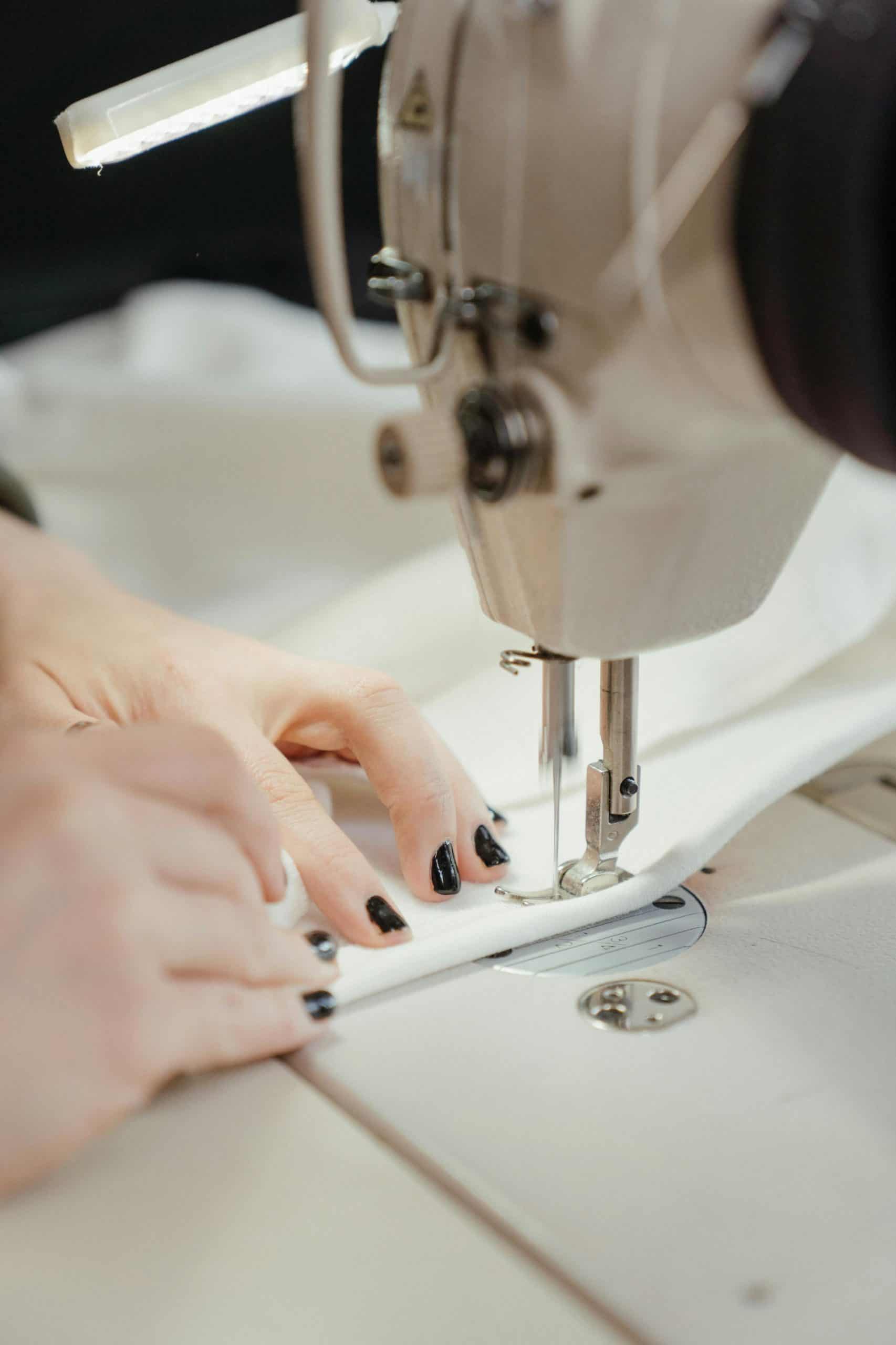
If you’ve been wondering how to start sewing as a beginner, the first step is simpler than it looks.
Sewing is about learning small, clear skills and letting them build on each other.
With just a few tools and a steady approach, you can make useful pieces right away: a bag, a pillow cover, a simple garment.
Each project gives you practice, and each stitch adds to your confidence.
In this article, I’ll walk you through the essentials so you can begin with focus: the tools that matter, the fabrics that make learning easier, and the projects that set you up for success.
By the end, you’ll know exactly how to take your first steps in sewing and feel ready to begin.
How to Approach Sewing as a Beginner
When you’re learning how to start sewing as a beginner, the most helpful step is to keep things simple.
Focus on building one skill at a time – like threading a needle, stitching a straight line, or finishing a single project from start to finish.
Small wins create momentum, and momentum keeps you motivated.
Sewing isn’t something you “get right” on day one. It’s a skill that grows with practice, just like cooking or gardening.
Each project gives you a new layer of experience, and the more you practice, the more natural it feels.
With a steady approach, you’ll be surprised how quickly your confidence grows.
Sewing Tools for Beginners: The Essentials You Need
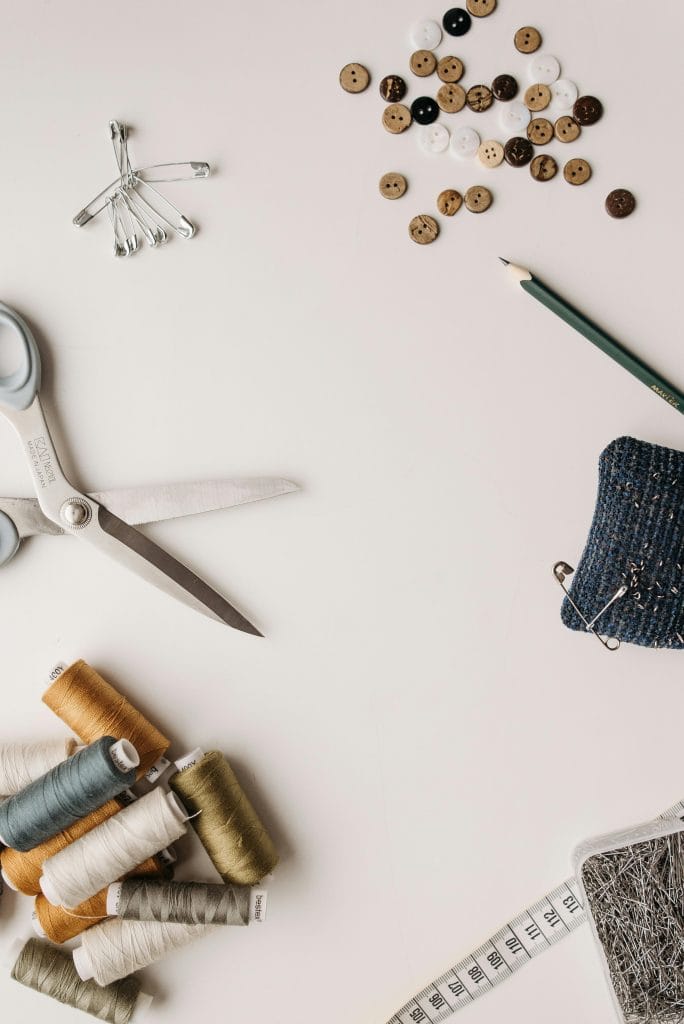
A handful of reliable basics will take you far:
- Sharp fabric scissors – clean cuts make sewing easier.
- Measuring tape – accuracy is everything in sewing.
- Straight pins or clips – to keep fabric in place while you stitch.
- Hand-sewing needles – simple, inexpensive, and useful even if you own a machine.
- Thread – start with a neutral cotton thread; it works with almost everything.
- Seam ripper – an essential tool for learning; it lets you adjust and refine without fuss.
These basics are affordable, easy to find, and enough to get you sewing your very first project.
If you want a full list of essential sewing tools every beginner needs, this guide covers them in detail so you can start with confidence.
Do You Need a Sewing Machine as a Beginner?

You can absolutely start with hand sewing, especially for small projects and practice.
But a good sewing machine can speed things up, make certain stitches easier, and expand what you can do.
If you choose to buy, pick a machine that’s beginner-friendly: it should be simple to thread, have at least a straight stitch (and preferably a zig-zag), decent lighting, clear controls, and solid support for parts or service if needed.
Here are trusted machines that many beginners recommend.
| Model | Why It’s Good for Beginners | What to Check Before Buying |
|---|---|---|
| Brother XM2701 | Mechanical, affordable, with a variety of built-in stitches; reliable interface. It gives you enough features to learn without being confusing | Check that drop-in bobbin is accessible; see if service or parts are available locally. |
| Janome 2212 | Simple and dependable. It has enough stitch options for basic projects, good build, and good stitch quality. | It won’t have many fancy features, so understand what you might need later (e.g. more stitch variety). |
| Brother CS7000X | Computerized model with more built-in stitches and useful accessories. Good if you’re ready to invest a little more and want flexibility. | Make sure you understand how to use the settings; some features you may not use immediately but are nice to grow into. |
| Singer Tradition 2277 | A straightforward model with enough built-in stitches and solid brand support; trusted in many beginner sewing machine roundups. | Power and voltage compatibility for your location; also check accessory availability. |
| Baby Lock Zest | Known for clear instructions and ease of use. Good choice if you want something that sets up quickly and gets you sewing without steep learning curves. | May have fewer stitch options; serve well for foundational learning. |
Learn Basic Sewing Terms and Stitches
When you’re starting out, the language of sewing can feel new. A few key terms will make instructions easier to follow and projects less confusing:
- Seam – where two pieces of fabric are stitched together.
- Hem – the folded edge at the bottom of a garment or project to keep it neat.
- Right side / wrong side – the “front” of the fabric (meant to be seen) and the “back” (not usually visible).
- Straight stitch – the most common stitch used in almost every project.
- Backstitch – a short reinforcement at the start and end of a seam so it stays secure.
Keep these in a notebook or on a card near your sewing table – you’ll use them often.
Practice the Two Core Stitches Every Beginner Needs
Start your practice on fabric scraps to build muscle memory. Focus on:
- Straight stitch – practice guiding the fabric evenly so your line stays steady.
- Backstitch – add this at the beginning and end of your seams; it keeps everything in place.
Learning these two stitches gives you the foundation for nearly every beginner project.
Once they feel natural, you’ll be ready to explore the basic stitches for beginners in more detail.
Beginner-Friendly Fabrics: What to Choose First
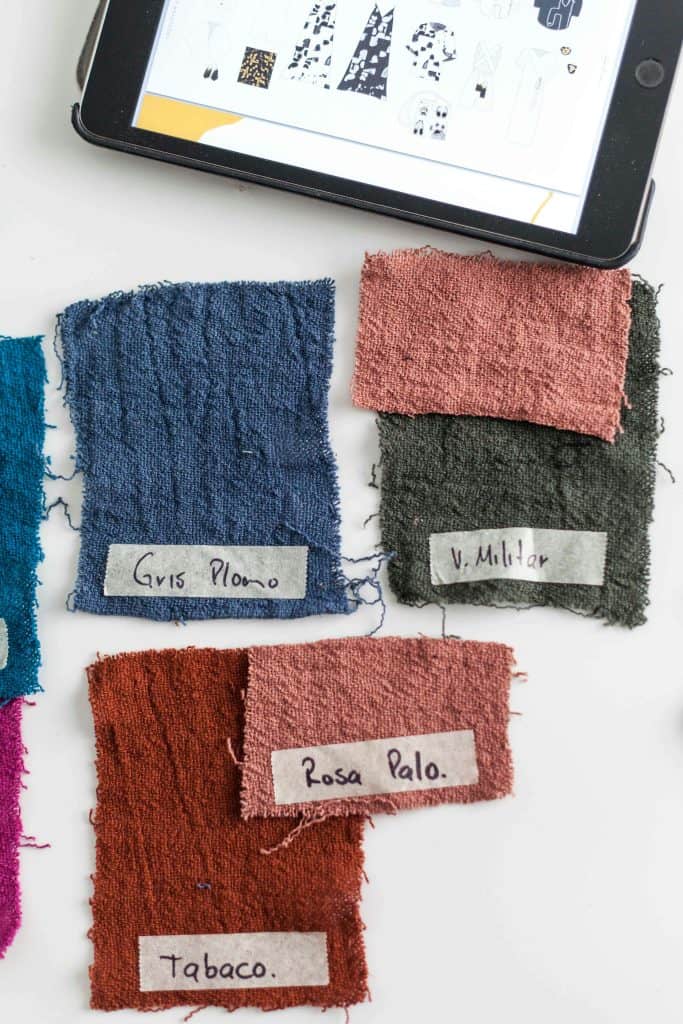
Some fabrics naturally support beginners – they cut cleanly, hold their shape, and make it easier to see your progress.
Starting with the right material keeps your focus on learning skills rather than fighting with fabric.
The Best Fabrics for Beginner Sewing Projects
Fabric makes a huge difference in how enjoyable your first projects feel. Some materials hold their shape and respond well to stitches, making them ideal for beginners.
Start with:
- Cotton (woven, quilting weight) – smooth, stable, and easy to guide through the machine.
- Linen-cotton blends – a bit more texture but still cooperative and forgiving.
- Lightweight denim or chambray – sturdy without being too thick, perfect for bags or aprons.
These fabrics press well, cut cleanly, and don’t slip around as you sew – making your practice feel clear and manageable.
Fabrics to Save for Later (When You’re Ready to Explore)
Some fabrics require more control and are best tackled after your first few projects. Examples include:
- Silk – delicate and slippery.
- Stretchy knits – curl at the edges and shift under the needle.
- Sheer fabrics (like chiffon or organza) – hard to see and keep aligned.
You can save these for later, using them once you’ve built confidence with more stable fabrics.
Easy Sewing Projects for Beginners (Start Small and Practical)
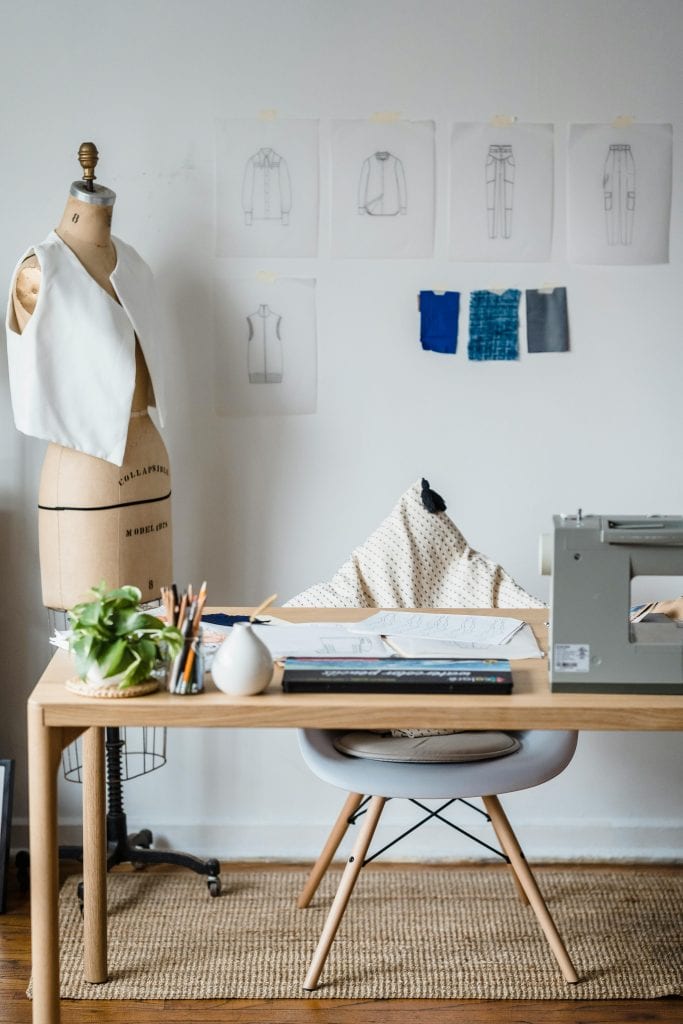
The best way to learn sewing is to put your skills into action. Beginner projects should be simple, quick to finish, and useful in daily life.
Start with projects that use straight lines and basic stitches. A few reliable options are:
- Pillow cover – teaches you to sew seams and practice pressing edges.
- Drawstring bag – introduces casing and finishing techniques.
- Tote bag – sturdy, useful, and a good way to practice sewing thicker fabric.
- Simple apron – adds straps and ties but still uses straightforward shapes.
Each of these projects comes together quickly, giving you something finished and functional in just a short time.
Check out more easy sewing projects you’ll love to keep building your skills with fun, practical items.
Why Small Projects Are the Best First Step
Short, practical projects let you build confidence one step at a time.
Instead of worrying about perfection, you can focus on learning core skills: keeping seams straight, measuring accurately, and working with fabric.
Finishing small items also gives you the encouragement to move on to larger, more detailed projects later.
How to Practice Sewing as a Beginner
Sewing skills grow stronger when you practice with intention. Instead of rushing into big projects, set aside time to get comfortable with the basics.
A few short, focused exercises on fabric scraps will help you build confidence before you sew your first piece from start to finish.
Practice on Fabric Scraps Before Big Projects
Use leftover cotton or inexpensive fabric to practice – no pressure, just skill-building.
Here are some exercises to try:
- Straight Lines – draw lines with a ruler on fabric and stitch directly over them. This helps you learn control.
- Curves and Corners – trace simple shapes (like circles and squares) and follow them with your stitches. This builds precision.
- Seam Allowances – mark a ½-inch margin and practice keeping your stitches along that line. Accuracy here is key for future projects.
- Backstitching – practice stitching forward a few stitches, reversing, then continuing. This secures seams neatly.
Core Skills Beyond Stitching
Sewing is more than guiding fabric under the needle. Developing good habits early makes every project easier and more enjoyable.
- Measuring – use your tape measure often to double-check fabric and seams.
- Pinning or Clipping – align pieces with pins or clips so they stay steady while sewing.
- Pressing – use an iron to flatten seams after stitching; it gives projects a polished look and makes fabric easier to handle.
These exercises take just minutes a day, yet they give you the steady control you’ll rely on for every project ahead.
Sewing Patterns for Beginners: How to Use Them
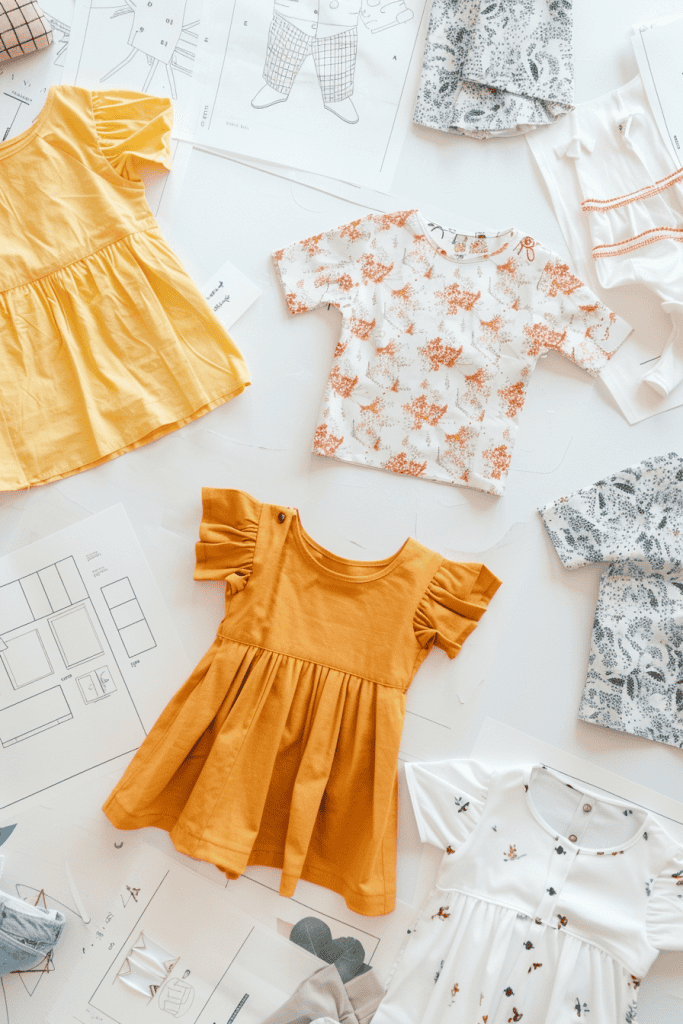
Patterns are like roadmaps.
They guide you through each step of cutting and stitching so you can create something that looks and feels complete.
For beginners, patterns offer structure without forcing you to figure everything out from scratch.
Patterns Help Beginners Succeed
When you’re just starting out, it’s easy to feel unsure about where to place seams or how to shape fabric. A good pattern removes the guesswork by giving you:
- Measurements and cutting guides – so fabric pieces fit together as they should.
- Step-by-step instructions – making the sewing process easier to follow.
- Confidence – because you can trust the design to work.
If you want to start practicing right away, check out free sewing patterns online to get projects you can try at home.
How to Choose the Right Beginner Sewing Pattern
Look for patterns labeled “easy” or “beginner” – these use simple shapes and fewer pieces. Good starter patterns include:
- Pillowcase – teaches straight seams and finishing.
- Simple apron – introduces ties and straps in a manageable way.
- Tote bag – sturdy, practical, and easy to personalize.
When reading a pattern envelope, focus on three key details:
- Skill level (look for beginner)
- Fabric recommendations (so your fabric choice matches the design)
- Notions list (zippers, buttons, or elastic the project may require)
Patterns are meant to help, not overwhelm. Start with one, follow the steps, and soon the process will feel familiar.
Create a Beginner Sewing Setup at Home
You need only a simple, well-organized space to start sewing.
A comfortable, clear setup makes sewing time enjoyable and productive, letting you focus on learning instead of searching for tools or managing clutter.
Organize Your Sewing Space for Success
- Surface – a sturdy table is enough. It doesn’t have to be large, but it should feel stable when cutting or sewing.
- Chair – choose one that supports your posture; comfort matters when you’re seated for focused work.
- Storage – a basket, small drawer, or toolbox keeps scissors, thread, and pins together so nothing goes missing.
- Cutting area – if possible, reserve a flat spot (like a dining table or desk) for laying out fabric and patterns.
Lighting That Helps You Sew Better
Good lighting prevents strain and makes it easier to see stitches and markings:
- Natural light from a window is ideal during the day.
- In the evening, use a bright desk lamp or adjustable LED light focused directly on your work.
- If you use a machine, check whether it has a built-in light and supplement it if needed.
Your sewing space can be small and simple. What matters most is consistency.
Keeping your tools in one spot, your surface clear, and your light ready makes it easy to sit down and start right away.
How to Troubleshoot Sewing Problems as a Beginner
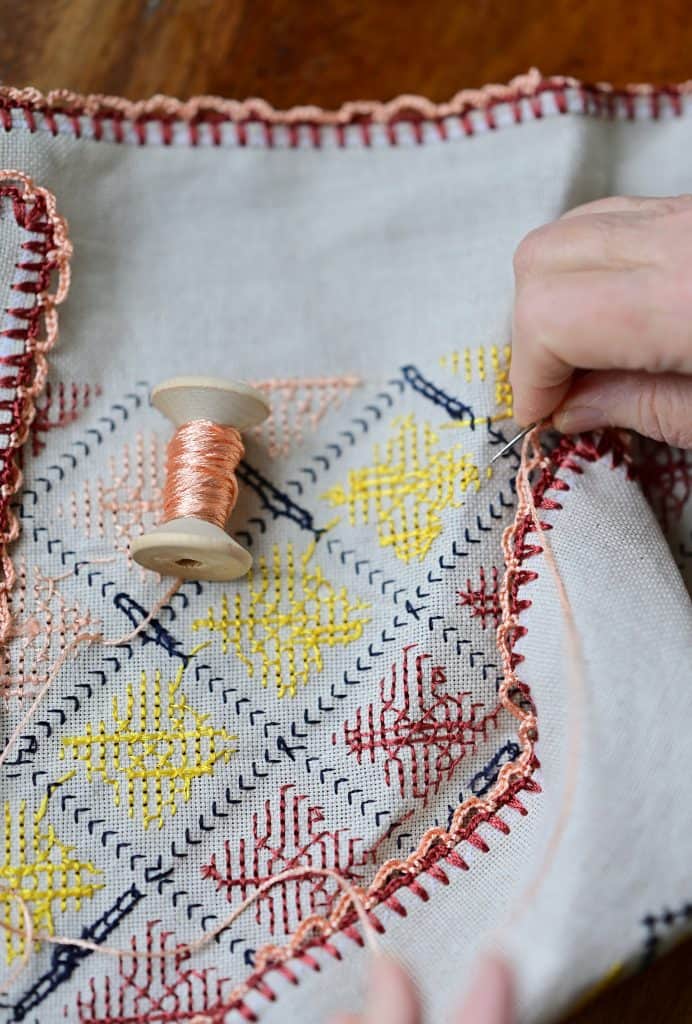
Every new skill comes with small challenges, and sewing is no different.
The good news is most issues have simple solutions once you know what to look for.
Keep this list nearby as you practice – quick fixes will save time and keep your projects moving forward.
- Thread keeps breaking
Check that your machine is threaded correctly and that you’re using the right needle for your fabric. Replace old or low-quality thread with fresh cotton or polyester thread. - Stitches look uneven or loose
Re-thread the top thread and bobbin carefully. Then check your tension dial – slight adjustments often solve this problem. - Fabric won’t move under the needle
Make sure the presser foot is lowered before you start stitching. Clean around the feed dogs if lint has built up. - Needle bends or snaps
Switch to a new needle – dull or bent needles cause trouble. Use the correct size needle for your fabric (smaller for lightweight cotton, larger for denim). - Seams don’t line up neatly
Pin or clip your fabric pieces together more closely. Take your time guiding the fabric instead of pulling or pushing it through. - Machine is noisy or skipping stitches
Turn off your machine, clean out lint from the bobbin area, and replace the needle. A freshly cleaned machine often runs smoother.
Learning how to troubleshoot is part of learning how to sew. With time, these quick checks will become second nature.
Next Steps for Beginner Sewists (Keep Growing)
Sewing continues beyond your first project.
Once you’ve learned the essentials, the best way to grow is by adding one new skill at a time.
Here’s a simple roadmap to guide your next steps:
Step 1: Expand Your Practice
- Continue sewing small, useful projects – like napkins, pouches, or pillowcases.
- Aim for consistency: sew a little each week to strengthen your confidence.
Step 2: Learn to Work with New Fabrics
- Try sturdier fabrics like denim or canvas for bags and aprons.
- Experiment with soft cotton knits when you’re ready to stretch your skills.
Step 3: Add New Techniques Gradually
- Start with sewing a zipper – a practical skill that opens up many project options.
- Learn buttonholes and buttons – great for shirts, bags, and home goods.
- Explore simple garment patterns – like skirts or pajama pants.
Step 4: Build Your Resource Library
- Keep a notebook of sewing terms, stitches, and personal notes from practice.
- Bookmark beginner-friendly tutorials or follow one trusted sewing book or course.
Step 5: Join a Sewing Community
- Look for a local class or workshop to learn in person.
- Join an online group or forum where beginners share tips and projects.
- Ask questions, share progress, and celebrate milestones – you’ll learn faster with support.
Take them in order, at your own pace, and enjoy how your abilities expand project by project.
Start Sewing Today and Build Your First Project
Learning how to start sewing as a beginner can feel simple and exciting.
With a few tools, steady practice, and the right first projects, you’ll gain skills you can use for a lifetime.
Each step (whether it’s threading a needle, finishing a seam, or completing a bag) moves you forward.
The best way to begin is to choose one small project this week, gather your supplies, and give yourself the space to try.
The sooner you start, the sooner sewing becomes a skill you can rely on.
Have any questions or need a little guidance? Share them in the comments – I’m happy to help you get started!
FAQs
1. How much should I budget to start sewing as a beginner?
You can start with under $50 if you hand sew and pick up just the basics. If you add a beginner-friendly machine, plan on $100–$200 for a reliable entry model.
2. How do I know which needle size to use?
A good rule of thumb: smaller needles (size 70/10–80/12) for lightweight cotton, medium (size 90/14) for everyday woven fabric, and larger (100/16) for denim or canvas. Always match the needle to your fabric weight.
3. Can I start sewing with fabric I already have at home?
Yes – as long as it’s stable and easy to work with. Old cotton sheets or pillowcases are excellent practice fabric. Avoid stretchy or slippery materials at first.
4. How do I finish fabric edges if I don’t own a serger?
Simple methods include zigzag stitching along the edge, pinking shears to reduce fraying, or folding edges into a seam. These are practical and beginner-friendly.
5. How much time should I set aside to practice sewing?
Even 20–30 minutes a few times a week helps build skill. Consistency matters more than long sessions—you’ll learn faster by practicing often in short bursts.