

Building a capsule wardrobe can feel like a fresh start for your closet.
Instead of stacks of clothes you rarely wear, you end up with a handful of pieces you reach for again and again – because they fit, they feel good, and they work together – plus it’s made by you!
You decide which fabrics feel best, which colors reflect your style, and which patterns truly suit your everyday life.
In this post, I’ll guide you through the process of sewing your own capsule wardrobe – step by step – so you can build a closet that is practical, personal, and completely your own.
What is a Capsule Wardrobe?
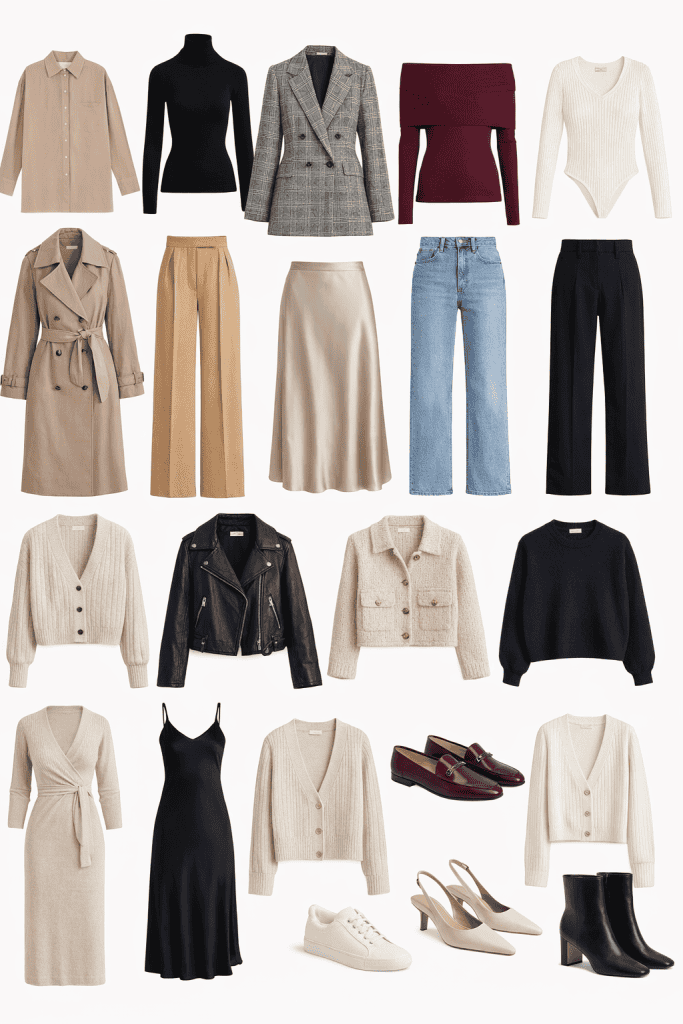
A capsule wardrobe is a clothing system built on versatility and intention.
Instead of dozens of scattered items, it focuses on a smaller set of garments that coordinate across many outfits.
The purpose is function: fewer decisions when getting dressed, less unused clothing, and a closet that works harder with less.
Most capsule wardrobes are made up of interchangeable basics (tops, bottoms, layers, and a few statement pieces) that share a consistent color palette and complement one another in fit and style.
For example, three tops, two bottoms, and one jacket can already form more than a dozen outfits when chosen with care.
Sewing your own capsule wardrobe strengthens this idea.
You create pieces that suit your lifestyle, body, and preferences.
The result is a collection of clothes that are cohesive, durable, and tailored to how you actually live.
How to Define Your Lifestyle and Style Priorities for a Capsule Wardrobe
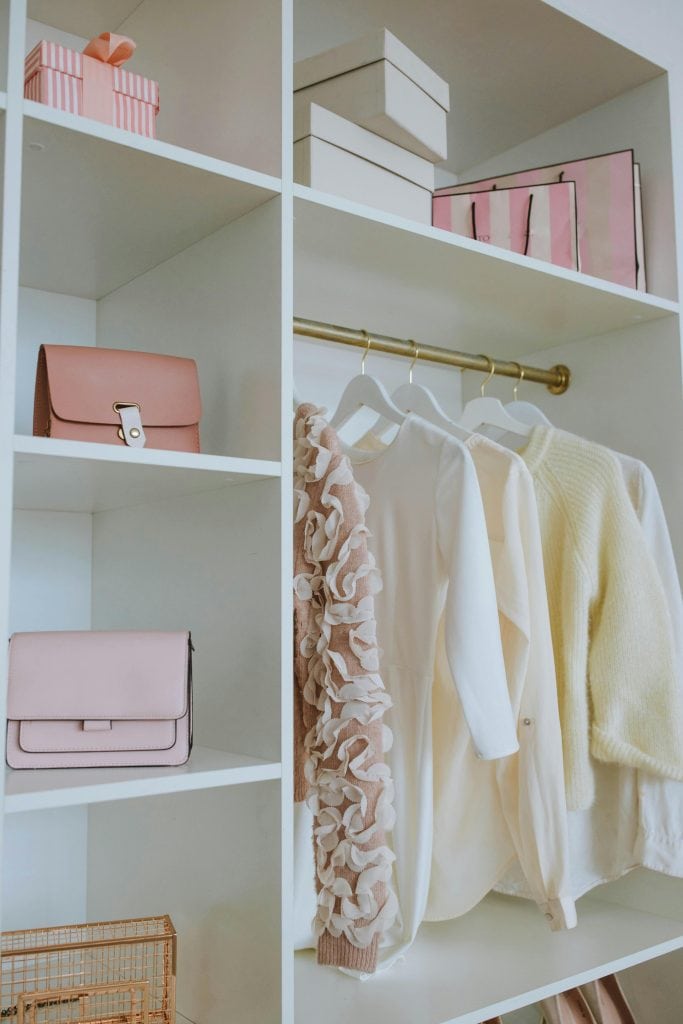
Before choosing patterns or fabrics, it helps to step back and look at how you spend your days.
A capsule wardrobe should serve your real life, not an imagined version of it.
Start by noting the activities that fill your week – work, family care, errands, outdoor time, social gatherings.
The goal is to make sure your clothes match the rhythm of those routines.
Once you have a sense of function, think about style. Choose two or three words that describe how you want your wardrobe to feel.
For example, you might land on easy, polished, and comfortable or classic, relaxed, and natural.
These words act like filters, helping you decide which patterns and fabrics align with your vision.
This step gives your sewing direction.
Instead of chasing every pattern that looks appealing, you’ll be able to evaluate: does this garment fit my daily needs, and does it reflect the style I want to carry forward?
With clarity on both lifestyle and style, your capsule wardrobe becomes practical from the start.
Step-by-Step Guide to Building Your Capsule Wardrobe Plan

With your lifestyle and style words in mind, the next step is to outline the structure of your capsule.
Planning prevents overwhelm and ensures every piece serves a clear role.
1. Start with a color palette. Choose two or three neutrals that work as a foundation – such as black, navy, beige, or gray. Then add two to three accent colors that bring interest without clashing. A consistent palette makes it easier to mix and match pieces.
2. Decide on core categories. Most capsules include:
- Tops: everyday shirts, blouses, or knits.
- Bottoms: pants, skirts, or shorts.
- Layering pieces: cardigans, vests, or light jackets.
- Outerwear: a coat or weather-appropriate jacket.
- Optional statements: a dress, jumpsuit, or patterned piece that adds variety.
3. Think about numbers. While there’s no strict rule, a balanced capsule often includes 20–30 garments. An example might be: 3 bottoms, 5 tops, 2 dresses, 2 layering pieces, and 1 jacket. The exact count depends on your climate and routines, but the principle stays the same – every piece works with several others.
Planning in this way sets a clear path.
When you move into fabric shopping and sewing, you’ll know what you’re building toward and how each project contributes to the whole.
How to Choose Fabrics for a Timeless Capsule Wardrobe
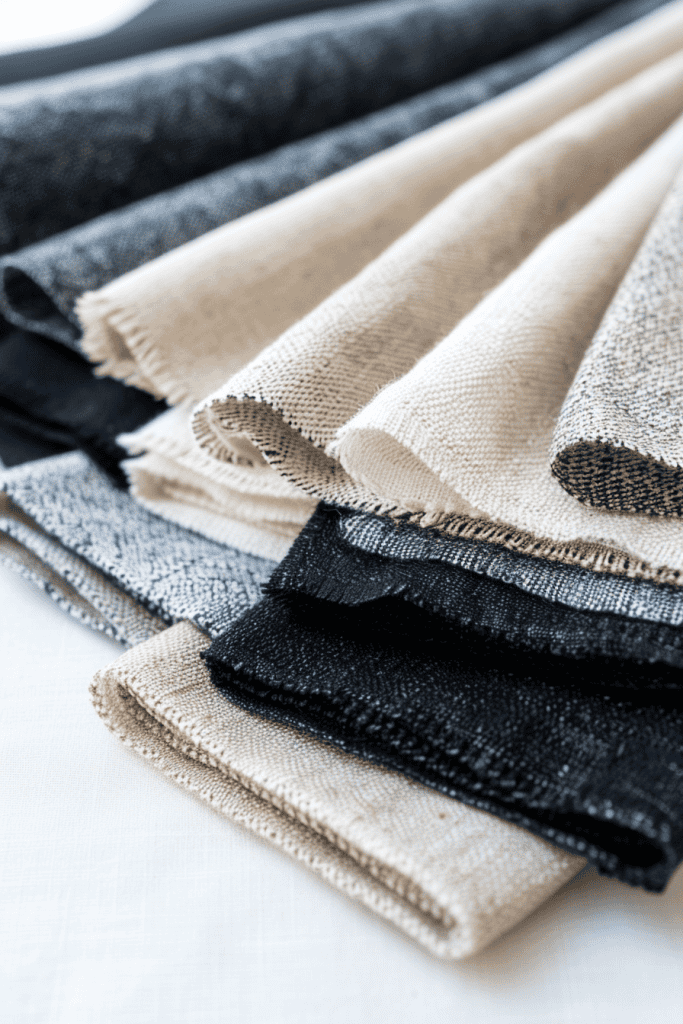
Fabric choice shapes how your capsule wardrobe feels and functions.
A well-chosen fabric can make a garment versatile, durable, and comfortable, while a poor choice can leave it sitting unused.
1. Focus on natural fibers. Cotton, linen, wool, and hemp breathe well, wear comfortably, and age gracefully. They also tend to be easier to care for over time. Knits with a touch of stretch can add comfort for everyday wear.
If you are unsure how to identify these fibers when shopping, learning how to read fabric labels makes a huge difference, especially when building a long lasting wardrobe.
2. Match fabric to purpose.
- Linen or lightweight cotton for warm-weather basics.
- Midweight twill or denim for structured pants and skirts.
- Wool for layering pieces that provide warmth without bulk.
- Cotton jersey or interlock for t-shirts and simple dresses.
If you are deciding between warm weather options, comparing linen vs. cotton for summer garments can help you choose the best fabric for your climate and comfort level.
3. Buy less, choose better. Instead of collecting piles of fabric, select a smaller number of high-quality cuts in colors that fit your capsule plan. This keeps your sewing focused and ensures every piece has a place in your wardrobe.
If cost is a concern, it helps to know how to buy affordable linen fabric without sacrificing quality.
By selecting fabrics with intention, you give your capsule wardrobe a consistent look and feel, and you set yourself up for clothes that last.
Best Sewing Patterns for Creating a Capsule Wardrobe

When building a capsule wardrobe, the goal is to get the most versatility from a handful of sewing patterns.
Instead of collecting dozens, focus on a small set you can repeat, adapt, and vary with fabric choices.
1. Start with foundation patterns.
- Woven top: A button-up shirt (like Grainline Studio Archer or Sew Over It Ultimate Shirt) works in crisp cotton for everyday wear or lightweight linen for summer.
- Knit top: A simple tee or long-sleeve (like Tilly and the Buttons Agnes or Cashmerette Concord) covers casual basics and can be adapted with necklines and sleeve lengths.
- Bottoms: A straight-leg trouser (True Bias Hudson Pants for knit, or Closet Core Pietra Pants for woven) plus a simple skirt pattern can be sewn in multiple fabrics for work or casual looks.
- Dress or jumpsuit: A versatile shape such as the Willow Tank Dress by Grainline Studio or Zadie Jumpsuit by Paper Theory can be dressed up or layered.
2. Look for patterns with variation built in. Many independent pattern companies include multiple views in one envelope – short or long sleeves, tunic or dress length, wide or tapered legs. This gives you more options without buying additional patterns.
3. Prioritize adaptability. Choose designs that change character with fabric. A button-up in denim becomes a jacket; the same pattern in voile is an airy blouse. A knit tee in jersey is casual, while in rib knit it’s more polished.
4. Repeat patterns you trust. Once you refine the fit of a pattern, use it again. A capsule wardrobe thrives on consistency, and reusing well-fitted patterns speeds up sewing while ensuring garments work together.
Narrowing your pattern selection to just a few key options helps reduce decision fatigue, simplifies fitting, and results in a cohesive wardrobe that feels intentional.
If you’re looking for even more options, check out free sewing patterns online to add to your collection!
How to Organize Your Sewing Schedule

A clear schedule helps you keep momentum without feeling overwhelmed.
The best way to stay motivated and consistent is to treat it as a series of small, steady projects instead of one large task.
Break the wardrobe into phases.
- Phase 1 – Foundations: Start with one or two pieces you’ll wear most, such as a pair of pants and a knit top. These quickly become part of your rotation.
- Phase 2 – Layering pieces: Add items like cardigans, shirts, or vests that extend the use of your foundations.
- Phase 3 – Statements and extras: Sew a dress, jumpsuit, or patterned piece that adds variety without breaking cohesion.
Set a realistic pace. Look at your week and decide how much time you can actually sew – maybe two evenings or a weekend afternoon. Mark those sessions on a calendar so progress feels consistent.
Use a project tracker. A simple notebook or spreadsheet can keep track of which patterns you’ve chosen, which fabrics are ready, and which garments are finished. Seeing progress laid out helps you stay focused and motivated.
Batch tasks when possible. Cutting fabric for two or three garments at once saves time later. The same goes for prepping pattern pieces or finishing seams. Small efficiencies help your sewing time feel productive and organized.
With a plan in place, each project builds naturally toward the complete capsule wardrobe you’ve envisioned.
Fit and Finishing – The Secret to Clothes You’ll Actually Wear

A well-made garment can still go unworn if the fit isn’t right.
One of the biggest advantages of sewing your own capsule wardrobe is the ability to adjust clothes so they work for your body – not the other way around.
Even simple alterations can turn a “good enough” piece into one you reach for regularly.
Before cutting into final fabric, testing fiber content with a burn test for natural fabrics can also help confirm what you are working with, especially when using thrifted or mystery fabric.
Start with Fit Basics
1. Hemming for Length
- Try on the garment with shoes you’ll wear most often.
- Pin the hem at the point where it looks and feels right.
- Press the hemline before stitching to avoid uneven results.
- Use a blind hem or topstitch, depending on the garment’s style.
2. Adjusting the Waistline
- If pants or skirts gape at the waist, pinch out the excess evenly at the back.
- Mark the new seam line with chalk or pins.
- Take in the waistband gradually, no more than ½ inch at a time, to keep the balance.
- Press thoroughly after sewing for a smooth finish.
3. Refining the Shoulder or Bust Area
- For shoulders that drop, shorten the seam slightly to bring the garment into place.
- For gaping at the bust, add or adjust darts:
- Mark the dart point about 1 inch away from the fullest part of the bust.
- Draw the dart legs back to the side seam.
- Stitch carefully, tapering to nothing at the dart tip.
Focus on Finishing
Durability comes from strong seams and thoughtful finishes:
- Serge or zigzag raw edges to prevent fraying.
- Understitch facings so necklines and armholes lie flat.
- Press at every step. This single habit makes garments look more professional and last longer.
Why This Matters for a Capsule Wardrobe
Because a capsule relies on fewer garments, each one will see more wear.
Clothes that fit comfortably and are finished neatly will stay in rotation, rather than slipping to the back of your closet.
Small, consistent improvements in fit and finish make your handmade wardrobe practical, long-lasting, and satisfying to wear.
How to Style and Maintain Your Capsule Wardrobe for Longevity
Once your garments are sewn, the value of a capsule wardrobe comes from how you combine and care for them.
A smaller collection becomes powerful when each piece works in multiple ways and lasts through consistent wear.
Mix and Match
Start with combinations, not single outfits.
- A button-up shirt can be worn on its own, layered over a tee, or tied at the waist with a skirt.
- A simple dress doubles as a layering piece when paired with a cardigan or worn over leggings.
- Straight-leg trousers can be styled casually with sneakers and a knit top or elevated with flats and a blazer.
Think in terms of “roles” each garment can play: base layer, mid layer, or accent. This way, even six or seven pieces can create dozens of looks.
Accessorize Without Adding Clutter

Accessories extend variety without breaking capsule principles. Scarves, belts, or jewelry change the tone of an outfit without adding new garments.
A linen shift dress, for example, looks different with a woven belt and sandals than it does layered with a wool cardigan and boots.
Care and Maintenance
A capsule wardrobe sees frequent rotation, so care habits matter.
- Laundry: Wash in cold water with mild detergent to extend fabric life. Skip the dryer when possible; hang or lay flat to dry.
- Storage: Fold knits to avoid stretching, and hang wovens to prevent creasing. Keep pieces organized by type or color to see combinations quickly.
- Repairs: Keep a small mending kit handy for loose buttons, popped seams, or small tears. Quick fixes extend the life of your handmade garments.
A capsule wardrobe works because it’s reliable. Clothes that hold their shape, color, and structure through repeated wear continue to earn their place.
With consistent care, the effort you put into sewing translates into a wardrobe that stays strong season after season.
Top Reflection Questions to Guide Your Capsule Wardrobe Journey
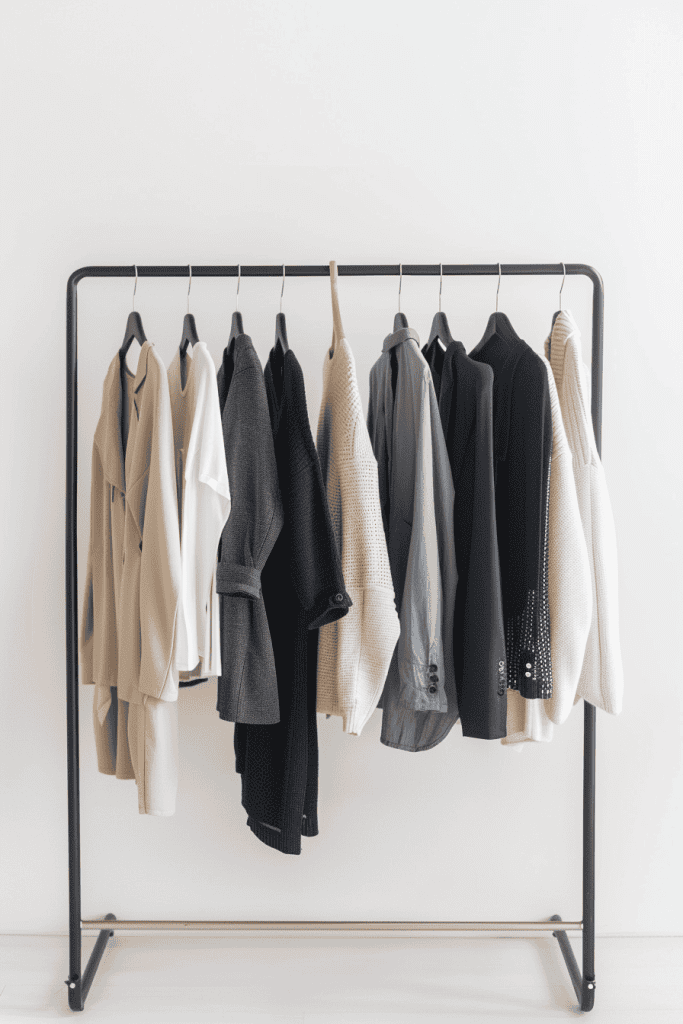
As you build your capsule wardrobe, it helps to pause and ask a few grounding questions.
These checks keep the process focused and ensure every piece you sew adds real value to your closet.
- What do I reach for most in my current closet?
- Which fabrics feel best for my climate and daily rhythm?
- Can this garment mix with at least three others?
- Does this reflect how I want to feel every day?
- Do I have the right balance of basics and interest pieces?
- Am I sewing at a pace that fits my energy and time?
Returning to these questions throughout the sewing process helps keep your capsule grounded in practicality while still reflecting your personal style.
Start Sewing Your Capsule Wardrobe Today
A handmade capsule wardrobe is built step by step, and with each garment you sew, you get closer to creating a closet that truly works for you.
Start small – choose one pattern, one fabric, and one project.
With each finished piece, your capsule will grow into a collection of clothes you enjoy wearing and trust to fit your life.
What’s the first garment you’d like to sew for your capsule wardrobe? Share your thoughts in the comments below.
FAQs
How many pieces should I include in my capsule wardrobe?
Most people aim for 20–30 garments, but there isn’t a strict number. The right size depends on your lifestyle, climate, and how often you do laundry. Focus on versatility, not a fixed count.
Should I make muslins (test garments) for capsule pieces?
Yes, especially for core patterns you plan to repeat. A muslin helps you adjust fit before cutting into your final fabric, which saves time and fabric in the long run.
What sewing level do I need to start a capsule wardrobe?
Beginners can start right away. Choose simple patterns like knit tops, elastic-waist skirts, or shift dresses. As your skills grow, add more complex garments like button-ups or trousers.
How do I budget for sewing a capsule wardrobe?
Plan fabric and pattern purchases in phases instead of buying everything at once. Prioritize quality basics first. Using one pattern multiple times also reduces costs.
Can I update my capsule wardrobe with seasonal changes?
Yes – rotate a few items in and out as the weather shifts. Keep your foundation pieces year-round, then add seasonal layers like a wool cardigan in winter or linen pants in summer.