
If you’ve ever stood in front of a shelf full of sewing machines and felt overwhelmed, you’re definitely not alone.
All the different features and model names can make it hard to know where to even begin.
But once you understand the basics of what matters (and what you can ignore), it becomes a much easier decision.
In this article, I’ll cover how to pick a machine that fits your needs, your space, and the types of projects you want to make.
By the end, you’ll know exactly what to look for so you can buy with confidence and feel good about your choice.
Understand Your Sewing Goals First
Before comparing features or prices, start by asking one simple question: What do I want to sew?
Your answer will shape every decision that follows.
If your main goal is to hem jeans, mend kids’ clothes, or sew pillow covers, you’ll only need a machine with basic functions – a straight stitch and a zigzag stitch.
These two can handle most home projects beautifully. But if you plan to sew thicker fabrics like denim, canvas, or drapery, you’ll want a machine with more weight and a slightly stronger motor, so the fabric moves smoothly under the presser foot.
Here’s a quick way to think about it:
- Everyday sewing (repairs, clothes, crafts): choose a lightweight or mid-weight machine with simple stitch settings.
- Home and décor projects (curtains, slipcovers, cushions): look for a sturdier frame and adjustable tension.
- Creative sewing (quilting, embroidery, mixed fabrics): consider a computerized machine with a few specialty features.
The point is to match your machine to the kind of sewing you’ll actually do.
Once that’s clear, you’ll see how easy it is to recognize what fits and what’s just extra.
Key Features Every Beginner Truly Needs
When you’re buying your first sewing machine, it helps to know which features actually make sewing easier – and which ones you can skip.
Most modern machines come with long lists of stitches, but truthfully, you’ll rely on just a few.
The rest can wait until you’ve spent time learning the basics.
Start with the essentials:
- Straight stitch: your foundation for almost every project – from seams to topstitching.
- Zigzag stitch: useful for finishing raw edges, sewing stretch fabrics, or repairing tears.
- Reverse stitch button or lever: this locks in your seams at the beginning and end of each line of stitching, so your work holds up over time.
Those three features are non-negotiable. If a machine can do them cleanly, you’ve already got 90% of what you need.
Next, look for adjustability – it makes a big difference in your results:
- Adjustable stitch length and width: helps control how your stitches look and feel, whether you’re sewing a fine cotton or a heavier canvas.
- Manual tension control: gives you better consistency across different fabrics.
- Needle up/down setting: especially helpful when pivoting corners or sewing curves.
A few optional extras can make life easier but aren’t deal-breakers:
- Built-in needle threader (saves time and frustration).
- Free arm (for sleeves, cuffs, and smaller circles).
- Drop-in bobbin (lets you see when your thread is running low).
Think of these as conveniences rather than must-haves.
The Weight and Build of Your Sewing Machine
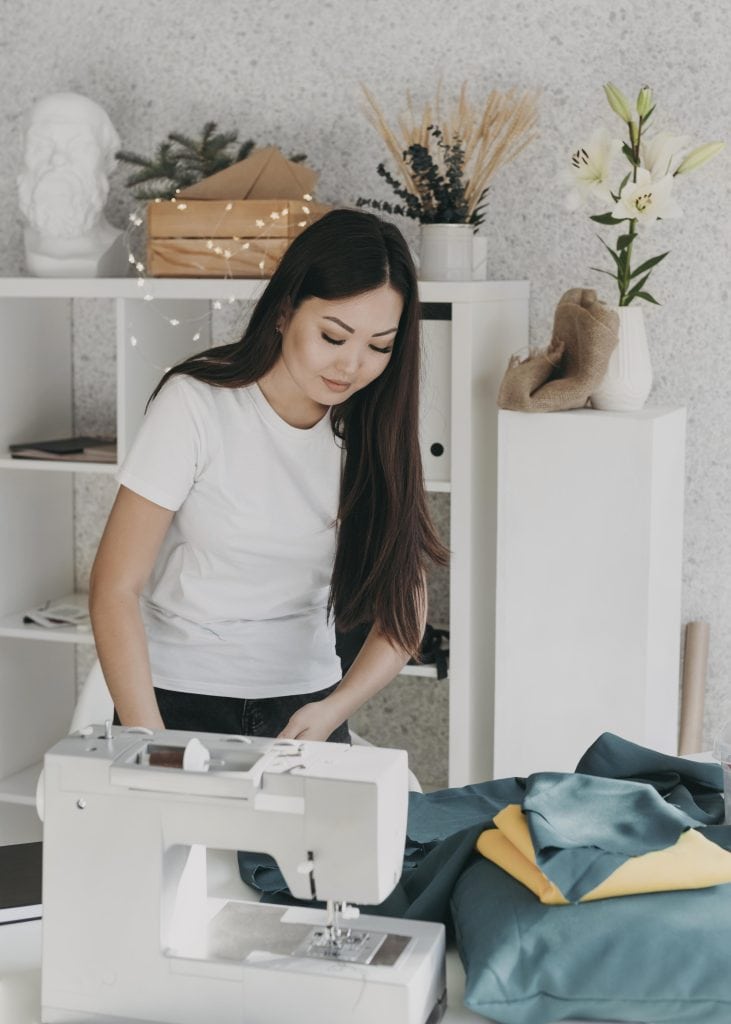
When it comes to sewing machines, weight tells you a lot about what’s inside.
A sturdy, slightly heavier machine usually has more metal parts, which means it will stay stable while you sew and handle thicker fabrics without shifting around.
You’ll notice the difference the first time you feed a large piece of fabric through.
A solid machine stays planted on the table, letting the fabric move instead of the machine.
That steadiness helps your stitches stay straight and even, especially when sewing curtains, denim, or quilt layers.
If you want to understand more about what’s inside, check out our guide on the anatomy of a sewing machine – knowing the internal parts can help you choose one that will last.
Here’s what to keep in mind when you’re shopping:
- Metal frame: offers long-term durability and smooth operation. Machines built with a metal interior feel balanced and quiet when running.
- Plastic frame: lighter to lift and move, but can vibrate more – best for smaller projects or portable use.
- Weight check: lift the machine if possible. If it feels too light to stay in place, it probably is. Aim for a bit of substance – you’ll appreciate it when working on bigger pieces.
If your sewing space is permanent, go for a heavier model and leave it set up.
If you’ll store it between uses or travel with it, choose something mid-weight – light enough to move, but not so light it slides when you sew.
The right balance of weight and structure makes the whole sewing experience feel steady, calm, and controlled.
The Different Types of Sewing Machines
Sewing machines generally fall into a few main types.
Knowing what each one does helps you choose based on how you actually sew – not just what looks impressive on the box.
Mechanical Machines

These are the dependable workhorses of the sewing world.
You’ll adjust stitch length, width, and tension with simple knobs or dials.
Mechanical machines are easy to learn on, straightforward to maintain, and often more forgiving when it comes to small mistakes.
They’re ideal for beginners who like hands-on control and want a machine that can last for years with basic upkeep.
Best for: beginners, everyday sewing, and those who like simplicity.
Typical price range: $150–$300.
Computerized Machines
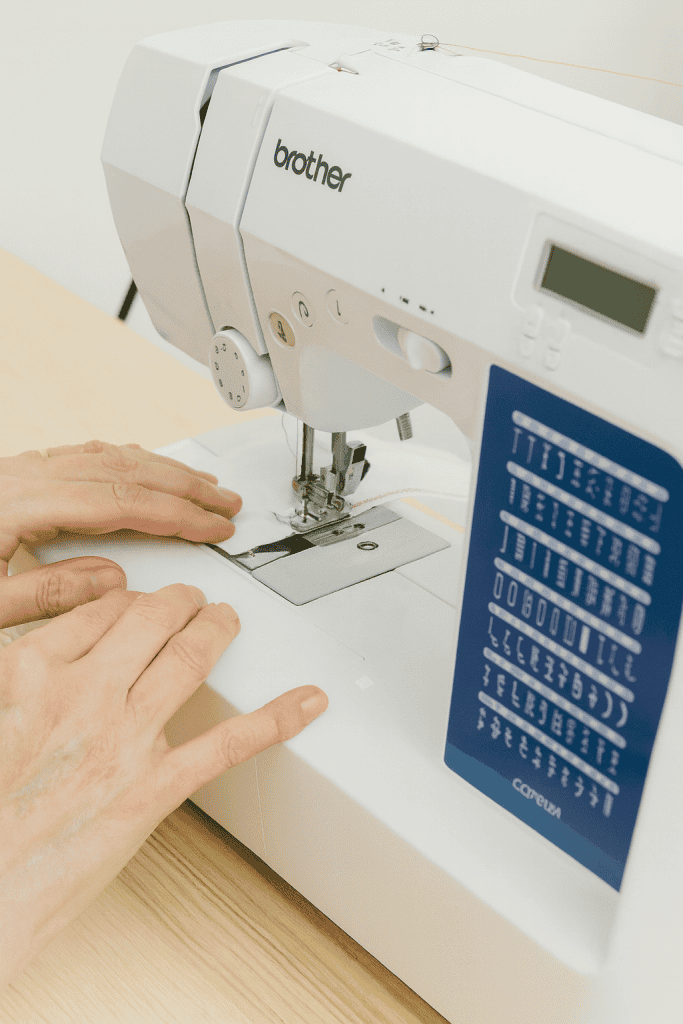
These come with digital controls and preset stitch patterns.
Some can remember your settings, automatically lift the needle, or adjust tension for you.
They’re fast, precise, and convenient – but also more technical under the hood.
If you enjoy efficiency and don’t mind learning a few buttons, a computerized machine can make sewing smoother and faster.
Best for: intermediate sewists, frequent use, or projects requiring accuracy.
Typical price range: $250–$600+
Heavy-Duty Machines
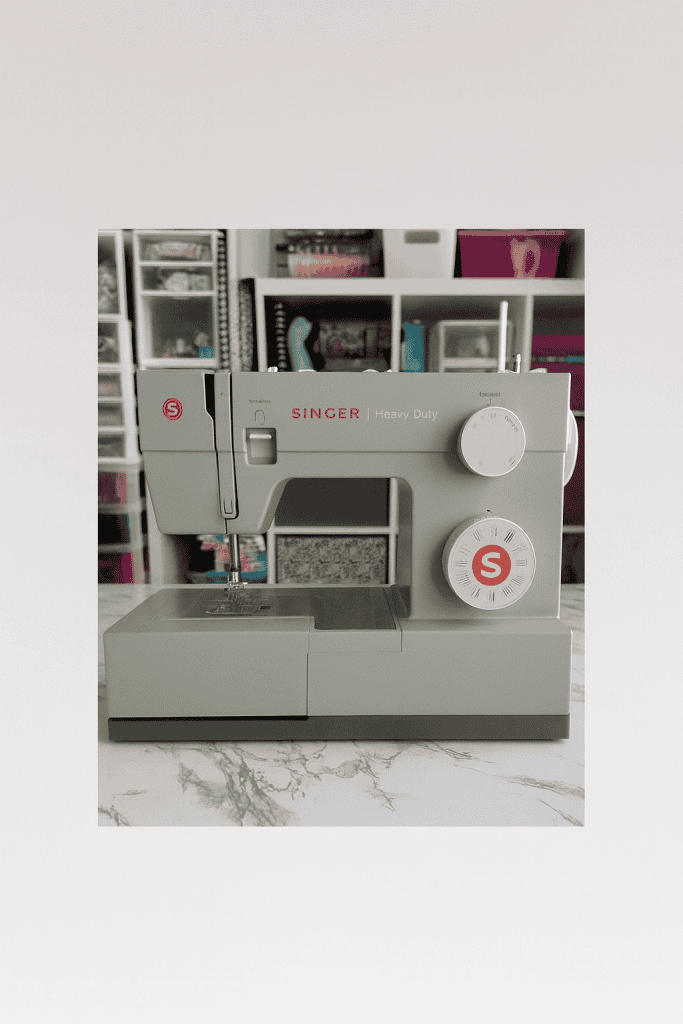
Built for strength, these machines handle thick fabrics like denim, canvas, or upholstery.
They usually have reinforced motors and more metal parts, giving them extra stability and power.
Even if you only sew occasionally, a heavy-duty model can be worth it if you plan to make home décor or outdoor projects.
Best for: sewing thick or layered materials, home projects, and long-term reliability.
Serger (Overlocker) Machines
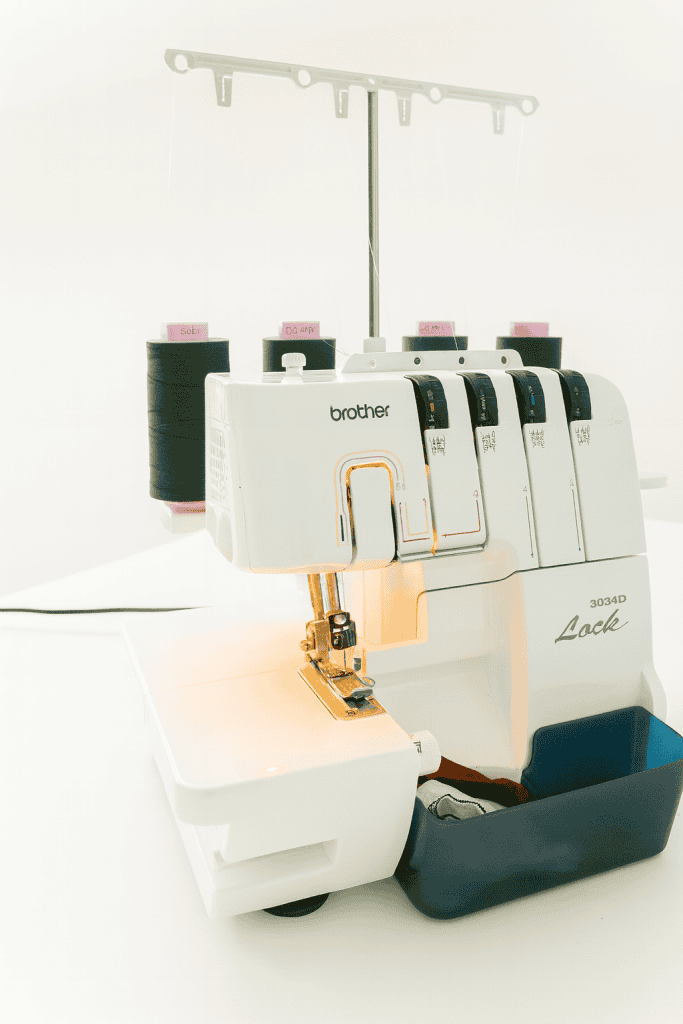
A serger isn’t a replacement for a sewing machine – it’s a companion.
It trims and finishes fabric edges in one step, creating the professional look you see on store-bought clothes.
Some sewists add one later to finish seams more neatly, but it’s not essential for beginners.
Best for: advanced finishing, stretch fabrics, and those who already have a basic machine.
Think of it this way:
- A mechanical machine teaches you the rhythm of sewing.
- A computerized machine helps you refine it.
- A heavy-duty machine supports bigger goals.
- A serger perfects the final touch.
If you want to understand what’s happening inside one, check out the anatomy of a serger – knowing the parts can help you make the most of it.
Once you know which type fits your needs, the rest of the buying process becomes much clearer.
Which Sewing Machine Brands Are the Most Durable?
When it comes to sewing machines, brand names can be helpful – but they shouldn’t be the deciding factor.
Every brand has models that shine and others that fall short.
What matters more is the build quality, the feel of the machine, and how it performs with real fabric under the needle.
Older models from trusted brands often have a stronger metal interior and fewer electronic parts.
Many home sewists still rely on vintage Singer or Kenmore machines that run smoothly after decades of use.
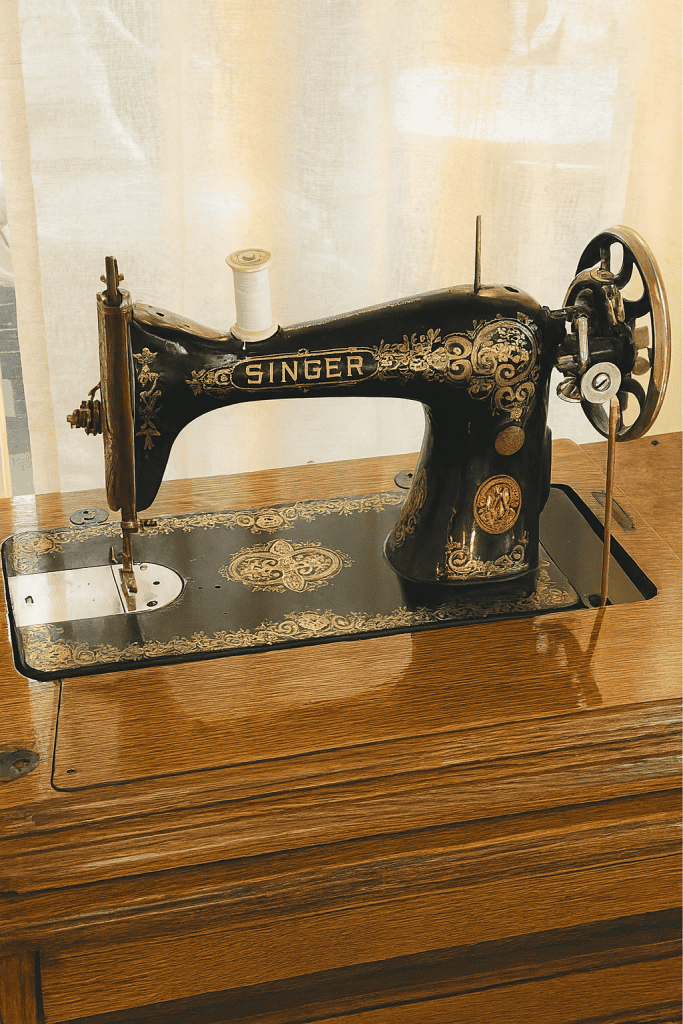
They were built to last and can often be repaired or cleaned with simple tools.
Modern machines from brands like Brother, Janome, and Juki are known for reliability and user-friendly design.

- Brother machines tend to be affordable and approachable for beginners.
- Janome models are praised for smooth stitching and quiet operation.
- Juki machines are popular among those who sew thicker fabrics or want industrial-level performance in a home model.
If you’re shopping for your first sewing machine, start by:
- Reading user reviews – Look for comments about ease of threading, fabric handling, and noise level.
- Checking for available parts and service centers – A good brand is one that makes it easy to find accessories and repairs years later.
- Comparing warranty coverage – Reliable brands back their machines with strong warranties on motors and electrical components.
The goal is to find a model that fits your pace and holds up through consistent use.
If possible, test a few in-store or watch video reviews of people sewing real projects. Pay attention to how the fabric moves, the tone of the motor, and how the controls respond. Those details tell you far more about reliability than any marketing label ever could.
Setting a Realistic Budget
A good sewing machine just needs to do its job well.
When you know what you’re looking for, you can find a sturdy, capable machine in nearly any price range.
The Sweet Spot
You can find a dependable sewing machine in the $150–$300 range.
In this bracket, look for models that offer a straight stitch, zigzag stitch, and reverse function.
Machines from Brother, Janome, or Singer often deliver smooth operation and durability without unnecessary extras.
When to Step Up
If you plan to sew regularly, consider the $300–$600 range.
These midrange machines often include helpful features – automatic needle threading, built-in lighting, or a stronger motor for thicker fabrics.
They feel steadier and run quieter, making them worth the extra cost if sewing becomes part of your weekly rhythm.
Advanced and Specialty Models
Machines above $600 usually cater to specialized sewing: quilting, embroidery, or heavy-duty fabrics.
These are excellent for long-term hobbyists or small business use, but not necessary for everyday sewing or learning the basics.
Budget for the Extras
Set aside a little for the essentials that keep sewing smooth:
- Quality thread and sharp scissors
- Extra needles and bobbins
- A simple toolkit for maintenance
Buy the best you can comfortably afford. A solid midrange machine often delivers the best balance of reliability and simplicity – no flash, just steady performance you can count on.
Try Before You Buy (If You Can)
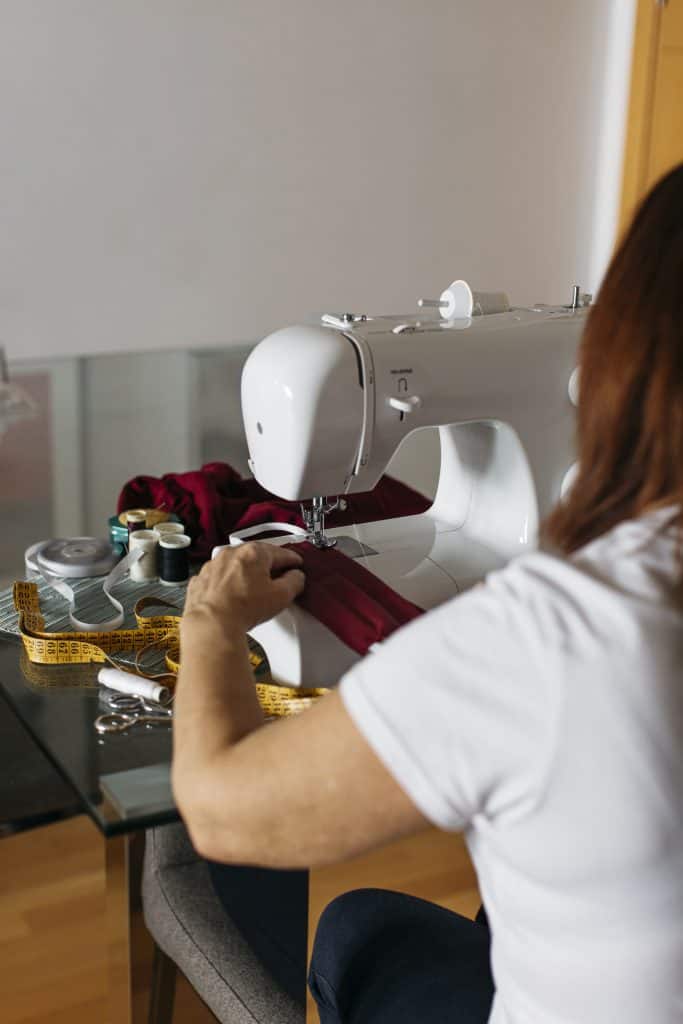
Sewing is a hands-on craft, and the best way to know if a machine fits you is to sit down and use it.
Whenever possible, visit a local sewing shop or craft store and try a few models side by side.
It’s the most reliable way to understand how each machine feels in motion – something no list of features can replace.
Start with a small piece of medium-weight cotton. As you press the foot pedal, pay attention to three things:
- How it sounds – A smooth, steady hum usually signals a well-built motor. A rattling or high-pitched noise can mean lightweight parts inside.
- How it moves fabric – The feed dogs (those little teeth under the presser foot) should grip fabric evenly and pull it through without effort.
- How it feels to handle – The controls, knobs, and reverse lever should feel firm, not loose or flimsy.
Try switching between straight and zigzag stitches. Adjust the stitch length, lift the presser foot, and use the reverse button.
The goal is to notice if the machine feels intuitive. If it does, you’ll sew with more confidence right from the start.
If you’re buying online, look for video demonstrations from reputable reviewers.
Watch how the machine performs on different fabrics – cotton, denim, and knits.
Read through verified user feedback to spot recurring details like “smooth threading,” “easy tension,” or “consistent stitch quality.”
Buying a sewing machine is a tactile decision.
When you find one that runs smoothly, feels balanced, and responds naturally to your touch, you’ve found a good match.
You may also want to look at how to set up your sewing machine so everything runs smoothly once you bring it home.
What Comes in the Box – Accessories and Attachments
Before finalizing your purchase, take a close look at what’s included with the sewing machine.
The accessories that come in the box can tell you a lot about how beginner-friendly the model is – and whether you’ll need to spend extra later.
Most reliable machines include a basic starter set that covers everyday sewing.
Look for these essentials:
- Extra bobbins: You’ll always need more than one, especially when switching thread colors.
- A few presser feet: At minimum, your machine should include a standard foot, a zipper foot, and a buttonhole foot. These three let you handle most basic projects right away. Learn more about the most common presser feet to see what each does.
- Needles: A small starter pack lets you try different sizes for woven and stretch fabrics.
- Seam ripper and small screwdriver: Handy for maintenance and adjustments.
- Spool caps and cleaning brush: Keep thread feeding smoothly and lint under control.
- Soft dust cover: Protects your machine when not in use.
Some models go a step further and include useful extras like a walking foot (for quilting or slippery fabrics), a blind hem foot, or an extension table for larger projects.
These aren’t must-haves, but they’re valuable bonuses that add flexibility as your skills grow.
If you’re comparing machines, check whether accessories are standard or proprietary.
Machines that use standard presser feet and parts make it easier to replace or upgrade later.
Proprietary systems sometimes limit your options or cost more over time.
A thoughtful accessory kit means you can start sewing right out of the box – no extra trips to the store, no surprises.
Maintenance, Longevity, and Repair Support
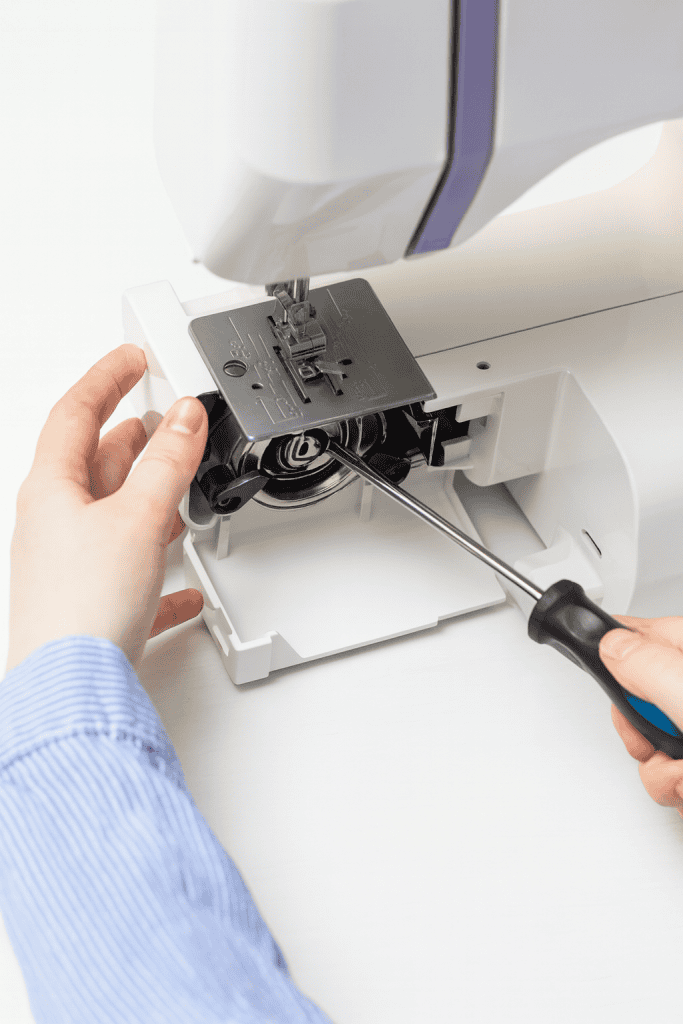
Whether you sew every week or once a season, simple maintenance habits will keep your machine running smoothly and prevent small issues from turning into bigger ones.
Start by getting comfortable with cleaning and oiling. Lint and loose fibers naturally collect around the bobbin case and feed dogs, especially when sewing cotton or fleece.
A small brush – usually included in the box – is all you need to clear it out.
For machines that require oiling, use only a few drops of sewing machine oil in the points marked in the manual. Skip household oils; they can gum up the mechanism.
When choosing a machine, look for easy access panels so you can open the bobbin area and clean it yourself.
Some modern models are labeled “maintenance-free,” meaning they’re pre-lubricated and sealed.
That’s convenient, but if you sew often, a machine you can service at home offers more control and longer life.
It’s also worth checking whether replacement parts and service centers are readily available.
A good brand supports its machines with parts you can still order years later – needles, bobbins, belts, and even motors if needed.
Here’s a good rhythm to follow:
- After every few projects: Brush out lint and rethread the machine.
- Every few months: Change the needle – it dulls faster than you think.
- Once a year: Have it serviced if you sew regularly, especially if it’s computerized.
Mechanical machines tend to last decades with basic cleaning and oiling.
Computerized ones can too, as long as they’re handled gently and stored away from moisture and dust. The key is consistency.
Warranty, Service, and Support
Before buying, it’s worth taking a few minutes to look into what kind of warranty and service the manufacturer offers.
Those details often reveal how much confidence they have in their machines.
Start by checking the warranty period. Most reputable brands include a limited warranty that separates coverage by parts:
- Motor: often covered for up to 20–25 years.
- Electrical components: usually 2–5 years.
- Labor and adjustments: typically 1 year.
These numbers vary, but longer warranties generally indicate better internal construction and stronger manufacturer backing.
Next, consider service availability.
Before you buy, find out if there’s a local repair shop or authorized dealer nearby that handles the brand you’re considering.
Even the best machines occasionally need fine-tuning – having someone local saves time and shipping costs.
If you’re buying online, check whether the seller is authorized by the manufacturer.
Warranties are sometimes valid only when purchased through approved retailers.
Also, make it a habit to register your machine online after purchase. It takes less than five minutes and ensures your warranty is active.
Registration also makes it easier to access software updates, manuals, and replacement part orders later on.
And finally, don’t overlook customer support.
Some brands, like Brother and Janome, are known for helpful phone or email assistance and quick responses.
Reliable support means you’ll always have someone to guide you through setup questions or small troubleshooting moments.
A clear warranty and accessible service give you peace of mind.
Where to Shop for a Sewing Machine
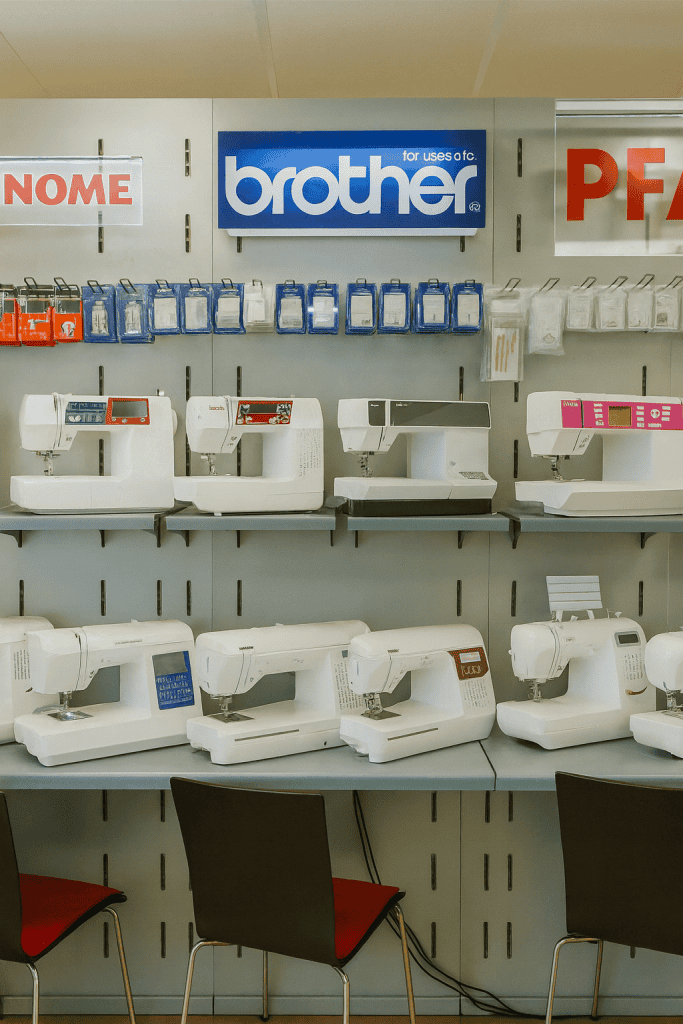
Once you know what kind of machine you want, the next step is finding the right place to buy it.
Where you shop can affect not only the price, but also the kind of support and setup help you receive after the box is opened.
Local Sewing Machine Dealers
Independent sewing machine shops are often worth the visit.
They’ll let you test models in person and can walk you through threading, cleaning, and basic maintenance before you even take it home.
Many offer free lessons or discounts on accessories with your purchase.
Best of all, they become your go-to for future servicing – something you’ll appreciate years from now.
Craft and Department Stores
Retailers like JoAnn, Hobby Lobby, or Costco occasionally carry reputable models, especially from Brother, Singer, or Janome.
These stores often have bundle deals that include accessories, extension tables, or extra feet.
The trade-off is that the staff may not always specialize in sewing, so it helps to arrive knowing what you’re looking for.
Online Retailers
Buying online can be convenient and cost-effective, especially if you’ve already test-driven the model elsewhere.
Look for authorized sellers on platforms like Amazon or directly from the brand’s official site.
Read recent reviews to confirm the seller’s reputation and check return policies carefully – most machines should come with at least a 30-day return window.
Secondhand and Refurbished Options
A pre-owned or refurbished machine can be an excellent value, especially if it’s from a trusted brand.
Many local dealers and certified refurbishers inspect and tune up machines before resale.
If buying secondhand from an individual, test the machine in person to ensure the motor runs smoothly and the stitches are even.
Wherever you buy, make sure the purchase includes a return option, warranty documentation, and clear setup instructions. The right source doesn’t just sell you a machine – it helps you start your sewing journey with confidence and support behind you.
Major Red Flags to Avoid When Buying a Sewing Machine

When you’re choosing a sewing machine, it’s helpful to know what details deserve a second look.
Instead of thinking in terms of problems, think of these as signs to pause and check before you buy.
Too Light or Unsteady on the Table
A sewing machine should stay put when you sew.
If it slides or vibrates during use, it may not have enough internal weight or metal structure.
A stable machine produces cleaner, straighter stitches and feels easier to control.
No Reverse Stitch Function
Every machine – no matter how basic – should let you sew in reverse to lock your seams.
If that feature is missing or awkward to reach, it will limit what you can make.
Plastic Parts That Feel Fragile
Plastic outer casings are common, but knobs, levers, or presser feet that bend easily are a sign of poor quality.
Choose a machine that feels firm and responsive when you turn a dial or press a button.
Confusing Controls or Poor Labeling
When you sit at a machine, the stitch controls and threading path should make sense right away.
If you have to guess what a button does or can’t find clear markings, the design might cause more frustration than ease.
Limited Parts or Service Availability
Before buying, check that the brand still offers replacement parts, accessories, and local servicing.
A good sewing machine is built to last, and you want one that can be maintained for years – not just until a part wears out.
No Warranty or Unclear Return Policy
Reliable machines come with clear warranty terms and accessible support.
If a listing skips these details, it’s worth confirming before you buy.
Quick Checklist Before You Buy
Before you make the final decision, take a moment to run through this quick list.
Core Functions
- Straight stitch and zigzag stitch
- Reverse stitch button or lever
- Adjustable stitch length and width
- Manual tension control or clear auto-tension setting
Build and Feel
- Feels steady and balanced on the table
- Smooth motor sound (no rattling or skipping)
- Presser foot lowers and lifts easily
- Dials and buttons turn with firm resistance, not wobble
Ease of Use
- Drop-in bobbin or front-load system that’s easy to thread
- Needle threader or clear threading path
- Clear stitch markings and diagrams on the body
- Free arm available for sleeves and small items
Included Accessories
- Standard, zipper, and buttonhole presser feet
- Extra bobbins and needles
- Cleaning brush, screwdriver, and dust cover
- Instruction manual (printed or digital)
Support and Longevity
- Warranty included and registered
- Replacement parts and service available
- Positive user reviews with consistent performance feedback
If a machine checks most of these boxes, you can buy with confidence.
Pick Your First Sewing Machine with Confidence
Once you understand what matters – stitch options, solid build, and dependable performance – the process becomes clear and empowering.
A good sewing machine should feel steady, sound smooth, and make you eager to start.
With the right one, you’ll spend less time adjusting knobs and more time sewing clothes, home goods, and projects you’ll actually use.
If you’ve recently bought a machine or are still comparing, I’d love to hear about your experience.
Comment below and share what you’re looking for – or which model has become your favorite.
Your insights might help another beginner choose with confidence, too.
FAQs
1. What’s the best sewing machine for absolute beginners?
For beginners, look for a mechanical machine with straight and zigzag stitches, a reverse lever, and adjustable stitch length. The Brother XM2701, Janome Magnolia 7318, and Singer Heavy Duty 4423 are popular for their simplicity and reliable performance.
2. How important is automatic threading?
Automatic threading is convenient, especially if you sew often, but not essential. A clear threading guide on the machine works just as well. If threading feels tricky, you can always use a simple needle threader tool.
3. How do I know if a sewing machine can handle thicker fabrics like denim or canvas?
Check the motor strength and presser foot clearance. Machines labeled “heavy-duty” or those with metal interiors typically handle thick layers better. When testing in-store, try sewing through folded denim – it should move smoothly without strain or skipping stitches.
4. What type of maintenance should I do at home?
After every few projects, brush out lint from the bobbin area and under the needle plate. Change the needle regularly and use sewing machine oil only where your manual directs. A light cleaning routine keeps your machine running quietly and consistently.
5. Is it worth buying a used sewing machine?
Yes – if it’s from a reputable brand and has been well cared for. Check that it runs smoothly, sews evenly, and includes the power cord, foot pedal, and manual. Many local dealers sell refurbished machines that have been serviced and tested for reliability.