
Finding fabric for sewing clothes can actually be both practical and cost-effective.
You can gather soft, durable, and beautiful materials that feel great to wear and make your projects shine – all without spending a fortune.
I shop thrift stores, check local fabric shops, and sometimes order online.
I’ve learned how to tell what fabrics are worth buying, how to work with blends, and how to make thrifted finds stretch across several projects.
In this article, I’ll share the practical steps I take to find fabrics that are affordable, durable, and perfect for sewing clothes you’ll actually wear.
Start With What You Know – Your Closet and Favorite Fabrics

A simple way to start finding fabrics you’ll love is to look at what you already wear. Pull out your favorite clothes and check the care tags.
What are they made of? Cotton, linen, rayon, or a blend?
Understanding the materials you naturally gravitate toward helps you recognize fabrics that will feel good against your skin and drape nicely.
If you’re unsure how to decode fiber percentages and care symbols, I walk through it step-by-step in my guide on how to read fabric labels like a pro – it makes shopping so much easier once you know what to look for.
If a dress or top has a shape and texture you love, that’s a clue for the kind of fabric to look for when shopping.
Next, take a moment to feel the fabric in your hands.
Is it soft, breathable, or stretchy in the right spots? Does it have a nice weight or drape?
Paying attention to these details makes it easier to choose fabrics that will perform well in your projects.
Thrift Stores
Thrift stores are a goldmine for budget-friendly fabric.
Sheets, blankets, old clothing, and even tablecloths can be repurposed into garments that are soft, durable, and ready for everyday wear.
These fabrics have already been washed and softened, saving time and giving clothes a lived-in feel right from the start.
When looking through thrifted fabrics, focus on natural fibers like cotton, linen, bamboo, or rayon. These materials wash well and hold up over time.
If you’re not sure whether something is truly natural fiber, a simple burn test for natural fabrics can help you confirm before committing to a larger project.
Don’t worry about minor stains or worn edges – cut around them or save scraps for smaller projects like napkins, pillowcases, or patchwork details.
My Go-To Ways to Score Fabric on a Budget

I make a habit of visiting thrift stores regularly, keeping an eye out for sheets, blankets, and even old clothing that can be upcycled into sewing projects.
It’s surprising how much usable fabric is tucked away in places you wouldn’t expect.
Online marketplaces are another favorite. Facebook Marketplace, local buy-and-sell groups, and eBay can have fabrics waiting to be discovered.
It takes a little patience, but finding a good deal makes it feel worth the effort.
When I know I’ll use a fabric a lot, I buy in bulk. Having extra on hand means multiple projects can come from a single find, saving both time and money.
If you are specifically looking for linen, I’ve put together a guide on how to buy affordable linen fabric where I walk you through exactly what I look for (so you can find quality linen without overspending).
These habits have built a collection of fabrics that’s practical, versatile, and budget-friendly.
Local Fabric Stores
Once in a while, it’s worth stepping into a local fabric shop like Hobby Lobby, Michaels, or any nearby store.
Being able to touch and feel fabrics in person is invaluable – nothing beats running your hands over the texture, weight, and drape before deciding if it will work for your project.
Focus on natural fibers when possible: cotton, linen, gauze, bamboo knit, or fleece. These fabrics wash well, last long, and feel comfortable to wear.
If you’re working with linen specifically, I also recommend reading my full guide on how to choose, pre-wash, cut and press linen fabric before sewing – it saves frustration later.
If 100% natural isn’t available, blends like cotton/linen or cotton/rayon are still practical and easier on the budget.
They hold up well and are versatile for clothing.
Take note of the width and texture, especially if your pattern calls for wide cuts or has tiers and layers.
Feeling fabrics regularly builds a kind of instinct – you start recognizing what works for clothes, what colors complement your wardrobe, and which fabrics are worth the investment.
Each visit teaches a little more about quality, durability, and what will feel good on the body. Over time, choosing the right fabric becomes second nature.
Learning to Recognize Quality and Fabric Characteristics

Getting to know fabrics is one of the most practical ways to save money and feel confident in your sewing projects.
Start with drape – how the fabric falls naturally. A fabric with a nice drape will follow the body’s shape without looking stiff or bulky.
Check thickness and stiffness. If a fabric feels too stiff, it can often be softened with washing. Natural fibers like cotton and linen usually get better with use.
For denim or stretch fabrics, look at the content tag. A small percentage of spandex adds flexibility, which can make a big difference in comfort and fit.
Transparency is another key factor. Hold the fabric up to the light – see-through fabrics might need lining, which adds cost and sewing time.
Feeling the hand of the fabric is crucial: soft, comfortable fabrics are easier to work with and more enjoyable to wear.
Pay attention to texture and slubs (small irregularities in natural fibers). These indicate authenticity and durability, especially in linen and cotton.
If you’re interested in going even deeper into traditional textile techniques, I share more about timeless natural dyes for fabric and how they enhance the beauty of natural fibers without synthetic finishes.
The more you practice handling fabrics, the faster you’ll learn to spot quality and predict how it behaves in finished garments.
Apparel Sections
When shopping for clothing fabric, start in the apparel section.
This is where fabrics are designed to move well on the body, feel comfortable, and drape naturally.
Focus here first – it saves time and reduces the chance of ending up with a fabric that looks good on the bolt but won’t wear well in a finished garment.
That said, don’t be afraid to explore other sections. Sometimes home décor fabrics, table linens, or even lightweight upholstery fabrics can surprise you.
Just check the fiber content, weight, and drape before committing.
Always take note of the width of the bolt, the selvage edges, and the grainline.
This matters for patterns that require wide cuts or have stripes and other designs that need careful alignment.
With regular visits, you’ll start recognizing fabrics that work for clothing versus those better suited for projects like bags, aprons, or home décor.
Over time, shopping becomes easier, more efficient, and even enjoyable.
Test Before You Commit
Before cutting into a beautiful, more expensive fabric, it’s smart to test your pattern first.
Making a toile (or a simple practice version) helps you see how the fabric behaves, how the seams fall, and how the finished garment will fit.
Affordable fabrics like muslin or thrifted sheets work perfectly for testing.
They give a clear picture of sizing and pattern adjustments without risking your nicer fabric.
This small step saves time, stress, and money in the long run.
When trying a new fabric, pay attention to drape, stretch, and weight.
A fabric that seems tricky at first can become much easier once you’ve tested it in a smaller version.
It’s a practical way to build confidence, especially with fabrics that are delicate, slippery, or have a strong pattern that needs careful alignment.
If you take the time to test patterns first, sewing becomes less stressful, and the finished garments are more likely to look polished, comfortable, and just how you imagined.
Shopping Online for Budget Fabrics

Buying fabric online can be a great way to find quality materials at reasonable prices.
Here’s how to make it work for you:
- Blackbird Fabrics: Offers a wide selection of natural fibers and blends. Perfect for basic apparel fabrics.
- Needleworks: Great for specialty prints and textures. Check the bolt width and fiber content before ordering.
- Spoonflower: Ideal for unique patterns and custom designs. Order a swatch first to make sure the colors match your vision.
- Etsy: A treasure trove for vintage fabrics, remnant cuts, and unique finds. Read the product descriptions and reviews carefully.
When shopping online, it’s important to take a few practical steps to make sure the fabric works for your projects:
- Check the material carefully to ensure it’s the fiber you want.
- Look at the bolt width so you can plan your pattern cuts accurately.
- Read the product description thoroughly and examine any photo reviews.
- Keep in mind that colors or tones may appear slightly different on your screen than in real life.
Following these steps helps avoid mistakes, ensures you get usable fabric, and keeps your budget on track.
Everyday Habits for Finding Great Fabric on a Budget
Here are a few small habits on finding a fabric:
- Make fabric browsing a regular part of your routine. Quick trips to thrift stores, local fabric shops, or even online scrolling sessions can turn into little treasure hunts. Over time, it becomes easier to spot the fabrics that will work beautifully for your projects.
- Take notes as you go. Jot down fiber types, widths, and textures, or snap a quick phone photo. It’s a simple trick that saves money and ensures every yard gets used thoughtfully.
- Pay attention to the little details. Selvage edges, grainlines, and bolt width might seem small, but they matter when making patterns like dresses, skirts, or tops.
- Test first. A small piece of muslin or a thrifted sheet can help you practice with a new fabric before cutting into your “perfect” yardage.
- Be patient and curious. Sometimes the best fabrics take a little digging, but when you find them, they feel like a gift – soft, durable, and full of potential.
These habits make fabric shopping more efficient and ensure the materials you buy perform well in your projects.
Affordable Fabrics Are Within Reach
Affordable, quality fabrics are out there.
Check care tags, feel the fabric, note width and grainlines, and test patterns with small pieces.
These small steps save money, reduce waste, and make sewing smoother and more satisfying.
Start small, experiment, and trust that over time your knowledge and confidence will grow.
What are your favorite ways to score quality fabrics on a budget? Drop your tips in the comments – I know other readers (and me!) would love to hear them.
Keep Your Sewing Patterns Neat and Easy to Find
As the seasons pass and projects add up, those little paper patterns have a way of piling into drawers and baskets.
And when you go to remake something, you end up searching instead of sewing.
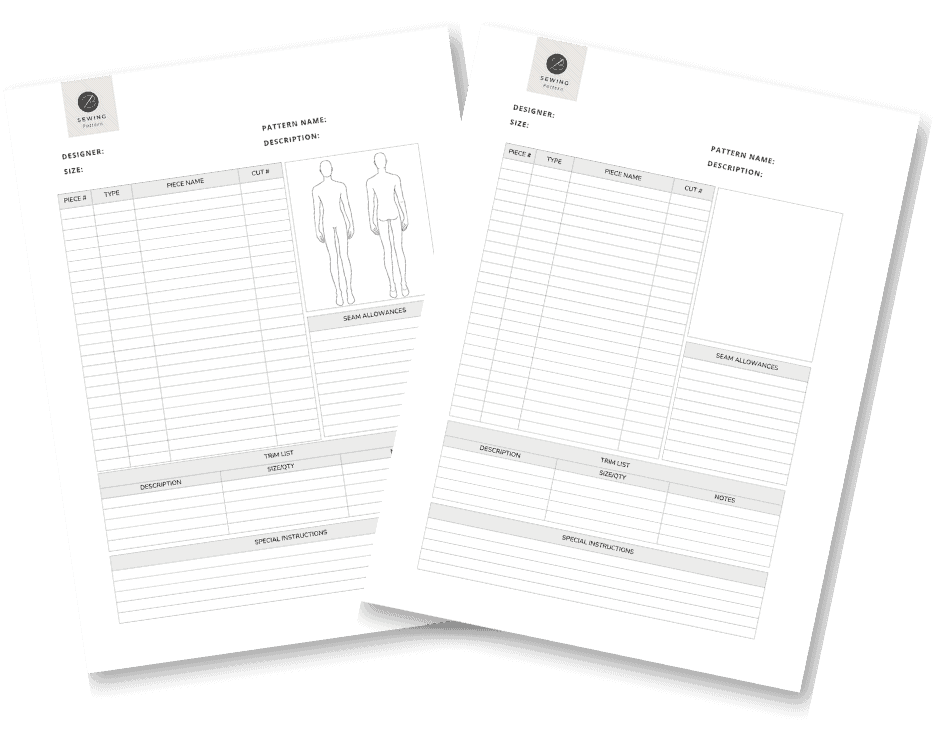
So I created these Free Sewing Pattern Labels to make things easier.
They’re simple.
They’re pretty.
And they help you store your patterns in a way that feels calm and intentional.
Print them, fill them out, and tuck them onto your pattern envelopes. That’s it.
A small step that keeps your creative space feeling peaceful and ready for the next project.
FAQs
1. How much fabric should I buy for clothing projects?
It depends on the pattern, fabric width, and size you’re making. Most dress and top patterns require 2 to 3 yards for standard 44–45 inch wide fabric. Wider bolts (58–60 inches) may require less.
Always check the pattern envelope before buying. If you’re thrifting sheets or buying secondhand, measure the usable width after trimming worn edges. When in doubt, buy a little extra so you can account for mistakes or pattern matching.
2. Should I prewash thrifted or store-bought fabric?
Yes. Always prewash.
Thrifted fabric may have been stored for years and can shrink unpredictably. Even new fabric from stores can shrink or bleed dye during the first wash.
Wash and dry fabric the same way you plan to care for the finished garment. This prevents surprises after you’ve already sewn everything together.
3. How do I know if a fabric will pill or wear out quickly?
Rub the fabric firmly between your fingers. If you see loose fibers lifting easily, it may pill over time.
Check the fiber content. Lower-quality synthetic blends are more prone to pilling, while tightly woven cotton, linen, or quality knits tend to hold up better.
Also look at weave density. If you can easily see through the weave or stretch the fibers apart with little effort, it may not be durable enough for everyday wear.
4. Is it okay to mix different fabric types in one garment?
Yes, as long as the fabrics behave similarly.
For example, mixing two woven fabrics with similar weight and drape usually works well. Mixing a stable woven with a stretchy knit can cause fit issues unless the pattern is designed for it.
Before sewing, wash both fabrics the same way and test a small seam sample. This helps you see if they stretch, shrink, or press differently.
5. How can I store fabric so it stays in good condition?
Keep fabric in a cool, dry space away from direct sunlight. Sun exposure can fade colors and weaken fibers over time.
Fold fabrics neatly or roll them to avoid deep creases. If storing long-term, avoid plastic bins without airflow. Breathable storage like cotton bins or shelves works better.
It also helps to label yardage and fiber content. Future-you will appreciate not having to guess what that mystery fabric is six months from now.