
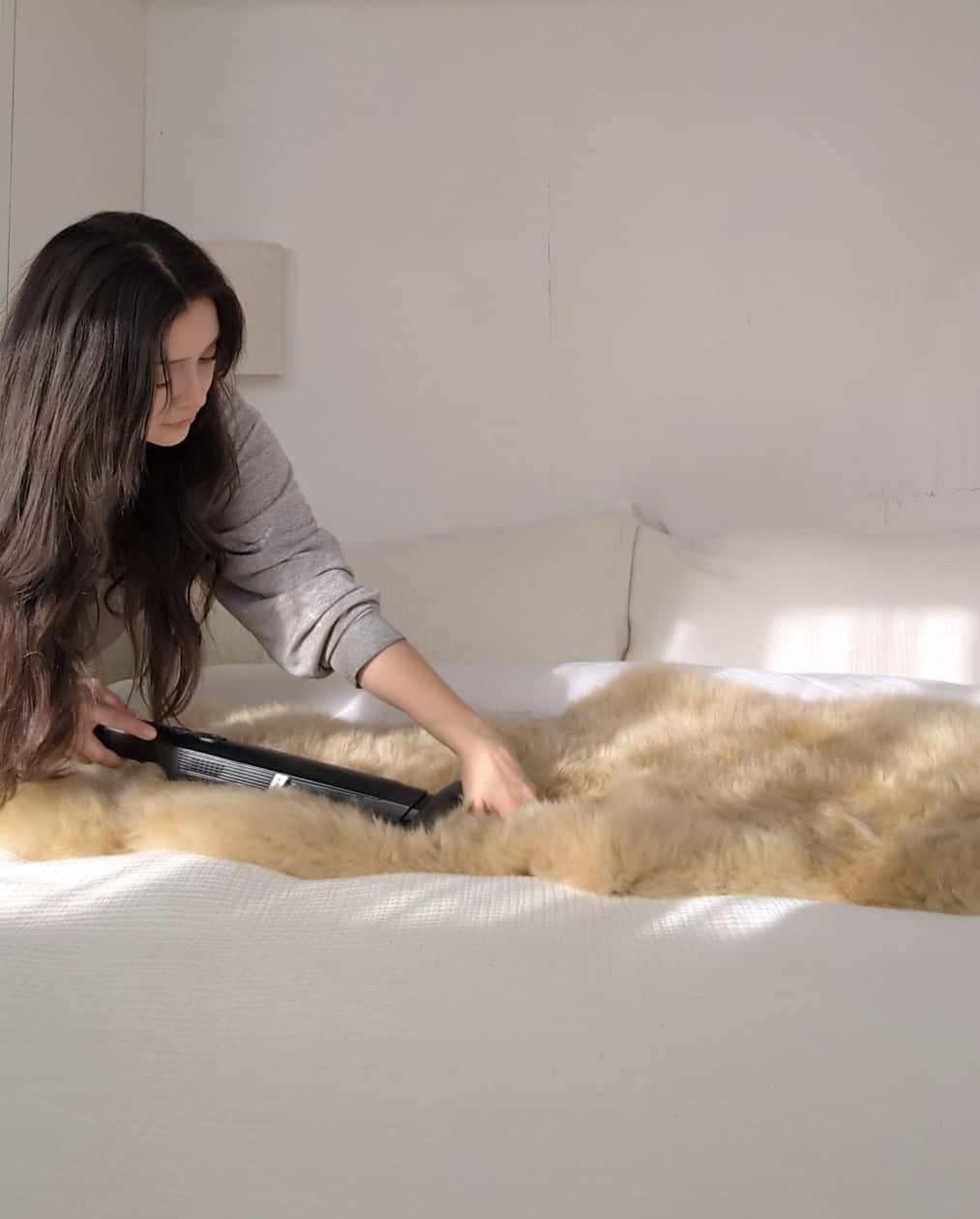
If you own a real sheepskin rug, you know how luxuriously soft and cozy it feels underfoot.
These natural rugs are durable heirloom pieces when cared for properly.
Real sheepskin (unlike faux fur) is the hide of a sheep, with wool on one side and leather on the other.
This means it has some amazing natural properties: the wool fibers contain lanolin, which makes them naturally antibacterial and even somewhat self-cleaning!
In other words, your rug resists dirt and odors better than most synthetic items.
But to keep it looking as lovely as the day you got it, you’ll want to follow some specific care steps.
In this post, I’ll walk you through simple, eco-conscious ways to clean and maintain your sheepskin rug so it stays plush and beautiful for a lifetime.
Disclosure: Some of the links in this post may earn me a small commission if you choose to make a purchase, at no extra cost to you. Thank you for supporting my work!
The Unique Benefits of Sheepskin Rugs
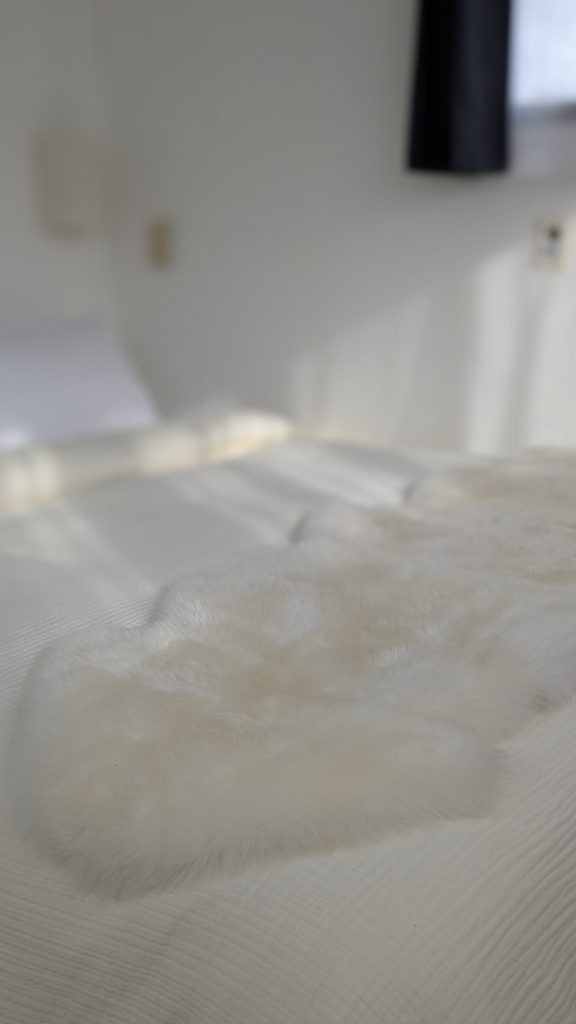
Before we get into cleaning, let’s appreciate what makes your sheepskin rug special.
As a natural product, a genuine sheepskin rug has unique needs and benefits.
The wool fibers are naturally insulating and moisture-wicking, helping keep you warm in winter and cool in summer.
The natural lanolin in sheep’s wool not only repels dirt but also gives sheepskin a built-in resistance to bacteria and odors.
That means you won’t need to wash your rug often – in fact, frequent washing isn’t recommended (more on that later).
Real sheepskin also develops a lovely patina with age, and with good care it can truly last for many years or even generations.
It’s one of those long-lasting natural materials that eco-conscious homemakers love, especially if you’re into sustainable, buy-it-for-life decor.
Its gentle, natural properties are also why it’s so safe and cozy for little ones – read more in science-backed sheepskin rug benefits for babies.
Note: Caring for real sheepskin is a little different from caring for synthetic faux-fur rugs, so these tips focus on genuine sheepskin hides. Always check that your rug is real sheepskin (most are, but some “sheepskin-look” rugs can be polyester) so you can treat it the right way.
Daily/Weekly Care to Keep Your Sheepskin Rug Fresh
One of the best things you can do for your sheepskin rug is to maintain it regularly in small ways. A little upkeep prevents the need for heavy cleaning.
Here are simple routine care tips to keep your rug fluffy and clean:
Give it a shake
Every so often (say weekly or whenever you’re cleaning house), take your rug outside and give it a good shake out.
This dislodges dust, dirt, and loose fibers and instantly freshens the wool.
Because wool fibers are resilient, a vigorous shake also helps the rug bounce back to its fluffy form if it’s looking a bit flat.
Brush it gently
Brushing is key to keeping that silky, cloud-like texture.
I used to teach dog grooming at an academy and even did a bit of dog training, mostly with poodles.
That means I got really good with grooming tools, and the experience comes in handy here – and sheepskin wool is very similar to poodle hair.
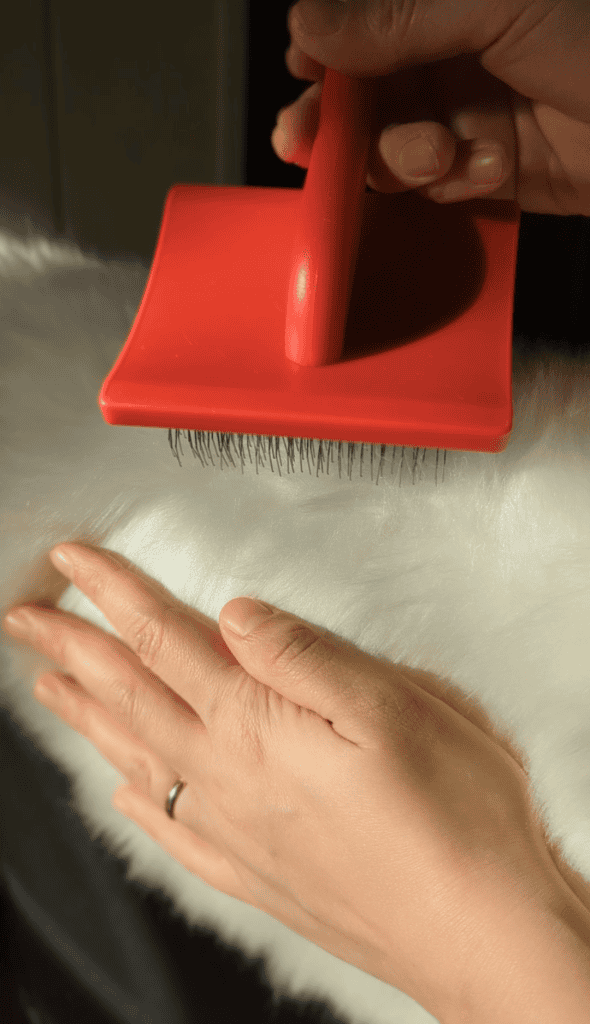
For brushes, I recommend a wide-tooth wire brush or a dog slicker brush. My favorite is the Chris Christensen Big Dog Slicker Brush.

- The Dog Brush: Big G Slicker Brush – groomers’ favorite for shedding, detangling, and styling. Coral, 3 sizes.
- Deshedding: Removes loose undercoat fast. Perfect for double-coated breeds.
- Detangling: Ideal for knots and mats, with 30% more pins than standard slickers.
- Poodle Brush: Fluffs curly coats. Great for Poodles, Bichons, Labradoodles, Goldendoodles.
- Design: Angled pins on cushioned pad; non-slip handle; curved back for control.
- Handmade in Germany: Durable, high-quality, 6-month warranty.
- Best in Show: Trusted by groomers and show pros since 1996.
This is the best brush ever for sheepskin. Used gently, it fluffs the wool, removes tangles, and even pulls out dirt and debris as you brush.
(Hands down, I recommend it over any other slicker brush for sheepskin.)
Brush in the direction of the wool, like you would a beloved pet – kindly, without yanking.
Even a couple of times a month keeps your rug soft, bouncy, and beautiful for years.
Vacuum carefully (optional)
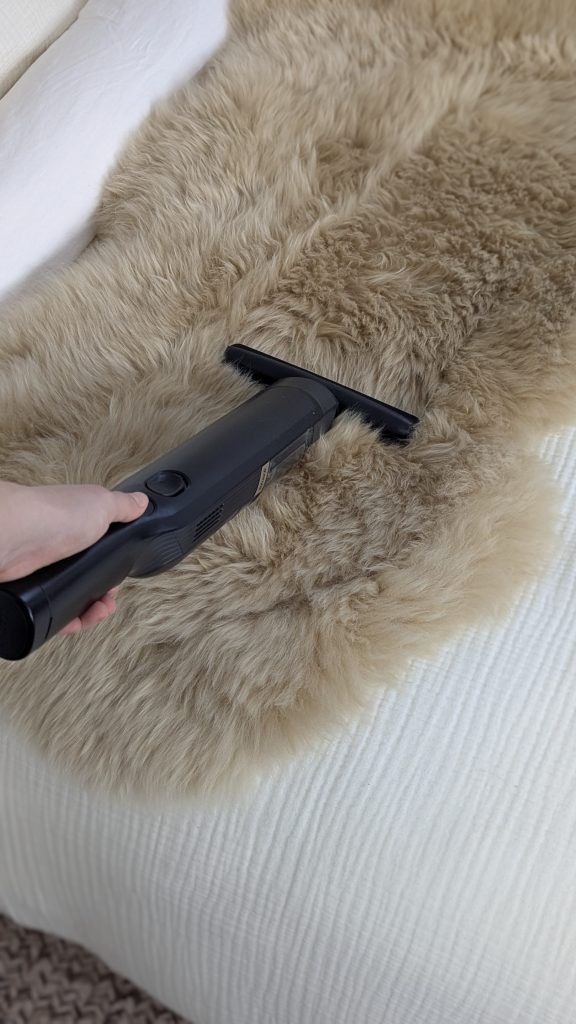
You can vacuum a sheepskin rug to pick up dust, but do it with care.
Use a vacuum’s lowest suction setting or an upholstery attachment (no spinning bristle bar that could snag the wool).
Many rug owners find simply shaking and brushing is enough day-to-day.
But if your rug is in a spot where crumbs or dust bunnies accumulate, a gentle vacuuming on occasion – with the vacuum head raised high or using a handheld vac – will do the trick.
Avoid aggressive vacuuming or high-power settings, as those can stretch or tear the fibers.
Choose the right spot
Here’s a preventive tip – consider where your sheepskin rug lives.
Sheepskins are best used as throws, accents, or in low-traffic areas rather than heavy walkways. (They look gorgeous draped over a chair or at your bedside!)
Constant foot traffic, especially with shoes, will dirty and wear out the rug faster.
If you adore the look of a sheepskin on the floor in a busy area, maybe swap in a faux sheepskin there and keep your real sheepskin in a cozier corner.
Using your sheepskin rug decoratively or in a gentle-traffic spot means less cleaning work and a longer life.
Avoid sunlight and dampness
Real sheepskin does not like harsh sun or humid, wet conditions.
UV light can bleach or yellow the wool over time and dry out the leather backing.
(Have you ever seen an old sheepskin turn yellowish? That’s from sun exposure – an oxidization process in the wool that cleaning can’t really reverse.)
So keep your rug out of direct sunlight, especially if it’s a dyed sheepskin or a pristine white one.
Similarly, damp or wet environments (like constantly damp basements or bathrooms) can cause the leather underside to mildew or the wool to curl and shrink.
Always dry out your rug if it gets wet, and store or use it in a dry place.
By following these maintenance habits – shaking, brushing, mindful placement, and avoiding sun or moisture – you’ll find your sheepskin stays fresh and clean most of the time.
Prevention and gentle regular care are truly better than cure here.
How to Wash a Sheepskin Rug (Only When Necessary)
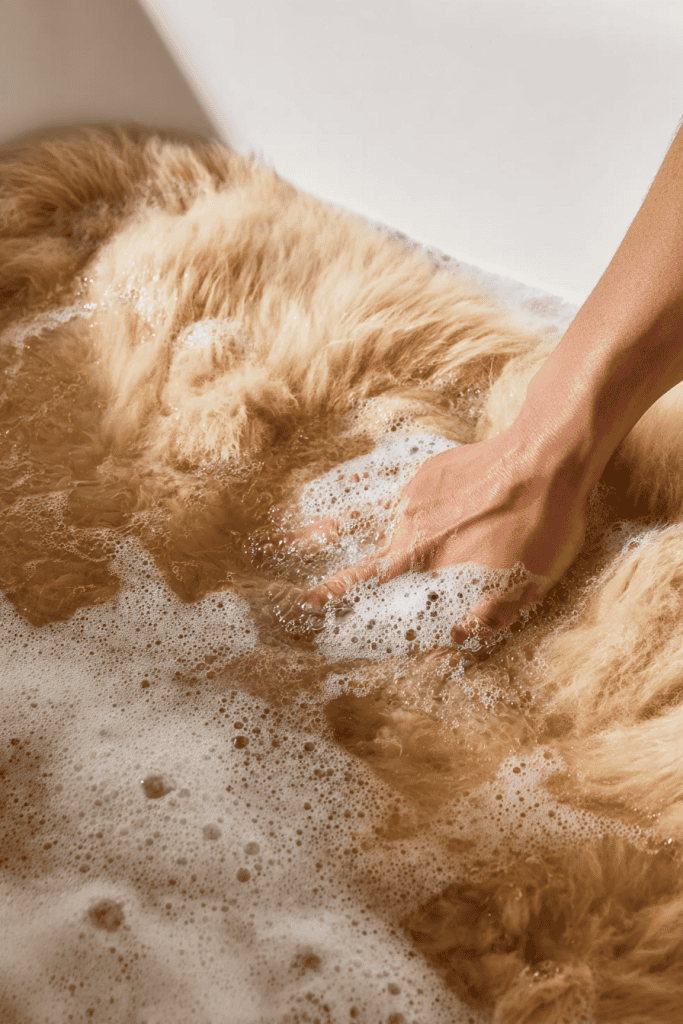
What if your rug has gotten really dirty over time or you had a major spill that just can’t be spot-cleaned?
In that case, a deeper cleaning might be needed. Washing a sheepskin rug is something to do infrequently and carefully.
Many experts actually advise against frequent washing of natural sheepskins, especially if they are older than a decade.
The combination of water and leather can be tricky – if done wrong, you could end up with a shrunken or hardened hide.
But with the right technique, you can wash a sheepskin rug at home.
Let’s go through it step by step.
Before you wash: Check the care label on your rug if it has one. Some smaller sheepskin rugs are labeled as hand-washable or even machine-washable on gentle, while others (or large rugs) might say “Dry Clean Only.” If it’s the latter, you might decide to skip home washing to be safe.
Also, be aware washing can cause minor changes – a bit of shrinking or a different texture – so proceed only if it’s really necessary. When in doubt, you can always consult a professional cleaner who specializes in sheepskin.
If you’re ready to wash, here’s a safe, gentle method I recommend:
1. Prep with a shake & brush
Before getting the rug wet, take it outside and give it a really good shake.
- Shake out as much loose dirt, crumbs, dust, and hair as you can.
- Then give it a thorough brushing to loosen anything stuck deeper in the fibers.
Wet washing is much more effective when the rug is already free of surface debris.
Plus, you don’t want mud or grit swirling around in the wash water and rubbing against the wool and leather.
2. Use cool or lukewarm water
Fill a bathtub or large basin with lukewarm water – not hot.
Aim for about 30°C (86°F) or cooler. Hot water can cause the wool to felt and the leather to shrink or even disintegrate, so keep it cool/cold.
If you’re washing in a machine, set it to the cold “wool” cycle, no hotter than 30°C (and turn off any spin cycle to be extra gentle).
3. Add mild wool detergent
Next, add your cleanser to the water. This step is really important for protecting both the wool and the leather:
- Use a specialized wool shampoo or a mild detergent that’s specifically made for wool/sheepskin.
- Regular laundry detergents are too harsh – many contain enzymes, bleach, or strong surfactants that will strip the natural oils and damage the fibers.
- Look for something non-biological, pH-neutral, and ideally made for natural fibers.
My sheepskin rugs are for my babies so I’m very picky about what I use. I focus on organic, gentle, non-toxic products as much as possible to avoid irritation or rashes.
This is the shampoo I personally use and love on my sheepskin rugs (and trust around my babies):

- Gentle on Wool & Delicates: pH-neutral detergent for wool, cashmere, silk, and sheepskin.
- Plant-Based & Effective: Refreshes garments and baby items while protecting fibers.
- Safe for Sensitive Skin: Mild enough for baby clothing, lingerie, and delicate fabrics.
- Machine or Hand Wash: Leaves no residue; works for full loads, spot cleaning, or knit blocking.
- Key Ingredients: Lanolin, aloe vera, tea tree oil, coconut & castor oils, plant-derived surfactants.
It’s gentle, effective, and it fits my non-toxic, natural-leaning approach to home care.
(If you’re an all-natural DIY type, even a bit of baby shampoo can work in a pinch, since it’s gentle.)
Pro tip: Try adding about a teaspoon of glycerine to the wash water as well. Glycerine (a natural moisturizer) helps keep the leather backing soft and supple during washing. Some wool washes come with lanolin or other conditioners built-in, which is great.
Whatever you use, don’t pour it straight on the rug – mix it into the water so it’s evenly diluted.
4. Submerge and gently wash
Now place your rug in the tub. Using your hands, gently swish the rug through the soapy water.
You can lightly squeeze the wool and leather to help the water penetrate, but do not scrub or wring the rug aggressively.
If there are soiled areas, you can gently rub the wool there between your fingers, but avoid rough handling.
The goal is to let the mild detergent water do the cleaning while you carefully move the rug around in it.
Usually a few minutes of gentle agitation is enough. You can let it soak for about 5-10 minutes if needed, but not too long.
5. Rinse thoroughly
Drain the dirty water and refill the tub with clean cold water to rinse, or run the rug under a faucet/shower.
It’s important to rinse out all detergent from the woolabcrugservices.com.
Leftover soap can make the wool stiff and attract dirt.
Gently press and squeeze the rug as you rinse, until the water running off is clear and no more suds appear.
It might take a couple of rinses. Patience here pays off – you want nothing soapy left in there.
6. Very gentle spin (optional)
If you have a washing machine handy, one trick is to use just the spin cycle (no water) to spin out excess water after you’ve hand-washed and rinsed.
Put the rug in the machine and run a short, slow spin.
This can remove a lot of water without the roughness of wringing. If you do this, make sure it’s a low-speed spin so as not to stress the hide.
This step is optional but can cut down drying time. Otherwise, proceed to the next step.
7. Remove excess water
Whether or not you spin, the rug will be very wet and heavy now.
Never twist or wring it out like a towel – that can damage the leather.
Instead, press out water. You can lay the rug flat and roll it up inside a thick dry towel like a jelly roll, then press or step on the roll.
The towel will absorb moisture from the rug. You may need to use a couple of towels in succession.
Continue blotting and squeezing gently until the rug is just damp and not dripping.
8. Air dry flat
Drying is critical – do this slowly and naturally.
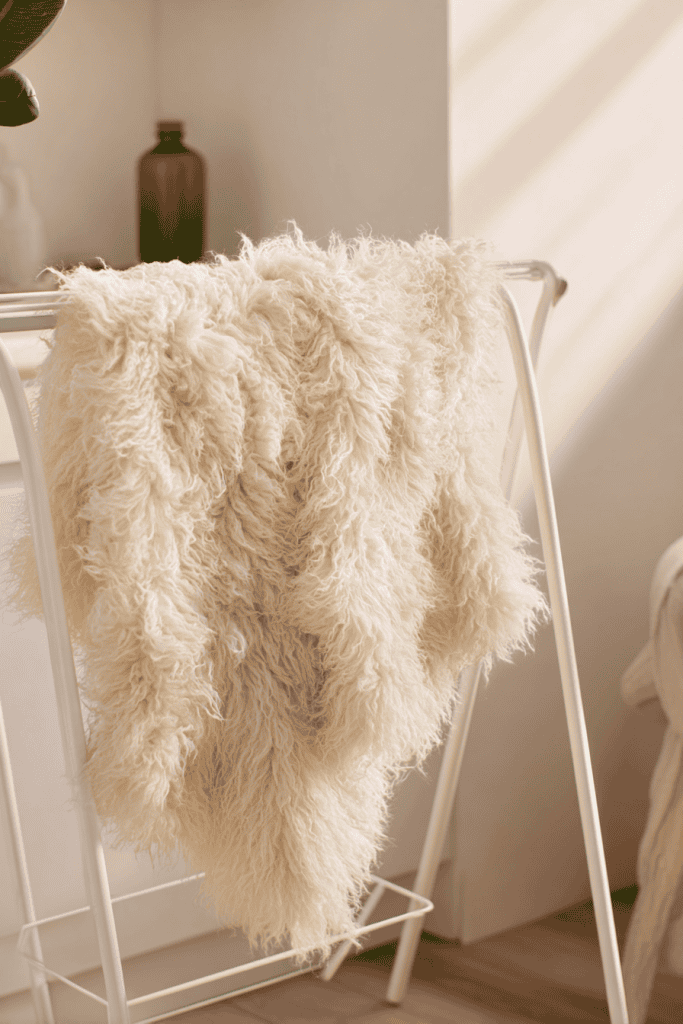
Lay your rug out flat in an airy space, away from direct sunlight or any heat source.
You can dry it indoors in a room with a fan, or outdoors in shade (a warm, overcast day is great – quick drying but no sun).
Do NOT put it in a tumble dryer or near a heater/radiator. High heat will shrink and harden the leather irreversibly.
Expect drying to take quite a while – possibly 24-48 hours depending on size and humidity.
While it’s drying, it’s helpful to reshape and loosen the leather gently with your hands.
Every few hours, give the rug a little tug in all directions to coax it back to its original shape and size.
This prevents the hide from stiffening up as it dries.
Pro tip: While the rug is damp, you can also run your wire brush lightly through the wool to keep the fibers separated.
This allows air to circulate and helps the fleece dry fluffy rather than clumpy.
9. Finish with a brush and shake
Once the rug is completely dry (we’re talking absolutely dry – any residual moisture in the leather could cause issues), do a final grooming.
Give it a vigorous shake out, and then brush the wool thoroughly with your wire brush to restore the pile.
The wool may have looked a bit limp or curled after washing, but a good brushing will bring back the softness and loft.
If the leather side feels a tad stiff (which can happen after washing), you can massage it with your hands or even gently crumple the hide a bit to soften it up.
Often, working the leather by bending it back and forth will help it become supple again as long as it was dried slowly.
…
That’s it – your rug is clean! It’s a bit of a process, but doing this once in a blue moon (perhaps once a year or only when truly needed) will rejuvenate a dirty sheepskin.
Keep in mind, full washing should be a rare event. Sheepskins just don’t need frequent washing if you maintain them well.
In fact, over-washing can cause the wool to lose its natural feel and the hide to deteriorate.
Many sheepskin owners go years without ever submerging their rug in water, using spot cleaning and brushing as primary care. So think of washing as the last resort for special cases.
Alternative: If you’re nervous about washing the rug yourself (which is totally understandable!), you can consider professional cleaning. Look for a cleaner who specifically handles sheepskin or fur rugs – they will have the proper detergents and methods to clean it without damage.
This is a good option for very large rugs or valuable heirloom sheepskins. Just avoid regular dry cleaners who might not know how to treat sheepskin; improper dry cleaning can strip the natural oils from the hide. Always go to someone experienced with leather and fur if you choose the pro route.
Between-Wash Routine (What I Actually Do Most of the Time)
On a normal week, I’ll shake the rug out, brush it, and then lightly mist it with my favorite freshening spray which smells really nice, and it’s my go-to for keeping the rug fresh between washes.
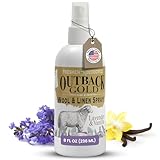
- Natural Formula: Plant-based, non-toxic fabric spray safe for eco-conscious homes.
- Wool & Linen Safe: Gentle on natural fibers like wool and cashmere; perfect for bedding and couches.
- Deodorizing & Non-Staining: Neutralizes odors, leaves a subtle scent, and dries clear without staining fabrics.
- Refreshing & Easy to Use: Spray-and-go application revives fabrics between washes for quick touch-ups.
- Eco-Conscious & Versatile: Safe, natural linen spray suitable for clothes, bedding, and other home fabrics.
With toddlers in the house, I do this about once a week (or more if we’ve had a messy day!).
5 Quick Tips to Remove Spills and Stains
Life happens – even with careful use, you might get a spill or a spot on your rug (especially if you have kids like me, pets, or that one friend who’s forever knocking over coffee mugs!).
The good news: spot cleaning a sheepskin rug is usually all you need for most mishaps.
Here’s how to tackle common spills and stains while keeping your rug safe:
Blot liquid spills immediately
If you spill something like a drink on the rug, act fast. Use a clean, absorbent cloth or paper towel to blot up as much of the liquid as possible. Don’t rub!
Rubbing can push the liquid deeper into the wool and leather. Instead, gently press to absorbabcrugservices.com.
For a small area, you can then spot-clean with a bit of diluted wool-friendly detergent.
Mix a tiny drop of mild wool shampoo or gentle liquid soap in cool water, dampen a cloth in the solution, and blot the stained spot.
Afterwards, use another cloth with plain water to blot and rinse out any soap residue.
Remember to keep water use minimal and avoid soaking the leather backing.
Mud or dirt
For muddy footprints or dirt clumps, it’s often best to let the dirt dry first.
It sounds odd, but once dry, you can simply brush out or vacuum up the dried mud without spreading a wet stain.
If the dirt leaves a residue, a lightly damp cloth can pick up the remainder after you’ve removed the chunks.
Patience is key – scraping wet mud can smear it; letting it dry keeps it localized and easier to crumble away.
Stains and discoloration
For more stubborn stains (like food or an accident), use a specialist wool cleaner (wool shampoo) as your spot treatment.
Avoid any general stain removers or bleach – harsh chemicals will damage the wool and possibly the leather.
A little wool detergent on a damp cloth, gently blotted on the stain, can lift many spots if you let it sit for 10-15 minutes and then wipe with a clean damp cloth.
If you’re dealing with something like red wine or a really tough stain, you may not get it 100% out at home – don’t despair, just do the best you can and know that a faint stain is normal for a well-loved rug.
Never use bleach or enzyme cleaners on sheepskinhiderugs.co.uk; they can eat away the natural fibers and remove those natural oils.
Odor control
Sheepskins usually don’t hold odors (thanks again, lanolin!), but if your rug ever smells less-than-fresh – say, a slight pet smell or just a musty odor from storage – a great natural remedy is baking soda.
Sprinkle a generous amount of plain baking soda over the wool, rub or brush it in a bit with your hand or a brush, and let it sit for an hour or even overnight.
Baking soda absorbs odors.
Afterwards, shake out the rug or vacuum it to remove the powderrealhomes.comrealhomes.com. This trick can work wonders for general freshening.
(And bonus: baking soda is totally safe and eco-friendly.)
For a quick refresh, you can also hang the rug outside on a breezy, shady day – fresh air does a world of good.
Yellowing
Over years, you might notice a white sheepskin turning creamy or yellowish.
As mentioned, this is often due to oxidation from light exposure.
While it’s mostly irreversible, some folks have had luck brightening a dulled white rug by using a diluted vinegar rinse.
One DIY method: mix about 1 tablespoon of white vinegar with 2 cups of water, lightly dampen a sponge or cloth, and dab it over the wool (avoid soaking through to the suede).
Let it sit a bit, then blot with clean water and dry thoroughly. The vinegar’s mild acid can sometimes counteract yellowing and remove dulling residues.
Always test any solution on a small corner first, though, and don’t expect a miracle – it’s more of a subtle refresh than a bleach.
In all cases of spot cleaning, the mantra is: gentle and minimal. Use as little moisture as possible, and dry the area afterwards. Once the spot is clean, you can brush the fibers to blend them back with the rest of the rug.
Most small blemishes can be handled at home with these methods.
A Quick Note on “Snow Cleaning” (Nature’s Dry Cleaner)
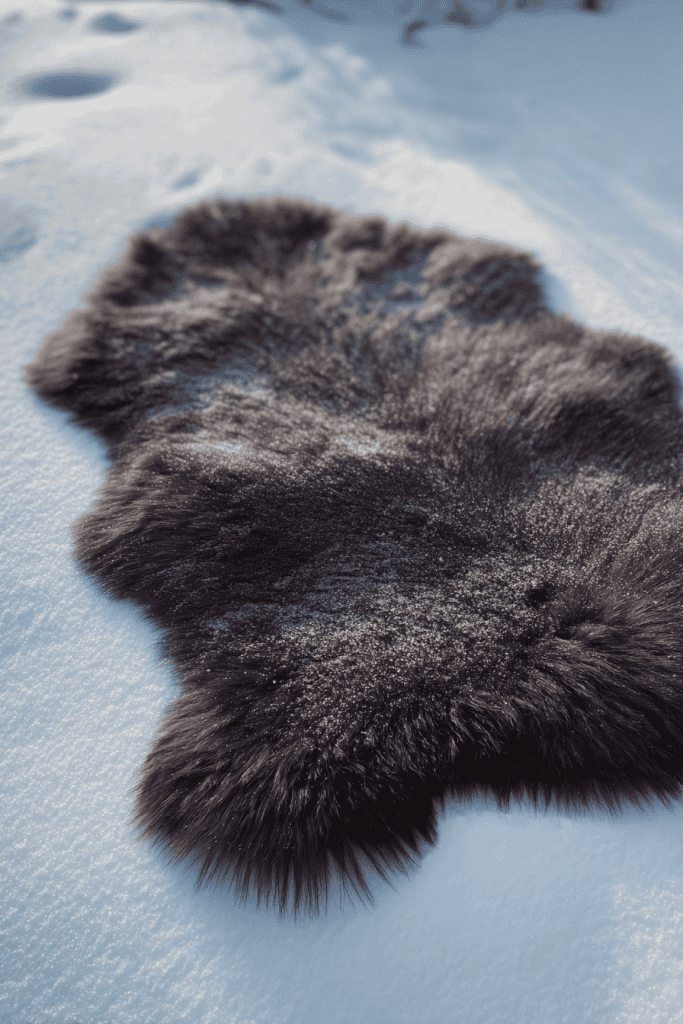
Here’s a natural trick if you live in a snowy climate: snow cleaning.
In Scandinavian tradition, people would lay wool items or sheepskins out in clean fresh snow to freshen them – a process called snötvätt, or “snow wash.”
Essentially, you spread your sheepskin rug fleece-down on top of fresh powdery snow and gently pat or brush the snow into the wool, then shake it out.
The cold temperature helps lift dirt and the slight moisture binds to dust, carrying it away as the snow is brushed off.
It’s an optional old-fashioned way to naturally deodorize and clean your rug without any water soaking through.
If you try this, make sure the snow is clean (no road salt or dirt), and don’t leave the rug out too long.
Give it a good shake and let it air-dry after coming inside. Many natural-living folks love this method as a chemical-free refresher!
Sheepskin Rugs I Recommend
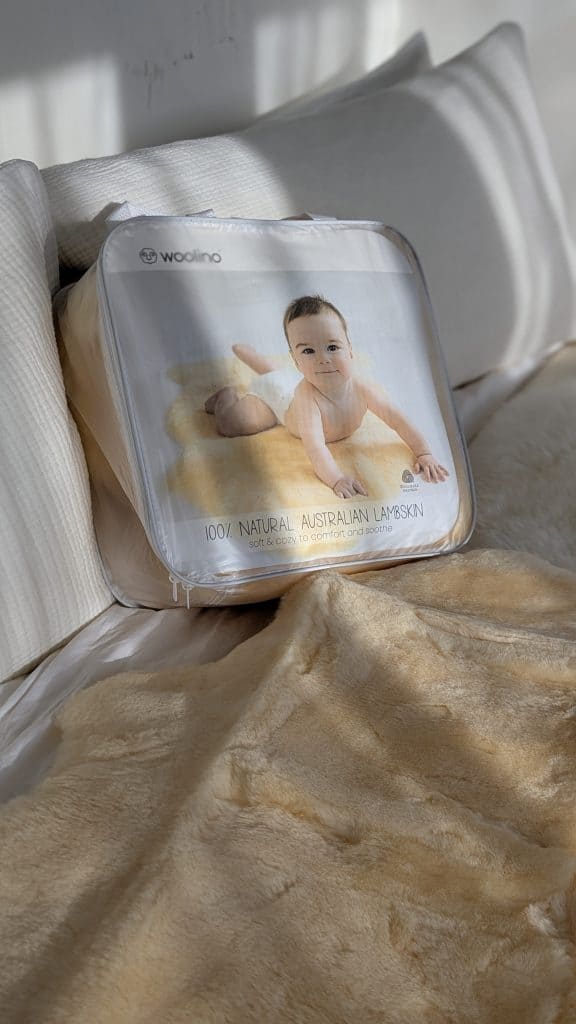
If you’re ready to bring the cozy luxury of a genuine sheepskin rug into your home, here are a few options I personally love (and have very similar ones myself).
These rugs are soft, durable, and perfect for adding warmth and texture to any space.
Soft White Sheepskin Rug
Perfect for a living room or bedroom, this rug has that classic fluffy look.

- A Must in Your Home: Adds warmth and a natural touch to any décor while making a modern statement.
- Premium Craftsmanship: Made from genuine Australian sheepskin using traditional techniques to preserve its natural beauty.
- Natural and Safe: Pure wool and leather, free from harsh chemicals, with extremely fluffy wool perfect for all ages.
- Versatile Display: Measures approx. 5 x 7 ft; complements modern, vintage, boho, or industrial décor in bedrooms, living rooms, nurseries, or offices.
- Amazing Present: Ideal for yourself or as a housewarming or wedding gift, making a lasting impression.
Natural Cream Sheepskin
A versatile neutral that complements almost any decor style.
- Patchwork Design: 2′ x 6′ double pelt made from premium sheepskin with minimal patches; stitching is only visible on the back.
- Genuine New Zealand Sheepskin: Naturally resilient, flame-retardant, moisture-absorbing, hypoallergenic, and insulating against heat and cold.
- Comfortable & Plush: 2–3 inch wool length with soft, resilient fibers that support the body for ultimate comfort.
- Security & Comfort: Moisture-wicking, reversible, hypoallergenic, cozy in winter, cool in summer, and luxurious year-round.
- Enhances Any Decor: Perfect for floors, beds, sofas, chairs, or even as a yoga or meditation mat; adds elegance to any space.
- Size & Shape: Natural shape; 2X3 ft = 1 pelt, 2X6 ft = 2 pelts matched end-to-end; sizes may vary slightly.
- Daily Care: Shake out dirt, vacuum regularly, and spot clean spills with wool soap or alcohol; dry naturally out of direct sunlight.
Long Wool Sheepskin Rug
Extra-long fibers make it incredibly soft underfoot and ideal for cozy corners.

- Natural Lamb Wool: 100% real New Zealand lambskin, plush, breathable, and gentle on delicate baby skin.
- Ethically Sourced & Safe: Oeko-Tex certified, free from harmful chemicals, responsibly obtained from accredited farms.
- Versatile & Travel-Friendly: Use as a changing pad, stroller liner, or soft nursery rug; lightweight and portable.
- Beautiful Nursery Addition: Creamy natural tones and cloud-like texture elevate any nursery or modern space.
- White-Tanned & Baby-Safe: Free from harsh dyes and metals; silky-soft, safe for baby and eco-friendly.
Premium Soft Sheepskin
A plush, high-quality option that’s perfect for layering over chairs, benches, or the floor.
- 100% Natural Material: Made from premium Australian Merino wool sheepskin; soft, dense, and plush for ultimate coziness.
- Cozy for the Whole Family: Gentle on sensitive skin; perfect for babies, pets, or as a liner for cribs, seats, or wheelchairs.
- 100% Safe: OEKO-TEX Leather Standard certified; tested free of harmful substances.
- Perfect Size & Color: Approx. 2 x 3 ft, natural cream with yellowish hue; versatile for beds, chairs, décor, or pet comfort.
- Customer Satisfaction: High-quality commitment with personal support to ensure you’re fully satisfied.
Having a genuine sheepskin rug in your home not only adds a touch of luxury but also comes with all the natural benefits we talked about earlier: warmth, softness, and built-in dirt and odor resistance.
Caring for Your Sheepskin Rug for the Long Run
Now that you know exactly how to wash, refresh, and maintain your sheepskin rug gently and naturally, you’re already miles ahead in helping it last for years – maybe even long enough for your little ones to grow up making memories on it.
With regular shaking, brushing, and mindful product choices (like the non-toxic shampoo and weekly refresh spray I shared), your rug can stay soft, safe, and beautiful without constant deep washing.
A little weekly TLC prevents big cleanups later, keeps the wool fluffy, and protects that delicate leather backing.
If you ever get overwhelmed, just come back to the basics: shake, brush, refresh, and only wash when necessary. Your sheepskin will thank you.
If you’ve tried any of these methods, found a product you adore, or just want to share your own sheepskin-care story, leave a comment below. Your experience might be exactly what another mama or homemaker needs!
FAQs
1. Can I use a regular hairdryer to speed up drying?
No. Heat (even from a hairdryer) can shrink, warp, or stiffen the leather backing. If you must use a device, choose a cool-air fan only. Never use warm or hot air on a real sheepskin rug.
2. How do I keep my sheepskin soft if it starts to feel crunchy or dry?
Restore softness by gently working the leather.
A sheepskin that feels “crunchy” usually dried too quickly or unevenly. Try:
- Gently stretching and massaging the leather backing
- Lightly spraying the leather side only with distilled water and letting it air-dry slowly
- Brushing the wool to lift and separate fibers
Avoid oils or conditioners unless they’re specifically made for sheepskin.
3. Can I use essential oils on my sheepskin rug to make it smell nice?
Yes, but use caution. Many essential oils can stain wool or irritate babies’ skin. If you want a light scent, choose a pre-formulated wool-safe spray (like the one I use weekly) rather than DIY essential oils.
4. Is it safe for pets to sleep on a sheepskin rug?
Yes – most pets adore them!
But keep in mind:
- Natural lanolin can attract some dogs (they love the smell)
- Cats may knead or pull on the wool
- If you have a chewer, supervise them so they don’t damage the hide
For multi-pet households, expect more frequent brushing and shaking out.
5. How do I store a sheepskin rug during summer or travel?
Store it rolled – not folded. For best long-term storage:
- Roll it wool side in, leather side out
- Place in a breathable cotton bag (no plastic)
- Keep in a cool, dry, shaded place
- Give it a shake and brush when you take it out
Proper storage prevents creasing, mildew, and drying out of the hide.