When most people think about sewing their own clothes, one of the first questions that comes up is: how much will it cost to begin?
The truth is, you can begin without spending a fortune, and every budget tier opens the door to creating clothes that reflect your values and style.
For me, the turning point was fabric. I’ve always been drawn to natural materials (linen, cotton, hemp, and wool) because they’re breathable, durable, and kind to the skin. Yet whenever I looked for them in ready-made clothing, the price tag felt out of reach.
That’s when I realized: it’s almost always more affordable to sew with these fabrics myself than to buy them off the rack. That discovery is what pushed me to begin sewing, and it’s why I’ve never looked back.
In this article, we’ll break down the real costs of sewing clothes into clear budget tiers, from the simplest beginner setup to more advanced investments.
Along the way, you’ll see that every dollar can stretch further than you expect – especially when you work with timeless, natural fabrics that bring both value and satisfaction to your wardrobe.
What’s the Real Cost of Starting to Sew Your Own Clothes?
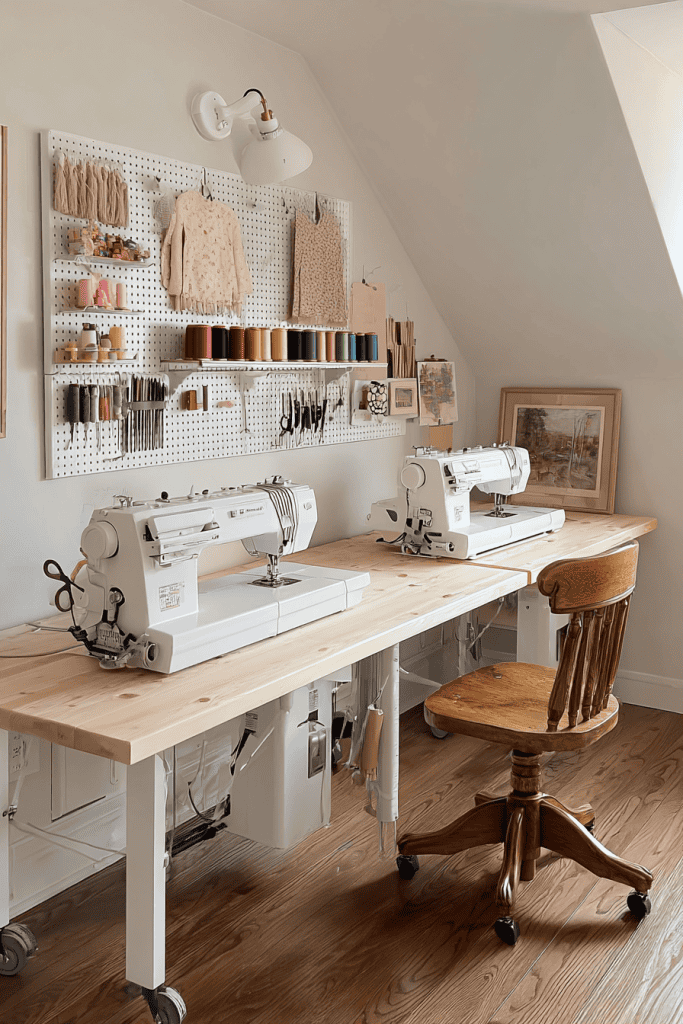
The cost of sewing clothes is shaped by a few main pieces: your sewing machine (the largest one-time expense), a handful of basic tools, the fabric you choose, and the patterns that guide your projects.
Within those categories, there’s a wide range of options – so whether you’re dipping your toes in or ready to invest deeply, there’s a path that works for you.
To make things simple, here are three budget tiers that reflect what most beginners, hobbyists, and committed makers spend when building their sewing setup.
Tier 1: Beginner Sewing Setup ($150–$300)
This is the most approachable entry point, perfect if you’re curious about sewing clothes but want to keep your investment small.
- Machine: A secondhand or basic entry-level sewing machine, often $100–$200.
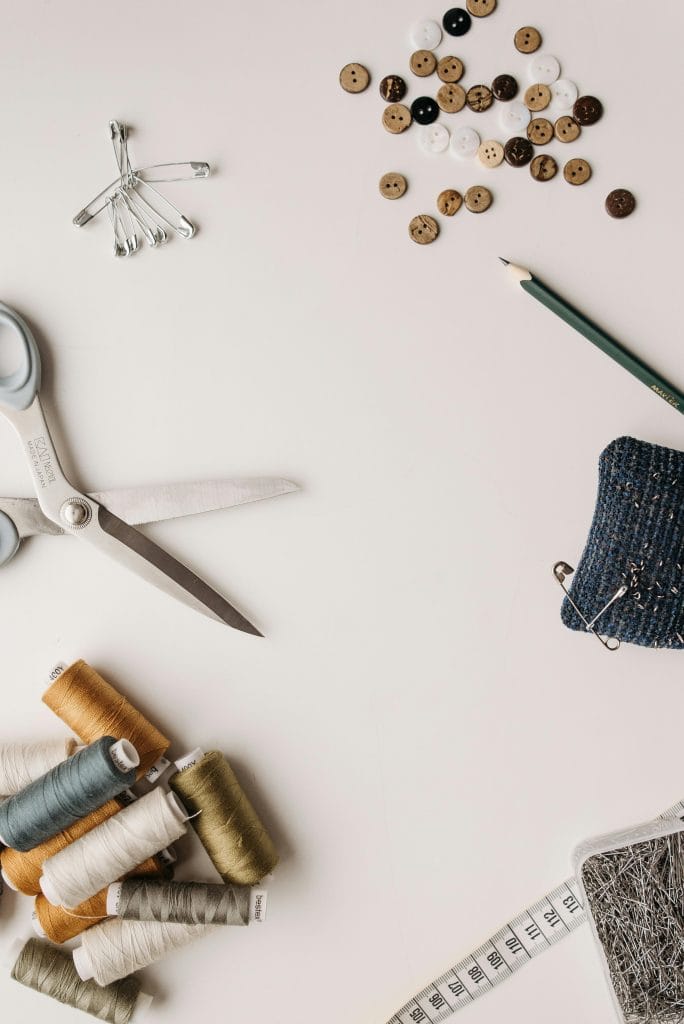
- Tools: Scissors, measuring tape, pins, and a seam ripper – less than $30 total.
- Fabric: A few yards of cotton or linen, usually $8–$12 per yard. Enough for a top, simple skirt, or even a pair of pajama pants.
- Patterns: Free beginner patterns online or inexpensive PDF downloads ($5–$10).
At this tier, you can comfortably make simple garments and test whether sewing clothes fits into your life.
With natural fabrics like cotton and linen, you’ll quickly see how much further your dollars stretch compared to buying ready-made.
If you’re new to sewing, how to set up your sewing machine will guide you through the basic steps to get started quickly.
Tier 2: Intermediate Sewing Budget ($400–$800)
This is where many people land once they realize sewing is here to stay.
You’re ready to invest a little more for quality, efficiency, and fabrics you love.
- Machine: A mid-range machine ($300–$500) with multiple stitch options, buttonholes, and smoother performance.
- Tools: Rotary cutter, cutting mat, better-quality scissors, and a pressing iron—$75–$150 total.
- Fabric: Higher-quality natural fabrics like linen, organic cotton, or lightweight wool, $12–$25 per yard. Enough for dresses, trousers, or layering pieces.
- Patterns: A small collection of indie patterns or bundles, $15–$25 each.
At this tier, you’re sewing clothes regularly and starting to replace store-bought items with handmade ones.
Sewing with the fabrics you choose isn’t just cost-effective – it also gives you access to timeless, breathable garments that would cost double or triple in stores.
Tier 3: Advanced Sewing Investment ($1,000–$2,500+)
For those who are fully committed, this tier transforms sewing from a casual hobby into a sustainable way of building an entire wardrobe.
- Machine: A high-end sewing machine ($800–$1,500) or a combination of machine + serger for professional finishes.
- Tools: Dress form, specialty rulers, large cutting table, and upgraded pressing tools—$300–$600.
- Fabric: Buying natural fabrics in bulk or from specialty suppliers, $200–$500 per season. Linen, wool, and hemp become highly cost-effective at scale.
- Patterns & Software: A library of advanced patterns or drafting software, $50–$200.
At this tier, your setup is designed for efficiency and longevity.
You’ll produce durable, well-fitted garments at a fraction of retail cost, especially when sewing with premium natural fabrics like wool coats or linen jumpsuits that would cost hundreds if purchased ready-made.
Your sewing machine will be the single biggest investment in your sewing journey. Start with the best you can comfortably afford. Many beginners thrive with a sturdy secondhand machine, and upgrading can come later as your skills and projects grow.
Cost of Natural Fabrics for Sewing Clothes (and Why They’re Worth It)
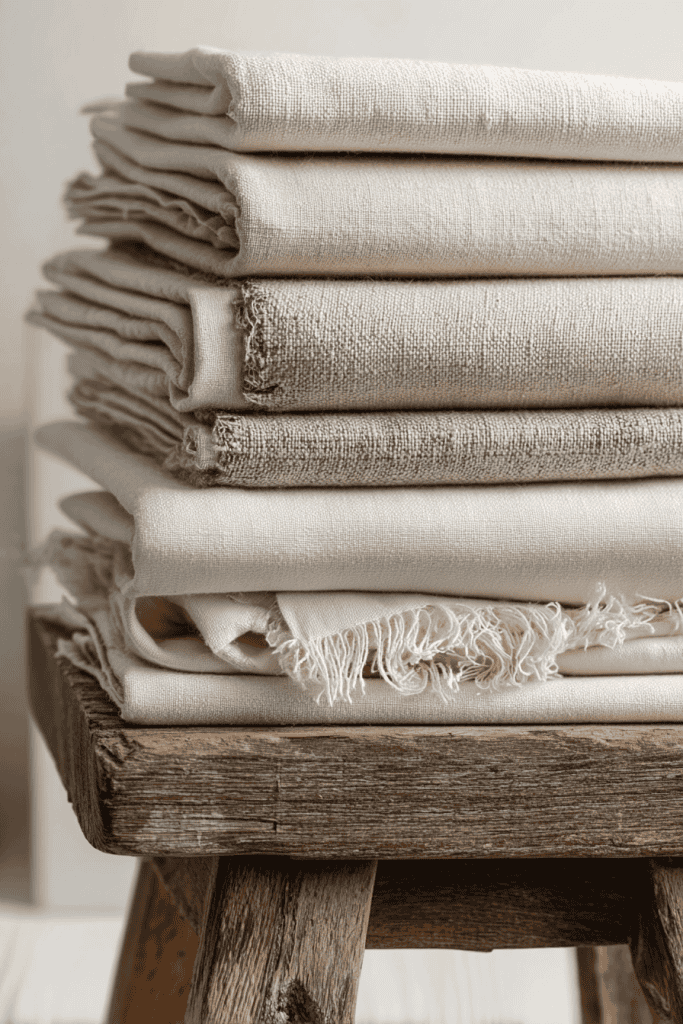
Fabric is often the most exciting part of sewing – and also where your budget choices make the biggest impact.
Natural fabrics are the heart of why I sew. Cotton, linen, hemp, and wool not only feel better on the skin, they’re durable, breathable, and designed to last.
The challenge with natural fabrics is that when you buy them ready-made as clothing, they often come with a steep price tag.
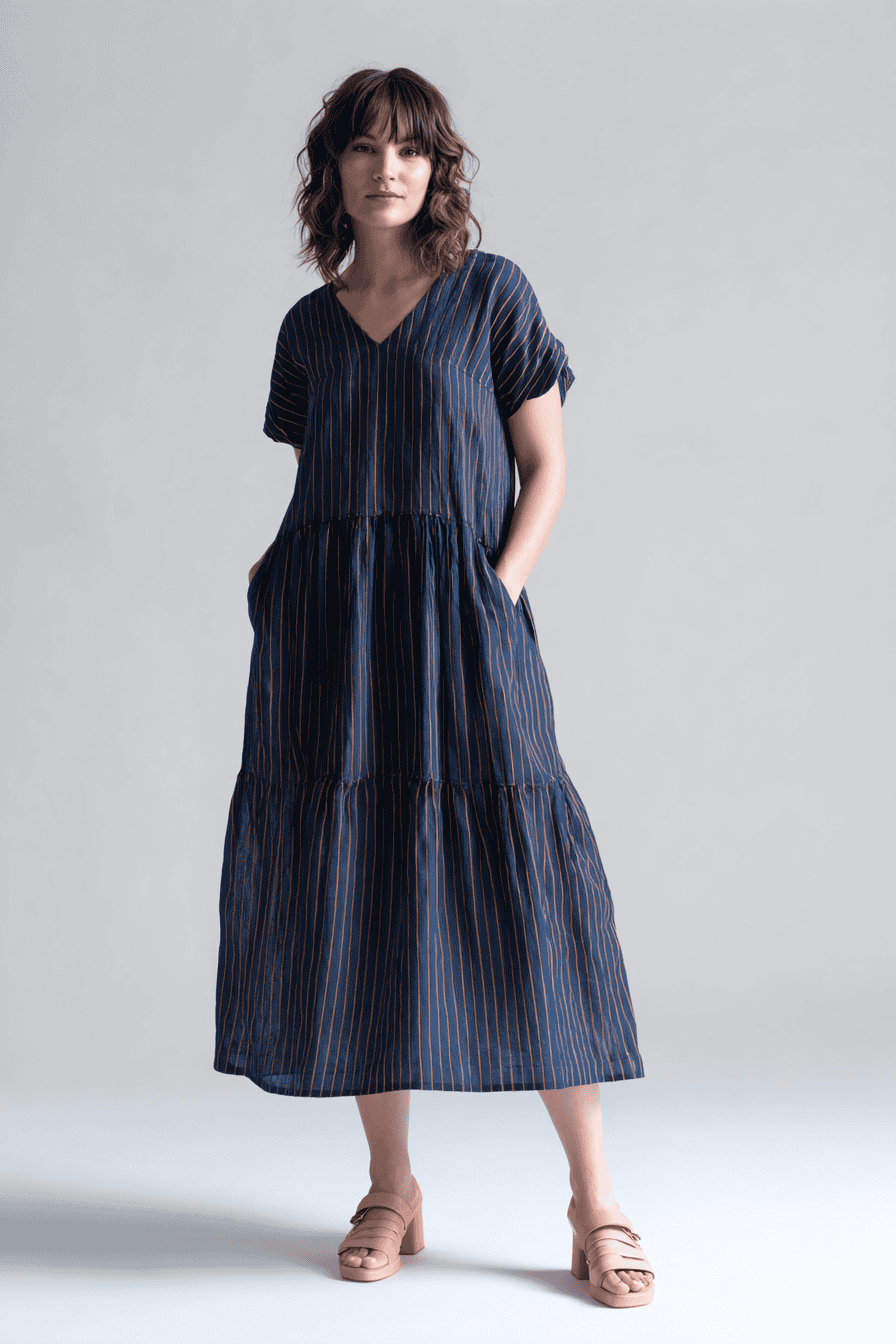
A linen dress at a boutique can easily cost $120–$180. But when you sew with linen fabric yourself, the numbers look very different:
- Linen fabric: $12–$18 per yard. A summer dress may take 2.5–3 yards = about $36–$54 total.
- Cotton fabric: $8–$12 per yard. A shirt or blouse may take 2 yards = $16–$24 total.
- Wool fabric: $20–$30 per yard. A tailored skirt may take 1.5 yards = $30–$45 total.
Even when you add the cost of a pattern (say $15–$20), the savings are clear.
Sewing allows you to choose these high-quality materials (pieces that feel timeless and comfortable) at a fraction of the retail cost.
If you are wondering how to buy affordable linen fabric, there are a few strategies that make sourcing it easier on the budget while still getting beautiful, durable material.
Beyond price, there’s also freedom. You’re not limited to what brands decide to stock.
Instead, you choose the color, texture, and weight of the fabric that works best for you.
That’s where sewing shifts from being “just a hobby” to becoming a practical way to build a wardrobe you actually love.
Hidden or Ongoing Costs of Sewing (Still Manageable)
While the upfront costs (like a machine and fabric) get most of the attention, there are smaller, ongoing expenses to keep in mind.
These are part of every sewing project, but they’re predictable and rarely break the budget.
- Thread: Quality thread keeps seams strong and garments long-lasting. A spool usually costs $2–$4 and can stretch across several projects.
- Needles: Sewing machine needles wear down or break, especially with thicker fabrics. A pack costs $4–$8 and lasts months for most beginners.
- Notions: Zippers, elastic, buttons, and interfacing are small add-ons that bring a garment together. Depending on the project, they may add $5–$15.
- Tool upkeep: Rotary cutter blades or scissor sharpening might cost a few dollars occasionally, but these are rare expenses.
Altogether, these ongoing costs are minor compared to the price of buying ready-made clothing.
They simply become part of the rhythm of sewing – predictable, affordable, and easy to plan for.
Sewing vs. Buying: When It’s Cheaper (and When It Isn’t)
One of the most common questions is whether sewing always saves money compared to buying clothes.
The answer is: it depends on what you make, and being selective is the key to maximizing your budget.
When Sewing Is Cheaper:
- Natural fabrics: Linen dresses, wool coats, hemp trousers, and organic cotton blouses are almost always less expensive to make than buy.
- Wardrobe staples: Everyday skirts, button-down shirts, and tailored trousers are cost-effective projects because they last for years.
- Capsule wardrobes: Sewing several mix-and-match pieces from the same fabric run creates cohesion and value that store shopping rarely delivers affordably.
When Buying Might Be Cheaper:
- Fast fashion basics: Items like plain tank tops or T-shirts can cost less to buy than to sew, especially in synthetic fabrics.
- Highly embellished or trendy pieces: Sequins, specialty trims, or complex construction may cost more in materials and time than simply purchasing.
The takeaway: Use your sewing budget for garments that give you the most return – high-quality, natural fabrics and versatile
Sample Outfit Cost Breakdown: Handmade vs. Store-Bought
Sometimes the easiest way to see the savings is to compare a handmade garment with a ready-made one.
Here’s a realistic example using natural fabrics:
| Garment | Fabric & Yardage | Pattern | Notions (Thread, Buttons, etc.) | Total Sewing Cost | Typical Retail Price |
|---|---|---|---|---|---|
| Linen Summer Dress | 3 yards linen @ $15/yard = $45 | $15 | $5 | $65 | $150–$180 |
| Cotton Button-Down | 2 yards cotton @ $10/yard = $20 | $10 | $5 | $35 | $70–$90 |
| Wool Skirt | 1.5 yards wool @ $25/yard = $38 | $15 | $7 | $60 | $120–$150 |
Bottom line: Sewing with natural fabrics consistently cuts the cost in half (or more), while also giving you control over fit, style, and quality.
6 Budget-Friendly Tips for Saving Money on Sewing Supplies
One of the most encouraging parts of sewing clothes is realizing how many ways there are to keep costs manageable.
A few smart choices here and there go a long way without needing to buy everything upfront.
Here are a few tried-and-true strategies:
1. Buy Secondhand Machines and Tools
Sewing machines are built to last, and many people sell older models once they upgrade.
A well-maintained secondhand machine can easily carry you through years of projects for less than half the price of a new one.
Check local listings, thrift shops, or community sewing groups – you’ll often find machines bundled with accessories like presser feet or bobbins.
The same principle applies to tools: a good pair of fabric scissors or a sturdy cutting mat doesn’t lose its value with gentle use.
If you’re unsure which sewing machine to start with, this ultimate guide to picking a sewing machine will help you choose the right one for your budget and skill level.
2. Reuse and Repurpose Natural Fabrics
Sewing projects can begin with many types of fabric, not only brand-new yardage.
Natural-fiber garments – think cotton button-down shirts, linen tablecloths, or wool skirts- can be taken apart and re-sewn into something new.
This is especially helpful for practicing new techniques without worrying about wasting expensive yardage.
For example, an oversized men’s linen shirt can be refashioned into a summer top, or a cotton duvet cover can provide yards of usable fabric for beginner projects.
3. Watch for Seasonal Fabric Sales
Fabric prices fluctuate with the seasons, and timing your purchases can save a surprising amount.
Retailers typically discount summer fabrics like linen and cotton at the end of the season, while wool and flannel are often marked down in spring.
Signing up for newsletters from fabric shops will alert you to sales, and keeping a small budget set aside for these opportunities allows you to stock up without guilt.
Even a 40–50% discount can make premium fabrics feel completely accessible.
4. Buy Fabric in Bulk
If you plan to sew regularly, buying fabric in bulk or by the bolt can significantly reduce your cost per yard.
For example, linen that sells at $15 per yard might drop closer to $9–$10 per yard when purchased in larger cuts.
Beyond savings, bulk buying gives you consistency – you can sew a capsule wardrobe with mix-and-match pieces all from the same fabric run.
It’s a strategy that mirrors how designers work: buy once, create multiple garments, and end up with a cohesive collection.
If you are trying to choose fabrics carefully, how to read fabric labels will help you pick the right material for your projects.
5. Share or Swap with Sewing Friends
Sewing tends to generate extras – half-used spools of thread, leftover fabric pieces, patterns you’ve already sewn.
Trading within a circle of sewing friends multiplies the value of what you already own.
You may end up with just the right scrap of linen for a child’s top, or discover a pattern someone else is finished with that’s exactly your style.
This sense of community not only saves money but also keeps resources circulating instead of sitting unused.
6. Start Small and Build Slowly
It’s tempting to buy every tool and gadget at once, but sewing rewards patience.
Beginning with a small set of projects helps you identify what you’ll actually use.
For instance, you may realize that a rotary cutter fits your style of sewing, while specialty rulers can wait until you’re drafting more advanced garments.
Building gradually means your money goes toward tools that genuinely add value, instead of cluttering your space with items you don’t reach for.
Is Sewing Clothes Worth the Cost? Long-Term Value of Handmade Wardrobes

When you add up the numbers, sewing clothes is more than a way to save money – it’s a way to add lasting value to your life.
Clothes That Actually Fit
Ready-to-wear clothing often forces you to settle: too tight in one area, too loose in another.
Sewing gives you the freedom to adjust patterns, lengthen hems, or shape garments so they feel as though they were made for you – because they were.
That perfect fit means your clothes get worn more often and stay in your wardrobe longer, stretching every dollar invested.
Access to High-Quality Fabrics
Natural fabrics like linen, cotton, hemp, and wool are often out of reach in ready-made clothing. Sewing changes that.
With fabric purchased by the yard, you’re able to wear materials that would cost two or three times as much in stores.
For example, a handmade linen dress that costs $45–$60 in materials could easily retail for $150 or more.
Over time, the savings become undeniable.
When you want to be sure your fabrics are genuine natural fibers, how to do a burn test for natural fabrics can give you confidence before you start sewing.
Durability and Longevity
When you sew, you control construction.
Strong seams, quality thread, and proper finishing techniques mean your garments hold up for years.
Instead of fast fashion cycles where clothes wear out quickly, your wardrobe evolves more slowly and sustainably.
A well-made cotton blouse can remain a staple piece for a decade or more, making every hour spent sewing an investment in longevity.
Confidence and Creativity
The financial savings are clear, but there’s also the personal value of knowing you can create something with your own hands.
The process itself fosters creativity and confidence – qualities that extend far beyond the sewing table.
A handmade wardrobe becomes a reflection of your style, not the trends dictated by stores.
Sustainable, Intentional Living
Perhaps the most meaningful value is alignment with your principles.
Sewing your own clothes means fewer impulse purchases, less textile waste, and a closer connection to what you wear.
You’re choosing natural fabrics, making garments you’ll treasure, and participating in slow fashion on your own terms.
In the long run, sewing clothes isn’t just worth the cost – it redefines what “cost” even means. It’s about investment, not expense.
Every project adds durability, creativity, and integrity to your wardrobe in ways store-bought clothing rarely matches.
Start Sewing Clothes on the Budget That Fits You
No matter where you begin – whether it’s with a $150 starter setup or a $2,000 investment – you’re building more than just clothes.
You’re creating access to natural fabrics, crafting pieces that fit your life perfectly, and learning a skill that will grow alongside you.
Sewing simply asks for a beginning.
Choose the tier that matches your season of life, and know that every stitch brings you closer to a wardrobe that feels intentional, comfortable, and truly your own.
What’s your biggest question or hesitation about starting to sew clothes? Comment below and let’s talk about it!
FAQs
1. Do I need a serger to start sewing clothes?
No. A basic sewing machine is enough for most projects. A serger is helpful for finishing seams neatly and quickly, but it’s an upgrade, not a necessity.
2. How many yards of fabric do I need for my first project?
Most beginner garments (like a simple skirt, top, or pair of pajama pants) require 2–3 yards of fabric. Always check the pattern’s fabric recommendations before buying.
3. Is it cheaper to sew clothes than to buy them?
It depends on the fabric. For natural fabrics like linen, wool, or organic cotton, sewing is often significantly cheaper than buying finished garments. For synthetic fabrics, the savings may be smaller.
4. Can I sew clothes if I only have a small space?
Yes. A sturdy table, good lighting, and storage bins for tools and fabric are enough. Many sew successfully in apartments or multipurpose spaces.
5. How long does it take to finish a handmade garment?
Beginner projects like skirts or simple tops may take 2–4 hours. More detailed garments (like dresses or trousers) can take 6–10 hours. With practice, your speed and confidence grow.