
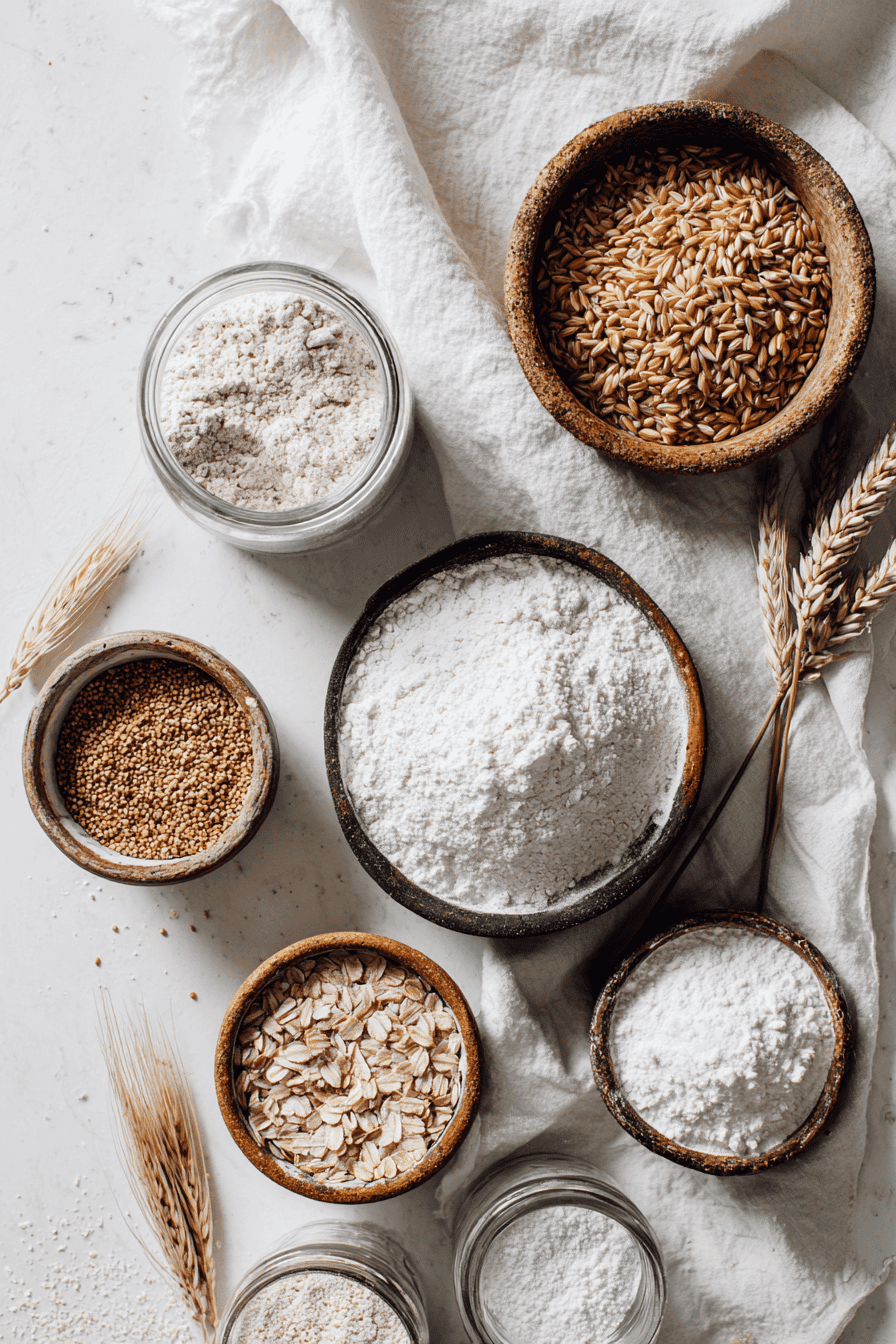
Freshly milled grains bring a vitality to the kitchen that packaged flour cannot match.
When grains are milled at home, they retain their natural oils, nutrients, and depth of flavor.
This means bread that tastes richer, pancakes that feel more satisfying, and pasta that carries a wholesome strength in every bite.
For homesteaders – or anyone simply choosing more intentional cooking – freshly milled grains are both practical and rewarding.
They support health with fuller nutrition, they add dimension to everyday meals, and they invite creativity in baking and beyond.
In this article, we’ll explore the surprising ways freshly milled grains can be used, from breads and pastries to porridges and sauces, and how you can integrate them into a steady, nourishing rhythm at home.
What Makes Freshly Milled Grains Special
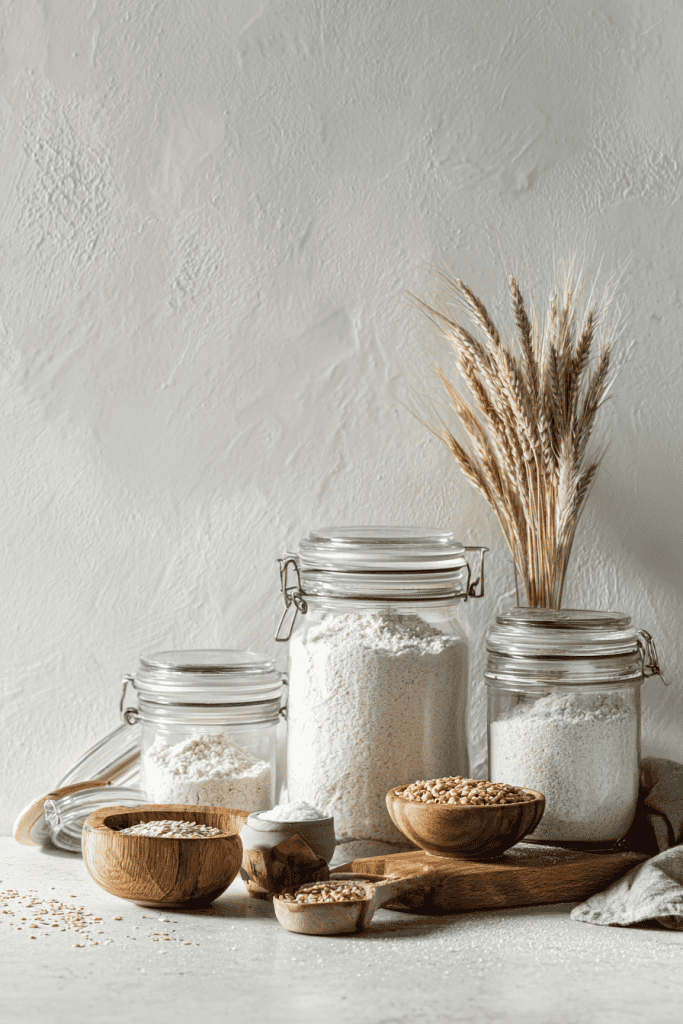
Freshly milled grains stand apart because they bring flavor, nourishment, and integrity to the table.
Each quality supports the others, creating a strong foundation for meals that are both enjoyable and sustaining.
1. Flavor Depth
When grains are milled at home, their natural character is revealed.
The flour carries the grain’s unique identity – whether the nutty note of spelt, the subtle sweetness of soft white wheat, or the earthy strength of rye.
In bread, that translates to a richer crust and a satisfying chew, similar to what you’ll notice in structured doughs like this ultimate homemade bagel recipe, where flavor and texture are built almost entirely on the strength of the flour.
In simple foods like pancakes, muffins, or biscuits, it adds complexity without extra ingredients.
Freshly milled flour doesn’t just serve as a base; it becomes an active contributor to taste.
2. Nutrient Richness
Whole grains contain layers (bran, germ, and endosperm) that work together to provide vitamins, minerals, fiber, and oils.
In commercially processed flour, these parts are often separated for storage stability. Milling at home keeps them intact.
The result is flour that maintains its natural profile: higher levels of B vitamins, iron, magnesium, and beneficial oils.
(Learn more about the benefits of freshly milled flour and how it supports nutrition in your baking.)
Using freshly milled flour allows you to serve food that supports energy, digestion, and overall well-being in a more complete way.
This difference becomes especially noticeable in long-fermented doughs.
When building cultures like sourdough, fresh flour provides the nutrients needed for strong activity, as shown in my guide on how to make sourdough starter with freshly milled flour.
3. Freshness Factor
Freshness is not a marketing claim – it is measurable.
Flour begins to lose some of its vibrancy once it sits for long stretches, but milling at home ensures you are always working with flour at its peak.
There is clarity in knowing exactly what is in your flour, how it was stored, and how recently it was milled.
This freshness enhances the consistency of your baking and builds trust in your ingredients.
4. Integrity and Control
Another strength of milling at home is control.
You choose the grain, you decide the texture, and you know the source.
Whether you prefer a fine flour for pastry or a coarser grind for rustic bread, you set the standard.
This control supports both creativity in the kitchen and confidence in the results, especially for recipes that rely on precise texture, such as a tender crust like this best flaky pie crust recipe, where the flour truly matters.
6 Common Types of Grains to Mill
One of the strengths of milling at home is the ability to work with a wide range of grains.
Each grain brings a distinct character – both in flavor and in how it performs in the kitchen.
Understanding these qualities makes it easier to select the right grain for the right recipe.
1. Wheat Varieties
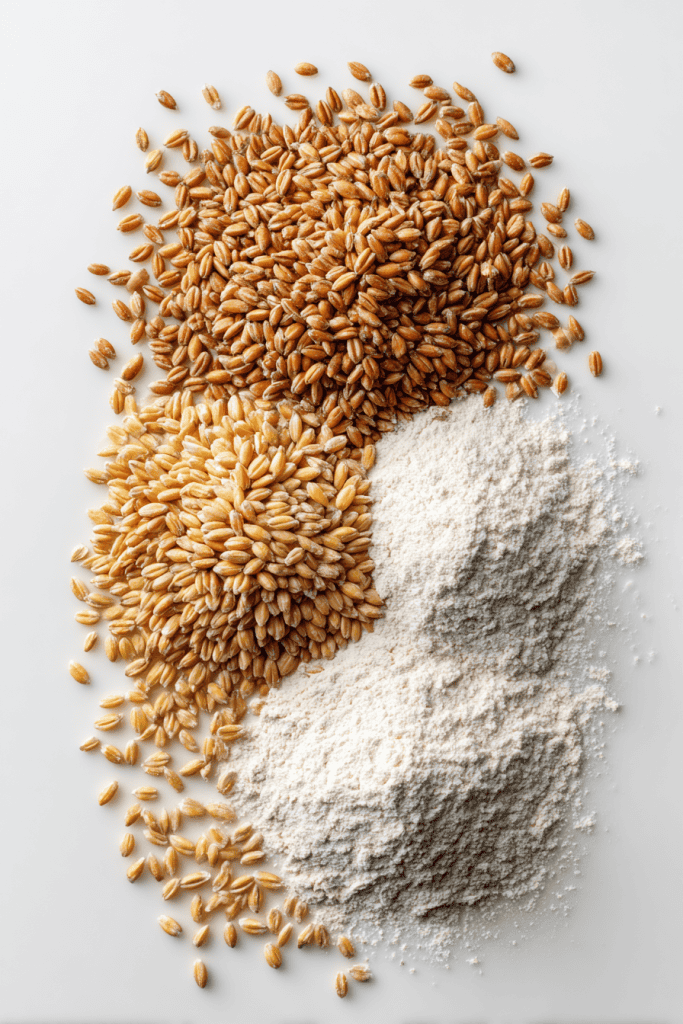
- Hard Red Wheat: Bold flavor, high protein, excellent for hearty breads and sourdough loaves.
- Hard White Wheat: Milder taste, still high in protein, produces soft but structured sandwich bread.
- Soft White Wheat: Lower protein, ideal for tender baked goods such as cakes, muffins, and biscuits.
2. Ancient Grains
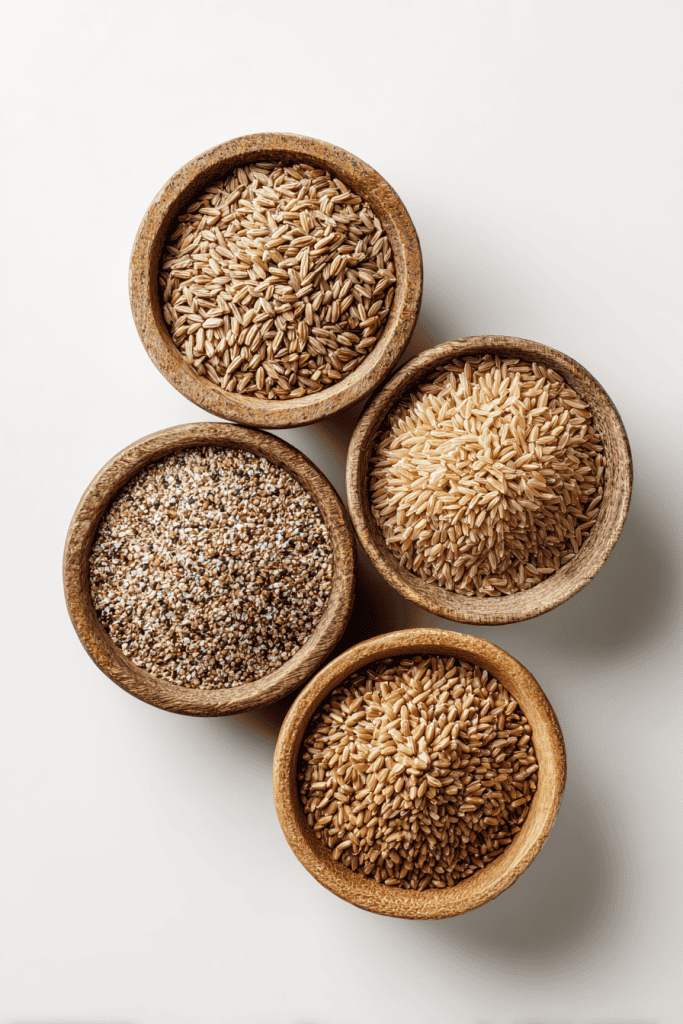
- Spelt: Slightly nutty and sweet, versatile for bread and pastries, easier to work with than it looks.
- Einkorn: One of the earliest cultivated wheats, with a gentle flavor and golden color, best for lighter breads or blending with modern wheats.
- Emmer and Kamut: Rich, robust grains with a depth of flavor, excellent in rustic bread or pasta.
3. Rye and Barley

- Rye: Earthy, complex, and slightly tangy; a natural choice for traditional breads, crackers, and crispbreads.
- Barley: Mild and slightly sweet, useful in flatbreads, cookies, or as part of a flour blend.
4. Oats
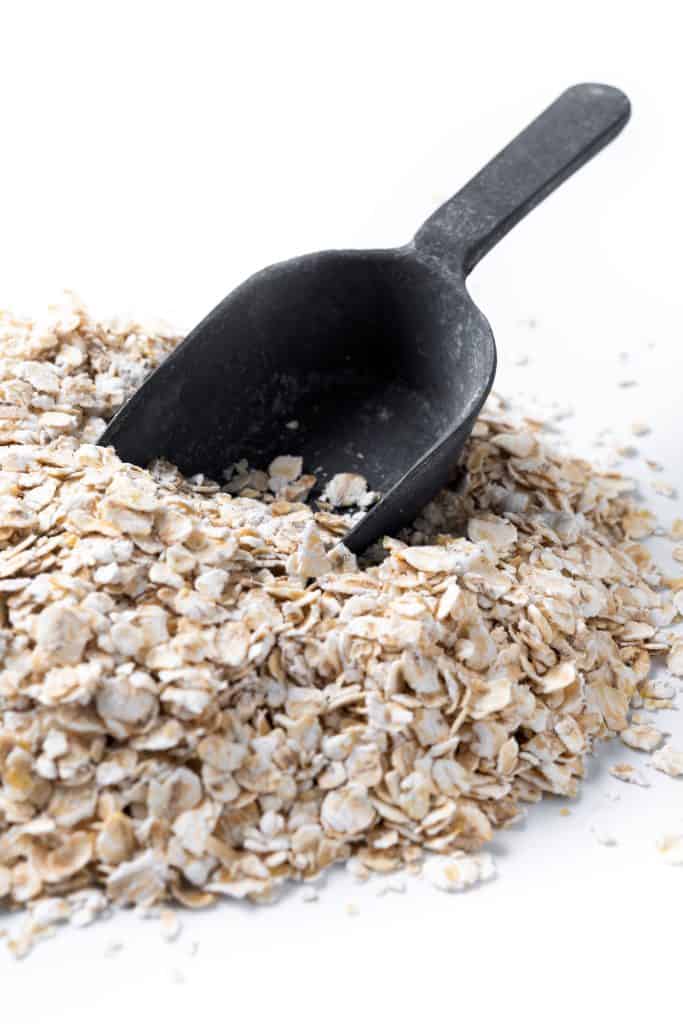
- Can be milled for flour, creating tender baked goods like oat muffins or pancakes.
- Can also be rolled at home for fresh oatmeal with a softer texture and clean taste.
5. Corn
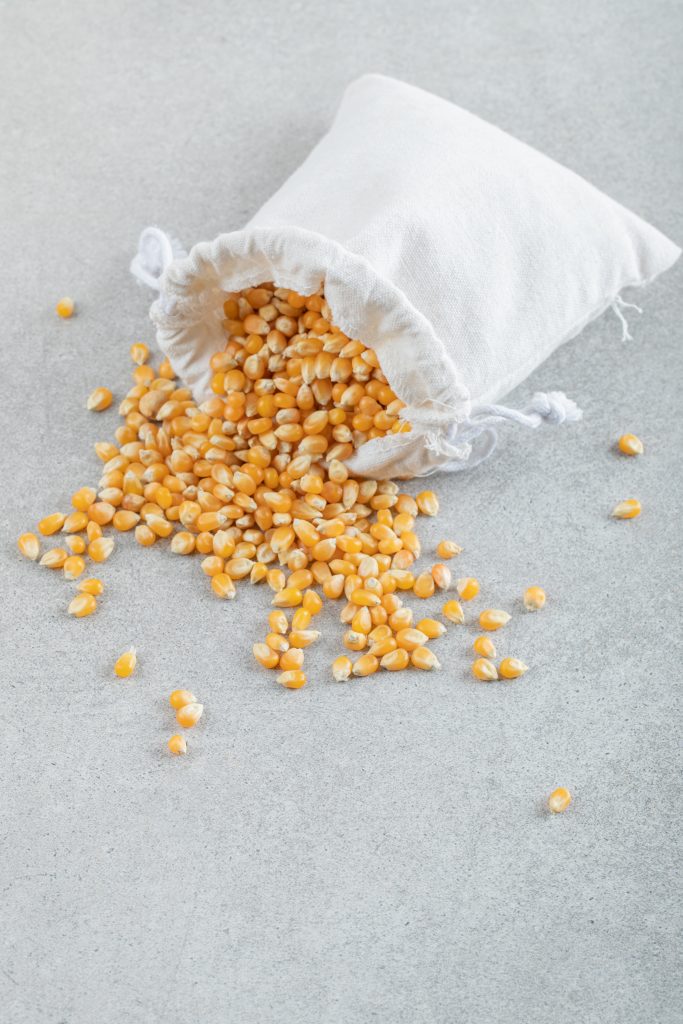
- When freshly ground, cornmeal has a noticeable sweetness and vibrant aroma.
- Perfect for cornbread, tortillas, polenta, and even coatings for fried foods.
6. Specialty Grains and Seeds
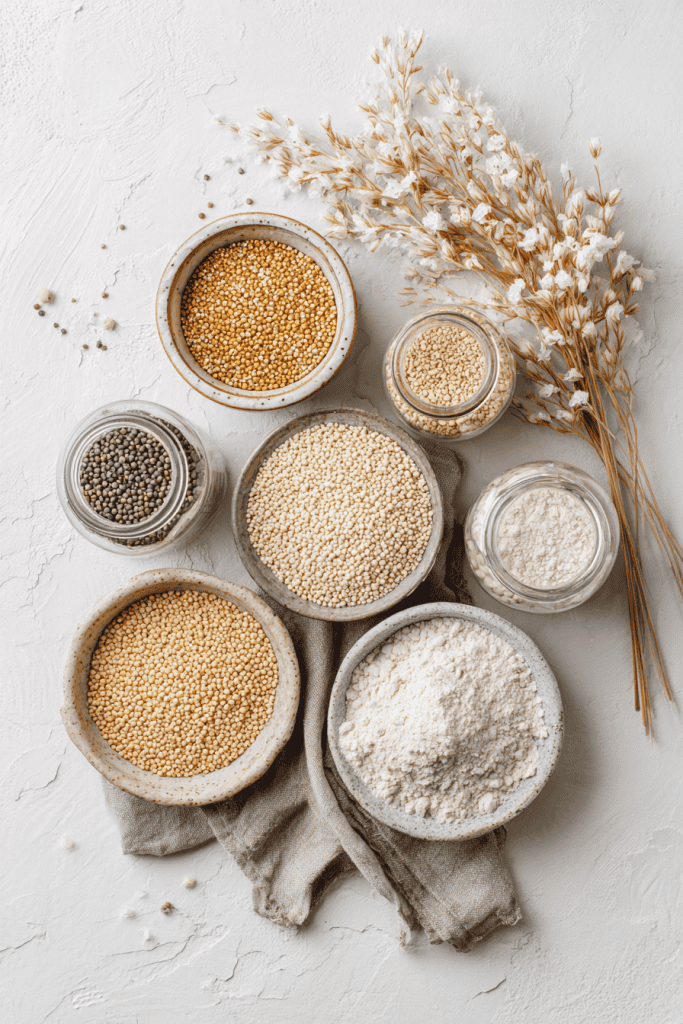
- Millet: Light and mild, adds tenderness to breads and baked goods.
- Quinoa: Naturally protein-rich, best used in combination with other flours for bread, muffins, or crackers.
- Buckwheat: Earthy and distinctive, valued in pancakes, soba noodles, and rustic loaves.
- Sorghum: Mild and slightly sweet, often used in gluten-free baking.
Everyday Uses of Freshly Milled Grains
Freshly milled grains earn their place in the kitchen because they adapt to so many dishes. Their uses go far beyond a single loaf of bread.
Once you start working with them, you’ll notice that they lift the quality of both simple meals and special recipes.
Here are some of the most valuable ways to put them to work.
A. Baking Staples
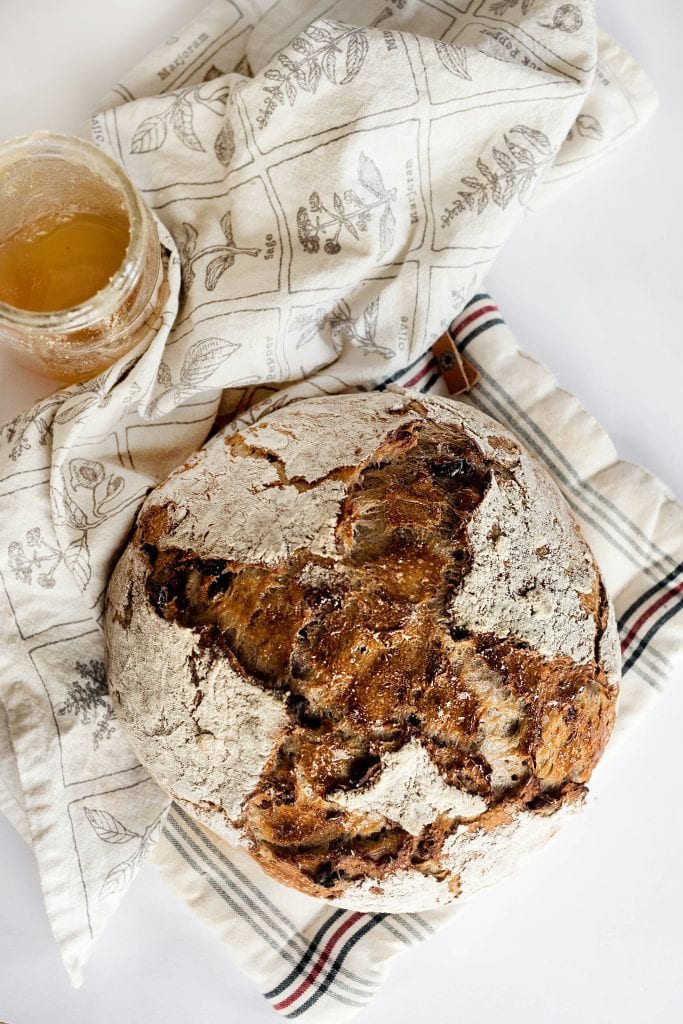
- Bread: Perhaps the clearest showcase of fresh flour. A loaf made from freshly milled wheat has a fuller crust, a more complex crumb, and a satisfying chew. Whether sourdough or yeasted, bread rises with energy and flavor that packaged flour rarely delivers.
- Pastries and Cakes: Soft wheat and spelt flour create tender textures while still carrying flavor. Muffins rise evenly, pie crusts hold their shape, and cakes carry a subtle sweetness that balances well with fruit or spices.
- Cookies and Biscuits: Using fresh flour here adds more than structure; it deepens the taste. Cookies become rich without being heavy, and biscuits stay light but flavorful.
B. Savory Cooking
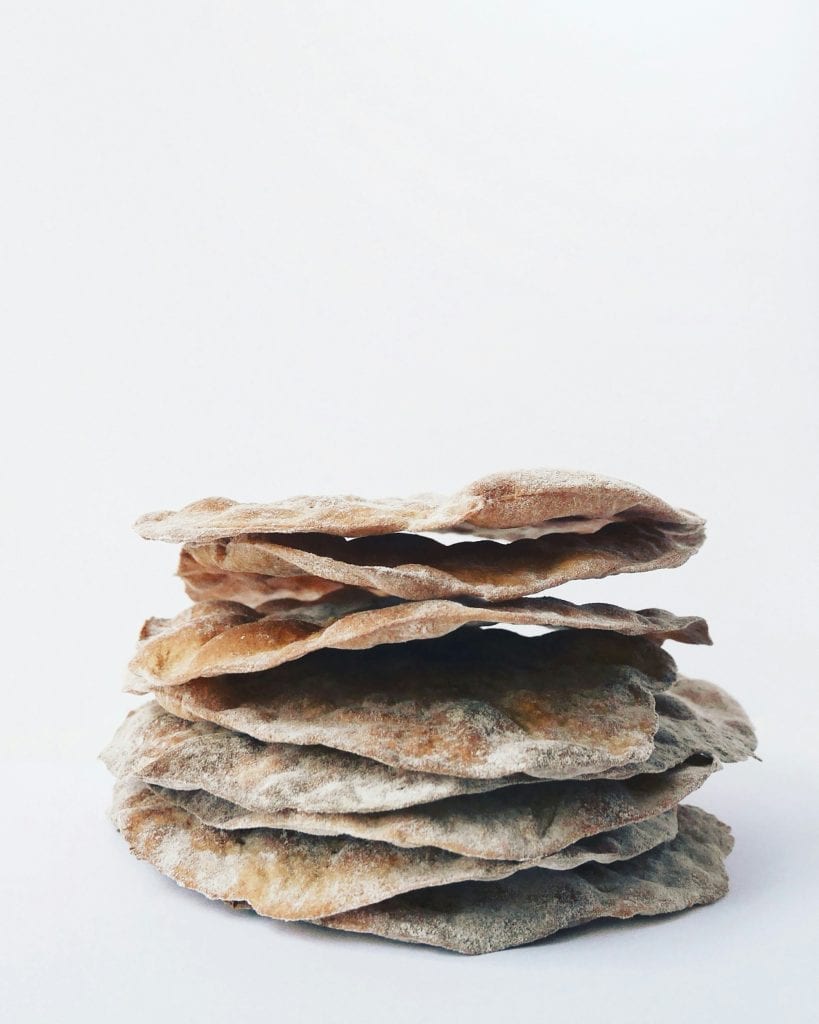
- Pasta and Noodles: Freshly milled flour makes homemade pasta stand out. The dough feels sturdy yet supple, producing noodles that keep their bite and flavor even under a rich sauce.
- Flatbreads and Tortillas: These everyday staples benefit from fresh flour’s elasticity and taste. The same qualities shine in recipes like this freshly milled pizza dough recipe, where stretch and flavor go hand in hand.
- Breading and Coatings: Fresh flour clings well to vegetables, fish, or chicken, forming a crisp coating that tastes naturally seasoned, even before spices are added.
C. Breakfast Favorites
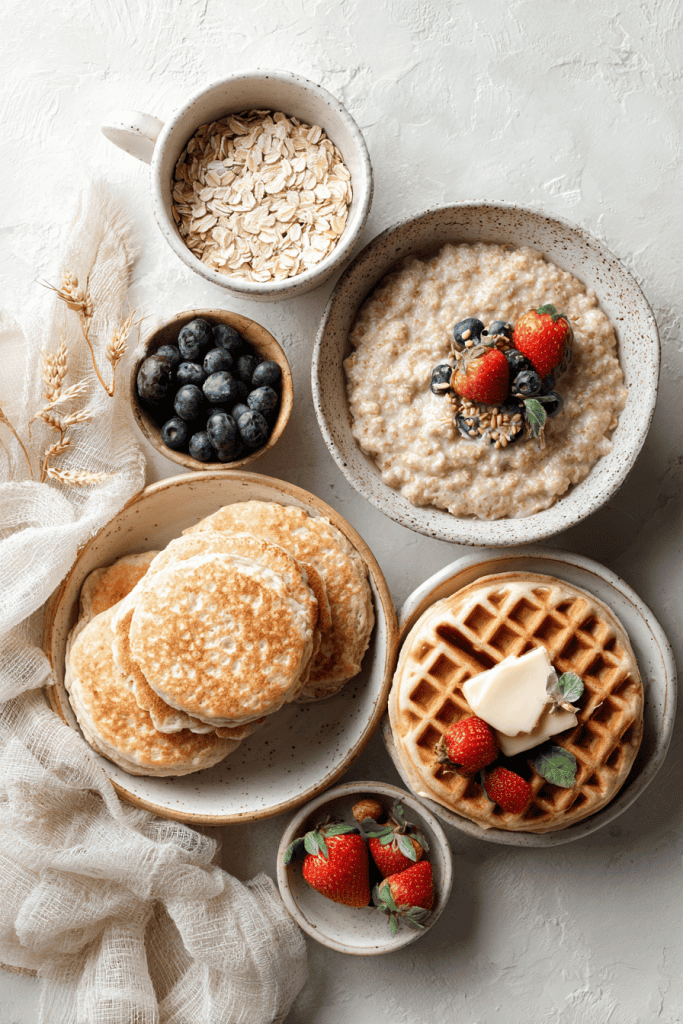
- Hot Cereals and Porridges: Oats, millet, or quinoa can be milled for smooth porridge or cracked for heartier hot cereal. Either way, they make a filling and balanced breakfast.
- Pancakes and Waffles: Fresh flour creates a batter that yields fluffy, flavorful results. The natural sweetness of the grain means you can often reduce added sugar without losing taste.
- Muffins: These are an easy way to experiment with blends of grains. A mix of spelt and rye, for example, makes a muffin that is both hearty and tender.
D. Beyond Baking
- Soups and Sauces: A spoonful of fresh flour thickens gravies, stews, or cream sauces smoothly, with no aftertaste. It integrates cleanly, giving you both texture and flavor.
- Fermented Foods: Freshly milled grains provide food for sourdough starters or can be used in traditional fermented drinks like kvass. Their freshness supports stronger, more active cultures.
- Homemade Snacks: Crackers, granola bars, and energy bites hold together better with fresh flour. They deliver both taste and staying power, making them reliable snacks for busy days.
Tips for Milling at Home
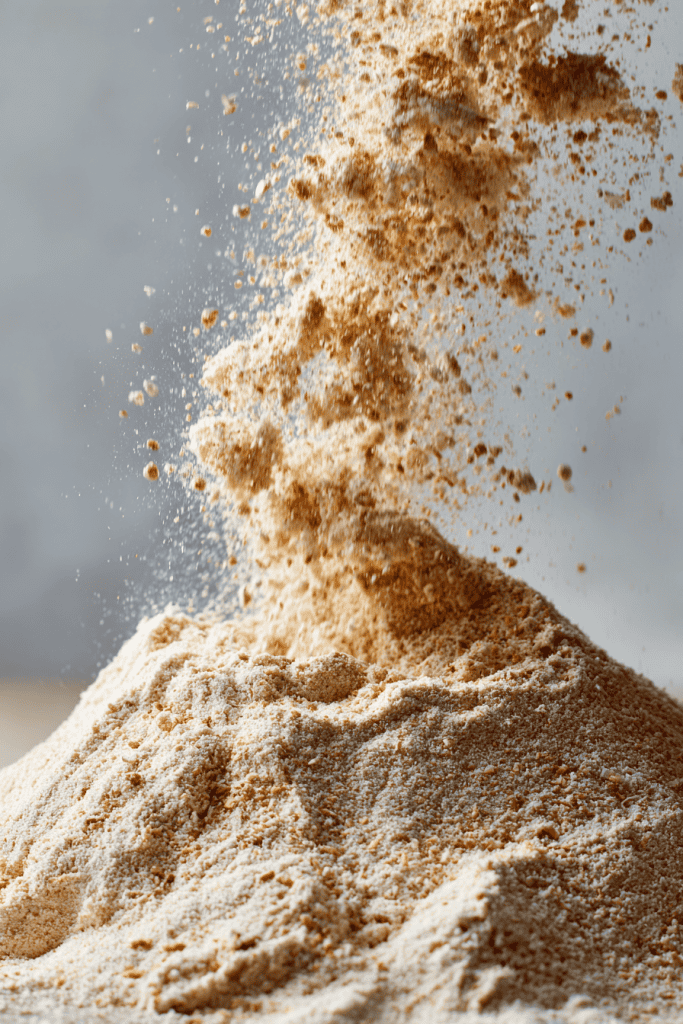
Milling at home is straightforward once you know the essentials.
A few steady habits ensure that your flour remains flavorful, your grains stay fresh, and your mill works as it should.
Choosing the Right Mill
The first step is selecting a mill that suits your kitchen rhythm.
- Electric mills are efficient and handle large batches quickly, making them a good choice for households that bake often.
- Manual mills, on the other hand, are slower but dependable, offering more control and a quieter, hands-on process.
Many mills allow you to adjust the grind, from a fine powder for cakes to a coarser texture for rustic bread or porridge, giving you flexibility for different recipes.
Storing Grains Well
Whole grains remain fresh for a long time when stored properly, so it is best to keep them intact until you are ready to mill.
Airtight containers (such as glass jars or sealed bins) help protect them from moisture and light.
A cool, dry pantry or cellar ensures consistency in storage, which keeps the grain’s natural oils stable and the flavor intact.
Milling only what you need for immediate use allows the flour to maintain its best qualities.
Milling in the Right Amounts
A simple principle guides home milling: smaller is better.
By grinding just enough for your recipe, you preserve the freshness of the flour.
If you know you will be baking several times within a week, it can be practical to mill a little extra and store it in an airtight container for short-term use, but freshly ground flour always performs at its best right after milling.
Experimenting with Blends
Freshly milled flour invites experimentation.
Blending grains opens up new flavors and textures – spelt mixed with wheat produces bread that is both sturdy and nutty, while rye combined with soft wheat creates crackers with depth and balance.
Adjusting the grind also changes the character of the flour: coarser textures give bread a rustic strength, while a fine grind produces tender cakes or pastries.
Starting with small substitutions in familiar recipes is a simple way to explore what works best for your household.
Maintaining Your Mill
A mill is an investment worth caring for.
Brushing out flour dust after each use keeps it running smoothly, and occasional deep cleaning ensures consistent grinding.
Following the manufacturer’s guidelines helps extend the life of the mill while preserving the quality of the flour.
A well-maintained mill gives you confidence that your flour will be even, reliable, and ready for any recipe.
Integrating Freshly Milled Grains into a Homestead Lifestyle
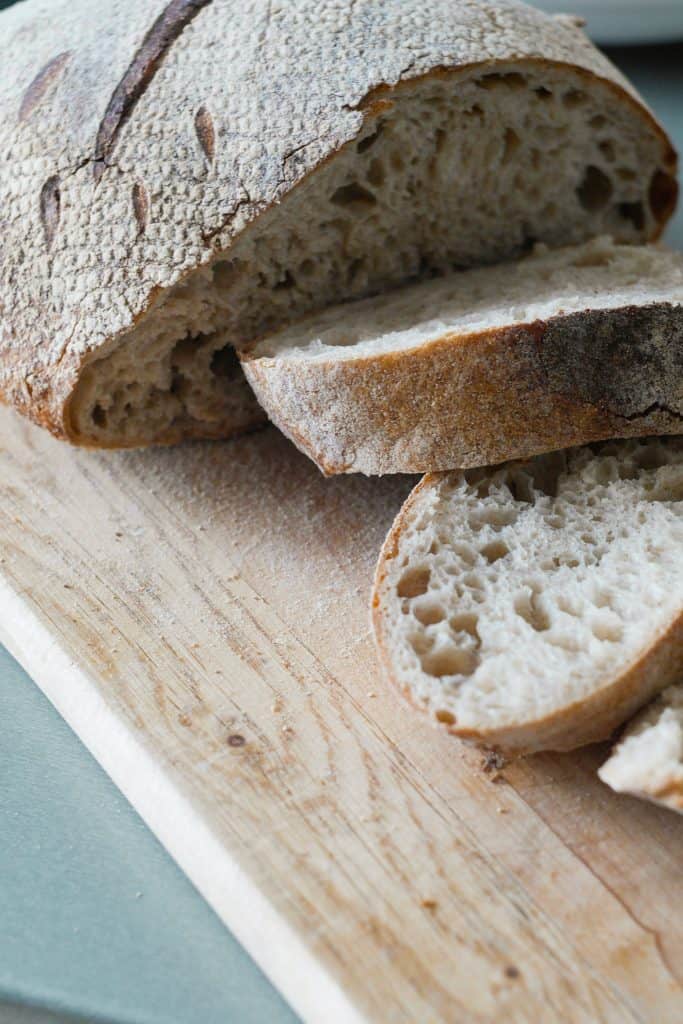
Freshly milled grains fold easily into daily life on a homestead.
A loaf of bread or a stack of pancakes feels more reliable when you know the flour was ground in your own kitchen.
Even children can take part – helping pour grain into the mill or tasting the difference in fresh-baked bread.
These grains also move naturally with the seasons: hearty loaves and porridges in the colder months, lighter flatbreads and muffins in the warmer ones.
Beyond the home, sharing a batch of bread or cookies with neighbors turns a simple practice into a way of building connection.
Over time, milling becomes less of a task and more of a steady rhythm – an ordinary, trustworthy step in preparing meals you can stand behind.
Start Milling Today: Bring Fresh Grains Into Your Kitchen
Freshly milled grains bring steady improvements to the kitchen – more flavor, more nutrition, and more control over what goes into your food.
Begin with one grain and one recipe – bread, pancakes, or even simple muffins.
The more you use them, the more natural they become, adding steady value to your everyday cooking.
Have you tried milling your own grains, or are you just getting started?
Share your thoughts and experiences in the comments below – I’d love to hear how freshly milled flour is finding a place in your kitchen.
FAQs
1. What kind of mill should I buy first?
If you bake regularly, an electric mill is efficient and consistent. If you bake less often, a manual mill is more affordable and reliable. Choose one that allows you to adjust the grind for flexibility.
2. How long does freshly milled flour last?
Fresh flour is best used right after milling but can be stored in an airtight container for up to a week. For longer storage, keep whole grains and mill only what you need.
3. Can I mix different grains in one recipe?
Yes, blending grains is one of the best ways to explore flavor and texture. Start with small substitutions—like replacing a portion of wheat flour with spelt or rye – to see how it changes the final bake.
4. Do I need to soak or sprout grains before milling?
You don’t have to, but soaking or sprouting can change the flavor and improve digestibility. Many homesteaders enjoy experimenting with both methods for variety.
5. What’s the easiest recipe for beginners using fresh flour?
A simple sandwich bread or pancake recipe is a good place to start. Both are forgiving and let you clearly taste the difference freshly milled flour makes.