
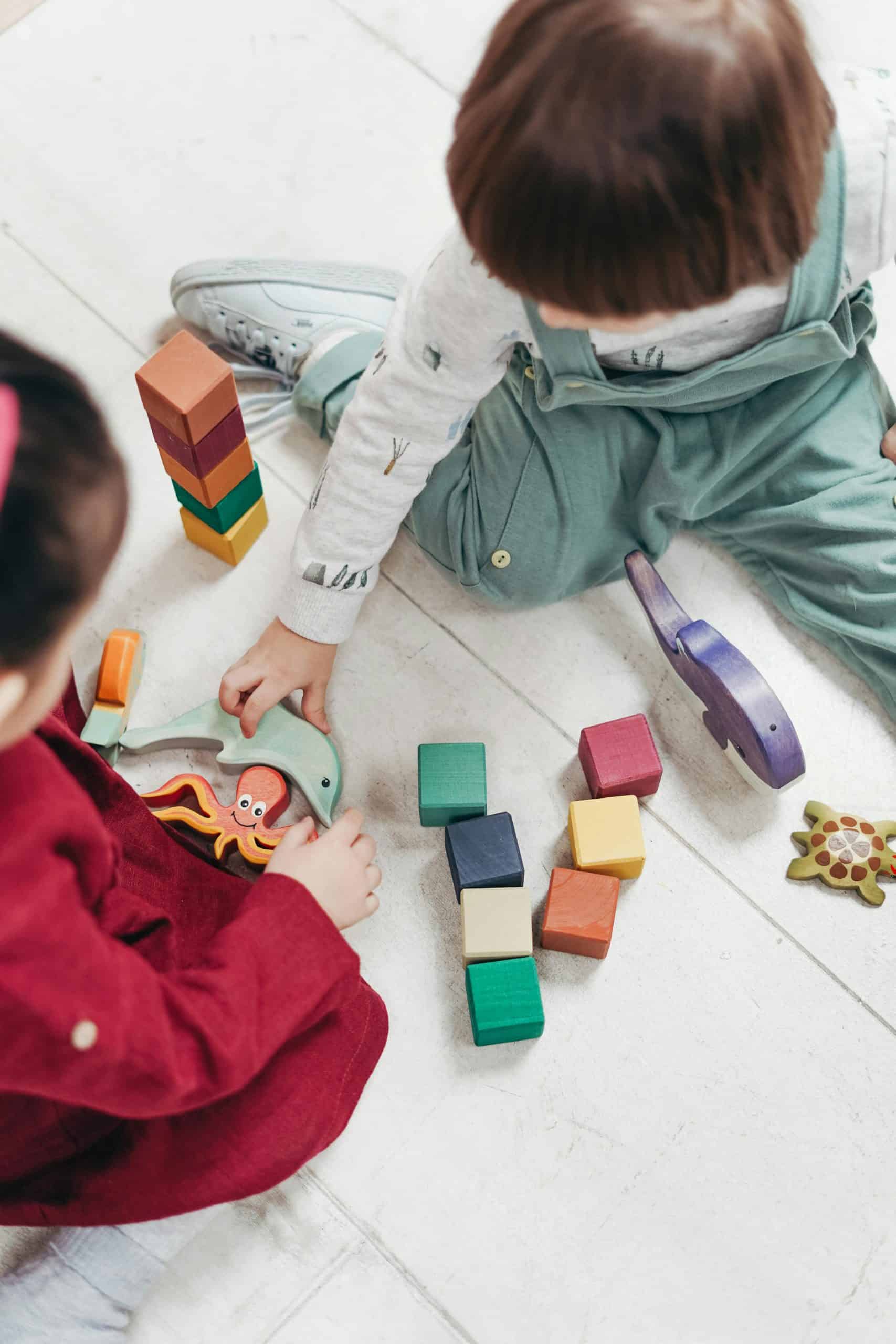
Toddlers explore the world with their hands long before they use words to describe it.
Every pinch, squeeze, scoop, and twist strengthens the tiny muscles that support handwriting, self-care, and confident independence later on.
Parents often look for activities that feel purposeful, simple, and joyful – not overwhelming.
That’s why I gathered 15 parent-approved fine motor activities for toddlers using easy, everyday materials you can grab in minutes.
These activities are low-prep, deeply engaging, and designed to fit easily into a homestead or home-centered lifestyle.
Whether you have five minutes or a full morning, each activity offers meaningful skill-building disguised as play.
Let’s explore how to create small moments that spark curiosity, build coordination, and brighten your toddler’s day!
Why Fine Motor Skills Matter for Toddlers
Fine motor skills refer to the precise movements of small muscles in the hands, fingers, and wrists.
Toddlers develop these skills naturally, yet intentional play strengthens their coordination and prepares them for future tasks such as:
- buttoning clothing
- holding a crayon
- scooping food
- manipulating tools
- beginning early writing strokes
When toddlers engage in fine motor play, they build focus, patience, and confidence.
Each win (dropping a pom-pom into a hole, peeling a sticker, completing a simple thread) creates a moment of joyful progress.
If your child enjoys hands-on play like this, you might also love exploring these must-try sensory activities for preschoolers for even more simple, skill building ideas.
What Makes an Activity “Parent-Approved”?
Parents appreciate activities that are:
- Safe and predictable
- Simple to set up
- Low-cost, using items already at home
- Engaging without overstimulating
- Skill-building with clear developmental value
These 15 activities check all those boxes while staying flexible.
You can adapt them to your environment, include natural materials from your homestead, or bring them outdoors for fresh air and sensory richness.
15 Simple Fine Motor Activities for Toddlers
Below are easy, parent-approved fine motor activities for toddlers that you can create today. Each activity includes purpose, setup, and a helpful tip.
1. Pom-Pom Drop Through a Colander
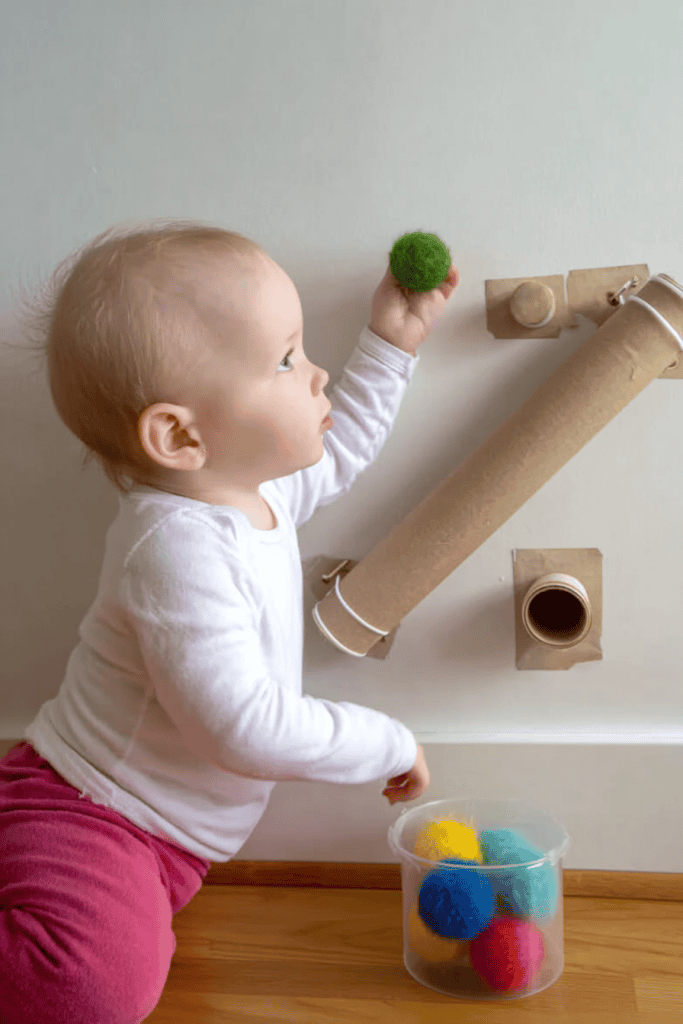
Place an upside-down colander on the table and offer a small bowl of pom-poms.
Toddlers enjoy picking up each pom-pom and placing it through the holes.
The focused placement builds hand-eye coordination and strengthens the pincer grasp, especially when the openings require careful alignment.
This activity is rhythmic and soothing, making it an easy way to encourage quiet concentration.
If you also have a little one in the baby stage, you might enjoy these expert-approved sensory activities for babies for more simple ideas that support early development.
2. Clothespin and Bucket Clipping
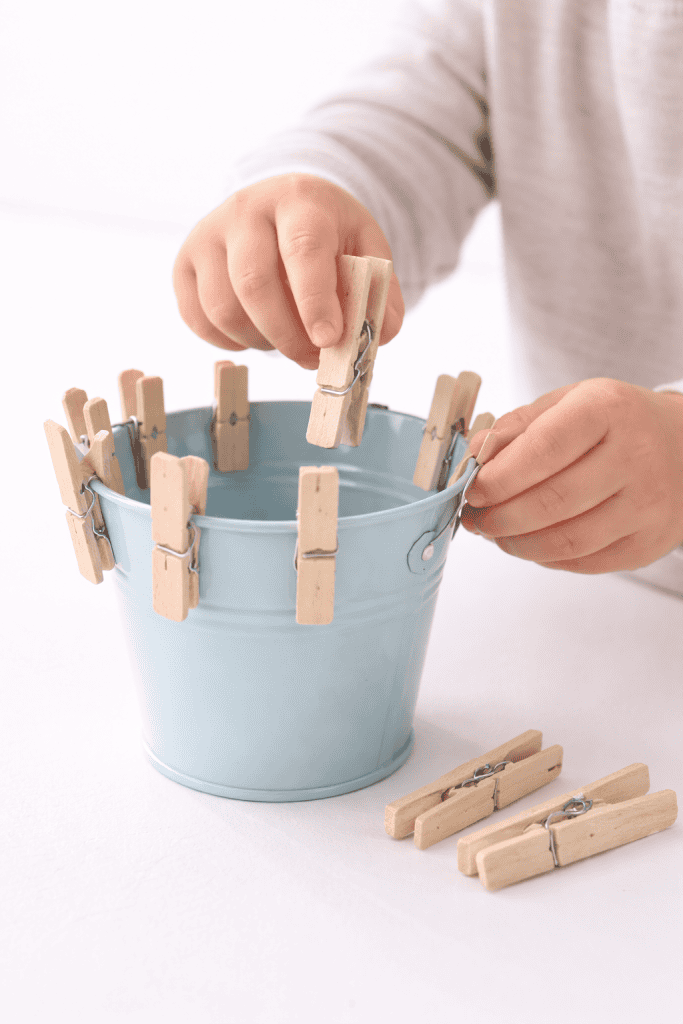
Set out wooden clothespins and a small bucket. Show your toddler how to squeeze and clip each clothespin around the rim.
The squeezing motion engages the thumb and index finger, and holding the bucket steady encourages both hands to work together.
Over time, children gain confidence in managing tools that require gentle pressure and steady control.
3. Threading Pasta onto Pipe Cleaners
Offer large pasta pieces and colorful pipe cleaners shaped into simple curves or letters.
Sliding each pasta piece onto the pipe cleaner requires steady hand movements and careful placement.
Toddlers begin to recognize simple sequences and enjoy the visible progress as the pipe cleaner fills up.
It’s a calming task that supports patience and focused attention.
4. Sticker Peeling and Placing
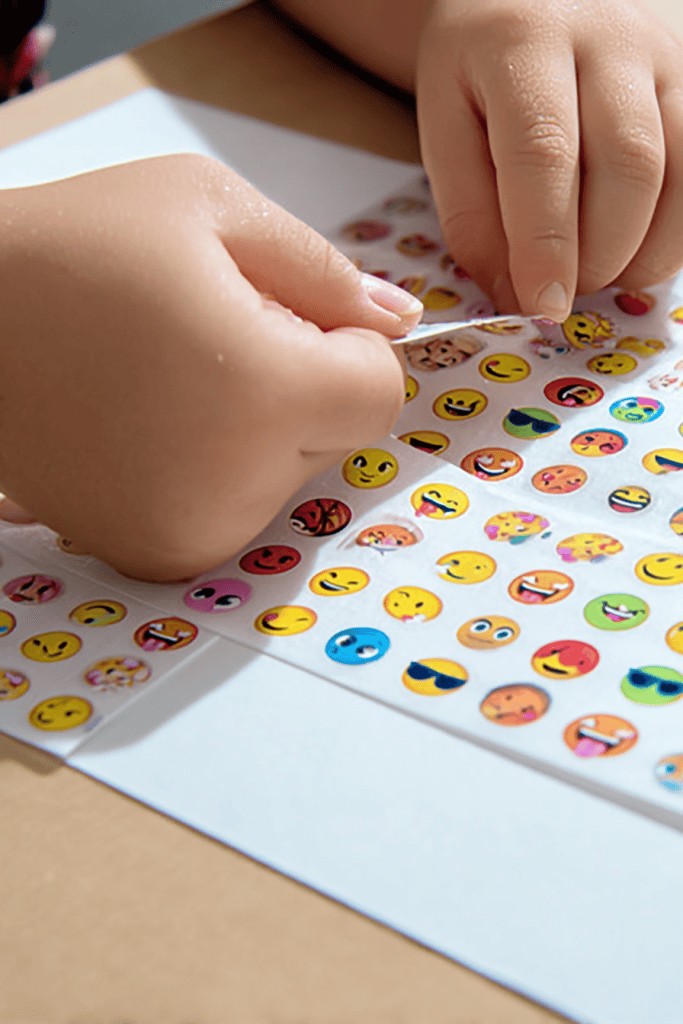
Lay out a sheet of stickers with a piece of blank paper beside it.
Encourage your toddler to peel and place each sticker wherever they choose.
Peeling strengthens finger isolation, while the act of placing builds precision.
Toddlers appreciate the creative freedom, and the satisfaction of seeing their page fill up keeps them engaged.
5. Play-Dough Pinch and Roll Session
Set out play-dough with a few simple tools or natural items like leaves or twigs.
Toddlers squeeze, roll, pinch, and shape the dough, using the full range of finger movements.
The resistance in the dough strengthens small hand muscles, and the open-ended nature of the activity encourages imaginative exploration.
For more crafty inspiration, check out irresistible felt craft ideas for kids to spark creativity with easy, hands-on projects.
6. Dry Pouring Station
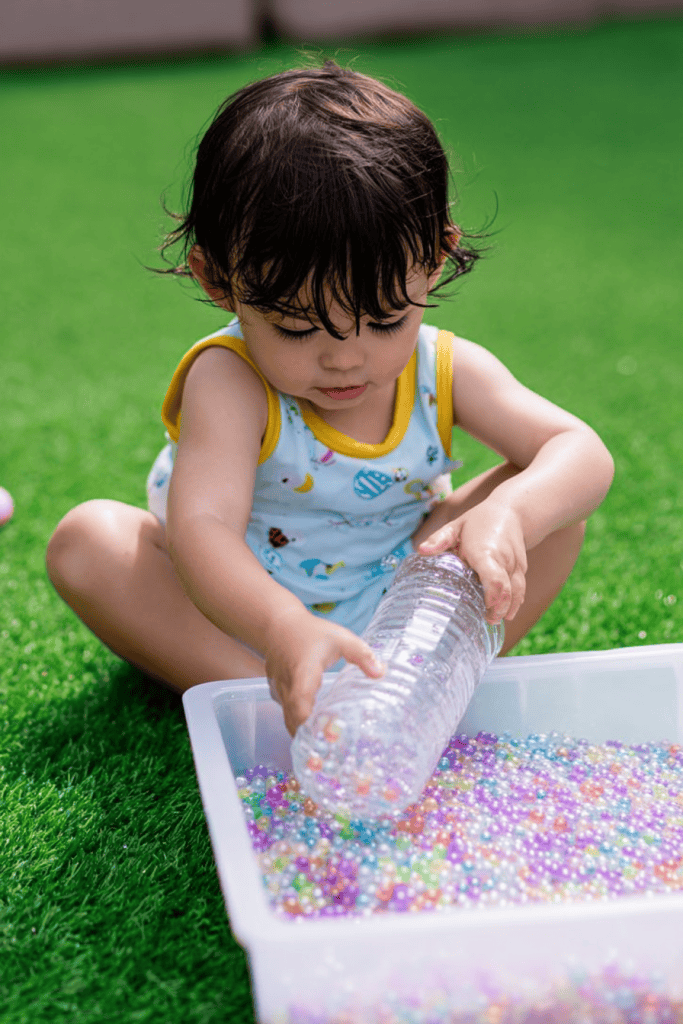
Create a small station with dry rice, beans, or oats along with cups and small bowls.
Show your toddler how to scoop, pour, and transfer the materials.
These repeated motions help steady the wrist and build control over hand movements.
The sound and texture of the materials add a sensory element that keeps toddlers curious and attentive.
7. Water Transfer with Squeeze Tools
Fill a shallow bowl with water and offer pipettes, turkey basters, or soft squeeze toys.
Toddlers enjoy squeezing water into one container and releasing it into another.
The gentle resistance of the squeeze tools strengthens hand muscles, and the clear visual feedback helps toddlers understand how pressure affects movement.
You can also explore this engaging Sunday school crafts for toddlers for simple, creative activities that keep little hands busy and learning.
8. Safe Paper Strip Cutting Practice

Cut paper into short strips and draw bold guiding lines.
Offer toddler-safe scissors and invite your child to cut along the line.
Cutting encourages both hands to work together – one cutting, one stabilizing the paper.
Each completed snip gives toddlers a sense of accomplishment and invites them to try again.
9. Tweezers and Pom-Poms Transfer
Place pom-poms in a bowl next to child-safe tweezers.
Toddlers enjoy squeezing the tweezers, lifting each pom-pom, and placing it into a muffin tin or small cups.
This deliberate movement strengthens the fingers used for writing readiness and helps toddlers refine their grasp over time.
For more festive, hands-on ideas, check out magical Christmas sensory activities to engage kids that combine holiday fun with skill-building play.
10. Simple Lacing Cards

Create lacing cards by punching holes around the edges of recycled cardboard shapes.
Offer soft shoelaces or yarn with taped ends.
Following the line of holes encourages steady tracking and strengthens coordination between both hands.
Toddlers enjoy the puzzle-like quality of completing each loop.
11. Button Sorting and Fastener Practice
Provide a small assortment of large buttons or simple fasteners such as zippers, snaps, or Velcro attached to a fabric square.
Toddlers sort buttons by color or size or practice opening and closing fasteners.
These motions support early self-care skills while building confidence through everyday mastery.
12. Sticker Mazes or Dot-to-Dot Lines
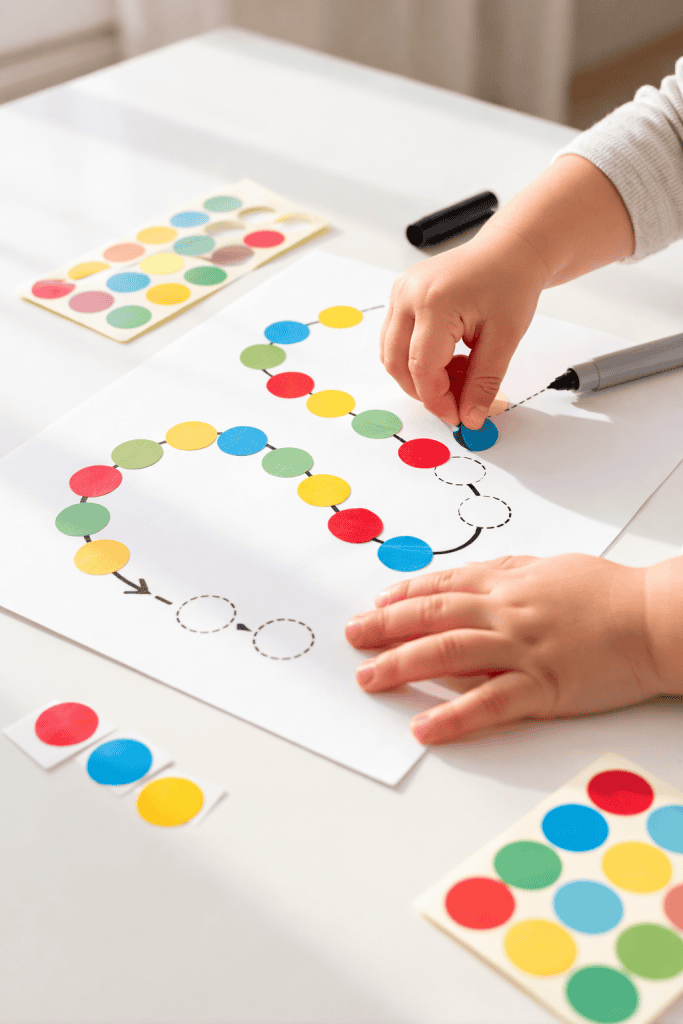
Draw a curved path or dotted line on sturdy paper. Invite your toddler to place stickers along the path or follow the dots.
This encourages steady, deliberate placement and strengthens early writing foundations.
The activity balances creativity with gentle structure, which many toddlers find comforting.
You can build on this type of hands-on play with exciting sensory bin filler ideas that offer more opportunities for exploration and fine motor practice.
13. Leaf Hole-Punching Station
Collect firm leaves such as oak or magnolia.
Provide a small hole punch and invite your toddler to make holes along the edges.
The action of squeezing the punch builds full-hand strength, and using natural materials adds a refreshing outdoor element to the experience.
14. Clothespin Snack Pickup
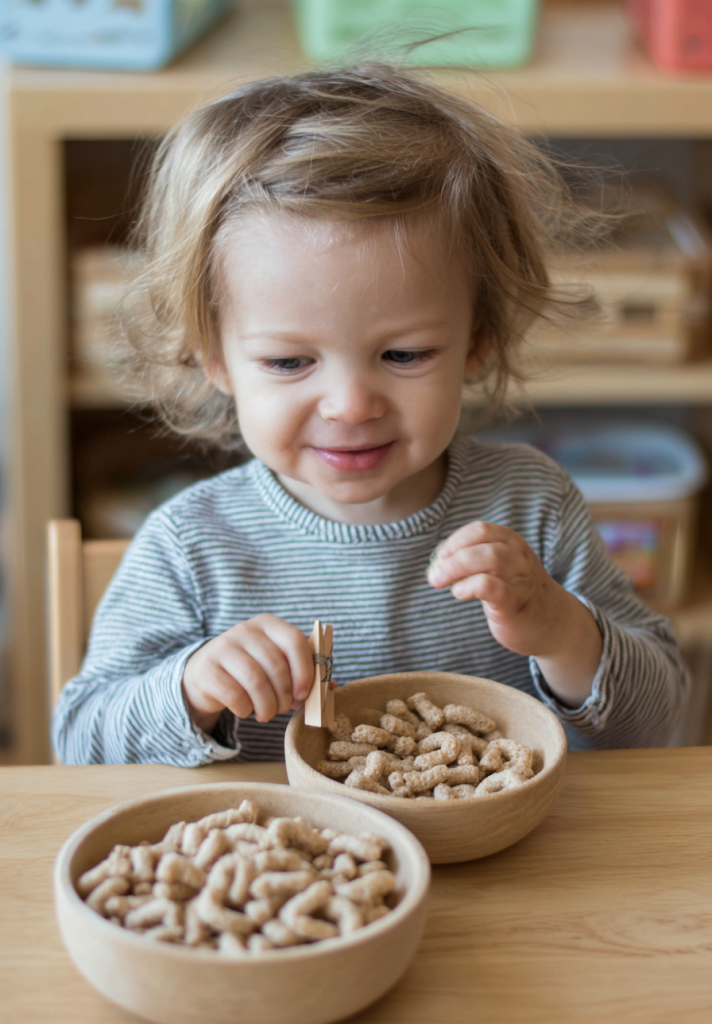
Place large cereal pieces or toddler-safe snacks in a bowl with a clothespin.
Encourage your child to pick up each piece with the clothespin and transfer it to a cup.
This fun, purposeful task strengthens fine motor control, and the reward of enjoying a snack keeps the activity motivating.
15. Homemade Posting Board
Cut a few narrow slots into a sturdy cardboard box and offer small objects like craft sticks, jar lids, or cardboard shapes.
Toddlers slide each piece through the slot and listen for the soft drop inside.
The repeated action helps refine aim, direction, and coordination while offering simple, satisfying cause-and-effect play.
My Encouragement
Every toddler moves at their own pace. If your child steps away quickly, simply try again later.
You may notice your toddler returns when they feel ready.
Celebrate the tiny wins – the moment they grip a new tool, complete a sequence, or stay engaged a little longer.
These small moments create positive learning habits and build lifelong confidence.
Stay optimistic, stay observant, and enjoy witnessing their emerging independence.
Try One of These Activities Today
Fine motor skills grow through simple, joyful experiences.
These 15 parent-approved fine motor activities for toddlers offer clear developmental benefits while keeping your child curious and engaged.
You just need everyday items and a mindset of exploration.
Choose one activity today, set it up in minutes, and enjoy watching your toddler lean into new skills with excitement.
If you found this guide helpful, pass it along to another parent who values simple, skill-building play.
And if you want more homestead friendly toddler activities, explore more on Homesteading With Betty for inspiration and practical tools you can use right away.
FAQs
How old should a toddler be for fine motor activities?
Most toddlers can enjoy fine motor play as early as 12–18 months. Choose larger materials for younger toddlers and adjust as skills grow.
What materials do I need for fine motor activities at home?
Common household items – bowls, spoons, pasta, clothespins, cardboard, stickers, and natural elements – are ideal.
How often should toddlers do fine motor activities?
Brief daily sessions help build consistent progress. Even a few minutes each day supports development.
Are fine motor activities the same as sensory play?
They overlap. Many fine motor tasks also offer sensory input, which enhances engagement and learning.
When should I be concerned about my toddler’s fine motor skills?
If you observe persistent difficulty with grasping, pointing, or self-care tasks over time, consider connecting with a pediatric professional for guidance.