
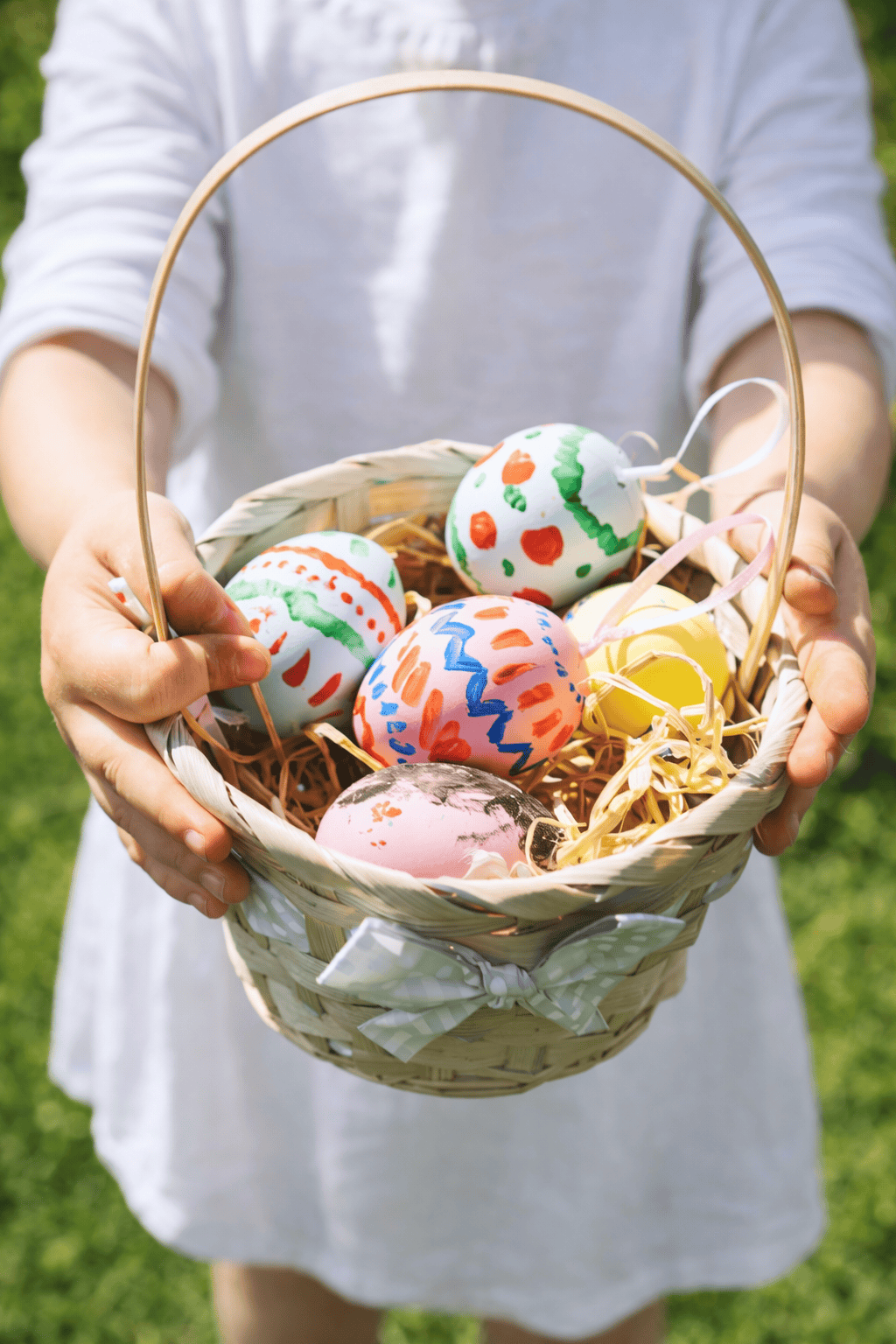
Easter egg hunts are a magical spring tradition, especially for toddlers and young kids.
On our homestead, we love making every hunt warm and adventurous.
Whether it’s in the garden among daffodils or right in the living room on a rainy day, these kid-friendly ideas blend outdoor fun with DIY, nature-inspired touches.
You can even pair the hunt with wholesome Easter crafts for kids to make the day extra creative.
I’ve put together 10 creative egg hunt ideas (plus tips) that toddlers through early elementary kids will absolutely love – and you can easily tweak them for older siblings too!
10 Fun Easter Egg Hunt Ideas Kids Will Absolutely Love
Below are 10 fun Easter egg hunt ideas that kids will absolutely love.
1. Color-Coded Easter Egg Hunt
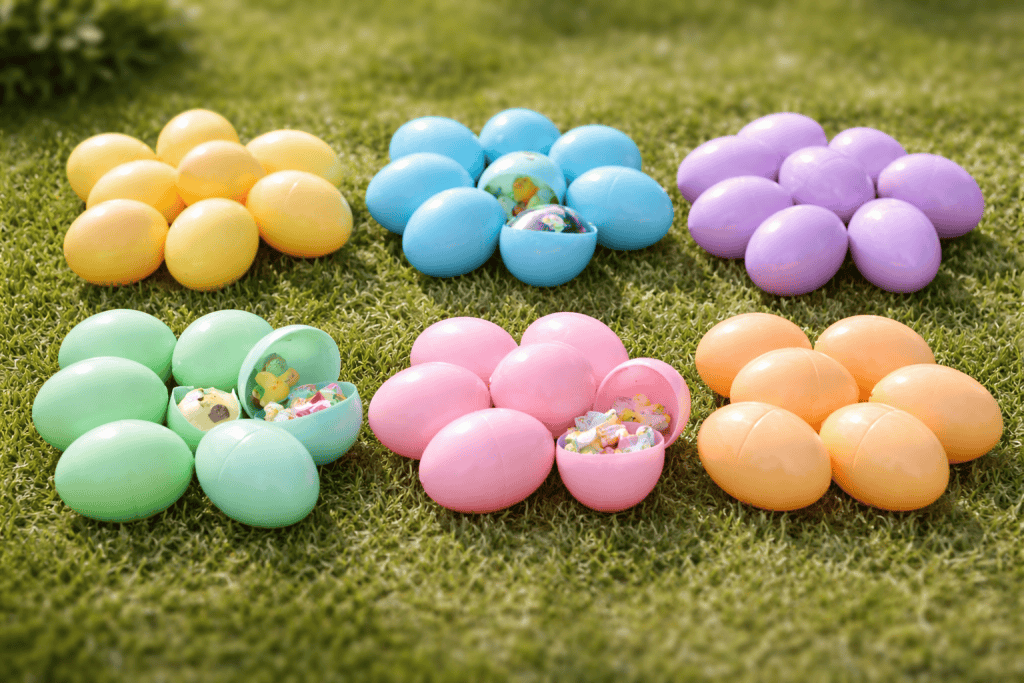
Make the hunt fair and easy by giving each child a different color of egg to find.
Hide plastic eggs of one color for one child, another color for the next, and so on.
This way, every youngster has a clear goal and no one feels left out. It also prevents older kids from grabbing all the eggs.
For very little ones, just ask them to “find the yellow egg” instead of using numbers or clues.
Tip: To keep tiny hands happy and sugar under control, put stickers or small toys in some eggs instead of candy.
2. Nature Scavenger Egg Hunt

Combine nature play with egg hunting by filling plastic eggs with tiny natural treasures or using natural hiding spots.
For example, tuck eggs under smooth river stones, inside faux bird nests, or behind tufts of moss in the garden.
You can also hide painted rocks or real eggs dyed with natural ingredients like onion skins or turmeric.
Another twist: have kids collect nature items (leaves, flowers, pinecones) in their baskets as they hunt to complete a springtime scavenger checklist.
Filling eggs with little nature finds (acorns, pressed flowers, smooth pebbles or seeds) adds a homestead flair and gets kids exploring the outdoors.
If you’re planning an educational twist, try our resurrection scavenger hunt for kids for a story-based, outdoor adventure.
3. Indoor Treasure Egg Hunt
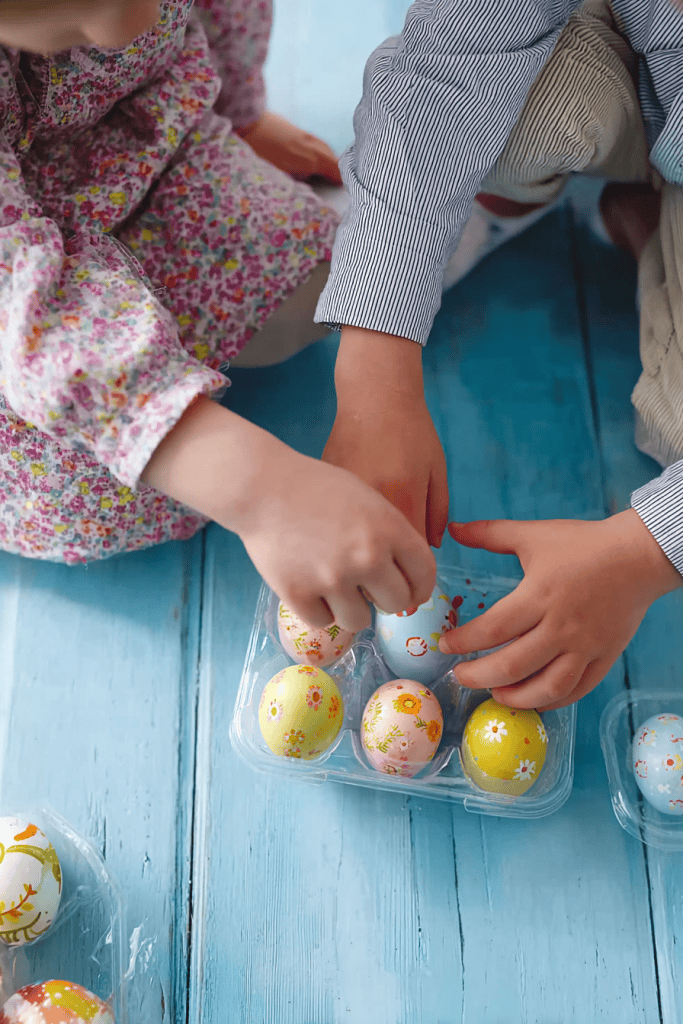
Bad weather? No problem. Transform the living room into an Easter wonderland.
Hide plastic eggs on cushions, in toy boxes, under tables or inside slippers. You can even put an egg in the fridge or laundry machine for giggles.
Use the same color-coded trick indoors if you have multiple kids.
For extra fun, draw simple indoor “maps” or clues (e.g. “Where we eat, you’ll find a treat!”).
Indoors, soft and obvious hiding spots keep it toddler-friendly, while older kids can get hints or search timers.
An indoor hunt works just as well as outdoors – just remind kids to look high and low around the house.
If you’re looking for biblical theme craft activities, see our adam and eve craft ideas for preschoolers for easy, themed projects.
4. Glow-in-the-Dark Egg Hunt

Turn nightfall into an Easter party with glow sticks and dark plastic eggs.
Activate glow sticks or buy pre-lighted eggs and do the hunt in dim light or after bedtime.
Toddlers love the novelty of glowing eggs, and older kids will enjoy the challenge.
You can hide glowing eggs around the yard or sprinkle them through the house.
Every time a child finds a glowing egg it’s a mini celebration!
This idea needs very little prep (just some glow sticks or LED eggs) and the kids will squeal with delight hunting in the dark glow.
(Just be sure to supervise so little ones stay safe with glowing toys.)
For more creative indoor activities, check out our engaging Sunday school crafts for hands-on fun that keeps kids learning while they play.
5. Puzzle-Piece Egg Hunt
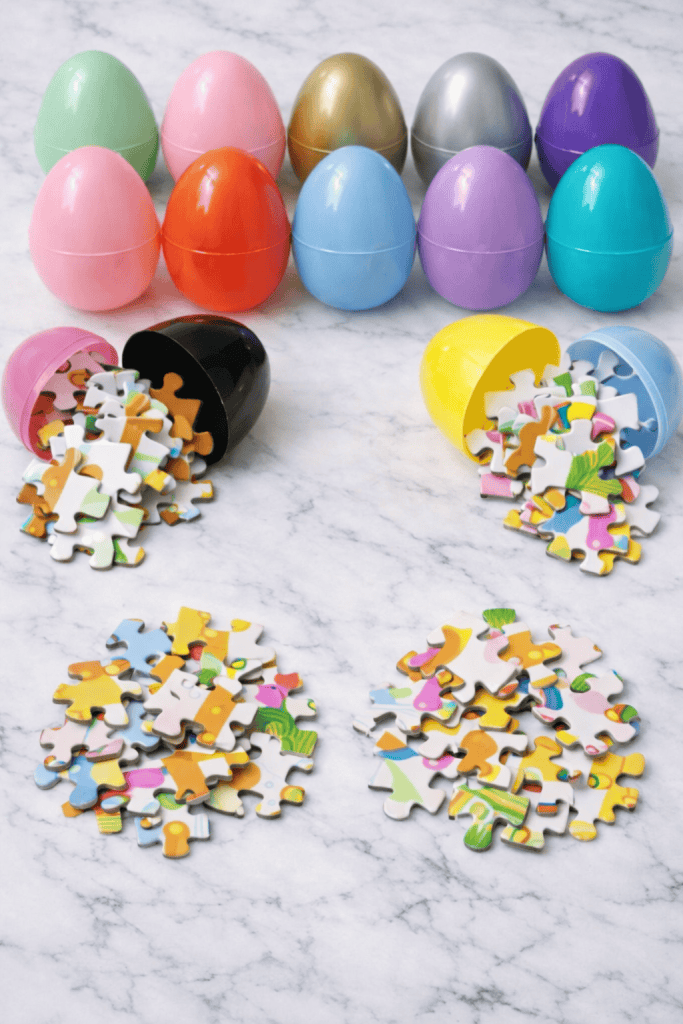
Make your hunt a brain-teaser by putting a piece of a jigsaw puzzle (or a simple picture shredded into pieces) inside each egg.
When all the eggs are found, sit together and assemble the puzzle or picture for a final surprise.
This turns the egg hunt into a teamwork activity and adds an extra goal for kids.
You can use any large-picture puzzle – even print a family photo and cut it up – or buy a puzzle with one piece per egg.
As kids piece together the puzzle, they’ll be proud of their group accomplishment.
This modern twist gets kids thinking and sharing, plus it uses just the same eggs you’ve already hidden.
6. Storybook Clue Hunt
Turn your egg hunt into a mini-adventure by writing simple rhyming clues or riddles leading from one hiding spot to the next.
For example, “Beneath the place where carrots grow, your next clue waits – now off you go!” Use easy language or pictures for toddlers.
Each clue leads to a plastic egg or the next clue, and the final clue leads to the basket of treasures or a “golden egg.”
This hunt can be adjusted for age: little ones get picture clues, big kids read rhyme riddles.
It’s a scavenger hunt meets storytime.
And it’s a thrill for kids to solve each clue and follow the path you create around the garden or house.
If you’re looking for simple, holiday-themed projects for kids, see our simple Passover crafts for ideas that are easy and fun.
7. Farmyard Animal Egg Hunt

Add a homestead touch by involving your little farm animals or a favorite plush farm toy.
Hide eggs near the chicken coop, by the goat pen, or on a hay bale (safely!).
You could even dress up a stuffed bunny and have the “bunny” deliver some eggs.
For each egg spot, give a clue like “the piggies like to snack here” (pointing to feed troughs).
This theme is perfect if you have a backyard pet rabbit or want to use little toy animals in baskets.
Kids love eggs hidden in natural settings like gardens or behind logs; the farm theme gives them a storybook twist (and makes cute photos!).
8. Reverse Easter Egg Hunt
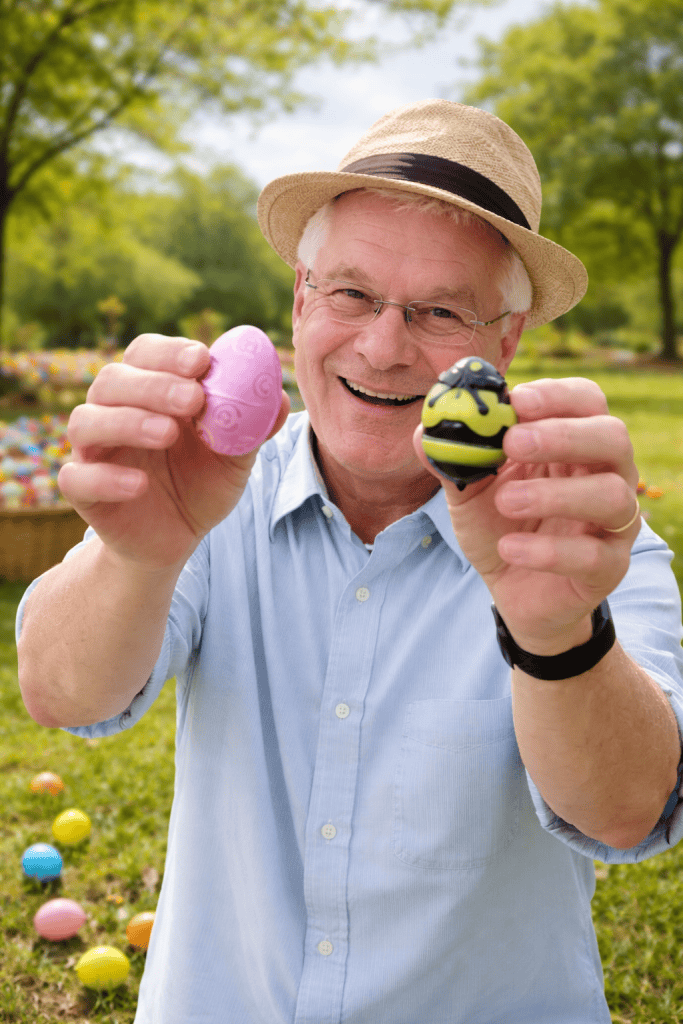
Let the kids be the hiders! In this playful twist, each child takes turns hiding eggs (while the others look away or go inside).
Then the rest of the family has to find them. This flips the fun and is especially giggly for toddlers – they squeal with pride as parents find the eggs they hid.
It’s also a nice way to calm very competitive kids; everyone gets a turn to lead.
Or make it a team game: kids vs parents. This idea is simple and eco-friendly (kids reuse the same eggs) and teaches sharing and taking turns.
It’s one of the eco-friendly twists suggested for a creative hunt, and it always ends with smiles.
9. Craft Supplies Egg Hunt
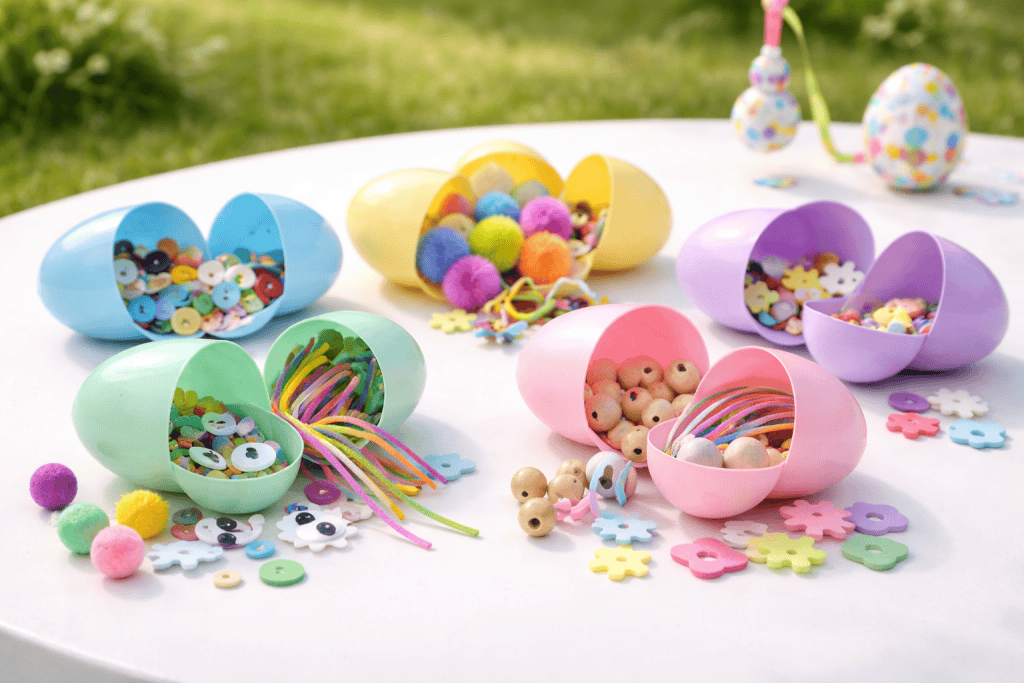
For crafty kiddos, fill eggs with bits of craft supplies instead of candy.
Think buttons, beads, ribbons, yarn scraps, or foam shapes that can be glued later.
After the hunt, gather around the table and make Easter ornaments or spring crafts with the found treasures.
For example, each egg might contain a ribbon piece and a wooden bead to make a bird ornament.
This idea was borrowed from a homestead craft theme: kids find “ingredients” and then create something together.
It extends the fun into a family art time.
Even toddlers can enjoy empty eggs that have stickers or large pom-poms inside, as long as it’s edible-safe or supervised.
10. Family Relay Egg Hunt
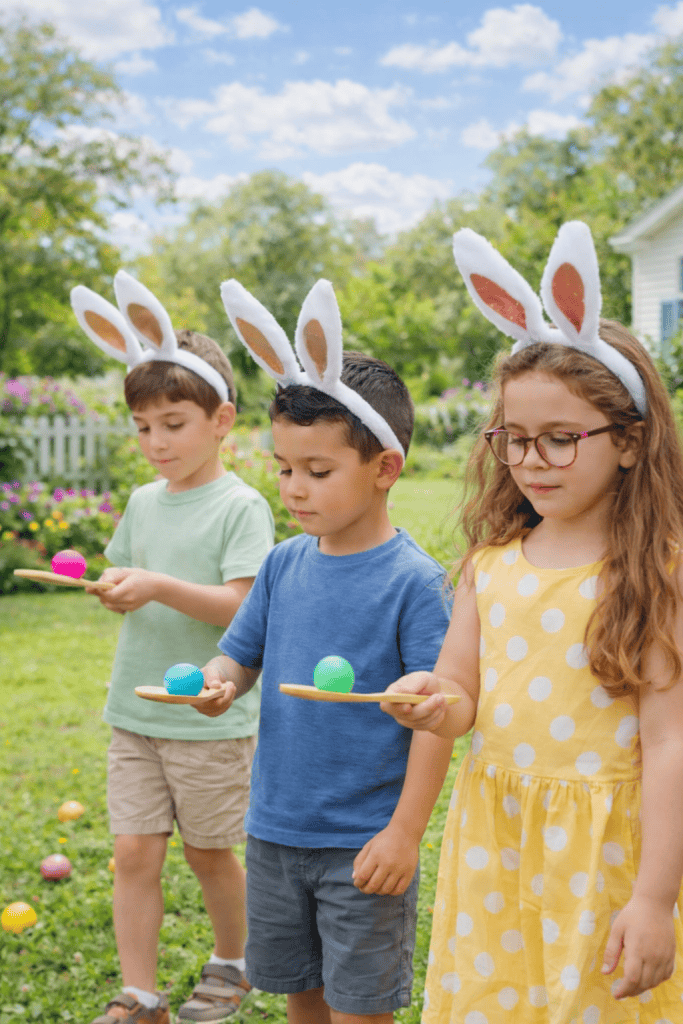
Combine exercise with Easter by turning the hunt into a relay race.
Split older kids (and willing adults) into two teams.
Place eggs at one end of the yard and have a basket at the other.
Players run with a spoon (or carry eggs in an apron) to bring one egg to their basket, then hand off to a teammate.
The first team to collect all their eggs wins. For young kids, a simple egg-and-spoon race is thrilling too.
Or do a timed challenge: how many eggs can your family collect in 30 seconds?
This group game is lively for energetic early-elementary kids and a fun way to end a scavenger hunt.
(It’s a play on a traditional egg-and-spoon race, but with eggs already hidden, combining the best of both races and hunts.)
DIY Prep: Baskets, Dyes, and Decorations
Before the hunt, get into the homestead spirit with homemade touches.
Dye Easter eggs with natural ingredients like beet juice or turmeric, or even paint smooth rocks as eco-friendly “eggs”. Gather baskets or bags you already have – woven baskets, cloth sacks, or even old flower pots work great.
Skip plastic grass and shred recycled paper or scrap fabric for basket filler. Use twigs, leaves, or blossoms to decorate your yard or porch as a festive “trail” to follow. The more you involve kids in prep (like choosing flowers or making signs), the more excited they’ll be.
When hiding spots are set, tally your eggs (one per child plus extras for spills). You have full control if using colored eggs for each kid. And remember little ones shouldn’t eat everything they find; plan prize eggs.
For instance, after the hunt each child gets to pick the same number of candies or small treats from their collected eggs. You can even tailor goodies by age – e.g. a chocolate egg for each child, plus stickers or crayons. This way no one has too much candy, and toddlers are still thrilled.
Tips for a Safe, Fair, and Age-Appropriate Hunt
Keep your hunt fun for ages 2–7 (and beyond) with a few tips. For toddlers, make hiding spots easy to reach (waist height) and obvious – under a pot or on a chair, not buried under leaves. You might walk alongside the little one, giving hints: “Look in the big red bucket!”
Color-coding eggs by child is the simplest way to keep things fair, so a 3-year-old doesn’t accidentally scoop up everything meant for a 7-year-old. If you have an older sibling, let them hide an extra golden egg or do a harder-clue version to make it interesting.
Always supervise youngsters around hiding spots – no crawling under garden furniture! And double-check tricky spots after the hunt, because as one blog warned, sometimes even the adults forget an egg behind a bush.
After the hunt, celebrate every find and let kids share what’s inside. No one “wins” by finding more; instead use prizes or treats awarded equally at the end. This ensures happy faces all around, which is the real goal of Easter morning.
Indoor or Outdoor? Plan for Any Weather
We love doing Easter hunts outside in the fresh air, but sometimes spring showers (or muddy boots) call for Plan B. Indoors, you can be just as creative: spread colorful paper footprints from room to room leading to eggs, or tape paper “nest” pictures under furniture.
Hide eggs among favorite toys, under pillows, or even in a pot of houseplants! The same color-code rule applies whether inside or outside. If it’s chilly, send kids on quick ‘challenges’ to warm up (hopping on one foot to the next clue).
Either way, the fun is in the hunt, so adapt the hiding spots to fit your space – a child-locked bathroom cabinet or a laundry basket can make perfect secret egg nooks. By planning a few indoor-friendly ideas, you’ll be ready for Easter come rain or shine.
Hop to It: Time to Plan Your Easter Egg Hunt!
Now that you have ten new ideas and homestead-friendly tips, you can tailor the hunt to your backyard or living room and to your children’s ages.
Have fun mixing and matching the concepts: you could do a daytime color hunt and then after dinner try a quick glow-in-the-dark mini-hunt for bonus fun! Keep it relaxed, celebrate every little discovery, and focus on smiles and laughter.
Share your own egg hunt creativity with us! Leave a comment below and tell us which of these ideas you’ll try or share your best homemade clue. I love hearing how other homesteads do Easter, so drop us a note – the more ideas, the merrier our springtime fun!
FAQs
How many eggs should I hide per child?
About 10–12 eggs per child is a good starting point. For toddlers, 5–8 eggs is enough. With a color-coded system, hide the same number for each child to ensure fairness. You can also add a “bonus” golden egg for extra excitement.
What can I use instead of plastic eggs?
Try real hard-boiled eggs dyed naturally, painted rocks, paper mache or cloth eggs, small cloth bags, or wooden eggs. Even hollow egg shells from breakfast can be reused and decorated.
What are some fun non-candy fillers for eggs?
Fill eggs with small toys, stickers, puzzle pieces, coins, seed packets, craft items, dried fruit, or homemade snacks. Coupons for fun experiences like “movie night” or extra bedtime stories are also a hit.
How do I adjust the hunt for toddlers vs. older kids?
For toddlers, hide eggs at knee-height in obvious spots and guide them. Older kids can handle clues, riddles, or harder-to-find eggs. If both ages are hunting together, adjust difficulty so everyone succeeds.
How do I host an egg hunt indoors in limited space?
Hide eggs in sofa cushions, drawers, bookshelves, or even the fridge. Use a “found one” base or a timer for rounds. Avoid fragile or unsafe spots and get creative – small spaces can be surprisingly fun.