

Christmas naturally opens the door to a season of making.
Children flourish when they have the chance to work with their hands, explore textures, and transform simple materials into something they can proudly share or display.
A handmade ornament on the tree, a garland across the window, or a small gift they’ve created themselves – these become more than decorations.
They are moments of focus, creativity, and confidence built one craft at a time.
In this post, you’ll discover 15 Christmas crafts designed with kids in mind: projects that are easy to begin, engaging to complete, and rewarding to enjoy.
Each one invites children to use their hands, expand their imagination, and create something both fun and meaningful.
The Importance of Holiday Crafts for Kids
Christmas crafts give children more than something to do – they give them a chance to grow.
Every time a child folds paper, ties a ribbon, or paints a small design, they practice coordination, focus, and patience.
These are quiet but important skills that carry into everyday life.
Crafting also opens space for imagination.
With simple materials in hand, kids learn how ordinary items can become ornaments, gifts, or decorations filled with purpose.
That transformation builds confidence and encourages creativity in ways that last beyond the season.
Most of all, making crafts together strengthens connection.
Sitting at the table, sharing supplies, and celebrating finished projects turns crafting into memory-making.
And when their creations find a place in the home or are given as gifts, children see that their effort and creativity truly matter.
If you’re looking for creative projects outside of Christmas, check out our fall craft ideas for kids for more seasonal inspiration.
15 Creative & Joyful Christmas Crafts for Kids
The best Christmas crafts for kids are simple enough to set up quickly yet engaging enough to hold their attention.
Each of these ideas uses everyday materials, leaving plenty of room for creativity and personal touches.
1. Salt Dough Ornaments

This timeless craft is as satisfying to make as it is to display.
Kids can roll out the dough and cut shapes with cookie cutters, or press in patterns using buttons, leaves, or stamps.
Once baked and cooled, the ornaments can be painted in festive colors or left plain for a natural look.
They make excellent keepsakes to bring out year after year, capturing the unique creativity of each child at that moment in time.
You can also make a special bag to hold these treasures – see how to sew a Christmas fabric gift bag for a simple, homemade solution.
2. Pinecone Ornaments

Pinecones are nature’s ready-made decorations, and kids love the hands-on process of turning them into ornaments.
They can dip the edges in white paint for a snow-kissed look, cover them in glitter for sparkle, or add small beads and ribbons for color.
Hanging them on the tree or in a window brings a touch of the outdoors into the home.
This project also encourages kids to notice and appreciate natural textures, making it both creative and grounding.
3. Cinnamon Stick Stars
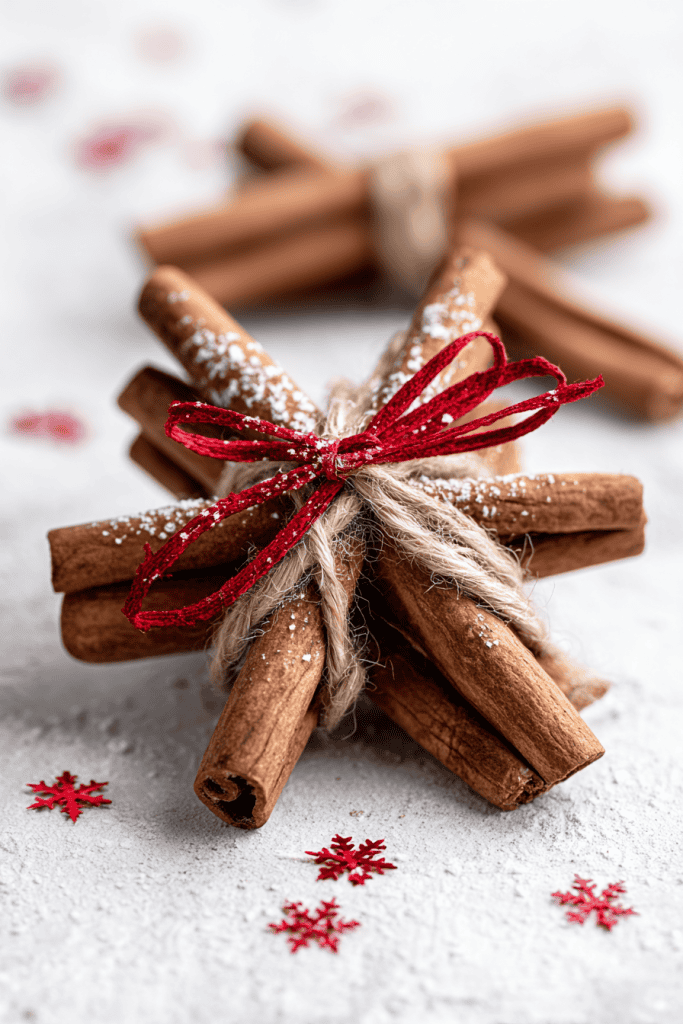
Cinnamon sticks are simple materials that children can transform into warm, fragrant decorations.
With a little help arranging the sticks into star shapes, kids can glue them together and add twine for hanging.
The natural scent fills the air, making the project feel festive from the start.
Each star can be left plain for a rustic look or decorated with small beads, ribbons, or paint for extra color.
It’s a craft that engages the senses while producing something both useful and beautiful.
4. Paper Snowflakes
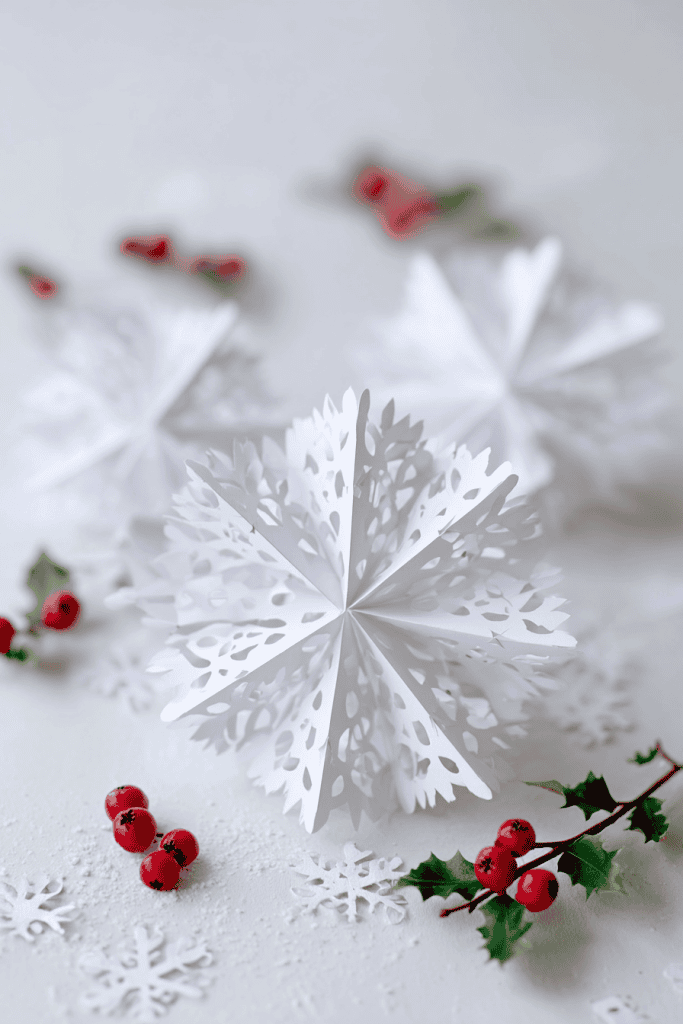
Few projects feel more magical to kids than unfolding a freshly cut paper snowflake.
With just paper and scissors, children can experiment with folds and patterns, discovering the surprise of each design.
Snowflakes can be taped to windows, strung into garlands, or sprinkled across a holiday table as decoration.
The simplicity of this craft makes it accessible to nearly any age, while still leaving plenty of room for creativity and experimentation.
Each cut becomes part of a unique design, reminding kids that no two snowflakes are alike.
For more seasonal projects, explore Christmas Sunday School crafts for kids that bring learning and fun together.
5. Handprint Wreath
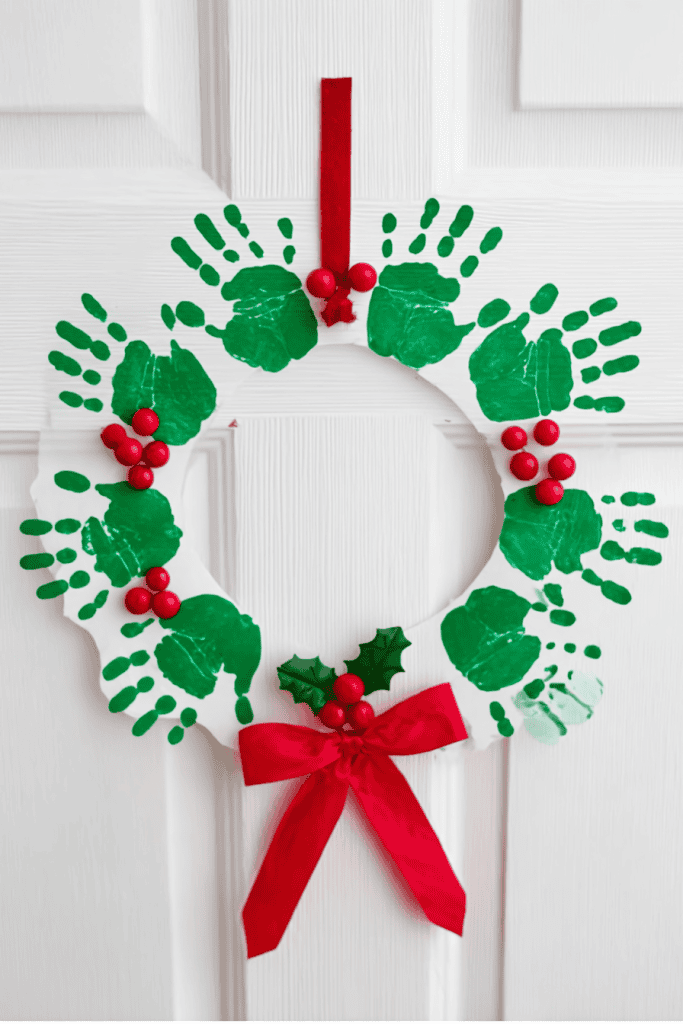
A handprint wreath is a craft that grows more meaningful with each passing year.
Kids trace and cut out several handprints on green paper, then layer them in a circle to form the shape of a wreath.
They can decorate it further with paper berries, bows, or even a few sequins for sparkle.
The finished piece becomes a snapshot of their growth and creativity, capturing the size of their little hands at this moment in time.
Displaying it on a door or wall brings a personal, playful touch to holiday décor.
6. Popcorn & Cranberry Garland

Stringing popcorn and cranberries is a classic holiday activity that invites patience and focus.
Children thread each piece carefully, building patterns and watching the garland slowly grow in length.
The bright red berries paired with pale popcorn create a cheerful, traditional look that feels timeless.
This project also doubles as an opportunity to teach rhythm and sequencing through simple color patterns.
Draped on the tree or along a banister, the garland adds a handmade charm that kids will proudly point out.
7. Homemade Scented Sachets

Scented sachets are a thoughtful craft that kids can easily assemble with just a few simple materials.
Small fabric squares or drawstring pouches can be filled with dried lavender, rosemary, or cinnamon for a gentle holiday fragrance.
Younger children can scoop and pour, while older ones may enjoy stitching the fabric closed or decorating the outside with fabric paint.
These sachets make lovely drawer fresheners or small gifts that kids will take pride in giving.
The process combines sensory play with a useful end result, teaching that handmade items can be both beautiful and practical.
Older kids might also enjoy knitting gift ideas for Christmas for another hands-on project to give or keep.
8. Painted Mason Jars
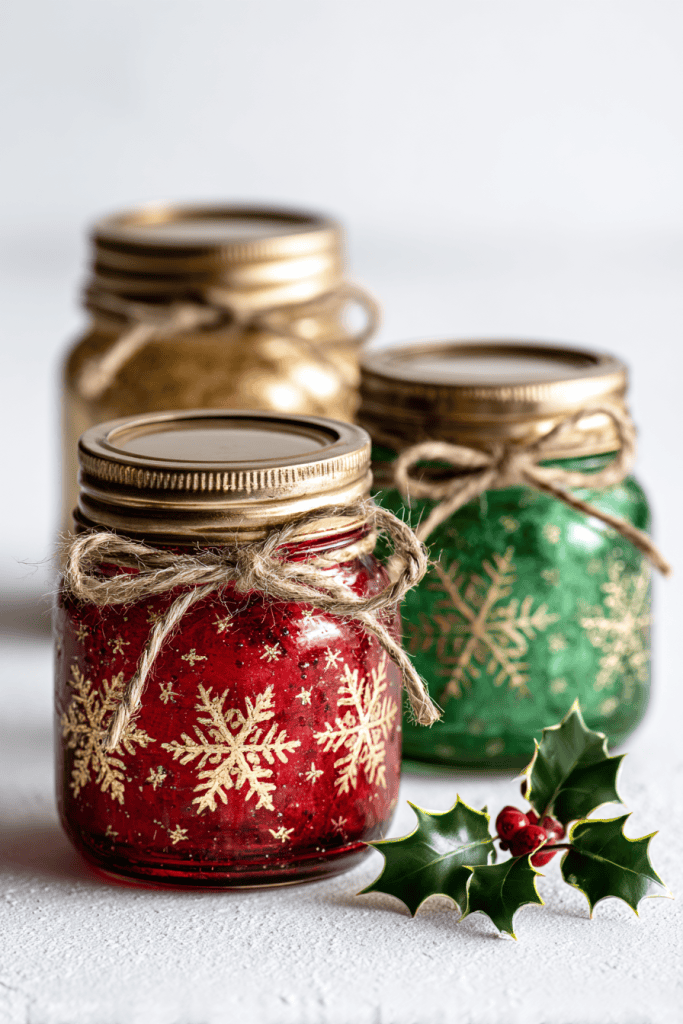
Mason jars provide a sturdy, versatile base for creative decorating.
Children can paint them with festive colors, add patterns with sponges, or cover them with tissue paper for a stained-glass effect.
Once dry, the jars can hold tea lights, candy canes, or even small gifts.
This project encourages experimentation, since each jar takes on its own personality depending on the design.
Displayed on a shelf or table, the jars bring a cozy glow to holiday gatherings while showcasing a child’s creativity.
9. Beaded Keychains or Ornaments
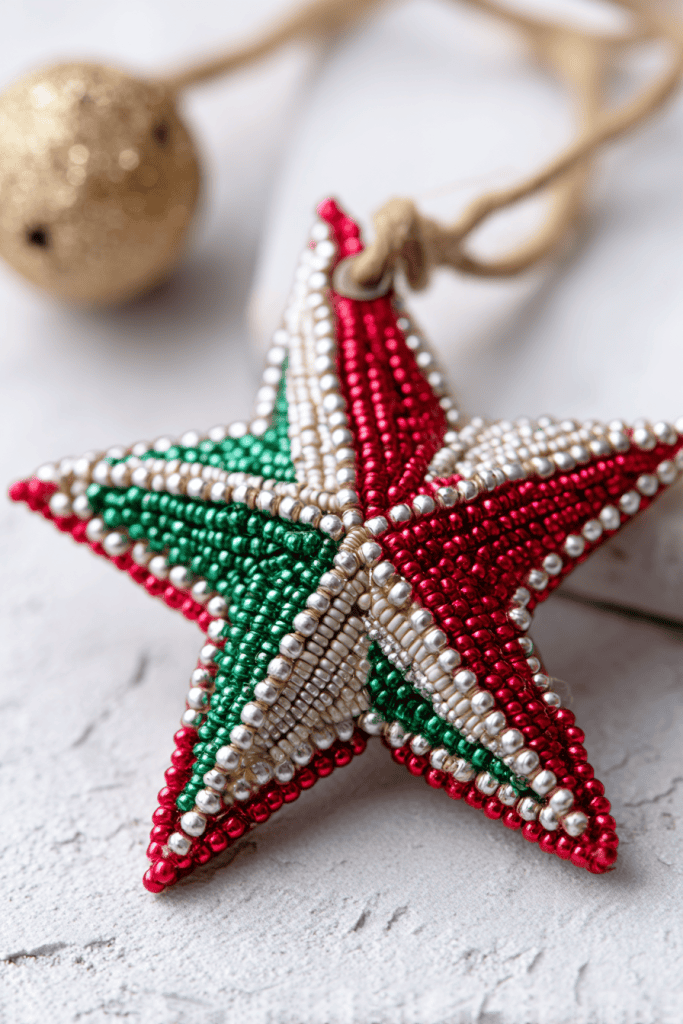
Working with beads is a hands-on way for kids to practice patience and fine motor skills.
They can thread colorful beads onto pipe cleaners, string, or wire, shaping them into stars, candy canes, or simple loops for keychains.
The variety of bead sizes and colors allows each child to create something that feels uniquely their own.
These small crafts make wonderful gifts for friends, siblings, or teachers, carrying both function and charm.
Every finished piece becomes a reminder that even the smallest creations can bring joy.
10. Felt Napkin Rings
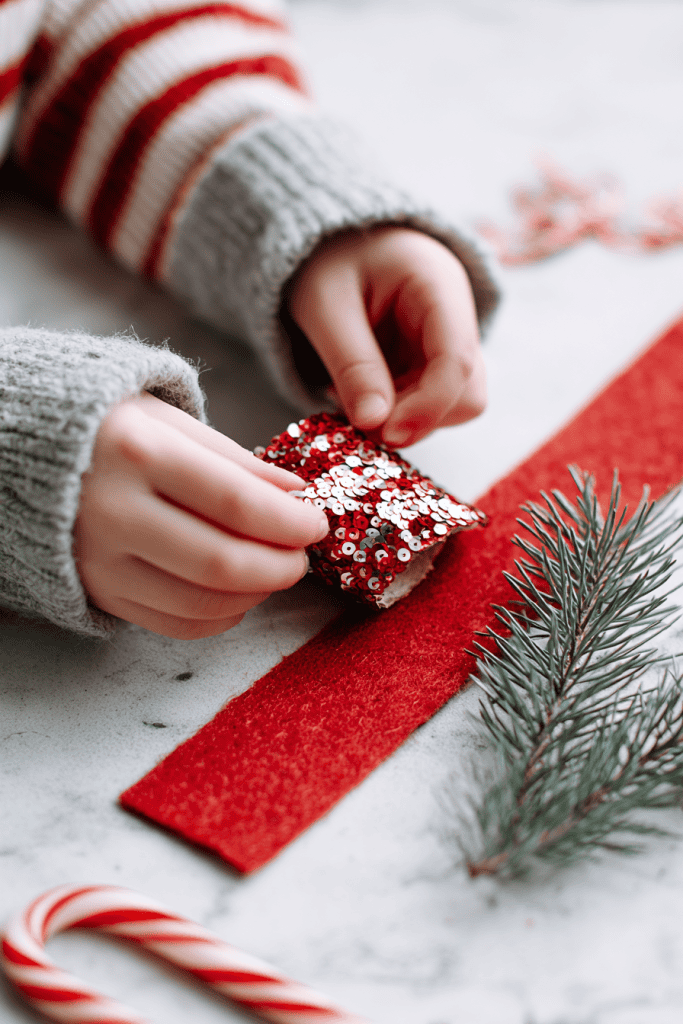
Felt napkin rings are a simple sewing or no-sew project that adds a personal touch to the holiday table.
Kids can cut felt into strips, decorate with buttons, ribbons, or sequins, and then fasten the ends into a circle.
For younger children, fabric glue works just as well as stitching.
Each napkin ring can be customized to match the family’s style – whether playful and colorful or simple and classic.
When used during holiday meals, these handmade pieces give kids the satisfaction of seeing their work at the center of family gatherings.
11. Mini Holiday Centerpieces

Creating small centerpieces allows kids to experiment with arranging natural and decorative elements.
They can gather evergreen sprigs, pinecones, and berries, then place them in jars, tins, or small bowls.
Adding a ribbon or a few handmade accents makes each arrangement festive and personal.
This project encourages children to think about balance, color, and design while working with seasonal materials.
Placed on a table or windowsill, the centerpieces bring a sense of pride and beauty to the home.
12. Decorated Candles
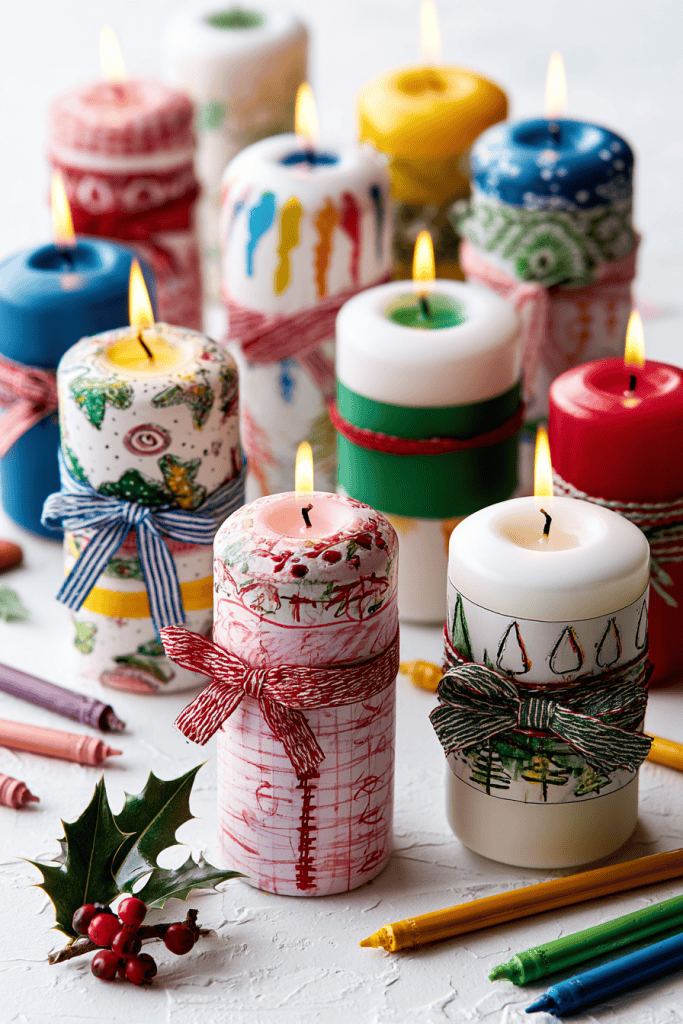
Plain candles become festive with a little creativity and guidance.
Kids can wrap them in decorative paper bands, tie on ribbons, or create melted-crayon designs for a colorful effect.
Supervision keeps the process safe, but children can still take the lead on choosing colors and patterns.
Each candle becomes a glowing reminder of their effort, turning an ordinary object into a centerpiece for the season.
These decorated candles also make simple, heartfelt gifts for friends or relatives.
13. Paper Bag Reindeer Puppets
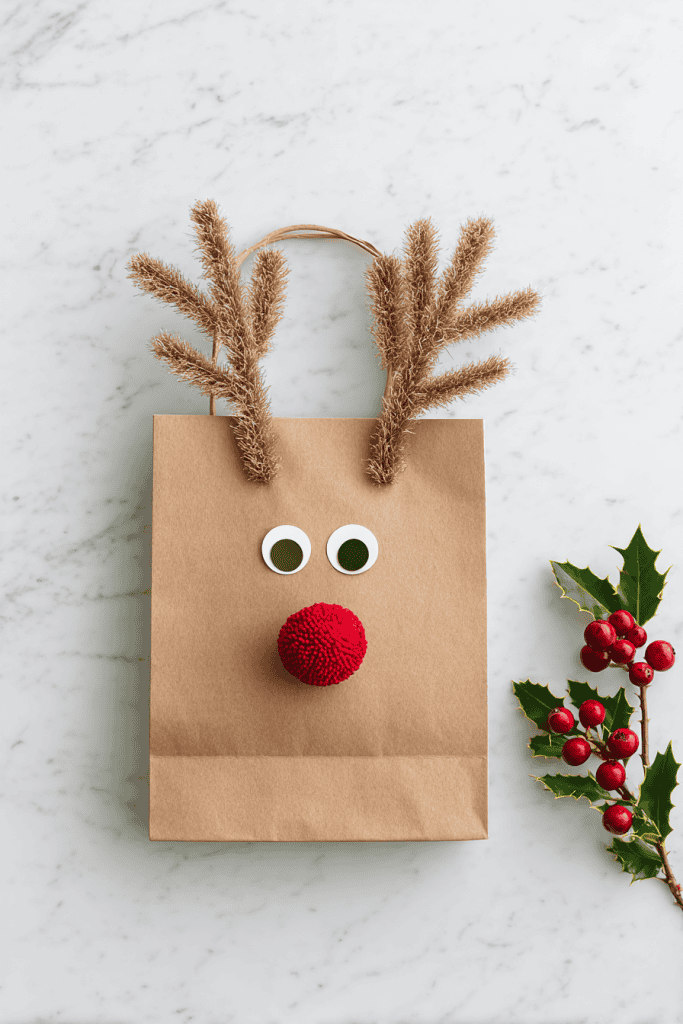
Paper bags turn into lively reindeer with just a few simple supplies.
Kids can glue on construction paper antlers, add a red pom-pom nose, and draw their own expressive faces.
Once complete, the puppet is ready for storytelling, skits, or playful holiday games.
This project encourages both creativity and imagination as children bring their reindeer characters to life.
It’s an easy craft that doubles as a source of entertainment long after it’s finished.
14. Sock Snowmen

Old socks can be transformed into cheerful snowmen with a little filling and decoration.
Kids can stuff the socks with rice or fabric scraps, tie them off into round shapes, and add buttons, scarves, or hats made from leftover fabric.
Each snowman takes on a unique personality depending on the details chosen.
The project highlights the joy of repurposing while producing a soft, whimsical decoration.
These snowmen often become favorites to display year after year.
15. Christmas Story Stones

Smooth stones become storytelling prompts when painted with holiday images like trees, stars, gifts, or stockings.
Children can use paint, markers, or even stickers to decorate the stones in their own style.
Once finished, the stones can be placed in a basket and used to create Christmas stories during family time.
This craft blends art with imagination, giving kids a fun tool for both play and creativity.
It’s a project that continues to inspire well beyond the moment it’s made.
If you want to continue the holiday storytelling theme, check out best Montessori Christmas gifts for babies and toddlers for ideas that encourage learning and imagination.
Tips for Crafting with Kids at Christmas
Crafting with children can be one of the most enjoyable parts of the holiday season when it’s approached with a little thought and preparation.
A few small adjustments make the process smoother and more rewarding – for both kids and adults.
These practical tips will help set the stage for creativity, patience, and fun.
- Keep supplies simple. Everyday materials (paper, scissors, glue, string) go a long way. Kids don’t need elaborate tools to make something meaningful.
- Set up a crafting space. A table covered with newspaper or a washable cloth keeps cleanup manageable and signals to kids that this is their creative zone.
- Match projects to ability. Choose easier crafts for younger children and slightly more detailed ones for older kids, so everyone feels successful.
- Embrace imperfection. Crafts don’t need to look polished; the value lies in the process and the joy of making.
- Include kids in cleanup. Handing them small, age-appropriate tasks teaches responsibility and makes them feel part of the whole activity.
If you’d like more ideas for sensory holiday fun, check out our magical Christmas sensory activities to keep little hands busy and inspired.
Start Creating Joyful Memories This Christmas
Christmas crafts give kids the chance to build, explore, and express themselves while creating something that brightens the season.
These small projects remind us that joy doesn’t come from perfection, but from time spent together and the pride children feel when their work is valued.
With just a few supplies and a little guidance, your home can quickly fill with handmade touches that carry both beauty and meaning.
Which of these Christmas crafts will you try first with your kids? Share your plans or favorite ideas in the comments below – I’d love to hear how you bring creativity into your holiday season.
FAQs
What age group are these Christmas crafts best for?
Most of the crafts listed here are flexible for a wide range of ages. Younger children may need more guidance with steps like cutting or gluing, while older kids can handle more detailed tasks such as sewing or painting. The key is to choose projects that match your child’s skill level and adjust the process as needed.
How can I keep the mess under control during craft time?
Set up a designated craft space with easy-to-clean surfaces. Cover tables with newspaper, kraft paper, or a washable cloth, and keep wipes or a damp towel nearby for quick cleanups. Encouraging kids to tidy as they go also helps keep the mess manageable.
What if I don’t have craft supplies at home?
Many crafts can be made with everyday items – paper, cardboard, buttons, string, or old socks. Nature also provides plenty of materials such as pinecones, twigs, and stones. Start with what you already have, then add a few affordable basics like glue, scissors, and paint to expand your options.
How do I make crafts more meaningful for kids?
Give kids freedom to choose colors, patterns, or decorations so the project feels truly theirs. Display their creations around the home or encourage them to give them as gifts. This helps children see the value of their effort and strengthens their confidence.
How can I keep kids engaged if their attention span is short?
Choose crafts with quick steps and visible results. Breaking larger projects into smaller stages can also keep momentum going. It’s perfectly fine to let children pause and come back later – flexibility helps make the experience enjoyable rather than overwhelming.