

As parents, we naturally want to give our children the best start in life – something thoughtful, meaningful, and filled with opportunities to grow.
And when we also take on the role of their educators, we start to look more closely at how they learn, what truly supports their development, and how we can create an environment that helps them thrive.
That’s where the Montessori approach shines. This gentle and intentional method encourages independence, hands-on discovery, and a beautifully prepared space that nurtures every stage of a child’s development – emotionally, physically, socially, and intellectually.
One simple yet powerful part of this philosophy: wooden toys. Timeless, tactile, and open-ended, they invite creativity and calm.
In this article, we’ll explore how wooden toys support Montessori-style learning and how you can easily bring them into your child’s everyday play.
Montessori Principles and Wooden Toys
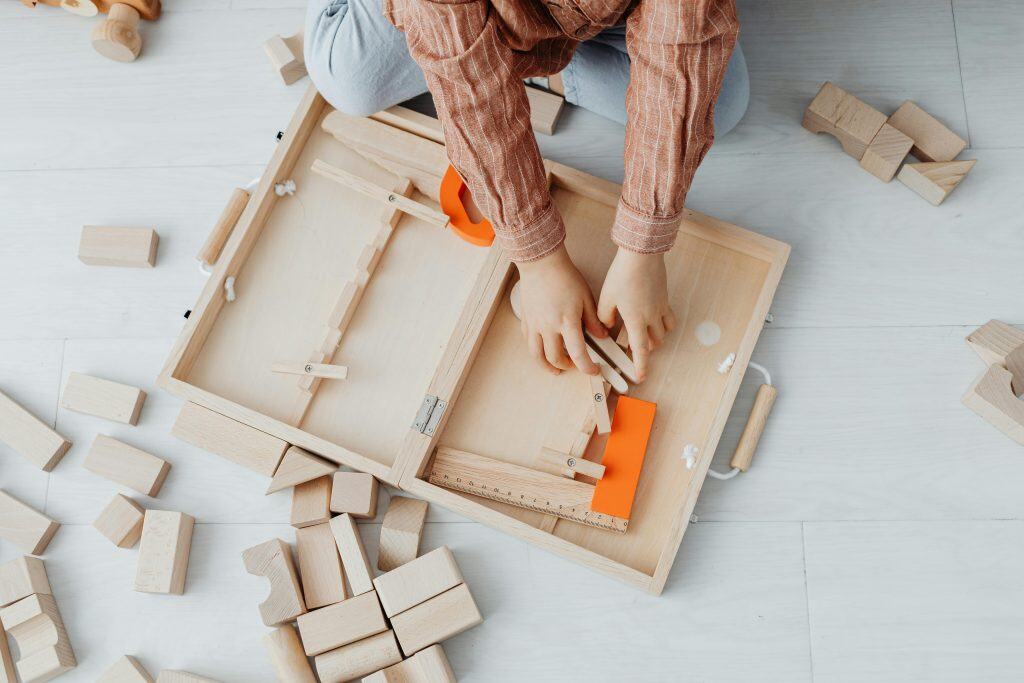
At its heart, the Montessori approach is all about nurturing the whole child – supporting their natural curiosity, encouraging independence, and helping them build real-world skills in a calm, meaningful way.
Wooden toys fit beautifully into this method. They’re simple, open-ended, and made from natural materials that invite hands-on learning. From their warm textures to their quiet, purposeful design, wooden toys offer more than entertainment – they’re tools for deep, joyful growth.
Sensory Development
One of the first things you’ll notice about wooden toys is how tactile they are. The grain of the wood, its natural weight and warmth, the variety of shapes and sizes – it all speaks to a child’s senses in a quiet, grounded way.
This kind of sensory-rich play helps children build awareness of their environment while strengthening their fine motor skills and coordination. And because wooden toys don’t overwhelm with flashing lights or noisy distractions, children are free to truly feel, explore, and focus.
Self-Directed Learning
In a Montessori-inspired environment, children are given the freedom to choose – and that choice is powerful.
Wooden toys encourage self-directed learning by allowing little ones to follow their interests and move at their own pace. Whether they’re stacking, sorting, or problem-solving, they’re building confidence, independence, and a strong sense of self.
Plus, when a toy doesn’t “do” something automatically, the child becomes the one making the magic happen – which naturally supports critical thinking and creativity.
Building Real-Life Skills
Montessori learning often mirrors everyday life – and wooden toys can help children explore and practice real-world tasks in playful, age-appropriate ways.
A wooden play kitchen becomes a space for pretend meals and meaningful conversations. A child-sized broom invites your little one to help with daily routines. These moments might seem small, but they’re laying the groundwork for responsibility, empathy, and connection.
It’s more than play – it’s purposeful practice for everyday living.
Aesthetic Simplicity
Another reason wooden toys are such a wonderful fit for Montessori homes: Simplicity.
Without flashing lights, batteries, or overstimulation, wooden toys offer a peaceful alternative that supports focus and imagination. Their natural beauty draws children in, while their open-ended design leaves room for storytelling, creativity, and mindful play.
Instead of entertaining children for them, these toys invite kids to become the creators of their own play.
The Benefits of Wooden Toys in Montessori Education
In Montessori education, how children learn is just as important as what they learn. It’s a method that honors each child’s natural rhythm, encourages hands-on discovery, and builds real-life skills from the inside out.
At the heart of this approach is one simple truth: children thrive when they’re given the right tools. And wooden toys are some of the most supportive, nurturing tools you can offer.
| Long-Lasting & Earth-Friendly | Wooden toys are sturdy and timeless, built to last through years of play. They’re also biodegradable and often made from responsibly sourced materials – a gentler choice for both home and planet. |
| Encourages Calm, Focused Play | With no flashy lights or sounds, wooden toys invite kids to slow down and truly engage. This helps build focus, patience, and deeper concentration over time. |
| Inspires Imagination | Wooden toys don’t tell kids how to play – so a block can be a rocket or a castle. This open-ended play builds creativity, problem-solving, and confidence naturally. |
5 Montessori-Approved Wooden Toy Types (and Their Benefits)
In Montessori education, toys aren’t just toys – they’re purposeful tools designed to support your child’s natural development.
Wooden toys, in particular, offer a beautiful blend of simplicity, durability, and hands-on learning. But not all wooden toys are the same. Each type brings its own unique set of benefits to your child’s play and growth.
Here’s a closer look at the different kinds of Montessori-aligned wooden toys and what makes each one so valuable:
1. Practical Life Wooden Toys
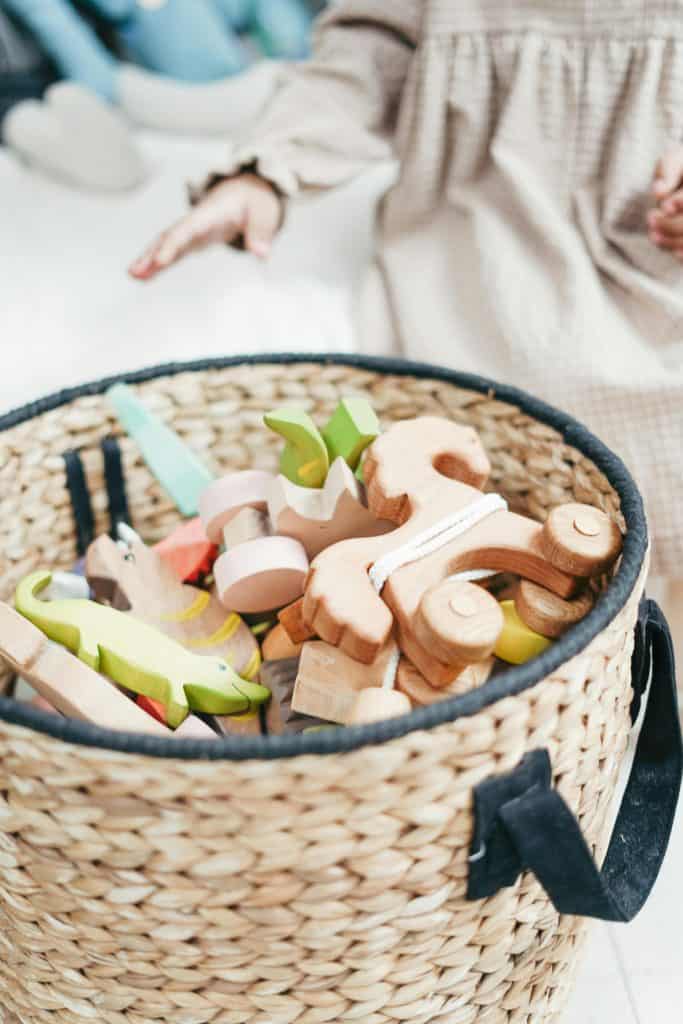
These toys are all about helping children engage with everyday tasks in a safe, age-appropriate way. Think small wooden spoons, bowls, pitchers, or brooms – tools that invite little ones to pour, scoop, sweep, and stir just like the grown-ups around them.
Through this kind of play, children develop fine motor skills, hand-eye coordination, and a beautiful sense of independence. They also begin to see that they’re capable, helpful members of the home.
Learning how to do “real-life things” gives kids a sense of purpose – and they love it.
2. Sensorial Wooden Toys
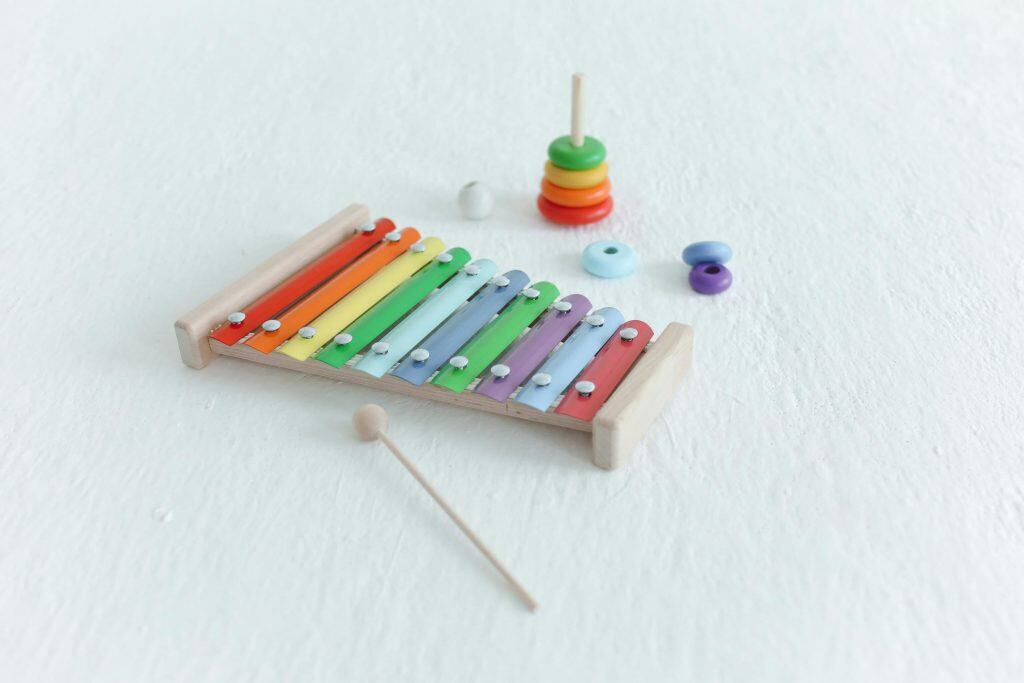
Montessori places a big emphasis on sensory learning, especially in early childhood. That’s where sensorial toys shine.
Wooden texture boards, sound boxes, and shape sorters allow children to explore the world through touch, sight, and sound. These toys help refine sensory perception, laying the foundation for more complex learning down the road – like language, math, and creative problem-solving.
When kids learn to notice the small differences, they’re also learning how to think clearly and deeply.
3. Mathematics Wooden Toys

Math can be joyful, especially when it’s hands-on.
Wooden counting beads, number rods, and puzzle-style math toys help make abstract ideas feel concrete and approachable. Children can see, touch, and move the numbers – which makes concepts like quantity, order, and addition feel more natural.
Instead of memorizing facts, they’re experiencing math in a way that sticks.
4. Language Wooden Toys
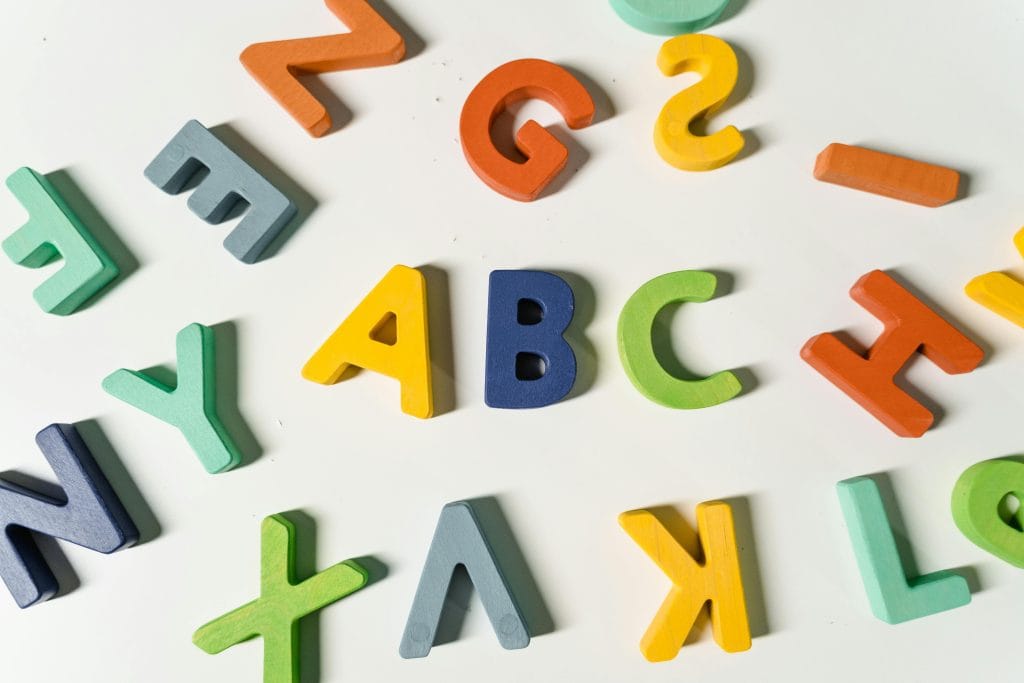
Wooden alphabet tiles, letter puzzles, and movable alphabets bring a tactile dimension to language learning.
By physically handling letters and sounds, children build a stronger connection to words and how they work. These toys support early reading, spelling, and communication in a calm, pressure-free way. They also make the learning process feel inviting and fun.
Language becomes something to play with, not something to “get right.”
5. Cultural Wooden Toys
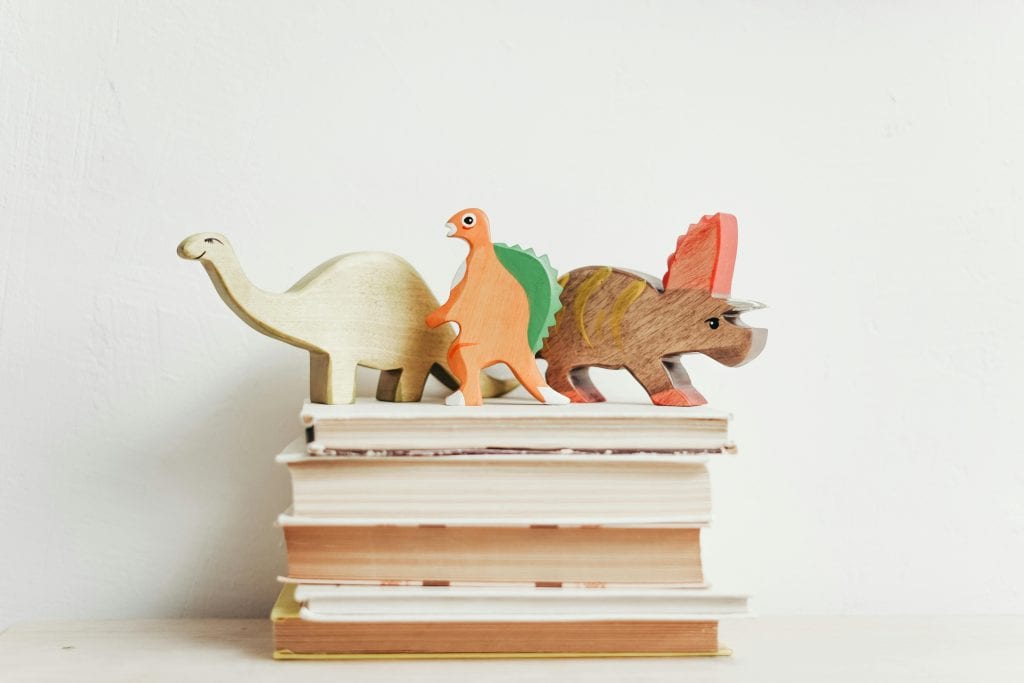
This category opens up the world – quite literally.
Cultural wooden toys include things like globes, continent puzzles, wooden animal figurines, or world maps. They introduce geography, biology, and social studies in a way that feels exciting and age-appropriate. Children begin to understand their place in the world and grow curious about others.
These toys spark wonder, empathy, and a lifelong love of learning.
How Do You Choose the Right Wooden Toys for Montessori at Home?
When choosing wooden toys for a Montessori-inspired home, it’s important to focus on a few key things: quality, simplicity, and purpose.
Start by looking for toys made from natural, durable wood. They should be simple, well-crafted, and free from distracting features like loud sounds, flashing lights, or bright, artificial colors. Montessori toys are meant to support calm, focused, and meaningful play – not overstimulate.
It’s also essential to choose toys that are developmentally appropriate.
- For toddlers, go for foundational toys like stacking blocks, shape sorters, or basic puzzles that build motor skills and coordination.
- As your child grows, introduce more challenging toys like movable alphabets, counting beads, and layered puzzles to support their expanding curiosity and skills.
Lastly, remember that in Montessori, less is more. A small collection of high-quality toys encourages deeper engagement and purposeful play. It’s not about having more – it’s about choosing well.
Integrating Wooden Toys into the Montessori Environment
Wooden toys naturally support the calm, purposeful feel of a Montessori space. Their simplicity invites focus, while their natural beauty adds warmth and peace to the environment.
To encourage independence, display toys on low, open shelves where your child can easily see and choose what to play with. A tidy, uncluttered setup helps them engage more meaningfully and take pride in their space.
It’s also helpful to rotate toys every few weeks. This keeps the play experience fresh, while allowing your child to revisit familiar materials in new ways.
And finally, take time to show your child how to use and care for each toy. In Montessori, presentation matters – it teaches respect, intentionality, and deeper appreciation for the tools they use every day.
How To Maintain The Wooden Toys?
Wooden toys are a classic and timeless playthings that can last for generations if properly cared for. That’s why it’s essential to maintain them regularly, especially if your kids play them quite frequently.
- Use a soft cloth and warm water to gently wipe toys clean.
- For tougher dirt, mix white vinegar (or apple cider vinegar) with water for a natural solution.
- Avoid soaking toys or using harsh chemicals that can damage the wood.
- Always let toys air dry completely before putting them away.
- Sand down rough edges and refresh with non-toxic oil or paint when needed.
- Check regularly for loose parts, splinters, or signs of wear.
- Involve your child in caring for their toys to build responsibility and pride.
- Simple maintenance helps wooden toys last longer and stay safe for play.
Where to Find Montessori Wooden Toys
You can find Montessori wooden toys in many places, both online and locally. Shops like TheKiddoToys, The Toy Tree, or even Amazon carry a wide variety of options.
When choosing toys, look for quality craftsmanship, natural materials, and a simple design that encourages self-directed play. Authentic Montessori toys are calm and purposeful. They’re built to last, support hands-on exploration, and avoid anything overly stimulating.
If you enjoy being crafty – or want to save a little – you can absolutely make your own wooden toys at home. Simple materials like wooden blocks, beads, or discs can turn into meaningful learning tools that your child will treasure.
One lovely project to try is a Montessori-style stacking tower. It’s a beautiful and practical toy that supports hand-eye coordination, fine motor skills, and early problem-solving.
What You’ll Need:
- Wooden dowel
- Wooden discs with holes
- Wooden base
- Wood glue
- Sandpaper
- (Optional) Non-toxic paint or wood finish
How to Make It:
- Sand the dowel and base until smooth, trimming the dowel to your desired height.
- Sand the discs to remove any rough edges, and check that the center holes are slightly wider than the dowel so they slide on easily.
- Glue the dowel to the base and allow it to dry fully.
- If you’d like, paint the discs using non-toxic paint or apply a child-safe wood finish for a natural look.
- Once everything is dry, your stacking tower is ready for play!
Just make sure all materials are non-toxic and safe for little hands. And like all wooden toys, check it regularly for loose parts or splinters.
What is Your Role As An Adult in Montessori Play?
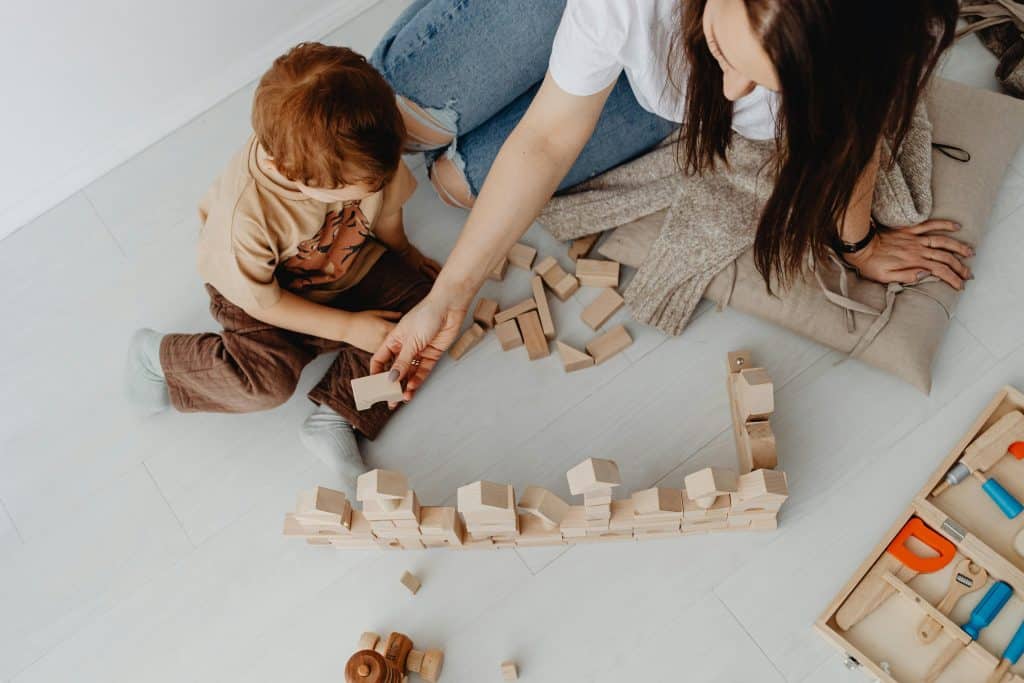
In a Montessori environment, your role as the adult is quiet but powerful. You’re not the center of the activity – you’re the steady guide in the background.
You’re there to create a thoughtful space, offer gentle support, and observe with intention. Your goal is to nurture your child’s natural curiosity, independence, and joy in learning – not to take over their play.
Guiding Without Directing
It can be tempting to jump in and show your child exactly how to use a toy. But Montessori encourages us to step back and let the child explore.
You might give a simple demonstration when needed, then allow them space to figure it out on their own.
This kind of freedom strengthens problem-solving, builds confidence, and keeps learning joyful and self-directed.
Observing the Child’s Interests
Observation is one of your most important tools. By quietly watching your child play, you learn what they’re drawn to, what challenges them, and where they’re ready to grow.
These insights help you choose what toys or materials to introduce next, and how to adjust their learning space to fit their needs.
Creating a Supportive Space
Montessori play thrives in a space that feels peaceful, uncluttered, and purposeful. As your child grows, the environment should grow with them. This might mean rotating toys, offering new challenges, or simply making things easier to reach.
A well-prepared environment supports your child’s independence, creativity, and sense of calm.
Always remember: you’re not there to control the experience – you’re there to support it. The magic happens when you trust the process.
Testimonials and Case Studies
Many parents and teachers have seen firsthand how Montessori wooden toys support real learning.
These toys have been part of Montessori classrooms for decades, and their benefits continue to show up in simple, everyday moments. In fact, some of these stories have even been shared by the American Montessori Society because they speak volumes about how children grow through hands-on play.
One parent noticed their child became more confident with fine motor skills after spending time with a wooden lock board. It wasn’t just a toy—it became a favorite way to explore, tinker, and learn through trial and error.
Another shared how the classic knobbed cylinders helped their child notice small differences in size and shape. Something as simple as fitting pieces into the right holes turned into a quiet, focused learning moment.
One Montessori teacher described how wooden alphabet tiles became a hit in the classroom. Children were drawn to the texture and feel of the wood, which made learning letters feel more natural and less like a task. As a bonus, the classroom looked calmer and more beautiful – which helped the children settle into their work.
How To Get Started with Montessori Wooden Toys?
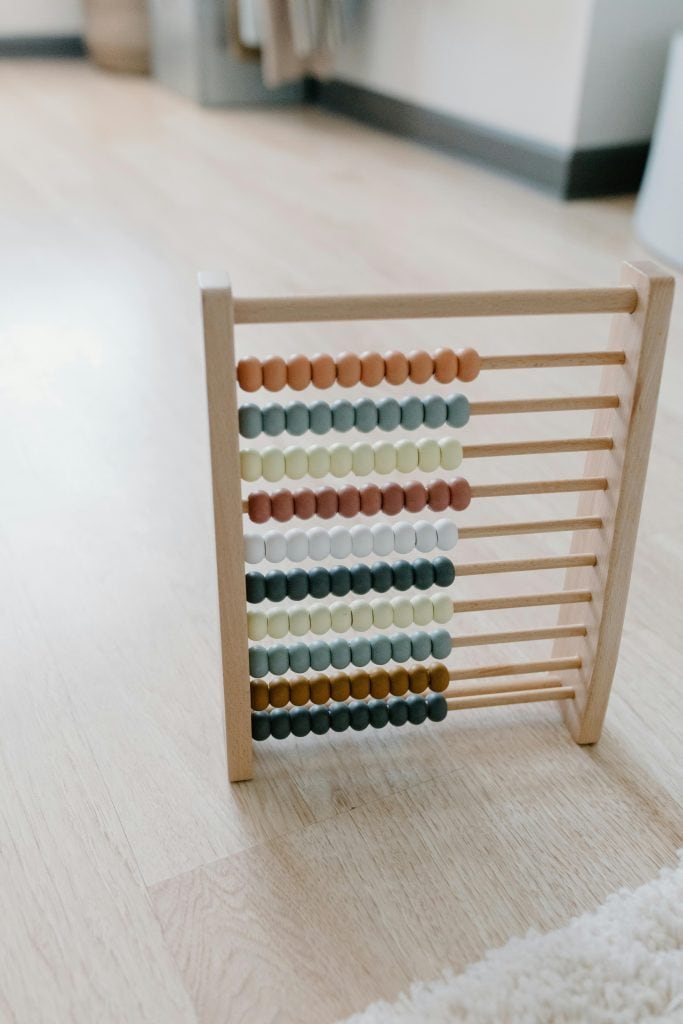
If you’re interested in introducing wooden toys to your child’s Montessori environment, there are a few first steps to take.
1. Observe and follow your child’s lead
Every child has a unique way of exploring the world. Before buying anything, spend time simply observing your child. Do they enjoy opening and closing things? Are they drawn to stacking, fitting, or sorting? Wooden toys should match those natural tendencies – not fight them.
When a toy aligns with what your child already finds fascinating, it becomes more than just a toy – it becomes a meaningful tool for discovery.
2. Start small
Montessori environments are intentionally simple and uncluttered. Start with two or three wooden toys that support your child’s current stage – maybe a shape puzzle, a stacking toy, or a set of knobbed cylinders. The goal isn’t variety – it’s choosing toys that meet your child exactly where they are.
Fewer choices actually help your child focus better and go deeper into play (which is where the magic happens).
3. Let exploration happen at their own pace
There’s no need to teach or explain everything. Children naturally learn by doing – touching, trying, repeating.
When a wooden toy is open-ended and hands-on, it gives your child room to experiment. You might see them come back to the same toy every day for a week, trying something new each time. That repetition? It’s a sign of deep learning, not boredom. Give them space. Trust the process.
4. Build On What’s Already Working
Once your child has mastered a toy – or seems ready for something new – you can gently introduce the next step. For example, if they’ve been enjoying a simple posting toy, try adding one with a twist or latch mechanism.
If they’re into stacking, offer blocks in different sizes or weights. Think of each new toy as a natural extension of what your child already enjoys. That way, learning always feels encouraging, not frustrating.
5. Create a Space That Feels Calm and Inviting
Montessori spaces aren’t just tidy – they’re intentional. Place toys on open shelves, within reach. Use baskets or trays to keep everything visible and easy to return. Add a soft rug or a small mat for floor work.
These little details help your child feel secure, independent, and proud of their space. When a room feels peaceful, your child is more likely to settle into focused, joyful play.
Now Your Child Can Truly Enjoy Their Montessori Wooden Toys
Montessori wooden toys are thoughtfully made to nourish your child’s hands, heart, and mind. These simple tools invite focus, spark creativity, and gently support your child’s natural growth with every play session.
By choosing a few well-loved wooden pieces and creating a calm space for discovery, you’re offering something truly powerful: a peaceful environment where learning feels joyful and meaningful.
Every stacking block, shape puzzle, or threading bead becomes a stepping stone in your child’s journey – helping them build confidence, patience, and curiosity, one moment at a time.
If you’ve started your own Montessori toy journey (or have a favorite tip to share), I’d love to hear from you! Drop a comment below – it’s always a joy to learn from fellow parents.