
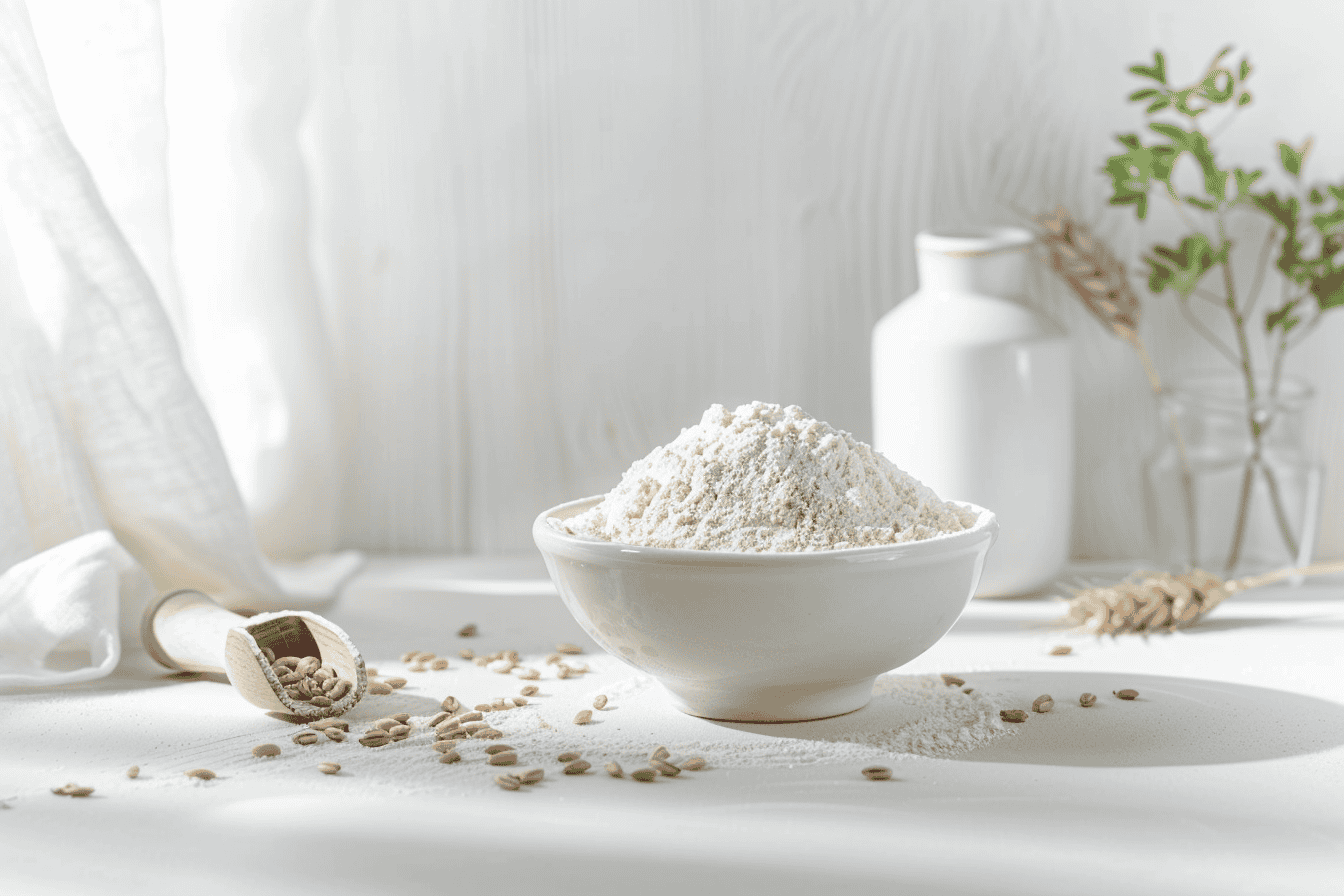
The idea of milling your own flour might seem outdated or like unnecessary effort. After all, most of what we eat today comes pre-packaged, and flour is one of the easiest ingredients to grab at the store. So, many people wonder, why bother?
What most don’t realize is that store-bought flour has been heavily processed for shelf life – and in the process, much of its natural flavor and nutrition is stripped away.
Milling flour at home brings that richness back. It’s simpler than you might think, and the difference in taste is remarkable. Freshly ground flour makes bread that’s not only more nourishing but also deeply flavorful.
This simple shift can transform how you bake, eat, and even think about grains. And once you understand the benefits (which we’ll explore below), it’s easy to see why more people are returning to this traditional, rewarding practice.
1. It Has Delicious Taste

One of the first things you’ll notice when you start milling your own flour is the taste. No matter how nutritious something is, if it doesn’t taste good, no one’s going to be excited to eat it – especially not kids.
Freshly milled flour brings out the depth and warmth of real grain. It makes every baked good better – from sourdough loaves and muffins to pancakes and biscuits. The flavor is fuller, the texture more satisfying, and it’s all natural, with no synthetic additives or bleached-out blandness.
If you want to see how it works in practice, take a look at my how to make sugar cookies with freshly milled flour.
Most Store-Bought Whole-Grain Bread Lacks Flavor
Even 100% whole-grain flour from the store can leave bread tasting bitter or dry.
That’s because commercial milling often strips out the most flavorful and nutritious parts of the grain (like the bran and germ) and then attempts to add them back later. But by then, those parts are already stale, affecting both the taste and the integrity of the flour.
And the oils usually removed altogether, leaving behind flour that’s dull and lifeless compared to the fresh version.
Healthy Food Should Taste Good
Nutritious food isn’t helpful if no one wants to eat it. For decades, white bread was seen as the “refined” option, while whole-grain bread was considered dense, heavy, or bland. That mindset still lingers in some places.
But freshly milled flour changes that narrative completely. It captures the natural complexity of whole grains and turns something basic into something genuinely enjoyable. Once you taste bread made from fresh flour, it’s hard to go back.
And once you start baking with it, you’ll notice how beautifully it works in classic desserts too. Traditional recipes like my best shoofly pie you’ll ever taste develop a deeper, richer flavor when made with freshly milled flour.
2. Versatile and Fun to Experiment With

Milling your own flour opens the door to a world of variety. Instead of being limited to a few store-bought options, you gain access to an incredible range of grains – each with its own flavor, texture, and cultural history.
Of course, wheat is the classic choice for bread, but it’s far from the only one. You can experiment with buckwheat, spelt, millet, rye, corn, einkorn, and more. Many of these have been staples in traditional diets around the world for centuries – used to make everything from tortillas and chapatis to injera and rustic seed loaves.
Even with the same recipe, swapping out grains can completely transform the final result. It’s an easy way to infuse your baking with character and creativity – no two loaves have to taste the same.
If you’re new to working with fresh flour, learning how to adapt recipes is incredibly helpful. I explain the process step-by-step in my guide on how to convert any recipe to freshly milled flour.
Bread Is Loved Around the World
Bread is beloved in every corner of the world. Whether it’s flatbread, muffins, pancakes, or a fresh-from-the-oven boule, it’s a foundation of daily life in many cultures.
Whole grains provide more than nourishment – they offer a canvas for flavor. A great example is my golden glazed donuts made with fresh milled flour, which show just how soft and airy whole grain baking can be.
3. Milling Your Own Flour Is Economical

Buying a grain mill pays for itself over time – especially if baking becomes part of your regular routine. Whole grains are often more affordable than pre-milled flour, and significantly less expensive than bakery-quality artisan bread.
When you bake at home with freshly milled flour, you’re in control of every ingredient. That means no preservatives, no fillers, and no hidden sugars – just real food, made with purpose.
No Grain Gone to Waste
Factory-milled flour often has the bran and germ removed, which leads to waste. From every 100 pounds of wheat, only 72 pounds of flour are made. During times of war, this kind of processing was often banned. When food was scarce, throwing away 28 pounds of nutrition wasn’t an option.
But when you grind flour at home, nothing is lost. You get the full 100 pounds of flour from 100 pounds of grain.
If you love homemade baking projects, my best flaky pie crust is a great example of how fresh flour adds richness to classic recipes.
4. Fresh Flour Is the Most Nutritious
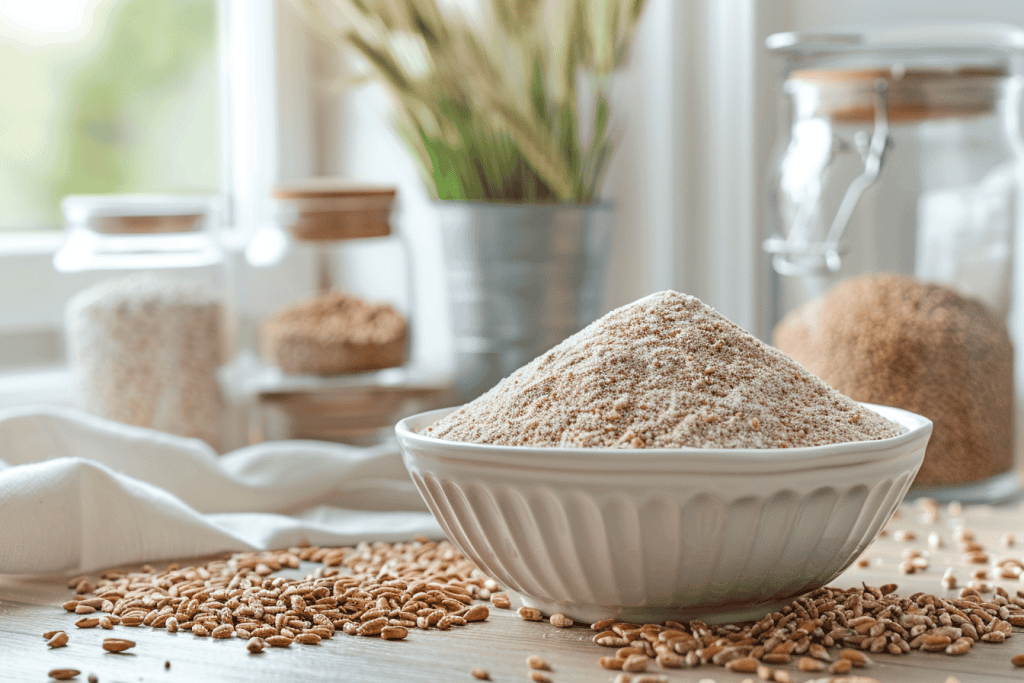
Modern convenience foods may be quick, but they often come at a cost – low-quality ingredients, added chemicals, and very little actual nourishment. Processed flour is no exception. It may look clean and white on the shelf, but most of its vital nutrients are long gone.
Freshly milled flour, on the other hand, is the real thing. It contains all three parts of the grain (bran, germ, and endosperm) which means it delivers fiber, healthy fats, protein, and essential vitamins in every bite.
Whole wheat alone contains 40 out of the 44 nutrients required to sustain human life. That’s not just impressive – it’s a compelling reason to take flour seriously as a staple of a well-rounded, nourishing diet.
Home-Ground Flour Has Way More Nutrients
According to the USDA Nutrient Database, freshly milled flour made from hard red wheat contains:
- 2x the calcium and phosphorus
- 2x the B vitamins (like niacin and thiamine)
- Nearly 2x the riboflavin
- 3x the iron
- 4x the potassium compared to most commercial “whole wheat” flours
These are the building blocks of better energy, immune function, and long-term health.
And they become even more noticeable in traditional comfort foods like pie. Seasonal recipes such as my healthy pumpkin pie recipe benefit from both the nutrition and flavor of freshly milled flour.
Commercially Processed Flour Has Additives
To improve shelf life and appearance, many commercial flours are treated with chemical agents. Bleaching agents like benzoyl peroxide may make the flour look whiter, but they also strip away vitamins – and have been linked to respiratory irritation.
Another additive, potassium bromate, is used to strengthen dough and improve rise – but it’s banned in many countries due to health concerns. Despite this, it’s still allowed in many U.S. flours, including white, wheat, and rye.
When you mill your own flour, you bypass all of that. No unnecessary chemicals. No hidden ingredients. Just clean, wholesome grain – exactly as nature intended.
5. It Is Storable

Whole grains are naturally resilient – when stored properly in a cool, dry place, they can last for years without spoiling.
In fact, archaeologists once discovered grain buried in Egyptian tombs that was over 3,000 years old. When planted, it still sprouted. That kind of longevity is rare, and it speaks to the inherent strength of whole grains.
Today, more people are thinking proactively about emergency preparedness – whether it’s a power outage, natural disaster, or simply wanting more control over the food supply. Stocking up on whole grains is a smart and nourishing strategy.
Unlike processed flour, whole grains don’t require freezing or preservatives. Simply store them in airtight containers, away from moisture, heat, and pests, and they’ll remain viable for years.
And while many shelf-stable foods are designed to last, they aren’t always designed to nourish. Whole grains offer both: long storage life and the kind of real, bioavailable nutrition your body actually needs – including fiber, minerals, and slow-burning energy that supports sustained wellness.
How Whole Grains Resist Spoilage
Whole grains are naturally built for long-term storage – but that protection only lasts as long as the grain remains intact. The outer layer, known as the bran, acts as a barrier that shields the inner nutrients from air, light, and moisture.
Once the grain is milled into flour, that protective layer is broken down. From that point on, the flour begins to lose freshness and nutritional value more quickly. Exposure to heat, humidity, and oxygen accelerates this process, causing flavor to degrade and delicate oils to turn rancid over time.
The longevity of flour depends entirely on how it’s stored. Cool, dry, airtight conditions can slow nutrient loss and preserve flavor – but nothing matches the lasting vitality of whole, unground grain.
Try Milling Your Own Flour
Now that you know the true benefits of freshly milled flour – richer flavor, superior nutrition, fewer additives, lower long-term cost, and impressive shelf life – why not experience it for yourself?
Start with something simple. Mill just enough flour for a homemade loaf or a weekend batch of pancakes. Pay attention to how it smells, how it feels in your hands, and most of all – how it tastes. The difference is unmistakable.
Before long, you may find that fresh milling becomes a natural part of your rhythm in the kitchen. It’s a quiet, rewarding habit – one that brings you closer to your food, your health, and a more intentional way of living.
FAQs
Do I need an expensive grain mill to get started?
Not necessarily. There are both manual and electric grain mills available at different price points, and many beginners start with a simple model that fits their budget. What matters most is choosing one that can handle the types of grains you plan to use most often.
What grains are best for beginners to mill at home?
Hard white wheat and hard red wheat are two of the most common beginner-friendly options because they work well in many everyday recipes. Soft white wheat is also a good choice for more tender baked goods like cookies, muffins, and cakes.
Can I mill flour ahead of time and store it?
Yes, but freshly milled flour is best used as soon as possible for the best flavor and nutrition. If you do mill ahead, store it in an airtight container in a cool, dark place, and try to use it fairly quickly.
Does freshly milled flour work for more than just bread?
Absolutely. Freshly milled flour can be used for pancakes, muffins, cookies, pie crusts, biscuits, and more. Once you get comfortable with how it behaves, you can start using it in all kinds of everyday baking.
Is milling your own flour messy or hard to fit into a normal routine?
It can feel new at first, but most people find it becomes a quick part of their baking routine. Once you get used to measuring the grain, milling only what you need, and baking right away, it starts to feel simple and natural.