

Tallow is simply rendered beef fat, and it’s been used for generations in homes for cooking and skin care.
It’s safe, versatile, and long-lasting, making it a practical choice for busy families.
One jar can do a lot: moisturize dry hands, soothe a baby’s rash, add flavor to meals, or serve in simple DIY projects around the house.
It’s shelf-stable, affordable, and reduces the need for multiple specialty products cluttering your kitchen or bathroom.
In this article, you’ll see the 10 best benefits of beef tallow and 7 ways you can use it at home – all practical, real-life uses for families.
What is Beef Tallow?
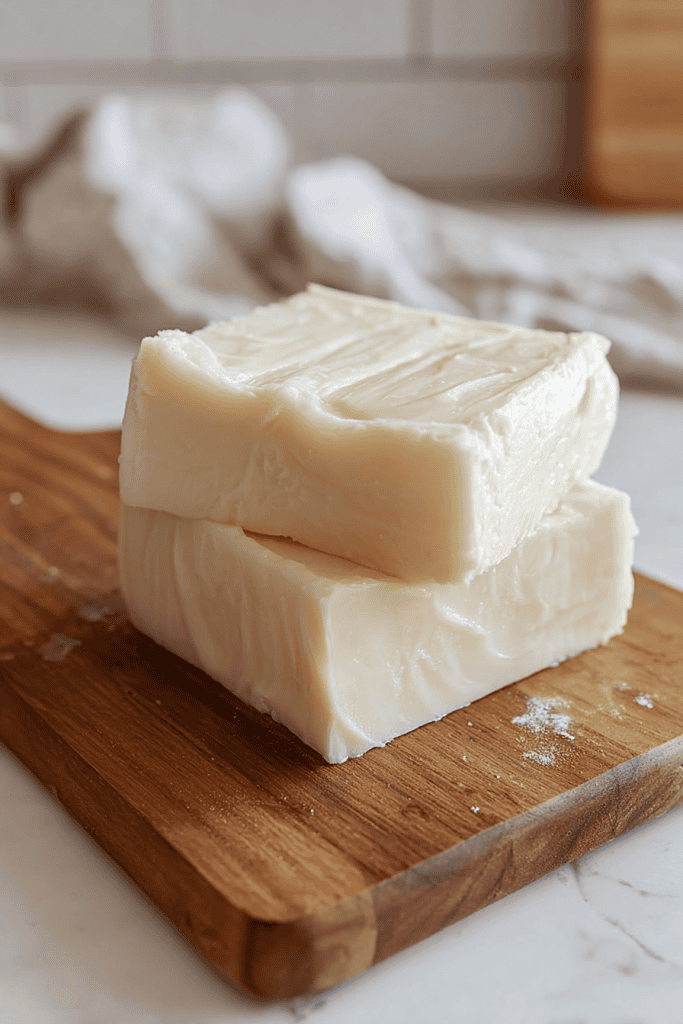
Beef tallow comes from the fat of cows, typically from the suet around the kidneys and organs.
When rendered, it turns into a smooth, creamy fat that’s easy to store and use.
It’s prized for its high smoke point, making it great for cooking, and for its natural fats, which closely match the oils in our skin.
You can buy it pre-rendered, often labeled as “grass-fed” for higher nutrient content, or render it yourself at home from beef trimmings.
Tallow is a natural, multi-purpose fat that can replace several single-use products in your home, from skincare to DIY projects, making it a practical choice for families who like simple, effective solutions.
If you’re new to working with tallow, you can also learn exactly how to render it yourself in how to make tallow from beef fat.
10 Best Benefits of Beef Tallow
People have been using tallow in their kitchen and for skin care for years, and it’s surprisingly powerful for such a basic ingredient.
Here are the 10 best benefits you’ll actually notice if you start using it.
1. Rich in Fat-Soluble Vitamins
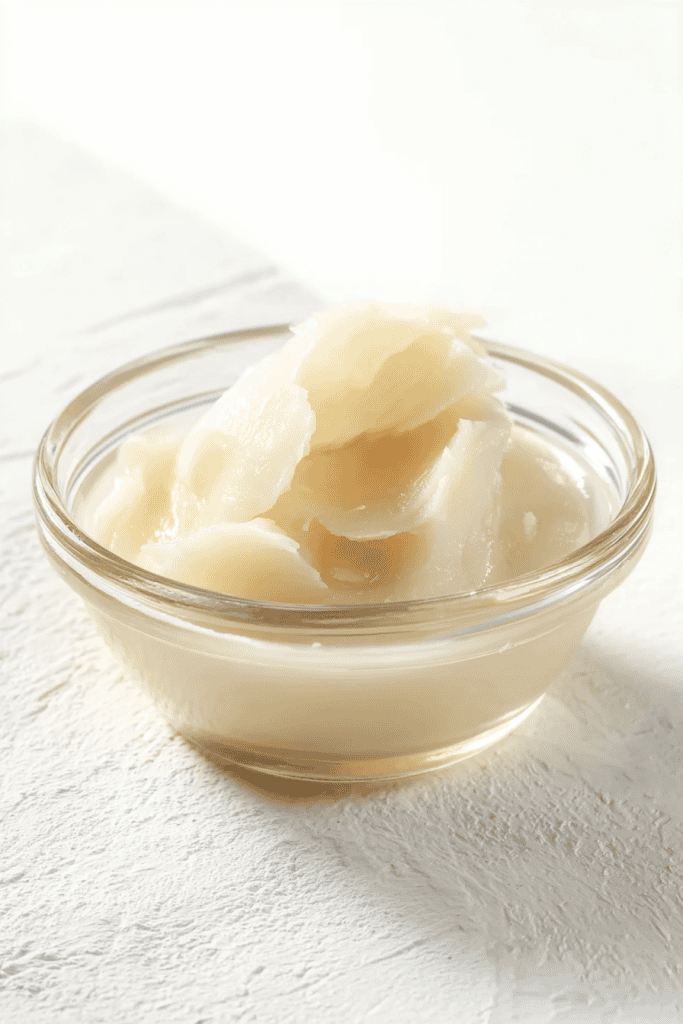
Tallow naturally contains vitamins A, D, E, and K, all of which support healthy skin, strong bones, and overall wellness.
Vitamin A helps repair dry or damaged skin, while vitamin E protects cells and keeps skin smooth.
Vitamin D contributes to strong bones and a healthy immune system, and vitamin K supports overall body function.
Using tallow in cooking or as a moisturizer gives your family these nutrients in a natural way.
2. High in Conjugated Linoleic Acid (CLA)
CLA is a naturally occurring fatty acid found in beef tallow that may help support fat metabolism and maintain a healthy inflammatory response.
Research even suggests it can contribute to lean body mass and overall metabolic health.
Incorporating tallow into meals provides CLA in a natural form without relying on processed supplements.
Even small amounts used regularly in cooking can offer measurable benefits over time.
CLA also contributes to tallow’s nourishing properties when used topically on the skin.
3. Contains Healthy Saturated and Monounsaturated Fats
Tallow is composed of stable saturated and monounsaturated fats, which are essential for energy, hormone production, and healthy cell structure.
Unlike processed oils that degrade under heat, these natural fats remain stable during cooking.
They are efficiently used by the body for fuel, brain function, and hormone regulation.
The stability of these fats also makes tallow suitable for long-lasting DIY skincare products.
Using tallow ensures your family is consuming reliable, nutrient-rich fats.
4. Mimics Skin’s Natural Oils

The fat composition of tallow closely resembles human skin oils, making it highly effective for moisturizing and protecting the skin.
It creates a barrier that locks in moisture, helping to prevent dryness and irritation.
Tallow absorbs quickly and does not leave a greasy residue like many commercial lotions.
It can be used on hands, elbows, or other dry areas for immediate hydration.
Its natural composition makes it safe for sensitive skin, including children and adults.
If you’d like something ready to whip and apply, this whipped tallow body butter recipe makes it even easier to use daily.
5. Stable at High Heat
Tallow can handle frying, roasting, and sautéing without breaking down.
Many vegetable oils can become unstable or produce harmful compounds when heated, but tallow remains safe and stable.
It also adds a rich, natural flavor to meals. Using tallow for cooking is practical and helps keep meals wholesome.
6. Supports Joint and Tissue Health
The natural fats in tallow help maintain skin, muscles, and connective tissue.
They can keep skin flexible and nourished while providing support for tissues underneath.
Using tallow in cooking or on the skin adds essential nourishment where it’s needed.
While it’s not a medical treatment, it contributes to overall tissue and joint comfort. Its natural properties make it a simple, practical addition to daily life.
7. Anti-Inflammatory Potential
Tallow contains natural fats that may help calm minor skin irritation or support your body’s inflammatory balance.
Applied topically, it can soothe dry or irritated skin. Consuming tallow in moderation also provides nutrients that contribute to overall wellness.
While it’s not a replacement for medical care, it can be a helpful, gentle option.
Its chemical-free nature makes it a safe choice for everyday use.
For facial use specifically, many families love my all natural beef tallow face cream for daily skincare.
8. Long Shelf Life
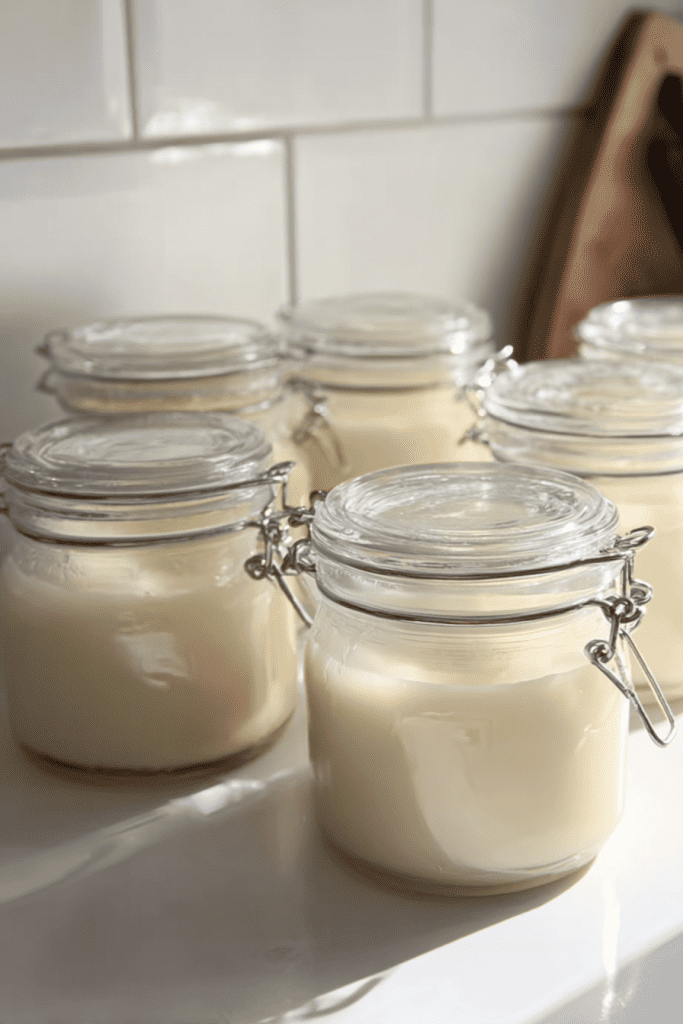
When properly rendered, tallow can last for months without refrigeration.
This makes it practical for cooking, skincare, and DIY projects. Unlike creams or oils that spoil quickly, tallow is reliable and ready whenever you need it.
Its stability reduces waste and saves time.
One jar can cover many uses, making it an efficient household staple.
9. Sustainable and Waste-Reducing
Using tallow makes the most of the whole animal, which feels good ethically and practically.
I don’t like seeing food go to waste, so rendering fat into something useful just makes sense.
Grass-fed options add a little extra nutrition and support sustainable farming.
One jar can replace several specialty products, cutting down on clutter and packaging. It’s an easy, small way to make my home more mindful and eco-friendly.
10. Versatile for Home and Kitchen Use
Tallow is a true multi-tasker. It works in cooking, baking, skincare, hair care, and DIY household projects.
One jar can replace several single-use products, saving money and space.
Its natural, stable composition makes it safe for all family members.
For a busy household, this kind of versatility is both practical and convenient.
7 Everyday Uses of Beef Tallow
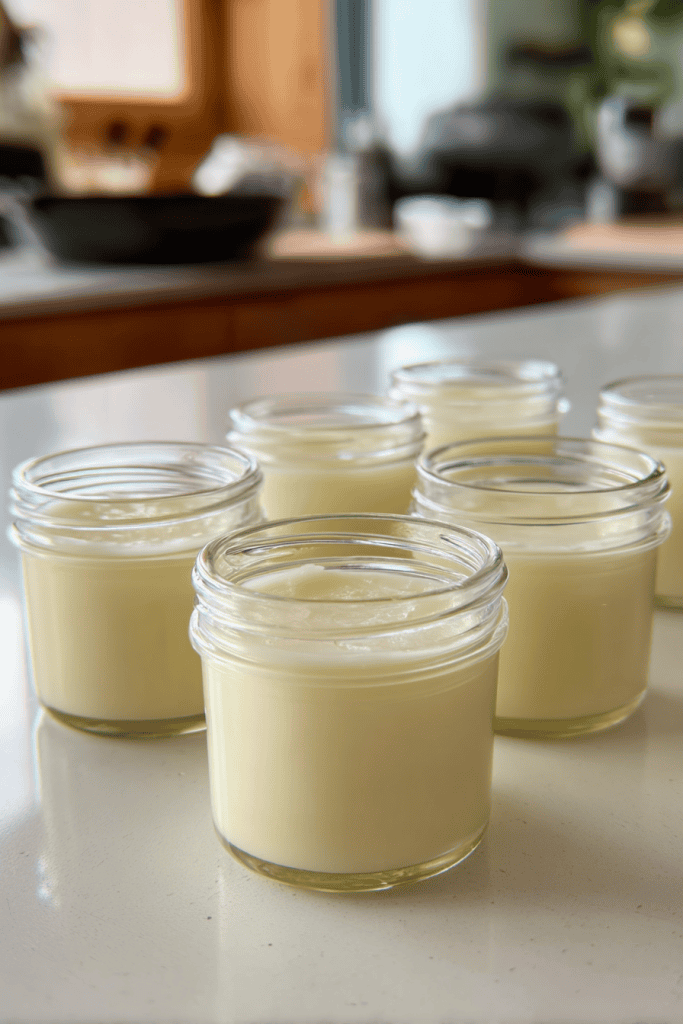
Beef tallow works in more ways than you might think.
From the kitchen to skincare, here’s how it can make everyday life a little easier.
1. Cooking and Frying
Tallow is perfect for frying, roasting, or searing because it holds up under high heat.
It gives vegetables, potatoes, and meats a natural, rich flavor without smoking or breaking down.
Using it adds healthy fats to meals without needing extra oils or butter.
It’s easy to grab when you want a quick, hearty dinner that actually tastes like home-cooked food.
Cooking with tallow is reliable and straightforward – no special tricks required.
2. Baking Substitute
You can swap tallow for butter or shortening in breads, biscuits, and savory pastries.
It keeps baked goods tender and flaky while quietly enhancing flavor.
Because it mixes in so smoothly, there’s no guesswork – just simple, consistent results.
It’s a practical way to make everyday baking a little more wholesome and nutrient-rich.
You’ll notice the difference in texture and moisture without changing your recipes.
3. Moisturizer for Skin

Tallow is incredibly moisturizing because it mimics the oils your skin naturally produces.
Rub it on dry hands, elbows, or feet, and it absorbs quickly without leaving a greasy residue.
Gentle enough for kids and adults alike, it’s an easy alternative to lotions full of unnecessary chemicals.
Over time, regular use keeps skin soft and hydrated.
For a smoother texture that spreads easily, try making my best homemade tallow lotion recipe.
4. Diaper Cream
Tallow is protective and soothing, making it ideal for diaper rash. It forms a gentle barrier against moisture while supporting skin recovery.
The natural vitamins in tallow help keep baby’s skin healthy without any artificial additives.
It’s simple to apply and works naturally with the body.
For families, it’s an easy way to care for little ones without juggling multiple creams.
5. Hair and Scalp Care

Dry scalp or brittle ends? A little tallow can help. Massage it into the scalp or work it through hair tips for hydration and softness.
It nourishes naturally, without sticky residue or chemicals.
Over time, hair becomes smoother and more manageable.
It’s one of those easy, practical habits that fits into a busy routine.
6. Homemade Soaps and Balms

Tallow is a reliable base for DIY soaps, balms, and salves because it’s stable and skin-friendly.
It makes products creamy, long-lasting, and naturally moisturizing.
You can add essential oils if you like, or keep it plain for simplicity.
Making your own skincare is both economical and practical.
If you’d like a dependable starting point, this tried and true tallow soap recipe walks you through my process step by step.
7. Household Uses
Tallow isn’t just for cooking or skin – it’s handy around the house too.
Use it to lubricate squeaky hinges, condition leather, or polish wood.
It’s a natural alternative to chemical products and easy to keep on hand.
Its versatility makes tackling small household chores a little simpler.
It’s one ingredient that quietly covers a lot of bases in day-to-day life.
How to Store Beef Tallow
Beef tallow is naturally long-lasting, but storing it properly helps keep it fresh and ready to use.
Start by keeping it in a clean, airtight container. Glass jars or metal tins work well because they prevent moisture and odors from getting in.
Store it in a cool, dark place, like a pantry or cupboard, to protect it from heat and light.
If you plan to keep it for several months or longer, you can refrigerate it.
It will firm up but remains easy to scoop and use. For even longer storage, tallow can be frozen – it won’t lose its quality and can be thawed as needed.
A good rule of thumb: check it occasionally. If it smells off or shows signs of discoloration, it’s best to discard it.
With proper storage, your tallow will stay usable for months, ready for cooking, skincare, or any household use.
Bringing Beef Tallow into Your Home
Beef tallow is simple, practical, and surprisingly versatile.
It can boost your meals, nourish your skin, and even help with small household tasks – all without cluttering your kitchen or bathroom with extra products.
Start with a few everyday uses and let it become a small but reliable part of your routine.
Over time, you’ll notice how much easier some daily tasks feel with this single ingredient on hand.
Have you tried beef tallow yet?
Share your favorite uses in the comments below and let’s swap tips for keeping life simple, natural, and a little bit easier every day!
FAQS
1. Is beef tallow safe for sensitive skin?
Yes, many people with sensitive skin tolerate beef tallow very well.
Because its fat profile closely resembles the natural oils in human skin, it tends to absorb easily and support the skin barrier rather than disrupt it. That said, if you or your child have highly reactive skin, it’s always wise to do a small patch test first.
Choose high-quality, properly rendered tallow (ideally from grass-fed sources) for the cleanest option.
2. Does beef tallow clog pores?
For most people, tallow does not clog pores when used in small amounts.
It is considered low to moderately comedogenic, meaning it is less likely to block pores compared to heavier synthetic creams. The key is using a thin layer. A pea-sized amount is usually enough for the whole face.
If you are acne-prone, start slowly and observe how your skin responds.
3. Does beef tallow taste like beef when used in cooking?
Properly rendered tallow has a mild, neutral flavor.
When made correctly, it should not have a strong beefy smell or taste. Instead, it adds a subtle richness to foods like roasted vegetables, potatoes, or fried eggs.
If your tallow tastes very strong, it may not have been rendered slowly enough or filtered thoroughly.
4. Can I use beef tallow if I am trying to eat a heart-healthy diet?
Beef tallow contains saturated and monounsaturated fats, which have been part of traditional diets for generations.
Like any fat, it is best used in moderation as part of a balanced diet that includes whole foods, vegetables, and adequate protein. Many people prefer it over highly processed seed oils because it is stable under heat and minimally processed.
If you have specific medical concerns, it’s always wise to consult your healthcare provider for personalized guidance.
5. How do I know if my beef tallow has gone bad?
Fresh tallow should have a clean, mild scent and a creamy white or slightly pale color.
If it develops a sour smell, unusual discoloration, or visible mold, it’s time to discard it. Proper storage in an airtight container, away from heat and moisture, significantly extends its shelf life.
When in doubt, trust your senses. Tallow is naturally stable, but quality matters.
If you have more questions about using beef tallow in everyday life, feel free to drop them in the comments. I love hearing how other families are using simple, traditional ingredients in practical ways.