
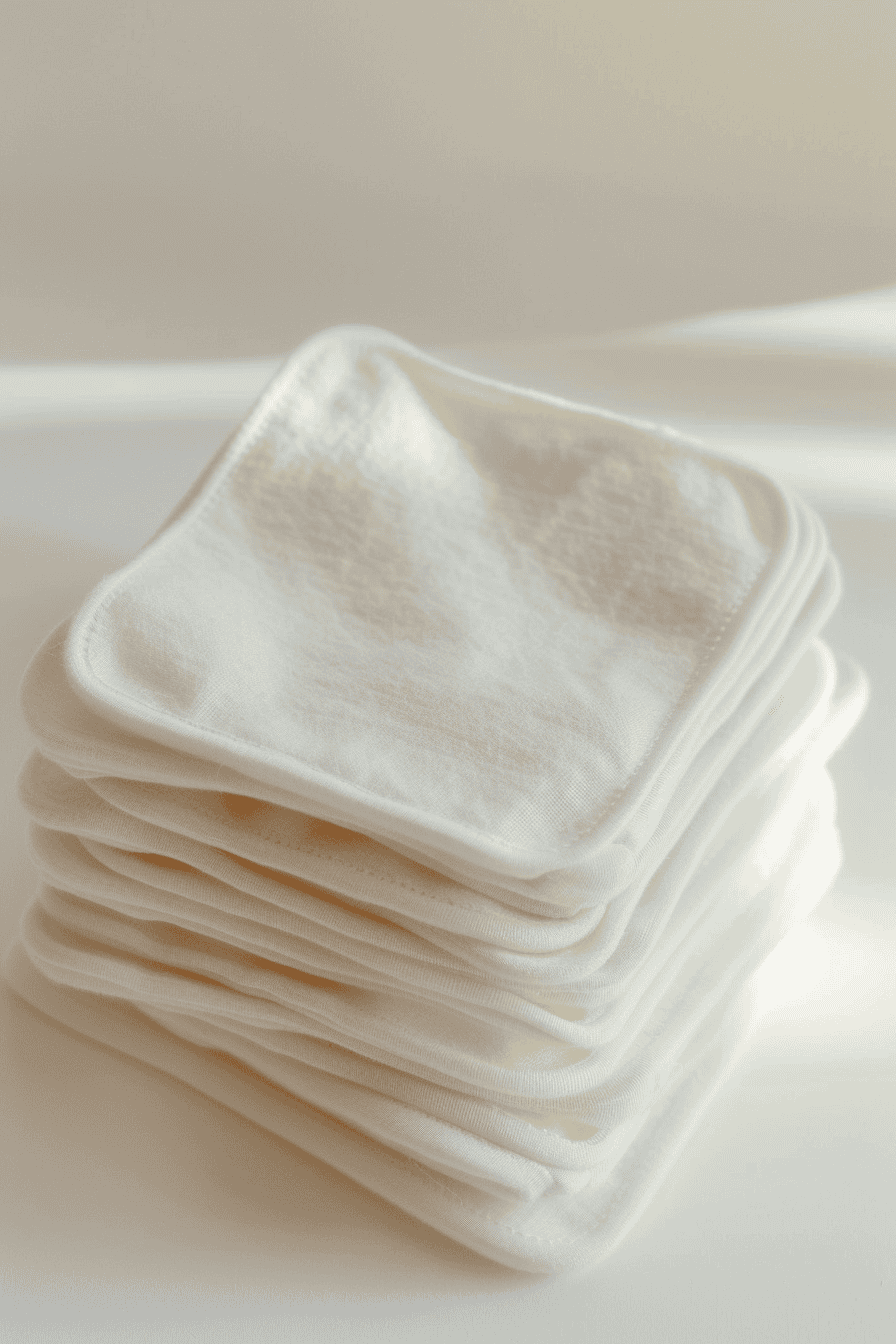
Have you ever thought about switching to cloth baby wipes?
With two little ones at home, I’ve been slowly swapping out lots of disposables for natural, reusable options. Sewing with cotton, linen, wool and hemp has become a little hobby of mine – and making my own cloth wipes quickly turned out to be one of the easiest and most worthwhile changes I’ve made. They’re soft, gentle, and honestly, surprisingly simple to use.
Disposable wipes are definitely convenient, but cloth wipes offer something a bit more thoughtful. They’re kinder to your baby’s skin, gentler on the planet, and – if I’m being honest – they just feel nicer to use.
In this article, I’ll share how to get started with cloth wipes, tips for caring for them, and why so many families (including mine) are making the switch.
What Are Cloth Baby Wipes?
Cloth baby wipes are simple fabric squares you can wash and reuse. But in a home like ours, they’ve become something more – soft, dependable, and part of an everyday rhythm that feels good for both baby and planet.
The Eco-Conscious Parenting Trend
As a parent, I’ve learned that even the tiniest choices can ripple out in meaningful ways.
Switching to cloth wipes is one of those small, thoughtful shifts. It’s part of a growing movement toward eco-conscious parenting – where we nurture our babies gently while also being mindful of the world they’ll grow up in.
Reusable, soft, and sustainable, cloth wipes are a quiet reminder that the little things really do matter.
What are the Advantages of cloth wipes Over Disposable Wipes?
Cloth wipes come with so many upsides – for your baby, your wallet, and the planet.
First up, they’re incredibly budget-friendly. While there’s a small upfront cost, you only have to buy them once. Just wash and reuse. Over time, you’ll save a surprising amount of money (especially if you’re already using cloth diapers, like I am).
They’re also much gentler on sensitive skin. Many disposable wipes are full of fragrances and chemicals that can cause irritation. With cloth wipes, you’re in control. Use soft natural fabrics like cotton, flannel, or bamboo, and just add water or a simple homemade solution – that’s it.
And of course, they’re way better for the environment. Disposable wipes add up fast and usually end up in landfills. Cloth wipes? You can reuse them hundreds of times. It’s a small shift that helps create a lower-waste home.
Personally, cloth wipes just made sense. I already had the diaper pail, so tossing the wipes in too was zero extra work. I sewed my first batch from an old receiving blanket I found at the thrift store for 25 cents – got 16 wipes out of it!
No more last-minute store runs. No overflowing trash bins. Just easy, affordable, planet-friendly goodness.
Honestly, it’s one of the best swaps I’ve made.
How Many Cloth Wipes Will You Need?
The exact number depends on your baby’s age and your wash routine, but here’s a good starting point.
Newborns go through 10 to 14 diaper changes a day, while older babies average around 5 to 7. You’ll usually use 1 to 2 wipes per change (just one for wet diapers, maybe two for the messy ones).
To keep things simple and stress-free, I recommend having at least 30 to 36 cloth wipes. That gives you a comfortable cushion, even when some are in the wash – and having more just makes life easier.
Personally, I like knowing I’ve always got a fresh stack ready, no matter what kind of day we’re having.
Selecting the Right Fabric for Cloth Baby Wipes
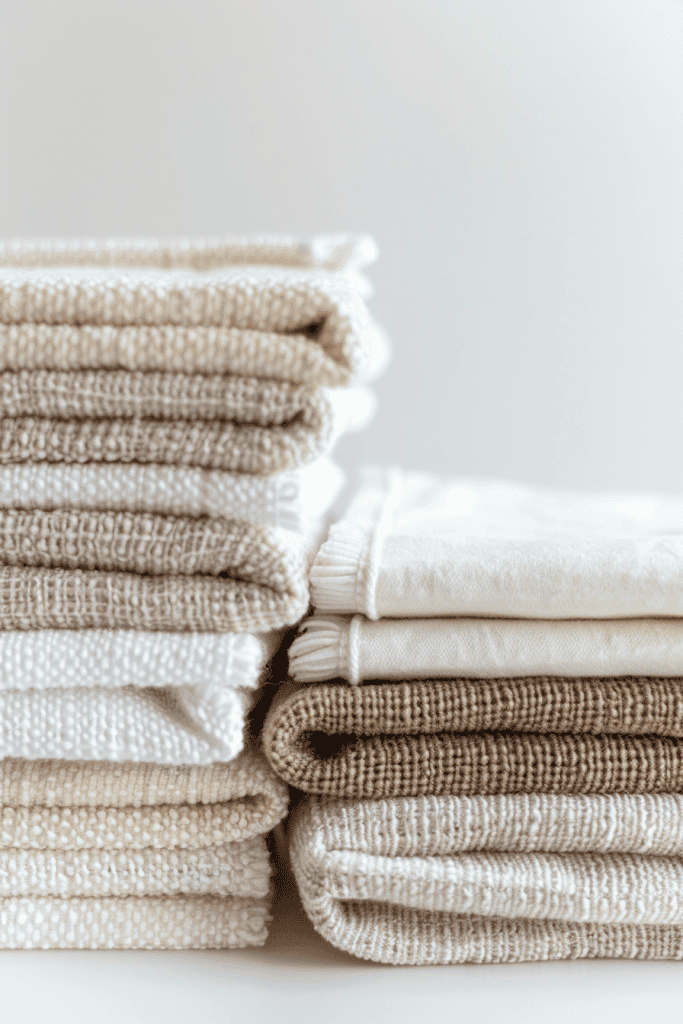
When it comes to cloth wipes, the fabric truly matters. You want something that’s soft on your baby’s skin, absorbent enough to handle the mess, and strong enough to hold up in the wash.
There are a few favorites among cloth-using parents:
- Cotton flannel is super soft, easy to find, and gets more absorbent over time.
- Terry cloth (like a towel) is great for bigger messes. It’s thicker and more textured, which makes cleaning easier.
- Bamboo velour is buttery-soft and naturally antibacterial – perfect for sensitive skin.
Each has its perks, so it’s really about finding what works for your baby. For example, I use a mix! I like flannel for everyday changes and terry for the messier jobs.
Whatever you choose, just make sure it’s gentle, washable, and fits your routine. The right fabric makes diaper changes smoother and more comfortable for everyone.
Necessary Supplies and Tools for Making Cloth Baby Wipes
Choosing the suitable material and tools is essential when making your own cloth baby wipes. You want to avoid ending up with wipes that are too rough for your baby’s skin or fall apart after the first wash.
Here’s a list of what you’ll need to get started:
- Fabric: like cotton flannel, terry cloth, or bamboo velour.
- Thread: Make sure you use a good-quality thread that can handle lots of washing.
- Sewing Machine or Serger: If you’ve got one, great! It’ll make sewing your wipes easy. If not, don’t worry – there are no-sew options too.
- Scissors: You’ll need a sharp pair to cut your fabric accurately.
- Measuring Tape: Don’t forget this essential tool for measuring and cutting your fabric.
- Cutting Mat and Rotary Cutter: These aren’t essential, but they can make the cutting process quicker and more precise.
- (Optional) Fabric Dye: In case you want to customize your wipes with some color
- (Optional) Natural Solutions for Scenting Wipes: If you want your wipes to smell nice, you can add essential oils – just make sure they’re safe for your baby.
- (Optional) Storage Containers: This will keep your wipes organized and ready to use at home or on the go.
Preparing Your Fabric for Cloth Baby Wipes
Before you start stitching, it’s a good idea to prep your fabric so your wipes hold up through all the washing and wear.
Pre-Washing the Fabric
Before you start making your cloth baby wipes, you must ensure your fabric is clean and fresh.
To do this, you should wash it using a mild, baby-friendly detergent in warm water. Don’t use any fabric softeners, as they can affect the absorbency of the wipes.
Once you have washed the fabric, make sure it is completely dry before moving on to the next step of cutting it. This will help prevent shrinkage and ensure your wipes retain their intended size and shape.
Cutting the Fabric to Size

When it comes to cloth wipes, there is no one-size-fits-all solution, but a common standard is 8×8 inches or 20×20 centimeters. This size is both large enough for effective cleaning and small enough for easy handling and storage.
However, it’s important to consider your personal needs and preferences. If you prefer larger wipes for more coverage or smaller ones for portability, adjust the dimensions accordingly to suit your needs.
You can use a cutting mat or a rotary cutter for precise cuts. But if you’re using scissors, make sure they are extremely sharp to achieve clean edges.
Step-by-Step Guide to Making Cloth Wipes
Making cloth baby wipes became one of those oddly satisfying little projects I picked up after having my second baby. It’s simple, doesn’t take much time, and feels surprisingly empowering – especially when I’m using fabrics I already love like cotton flannel or hemp blends.
Here’s exactly how I do it:
1. Match your fabric (for double-layer wipes)
If you’re going for a double-layered style, place the fabric squares with the soft sides facing each other. Flannel works beautifully, or try cotton on one side and terry on the other for a wipe that’s soft and effective. Lining them up neatly at the start will make everything easier down the line.
2. Sew around the edges – but leave a small gap
Use a 1/4-inch seam allowance and sew around all four sides, stopping about 2–3 inches before closing it up. That little opening is important – it’s where you’ll turn the wipe right side out.
3. Turn the wipe right side out
Gently pull the fabric through the opening, smoothing out the edges as you go. A blunt pencil or chopstick can help push the corners out nicely without tearing the fabric. It’s a simple moment, but it always feels good to see the finished side appear.
4. Press and topstitch
Once it’s flipped, give it a quick press with an iron to flatten the edges. Then topstitch around the entire wipe to seal the opening and give the edges a clean, sturdy finish. It’s a small step that adds polish and helps the wipe hold its shape after many washes.
5. Add stitching to reinforce the center (optional)
To keep the layers from shifting or bunching in the wash, add a simple X or a straight line of stitching through the center. It’s especially helpful for double-layered wipes and helps them wear more evenly over time.
6. Trim any loose threads
Before calling it done, check each wipe for loose threads and trim them off. This quick touch keeps the wipes tidy and ready for everyday use.
This process is simple, even for beginners, and it’s one of those projects that quietly adds beauty and function to daily life. Whether you’re making these for a new baby, for household use, or even as gifts, each wipe becomes a small piece of something thoughtful, lasting, and lovely.
Customize Your Cloth Baby Wipes
When it comes to personalizing your cloth baby wipes, you’ve got so many fun and creative options! Adding a little flair to something so practical makes the whole process feel more enjoyable – and a bit more special.
Start with fabrics that make you smile. Whether you love bright, playful prints or calming, neutral tones, go with what feels good to you. Mixing colors and patterns is also a simple way to keep things organized – for example, you could use prints for hands and faces, and solids for diaper changes.
You can even double up on fabric types for a useful twist: try soft flannel on one side and something with a little texture, like terry cloth, on the other. It gives you the best of both worlds – gentle and effective.
And if you’re skilled with embroidery, why not add your baby’s name or cute designs to the wipes for that extra special touch?
How To Create a Wipes Solution for Cloth Baby Wipes?
Creating a natural and gentle wipes solution for your cloth baby wipes is a straightforward and rewarding process.
It allows you to use safe and soothing ingredients for your baby’s delicate skin, ensuring that each diaper change is as gentle as it is effective.
Here’s a simple recipe that I like to use:
- Start with some distilled or boiled water, cooled to room temperature. Clean water is the foundation.
- Add a few drops of a natural oil like coconut or almond oil. These are super gentle and help keep baby’s skin soft and moisturized.
- Stir in a small amount of unscented baby wash – just enough to gently clean without being harsh. Make sure it’s free from fragrances and chemicals that can irritate delicate skin.
- Mix all your ingredients in a clean bottle and give it a good shake.
- You can either pre-moisten your cloth wipes by soaking them in the solution or keep the mixture in a spray bottle and spritz as needed. I prefer the spray bottle – it keeps the wipes nice and damp without getting soggy.
- Before using the solution all over your baby, do a little patch test on their skin just to be safe.
When I make my wipes solution, I often use Castile soap as the gentle cleanser, plus clean water, and add a few drops of essential oils like lavender and tea tree. These oils have natural antibacterial and antifungal properties, and they’re antiseptic, too but always diluted properly with a carrier oil, like almond oil.
A quick heads up: tea tree oil can sometimes be a little strong for sensitive baby skin, so always dilute it well and keep an eye out for any reactions.
Storing and Using Cloth Baby Wipes
Storing and using cloth baby wipes can actually make your daily routine smoother, cleaner, and more sustainable – and it’s easier than you might think.
Start by picking a dry, easy-to-reach spot in your nursery or changing area. That way, your wipes are always within arm’s reach when baby needs a quick clean-up.
If you like pre-moistened wipes, keep them in a waterproof container. Just remember: they should be damp, not soaking wet. And every few days, refresh the solution to keep things smelling fresh and mold-free.
During diaper changes, having wipes close by can make all the difference. For dry wipes, a little spray bottle filled with your gentle homemade cleaning mix is perfect – just spritz as needed.
When you’re out and about, pack a few damp wipes in a travel container or bring along dry ones with a small spray bottle. This keeps things flexible and hassle-free, no matter where your day takes you.
After use, toss your wipes into a designated container or wet bag until laundry day rolls around. Washing every two to three days with a mild, baby-safe detergent keeps your wipes soft and ready for action. Just skip the fabric softener since it can reduce their absorbency.
And don’t forget to check your stash regularly – replacing worn or thinning wipes means you’re always stocked with clean, reliable cloth wipes that make caring for your little one easier and gentler.
Several Things That You Should do To Clean and Maintain Your Cloth Baby Wipes

When it comes to keeping your cloth baby wipes clean and fresh, there are a few things to keep in mind.
1. First, you would need to establish a consistent washing routine. Wash your cloth wipes every 2-3 days to prevent the buildup of bacteria and unpleasant odors.
2. If the wipes are especially soiled (especially once baby starts solids), a quick rinse in cold water before tossing them in the wash goes a long way. It helps prevent stains and keeps your laundry from getting overloaded with, well… extra “stuff.”
3. When you’re ready to wash your cloth wipes, just toss your wipes in with the rest of your laundry. Use warm water and a mild, baby-safe detergent. Skip the fabric softener and bleach – they can mess with absorbency and irritate sensitive skin.
4. Sunshine is magic when it comes to cloth wipes. It naturally sanitizes, freshens, and even helps fade stains. Line-drying outside on a sunny day keeps your wipes in great shape. Just make sure to bring them in before the weather turns or the dew sets in.
A simple system like this makes cloth wipes easy to manage – no stress, no special products, and no endless soaking. Just clean, soft, reusable wipes that work hard and feel good.
Troubleshooting Common Issues with Cloth Baby Wipes
Even with good care, cloth baby wipes can run into a few hiccups. Don’t worry – most of these issues are easy to fix with simple, natural solutions you likely already have on hand.
1. That stubborn mildew smell
Let’s start with the big one: that musty, sour smell that sometimes sneaks in. Mildew can happen if the wipes are stored damp or not fully dry – especially in warm, humid weather.
The best prevention is to make sure your wipes are completely dry before putting them away. If you can, dry them in the sun – it’s a free and natural disinfectant. Nothing beats that crisp, sun-dried smell.
But if the smell has already settled in, don’t toss your wipes just yet. Try soaking them in equal parts white vinegar and water for a few hours before washing. Vinegar is great at breaking down mildew and neutralizing odors.
If still stinky after that, give baking soda a shot. Add 1/2 cup (about 120 mL) of baking soda to your wash cycle (use hot water if your fabric allows), and let it work its magic.
Vinegar and baking soda fight different types of bacteria, so using both at different points can be extra effective. If needed, you can add a splash of vinegar to the rinse cycle afterward to finish freshening things up.
2. Dealing with stains
Stains happen – especially if you’re using cloth wipes for diaper changes, messy faces, or snacks-on-the-go. But a little natural stain-fighting goes a long way.
Try mixing one part lemon juice with two parts water and applying it directly to the stain. You can also use a mix of borax and water (same ratio) for a little extra boost. Want them to smell nice too? A few drops of essential oil (like lavender or lemon) make it feel less like laundry and more like a little spa moment.
And again, never underestimate the power of the sun. Hang those wipes outside and let sunlight do its gentle bleaching work – it’s effective and chemical-free.
3. Watch for wear and tear
Cloth wipes get used a lot – and that’s the goal! But over time, you might notice some fraying or thinning fabric. If they start feeling rough or worn, it’s a good time to retire them and bring in some fresh ones.
Worn-out wipes can be less gentle on your baby’s skin, and let’s be honest, you want something soft and reliable when you’re cleaning sensitive little areas. Replacing old wipes helps keep things comfy, clean, and working well for you and your baby.
Now You Can Make The Best Cloth Wipes For Your Baby!
Switching to cloth baby wipes is one of those small-but-mighty parenting choices. It saves you money, cuts down on waste, and feels good – in that “this actually makes sense” kind of way.
You get to choose the fabrics, the size, and the softness that works best for your baby. Whether you’re sewing with cotton, flannel, or repurposing old receiving blankets, there’s something so satisfying about creating a simple thing that gets used every day.
So if you’ve been thinking about making the switch – now’s a great time. You’re not alone. More and more parents are choosing reusable cloth wipes as part of a gentler, more sustainable diapering routine.
And if you’ve got your own tips, favorite fabrics, or creative cloth wipe hacks, I’d love to hear about them. Drop them in the comments and let’s keep learning from each other!