
Homemaking is less about keeping a perfect house and more about creating a steady, life-giving rhythm for the people who live in it. It’s the quiet, unseen work that turns a house into a home – through meals shared, laundry folded, floors swept, and peaceful routines that anchor the day.
These basic skills aren’t about doing more or achieving some ideal. They’re about learning the art of presence, of stewardship, of tending to the small things that often matter most.
Whether you’re new to homemaking or simply seeking more intention in your daily rhythm, these simple, foundational practices can help your home feel more peaceful, more manageable, and more deeply lived-in.
15 Essential Homemaking Skills
A well-run home is shaped by the art and practice of managing and maintaining a home to make it feel comfortable, organized, and functional.
These are skills that grow over time, often through everyday experience. As life unfolds, we learn. One small shift at a time, homemaking becomes less about managing tasks and more about stewarding what we’ve been given with grace.
Here are 15 simple, meaningful skills that can help your home feel more grounded and manageable.
1. Cleaning and Organizing
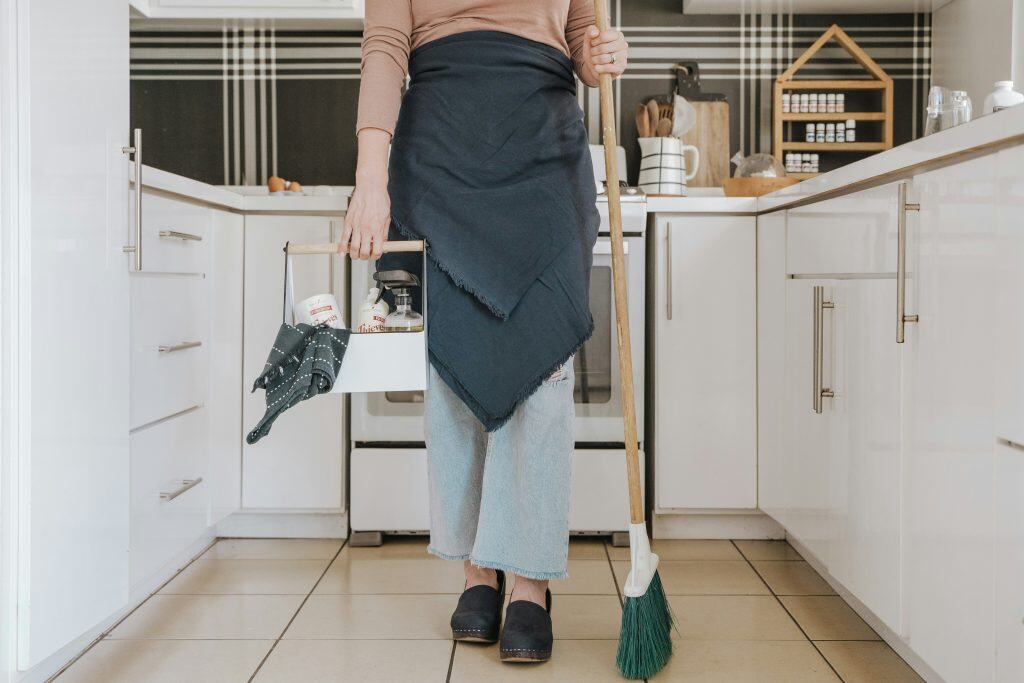
A clean, orderly home just needs to serve the people who live in it. When spaces are cared for and mostly in place, the whole home feels more peaceful. You can breathe deeper. You can find what you need without digging.
The goal is a sense of flow – a home that’s easy to maintain because your daily habits support it.
- Clean as you go. Wipe down surfaces after use, especially in the kitchen and bathroom. It takes less time than deep cleaning later.
- Tidy by category. Keep clutter in check with simple zones – like a basket for mail or a bin for toys at the end of the day.
- Pair with daily rhythms. Fold laundry while the kids play, sweep while something simmers, or tidy a room while waiting on the washer.
- Simplify where you can. Fewer items means fewer things to manage, clean, or organize. Let your systems reflect how your family actually lives.
These micro-habits don’t feel like “cleaning” – they just become part of how you move through the day.
2. Cooking
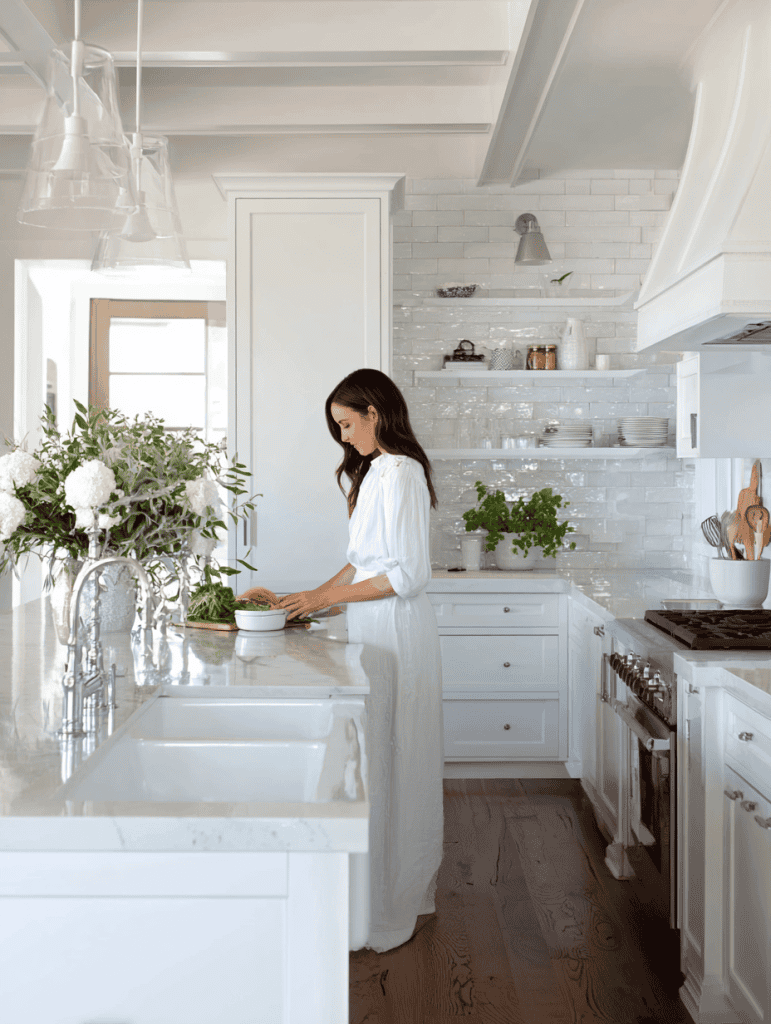
Feeding your family is one of the most meaningful – and daily – acts of care. Simple, nourishing meals cooked at home offer more than nutrition. They bring people to the table, invite conversation, and create a sense of rhythm in the day.
Cooking is a skill that grows over time. You just need a few reliable meals, and a willingness to keep learning.
- Stick with recipes you actually enjoy eating. Then repeat them until they feel effortless.
- Make double when you can. Leftovers are tomorrow-you’s love letter.
- Clean as you go – or at least soak the pots. You’ll thank yourself later.
- If it feels overwhelming, start with one home-cooked meal a day. That’s more than enough.
3. Basic Natural Home Remedies
Sometimes the simplest things really are the most powerful. A few basic natural remedies can go a long way – and chances are, you already have some of them in your kitchen. These aren’t meant to replace professional medical help, of course, but they can be a kind, low-intervention way to soothe common discomforts.
Gentle go-to remedies for everyday issues, using ingredients often found in your pantry or garden:
- Cough or sore throat — Warm honey-lemon tea or a spoonful of honey with ginger juice
- Itchy bug bites — Apple cider vinegar or a baking soda paste to ease irritation
- Mild burns — Aloe vera gel or a bit of raw honey to soothe and promote healing
- Headache — Peppermint oil on the temples or a cool compress across the forehead
- Upset stomach — Chamomile or ginger tea to calm digestion
- Congested nose — Steam inhalation with eucalyptus or peppermint oil
- Tired feet — Soak in warm water with Epsom salt and a few drops of lavender oil
4. Caring for Children
Caring for children is one of the most sacred parts of homemaking – and also one of the most stretching. It’s not just about meeting needs, though that matters deeply. It’s about presence. About paying attention. About offering comfort, guidance, and consistency in a world that often feels too fast.
Children need to be seen, heard, and gently led. The daily work of wiping noses, tying shoes, preparing snacks, and listening to long stories about imaginary worlds – that’s the work that forms both them and us.
Helpful rhythms to ground your days:
- Break the day into simple parts: morning prep, meals, outdoor time, quiet time, evening wind-down. Kids thrive on knowing what to expect.
- Prep easy grab-and-go snacks like sliced fruit, boiled eggs, or nut butter sandwiches and keep water bottles filled.
- Create “quiet baskets” with books, puzzles, or calm toys for rest time or moments when you need to tend to something else.
The work is daily. But the fruit of that steady care – strong relationships, confident children, peaceful home – is worth every bit of it.
5. Creating Schedules and Routines
Routines bring rhythm to the day. They anchor your time, reduce decision fatigue, and help your home flow with more peace and less overwhelm. A good routine supports your life, not controls it.
Whether you’re caring for young children, managing a household, or balancing multiple roles, creating gentle structure can help everyone feel more grounded.
A few ways to build meaningful routines:
- Start small. Begin with just one or two anchor points in your day – like morning chores or an evening wind-down. Let the rest flow around those.
- Work with natural rhythms. Plan high-energy tasks (like errands or cleaning) during your most focused times. Reserve quieter activities for the afternoon slump.
- Use visual cues. For young children, a picture chart or simple checklist can offer gentle direction and build independence.
- Adjust with the seasons. Life shifts – weather changes, school years begin, babies grow. Let your routines evolve with you.
- Build in margin. Leave space for rest, interruptions, and real life. A good routine leaves room to breathe.
Homemaking thrives on rhythm, not rigidity. When your days have a gentle flow, home begins to feel less like a list of tasks – and more like a place of calm, steady care.
6. Meal Planning
Meal planning makes life a whole lot easier, especially when the day’s already full. It’s more like glancing at the week ahead and thinking, What do I already have? What’s going bad soon? What can I cook once and stretch into a couple meals? Just a loose plan can save you from the 4 PM panic or ordering something you didn’t even want.
- Stick with what’s in season (it’s cheaper and tastes better)
- Jot down 4–5 dinner ideas
- Make a list before grocery runs
- Cook once, eat twice
- Leave room for “whatever’s in the fridge” nights
- Check pantry and freezer before planning
7. Baking
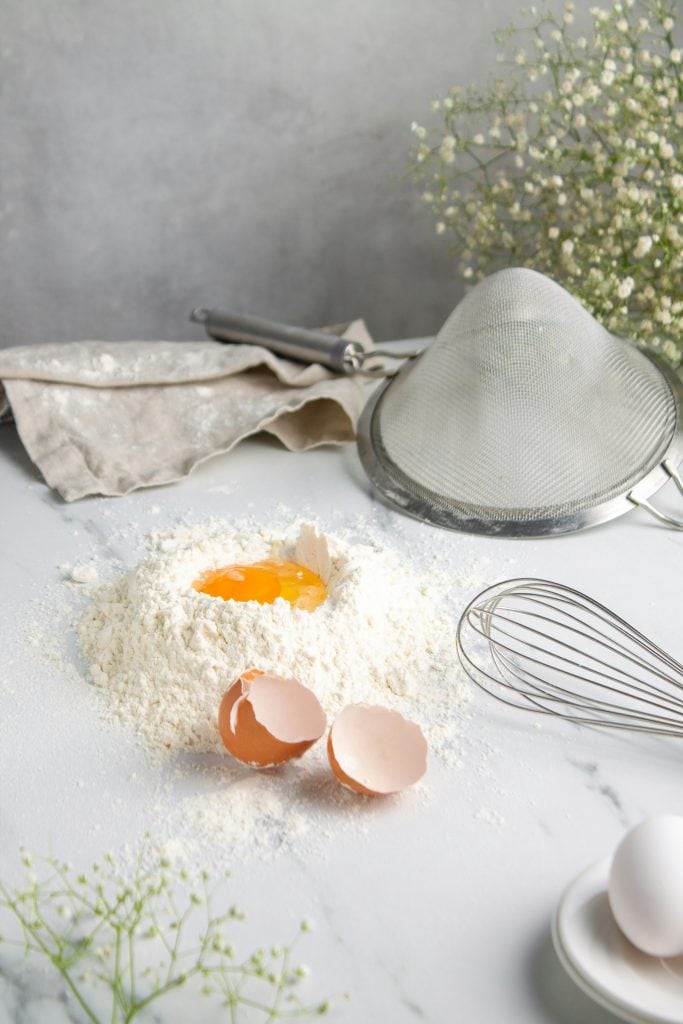
Baking is more than making cookies – it’s knowing how to turn basic ingredients into something warm and comforting. A good loaf of bread, a simple cake, biscuits that don’t come from a can.
Once you get the hang of it, baking becomes second nature – and it’s one of the most satisfying ways to feed people you love.
- Start with simple recipes (think banana bread or muffins)
- Always read the full recipe before you start
- Don’t skip preheating the oven
- Use room temperature eggs and butter (they mix better)
- Get to know your oven – it might run hotter or cooler than it says
- Don’t overmix your batter (unless you like dense cupcakes)
- Keep a basic baking stash: flour, sugar, eggs, butter, baking powder
- Learn one go-to recipe you can make without thinking
8. Decluttering and Organizing

When things are always in the way, so is your peace of mind. Getting organized doesn’t mean color-coded bins or Pinterest-worthy drawers – it just means knowing where your stuff is and not drowning in things you don’t use.
Tips:
- Less stuff = less cleaning, less stress, more freedom
- Start small (one drawer, one corner)
- Keep a donate box handy and use it often
- If you forgot you owned it, you probably don’t need it
- Don’t organize clutter – get rid of it first
- Give everything a home so you’re not always “looking for it”
- Be honest: are you really going to fix it/use it/wear it?
- Clear surfaces help you breathe better, seriously
9. Shopping for Groceries
This is a homemaking skill that saves time, money, and stress – when done with a little thought. You’re not just buying food. You’re planning for meals, snacks, lunchboxes, cravings, surprise guests, and “I forgot to thaw the meat” kind of days. A good grocery strategy means fewer impulse buys and less food waste.
What you can do:
- Make a flexible meal plan before heading out
- Stick to your list (but leave room for one fun extra)
- Don’t shop hungry
- Check your pantry first
- Buy staple ingredients that work in multiple meals
- Go for seasonal produce – it’s cheaper and tastes better
- Learn unit prices to compare deals
- Keep a running list on your phone or fridge so you don’t forget things
10. Gardening and Yard Work
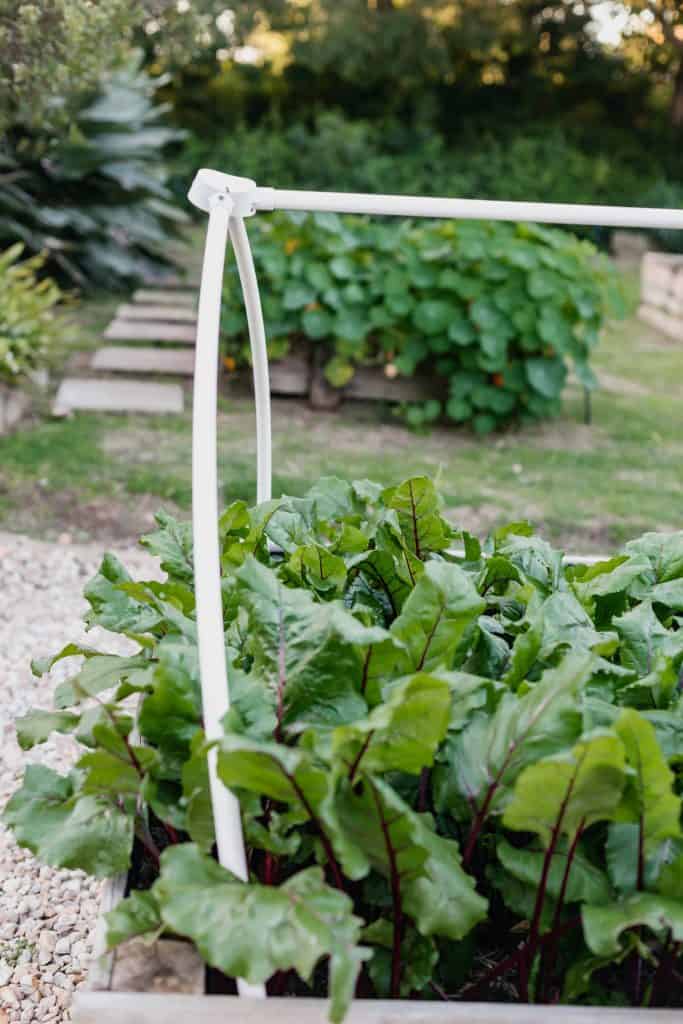
Gardening is a hands-on way to care for your home. Whether you’re working with a few containers or a small yard, growing something useful – like herbs, vegetables, or even low-maintenance plants – can support your meals, your budget, and your daily routine.
It’s also a good way to stay active and get outside, especially if most of your time is spent indoors. Simple tasks like watering, pulling weeds, or sweeping the walkway keep your space looking tidy and help prevent bigger maintenance jobs later on.
Start with these basics:
- Start small with easy plants (herbs, tomatoes, leafy greens)
- Use compost or kitchen scraps to enrich your soil
- Water early in the morning or late afternoon
- Mulch to keep weeds down and moisture in
- Set a 15-minute yard tidy-up timer once a week
- Involve the kids – digging and watering are great beginner jobs
- Use what you have (old buckets, crates, or broken pots work fine)
11. Food Preservation and Canning

This is the skill that turns “too much zucchini” into “thank goodness I canned that.” Whether you’re freezing, fermenting, dehydrating, or water bath canning, preserving food stretches your groceries and makes seasonal eating way easier.
It’s also deeply satisfying to see shelves of homemade jam, pickles, or sauce lined up like trophies of your work.
Tips:
- Start with freezer-friendly foods if canning feels intimidating
- Water bath canning is great for high-acid foods like tomatoes, fruits, and pickles
- Always use clean jars and follow safe processing times
- Label everything with the date
- Small batch preserving is less stressful and still worth it
- Use lemon juice or vinegar to safely preserve low-acid foods
- Freeze chopped veggies flat in bags to save space
- Don’t try five new recipes at once – master one method at a time
12. Sewing
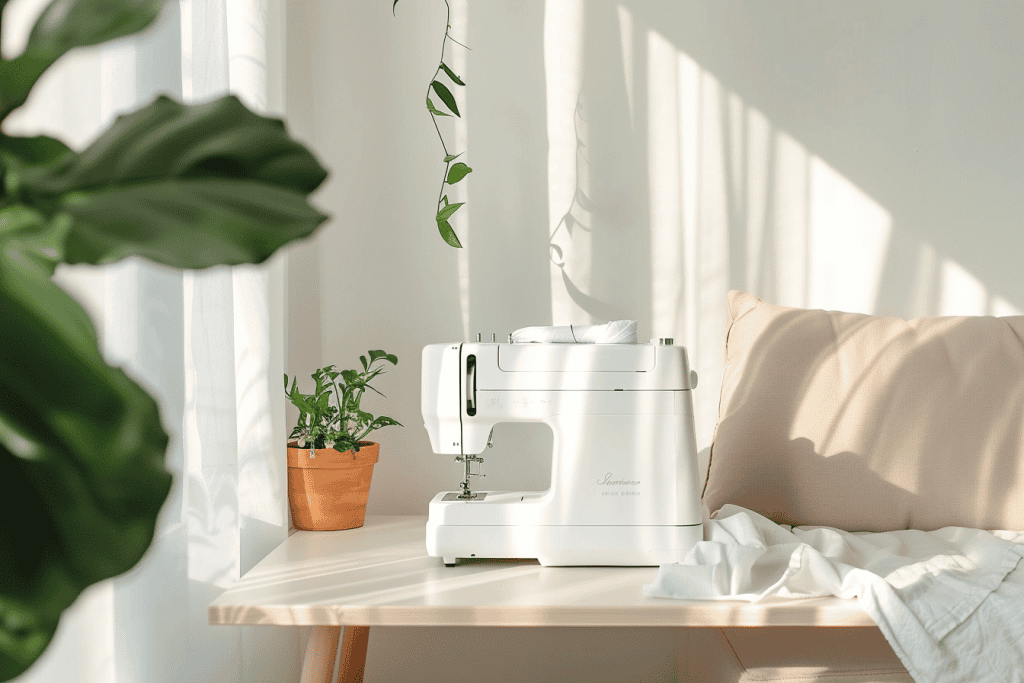
Sewing comes in handy more often than you’d expect. A ripped seam, a too-long curtain, a Halloween costume emergency – being able to handle those on your own saves time, money, and stress. Even basic sewing skills can stretch your budget and help you reuse what you already have.
You just need to be able to thread a needle and stitch something back together when life gets messy.
Quick tips:
- Learn how to sew a button and fix a basic seam – those two things go a long way.
- Keep a small kit in the house: needle, thread, scissors, safety pins, and a seam ripper.
- Watch a few beginner sewing videos for your machine model. Saves a lot of guessing.
- Use scrap fabric or old clothes to practice stitches.
- Iron your fabric before sewing. It makes things smoother.
- Don’t panic over mistakes. Just rip the seam and try again.
- Hand sewing works great for quick patches or hemming when you’re in a rush.
- Save fabric from worn-out clothes – they make great patches, pockets, or reinforcements.
Sewing gives you options. And in a household that runs on creativity and resourcefulness, that’s always a good thing.
13. Mending and Wardrobe Maintenance

When you start treating your wardrobe like something worth maintaining (instead of just replacing), everything shifts. Your favorite pieces last longer, laundry becomes less stressful, and you don’t find yourself panic-buying new outfits last minute.
It’s about respecting the clothes you already have, making them last, and feeling more at ease when you get dressed in the morning. A little attention here and there can stretch the life of your closet by years – saving money, time, and a whole lot of clutter.
Simple ways to take care of your clothes:
- Read the care tags – even just once. They usually tell you exactly what your clothes need to last.
- Rotate outfits so your go-to favorites don’t wear out too fast.
- Spot-treat stains right away with water or a gentle homemade solution (like baking soda or diluted dish soap).
- Use a lint roller or fabric shaver to remove fuzz and keep knits looking new.
- Fold or hang clothes properly – cramming things into a drawer shortens their life.
- Store off-season clothes in bins or vacuum-sealed bags to prevent fading and mildew.
- Don’t ignore minor repairs. Patching a small hole or tightening a button only takes a few minutes.
- Skip the dryer when you can. Air drying is gentler and helps prevent shrinkage and pilling.
- Wash less often. If it’s not visibly dirty or smelly, hang it up and wear it again.
- Use mesh laundry bags for delicate items so they don’t get tangled or stretched.
Taking care of your clothes is like caring for any other part of your home – it’s a form of stewardship.
14. Nursing Sick Family Members
No one ever really plans for the sick days – but when they hit, it helps to have a calm system in place. Whether it’s a toddler with a fever, a spouse fighting off a nasty cold, or even just a round of seasonal sniffles going around the house, being the “home nurse” often falls to us by default.
And while it can be exhausting (especially when you’re running on little sleep), it can also feel strangely grounding – caring for the people you love in the most ordinary, human way.
Stocking the basics, knowing when to call the clinic, keeping things clean but not obsessively sterile—these quiet rhythms help hold the household together during tough stretches.
Simple ways to care for sick loved ones:
- Keep a small sick-day kit handy (thermometer, electrolyte packets, tissues, essential oils, etc.).
- Offer warm, nourishing foods like brothy soups, herbal teas, or plain toast when appetites are low.
- Use humidifiers, chest rubs, or essential oils (like eucalyptus or lavender) to ease breathing.
- Change pillowcases, towels, and water glasses daily to prevent spreading germs.
- Let them rest – and try to rest yourself when you can.
- Use natural remedies (like honey for coughs or onion poultices) alongside any doctor-approved treatments.
- Keep a written log if symptoms or medications need tracking.
- Wash hands often and clean common surfaces, but don’t over-sanitize the whole house.
- Encourage plenty of fluids, even if it’s just sips of coconut water or homemade lemonade.
- Bring comfort – soft blankets, cozy socks, and a quiet presence make a difference.
Caring for sick loved ones is a tender, necessary work. And while the sniffles will pass, that sense of comfort and safety you offer will stick around.
15. Managing the Home Finances
Caring for your home includes caring for your money – and it can be a surprisingly life-giving part of homemaking. When your finances are tended with intention, even the smallest budget can feel steady, spacious, and supportive.
Money, after all, is just a tool. One that helps nourish your family, shape your days, and open doors for meaningful choices. When you guide it with purpose, you’re not just spending – you’re planting. You’re creating a rhythm that aligns with your values and supports your goals.
Whether you love lists, prefer simple check-ins, or use color-coded spreadsheets, there’s no one “right” way to do it. The key is consistency that feels natural to you. Over time, those habits create a kind of quiet confidence. You know where things stand. You know what’s coming. You know what’s possible.
Some homemakers find joy in:
- Planning meals that are both nourishing and budget-friendly
- Saving up for something special (even small treats bring delight!)
- Using tools like cash envelopes, digital trackers, or cozy budgeting journals
- Shopping secondhand or making creative swaps that feel resourceful and rewarding
- Setting aside a little each month for family adventures or unexpected blessings
You’re not just handling money – you’re weaving stability and joy into everyday life.
Build a Home Rhythm That Fits Your Life

Being a good homemaker just means you’re doing your best to keep things running, care for your home, and look out for the people in it.
Some days that might look like a clean kitchen and fresh sheets. Other days it’s frozen pizza and crumbs on the floor – and that’s okay. What matters is that you’re showing up and doing what needs doing, the best way you know how.
You just need to find what works for you and your season of life. And that’s going to look different from one home to the next.
So if you’re keeping folks fed, laundry mostly done, and there’s a bit of calm here and there in your day – you’re already doing a good job. Really. Be kind to yourself. And remember, the work you’re doing at home matters more than it gets credit for.